
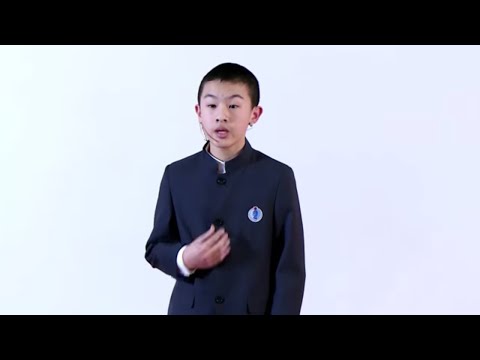
hello everyone my name is Max and have any of you ever thought hey some kids in
any of you ever thought hey some kids in
any of you ever thought hey some kids in China are being struck for not doing
China are being struck for not doing
China are being struck for not doing their homework which I’m sure some of
their homework which I’m sure some of
their homework which I’m sure some of you may have done as a child but anyways
you may have done as a child but anyways
you may have done as a child but anyways how can we avoid these physical forms of
how can we avoid these physical forms of
how can we avoid these physical forms of punishment well actually there are a lot
punishment well actually there are a lot
punishment well actually there are a lot of possibilities but the one I will be
of possibilities but the one I will be
of possibilities but the one I will be talking about is positive reinforcement
talking about is positive reinforcement
talking about is positive reinforcement or positive peer pressure and this is
or positive peer pressure and this is
or positive peer pressure and this is benevolent in a lot of ways but one that
benevolent in a lot of ways but one that
benevolent in a lot of ways but one that it can add to students enthusiasm to
it can add to students enthusiasm to
it can add to students enthusiasm to learn too that it can help teachers
learn too that it can help teachers
learn too that it can help teachers identify mistakes and three that it’s
identify mistakes and three that it’s
identify mistakes and three that it’s different from the common method these
different from the common method these
different from the common method these are the points I’ll be expanding on
are the points I’ll be expanding on
are the points I’ll be expanding on during my speech firstly positive
during my speech firstly positive
during my speech firstly positive reinforcement can add to the students
reinforcement can add to the students
reinforcement can add to the students enthusiasm to learn this is done by
enthusiasm to learn this is done by
enthusiasm to learn this is done by replacing punishments which are
replacing punishments which are
replacing punishments which are ineffective because of repeated usage
ineffective because of repeated usage
ineffective because of repeated usage with rewards and also not just rewarding
with rewards and also not just rewarding
with rewards and also not just rewarding one student which can lead to depression
one student which can lead to depression
one student which can lead to depression and loss of willpower to those who are
and loss of willpower to those who are
and loss of willpower to those who are not rewarded but to the class as a whole
not rewarded but to the class as a whole
not rewarded but to the class as a whole this would make it so that the class
this would make it so that the class
this would make it so that the class would behave itself by silencing those
would behave itself by silencing those
would behave itself by silencing those who are being disruptive or helping
who are being disruptive or helping
who are being disruptive or helping those who are not listening listen it
those who are not listening listen it
those who are not listening listen it would make it so that students view
would make it so that students view
would make it so that students view learning in a favorable way and learned
learning in a favorable way and learned
learning in a favorable way and learned faster secondly positive reinforcement
faster secondly positive reinforcement
faster secondly positive reinforcement can help not only students but also
can help not only students but also
can help not only students but also teachers realize their mistakes take the
teachers realize their mistakes take the
teachers realize their mistakes take the research that the Stanford University
research that the Stanford University
research that the Stanford University has done on the subject of respect based
has done on the subject of respect based
has done on the subject of respect based on the views of students and teachers
on the views of students and teachers
on the views of students and teachers teachers often be a respect in terms of
teachers often be a respect in terms of
teachers often be a respect in terms of compiling and cooperation while students
compiling and cooperation while students
compiling and cooperation while students view respect
view respect
view respect as a basic recognization of their
as a basic recognization of their
as a basic recognization of their humanity so what this means is that
humanity so what this means is that
humanity so what this means is that teachers view respect as teachers as
teachers view respect as teachers as
teachers view respect as teachers as students sorry listening to what they
students sorry listening to what they
students sorry listening to what they say and doing it while students think
say and doing it while students think
say and doing it while students think that respect means being judged as an
that respect means being judged as an
that respect means being judged as an equal and sometimes these two opinions
equal and sometimes these two opinions
equal and sometimes these two opinions will clash for example if everybody else
will clash for example if everybody else
will clash for example if everybody else in the class was misbehaving then the
in the class was misbehaving then the
in the class was misbehaving then the student will be compiled to do the same
student will be compiled to do the same
student will be compiled to do the same however
however
however we could use this to the school’s
we could use this to the school’s
we could use this to the school’s advantage and by doing so we could help
advantage and by doing so we could help
advantage and by doing so we could help the teacher listen in on what the
the teacher listen in on what the
the teacher listen in on what the students really want and this way both
students really want and this way both
students really want and this way both teachers and students could improve
teachers and students could improve
teachers and students could improve faster thirdly positive reinforcement is
faster thirdly positive reinforcement is
faster thirdly positive reinforcement is different from the way that some schools
different from the way that some schools
different from the way that some schools in China are using and currently that
in China are using and currently that
in China are using and currently that ranges from beating to expulsion however
ranges from beating to expulsion however
ranges from beating to expulsion however if we add in positive reinforcement then
if we add in positive reinforcement then
if we add in positive reinforcement then everyone will detect a different feeling
everyone will detect a different feeling
everyone will detect a different feeling one of hope and happiness rather than
one of hope and happiness rather than
one of hope and happiness rather than the depression and anxiety they felt
the depression and anxiety they felt
the depression and anxiety they felt every day before that it would also be
every day before that it would also be
every day before that it would also be more popular among the students why if
more popular among the students why if
more popular among the students why if you are the students which would you
you are the students which would you
you are the students which would you choose and if you truly care about the
choose and if you truly care about the
choose and if you truly care about the students
students
students I trust you or choose the same now the
I trust you or choose the same now the
I trust you or choose the same now the last question you may have is why should
last question you may have is why should
last question you may have is why should we change but the real question should
we change but the real question should
we change but the real question should be why shouldn’t we change why shouldn’t
be why shouldn’t we change why shouldn’t
be why shouldn’t we change why shouldn’t we change to a way that would add to
we change to a way that would add to
we change to a way that would add to students enthusiasm to learn why
students enthusiasm to learn why
students enthusiasm to learn why shouldn’t we change to a method that
shouldn’t we change to a method that
shouldn’t we change to a method that would help teachers identify their own
would help teachers identify their own
would help teachers identify their own mistakes why shouldn’t we change to a
mistakes why shouldn’t we change to a
mistakes why shouldn’t we change to a system that’ll be more popular among the
system that’ll be more popular among the
system that’ll be more popular among the students why shouldn’t we change thank
students why shouldn’t we change thank
students why shouldn’t we change thank you
”
Be First to Comment