
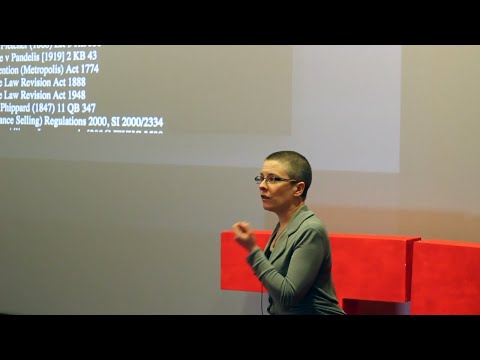
well I’m going to talk about this afternoon is why not to follow the
afternoon is why not to follow the
afternoon is why not to follow the program and specifically all lawyers can
program and specifically all lawyers can
program and specifically all lawyers can teach us about artificial intelligence
teach us about artificial intelligence
teach us about artificial intelligence lawyers those people who dressed like
lawyers those people who dressed like
lawyers those people who dressed like it’s the 18th century and think a tablet
it’s the 18th century and think a tablet
it’s the 18th century and think a tablet is something that’s made out of stone
is something that’s made out of stone
is something that’s made out of stone yes lawyers because the oldest existing
yes lawyers because the oldest existing
yes lawyers because the oldest existing written law is over four thousand years
written law is over four thousand years
written law is over four thousand years old
old
old that’s at least how long lawyers have
that’s at least how long lawyers have
that’s at least how long lawyers have been programming mindless robots and in
been programming mindless robots and in
been programming mindless robots and in case you doubt that this program is all
case you doubt that this program is all
case you doubt that this program is all the laws that have governed your
the laws that have governed your
the laws that have governed your behavior since you woke up this morning
behavior since you woke up this morning
behavior since you woke up this morning and the only assumption I’ve made the
and the only assumption I’ve made the
and the only assumption I’ve made the only assumption I have made is that you
only assumption I have made is that you
only assumption I have made is that you didn’t come here by air your name your
didn’t come here by air your name your
didn’t come here by air your name your identity who you speak to what you see
identity who you speak to what you see
identity who you speak to what you see the clothes you’re wearing are all
the clothes you’re wearing are all
the clothes you’re wearing are all defined by legislation and by cases the
defined by legislation and by cases the
defined by legislation and by cases the fact that you are here today is because
fact that you are here today is because
fact that you are here today is because of the law of contract and so many many
of the law of contract and so many many
of the law of contract and so many many aspects of your behavior have been
aspects of your behavior have been
aspects of your behavior have been programmed without you even realizing it
programmed without you even realizing it
programmed without you even realizing it and therefore lawyers know a lot about
and therefore lawyers know a lot about
and therefore lawyers know a lot about these programs that govern every aspect
these programs that govern every aspect
these programs that govern every aspect of your existence but the idea that I
of your existence but the idea that I
of your existence but the idea that I have that’s worth sharing is that the
have that’s worth sharing is that the
have that’s worth sharing is that the law realizes that sometimes the program
law realizes that sometimes the program
law realizes that sometimes the program is wrong sometimes it moves away from
is wrong sometimes it moves away from
is wrong sometimes it moves away from the program it says that these rules
the program it says that these rules
the program it says that these rules should not be followed
should not be followed
should not be followed and I’m going to give you three examples
and I’m going to give you three examples
and I’m going to give you three examples of that in operation the first of these
of that in operation the first of these
of that in operation the first of these is the case of crown against Cromley the
is the case of crown against Cromley the
is the case of crown against Cromley the defendants in the case of Tron lead were
defendants in the case of Tron lead were
defendants in the case of Tron lead were accused of criminal damage and they did
accused of criminal damage and they did
accused of criminal damage and they did not deny that they had committed acts of
not deny that they had committed acts of
not deny that they had committed acts of criminal damage 1.5 million pounds worth
criminal damage 1.5 million pounds worth
criminal damage 1.5 million pounds worth of criminal damage to be specific but
of criminal damage to be specific but
of criminal damage to be specific but the jury declined to find them guilty on
the jury declined to find them guilty on
the jury declined to find them guilty on the basis the genocide was a far worse
the basis the genocide was a far worse
the basis the genocide was a far worse crime and therefore damaging airplanes
crime and therefore damaging airplanes
crime and therefore damaging airplanes that would be used for war was a
that would be used for war was a
that would be used for war was a justification for finding the defendants
justification for finding the defendants
justification for finding the defendants not guilty the second example is the
not guilty the second example is the
not guilty the second example is the case of crown and Joe G now the law as
case of crown and Joe G now the law as
case of crown and Joe G now the law as it was until last year provided that if
it was until last year provided that if
it was until last year provided that if you are involved in some sort of
you are involved in some sort of
you are involved in some sort of criminal activity you took
criminal activity you took
criminal activity you took responsibility for all the consequences
responsibility for all the consequences
responsibility for all the consequences of that criminal activity and therefore
of that criminal activity and therefore
of that criminal activity and therefore if you went to a place to commit a
if you went to a place to commit a
if you went to a place to commit a criminal offense and one of the people
criminal offense and one of the people
criminal offense and one of the people you were with takes out a knife and
you were with takes out a knife and
you were with takes out a knife and stabs a victim and kills them you are
stabs a victim and kills them you are
stabs a victim and kills them you are guilty of murder that was a principle
guilty of murder that was a principle
guilty of murder that was a principle set out in a case of crown and Chang
set out in a case of crown and Chang
set out in a case of crown and Chang wingsu and this is precisely what
wingsu and this is precisely what
wingsu and this is precisely what happened to Jody he was involved in an
happened to Jody he was involved in an
happened to Jody he was involved in an activity whereby he plans to intimidate
activity whereby he plans to intimidate
activity whereby he plans to intimidate the victim and suddenly the co-defendant
the victim and suddenly the co-defendant
the victim and suddenly the co-defendant pulls out a knife stabs the victim and
pulls out a knife stabs the victim and
pulls out a knife stabs the victim and kills him and Joji is convicted of
kills him and Joji is convicted of
kills him and Joji is convicted of murder
murder
murder now it’s not in dispute that doji may
now it’s not in dispute that doji may
now it’s not in dispute that doji may have committed a criminal offense indeed
have committed a criminal offense indeed
have committed a criminal offense indeed it’s not in dispute but he may be guilty
it’s not in dispute but he may be guilty
it’s not in dispute but he may be guilty of murder in that if you are encouraging
of murder in that if you are encouraging
of murder in that if you are encouraging the person who is holding the knife or
the person who is holding the knife or
the person who is holding the knife or that you are inciting the person holding
that you are inciting the person holding
that you are inciting the person holding the knife then you may be guilty of
the knife then you may be guilty of
the knife then you may be guilty of murder but what was objectionable to the
murder but what was objectionable to the
murder but what was objectionable to the law was the assumption that if you are
law was the assumption that if you are
law was the assumption that if you are with someone and they stick a knife in
with someone and they stick a knife in
with someone and they stick a knife in someone you are guilty of murder and
someone you are guilty of murder and
someone you are guilty of murder and therefore the Supreme Court decided to
therefore the Supreme Court decided to
therefore the Supreme Court decided to overrule the earlier principle it says
overrule the earlier principle it says
overrule the earlier principle it says that the Supreme Court says we do not
that the Supreme Court says we do not
that the Supreme Court says we do not consider that the channelings Hsu
consider that the channelings Hsu
consider that the channelings Hsu principle can be supported the
principle can be supported the
principle can be supported the introduction of the principle was based
introduction of the principle was based
introduction of the principle was based on incomplete and erroneous reading of
on incomplete and erroneous reading of
on incomplete and erroneous reading of the previous case law coupled with
the previous case law coupled with
the previous case law coupled with generalized and questionable policy
generalized and questionable policy
generalized and questionable policy arguments we recognize the significance
arguments we recognize the significance
arguments we recognize the significance of reversing a statement of principle we
of reversing a statement of principle we
of reversing a statement of principle we believe that it is right to do so the
believe that it is right to do so the
believe that it is right to do so the third example is the case of crown
third example is the case of crown
third example is the case of crown against are the judgment in that case I
against are the judgment in that case I
against are the judgment in that case I think speaks for itself
think speaks for itself
think speaks for itself as to the aspect of the law that was
as to the aspect of the law that was
as to the aspect of the law that was objectionable and the Lord Chief Justice
objectionable and the Lord Chief Justice
objectionable and the Lord Chief Justice in that case said the idea that a woman
in that case said the idea that a woman
in that case said the idea that a woman consents in advance to sexual
consents in advance to sexual
consents in advance to sexual intercourse with her husband whatever
intercourse with her husband whatever
intercourse with her husband whatever her state of health and however proper
her state of health and however proper
her state of health and however proper her objections is no longer acceptable
her objections is no longer acceptable
her objections is no longer acceptable the time has now arrived for the law to
the time has now arrived for the law to
the time has now arrived for the law to declare but a rapist remains a rapist
declare but a rapist remains a rapist
declare but a rapist remains a rapist subject to the criminal law whatever his
subject to the criminal law whatever his
subject to the criminal law whatever his relationship with his victim
relationship with his victim
relationship with his victim and so those three examples are examples
and so those three examples are examples
and so those three examples are examples of what law can teaches about artificial
of what law can teaches about artificial
of what law can teaches about artificial intelligence the idea that I would like
intelligence the idea that I would like
intelligence the idea that I would like to share is that Alan Turing’s question
to share is that Alan Turing’s question
to share is that Alan Turing’s question can machines think should only be
can machines think should only be
can machines think should only be answered in the affirmative if the
answered in the affirmative if the
answered in the affirmative if the machine can think clearly enough to
machine can think clearly enough to
machine can think clearly enough to innate to be able to realize that the
innate to be able to realize that the
innate to be able to realize that the program that governs it is wrong and to
program that governs it is wrong and to
program that governs it is wrong and to correct that program and to state as
correct that program and to state as
correct that program and to state as Gordon Brown stated in his apology to
Gordon Brown stated in his apology to
Gordon Brown stated in his apology to other Turing we’re sorry
other Turing we’re sorry
other Turing we’re sorry you deserved so much better
”
Be First to Comment