
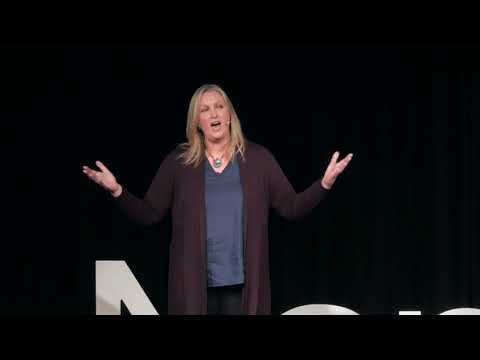
in my working life I am ignored I’m ridiculed and tested to
I am ignored I’m ridiculed and tested to
I am ignored I’m ridiculed and tested to my limit on a daily basis and yet I love
my limit on a daily basis and yet I love
my limit on a daily basis and yet I love what I do I’m a teacher in a pupil
what I do I’m a teacher in a pupil
what I do I’m a teacher in a pupil referral unit for young people who have
referral unit for young people who have
referral unit for young people who have been permanently excluded from
been permanently excluded from
been permanently excluded from mainstream schools 25 years I work with
mainstream schools 25 years I work with
mainstream schools 25 years I work with all kinds of different young people most
all kinds of different young people most
all kinds of different young people most of whom have challenging behavior and
of whom have challenging behavior and
of whom have challenging behavior and I’m here today to be a voice for them
I’m here today to be a voice for them
I’m here today to be a voice for them because their real needs lying beneath
because their real needs lying beneath
because their real needs lying beneath the behavior
the behavior
the behavior all too often go unseen unheard and I’m
all too often go unseen unheard and I’m
all too often go unseen unheard and I’m mad now these children are easy to
mad now these children are easy to
mad now these children are easy to dislike they challenge our authority as
dislike they challenge our authority as
dislike they challenge our authority as adults they disobey us and disrespect us
adults they disobey us and disrespect us
adults they disobey us and disrespect us they can make us feel out of control and
they can make us feel out of control and
they can make us feel out of control and sometimes scared like we’re failing
sometimes scared like we’re failing
sometimes scared like we’re failing incompetent and powerless in short they
incompetent and powerless in short they
incompetent and powerless in short they can make us feel like they feel and it
can make us feel like they feel and it
can make us feel like they feel and it is unbearable
is unbearable
is unbearable so in our schools we prefer them to go
so in our schools we prefer them to go
so in our schools we prefer them to go away and be someone else’s problem but
away and be someone else’s problem but
away and be someone else’s problem but these are our most vulnerable and
these are our most vulnerable and
these are our most vulnerable and disadvantaged young people in our
disadvantaged young people in our
disadvantaged young people in our society and they need our help and
society and they need our help and
society and they need our help and expertise the most and yet we’re failing
expertise the most and yet we’re failing
expertise the most and yet we’re failing them on a huge scale over the last three
them on a huge scale over the last three
them on a huge scale over the last three years in schools in England we’ve seen a
years in schools in England we’ve seen a
years in schools in England we’ve seen a 40% increase in permanent exclusions 40%
40% increase in permanent exclusions 40%
40% increase in permanent exclusions 40% and in 2016 there are over six and a
and in 2016 there are over six and a
and in 2016 there are over six and a half thousand permanent exclusions and
half thousand permanent exclusions and
half thousand permanent exclusions and the estimated cost of this over the
the estimated cost of this over the
the estimated cost of this over the lifetime of that one group is estimated
lifetime of that one group is estimated
lifetime of that one group is estimated to be over 2 billion pounds what we know
to be over 2 billion pounds what we know
to be over 2 billion pounds what we know about excluded children is that they’re
about excluded children is that they’re
about excluded children is that they’re more likely to live in poverty more
more likely to live in poverty more
more likely to live in poverty more likely to experience abuse and neglect
likely to experience abuse and neglect
likely to experience abuse and neglect at home there’s 7 times as likely to
at home there’s 7 times as likely to
at home there’s 7 times as likely to have a learning difficulty special
have a learning difficulty special
have a learning difficulty special educational need and over half of them
educational need and over half of them
educational need and over half of them are experiencing some form of mental
are experiencing some form of mental
are experiencing some form of mental health related condition
health related condition
health related condition ultimately excluded children go on to
ultimately excluded children go on to
ultimately excluded children go on to make up over 60% of our British prison
make up over 60% of our British prison
make up over 60% of our British prison population and they’re not just other
population and they’re not just other
population and they’re not just other people’s children they could be yours or
people’s children they could be yours or
people’s children they could be yours or they could be mine like the
they could be mine like the
they could be mine like the fifteen-year-old girl who helped to
fifteen-year-old girl who helped to
fifteen-year-old girl who helped to nurse her mum until she went into a
nurse her mum until she went into a
nurse her mum until she went into a hospice who struggled to cope when her
hospice who struggled to cope when her
hospice who struggled to cope when her dad moved his girlfriend into the home
dad moved his girlfriend into the home
dad moved his girlfriend into the home and then one day at school she was
and then one day at school she was
and then one day at school she was walking down the corridor and another
walking down the corridor and another
walking down the corridor and another pupil made a really cruel comment about
pupil made a really cruel comment about
pupil made a really cruel comment about her dying mum and she lashed out and
her dying mum and she lashed out and
her dying mum and she lashed out and found herself permanently excluded not
found herself permanently excluded not
found herself permanently excluded not long after that she went into care and I
long after that she went into care and I
long after that she went into care and I later learned that by the time she was
later learned that by the time she was
later learned that by the time she was 18 she’d become involved in prostitution
18 she’d become involved in prostitution
18 she’d become involved in prostitution I firmly believe that with the right
I firmly believe that with the right
I firmly believe that with the right support her life could have taken a very
support her life could have taken a very
support her life could have taken a very different path just imagine if she’d
different path just imagine if she’d
different path just imagine if she’d been your child what would you have
been your child what would you have
been your child what would you have hoped for her and what would her mum
hoped for her and what would her mum
hoped for her and what would her mum have wanted we human beings are
have wanted we human beings are
have wanted we human beings are wonderfully diverse but our needs are
wonderfully diverse but our needs are
wonderfully diverse but our needs are fundamentally the same and our need for
fundamentally the same and our need for
fundamentally the same and our need for human connection is the most important
human connection is the most important
human connection is the most important dr. brenner Brown says connection is why
dr. brenner Brown says connection is why
dr. brenner Brown says connection is why we’re here
we’re here
we’re here it’s what gives our lives meaning and
it’s what gives our lives meaning and
it’s what gives our lives meaning and purpose and studies have shown that the
purpose and studies have shown that the
purpose and studies have shown that the happiest people have the most positive
happiest people have the most positive
happiest people have the most positive human connections
human connections
human connections so when connections unravel so too does
so when connections unravel so too does
so when connections unravel so too does our ability to cope with everyday life
our ability to cope with everyday life
our ability to cope with everyday life and for children with challenging
and for children with challenging
and for children with challenging behavior they’ve often become
behavior they’ve often become
behavior they’ve often become disconnected
disconnected
disconnected they’ve lost their faith in adults and
they’ve lost their faith in adults and
they’ve lost their faith in adults and any sense of security that they had and
any sense of security that they had and
any sense of security that they had and if they could do well at school they’d
if they could do well at school they’d
if they could do well at school they’d be doing it but there are barriers
be doing it but there are barriers
be doing it but there are barriers standing in the way there are reasons
standing in the way there are reasons
standing in the way there are reasons and then it’s never ever simply that the
and then it’s never ever simply that the
and then it’s never ever simply that the child doesn’t want to but knowing there
child doesn’t want to but knowing there
child doesn’t want to but knowing there are reasons doesn’t help our mainstream
are reasons doesn’t help our mainstream
are reasons doesn’t help our mainstream teachers in their incredibly difficult
teachers in their incredibly difficult
teachers in their incredibly difficult jobs challenging behavior in our
jobs challenging behavior in our
jobs challenging behavior in our classrooms creates anxiety
classrooms creates anxiety
classrooms creates anxiety causes disruption to learning and
causes disruption to learning and
causes disruption to learning and together with workload it’s one of the
together with workload it’s one of the
together with workload it’s one of the main reasons teachers give for their own
main reasons teachers give for their own
main reasons teachers give for their own mental health related absence and
mental health related absence and
mental health related absence and ultimately why some teachers leave the
ultimately why some teachers leave the
ultimately why some teachers leave the profession altogether and this is where
profession altogether and this is where
profession altogether and this is where the ideas and approaches and expertise
the ideas and approaches and expertise
the ideas and approaches and expertise that staff use and pupil Referral Units
that staff use and pupil Referral Units
that staff use and pupil Referral Units and other alternative provision could be
and other alternative provision could be
and other alternative provision could be so useful if it was extended and
so useful if it was extended and
so useful if it was extended and utilized in mainstream schools what my
utilized in mainstream schools what my
utilized in mainstream schools what my colleagues and I know is that without a
colleagues and I know is that without a
colleagues and I know is that without a significant relationship we can’t
significant relationship we can’t
significant relationship we can’t achieve a single thing these children
achieve a single thing these children
achieve a single thing these children won’t like us and respect doesn’t do as
won’t like us and respect doesn’t do as
won’t like us and respect doesn’t do as we say simply because we’re adults and
we say simply because we’re adults and
we say simply because we’re adults and teachers adults have often let them down
teachers adults have often let them down
teachers adults have often let them down so we have to prove ourselves worthy of
so we have to prove ourselves worthy of
so we have to prove ourselves worthy of their trust we have to earn it
their trust we have to earn it
their trust we have to earn it now fortunately for society as a whole
now fortunately for society as a whole
now fortunately for society as a whole most children follow rules but it’s been
most children follow rules but it’s been
most children follow rules but it’s been shown time and again that children with
shown time and again that children with
shown time and again that children with challenging behavior follow people first
challenging behavior follow people first
challenging behavior follow people first unreal second put simply if they like us
unreal second put simply if they like us
unreal second put simply if they like us they’ll feel safe and if they feel safe
they’ll feel safe and if they feel safe
they’ll feel safe and if they feel safe they’ll relax and if they relax they’re
they’ll relax and if they relax they’re
they’ll relax and if they relax they’re more likely to comply and to learn I’ve
more likely to comply and to learn I’ve
more likely to comply and to learn I’ve asked countless pupils young people what
asked countless pupils young people what
asked countless pupils young people what you think makes a good teacher and their
you think makes a good teacher and their
you think makes a good teacher and their responses are typically the same they
responses are typically the same they
responses are typically the same they say things like the ones that restrict
say things like the ones that restrict
say things like the ones that restrict but that you can still have a laugh with
but that you can still have a laugh with
but that you can still have a laugh with or the ones that seem interested in
or the ones that seem interested in
or the ones that seem interested in getting to know you or ones that treat
getting to know you or ones that treat
getting to know you or ones that treat you like you’re a human being I asked
you like you’re a human being I asked
you like you’re a human being I asked one young man and my pupil referral unit
one young man and my pupil referral unit
one young man and my pupil referral unit this question recently and he said I
never thought about that before miss
never thought about that before miss just give me a sec I gave him a sec and
just give me a sec I gave him a sec and
just give me a sec I gave him a sec and I waited and eventually he said right
I waited and eventually he said right
I waited and eventually he said right get on to this miss I think that teaches
get on to this miss I think that teaches
get on to this miss I think that teaches good teachers are ones that you can have
good teachers are ones that you can have
good teachers are ones that you can have like a high you know like a proper bond
like a high you know like a proper bond
like a high you know like a proper bond with do you know what I mean
with do you know what I mean
with do you know what I mean I told him I knew exactly what he meant
I told him I knew exactly what he meant
I told him I knew exactly what he meant so is it possible for mainstream
so is it possible for mainstream
so is it possible for mainstream teachers to build connections with
teachers to build connections with
teachers to build connections with challenging pupils I believe this
challenging pupils I believe this
challenging pupils I believe this requires a shift in thinking towards a
requires a shift in thinking towards a
requires a shift in thinking towards a greater sense of collective
greater sense of collective
greater sense of collective responsibility for these children now
responsibility for these children now
responsibility for these children now many of us know that our current
many of us know that our current
many of us know that our current educational environment does nothing to
educational environment does nothing to
educational environment does nothing to encourage this schools are primarily
encourage this schools are primarily
encourage this schools are primarily rewarded on academic results they’re
rewarded on academic results they’re
rewarded on academic results they’re actually incentivized to exclude pupils
actually incentivized to exclude pupils
actually incentivized to exclude pupils Ofsted inspections make no separate
Ofsted inspections make no separate
Ofsted inspections make no separate judgment about outcomes for children
judgment about outcomes for children
judgment about outcomes for children with special needs and those with
with special needs and those with
with special needs and those with challenging behavior and newly qualified
challenging behavior and newly qualified
challenging behavior and newly qualified teachers often report for they’re
teachers often report for they’re
teachers often report for they’re unprepared for how to teach these
unprepared for how to teach these
unprepared for how to teach these children but there are things that
children but there are things that
children but there are things that teachers can do in the meantime the
teachers can do in the meantime the
teachers can do in the meantime the teacher and author Paul Dix says it’s
teacher and author Paul Dix says it’s
teacher and author Paul Dix says it’s the small stuff it’s the daily acts of
the small stuff it’s the daily acts of
the small stuff it’s the daily acts of care
care
care it’s the perpetual generosity of spirit
it’s the perpetual generosity of spirit
it’s the perpetual generosity of spirit and the interest you show in their daily
and the interest you show in their daily
and the interest you show in their daily lives that matters most small things
lives that matters most small things
lives that matters most small things that can have a huge impact and we
that can have a huge impact and we
that can have a huge impact and we shouldn’t underestimate the ripple
shouldn’t underestimate the ripple
shouldn’t underestimate the ripple effect that one positive teacher pupil
effect that one positive teacher pupil
effect that one positive teacher pupil relationship can have there is nothing
relationship can have there is nothing
relationship can have there is nothing more beautiful to me than hearing one
more beautiful to me than hearing one
more beautiful to me than hearing one pupil I’ve spent some time with say
pupil I’ve spent some time with say
pupil I’ve spent some time with say quietly to another pupil that struggling
quietly to another pupil that struggling
quietly to another pupil that struggling to settle nah bro leave it out this is
to settle nah bro leave it out this is
to settle nah bro leave it out this is sound
collective responsibility is where it
collective responsibility is where it starts but if we want pupils with
starts but if we want pupils with
starts but if we want pupils with challenging behavior to learn how to
challenging behavior to learn how to
challenging behavior to learn how to behave we have to teach them explicitly
behave we have to teach them explicitly
behave we have to teach them explicitly and not just expect them to get it and
and not just expect them to get it and
and not just expect them to get it and this is where restorative approaches to
this is where restorative approaches to
this is where restorative approaches to behavior can be so useful now these are
behavior can be so useful now these are
behavior can be so useful now these are not hugging our alternatives are the
not hugging our alternatives are the
not hugging our alternatives are the opposite end of the bring back the birch
opposite end of the bring back the birch
opposite end of the bring back the birch argument rather they are tried and
argument rather they are tried and
argument rather they are tried and tested approaches designed to reinforce
tested approaches designed to reinforce
tested approaches designed to reinforce relationships and they explicitly teach
relationships and they explicitly teach
relationships and they explicitly teach missing skills like how to reflect on
missing skills like how to reflect on
missing skills like how to reflect on consequences like how to develop empathy
consequences like how to develop empathy
consequences like how to develop empathy and a conscience and they instill in
and a conscience and they instill in
and a conscience and they instill in pupils the expectation that reparation
pupils the expectation that reparation
pupils the expectation that reparation needs to happen detentions timeout
needs to happen detentions timeout
needs to happen detentions timeout exclusions and isolation do none of this
exclusions and isolation do none of this
exclusions and isolation do none of this and we’ve got plenty of evidence now
and we’ve got plenty of evidence now
and we’ve got plenty of evidence now that shows that our current systems of
that shows that our current systems of
that shows that our current systems of punishments and sanctions are
punishments and sanctions are
punishments and sanctions are ineffective with challenging pupils the
ineffective with challenging pupils the
ineffective with challenging pupils the head teacher and author John Ithorian
head teacher and author John Ithorian
head teacher and author John Ithorian says a fixed-term exclusions that they
says a fixed-term exclusions that they
says a fixed-term exclusions that they are in action masquerading as action
are in action masquerading as action
are in action masquerading as action they make us feel like we’re doing
they make us feel like we’re doing
they make us feel like we’re doing something when we’re doing nothing of
something when we’re doing nothing of
something when we’re doing nothing of the sort
the sort
the sort it is respite it is not improvement so
it is respite it is not improvement so
it is respite it is not improvement so we need a new way forward if we’re going
we need a new way forward if we’re going
we need a new way forward if we’re going to meet the needs of the most vulnerable
to meet the needs of the most vulnerable
to meet the needs of the most vulnerable and disadvantaged pupils in our society
and disadvantaged pupils in our society
and disadvantaged pupils in our society because while the world is full of
because while the world is full of
because while the world is full of tragic stories that were helpless to do
tragic stories that were helpless to do
tragic stories that were helpless to do anything about we can do something about
anything about we can do something about
anything about we can do something about outcomes for these children so let’s
outcomes for these children so let’s
outcomes for these children so let’s take collective responsibility and let’s
take collective responsibility and let’s
take collective responsibility and let’s make connections let’s share our
make connections let’s share our
make connections let’s share our expertise and integrate the best ideas
expertise and integrate the best ideas
expertise and integrate the best ideas we should question and challenge an
we should question and challenge an
we should question and challenge an inspection system and a culture that
inspection system and a culture that
inspection system and a culture that ignores them how can that be right and
ignores them how can that be right and
ignores them how can that be right and we should never forget that children
we should never forget that children
we should never forget that children with challenging behavior are just
with challenging behavior are just
with challenging behavior are just children doing their best to deal with
children doing their best to deal with
children doing their best to deal with what life is handed to them without any
what life is handed to them without any
what life is handed to them without any of our adult skills and if they could
of our adult skills and if they could
of our adult skills and if they could tell you what they need they would
tell you what they need they would
tell you what they need they would probably say
probably say
probably say something like don’t be scared of me
something like don’t be scared of me
something like don’t be scared of me please don’t give up on me make me feel
please don’t give up on me make me feel
please don’t give up on me make me feel I’m important and give me hope that
I’m important and give me hope that
I’m important and give me hope that things can and will get better please
things can and will get better please
things can and will get better please see past my behavior it’s not who I
see past my behavior it’s not who I
see past my behavior it’s not who I really am so I’m joining with them today
really am so I’m joining with them today
really am so I’m joining with them today in their challenging behavior to try to
in their challenging behavior to try to
in their challenging behavior to try to get their needs met or be in a more
get their needs met or be in a more
get their needs met or be in a more socially appropriate way and I invite
socially appropriate way and I invite
socially appropriate way and I invite you to do the same the only difference
you to do the same the only difference
you to do the same the only difference between all of us and the children I
between all of us and the children I
between all of us and the children I speak on behalf of is luck education and
speak on behalf of is luck education and
speak on behalf of is luck education and opportunities like this one let’s make a
opportunities like this one let’s make a
opportunities like this one let’s make a difference thank you
difference thank you
difference thank you [Applause]
”
Be First to Comment