
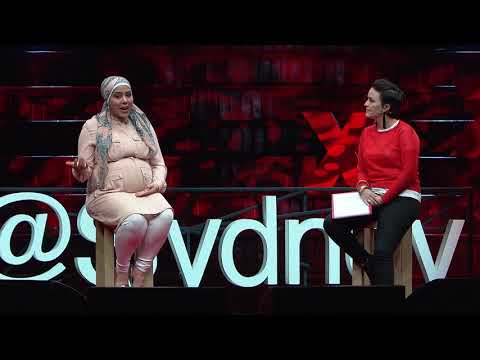
[Music] [Applause]
now my you started your TED talk
now my you started your TED talk actually with a personal story when you
actually with a personal story when you
actually with a personal story when you were working as a lawyer and you meant
were working as a lawyer and you meant
were working as a lawyer and you meant client for the first time I was
client for the first time I was
client for the first time I was wondering if you could share that story
wondering if you could share that story
wondering if you could share that story with our audience and then maybe talk
with our audience and then maybe talk
with our audience and then maybe talk about why that moment was a sort of
about why that moment was a sort of
about why that moment was a sort of light bulb for you or set off a light
light bulb for you or set off a light
light bulb for you or set off a light bulb that you knew you wanted to work in
bulb that you knew you wanted to work in
bulb that you knew you wanted to work in this area in terms of that story I have
this area in terms of that story I have
this area in terms of that story I have many stories trust me it so I was
many stories trust me it so I was
many stories trust me it so I was reflecting on the fact that early on in
reflecting on the fact that early on in
reflecting on the fact that early on in my career as a corporate lawyer I had
my career as a corporate lawyer I had
my career as a corporate lawyer I had this one particular interstate client
this one particular interstate client
this one particular interstate client and of course being the Chatterbox that
and of course being the Chatterbox that
and of course being the Chatterbox that I am I you know had spent months
I am I you know had spent months
I am I you know had spent months building rapport with her over the phone
building rapport with her over the phone
building rapport with her over the phone and over email and I was the lead
and over email and I was the lead
and over email and I was the lead advisor on her matter and so she’d
advisor on her matter and so she’d
advisor on her matter and so she’d spoken to me you know a lasagne not the
spoken to me you know a lasagne not the
spoken to me you know a lasagne not the phone but then we finally got to meet
phone but then we finally got to meet
phone but then we finally got to meet face-to-face and so I’ve walked into the
face-to-face and so I’ve walked into the
face-to-face and so I’ve walked into the meeting room and I said hello and she
meeting room and I said hello and she
meeting room and I said hello and she kind of gave me some look and she said
kind of gave me some look and she said
kind of gave me some look and she said ah you must work for Miriam and
obviously I wasn’t smuggling and
obviously I wasn’t smuggling and watermelon back then so but I guess the
watermelon back then so but I guess the
watermelon back then so but I guess the point was that she the voice that she
point was that she the voice that she
point was that she the voice that she had heard on the phone didn’t correspond
had heard on the phone didn’t correspond
had heard on the phone didn’t correspond to this person that was standing in
to this person that was standing in
to this person that was standing in front of her and yeah it was just I’ve
front of her and yeah it was just I’ve
front of her and yeah it was just I’ve felt you know it kind of killed my
felt you know it kind of killed my
felt you know it kind of killed my confidence a little bit because she
confidence a little bit because she
confidence a little bit because she assumed I was someone else and and
assumed I was someone else and and
assumed I was someone else and and particularly that the voice that she’d
particularly that the voice that she’d
particularly that the voice that she’d heard didn’t seem to correspond as
heard didn’t seem to correspond as
heard didn’t seem to correspond as someone who looked like me and so I
someone who looked like me and so I
someone who looked like me and so I found myself losing a little bit of
found myself losing a little bit of
found myself losing a little bit of confidence again having to work really
confidence again having to work really
confidence again having to work really hard to build that rapport and then
hard to build that rapport and then
hard to build that rapport and then having to kind of explain who I am and
having to kind of explain who I am and
having to kind of explain who I am and and then doubting myself and I think the
and then doubting myself and I think the
and then doubting myself and I think the thing to reflect on is that minority
thing to reflect on is that minority
thing to reflect on is that minority groups in something like up to 30% of
groups in something like up to 30% of
groups in something like up to 30% of their time worrying about how to fit in
their time worrying about how to fit in
their time worrying about how to fit in so that’s a lot of wasted productivity a
so that’s a lot of wasted productivity a
so that’s a lot of wasted productivity a lot of wasted energy
lot of wasted energy
lot of wasted energy about what
about what
about what c’est second-guessing yourself
c’est second-guessing yourself
c’est second-guessing yourself questioning how you’re speaking you know
questioning how you’re speaking you know
questioning how you’re speaking you know what’s coming out of your mouth because
what’s coming out of your mouth because
what’s coming out of your mouth because you want to make a particular impression
you want to make a particular impression
you want to make a particular impression and so I guess the point for me
and so I guess the point for me
and so I guess the point for me in that moment was people do make
in that moment was people do make
in that moment was people do make assumptions and and stereotype others
assumptions and and stereotype others
assumptions and and stereotype others and it’s not only unhealthy from their
and it’s not only unhealthy from their
and it’s not only unhealthy from their perspective but also from the person
perspective but also from the person
perspective but also from the person who’s on the receiving end so you were
who’s on the receiving end so you were
who’s on the receiving end so you were trained and you were working as a
trained and you were working as a
trained and you were working as a corporate lawyer and then now you work
corporate lawyer and then now you work
corporate lawyer and then now you work as a diversity inclusion in in
as a diversity inclusion in in
as a diversity inclusion in in corporations and big companies and I
corporations and big companies and I
corporations and big companies and I guess your experience is about well
guess your experience is about well
guess your experience is about well having such an understanding of how much
having such an understanding of how much
having such an understanding of how much of a waste of time or having to worry
of a waste of time or having to worry
of a waste of time or having to worry about all of that sort of stuff is what
about all of that sort of stuff is what
about all of that sort of stuff is what are some of the other like ramifications
are some of the other like ramifications
are some of the other like ramifications or the other sort of downfalls of this
or the other sort of downfalls of this
or the other sort of downfalls of this lack of diversity or this sort of lack
lack of diversity or this sort of lack
lack of diversity or this sort of lack of inclusion in the workforce how does
of inclusion in the workforce how does
of inclusion in the workforce how does that play out
that play out
that play out um I think ensuring that you’ve got
um I think ensuring that you’ve got
um I think ensuring that you’ve got diversity at every level so I’m not just
diversity at every level so I’m not just
diversity at every level so I’m not just talking entry-level but in particular
talking entry-level but in particular
talking entry-level but in particular into leadership levels it’s actually
into leadership levels it’s actually
into leadership levels it’s actually produces diversity of thought and that
produces diversity of thought and that
produces diversity of thought and that from a business perspective is
from a business perspective is
from a business perspective is incredible
incredible
incredible we need that we’re you know we’re facing
we need that we’re you know we’re facing
we need that we’re you know we’re facing a changing economy we’ve got the gig
a changing economy we’ve got the gig
a changing economy we’ve got the gig economy things are operating differently
economy things are operating differently
economy things are operating differently to how they used to to be innovative you
to how they used to to be innovative you
to how they used to to be innovative you need to have the diversity of thought
need to have the diversity of thought
need to have the diversity of thought and that comes about from having general
and that comes about from having general
and that comes about from having general diversity and it’s about then
diversity and it’s about then
diversity and it’s about then acknowledging the barriers that exists
acknowledging the barriers that exists
acknowledging the barriers that exists all diverse minority groups and why
all diverse minority groups and why
all diverse minority groups and why they’re not moving through the ranks a
they’re not moving through the ranks a
they’re not moving through the ranks a lot of those you know research and just
lot of those you know research and just
lot of those you know research and just insights that we have that at an entry
insights that we have that at an entry
insights that we have that at an entry level lots of corporations are
level lots of corporations are
level lots of corporations are incredibly diverse I’m talking every
incredibly diverse I’m talking every
incredibly diverse I’m talking every diversity stream but as you start to
diversity stream but as you start to
diversity stream but as you start to move through the ranks of leadership
move through the ranks of leadership
move through the ranks of leadership it’s not reflected and it’s you know
it’s not reflected and it’s you know
it’s not reflected and it’s you know that diversity is not reflected and so
that diversity is not reflected and so
that diversity is not reflected and so you’re missing out on several aspects
you’re missing out on several aspects
you’re missing out on several aspects one it’s the morale and the right thing
one it’s the morale and the right thing
one it’s the morale and the right thing to do to make sure that everybody has an
to do to make sure that everybody has an
to do to make sure that everybody has an equitable opportunity to move ahead but
equitable opportunity to move ahead but
equitable opportunity to move ahead but to there’s plenty of studies that prove
to there’s plenty of studies that prove
to there’s plenty of studies that prove that diversity
that diversity
that diversity at a board level and leadership level
at a board level and leadership level
at a board level and leadership level produces innovative results and is
produces innovative results and is
produces innovative results and is really good for your bottom line so it’s
really good for your bottom line so it’s
really good for your bottom line so it’s you know it makes business sense so on
you know it makes business sense so on
you know it makes business sense so on that I mean you mentioned that there’s a
that I mean you mentioned that there’s a
that I mean you mentioned that there’s a lot of space I suppose for diversity and
lot of space I suppose for diversity and
lot of space I suppose for diversity and people are trying to work on that more
people are trying to work on that more
people are trying to work on that more and that you’re seeing that say at maybe
and that you’re seeing that say at maybe
and that you’re seeing that say at maybe at the entry level but that when you
at the entry level but that when you
at the entry level but that when you look at our TVs or you look at
look at our TVs or you look at
look at our TVs or you look at university professors or you look at
university professors or you look at
university professors or you look at isn’t a CEOs or you look at you know
isn’t a CEOs or you look at you know
isn’t a CEOs or you look at you know pretty much at every level Australia
pretty much at every level Australia
pretty much at every level Australia isn’t a very well that that diversity of
isn’t a very well that that diversity of
isn’t a very well that that diversity of Australia isn’t represented on that sort
Australia isn’t represented on that sort
Australia isn’t represented on that sort of visible top tier of our country
of visible top tier of our country
of visible top tier of our country mm-hmm something that you said that
mm-hmm something that you said that
mm-hmm something that you said that really struck me is kind of terrifying
really struck me is kind of terrifying
really struck me is kind of terrifying was that a lot of our decisions that we
was that a lot of our decisions that we
was that a lot of our decisions that we make and especially decisions that get
make and especially decisions that get
make and especially decisions that get made in the workforce are actually
made in the workforce are actually
made in the workforce are actually subconscious and I was wondering if that
subconscious and I was wondering if that
subconscious and I was wondering if that was that a connection that you have
was that a connection that you have
was that a connection that you have drawn that the fact that we
drawn that the fact that we
drawn that the fact that we subconsciously kind of self-selecting
subconsciously kind of self-selecting
subconsciously kind of self-selecting that or something huh
that or something huh
that or something huh yeah so I spoke about unconscious bias
yeah so I spoke about unconscious bias
yeah so I spoke about unconscious bias in particular and and that you know I
in particular and and that you know I
in particular and and that you know I was Eric Kandel it was Nobel Peace Prize
was Eric Kandel it was Nobel Peace Prize
was Eric Kandel it was Nobel Peace Prize recipient and said that up to 90 percent
recipient and said that up to 90 percent
recipient and said that up to 90 percent of the brains function is actually
of the brains function is actually
of the brains function is actually unconscious and so I guess the point I
unconscious and so I guess the point I
unconscious and so I guess the point I want to make is that having unconscious
want to make is that having unconscious
want to make is that having unconscious thoughts isn’t necessarily always a bad
thoughts isn’t necessarily always a bad
thoughts isn’t necessarily always a bad thing it you know for example when
thing it you know for example when
thing it you know for example when you’re driving you know the first few
you’re driving you know the first few
you’re driving you know the first few times you put a lot of conscious effort
times you put a lot of conscious effort
times you put a lot of conscious effort into learning and you concentrate and
into learning and you concentrate and
into learning and you concentrate and then after a while you can literally do
then after a while you can literally do
then after a while you can literally do it with your eyes closed although I
it with your eyes closed although I
it with your eyes closed although I don’t recommend it but the point is it
don’t recommend it but the point is it
don’t recommend it but the point is it becomes unconscious right and so so the
becomes unconscious right and so so the
becomes unconscious right and so so the brain does have a lot of shortcuts and
brain does have a lot of shortcuts and
brain does have a lot of shortcuts and that’s not necessarily a bad thing but
that’s not necessarily a bad thing but
that’s not necessarily a bad thing but if those shortcuts that your brain has
if those shortcuts that your brain has
if those shortcuts that your brain has learned over time and it starts at a
learned over time and it starts at a
learned over time and it starts at a really young age
really young age
really young age if those shortcuts all those rules are
if those shortcuts all those rules are
if those shortcuts all those rules are wrong or have bias or prejudice in it
wrong or have bias or prejudice in it
wrong or have bias or prejudice in it then it’s really hard to untie it’s like
then it’s really hard to untie it’s like
then it’s really hard to untie it’s like learning driving of rules incorrectly
learning driving of rules incorrectly
learning driving of rules incorrectly and you’ve been doing it for years and
and you’ve been doing it for years and
and you’ve been doing it for years and then you have to worry your brain not to
then you have to worry your brain not to
then you have to worry your brain not to do that and that’s the thing about
do that and that’s the thing about
do that and that’s the thing about unconscious bias right unconscious
unconscious bias right unconscious
unconscious bias right unconscious thoughts aren’t always a bad thing but
thoughts aren’t always a bad thing but
thoughts aren’t always a bad thing but if you’re if you’re associating you’ve
if you’re if you’re associating you’ve
if you’re if you’re associating you’ve got these unconscious associations with
got these unconscious associations with
got these unconscious associations with certain things like for example whether
certain things like for example whether
certain things like for example whether it’s gender so you have all these gender
it’s gender so you have all these gender
it’s gender so you have all these gender stereotypes that you’ve grown up with
stereotypes that you’ve grown up with
stereotypes that you’ve grown up with that you don’t even think about you know
that you don’t even think about you know
that you don’t even think about you know that can be a negative thing if you’ve
that can be a negative thing if you’ve
that can be a negative thing if you’ve got all these associations around race
got all these associations around race
got all these associations around race for example that can be a negative thing
for example that can be a negative thing
for example that can be a negative thing and that’s it comes out when you are in
and that’s it comes out when you are in
and that’s it comes out when you are in the recruitment process for example or
the recruitment process for example or
the recruitment process for example or you are making decisions and so you know
you are making decisions and so you know
you are making decisions and so you know you’re you referenced earlier about the
you’re you referenced earlier about the
you’re you referenced earlier about the top ranks of leadership and how we’re
top ranks of leadership and how we’re
top ranks of leadership and how we’re not necessarily seeing that diversity
not necessarily seeing that diversity
not necessarily seeing that diversity and you’ve got to do and think about
and you’ve got to do and think about
and you’ve got to do and think about over the last you know historically how
over the last you know historically how
over the last you know historically how did we get to this point where that
did we get to this point where that
did we get to this point where that diversity isn’t reflected there and then
diversity isn’t reflected there and then
diversity isn’t reflected there and then I think the element of unconscious and
I think the element of unconscious and
I think the element of unconscious and perhaps conscious bias comes into it a
perhaps conscious bias comes into it a
perhaps conscious bias comes into it a lot of work that you’re doing I think we
lot of work that you’re doing I think we
lot of work that you’re doing I think we are especially the young people in the
are especially the young people in the
are especially the young people in the audience going to be very happy that you
audience going to be very happy that you
audience going to be very happy that you know you’ve forged ahead and tried to
know you’ve forged ahead and tried to
know you’ve forged ahead and tried to make these changes because you mentioned
make these changes because you mentioned
make these changes because you mentioned a study that it’s quite old I think now
a study that it’s quite old I think now
a study that it’s quite old I think now but maybe 10 or 15 years ago there was a
but maybe 10 or 15 years ago there was a
but maybe 10 or 15 years ago there was a study right that was the exact same CV
study right that was the exact same CV
study right that was the exact same CV and they just changed the names at the
and they just changed the names at the
and they just changed the names at the top they did it with men and women and I
top they did it with men and women and I
top they did it with men and women and I think there was a Western Asian sounding
think there was a Western Asian sounding
think there was a Western Asian sounding name and a Middle Eastern sounding name
name and a Middle Eastern sounding name
name and a Middle Eastern sounding name and Asian or Middle Eastern you’ll have
and Asian or Middle Eastern you’ll have
and Asian or Middle Eastern you’ll have to correct me with you know is that you
to correct me with you know is that you
to correct me with you know is that you had to the same resume had to get a
had to the same resume had to get a
had to the same resume had to get a submitted you know 50% more or something
submitted you know 50% more or something
submitted you know 50% more or something interview that’s right and they did it
interview that’s right and they did it
interview that’s right and they did it with indigenous names as well and they
with indigenous names as well and they
with indigenous names as well and they also trialed it with Italian names as
also trialed it with Italian names as
also trialed it with Italian names as well and what they found was the Asian
well and what they found was the Asian
well and what they found was the Asian sounding names had to apply 68% more
sounding names had to apply 68% more
sounding names had to apply 68% more times to get the same number of call
times to get the same number of call
times to get the same number of call backs as an Anglo Saxon sounding name
backs as an Anglo Saxon sounding name
backs as an Anglo Saxon sounding name and then if you had a Middle Eastern
and then if you had a Middle Eastern
and then if you had a Middle Eastern sounding name 64% more times and then if
sounding name 64% more times and then if
sounding name 64% more times and then if you had an indigenous name it’s 35% more
you had an indigenous name it’s 35% more
you had an indigenous name it’s 35% more times
times
times I think even an Italian name was 12%
I think even an Italian name was 12%
I think even an Italian name was 12% discrimination and so this kind of like
discrimination and so this kind of like
discrimination and so this kind of like unconscious decisions where we think
unconscious decisions where we think
unconscious decisions where we think that person is not right for that job or
that person is not right for that job or
that person is not right for that job or yeah I mean it could be in an
yeah I mean it could be in an
yeah I mean it could be in an unconscious component it could be a
unconscious component it could be a
unconscious component it could be a conscious bias but the reality back when
conscious bias but the reality back when
conscious bias but the reality back when this study was done was that those
this study was done was that those
this study was done was that those individuals with those names had to try
individuals with those names had to try
individuals with those names had to try harder and so the reality was they would
harder and so the reality was they would
harder and so the reality was they would have note that they weren’t getting
have note that they weren’t getting
have note that they weren’t getting callbacks but when you do this research
callbacks but when you do this research
callbacks but when you do this research in that way and you submit the exact
in that way and you submit the exact
in that way and you submit the exact same Rashmi so you can’t even say it’s
same Rashmi so you can’t even say it’s
same Rashmi so you can’t even say it’s not because you don’t have merit because
not because you don’t have merit because
not because you don’t have merit because they were the same resumes the same
they were the same resumes the same
they were the same resumes the same qualifications and same education and so
qualifications and same education and so
qualifications and same education and so the reality is that we know bias exists
the reality is that we know bias exists
the reality is that we know bias exists and that some of these fires is a lot
and that some of these fires is a lot
and that some of these fires is a lot more prominent when it comes to certain
more prominent when it comes to certain
more prominent when it comes to certain races and particularly gender as well we
races and particularly gender as well we
races and particularly gender as well we know that um so then you know how do you
know that um so then you know how do you
know that um so then you know how do you change that howdy and I’m hoping that if
change that howdy and I’m hoping that if
change that howdy and I’m hoping that if they’ve replicated the study today that
they’ve replicated the study today that
they’ve replicated the study today that that hopefully it wouldn’t be as bad but
that hopefully it wouldn’t be as bad but
that hopefully it wouldn’t be as bad but this is where something that that the
this is where something that that the
this is where something that that the industry is trying is anonymous
industry is trying is anonymous
industry is trying is anonymous recruitment where we actually strip away
recruitment where we actually strip away
recruitment where we actually strip away all those personal identifiers so we’ll
all those personal identifiers so we’ll
all those personal identifiers so we’ll strip away the agenda for example we’ll
strip away the agenda for example we’ll
strip away the agenda for example we’ll strip away the name and we’ll strip away
strip away the name and we’ll strip away
strip away the name and we’ll strip away things that indicate where someone has
things that indicate where someone has
things that indicate where someone has been brought up for example so address
been brought up for example so address
been brought up for example so address and school details and those kind of
and school details and those kind of
and school details and those kind of things and when you really remove all
things and when you really remove all
things and when you really remove all those things that people have no choice
those things that people have no choice
those things that people have no choice but to judge you purely based on merit
but to judge you purely based on merit
but to judge you purely based on merit they can’t look at your name and say
they can’t look at your name and say
they can’t look at your name and say this person might you know make an
this person might you know make an
this person might you know make an assumption about your name or make an
assumption about your name or make an
assumption about your name or make an assumption about a gender or your
assumption about a gender or your
assumption about a gender or your upbringing based on where you live so
upbringing based on where you live so
upbringing based on where you live so when you strip that away you create a
when you strip that away you create a
when you strip that away you create a true system in which you can actually
true system in which you can actually
true system in which you can actually enable a meritocracy but I would argue
enable a meritocracy but I would argue
enable a meritocracy but I would argue that under the current system that’s not
that under the current system that’s not
that under the current system that’s not always there because as human beings we
always there because as human beings we
always there because as human beings we all have biases we all have prejudices
all have biases we all have prejudices
all have biases we all have prejudices and a lot of what we’re exposed to day
and a lot of what we’re exposed to day
and a lot of what we’re exposed to day to day feeds those assumptions and those
to day feeds those assumptions and those
to day feeds those assumptions and those biases and you this is where I think we
biases and you this is where I think we
biases and you this is where I think we need intervention to help change that
need intervention to help change that
need intervention to help change that and you mentioned intervention I mean
and you mentioned intervention I mean
and you mentioned intervention I mean quotas and things like that have been a
quotas and things like that have been a
quotas and things like that have been a growing part of recruitment for
growing part of recruitment for
growing part of recruitment for universities and for for jobs as you
universities and for for jobs as you
universities and for for jobs as you mentioned before as well so
mentioned before as well so
mentioned before as well so I mean our quotas the answer I mean
I mean our quotas the answer I mean
I mean our quotas the answer I mean there’s always this counter-argument
there’s always this counter-argument
there’s always this counter-argument about inequality and how you have to
about inequality and how you have to
about inequality and how you have to apply inequality to attain equality you
apply inequality to attain equality you
apply inequality to attain equality you know by giving people who might not have
know by giving people who might not have
know by giving people who might not have had the chance before to have the chance
had the chance before to have the chance
had the chance before to have the chance they might have have to step over
they might have have to step over
they might have have to step over somebody who has more merit how would
somebody who has more merit how would
somebody who has more merit how would you kind of argue that you know that you
you kind of argue that you know that you
you kind of argue that you know that you need to sort of treat an inequality
need to sort of treat an inequality
need to sort of treat an inequality problem with inequality yes so I guess
problem with inequality yes so I guess
problem with inequality yes so I guess when we talk about quotas I specifically
when we talk about quotas I specifically
when we talk about quotas I specifically say that and part of my talk was about
say that and part of my talk was about
say that and part of my talk was about targets in particular rather than quotas
targets in particular rather than quotas
targets in particular rather than quotas targets are aspirational we you know in
targets are aspirational we you know in
targets are aspirational we you know in in the sense that you’ll have a women in
in the sense that you’ll have a women in
in the sense that you’ll have a women in leadership target for example gender
leadership target for example gender
leadership target for example gender diversity target all targets for other
diversity target all targets for other
diversity target all targets for other diversity streams and the reason I say
diversity streams and the reason I say
diversity streams and the reason I say that and I know what you’re getting at
that and I know what you’re getting at
that and I know what you’re getting at around that sort of is a positive
around that sort of is a positive
around that sort of is a positive discrimination and the thing is I would
discrimination and the thing is I would
discrimination and the thing is I would argue that positive discrimination has
argue that positive discrimination has
argue that positive discrimination has existed for ever right and if you think
existed for ever right and if you think
existed for ever right and if you think about it from this perspective
about it from this perspective
about it from this perspective historically who are the guys who who
historically who are the guys who who
historically who are the guys who who are the persons that are in the top
are the persons that are in the top
are the persons that are in the top ranks of society whether it’s sort of in
ranks of society whether it’s sort of in
ranks of society whether it’s sort of in Australia or in other Western countries
Australia or in other Western countries
Australia or in other Western countries and the reality is that you know if you
and the reality is that you know if you
and the reality is that you know if you were to pose these questions to those
were to pose these questions to those
were to pose these questions to those individuals because sometimes it is
individuals because sometimes it is
individuals because sometimes it is those individuals who come up with this
those individuals who come up with this
those individuals who come up with this but what about international men’s day
but what about international men’s day
but what about international men’s day you know and things very bad and I sort
you know and things very bad and I sort
you know and things very bad and I sort of say to them and of course this is not
of say to them and of course this is not
of say to them and of course this is not across the board and I don’t want to
across the board and I don’t want to
across the board and I don’t want to stereotype but someone who poses that
stereotype but someone who poses that
stereotype but someone who poses that argument and I’ve had it ask people have
argument and I’ve had it ask people have
argument and I’ve had it ask people have asked me I sort of say well what if you
asked me I sort of say well what if you
asked me I sort of say well what if you didn’t get your job on merit what if
didn’t get your job on merit what if
didn’t get your job on merit what if just possibly you got your job because
just possibly you got your job because
just possibly you got your job because your male Anglo Saxon cisgender and
your male Anglo Saxon cisgender and
your male Anglo Saxon cisgender and straight what if and that you could
straight what if and that you could
straight what if and that you could argue that’s positive discrimination you
argue that’s positive discrimination you
argue that’s positive discrimination you can argue that historically the system
can argue that historically the system
can argue that historically the system has had a preference for individuals
has had a preference for individuals
has had a preference for individuals that tick those boxes because if we had
that tick those boxes because if we had
that tick those boxes because if we had a true meritocracy then you would see
a true meritocracy then you would see
a true meritocracy then you would see more diversity at but
more diversity at but
more diversity at but because the current status quo assumes a
because the current status quo assumes a
because the current status quo assumes a few things it assumes that women don’t
few things it assumes that women don’t
few things it assumes that women don’t have merit because if women had merit
have merit because if women had merit
have merit because if women had merit there’d be more of them at the top it
there’d be more of them at the top it
there’d be more of them at the top it also assumes that culturally diverse
also assumes that culturally diverse
also assumes that culturally diverse people don’t have merit because again if
people don’t have merit because again if
people don’t have merit because again if they did there wouldn’t be more of them
they did there wouldn’t be more of them
they did there wouldn’t be more of them at the top so either those are
at the top so either those are
at the top so either those are completely absurd conclusions and they
completely absurd conclusions and they
completely absurd conclusions and they are you know it’s so that’s how I kind
are you know it’s so that’s how I kind
are you know it’s so that’s how I kind of answer that you know what if and what
of answer that you know what if and what
of answer that you know what if and what we know is a merit or the concept of
we know is a merit or the concept of
we know is a merit or the concept of merit isn’t really what we think it is
merit isn’t really what we think it is
merit isn’t really what we think it is and you do need to create the foundation
and you do need to create the foundation
and you do need to create the foundation to create a true meritocracy because you
to create a true meritocracy because you
to create a true meritocracy because you know I wish we existed in the world
know I wish we existed in the world
know I wish we existed in the world where we didn’t have to worry about
where we didn’t have to worry about
where we didn’t have to worry about positive or negative discrimination
positive or negative discrimination
positive or negative discrimination where we didn’t have to worry about
where we didn’t have to worry about
where we didn’t have to worry about quotas or targets but in as I mentioned
quotas or targets but in as I mentioned
quotas or targets but in as I mentioned in my um when I take my den to the exit
in my um when I take my den to the exit
in my um when I take my den to the exit ok I kind of ended it with because there
ok I kind of ended it with because there
ok I kind of ended it with because there are lots of people who like cringe when
are lots of people who like cringe when
are lots of people who like cringe when you say the word targets a little here
you say the word targets a little here
you say the word targets a little here we go they think it’s sort of you know
we go they think it’s sort of you know
we go they think it’s sort of you know like it’s at a superficial level that I
like it’s at a superficial level that I
like it’s at a superficial level that I am NOT asking you know people to put
am NOT asking you know people to put
am NOT asking you know people to put photos of diverse certain people on
photos of diverse certain people on
photos of diverse certain people on their websites it’s got to be real
their websites it’s got to be real
their websites it’s got to be real diversity that creates diversity of
diversity that creates diversity of
diversity that creates diversity of thought but people who mount this
thought but people who mount this
thought but people who mount this argument against targets I sort of say
argument against targets I sort of say
argument against targets I sort of say to them well you know that famous quote
to them well you know that famous quote
to them well you know that famous quote the definition of insanity is doing the
the definition of insanity is doing the
the definition of insanity is doing the same thing over and over again and
same thing over and over again and
same thing over and over again and expecting different bloody results and
expecting different bloody results and
expecting different bloody results and the reality is we have been doing you
the reality is we have been doing you
the reality is we have been doing you know you can’t do the same thing and
know you can’t do the same thing and
know you can’t do the same thing and expect things to change if people say
expect things to change if people say
expect things to change if people say well of you if you got married you’ll
well of you if you got married you’ll
well of you if you got married you’ll get to the top well studies have proven
get to the top well studies have proven
get to the top well studies have proven that those who have merit aren’t getting
that those who have merit aren’t getting
that those who have merit aren’t getting to the top because those barriers in
to the top because those barriers in
to the top because those barriers in place so that’s why we have to try
place so that’s why we have to try
place so that’s why we have to try something different and that’s how I
something different and that’s how I
something different and that’s how I mount the case the business case and the
mount the case the business case and the
mount the case the business case and the moral case for why I think targets are
moral case for why I think targets are
moral case for why I think targets are required that’s all we have time for we
required that’s all we have time for we
required that’s all we have time for we could talk about this all day
could talk about this all day
could talk about this all day thank you so much for joining us John
thank you so much for joining us John
thank you so much for joining us John Masada is everybody
Masada is everybody
Masada is everybody I didn’t fall I’m as America thanks so
I didn’t fall I’m as America thanks so
I didn’t fall I’m as America thanks so much
much
much [Applause]
[Applause]
[Applause] [Music]
”
Be First to Comment