
[Music] when I was very young when I was about I
when I was very young when I was about I
when I was very young when I was about I think all the way up to the age of five
think all the way up to the age of five
think all the way up to the age of five I remember being very confused at school
I remember being very confused at school
I remember being very confused at school because basically the way we were taught
because basically the way we were taught
because basically the way we were taught at school in in Rochester and Kent in
at school in in Rochester and Kent in
at school in in Rochester and Kent in England was we were taught everything by
England was we were taught everything by
England was we were taught everything by repetition you know with its nursery
repetition you know with its nursery
repetition you know with its nursery rhymes or whatever we were doing but
rhymes or whatever we were doing but
rhymes or whatever we were doing but also mathematics
also mathematics
also mathematics I remember the incredible low point of
I remember the incredible low point of
I remember the incredible low point of my life when I was five was being told
my life when I was five was being told
my life when I was five was being told to repeat over and over 1 times 1 is 1
to repeat over and over 1 times 1 is 1
to repeat over and over 1 times 1 is 1 seem pretty pointless exercise to me and
seem pretty pointless exercise to me and
seem pretty pointless exercise to me and actually my mum and dad were really into
actually my mum and dad were really into
actually my mum and dad were really into being quite playful with maths and I
being quite playful with maths and I
being quite playful with maths and I know in India this Vedic maths and it’s
know in India this Vedic maths and it’s
know in India this Vedic maths and it’s the abacus system and I was always very
the abacus system and I was always very
the abacus system and I was always very playful with maths I thought of maths in
playful with maths I thought of maths in
playful with maths I thought of maths in a very fluid way and my mum and dad knew
a very fluid way and my mum and dad knew
a very fluid way and my mum and dad knew Vedic maths as well and and so I was
Vedic maths as well and and so I was
Vedic maths as well and and so I was kind of really interested in the idea of
kind of really interested in the idea of
kind of really interested in the idea of being I suppose more inventive with the
being I suppose more inventive with the
being I suppose more inventive with the way I kind of did times tables and I
way I kind of did times tables and I
way I kind of did times tables and I remember going around talking to other
remember going around talking to other
remember going around talking to other kids and try to get them to learn
kids and try to get them to learn
kids and try to get them to learn different ways of multiplying numbers
different ways of multiplying numbers
different ways of multiplying numbers together and for example I don’t know
together and for example I don’t know
together and for example I don’t know how many of you can do your times tables
how many of you can do your times tables
how many of you can do your times tables up to say just 30 in your head
up to say just 30 in your head
up to say just 30 in your head can it stick your hands up if you can do
can it stick your hands up if you can do
can it stick your hands up if you can do your times tables up to 30 in your head
your times tables up to 30 in your head
your times tables up to 30 in your head okay so not many of you so if I can I
okay so not many of you so if I can I
okay so not many of you so if I can I can teach you how to do that right now
can teach you how to do that right now
can teach you how to do that right now in fact very quickly so let’s let’s do
in fact very quickly so let’s let’s do
in fact very quickly so let’s let’s do it so you’ve got em now if you don’t
it so you’ve got em now if you don’t
it so you’ve got em now if you don’t follow me I’m gonna go pretty fast but
follow me I’m gonna go pretty fast but
follow me I’m gonna go pretty fast but if you don’t follow me play it back so
if you don’t follow me play it back so
if you don’t follow me play it back so okay so we’ve got two numbers we’ve got
okay so we’ve got two numbers we’ve got
okay so we’ve got two numbers we’ve got 18 and we’ve got 14 you take the fall of
18 and we’ve got 14 you take the fall of
18 and we’ve got 14 you take the fall of the smaller of the two numbers take the
the smaller of the two numbers take the
the smaller of the two numbers take the four add it to the 18 gives you 20 to
four add it to the 18 gives you 20 to
four add it to the 18 gives you 20 to put a zero at the end gives you 220 take
put a zero at the end gives you 220 take
put a zero at the end gives you 220 take the two unit numbers multiply them
the two unit numbers multiply them
the two unit numbers multiply them together 4 times 8 is 32 you got you add
together 4 times 8 is 32 you got you add
together 4 times 8 is 32 you got you add them together to it so it’s 2 through 32
them together to it so it’s 2 through 32
them together to it so it’s 2 through 32 plus 220 gives you 2 5 2 that’s the
plus 220 gives you 2 5 2 that’s the
plus 220 gives you 2 5 2 that’s the answer
answer
answer 18 times 14 is 2 5 2 if you do it now
18 times 14 is 2 5 2 if you do it now
18 times 14 is 2 5 2 if you do it now with two numbers in their 20s we’ll do
with two numbers in their 20s we’ll do
with two numbers in their 20s we’ll do 22 times 23 again take the unit number
22 times 23 again take the unit number
22 times 23 again take the unit number the smaller the to 2 times a 2 plus 23
the smaller the to 2 times a 2 plus 23
the smaller the to 2 times a 2 plus 23 add it onto the larger number 2 plus 23
add it onto the larger number 2 plus 23
add it onto the larger number 2 plus 23 is 25 you
is 25 you
is 25 you public this time it’s the first stage
public this time it’s the first stage
public this time it’s the first stage and it’s in its 20s so you double it so
and it’s in its 20s so you double it so
and it’s in its 20s so you double it so 25 times 2 is 50 but 0 at the end you’ve
25 times 2 is 50 but 0 at the end you’ve
25 times 2 is 50 but 0 at the end you’ve got 500 take the 2 and the 3 multiply
got 500 take the 2 and the 3 multiply
got 500 take the 2 and the 3 multiply them together and you got 6 and you end
them together and you got 6 and you end
them together and you got 6 and you end up with 506 when you add them together
up with 506 when you add them together
up with 506 when you add them together so 22 times 23 is 506 so that’s how you
so 22 times 23 is 506 so that’s how you
so 22 times 23 is 506 so that’s how you do it all the way up to tight Oh 30
do it all the way up to tight Oh 30
do it all the way up to tight Oh 30 times tables and so it’s actually about
times tables and so it’s actually about
times tables and so it’s actually about just being creative and not just simply
just being creative and not just simply
just being creative and not just simply being repetitive with things I felt the
being repetitive with things I felt the
being repetitive with things I felt the same way about music as well because
same way about music as well because
same way about music as well because we’re Western classical music and I was
we’re Western classical music and I was
we’re Western classical music and I was trained on the piano since a very young
trained on the piano since a very young
trained on the piano since a very young age and and I remember thinking well I
age and and I remember thinking well I
age and and I remember thinking well I don’t just want to be stuck to the page
don’t just want to be stuck to the page
don’t just want to be stuck to the page the whole time I don’t just want to be
the whole time I don’t just want to be
the whole time I don’t just want to be reading sheet music and I remember
reading sheet music and I remember
reading sheet music and I remember thinking that through my whole life I
thinking that through my whole life I
thinking that through my whole life I was a jazz musician I played lots of
was a jazz musician I played lots of
was a jazz musician I played lots of different things I got into in classical
different things I got into in classical
different things I got into in classical music listening to that lot and
music listening to that lot and
music listening to that lot and listening to different ways in which
listening to different ways in which
listening to different ways in which people improvised and and I remember
people improvised and and I remember
people improvised and and I remember when I was working on a video game a few
when I was working on a video game a few
when I was working on a video game a few years ago I was working on a game called
years ago I was working on a game called
years ago I was working on a game called heavenly sword and on that in that video
heavenly sword and on that in that video
heavenly sword and on that in that video game what happened was that I actually
game what happened was that I actually
game what happened was that I actually got them I got the orchestra to play an
got them I got the orchestra to play an
got them I got the orchestra to play an Indian classical pattern and North
Indian classical pattern and North
Indian classical pattern and North Indian classical pattern oh I just don’t
Indian classical pattern oh I just don’t
Indian classical pattern oh I just don’t know it’s a diamond something soft hands
know it’s a diamond something soft hands
know it’s a diamond something soft hands to be okay right so so this Indian
to be okay right so so this Indian
to be okay right so so this Indian classical pattern is the seven beat
classical pattern is the seven beat
classical pattern is the seven beat cycle and you might know is real book
cycle and you might know is real book
cycle and you might know is real book and it’s actually a Hindustani pattern
and it’s actually a Hindustani pattern
and it’s actually a Hindustani pattern but I had it in 7/4 time and they
but I had it in 7/4 time and they
but I had it in 7/4 time and they weren’t getting the groove of it in the
weren’t getting the groove of it in the
weren’t getting the groove of it in the way they were playing so I just kind of
way they were playing so I just kind of
way they were playing so I just kind of went up and helped them to do that just
went up and helped them to do that just
went up and helped them to do that just by explaining to the orchestra
by explaining to the orchestra
by explaining to the orchestra in combat situations the music tends to
in combat situations the music tends to
in combat situations the music tends to be quite epic and has a lot of how to it
there’s parts which involving in
there’s parts which involving in classical music sometimes Western
classical music sometimes Western
classical music sometimes Western classical orchestras are not so used to
classical orchestras are not so used to
classical orchestras are not so used to music that’s completely rhythmically
music that’s completely rhythmically
music that’s completely rhythmically based you have to really get into
based you have to really get into
based you have to really get into thinking beyond what is just written is
thinking beyond what is just written is
thinking beyond what is just written is from a Hindi classical times rolling I
from a Hindi classical times rolling I
from a Hindi classical times rolling I [Music]
[Music]
[Music] think definitely the music has a sense
think definitely the music has a sense
think definitely the music has a sense of excitement to it and an energy that
of excitement to it and an energy that
of excitement to it and an energy that infuses it with a sense of momentum so
infuses it with a sense of momentum so
infuses it with a sense of momentum so that’s really what I was after
that’s really what I was after
that’s really what I was after to me now PlayStation 3 and heavenly saw
to me now PlayStation 3 and heavenly saw
to me now PlayStation 3 and heavenly saw that kind of reproduce something that is
that kind of reproduce something that is
that kind of reproduce something that is more like an interactive film you know I
more like an interactive film you know I
more like an interactive film you know I never really thought it could get to
never really thought it could get to
never really thought it could get to this level it’s a very modern example of
this level it’s a very modern example of
this level it’s a very modern example of something I’ve written for for an
something I’ve written for for an
something I’ve written for for an orchestra but um thank you a much older
orchestra but um thank you a much older
orchestra but um thank you a much older film that I worked on was a film called
film that I worked on was a film called
film that I worked on was a film called The Lodger which is actually an old film
The Lodger which is actually an old film
The Lodger which is actually an old film an old black-and-white film from 1927
an old black-and-white film from 1927
an old black-and-white film from 1927 which was directed by Alfred Hitchcock
which was directed by Alfred Hitchcock
which was directed by Alfred Hitchcock and it’s one of his very early movies
and it’s one of his very early movies
and it’s one of his very early movies and I had to conduct with London
and I had to conduct with London
and I had to conduct with London Symphony Orchestra at the Barbican for
Symphony Orchestra at the Barbican for
Symphony Orchestra at the Barbican for this film and originally when they
this film and originally when they
this film and originally when they mechanically render the film when they
mechanically render the film when they
mechanically render the film when they print the film they do it they do it by
print the film they do it they do it by
print the film they do it they do it by hand it’s and so every single time they
hand it’s and so every single time they
hand it’s and so every single time they print a copy of the film it would change
print a copy of the film it would change
print a copy of the film it would change in terms of its length so the first time
in terms of its length so the first time
in terms of its length so the first time I actually compose the music for the
I actually compose the music for the
I actually compose the music for the film I had all the deceleration and the
film I had all the deceleration and the
film I had all the deceleration and the acceleration of the different tempo
acceleration of the different tempo
acceleration of the different tempo moments for different scenes and then
moments for different scenes and then
moments for different scenes and then all of that had shifted round because
all of that had shifted round because
all of that had shifted round because when it was a much shorter film or a
when it was a much shorter film or a
when it was a much shorter film or a much longer film I had to change all of
much longer film I had to change all of
much longer film I had to change all of that and it was uneven as well so I had
that and it was uneven as well so I had
that and it was uneven as well so I had to use calculus in order to actually get
to use calculus in order to actually get
to use calculus in order to actually get everything to work and one scene I use
everything to work and one scene I use
everything to work and one scene I use calculus on in order to get the scene to
calculus on in order to get the scene to
calculus on in order to get the scene to work fluidly calculus you might know is
work fluidly calculus you might know is
work fluidly calculus you might know is the study of how curves the area of
the study of how curves the area of
the study of how curves the area of curves and also with integration and
curves and also with integration and
curves and also with integration and differentiation is about the
differentiation is about the
differentiation is about the instantaneous rate of change on any
instantaneous rate of change on any
instantaneous rate of change on any given moment on the curb so all of that
given moment on the curb so all of that
given moment on the curb so all of that was very helpful in the way I approached
was very helpful in the way I approached
was very helpful in the way I approached the music for this next scene but
the music for this next scene but
the music for this next scene but strangely enough it’s it’s actually a
strangely enough it’s it’s actually a
strangely enough it’s it’s actually a love scene and and in this scene it
love scene and and in this scene it
love scene and and in this scene it needs a certain type of emotion so it’s
needs a certain type of emotion so it’s
needs a certain type of emotion so it’s interesting that mathematics was what
interesting that mathematics was what
interesting that mathematics was what gave it its emotion in the end
gave it its emotion in the end
gave it its emotion in the end [Music]
[Music]
[Music] you
[Music]
[Music] so and so that’s one example of thank
so and so that’s one example of thank
so and so that’s one example of thank you
you
you now with this next with another
now with this next with another
now with this next with another production I I scored the music for it
production I I scored the music for it
production I I scored the music for it was I was very excited by mathematician
was I was very excited by mathematician
was I was very excited by mathematician Indian mathematician Titian called
Indian mathematician Titian called
Indian mathematician Titian called Srinivasan ram anujan who actually was
Srinivasan ram anujan who actually was
Srinivasan ram anujan who actually was part of the Bengali Renaissance way way
part of the Bengali Renaissance way way
part of the Bengali Renaissance way way back in the early part of the 20th
back in the early part of the 20th
back in the early part of the 20th century and he was behind a lot of the
century and he was behind a lot of the
century and he was behind a lot of the thinking of string theory and this is a
thinking of string theory and this is a
thinking of string theory and this is a man who was very playful with
man who was very playful with
man who was very playful with mathematics and in a way his mathematics
mathematics and in a way his mathematics
mathematics and in a way his mathematics actually inspired the art of the theatre
actually inspired the art of the theatre
actually inspired the art of the theatre the production that I actually scored
the production that I actually scored
the production that I actually scored was called a disappearing number and I
was called a disappearing number and I
was called a disappearing number and I think also there’s a film about him so
think also there’s a film about him so
think also there’s a film about him so it’s interesting his work as a
it’s interesting his work as a
it’s interesting his work as a mathematician inspired art but with them
mathematician inspired art but with them
mathematician inspired art but with them with the next person I’m going to talk
with the next person I’m going to talk
with the next person I’m going to talk about Akram Khan who’s somebody I’ve
about Akram Khan who’s somebody I’ve
about Akram Khan who’s somebody I’ve worked with a great deal over time
worked with a great deal over time
worked with a great deal over time he’s a cup of dancer and he’s somebody
he’s a cup of dancer and he’s somebody
he’s a cup of dancer and he’s somebody who uses arts to inspire mathematics so
who uses arts to inspire mathematics so
who uses arts to inspire mathematics so he uses the thinking of mathematics in
he uses the thinking of mathematics in
he uses the thinking of mathematics in the way he expresses his self himself as
the way he expresses his self himself as
the way he expresses his self himself as a dancer and it’s very interesting
a dancer and it’s very interesting
a dancer and it’s very interesting because I did a production with him at
because I did a production with him at
because I did a production with him at the Sadler’s Wells Theatre which is
the Sadler’s Wells Theatre which is
the Sadler’s Wells Theatre which is called confluence so this is you’ll see
called confluence so this is you’ll see
called confluence so this is you’ll see various images of when we were actually
various images of when we were actually
various images of when we were actually doing confidence together and this has
doing confidence together and this has
doing confidence together and this has been playful on stage and basically we
been playful on stage and basically we
been playful on stage and basically we had some musicians behind us and we were
had some musicians behind us and we were
had some musicians behind us and we were just going through different ideas and
just going through different ideas and
just going through different ideas and trying out different kind of ways of
trying out different kind of ways of
trying out different kind of ways of looking at not only music and maths and
looking at not only music and maths and
looking at not only music and maths and dance and the ways they work together by
dance and the ways they work together by
dance and the ways they work together by actually just celebrating our whole time
actually just celebrating our whole time
actually just celebrating our whole time of of working together as two artists
of of working together as two artists
of of working together as two artists and one of the musicians who was working
and one of the musicians who was working
and one of the musicians who was working with us at the time was the person to my
with us at the time was the person to my
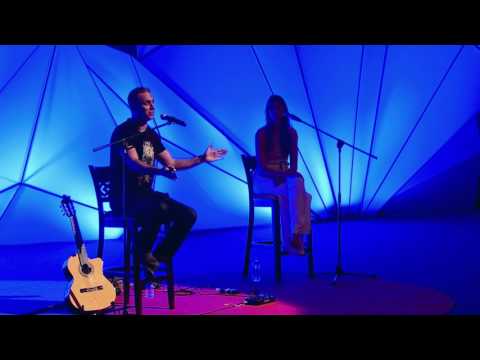
with us at the time was the person to my left which is Nicky wells so give a warm
left which is Nicky wells so give a warm
left which is Nicky wells so give a warm welcome and one of the pieces we did on
welcome and one of the pieces we did on
welcome and one of the pieces we did on stage and actually Nicky and I have done
stage and actually Nicky and I have done
stage and actually Nicky and I have done this many times but we’ve lasted it
this many times but we’ve lasted it
this many times but we’ve lasted it together at the Large Hadron Collider at
together at the Large Hadron Collider at
together at the Large Hadron Collider at CERN for another TEDx talk we did a
CERN for another TEDx talk we did a
CERN for another TEDx talk we did a couple of years ago but but this is
couple of years ago but but this is
couple of years ago but but this is based on a pattern
based on a pattern
based on a pattern originally from beardy maharaj he was a
originally from beardy maharaj he was a
originally from beardy maharaj he was a very famous catholic dancer and the
very famous catholic dancer and the
very famous catholic dancer and the first part of it is from him and the
first part of it is from him and the
first part of it is from him and the rest of it is something that I created
rest of it is something that I created
rest of it is something that I created as a kind of converse
as a kind of converse
as a kind of converse station in mathematics using
station in mathematics using
station in mathematics using combinations of table balls and also
combinations of table balls and also
combinations of table balls and also also balls from Kathak and all kinds of
also balls from Kathak and all kinds of
also balls from Kathak and all kinds of different things by using the
different things by using the
different things by using the mathematics of different forms so we’re
mathematics of different forms so we’re
mathematics of different forms so we’re going to do that now it thought pinch
going to do that now it thought pinch
going to do that now it thought pinch our API key 13 13 13 13 13 – check sake
our API key 13 13 13 13 13 – check sake
our API key 13 13 13 13 13 – check sake that I don’t change a bunch so tricky
that I don’t change a bunch so tricky
that I don’t change a bunch so tricky today my cousin Jeff – Nikita turkey la
today my cousin Jeff – Nikita turkey la
today my cousin Jeff – Nikita turkey la da da da da da de Jim back at acuña
da da da da da de Jim back at acuña
da da da da da de Jim back at acuña back in the back the gym back at the
back in the back the gym back at the
back in the back the gym back at the kitchen like a pack of the pack to do
kitchen like a pack of the pack to do
kitchen like a pack of the pack to do back Jim connects the next Jim taka
back Jim connects the next Jim taka
back Jim connects the next Jim taka tikka Jim the context detect June they
tikka Jim the context detect June they
tikka Jim the context detect June they take it as a context the texted on Jim
take it as a context the texted on Jim
take it as a context the texted on Jim dedicate a get it in the deck at the
dedicate a get it in the deck at the
dedicate a get it in the deck at the back of the table diggin it back it’s
back of the table diggin it back it’s
back of the table diggin it back it’s like a detective da da da da da da
like a detective da da da da da da
dedicated a cadet steady good thanks
dedicated a cadet steady good thanks dedicated back of that very good mom
dedicated back of that very good mom
dedicated back of that very good mom dedicated a very good bar better get to
dedicated a very good bar better get to
dedicated a very good bar better get to that thanks though look at that look at
that thanks though look at that look at
that thanks though look at that look at that yeah that’s very good it I don’t
that yeah that’s very good it I don’t
that yeah that’s very good it I don’t get it I bet it gets very good advice
get it I bet it gets very good advice
get it I bet it gets very good advice anybody could double tuck it in logic
anybody could double tuck it in logic
anybody could double tuck it in logic it’s not back at the bar bigoted our
it’s not back at the bar bigoted our
it’s not back at the bar bigoted our second job in a bit
second job in a bit
second job in a bit Thank You else just to play you out this
Thank You else just to play you out this
Thank You else just to play you out this is a piece that I wrote quite long time
is a piece that I wrote quite long time
is a piece that I wrote quite long time ago which is which is just based on pure
ago which is which is just based on pure
ago which is which is just based on pure knowledge I guess and it’s kind of
knowledge I guess and it’s kind of
knowledge I guess and it’s kind of really about celebrating knowledge as
really about celebrating knowledge as
really about celebrating knowledge as opposed to and and and celebrating the
opposed to and and and celebrating the
opposed to and and and celebrating the fluidity of knowledge and I guess that’s
fluidity of knowledge and I guess that’s
fluidity of knowledge and I guess that’s what I’ve been getting at is the idea
what I’ve been getting at is the idea
what I’ve been getting at is the idea that I think all not it should be fluid
that I think all not it should be fluid
that I think all not it should be fluid you should be quite flexible in the way
you should be quite flexible in the way
you should be quite flexible in the way you approach science as well as music or
you approach science as well as music or
you approach science as well as music or any art form and it’s about being
any art form and it’s about being
any art form and it’s about being creative and constantly looking for ways
creative and constantly looking for ways
creative and constantly looking for ways to play it be playful as well and I
to play it be playful as well and I
to play it be playful as well and I think that’s very important so this this
think that’s very important so this this
think that’s very important so this this piece is is called Vidya
piece is is called Vidya
piece is is called Vidya it’s just about pure knowledge
[Music]
[Music] thank you thank you much
thank you thank you much
thank you thank you much [Applause]
Oh
Oh [Applause]
”
Be First to Comment