
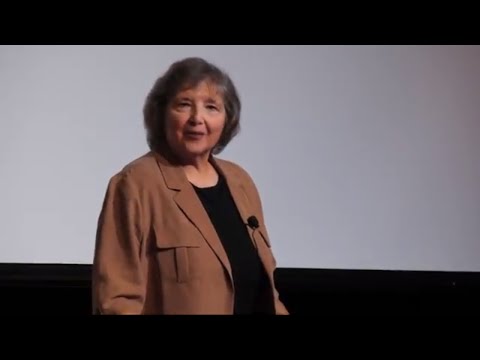
six years ago I was diagnosed with a kind of cancer that usually kills people
kind of cancer that usually kills people
kind of cancer that usually kills people within a few months I was incredibly
within a few months I was incredibly
within a few months I was incredibly lucky I found a brilliant and
lucky I found a brilliant and
lucky I found a brilliant and compassionate surgeon who gave me a
compassionate surgeon who gave me a
compassionate surgeon who gave me a chance but I still needed chemotherapy
chance but I still needed chemotherapy
chance but I still needed chemotherapy so there was in the oncologists office
so there was in the oncologists office
so there was in the oncologists office and we very quickly established that I
and we very quickly established that I
and we very quickly established that I had no health conditions that would
had no health conditions that would
had no health conditions that would interfere but then he got really hung up
interfere but then he got really hung up
interfere but then he got really hung up on the fact that I did not have a
on the fact that I did not have a
on the fact that I did not have a husband he kept coming back to it he
husband he kept coming back to it he
husband he kept coming back to it he kept saying how are you going to manage
kept saying how are you going to manage
kept saying how are you going to manage I kept trying to tell him about friends
I kept trying to tell him about friends
I kept trying to tell him about friends about extended family who would be there
about extended family who would be there
about extended family who would be there for me
for me
for me he talked right over me then he said he
he talked right over me then he said he
he talked right over me then he said he was going to give me just this one mild
was going to give me just this one mild
was going to give me just this one mild drug but the only thing that had any
drug but the only thing that had any
drug but the only thing that had any chance of killing off that kind of
chance of killing off that kind of
chance of killing off that kind of cancer was a combination of that drug
cancer was a combination of that drug
cancer was a combination of that drug and a much stronger one so I said why
and a much stronger one so I said why
and a much stronger one so I said why always said I wouldn’t risk the
always said I wouldn’t risk the
always said I wouldn’t risk the side-effects of anything stronger with
side-effects of anything stronger with
side-effects of anything stronger with somebody in your situation so I went
somebody in your situation so I went
somebody in your situation so I went elsewhere I went to an oncologist who
elsewhere I went to an oncologist who
elsewhere I went to an oncologist who has it turned out had lived on her own
has it turned out had lived on her own
has it turned out had lived on her own for a number of years before she married
for a number of years before she married
for a number of years before she married she had the perspective to ask broader
she had the perspective to ask broader
she had the perspective to ask broader questions is there someone who will come
questions is there someone who will come
questions is there someone who will come and stay overnight with you is there
and stay overnight with you is there
and stay overnight with you is there someone who you could say with would
someone who you could say with would
someone who you could say with would someone give you rides with someone
someone give you rides with someone
someone give you rides with someone bring you meals that’s what a doctor
bring you meals that’s what a doctor
bring you meals that’s what a doctor needs to know as long as it’s a
needs to know as long as it’s a
needs to know as long as it’s a competent adult there’s no medical
competent adult there’s no medical
competent adult there’s no medical reason why it has to be one particular
reason why it has to be one particular
reason why it has to be one particular person she gave me the good chemotherapy
person she gave me the good chemotherapy
person she gave me the good chemotherapy and as you see I survived but even so I
and as you see I survived but even so I
and as you see I survived but even so I was really bothered by the fact that
was really bothered by the fact that
was really bothered by the fact that even one oncologist would have done what
even one oncologist would have done what
even one oncologist would have done what that first one did so being a researcher
that first one did so being a researcher
that first one did so being a researcher by profession I did some fact-checking I
by profession I did some fact-checking I
by profession I did some fact-checking I was astonished I had no idea how often
was astonished I had no idea how often
was astonished I had no idea how often that happens of all the evidence that I
that happens of all the evidence that I
that happens of all the evidence that I found the best was a massive database
found the best was a massive database
found the best was a massive database that’s maintained by the National Cancer
that’s maintained by the National Cancer
that’s maintained by the National Cancer Institute
Institute
Institute it’s a government agency the database is
it’s a government agency the database is
it’s a government agency the database is called seer se er it tracks the records
called seer se er it tracks the records
called seer se er it tracks the records of millions of cancer patients in all
of millions of cancer patients in all
of millions of cancer patients in all different parts of the country among
different parts of the country among
different parts of the country among other things attracts them by marital
other things attracts them by marital
other things attracts them by marital status you probably have seen headlines
status you probably have seen headlines
status you probably have seen headlines that were based on seer studies every
that were based on seer studies every
that were based on seer studies every now and then a major Medical Journal
now and then a major Medical Journal
now and then a major Medical Journal puts out a big study gets on the
puts out a big study gets on the
puts out a big study gets on the headlines gets on the evening news and
headlines gets on the evening news and
headlines gets on the evening news and the big news is people who are currently
the big news is people who are currently
the big news is people who are currently married are more likely to survive all
married are more likely to survive all
married are more likely to survive all different kinds of cancer than those who
different kinds of cancer than those who
different kinds of cancer than those who are divorced widowed or never married
are divorced widowed or never married
are divorced widowed or never married but there’s another statistic that
but there’s another statistic that
but there’s another statistic that doesn’t make the headlines if you show
doesn’t make the headlines if you show
doesn’t make the headlines if you show up without a current partner based on
up without a current partner based on
up without a current partner based on the millions of cases in the seer
the millions of cases in the seer
the millions of cases in the seer database you are significantly less
database you are significantly less
database you are significantly less likely to be offered the most aggressive
likely to be offered the most aggressive
likely to be offered the most aggressive cancer treatment just like what almost
cancer treatment just like what almost
cancer treatment just like what almost happened to me and that is true even
happened to me and that is true even
happened to me and that is true even when the researchers take into account
when the researchers take into account
when the researchers take into account other factors like age economic level
other factors like age economic level
other factors like age economic level and of the stage of the cancer seer does
and of the stage of the cancer seer does
and of the stage of the cancer seer does not say why that happens
not say why that happens
not say why that happens but the medical researchers who write
but the medical researchers who write
but the medical researchers who write these articles suggest that it’s
these articles suggest that it’s
these articles suggest that it’s entirely on the patient if you don’t
entirely on the patient if you don’t
entirely on the patient if you don’t have a partner they suggest you don’t
have a partner they suggest you don’t
have a partner they suggest you don’t have the motivation to seek aggressive
have the motivation to seek aggressive
have the motivation to seek aggressive cancer treatment you might not even have
cancer treatment you might not even have
cancer treatment you might not even have the motivation to live you might be
the motivation to live you might be
the motivation to live you might be depressed you might be on drugs you
depressed you might be on drugs you
depressed you might be on drugs you might be alcoholic you might not be able
might be alcoholic you might not be able
might be alcoholic you might not be able to follow medical instructions now we
to follow medical instructions now we
to follow medical instructions now we all know there are some single people
all know there are some single people
all know there are some single people there are some people who live alone who
there are some people who live alone who
there are some people who live alone who do fit that model they are socially
do fit that model they are socially
do fit that model they are socially isolated by any definition of that term
isolated by any definition of that term
isolated by any definition of that term there’s a sociologist named Eric
there’s a sociologist named Eric
there’s a sociologist named Eric Klinenberg who wrote a best-seller going
Klinenberg who wrote a best-seller going
Klinenberg who wrote a best-seller going solo in which he told the detailed
solo in which he told the detailed
solo in which he told the detailed stories of several of those isolated
stories of several of those isolated
stories of several of those isolated people but Klein and Berg also pointed
people but Klein and Berg also pointed
people but Klein and Berg also pointed out as a mirror
out as a mirror
out as a mirror seconds wait longer before marrying the
seconds wait longer before marrying the
seconds wait longer before marrying the first time as some never marry at all as
first time as some never marry at all as
first time as some never marry at all as divorce becomes more common as people
divorce becomes more common as people
divorce becomes more common as people remain single longer between
remain single longer between
remain single longer between relationships as people are less likely
relationships as people are less likely
relationships as people are less likely to remarry after widowhood or divorce
to remarry after widowhood or divorce
to remarry after widowhood or divorce the typical American typical American
the typical American typical American
the typical American typical American between age 18 and death will spend more
between age 18 and death will spend more
between age 18 and death will spend more time single than married and for much of
time single than married and for much of
time single than married and for much of that time they will live alone according
that time they will live alone according
that time they will live alone according to the United States Census Bureau 28%
to the United States Census Bureau 28%
to the United States Census Bureau 28% of American households are occupied by
of American households are occupied by
of American households are occupied by an adult living alone that’s more than
an adult living alone that’s more than
an adult living alone that’s more than one in four with numbers like that there
one in four with numbers like that there
one in four with numbers like that there is no medical justification for assuming
is no medical justification for assuming
is no medical justification for assuming that everyone in that category has the
that everyone in that category has the
that everyone in that category has the same needs that is a personal belief
psychologists have done a good deal of
psychologists have done a good deal of study of the personal beliefs of
study of the personal beliefs of
study of the personal beliefs of physicians and how those affect the
physicians and how those affect the
physicians and how those affect the medical treatment that’s offered to
medical treatment that’s offered to
medical treatment that’s offered to patients sometimes it’s on lifestyle it
patients sometimes it’s on lifestyle it
patients sometimes it’s on lifestyle it may be on race it may be weight it may
may be on race it may be weight it may
may be on race it may be weight it may be whether a patient smokes educational
be whether a patient smokes educational
be whether a patient smokes educational level but so far I found only one
level but so far I found only one
level but so far I found only one medical researcher who dared to ask the
medical researcher who dared to ask the
medical researcher who dared to ask the question or physicians personal beliefs
question or physicians personal beliefs
question or physicians personal beliefs affecting the treatment of cancer
affecting the treatment of cancer
affecting the treatment of cancer patients her research showed that
patients her research showed that
patients her research showed that oncologists do sometimes have a
oncologists do sometimes have a
oncologists do sometimes have a stereotype of single people that leads
stereotype of single people that leads
stereotype of single people that leads to withholding the most effective cancer
to withholding the most effective cancer
to withholding the most effective cancer treatments from patients who could have
treatments from patients who could have
treatments from patients who could have handled it that researchers name is Nina
handled it that researchers name is Nina
handled it that researchers name is Nina Cavalli björkman she is a Swedish
Cavalli björkman she is a Swedish
Cavalli björkman she is a Swedish oncologist
oncologist
oncologist she gave a TEDx talk in Sweden about how
she gave a TEDx talk in Sweden about how
she gave a TEDx talk in Sweden about how people turn their lives around it’s
people turn their lives around it’s
people turn their lives around it’s worth watching I’d also recommend a TEDx
worth watching I’d also recommend a TEDx
worth watching I’d also recommend a TEDx talk that was done in Belgium by an
talk that was done in Belgium by an
talk that was done in Belgium by an America psychologist named Bella DiPaolo
America psychologist named Bella DiPaolo
America psychologist named Bella DiPaolo she’s talking about myths that people
she’s talking about myths that people
she’s talking about myths that people believe about what it means to live
believe about what it means to live
believe about what it means to live single to give one example
single to give one example
single to give one example the myth that everybody who is single
the myth that everybody who is single
the myth that everybody who is single necessarily is looking for a partner now
necessarily is looking for a partner now
necessarily is looking for a partner now of course having a loving partner can be
of course having a loving partner can be
of course having a loving partner can be a wonderful way to find comfort and
a wonderful way to find comfort and
a wonderful way to find comfort and support in a serious illness and
support in a serious illness and
support in a serious illness and certainly it is the way most people
certainly it is the way most people
certainly it is the way most people would prefer to do it but on any given
would prefer to do it but on any given
would prefer to do it but on any given day in this country almost half of
day in this country almost half of
day in this country almost half of adults are single it may be through
adults are single it may be through
adults are single it may be through choice or it may be because that’s where
choice or it may be because that’s where
choice or it may be because that’s where life has led them and that can happen
life has led them and that can happen
life has led them and that can happen very unexpectedly the belief that the
very unexpectedly the belief that the
very unexpectedly the belief that the people who love them the people who are
people who love them the people who are
people who love them the people who are there for them somehow don’t count is
there for them somehow don’t count is
there for them somehow don’t count is not true and in a medical setting it can
not true and in a medical setting it can
not true and in a medical setting it can be deadly right now that we know that
be deadly right now that we know that
be deadly right now that we know that what do we do about it well for that one
what do we do about it well for that one
what do we do about it well for that one I consulted experts I was writing a
I consulted experts I was writing a
I consulted experts I was writing a story about this for The Washington Post
story about this for The Washington Post
story about this for The Washington Post and I interviewed the supervisors of
and I interviewed the supervisors of
and I interviewed the supervisors of Social Work at three medical
Social Work at three medical
Social Work at three medical institutions the Mayo Clinic in
institutions the Mayo Clinic in
institutions the Mayo Clinic in Minnesota sloan-kettering in New York
Minnesota sloan-kettering in New York
Minnesota sloan-kettering in New York City and Christiana Care in Delaware I
City and Christiana Care in Delaware I
City and Christiana Care in Delaware I interviewed them separately but each one
interviewed them separately but each one
interviewed them separately but each one said pretty much the same thing first
said pretty much the same thing first
said pretty much the same thing first they said yes it is true if you show up
they said yes it is true if you show up
they said yes it is true if you show up without a partner you may be subject to
without a partner you may be subject to
without a partner you may be subject to discrimination by all kinds of health
discrimination by all kinds of health
discrimination by all kinds of health care workers who may not even realize
care workers who may not even realize
care workers who may not even realize they’re doing it it’s not because those
they’re doing it it’s not because those
they’re doing it it’s not because those health care workers are bad people but
health care workers are bad people but
health care workers are bad people but like the rest of us they don’t tend to
like the rest of us they don’t tend to
like the rest of us they don’t tend to think through things they have been
think through things they have been
think through things they have been taught to believe the solution is not
taught to believe the solution is not
taught to believe the solution is not blamed the solution is education
blamed the solution is education
blamed the solution is education awareness getting the word out and all
awareness getting the word out and all
awareness getting the word out and all three of those social workers have the
three of those social workers have the
three of those social workers have the same suggestion about how to get the
same suggestion about how to get the
same suggestion about how to get the word out they said now that so many
word out they said now that so many
word out they said now that so many people are living single and so many of
people are living single and so many of
people are living single and so many of those single people do have good support
those single people do have good support
those single people do have good support systems suppose that when somebody is
systems suppose that when somebody is
systems suppose that when somebody is goes into a hospital or starts being
goes into a hospital or starts being
goes into a hospital or starts being cared for at a Medical Center suppose
cared for at a Medical Center suppose
cared for at a Medical Center suppose the patient or someone with them were to
the patient or someone with them were to
the patient or someone with them were to say to
say to
say to a hospital social worker a patient care
a hospital social worker a patient care
a hospital social worker a patient care representative in a doctor’s office
representative in a doctor’s office
representative in a doctor’s office maybe a nurse practitioner excuse me I’m
maybe a nurse practitioner excuse me I’m
maybe a nurse practitioner excuse me I’m single or my sister who was just
single or my sister who was just
single or my sister who was just admitted to your hospital is single my
admitted to your hospital is single my
admitted to your hospital is single my friend my neighbor and we’ve heard that
friend my neighbor and we’ve heard that
friend my neighbor and we’ve heard that there are stories showing that we could
there are stories showing that we could
there are stories showing that we could have some discrimination here
have some discrimination here
have some discrimination here can you help can you make people aware
can you help can you make people aware
can you help can you make people aware can you get the word out in a doctor’s
can you get the word out in a doctor’s
can you get the word out in a doctor’s office instead of waiting for the doctor
office instead of waiting for the doctor
office instead of waiting for the doctor to ask questions about what they think a
to ask questions about what they think a
to ask questions about what they think a social support system is what about
social support system is what about
social support system is what about getting out in front taking the
getting out in front taking the
getting out in front taking the initiative before we talk about that
initiative before we talk about that
initiative before we talk about that treatment plan doctor I want you to know
treatment plan doctor I want you to know
treatment plan doctor I want you to know I am not alone six years ago if I had
I am not alone six years ago if I had
I am not alone six years ago if I had not known what chemotherapy I was
not known what chemotherapy I was
not known what chemotherapy I was supposed to receive I would have had no
supposed to receive I would have had no
supposed to receive I would have had no reason not to stay with that oncologist
reason not to stay with that oncologist
reason not to stay with that oncologist who wanted to give me that one mile drug
who wanted to give me that one mile drug
who wanted to give me that one mile drug it would greatly have reduced my chance
it would greatly have reduced my chance
it would greatly have reduced my chance of survival it is quite likely that
of survival it is quite likely that
of survival it is quite likely that right now I would be a statistic seeming
right now I would be a statistic seeming
right now I would be a statistic seeming to validate all those studies that say
to validate all those studies that say
to validate all those studies that say that unmarried patients are less likely
that unmarried patients are less likely
that unmarried patients are less likely to survive and the sad part is nobody
to survive and the sad part is nobody
to survive and the sad part is nobody would have realized that with the same
would have realized that with the same
would have realized that with the same cancer but without the social prejudice
cancer but without the social prejudice
cancer but without the social prejudice more patients without partners could
more patients without partners could
more patients without partners could have an equal chance to stay alive –
have an equal chance to stay alive –
have an equal chance to stay alive – thank you
”
Be First to Comment