
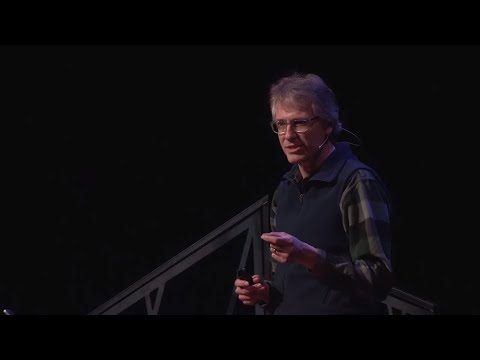
I’ve spent the better part of 20 years studying flying animals mostly birds and
studying flying animals mostly birds and
studying flying animals mostly birds and the air spaces they occupy so I’m an
the air spaces they occupy so I’m an
the air spaces they occupy so I’m an ecologist of the air a narrow ecologist
ecologist of the air a narrow ecologist
ecologist of the air a narrow ecologist if you will and I’d like to talk with
if you will and I’d like to talk with
if you will and I’d like to talk with you about habitat in the way we think
you about habitat in the way we think
you about habitat in the way we think about and perceive habitats know habitat
about and perceive habitats know habitat
about and perceive habitats know habitat is one of our most important and
is one of our most important and
is one of our most important and fundamental concepts in ecology how we
fundamental concepts in ecology how we
fundamental concepts in ecology how we interpret habitats influences not only
interpret habitats influences not only
interpret habitats influences not only the science of ecology it influences
the science of ecology it influences
the science of ecology it influences Environmental Policy species management
Environmental Policy species management
Environmental Policy species management and conservation and not least the law
and conservation and not least the law
and conservation and not least the law so when we change our understanding of
so when we change our understanding of
so when we change our understanding of habitats the consequences can be
habitats the consequences can be
habitats the consequences can be far-reaching for this reason my goal in
far-reaching for this reason my goal in
far-reaching for this reason my goal in part is to illustrate to you how the air
part is to illustrate to you how the air
part is to illustrate to you how the air space is every bit of habitat as a
space is every bit of habitat as a
space is every bit of habitat as a forest or a stream and that it’s in our
forest or a stream and that it’s in our
forest or a stream and that it’s in our self-interest to care about and perhaps
self-interest to care about and perhaps
self-interest to care about and perhaps even preserve air space is much like we
even preserve air space is much like we
even preserve air space is much like we might preserve a forest or a stream as a
might preserve a forest or a stream as a
might preserve a forest or a stream as a means of protecting our our natural
means of protecting our our natural
means of protecting our our natural heritage so if you search Google Images
heritage so if you search Google Images
heritage so if you search Google Images for the word sky you see something like
for the word sky you see something like
for the word sky you see something like this where the sky is actually used as
this where the sky is actually used as
this where the sky is actually used as back you know it’s a background it’s a
back you know it’s a background it’s a
back you know it’s a background it’s a backdrop used to highlight other things
backdrop used to highlight other things
backdrop used to highlight other things like clouds and trees we even speak this
like clouds and trees we even speak this
like clouds and trees we even speak this way not a cloud in the sky the Sun is
way not a cloud in the sky the Sun is
way not a cloud in the sky the Sun is high in the sky people taking pictures
high in the sky people taking pictures
high in the sky people taking pictures of the sky aren’t taking pictures of
of the sky aren’t taking pictures of
of the sky aren’t taking pictures of empty airspace and why should they its
empty airspace and why should they its
empty airspace and why should they its features are largely invisible to us we
features are largely invisible to us we
features are largely invisible to us we don’t really sense the airspace we are
don’t really sense the airspace we are
don’t really sense the airspace we are of the earth we are evolved as visual
of the earth we are evolved as visual
of the earth we are evolved as visual creatures that live life on a flat
creatures that live life on a flat
creatures that live life on a flat surface that for millions of years has
surface that for millions of years has
surface that for millions of years has been a reliable source of food and
been a reliable source of food and
been a reliable source of food and security to natively perceive the
security to natively perceive the
security to natively perceive the airspace requires perhaps a different
airspace requires perhaps a different
airspace requires perhaps a different set of senses and a brain wired to life
set of senses and a brain wired to life
set of senses and a brain wired to life in three dimensions so to us the air
in three dimensions so to us the air
in three dimensions so to us the air space can seem like a pretty bleak and
space can seem like a pretty bleak and
space can seem like a pretty bleak and empty place but nothing could be further
empty place but nothing could be further
empty place but nothing could be further from the truth so try to imagine
from the truth so try to imagine
from the truth so try to imagine variation in wind speed and temperature
variation in wind speed and temperature
variation in wind speed and temperature moisture wind speed and direction
moisture wind speed and direction
moisture wind speed and direction moisture and temperature gradients
moisture and temperature gradients
moisture and temperature gradients changing air densities
changing air densities
changing air densities oder polarize light gravity magnetic
oder polarize light gravity magnetic
oder polarize light gravity magnetic fields all these things are going on up
fields all these things are going on up
fields all these things are going on up there okay and well they may not mean
there okay and well they may not mean
there okay and well they may not mean much to us in many respects to animals
much to us in many respects to animals
much to us in many respects to animals that spend their lives in the air
that spend their lives in the air
that spend their lives in the air they’re important now there’s a lot of
they’re important now there’s a lot of
they’re important now there’s a lot of life up there there are more than a
life up there there are more than a
life up there there are more than a thousand species of bats and ten times
thousand species of bats and ten times
thousand species of bats and ten times that many species of birds and untold
that many species of birds and untold
that many species of birds and untold numbers of insects and among all this
numbers of insects and among all this
numbers of insects and among all this aro fauna if you will the common Swift
aro fauna if you will the common Swift
aro fauna if you will the common Swift and it’s a really a pretty drab bird
and it’s a really a pretty drab bird
and it’s a really a pretty drab bird despite this kind of striking and cool
despite this kind of striking and cool
despite this kind of striking and cool image by Noel Kimmel Larry has some
image by Noel Kimmel Larry has some
image by Noel Kimmel Larry has some interesting biology this bird has been
interesting biology this bird has been
interesting biology this bird has been documented to remain in flight
documented to remain in flight
documented to remain in flight continuously for up to 10 months at a
continuously for up to 10 months at a
continuously for up to 10 months at a time without landing so are we to
time without landing so are we to
time without landing so are we to believe that the common Swift is
believe that the common Swift is
believe that the common Swift is spending 80 percent percent of its life
spending 80 percent percent of its life
spending 80 percent percent of its life outside habitat and if so what do we
outside habitat and if so what do we
outside habitat and if so what do we call that place that it’s in turns out
call that place that it’s in turns out
call that place that it’s in turns out that the airspace actually satisfies the
that the airspace actually satisfies the
that the airspace actually satisfies the most widely cited definitions of
most widely cited definitions of
most widely cited definitions of habitats which boil down to two main
habitats which boil down to two main
habitats which boil down to two main parts its place animals occupy that
parts its place animals occupy that
parts its place animals occupy that provide resources for survival now those
provide resources for survival now those
provide resources for survival now those resources polarized light and magnetic
resources polarized light and magnetic
resources polarized light and magnetic fields and winds they may seem unusual
fields and winds they may seem unusual
fields and winds they may seem unusual to us but their resources nonetheless –
to us but their resources nonetheless –
to us but their resources nonetheless – flying animals okay now we can put small
flying animals okay now we can put small
flying animals okay now we can put small data loggers on on these Swift’s and
data loggers on on these Swift’s and
data loggers on on these Swift’s and learn something about their behavior
learn something about their behavior
learn something about their behavior aloft but the sky the airspace is an
aloft but the sky the airspace is an
aloft but the sky the airspace is an enormous place what’s happening at
enormous place what’s happening at
enormous place what’s happening at larger scales what’s the bigger picture
larger scales what’s the bigger picture
larger scales what’s the bigger picture so it turns out that our system of
so it turns out that our system of
so it turns out that our system of weather radars which can detect all
weather radars which can detect all
weather radars which can detect all flavor precipitation these things detect
flavor precipitation these things detect
flavor precipitation these things detect birds and bats and insects just fine I
birds and bats and insects just fine I
birds and bats and insects just fine I mean what is a bird it’s really just a
mean what is a bird it’s really just a
mean what is a bird it’s really just a giant raindrop right okay a concerted
giant raindrop right okay a concerted
giant raindrop right okay a concerted effort is made to scrub or remove all
effort is made to scrub or remove all
effort is made to scrub or remove all this biology from images like this so as
this biology from images like this so as
this biology from images like this so as not to confuse the public but this is
not to confuse the public but this is
not to confuse the public but this is what it looks like when we put the
what it looks like when we put the
what it looks like when we put the biology back in okay this is what the
biology back in okay this is what the
biology back in okay this is what the radars are really seeing these so-called
radars are really seeing these so-called
radars are really seeing these so-called weather radars
weather radars
weather radars detect more biology than they do whether
detect more biology than they do whether
detect more biology than they do whether bird migration events like this not the
bird migration events like this not the
bird migration events like this not the other one but this lay like a blanket
other one but this lay like a blanket
other one but this lay like a blanket over much of North America okay so I’d
over much of North America okay so I’d
over much of North America okay so I’d like to spend a few minutes taking a
like to spend a few minutes taking a
like to spend a few minutes taking a closer look at Southeast Wisconsin head
closer look at Southeast Wisconsin head
closer look at Southeast Wisconsin head image that was just up and this is a
image that was just up and this is a
image that was just up and this is a waterfowl migration is seen by a weather
waterfowl migration is seen by a weather
waterfowl migration is seen by a weather radar but when we look at an image like
radar but when we look at an image like
radar but when we look at an image like this I mean what does it mean what are
this I mean what does it mean what are
this I mean what does it mean what are these what kind of numbers are we
these what kind of numbers are we
these what kind of numbers are we talking about here on this unremarkable
talking about here on this unremarkable
talking about here on this unremarkable day ducks and geese and sandhill cranes
day ducks and geese and sandhill cranes
day ducks and geese and sandhill cranes initiated flight toward the southeast in
initiated flight toward the southeast in
initiated flight toward the southeast in over a timeframe of about four hours
over a timeframe of about four hours
over a timeframe of about four hours 50,000 Birds passed within just five
50,000 Birds passed within just five
50,000 Birds passed within just five kilometers of O’Hare International
kilometers of O’Hare International
kilometers of O’Hare International Airport
Airport
Airport so 50,000 Birds pass just over that
so 50,000 Birds pass just over that
so 50,000 Birds pass just over that yellow dot in four hours now the reason
yellow dot in four hours now the reason
yellow dot in four hours now the reason I bring up O’Hare is to make the point
I bring up O’Hare is to make the point
I bring up O’Hare is to make the point that like deer crossing the road in
that like deer crossing the road in
that like deer crossing the road in front of a car planes are in bird’s
front of a car planes are in bird’s
front of a car planes are in bird’s habitat aircraft collisions with birds
habitat aircraft collisions with birds
habitat aircraft collisions with birds caused hundreds of millions of dollars
caused hundreds of millions of dollars
caused hundreds of millions of dollars in damage annually in the US and perhaps
in damage annually in the US and perhaps
in damage annually in the US and perhaps a billion dollars world worldwide and
a billion dollars world worldwide and
a billion dollars world worldwide and contribute to some 200 wildlife related
contribute to some 200 wildlife related
contribute to some 200 wildlife related deaths since 1988 now for those of you
deaths since 1988 now for those of you
deaths since 1988 now for those of you who are already afraid to fly that’s the
who are already afraid to fly that’s the
who are already afraid to fly that’s the last thing that you want to hear but
last thing that you want to hear but
last thing that you want to hear but flying is perfectly safe but perhaps it
flying is perfectly safe but perhaps it
flying is perfectly safe but perhaps it can be made safer and less expensive if
can be made safer and less expensive if
can be made safer and less expensive if we learn more about how aircraft and
we learn more about how aircraft and
we learn more about how aircraft and flying animals share the airspace images
flying animals share the airspace images
flying animals share the airspace images like data like this can actually be used
like data like this can actually be used
like data like this can actually be used to a forecast what bird related hazards
to a forecast what bird related hazards
to a forecast what bird related hazards to to aviation much the way we would
to to aviation much the way we would
to to aviation much the way we would forecast a weather-related hazard now
forecast a weather-related hazard now
forecast a weather-related hazard now all this said while birds pose some
all this said while birds pose some
all this said while birds pose some hazard you know to to humans humans pose
hazard you know to to humans humans pose
hazard you know to to humans humans pose by far the greater hazard to birds many
by far the greater hazard to birds many
by far the greater hazard to birds many species have evolved to fly about in
species have evolved to fly about in
species have evolved to fly about in clutter-free space okay and as we
clutter-free space okay and as we
clutter-free space okay and as we increasingly develop and fragment these
increasingly develop and fragment these
increasingly develop and fragment these air spaces with our structure much as we
air spaces with our structure much as we
air spaces with our structure much as we have the landscape we are disrupting
have the landscape we are disrupting
have the landscape we are disrupting aerial habitats these structures likely
aerial habitats these structures likely
aerial habitats these structures likely contribute to declines that we are
contribute to declines that we are
contribute to declines that we are observing in
observing in
observing in some bird and bat populations wind
some bird and bat populations wind
some bird and bat populations wind turbines are estimated to kill on the
turbines are estimated to kill on the
turbines are estimated to kill on the order of 350,000 Birds a year in the US
order of 350,000 Birds a year in the US
order of 350,000 Birds a year in the US and Canada unfortunately that number is
and Canada unfortunately that number is
and Canada unfortunately that number is tiny compared to the impacts of glass
tiny compared to the impacts of glass
tiny compared to the impacts of glass bird collisions with windows may kill up
bird collisions with windows may kill up
bird collisions with windows may kill up to a billion birds a year in the US
to a billion birds a year in the US
to a billion birds a year in the US alone and now that’s a big number but
alone and now that’s a big number but
alone and now that’s a big number but perhaps remarkably for many species the
perhaps remarkably for many species the
perhaps remarkably for many species the lasting impacts of climate change are
lasting impacts of climate change are
lasting impacts of climate change are going to far outweigh any of these other
going to far outweigh any of these other
going to far outweigh any of these other impacts that we’ve talked about so far
impacts that we’ve talked about so far
impacts that we’ve talked about so far so we’re probably going to have to
so we’re probably going to have to
so we’re probably going to have to develop the airspace for alternative
develop the airspace for alternative
develop the airspace for alternative energy as we have been doing but we can
energy as we have been doing but we can
energy as we have been doing but we can do so in should dosoo do so in ways that
do so in should dosoo do so in ways that
do so in should dosoo do so in ways that are safe for flying animals so
are safe for flying animals so
are safe for flying animals so conservation of some species may
conservation of some species may
conservation of some species may actually require that we preserve air
actually require that we preserve air
actually require that we preserve air spaces much as we have preserved
spaces much as we have preserved
spaces much as we have preserved terrestrial and aquatic habitats such
terrestrial and aquatic habitats such
terrestrial and aquatic habitats such airspace reserves may focus on
airspace reserves may focus on
airspace reserves may focus on traditional areas of activity like bat
traditional areas of activity like bat
traditional areas of activity like bat roosts and movement corridors for
roosts and movement corridors for
roosts and movement corridors for waterfowl and and geographies that tend
waterfowl and and geographies that tend
waterfowl and and geographies that tend to concentrate bird migration and this
to concentrate bird migration and this
to concentrate bird migration and this is where our understanding of habitats
is where our understanding of habitats
is where our understanding of habitats becomes important as a legal concept
becomes important as a legal concept
becomes important as a legal concept many of our environmental laws like the
many of our environmental laws like the
many of our environmental laws like the Endangered Species Act or in Europe the
Endangered Species Act or in Europe the
Endangered Species Act or in Europe the habitats directive rely on the habitat
habitats directive rely on the habitat
habitats directive rely on the habitat concept so it is thought-provoking I
concept so it is thought-provoking I
concept so it is thought-provoking I think to consider if we reinterpret
think to consider if we reinterpret
think to consider if we reinterpret habitats to include the airspace do we
habitats to include the airspace do we
habitats to include the airspace do we empower existing environmental habitats
empower existing environmental habitats
empower existing environmental habitats based environmental law to include vast
based environmental law to include vast
based environmental law to include vast new areas that might otherwise not be
new areas that might otherwise not be
new areas that might otherwise not be considered for preservation Thanks
considered for preservation Thanks
considered for preservation Thanks [Applause]
”
Be First to Comment