
hi everyone I’m James I make it about 20 past 12 which means that you’re all
past 12 which means that you’re all
past 12 which means that you’re all about a third of the way through your
about a third of the way through your
about a third of the way through your waking day which also means that you’ve
waking day which also means that you’ve
waking day which also means that you’ve made at least 10,000 decisions today
made at least 10,000 decisions today
made at least 10,000 decisions today already maybe like me you’ve woken up
already maybe like me you’ve woken up
already maybe like me you’ve woken up and chosen to press the snooze button
and chosen to press the snooze button
and chosen to press the snooze button and again and again and again you’ve
and again and again and again you’ve
and again and again and again you’ve chosen what to eat for breakfast you’ve
chosen what to eat for breakfast you’ve
chosen what to eat for breakfast you’ve chosen to brush your teeth you’ve chosen
chosen to brush your teeth you’ve chosen
chosen to brush your teeth you’ve chosen to put clothes on
to put clothes on
to put clothes on good for you you’ve chosen to hop on the
good for you you’ve chosen to hop on the
good for you you’ve chosen to hop on the bus hop on your bike hop in the car and
bus hop on your bike hop in the car and
bus hop on your bike hop in the car and come down to this talk today whatever we
come down to this talk today whatever we
come down to this talk today whatever we do we’re always always choosing even
do we’re always always choosing even
do we’re always always choosing even when we’re not choosing we’re choosing
when we’re not choosing we’re choosing
when we’re not choosing we’re choosing not to choose I’m a I’m a consumer
not to choose I’m a I’m a consumer
not to choose I’m a I’m a consumer psychologist and I’ve chosen to look at
psychologist and I’ve chosen to look at
psychologist and I’ve chosen to look at the world through people’s brains and
the world through people’s brains and
the world through people’s brains and through people’s baskets to understand
through people’s baskets to understand
through people’s baskets to understand how and why they’re making choices now
how and why they’re making choices now
how and why they’re making choices now we’re making choices all the time but
we’re making choices all the time but
we’re making choices all the time but we’re not we’re not always very good at
we’re not we’re not always very good at
we’re not we’re not always very good at it there’s a lot of different things
it there’s a lot of different things
it there’s a lot of different things that impact the way in which we make
that impact the way in which we make
that impact the way in which we make choices if I’m hungry I make bad choices
choices if I’m hungry I make bad choices
choices if I’m hungry I make bad choices have you ever been to the supermarket
have you ever been to the supermarket
have you ever been to the supermarket hungry you come back with things you’ve
hungry you come back with things you’ve
hungry you come back with things you’ve never even heard of when you when you
never even heard of when you when you
never even heard of when you when you need a wee you make really good choices
need a wee you make really good choices
need a wee you make really good choices and more accurate more prompt when you
and more accurate more prompt when you
and more accurate more prompt when you lean to the left when you make choices
lean to the left when you make choices
lean to the left when you make choices you underestimate size weird right so
you underestimate size weird right so
you underestimate size weird right so yeah my objective is the truth but is to
yeah my objective is the truth but is to
yeah my objective is the truth but is to find out why people choose to tango or
find out why people choose to tango or
find out why people choose to tango or not to tango sorry
not to tango sorry
not to tango sorry supermarkets that’s my area of expertise
supermarkets that’s my area of expertise
supermarkets that’s my area of expertise there’s somewhere between 10,000 and
there’s somewhere between 10,000 and
there’s somewhere between 10,000 and 50,000 different choice permutations and
50,000 different choice permutations and
50,000 different choice permutations and one of those places that’s an awful lot
one of those places that’s an awful lot
one of those places that’s an awful lot we’re not making all of those choices
we’re not making all of those choices
we’re not making all of those choices all of the time but it’s quite easy to
all of the time but it’s quite easy to
all of the time but it’s quite easy to leave a supermarket and feel exhausted
leave a supermarket and feel exhausted
leave a supermarket and feel exhausted by the experience so a lot of the time
by the experience so a lot of the time
by the experience so a lot of the time we kind of fall into this pattern of
we kind of fall into this pattern of
we kind of fall into this pattern of going onto autopilot we’re like zombies
going onto autopilot we’re like zombies
going onto autopilot we’re like zombies navigating ours in the supermarket
navigating ours in the supermarket
navigating ours in the supermarket walking past these cliff faces of
walking past these cliff faces of
walking past these cliff faces of products and choices so what exactly is
products and choices so what exactly is
products and choices so what exactly is happening when we switch off what is the
happening when we switch off what is the
happening when we switch off what is the brain doing when we switch off should we
brain doing when we switch off should we
brain doing when we switch off should we trust the brain I think is a valuable
trust the brain I think is a valuable
trust the brain I think is a valuable question to ask because our brain isn’t
question to ask because our brain isn’t
question to ask because our brain isn’t even telling us about the noses in front
even telling us about the noses in front
even telling us about the noses in front of our face you can try it yourself if
of our face you can try it yourself if
of our face you can try it yourself if you close one eye you can see on those
you close one eye you can see on those
you close one eye you can see on those but open both eyes again and it
but open both eyes again and it
but open both eyes again and it reappears the brain is kind of
reappears the brain is kind of
reappears the brain is kind of airbrushing it out so what else is the
airbrushing it out so what else is the
airbrushing it out so what else is the brain airbrushing out so Obama trying to
brain airbrushing out so Obama trying to
brain airbrushing out so Obama trying to look at his nose well yeah what else is
look at his nose well yeah what else is
look at his nose well yeah what else is the brain not telling us about how we’re
the brain not telling us about how we’re
the brain not telling us about how we’re making choices to continue the the dance
making choices to continue the the dance
making choices to continue the the dance analogy it’s often the case that we’re
analogy it’s often the case that we’re
analogy it’s often the case that we’re not leading the way we make choices
not leading the way we make choices
not leading the way we make choices we’re being led by our environments
we’re being led by our environments
we’re being led by our environments we’re constantly looking for signs and
we’re constantly looking for signs and
we’re constantly looking for signs and signals in our environments that give us
signals in our environments that give us
signals in our environments that give us clues and indications as to what we
clues and indications as to what we
clues and indications as to what we should do and a lot of this context is
should do and a lot of this context is
should do and a lot of this context is kind of guiding and determining what
kind of guiding and determining what
kind of guiding and determining what decisions we make so in the next 10
decisions we make so in the next 10
decisions we make so in the next 10 minutes or so I want to give you or run
minutes or so I want to give you or run
minutes or so I want to give you or run through four or so examples of how
through four or so examples of how
through four or so examples of how context determines what we choose three
context determines what we choose three
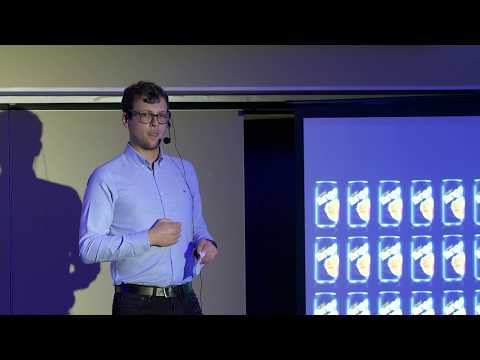
context determines what we choose three counter tango tango in the supermarket
counter tango tango in the supermarket
counter tango tango in the supermarket is on offer 50% off that’s a great deal
is on offer 50% off that’s a great deal
is on offer 50% off that’s a great deal it’s a no-brainer right I’m gonna choose
it’s a no-brainer right I’m gonna choose
it’s a no-brainer right I’m gonna choose one but accompanying that offer is a
one but accompanying that offer is a
one but accompanying that offer is a small note that reads maximum items per
small note that reads maximum items per
small note that reads maximum items per customer three and you tend to find
customer three and you tend to find
customer three and you tend to find people especially on larger shops
people especially on larger shops
people especially on larger shops picking up three
when that same note reads maximum items
when that same note reads maximum items per customer five you tend to find
per customer five you tend to find
per customer five you tend to find people picking up five items so is it
people picking up five items so is it
people picking up five items so is it you that’s choosing one or is it you
you that’s choosing one or is it you
you that’s choosing one or is it you that’s choosing three or is it you
that’s choosing three or is it you
that’s choosing three or is it you that’s choosing five or is it your
that’s choosing five or is it your
that’s choosing five or is it your context let’s look at the context of
context let’s look at the context of
context let’s look at the context of price as well
price as well
price as well we have option a and option B here
we have option a and option B here
we have option a and option B here option a is 1 pound eighty an option B
option a is 1 pound eighty an option B
option a is 1 pound eighty an option B is two pound twenty generally we tend to
is two pound twenty generally we tend to
is two pound twenty generally we tend to rely on our price schema to determine
rely on our price schema to determine
rely on our price schema to determine what we choose you know the higher the
what we choose you know the higher the
what we choose you know the higher the price the higher the quality it’s an
price the higher the quality it’s an
price the higher the quality it’s an easy choice but what happens when we add
easy choice but what happens when we add
easy choice but what happens when we add a third choice into the mix fanta if we
a third choice into the mix fanta if we
a third choice into the mix fanta if we add that in here a one-pound 60 then the
add that in here a one-pound 60 then the
add that in here a one-pound 60 then the majority of people instead of choosing
majority of people instead of choosing
majority of people instead of choosing Tango now choose Rubicon 80% when there
Tango now choose Rubicon 80% when there
Tango now choose Rubicon 80% when there were two choices chose Tango now 80% are
were two choices chose Tango now 80% are
were two choices chose Tango now 80% are choosing the Rubicon what happens when
choosing the Rubicon what happens when
choosing the Rubicon what happens when we mix that up again and at the Fanta
we mix that up again and at the Fanta
we mix that up again and at the Fanta into the options set at three pounds 60
into the options set at three pounds 60
into the options set at three pounds 60 now we find that 90 percent of people
now we find that 90 percent of people
now we find that 90 percent of people are choosing the tango
so does it take two to tango or does it
so does it take two to tango or does it take three to tango what about when
take three to tango what about when
take three to tango what about when there’s more than three choices what
there’s more than three choices what
there’s more than three choices what about when there’s 24 choices or six
about when there’s 24 choices or six
about when there’s 24 choices or six choices choice in the West we associate
choices choice in the West we associate
choices choice in the West we associate with sense of freedom our ability to
with sense of freedom our ability to
with sense of freedom our ability to choose is directly related to our sense
choose is directly related to our sense
choose is directly related to our sense of freedom right so choice must be a
of freedom right so choice must be a
of freedom right so choice must be a good thing 24 choices you find in a
good thing 24 choices you find in a
good thing 24 choices you find in a supermarket when there are 24 choices 60
supermarket when there are 24 choices 60
supermarket when there are 24 choices 60 percent of people will approach engage
percent of people will approach engage
percent of people will approach engage and learn about the variety of products
and learn about the variety of products
and learn about the variety of products you have there when there’s just six
you have there when there’s just six
you have there when there’s just six only 40 percent of people approach learn
only 40 percent of people approach learn
only 40 percent of people approach learn engage so choice is a good thing right
engage so choice is a good thing right
engage so choice is a good thing right not necessarily so when you have these
not necessarily so when you have these
not necessarily so when you have these 24 choices only 4 percent of people end
24 choices only 4 percent of people end
24 choices only 4 percent of people end up actually making a decision making a
up actually making a decision making a
up actually making a decision making a choice when you have six choices
45% of people end up taking something at
45% of people end up taking something at home home with them so let’s go all the
home home with them so let’s go all the
home home with them so let’s go all the way back to the beginning two choices
way back to the beginning two choices
way back to the beginning two choices let’s keep it simple just because there
let’s keep it simple just because there
let’s keep it simple just because there are two choices next to one another on a
are two choices next to one another on a
are two choices next to one another on a supermarket shelf does that necessarily
supermarket shelf does that necessarily
supermarket shelf does that necessarily mean that we’re deciding between these
mean that we’re deciding between these
mean that we’re deciding between these two options fizzy drink a and fizzy
two options fizzy drink a and fizzy
two options fizzy drink a and fizzy drink B chocolate bar a or chocolate bar
drink B chocolate bar a or chocolate bar
drink B chocolate bar a or chocolate bar b these two are on shelf next one
b these two are on shelf next one
b these two are on shelf next one another I’m choosing the Mars bar
another I’m choosing the Mars bar
another I’m choosing the Mars bar because it’s an indulgence it’s a tree
because it’s an indulgence it’s a tree
because it’s an indulgence it’s a tree so it might be compared and competing
so it might be compared and competing
so it might be compared and competing with for instance a bottle of wine
with for instance a bottle of wine
with for instance a bottle of wine whereas the Snickers on the other hand
whereas the Snickers on the other hand
whereas the Snickers on the other hand it’s got nuts it’s functional it’s fuel
it’s got nuts it’s functional it’s fuel
it’s got nuts it’s functional it’s fuel for my body so I might be comparing that
for my body so I might be comparing that
for my body so I might be comparing that we have a ham sandwich for instance just
we have a ham sandwich for instance just
we have a ham sandwich for instance just because the two are sat next to one
because the two are sat next to one
because the two are sat next to one another on shelf in the same context
another on shelf in the same context
another on shelf in the same context doesn’t necessarily mean I’m choosing
doesn’t necessarily mean I’m choosing
doesn’t necessarily mean I’m choosing between them now I’ve chosen to keep my
between them now I’ve chosen to keep my
between them now I’ve chosen to keep my talk short and sweet so we can move on
talk short and sweet so we can move on
talk short and sweet so we can move on to more important things like lunch but
to more important things like lunch but
to more important things like lunch but I would like to conclude by saying that
I would like to conclude by saying that
I would like to conclude by saying that despite having loads of practice at
despite having loads of practice at
despite having loads of practice at choosing and despite attaching a large
choosing and despite attaching a large
choosing and despite attaching a large part of our identity to choosing we’re
part of our identity to choosing we’re
part of our identity to choosing we’re not very good at it in fact a lot of the
not very good at it in fact a lot of the
not very good at it in fact a lot of the time we’re not even doing it ourselves
time we’re not even doing it ourselves
time we’re not even doing it ourselves it’s the context around us that’s been
it’s the context around us that’s been
it’s the context around us that’s been formed for us that’s influencing those
formed for us that’s influencing those
formed for us that’s influencing those decisions and so one piece of advice
decisions and so one piece of advice
decisions and so one piece of advice before you go is that when you’re in the
before you go is that when you’re in the
before you go is that when you’re in the supermarket just check every once in a
supermarket just check every once in a
supermarket just check every once in a while whether you can see your nose in
while whether you can see your nose in
while whether you can see your nose in front of your face
”
Be First to Comment