
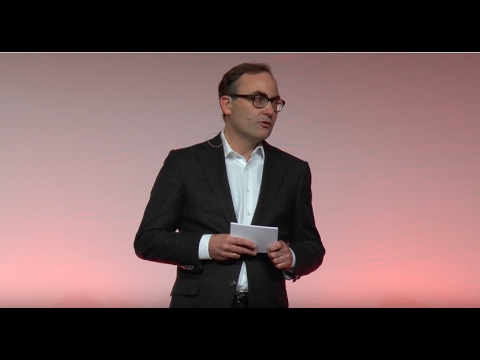
[Applause] in 1977 a KLM jimbo jet was standing on
in 1977 a KLM jimbo jet was standing on
in 1977 a KLM jimbo jet was standing on a runway on Tenerife Airport in the
a runway on Tenerife Airport in the
a runway on Tenerife Airport in the cockpit the pressure was mounting the
cockpit the pressure was mounting the
cockpit the pressure was mounting the crew had been waiting for quite a while
crew had been waiting for quite a while
crew had been waiting for quite a while and fatigue and impatience was kicking
and fatigue and impatience was kicking
and fatigue and impatience was kicking in the airport was extremely busy there
in the airport was extremely busy there
in the airport was extremely busy there was bad weather air traffic control
was bad weather air traffic control
was bad weather air traffic control systems didn’t really work well and the
systems didn’t really work well and the
systems didn’t really work well and the visibility was very poor and as a result
visibility was very poor and as a result
visibility was very poor and as a result the crew did not know that it was an
the crew did not know that it was an
the crew did not know that it was an other plane standing on the same runway
other plane standing on the same runway
other plane standing on the same runway from which the KLM jet wanted to take
from which the KLM jet wanted to take
from which the KLM jet wanted to take off only the Giulia flight engineer was
off only the Giulia flight engineer was
off only the Giulia flight engineer was aware of that yet his warnings were
aware of that yet his warnings were
aware of that yet his warnings were dismissed by the captain due to
dismissed by the captain due to
dismissed by the captain due to seniority and hierarchy not only was the
seniority and hierarchy not only was the
seniority and hierarchy not only was the captain in the upper ranks of the KLM
captain in the upper ranks of the KLM
captain in the upper ranks of the KLM organization he also taught the junior
organization he also taught the junior
organization he also taught the junior flight engineer how to fly and as a
flight engineer how to fly and as a
flight engineer how to fly and as a result the warnings of the junior flight
result the warnings of the junior flight
result the warnings of the junior flight engineer were dismissed quite easily and
engineer were dismissed quite easily and
engineer were dismissed quite easily and it not really influenced the decision of
it not really influenced the decision of
it not really influenced the decision of the captain to take off and just before
the captain to take off and just before
the captain to take off and just before the wheels of the KLM plane lifted from
the wheels of the KLM plane lifted from
the wheels of the KLM plane lifted from the runway it crashed into another plane
the runway it crashed into another plane
the runway it crashed into another plane that same plane it was still standing
that same plane it was still standing
that same plane it was still standing there
there
there Pan Am jet and it caused one of the
Pan Am jet and it caused one of the
Pan Am jet and it caused one of the major aviation disaster in history
major aviation disaster in history
major aviation disaster in history causing an enormous amount of casualties
causing an enormous amount of casualties
causing an enormous amount of casualties exposed analysis revealed that this
exposed analysis revealed that this
exposed analysis revealed that this terrible accident was caused by a
terrible accident was caused by a
terrible accident was caused by a combination of structural and human
combination of structural and human
combination of structural and human factors and following this analysis
factors and following this analysis
factors and following this analysis interaction measures were taken to
interaction measures were taken to
interaction measures were taken to influence the interactions within the
influence the interactions within the
influence the interactions within the cockpit thereby trying to diminish the
cockpit thereby trying to diminish the
cockpit thereby trying to diminish the influence of behavioral and pediments
influence of behavioral and pediments
influence of behavioral and pediments such as hierarchy and seniority
such as hierarchy and seniority
such as hierarchy and seniority now the inclusion of the human factor
now the inclusion of the human factor
now the inclusion of the human factor really smart the beginning of an era of
really smart the beginning of an era of
really smart the beginning of an era of the culture of aviation safety
the culture of aviation safety
the culture of aviation safety now when the financial crisis hit the
now when the financial crisis hit the
now when the financial crisis hit the world in 2008
world in 2008
world in 2008 economic analysis was initially dominant
economic analysis was initially dominant
economic analysis was initially dominant and two of my colleagues wondered why
and two of my colleagues wondered why
and two of my colleagues wondered why the human factor was seldom on stably
the human factor was seldom on stably
the human factor was seldom on stably absent and they started thinking about a
absent and they started thinking about a
absent and they started thinking about a way how to integrate behavior into our
way how to integrate behavior into our
way how to integrate behavior into our supervisory methodology into how the
supervisory methodology into how the
supervisory methodology into how the perspective on behavior and culture
perspective on behavior and culture
perspective on behavior and culture could contribute to realizing our
could contribute to realizing our
could contribute to realizing our organizational objectives being
organizational objectives being
organizational objectives being enhancing the financial strength of
enhancing the financial strength of
enhancing the financial strength of financial firms and now a couple of
financial firms and now a couple of
financial firms and now a couple of years later and still after continuous
years later and still after continuous
years later and still after continuous development of our methodology it is
development of our methodology it is
development of our methodology it is still based on three very simple IDs the
still based on three very simple IDs the
still based on three very simple IDs the first one is is that behavior drives
first one is is that behavior drives
first one is is that behavior drives performance and the second idea is that
performance and the second idea is that
performance and the second idea is that many organizational problems often have
many organizational problems often have
many organizational problems often have the same identical behavioral root cause
the same identical behavioral root cause
the same identical behavioral root cause and the third ID was if we are able to
and the third ID was if we are able to
and the third ID was if we are able to integrate these behavioral perspective
integrate these behavioral perspective
integrate these behavioral perspective in in supervision we might be able to
in in supervision we might be able to
in in supervision we might be able to better prevent and maybe also solve
better prevent and maybe also solve
better prevent and maybe also solve problems now the question is how do we
problems now the question is how do we
problems now the question is how do we get more grip on behavioral patterns
get more grip on behavioral patterns
get more grip on behavioral patterns through supervision
through supervision
through supervision the answer is we perform a lot of
the answer is we perform a lot of
the answer is we perform a lot of examinations we try to identify
examinations we try to identify
examinations we try to identify behavioral patterns mostly in the top of
behavioral patterns mostly in the top of
behavioral patterns mostly in the top of the organization and we try to figure
the organization and we try to figure
the organization and we try to figure out what the effects of these patterns
out what the effects of these patterns
out what the effects of these patterns are and to do this we have designed
are and to do this we have designed
are and to do this we have designed several instruments one of them is the
several instruments one of them is the
several instruments one of them is the instrument called board effectiveness we
instrument called board effectiveness we
instrument called board effectiveness we look at boards and we try to get a grip
look at boards and we try to get a grip
look at boards and we try to get a grip on their behavioral patterns so we look
on their behavioral patterns so we look
on their behavioral patterns so we look for example at leadership styles if they
for example at leadership styles if they
for example at leadership styles if they are a dominant CEO neglecting the input
are a dominant CEO neglecting the input
are a dominant CEO neglecting the input of others or is leadership style much
of others or is leadership style much
of others or is leadership style much more facilitative in a sense that it
more facilitative in a sense that it
more facilitative in a sense that it encourages others to participate in
encourages others to participate in
encourages others to participate in discussions and bring their perspectives
discussions and bring their perspectives
discussions and bring their perspectives forward but we also look at whether or
forward but we also look at whether or
forward but we also look at whether or not institutions are capable of
not institutions are capable of
not institutions are capable of successfully transforming their business
successfully transforming their business
successfully transforming their business model their organization or their
model their organization or their
model their organization or their culture for adapting to new
culture for adapting to new
culture for adapting to new circumstances is vital for sustained
circumstances is vital for sustained
circumstances is vital for sustained performance and for this we use our
performance and for this we use our
performance and for this we use our instrument which we call change
instrument which we call change
instrument which we call change effectiveness in our risk culture
effectiveness in our risk culture
effectiveness in our risk culture assessments we look at how traders deal
assessments we look at how traders deal
assessments we look at how traders deal the difficult relationship between
the difficult relationship between
the difficult relationship between reward and risk we want to know their
reward and risk we want to know their
reward and risk we want to know their personal values and we want to know that
personal values and we want to know that
personal values and we want to know that personal mindset and we also look at how
personal mindset and we also look at how
personal mindset and we also look at how the culture of the group might impact
the culture of the group might impact
the culture of the group might impact their personal decision making now let
their personal decision making now let
their personal decision making now let me emphasize that we are not normative
me emphasize that we are not normative
me emphasize that we are not normative in our approach we do not prescribe how
in our approach we do not prescribe how
in our approach we do not prescribe how to behave under all circumstances nor do
to behave under all circumstances nor do
to behave under all circumstances nor do we work with checklists with predefined
we work with checklists with predefined
we work with checklists with predefined criteria for good and bad behavior
criteria for good and bad behavior
criteria for good and bad behavior because what works in one situation
because what works in one situation
because what works in one situation might be very counterproductive in
might be very counterproductive in
might be very counterproductive in another one we expect however boards to
another one we expect however boards to
another one we expect however boards to reflect on their own behavior to see
reflect on their own behavior to see
reflect on their own behavior to see what the impact of their behavior is and
what the impact of their behavior is and
what the impact of their behavior is and to adjust that patterns is necessary and
to adjust that patterns is necessary and
to adjust that patterns is necessary and we do not work on this assumption either
we do not work on this assumption either
we do not work on this assumption either that there is only one superior culture
that there is only one superior culture
that there is only one superior culture each culture may have its virtues yet
each culture may have its virtues yet
each culture may have its virtues yet also its own risks and as a supervisor
also its own risks and as a supervisor
also its own risks and as a supervisor we want to identify this risk and we
we want to identify this risk and we
we want to identify this risk and we want institutions to eliminate them and
want institutions to eliminate them and
want institutions to eliminate them and in spite of this all we do not have a
in spite of this all we do not have a
in spite of this all we do not have a totally neutral view on culture in our
totally neutral view on culture in our
totally neutral view on culture in our opinion behavior must always contribute
opinion behavior must always contribute
opinion behavior must always contribute to prudent management or ethical
to prudent management or ethical
to prudent management or ethical behavior when we see that institutions
behavior when we see that institutions
behavior when we see that institutions take excessive risks or display in
take excessive risks or display in
take excessive risks or display in ethical behavior we will use our powers
ethical behavior we will use our powers
ethical behavior we will use our powers to fight against them let me now give
to fight against them let me now give
to fight against them let me now give you some examples of what we have
you some examples of what we have
you some examples of what we have encountered in the supervision of
encountered in the supervision of
encountered in the supervision of behavior and culture what we often see
behavior and culture what we often see
behavior and culture what we often see is that boards do not really challenge
is that boards do not really challenge
is that boards do not really challenge proposals that in the do not really
proposals that in the do not really
proposals that in the do not really discuss risks or alternative options as
discuss risks or alternative options as
discuss risks or alternative options as a results decisions are often taken
a results decisions are often taken
a results decisions are often taken without proper scrutiny causing damage
without proper scrutiny causing damage
without proper scrutiny causing damage to the institution and its customers now
to the institution and its customers now
to the institution and its customers now this may have various reasons there may
this may have various reasons there may
this may have various reasons there may be structural reasons for example that
be structural reasons for example that
be structural reasons for example that the rules are roles and responsibilities
the rules are roles and responsibilities
the rules are roles and responsibilities between the decision-makers are diffused
between the decision-makers are diffused
between the decision-makers are diffused or that insufficient information reaches
or that insufficient information reaches
or that insufficient information reaches the board so that it has to decide on
the board so that it has to decide on
the board so that it has to decide on the basis of incomplete information but
the basis of incomplete information but
the basis of incomplete information but there are also a lot of behavioral
there are also a lot of behavioral
there are also a lot of behavioral reasons for this instance
reasons for this instance
reasons for this instance efficient challenge at board level first
efficient challenge at board level first
efficient challenge at board level first of all there may be a very ambitious
of all there may be a very ambitious
of all there may be a very ambitious growth strategy and this may create a
growth strategy and this may create a
growth strategy and this may create a mindset in which the aim for profit is
mindset in which the aim for profit is
mindset in which the aim for profit is the dominant aim and not that in this
the dominant aim and not that in this
the dominant aim and not that in this mindset risks are unimportant however
mindset risks are unimportant however
mindset risks are unimportant however they are not as important as making a
they are not as important as making a
they are not as important as making a profit this does not only manifest
profit this does not only manifest
profit this does not only manifest itself at board level entire
itself at board level entire
itself at board level entire organizations may suffer from the
organizations may suffer from the
organizations may suffer from the pressure of overly ambitious strategies
pressure of overly ambitious strategies
pressure of overly ambitious strategies now dominant leadership might be another
now dominant leadership might be another
now dominant leadership might be another reason for insufficient challenge at
reason for insufficient challenge at
reason for insufficient challenge at board level because it may frighten
board level because it may frighten
board level because it may frighten others to speak up and to share their
others to speak up and to share their
others to speak up and to share their perspective but not only dominant
perspective but not only dominant
perspective but not only dominant leadership styles may have its vices
leadership styles may have its vices
leadership styles may have its vices also other leadership styles may create
also other leadership styles may create
also other leadership styles may create problems for example let’s say fair
problems for example let’s say fair
problems for example let’s say fair leadership styles let’s say fair
leadership styles let’s say fair
leadership styles let’s say fair leadership styles causes urgent
leadership styles causes urgent
leadership styles causes urgent decisions to be postponed and creates
decisions to be postponed and creates
decisions to be postponed and creates room for interpersonal conflict and this
room for interpersonal conflict and this
room for interpersonal conflict and this may result in indecisiveness or even
may result in indecisiveness or even
may result in indecisiveness or even distorted cooperation now a special
distorted cooperation now a special
distorted cooperation now a special challenge may not only be the cause of
challenge may not only be the cause of
challenge may not only be the cause of those who lead also those who follow may
those who lead also those who follow may
those who lead also those who follow may create problems followers may be subject
create problems followers may be subject
create problems followers may be subject for example to estranged for consensus
for example to estranged for consensus
for example to estranged for consensus they assume very easily the position
they assume very easily the position
they assume very easily the position that is held by the majority of the
that is held by the majority of the
that is held by the majority of the group even even when they know that that
group even even when they know that that
group even even when they know that that position is wrong yet the fear of being
position is wrong yet the fear of being
position is wrong yet the fear of being scorned by the group prevents them from
scorned by the group prevents them from
scorned by the group prevents them from bringing them their own opinion other
bringing them their own opinion other
bringing them their own opinion other supervisory findings that we have relate
supervisory findings that we have relate
supervisory findings that we have relate to the way institutions are dealing with
to the way institutions are dealing with
to the way institutions are dealing with change and firms encounter many
change and firms encounter many
change and firms encounter many obstacles in dealing with change one of
obstacles in dealing with change one of
obstacles in dealing with change one of them is making insufficiently clear what
them is making insufficiently clear what
them is making insufficiently clear what they actually expect from managers and
they actually expect from managers and
they actually expect from managers and employees in a new situation in terms of
employees in a new situation in terms of
employees in a new situation in terms of new behavior as your result change is
new behavior as your result change is
new behavior as your result change is often superficial and it’s not really
often superficial and it’s not really
often superficial and it’s not really completed until the end and another
completed until the end and another
completed until the end and another obstacle for effective change
obstacle for effective change
obstacle for effective change that top echelon that the board
that top echelon that the board
that top echelon that the board delegates the responsibility for the
delegates the responsibility for the
delegates the responsibility for the change to lower levels within the
change to lower levels within the
change to lower levels within the organization now that may be perceived
organization now that may be perceived
organization now that may be perceived as a signal that this change is not
as a signal that this change is not
as a signal that this change is not important at all so in the end the
important at all so in the end the
important at all so in the end the result might be that the change effort
result might be that the change effort
result might be that the change effort is not really credible and that it’s not
is not really credible and that it’s not
is not really credible and that it’s not really finished now how do we perform
really finished now how do we perform
really finished now how do we perform the supervision of behavior and culture
the supervision of behavior and culture
the supervision of behavior and culture these were the findings but how do we
these were the findings but how do we
these were the findings but how do we get these findings we use a combination
get these findings we use a combination
get these findings we use a combination of traditional instruments combined with
of traditional instruments combined with
of traditional instruments combined with innovative approaches we gather
innovative approaches we gather
innovative approaches we gather information through desk research and
information through desk research and
information through desk research and interviews we hold multiple interviews
interviews we hold multiple interviews
interviews we hold multiple interviews at board level as well as at the levels
at board level as well as at the levels
at board level as well as at the levels immediately below to see what the
immediately below to see what the
immediately below to see what the behavioral patterns at these levels are
behavioral patterns at these levels are
behavioral patterns at these levels are but we also perform board observations
but we also perform board observations
but we also perform board observations and the which is a rather new approach
and the which is a rather new approach
and the which is a rather new approach we sit in at board meetings to observe
we sit in at board meetings to observe
we sit in at board meetings to observe the dynamics within the group as a
the dynamics within the group as a
the dynamics within the group as a fly-on-the-wall so to speak and it’s
fly-on-the-wall so to speak and it’s
fly-on-the-wall so to speak and it’s obvious that it’s a bit awkward for
obvious that it’s a bit awkward for
obvious that it’s a bit awkward for these directors that we are there they
these directors that we are there they
these directors that we are there they are not used to us being there but it is
are not used to us being there but it is
are not used to us being there but it is our experience that our presence becomes
our experience that our presence becomes
our experience that our presence becomes quite normal after 15 minutes and it’s
quite normal after 15 minutes and it’s
quite normal after 15 minutes and it’s our experience that board meetings
our experience that board meetings
our experience that board meetings resume their natural cause another very
resume their natural cause another very
resume their natural cause another very important element in the supervision of
important element in the supervision of
important element in the supervision of behavior and culture is trust for if
behavior and culture is trust for if
behavior and culture is trust for if there is no trust between a supervisor
there is no trust between a supervisor
there is no trust between a supervisor and those whom we supervise nobody is
and those whom we supervise nobody is
and those whom we supervise nobody is willing to share his or her experiences
willing to share his or her experiences
willing to share his or her experiences his personal experiences with his
his personal experiences with his
his personal experiences with his supervisor or reflect on their own
supervisor or reflect on their own
supervisor or reflect on their own behavior and we try to start building
behavior and we try to start building
behavior and we try to start building trust by extensively explaining what we
trust by extensively explaining what we
trust by extensively explaining what we will be doing that we will not put them
will be doing that we will not put them
will be doing that we will not put them on a sofa to dig into their past we do
on a sofa to dig into their past we do
on a sofa to dig into their past we do it that we will look at behavioral
it that we will look at behavioral
it that we will look at behavioral patterns at the level of the group so
patterns at the level of the group so
patterns at the level of the group so not the individual level but the group
not the individual level but the group
not the individual level but the group level and furthermore we try to build
level and furthermore we try to build
level and furthermore we try to build trust by explaining that we will not
trust by explaining that we will not
trust by explaining that we will not punish them if something goes wrong it’s
punish them if something goes wrong it’s
punish them if something goes wrong it’s about for us it’s about creating lasting
about for us it’s about creating lasting
about for us it’s about creating lasting change not so much about enforcement and
change not so much about enforcement and
change not so much about enforcement and furthermore we try to build trust by
furthermore we try to build trust by
furthermore we try to build trust by objective and verifiable judgments and
objective and verifiable judgments and
objective and verifiable judgments and for this we need specific expertise we
for this we need specific expertise we
for this we need specific expertise we built a multidisciplinary team not only
built a multidisciplinary team not only
built a multidisciplinary team not only including governance specialists or
including governance specialists or
including governance specialists or change management specialists but also
change management specialists but also
change management specialists but also trained organizational psychologists for
trained organizational psychologists for
trained organizational psychologists for being able to observe group dynamics and
being able to observe group dynamics and
being able to observe group dynamics and to have neutral objective and respectful
to have neutral objective and respectful
to have neutral objective and respectful discussions about it is an art in itself
discussions about it is an art in itself
discussions about it is an art in itself and finally we try to build trust by
and finally we try to build trust by
and finally we try to build trust by demonstrating that we’re also willing to
demonstrating that we’re also willing to
demonstrating that we’re also willing to challenge ourselves that we are open to
challenge ourselves that we are open to
challenge ourselves that we are open to the comments of others and that we are
the comments of others and that we are
the comments of others and that we are really willing to listen now when we
really willing to listen now when we
really willing to listen now when we started the supervision of behavior and
started the supervision of behavior and
started the supervision of behavior and culture a couple of years ago I had no
culture a couple of years ago I had no
culture a couple of years ago I had no idea that one day I would be so
idea that one day I would be so
idea that one day I would be so committed to it than I am today and I
committed to it than I am today and I
committed to it than I am today and I asked myself quite often why this is why
asked myself quite often why this is why
asked myself quite often why this is why this is nevertheless the case and the
this is nevertheless the case and the
this is nevertheless the case and the reason actually is quite simple when
reason actually is quite simple when
reason actually is quite simple when people are under pressure or when they
people are under pressure or when they
people are under pressure or when they feel threatened they often lose their
feel threatened they often lose their
feel threatened they often lose their authentic way of doing things they do
authentic way of doing things they do
authentic way of doing things they do not see others as equal partners but
not see others as equal partners but
not see others as equal partners but often only as obstacles to realizing
often only as obstacles to realizing
often only as obstacles to realizing their goals through the supervision of
their goals through the supervision of
their goals through the supervision of behavior and culture I hope to
behavior and culture I hope to
behavior and culture I hope to contribute to cooperation within
contribute to cooperation within
contribute to cooperation within financial institution and to introduce
financial institution and to introduce
financial institution and to introduce and to restore a bit of humanists in
and to restore a bit of humanists in
and to restore a bit of humanists in financial organisations for I’m
financial organisations for I’m
financial organisations for I’m convinced that meeting others as equals
convinced that meeting others as equals
convinced that meeting others as equals in this constructive decision-making
in this constructive decision-making
in this constructive decision-making processes not only contributes to better
processes not only contributes to better
processes not only contributes to better decisions but also contributes to
decisions but also contributes to
decisions but also contributes to respect cooperation and mutual trust now
respect cooperation and mutual trust now
respect cooperation and mutual trust now summing up in four-point behavior drives
summing up in four-point behavior drives
summing up in four-point behavior drives performance to problems within
performance to problems within
performance to problems within organizations often have the same
organizations often have the same
organizations often have the same behavioural root cause and three as a
behavioural root cause and three as a
behavioural root cause and three as a supervisor it is possible to identify
supervisor it is possible to identify
supervisor it is possible to identify behavioral patterns and to influence
behavioral patterns and to influence
behavioral patterns and to influence institutions to do something about it
institutions to do something about it
institutions to do something about it and a final comment that’s the fourth
and a final comment that’s the fourth
and a final comment that’s the fourth point it’s not that this type of
point it’s not that this type of
point it’s not that this type of supervision is a magic pill and that
supervision is a magic pill and that
supervision is a magic pill and that cures automatically
cures automatically
cures automatically cures all ills it is not so it is
cures all ills it is not so it is
cures all ills it is not so it is crucial that we combine this behavioral
crucial that we combine this behavioral
crucial that we combine this behavioral perspective with a structural
perspective with a structural
perspective with a structural perspective that is also very present of
perspective that is also very present of
perspective that is also very present of course in Financial Supervision it is
course in Financial Supervision it is
course in Financial Supervision it is effective not in isolation but only in
effective not in isolation but only in
effective not in isolation but only in combination and the reason for that is
combination and the reason for that is
combination and the reason for that is symbol because two is always stronger
symbol because two is always stronger
symbol because two is always stronger than one thank you
than one thank you
than one thank you [Applause]
”
Be First to Comment