
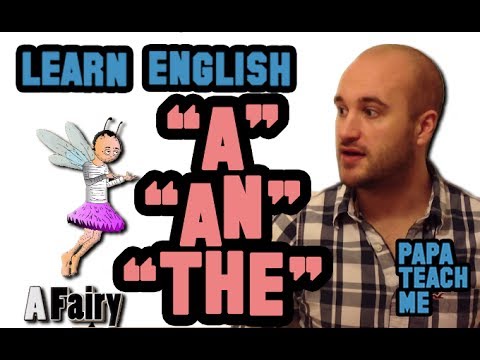
it’s another question from students this one is asking about articles
one is asking about articles
one is asking about articles specifically the definite article the
specifically the definite article the
specifically the definite article the when we use it and when we don’t
when we use it and when we don’t
when we use it and when we don’t specifically with plural nouns thanks
specifically with plural nouns thanks
specifically with plural nouns thanks for the question
for the question
for the question really good one and we get asked a lot
really good one and we get asked a lot
really good one and we get asked a lot about articles articles are very
about articles articles are very
about articles articles are very confusing for students because some
confusing for students because some
confusing for students because some languages don’t use them and the ones
languages don’t use them and the ones
languages don’t use them and the ones which do don’t usually have the same
which do don’t usually have the same
which do don’t usually have the same rules as us so let’s start with the easy
rules as us so let’s start with the easy
rules as us so let’s start with the easy one the indefinite articles a and an
these are easy you have a singular
these are easy you have a singular countable noun
countable noun
countable noun you put a or an in front of the noun for
you put a or an in front of the noun for
you put a or an in front of the noun for example one iPhone an iPhone a fairy why
example one iPhone an iPhone a fairy why
example one iPhone an iPhone a fairy why are you here again you’re always here
are you here again you’re always here
are you here again you’re always here ruining the lesson yeah no one likes you
ruining the lesson yeah no one likes you
ruining the lesson yeah no one likes you but yeah I suppose I mean you can count
but yeah I suppose I mean you can count
but yeah I suppose I mean you can count that one fairy two fairies really sick
that one fairy two fairies really sick
that one fairy two fairies really sick okay so one fairy is a fairy ello mate
okay so one fairy is a fairy ello mate
okay so one fairy is a fairy ello mate that’s your first rule a singular
that’s your first rule a singular
that’s your first rule a singular countable noun we use out and another
countable noun we use out and another
countable noun we use out and another rule for the indefinite articles at and
rule for the indefinite articles at and
rule for the indefinite articles at and an remember these are indefinite or
an remember these are indefinite or
an remember these are indefinite or nonspecific when you mention something
nonspecific when you mention something
nonspecific when you mention something for the first time in a story the
for the first time in a story the
for the first time in a story the listener doesn’t specifically know which
listener doesn’t specifically know which
listener doesn’t specifically know which object you’re talking about so we use
object you’re talking about so we use
object you’re talking about so we use that again for singular countable nouns
that again for singular countable nouns
that again for singular countable nouns for example I met a girl yesterday
for example I met a girl yesterday
for example I met a girl yesterday I killed a theory today late what we use
I killed a theory today late what we use
I killed a theory today late what we use the the definite article when we’re
the the definite article when we’re
the the definite article when we’re talking about a specific group of
talking about a specific group of
talking about a specific group of something or one singular noun which is
something or one singular noun which is
something or one singular noun which is specific and we both know which now and
specific and we both know which now and
specific and we both know which now and we’re talking about so for example I
we’re talking about so for example I
we’re talking about so for example I killed a fairy today both don’t know
killed a fairy today both don’t know
killed a fairy today both don’t know which fairy in the second sentence I’m
which fairy in the second sentence I’m
which fairy in the second sentence I’m referencing the same fairy again
referencing the same fairy again
referencing the same fairy again so I say I killed our fairy today
so I say I killed our fairy today
so I say I killed our fairy today I killed the fairy the fairy because it
I killed the fairy the fairy because it
I killed the fairy the fairy because it was stupid I’m not dead pretty hard
was stupid I’m not dead pretty hard
was stupid I’m not dead pretty hard though huh that’s blood yep I’ve lead in
though huh that’s blood yep I’ve lead in
though huh that’s blood yep I’ve lead in her call me an ambulance so those with
her call me an ambulance so those with
her call me an ambulance so those with singular countable nouns
singular countable nouns
singular countable nouns we’re being general we use app we’re
we’re being general we use app we’re
we’re being general we use app we’re being specific we use the but your
being specific we use the but your
being specific we use the but your question is about plural nouns and when
question is about plural nouns and when
question is about plural nouns and when we use and don’t use them easy you just
we use and don’t use them easy you just
we use and don’t use them easy you just have to apply that logic to plural nouns
have to apply that logic to plural nouns
have to apply that logic to plural nouns remember with singular nouns we were
remember with singular nouns we were
remember with singular nouns we were being general we used app where we were
being general we used app where we were
being general we used app where we were being specific that with plural nouns
being specific that with plural nouns
being specific that with plural nouns it’s the same logic when we talk about a
it’s the same logic when we talk about a
it’s the same logic when we talk about a specific group we use the example let’s
specific group we use the example let’s
specific group we use the example let’s see Russian people are very nice but the
see Russian people are very nice but the
see Russian people are very nice but the Russian people I’ve met specific group
Russian people I’ve met specific group
Russian people I’ve met specific group though Russian people I’ve met are crazy
though Russian people I’ve met are crazy
though Russian people I’ve met are crazy I’m joking Russians you’re cool another
I’m joking Russians you’re cool another
I’m joking Russians you’re cool another example babies are very annoying babies
example babies are very annoying babies
example babies are very annoying babies are very annoying so I’m being general
are very annoying so I’m being general
are very annoying so I’m being general when it’s a plural noun we don’t use any
when it’s a plural noun we don’t use any
when it’s a plural noun we don’t use any article remember a single nouns we used
article remember a single nouns we used
article remember a single nouns we used at for a general situation plural nouns
at for a general situation plural nouns
at for a general situation plural nouns we don’t use any articles for being
we don’t use any articles for being
we don’t use any articles for being general babies are annoying
general babies are annoying
general babies are annoying however the babies in my family are very
however the babies in my family are very
however the babies in my family are very cute I said the babies because this is a
cute I said the babies because this is a
cute I said the babies because this is a specific group of babies general no
specific group of babies general no
specific group of babies general no article specific group though that’s
article specific group though that’s
article specific group though that’s with plural nouns remember again with
with plural nouns remember again with
with plural nouns remember again with singular nouns general app-specific
singular nouns general app-specific
singular nouns general app-specific the plural nouns general no article
the plural nouns general no article
the plural nouns general no article specific though we use this one we want
specific though we use this one we want
specific though we use this one we want to indicate a specific group or a
to indicate a specific group or a
to indicate a specific group or a specific thing which we both understand
specific thing which we both understand
specific thing which we both understand another example with babies imagine
another example with babies imagine
another example with babies imagine you’re sitting on a plane and you feel
you’re sitting on a plane and you feel
you’re sitting on a plane and you feel this
the baby behind me is very annoying I
the baby behind me is very annoying I say that because we both understand
say that because we both understand
say that because we both understand which baby
which baby
which baby I wouldn’t say for example a baby behind
I wouldn’t say for example a baby behind
I wouldn’t say for example a baby behind me is annoying no I’m not being general
me is annoying no I’m not being general
me is annoying no I’m not being general and being specific there are many more
and being specific there are many more
and being specific there are many more rules with articles and I think we’ll do
rules with articles and I think we’ll do
rules with articles and I think we’ll do another one later explaining all of the
another one later explaining all of the
another one later explaining all of the rules but I hope that answers your
rules but I hope that answers your
rules but I hope that answers your question on plural nouns and when we use
question on plural nouns and when we use
question on plural nouns and when we use and don’t use the definite article the
and don’t use the definite article the
and don’t use the definite article the bye bye
”
Be First to Comment