
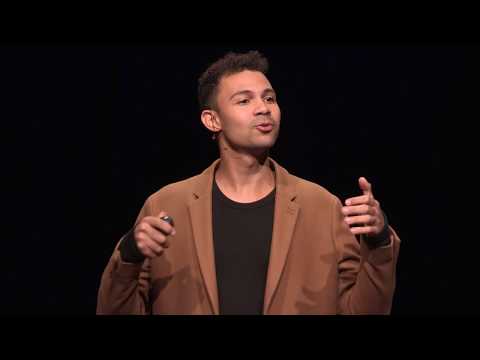
hello my name is Samuel Santiago a co-founder of campaign zero and today
co-founder of campaign zero and today
co-founder of campaign zero and today I’m going to tell a story about police
I’m going to tell a story about police
I’m going to tell a story about police violence in America my story begins on
violence in America my story begins on
violence in America my story begins on August 9th 2014 when Mike Brown jr. was
August 9th 2014 when Mike Brown jr. was
August 9th 2014 when Mike Brown jr. was shot and killed in the streets of
shot and killed in the streets of
shot and killed in the streets of Ferguson Missouri his death sparked a
Ferguson Missouri his death sparked a
Ferguson Missouri his death sparked a wave of protests that has reverberated
wave of protests that has reverberated
wave of protests that has reverberated around this country to this day there
around this country to this day there
around this country to this day there are people still protesting in st. Louis
are people still protesting in st. Louis
are people still protesting in st. Louis today and in those early days and weeks
today and in those early days and weeks
today and in those early days and weeks and months of the protest movement there
and months of the protest movement there
and months of the protest movement there was a national conversation that emerged
was a national conversation that emerged
was a national conversation that emerged around police violence and its causes
around police violence and its causes
around police violence and its causes its underlying conditions how it
its underlying conditions how it
its underlying conditions how it impacted communities particularly
impacted communities particularly
impacted communities particularly communities of color and all too often
communities of color and all too often
communities of color and all too often those conversations were not grounded by
those conversations were not grounded by
those conversations were not grounded by data and the reason for that is because
data and the reason for that is because
data and the reason for that is because the federal government even to this day
the federal government even to this day
the federal government even to this day does not collect comprehensive data on
does not collect comprehensive data on
does not collect comprehensive data on the number of people killed by police in
the number of people killed by police in
the number of people killed by police in this country they could tell you how
this country they could tell you how
this country they could tell you how much rainfall there was in rural
much rainfall there was in rural
much rainfall there was in rural Kentucky going back centuries but they
Kentucky going back centuries but they
Kentucky going back centuries but they couldn’t tell you with any degree of
couldn’t tell you with any degree of
couldn’t tell you with any degree of accuracy how many people police killed
accuracy how many people police killed
accuracy how many people police killed in this country and so we built the most
in this country and so we built the most
in this country and so we built the most comprehensive database of people killed
comprehensive database of people killed
comprehensive database of people killed by police to answer the questions that
by police to answer the questions that
by police to answer the questions that had emerged and that we’re continuing to
had emerged and that we’re continuing to
had emerged and that we’re continuing to be asked all around this country we
be asked all around this country we
be asked all around this country we looked at crowd-sourced data local media
looked at crowd-sourced data local media
looked at crowd-sourced data local media reports obituaries criminal records
reports obituaries criminal records
reports obituaries criminal records databases social media profiles public
databases social media profiles public
databases social media profiles public records requests and analyzed and
records requests and analyzed and
records requests and analyzed and synthesized and aggregated all of that
synthesized and aggregated all of that
synthesized and aggregated all of that data into one database called mapping
data into one database called mapping
data into one database called mapping police violence and then we figured out
police violence and then we figured out
police violence and then we figured out how to visualize that data and tell a
how to visualize that data and tell a
how to visualize that data and tell a data-driven story about what was
data-driven story about what was
data-driven story about what was happening in this country and how we
happening in this country and how we
happening in this country and how we could address this issue and it started
could address this issue and it started
could address this issue and it started with this map this map shows nine
with this map this map shows nine
with this map this map shows nine hundred and sixty-four people who are
hundred and sixty-four people who are
hundred and sixty-four people who are killed by police this year in 2017 about
killed by police this year in 2017 about
killed by police this year in 2017 about three to four people every single day
three to four people every single day
three to four people every single day and I show this map because in those
and I show this map because in those
and I show this map because in those early days so many people were not
early days so many people were not
early days so many people were not convinced that this was a national
convinced that this was a national
convinced that this was a national crisis that this in fact was nationwide
crisis that this in fact was nationwide
crisis that this in fact was nationwide and scope they may have thought that
and scope they may have thought that
and scope they may have thought that there was something going on in st.
there was something going on in st.
there was something going on in st. Louis or there was something going on in
Louis or there was something going on in
Louis or there was something going on in Baltimore but we use the data to show
Baltimore but we use the data to show
Baltimore but we use the data to show in fact this was happening all over the
in fact this was happening all over the
in fact this was happening all over the country in many different communities
country in many different communities
country in many different communities and that it was impacting particular
and that it was impacting particular
and that it was impacting particular communities to a larger degree so we
communities to a larger degree so we
communities to a larger degree so we looked at the data by race and we found
looked at the data by race and we found
looked at the data by race and we found that black people were three times more
that black people were three times more
that black people were three times more likely to be killed by police than their
likely to be killed by police than their
likely to be killed by police than their white peers that Latinos were about 1.5
white peers that Latinos were about 1.5
white peers that Latinos were about 1.5 times more likely Native Americans 1.5
times more likely Native Americans 1.5
times more likely Native Americans 1.5 times more likely than white people to
times more likely than white people to
times more likely than white people to be killed by police per population we
be killed by police per population we
be killed by police per population we also found that black and Latino people
also found that black and Latino people
also found that black and Latino people were more likely to be unarmed when
were more likely to be unarmed when
were more likely to be unarmed when killed by police we wanted to dive
killed by police we wanted to dive
killed by police we wanted to dive deeper into this data so we could better
deeper into this data so we could better
deeper into this data so we could better understand what was happening and start
understand what was happening and start
understand what was happening and start to come up with solutions and so we
to come up with solutions and so we
to come up with solutions and so we broke the data down by city and by state
broke the data down by city and by state
broke the data down by city and by state and began to analyze at a much more
and began to analyze at a much more
and began to analyze at a much more granular level what was happening and we
granular level what was happening and we
granular level what was happening and we got this chart we looked at the hundred
got this chart we looked at the hundred
got this chart we looked at the hundred largest cities in America and looked at
largest cities in America and looked at
largest cities in America and looked at the rates of people killed by police per
the rates of people killed by police per
the rates of people killed by police per capita and we found that there was a
capita and we found that there was a
capita and we found that there was a huge level of variation there were
huge level of variation there were
huge level of variation there were cities where police violence was
cities where police violence was
cities where police violence was incredibly severe places like Orlando
incredibly severe places like Orlando
incredibly severe places like Orlando Florida or Oklahoma City or st. Louis
Florida or Oklahoma City or st. Louis
Florida or Oklahoma City or st. Louis Oklahoma City one in six homicides is
Oklahoma City one in six homicides is
Oklahoma City one in six homicides is committed by police st. Louis a black
committed by police st. Louis a black
committed by police st. Louis a black man in st. Louis is two times more
man in st. Louis is two times more
man in st. Louis is two times more likely to be killed by police than the
likely to be killed by police than the
likely to be killed by police than the average American is to be killed by
average American is to be killed by
average American is to be killed by anyone civilian or police and then at
anyone civilian or police and then at
anyone civilian or police and then at the other end of the spectrum there were
the other end of the spectrum there were
the other end of the spectrum there were cities where police were not killing
cities where police were not killing
cities where police were not killing people places like Buffalo New York
people places like Buffalo New York
people places like Buffalo New York Plano Texas
Plano Texas
Plano Texas Irvine California and we also wanted to
Irvine California and we also wanted to
Irvine California and we also wanted to understand some more dynamics about what
understand some more dynamics about what
understand some more dynamics about what was happening so for people who are
was happening so for people who are
was happening so for people who are unarmed and killed by police what were
unarmed and killed by police what were
unarmed and killed by police what were some of the racial dynamics there and so
some of the racial dynamics there and so
some of the racial dynamics there and so you can see on the right side of this
you can see on the right side of this
you can see on the right side of this map we looked at unarmed people killed
map we looked at unarmed people killed
map we looked at unarmed people killed by police since 2013 and we coated it by
by police since 2013 and we coated it by
by police since 2013 and we coated it by race and so you can see the red and the
race and so you can see the red and the
race and so you can see the red and the orange are black and Latino people and
orange are black and Latino people and
orange are black and Latino people and the gray are white people and what this
the gray are white people and what this
the gray are white people and what this graph shows so clearly and so plainly is
graph shows so clearly and so plainly is
graph shows so clearly and so plainly is that in major American cities almost
that in major American cities almost
that in major American cities almost every unarmed person killed by police is
every unarmed person killed by police is
every unarmed person killed by police is a person of color the majority of whom
a person of color the majority of whom
a person of color the majority of whom are black this is a national crisis that
are black this is a national crisis that
are black this is a national crisis that is particularly in severely impacting
is particularly in severely impacting
is particularly in severely impacting communities of color and all too often
communities of color and all too often
communities of color and all too often when a police officer shoots and kills
when a police officer shoots and kills
when a police officer shoots and kills somebody they are not held accountable
somebody they are not held accountable
somebody they are not held accountable by the criminal justice system so in 97%
by the criminal justice system so in 97%
by the criminal justice system so in 97% of cases where an officer killed some
of cases where an officer killed some
of cases where an officer killed some the officer is not charged with any
the officer is not charged with any
the officer is not charged with any crime and in 99 percent of cases the
crime and in 99 percent of cases the
crime and in 99 percent of cases the officer is not convicted of a crime it
officer is not convicted of a crime it
officer is not convicted of a crime it even goes deeper than that so when an
even goes deeper than that so when an
even goes deeper than that so when an officer is convicted of a crime they get
officer is convicted of a crime they get
officer is convicted of a crime they get a lesser sentence than a civilian
a lesser sentence than a civilian
a lesser sentence than a civilian convicted of the same crime in Georgia
convicted of the same crime in Georgia
convicted of the same crime in Georgia an officer killed an unarmed black man
an officer killed an unarmed black man
an officer killed an unarmed black man and what for the first time got a
and what for the first time got a
and what for the first time got a sentence that allowed him to serve jail
sentence that allowed him to serve jail
sentence that allowed him to serve jail time only on the weekends because he was
time only on the weekends because he was
time only on the weekends because he was a police officer and it’s important as I
a police officer and it’s important as I
a police officer and it’s important as I go over some of these numbers and
go over some of these numbers and
go over some of these numbers and statistics to recognize that they are
statistics to recognize that they are
statistics to recognize that they are not just numbers and statistics there
not just numbers and statistics there
not just numbers and statistics there are lives there are people they are men
are lives there are people they are men
are lives there are people they are men like Walter Scott women like Charlene
like Walter Scott women like Charlene
like Walter Scott women like Charlene allows children like Tamir rice people
allows children like Tamir rice people
allows children like Tamir rice people with families and communities that have
with families and communities that have
with families and communities that have been torn apart by this violence so what
been torn apart by this violence so what
been torn apart by this violence so what do we do with this data
do we do with this data
do we do with this data now that we’ve collected it we’ve
now that we’ve collected it we’ve
now that we’ve collected it we’ve collected an estimated 99% of the total
collected an estimated 99% of the total
collected an estimated 99% of the total number of people killed by police in
number of people killed by police in
number of people killed by police in this country since 2013 how can we use
this country since 2013 how can we use
this country since 2013 how can we use it to actually enact change to lower the
it to actually enact change to lower the
it to actually enact change to lower the resistance to that change and then to
resistance to that change and then to
resistance to that change and then to put in place evidence-based solutions to
put in place evidence-based solutions to
put in place evidence-based solutions to end police violence in this country and
end police violence in this country and
end police violence in this country and it starts with debunking false
it starts with debunking false
it starts with debunking false narratives that all too often make it
narratives that all too often make it
narratives that all too often make it hard to push for change to happen in the
hard to push for change to happen in the
hard to push for change to happen in the first place and one of those narratives
first place and one of those narratives
first place and one of those narratives is around crime so whenever you hear a
is around crime so whenever you hear a
is around crime so whenever you hear a conversation about police violence
conversation about police violence
conversation about police violence particularly when you hear you know if
particularly when you hear you know if
particularly when you hear you know if you’re watching Fox News or if you are
you’re watching Fox News or if you are
you’re watching Fox News or if you are listening to police officials you will
listening to police officials you will
listening to police officials you will hear an explanation that is grounded in
hear an explanation that is grounded in
hear an explanation that is grounded in crime rates what they will say is that
crime rates what they will say is that
crime rates what they will say is that police are killing people at the high
police are killing people at the high
police are killing people at the high rates that I mentioned not because of
rates that I mentioned not because of
rates that I mentioned not because of anything the police are doing wrong but
anything the police are doing wrong but
anything the police are doing wrong but because they’re in dangerous situations
because they’re in dangerous situations
because they’re in dangerous situations encountering dangerous violent people
encountering dangerous violent people
encountering dangerous violent people and having to use deadly force to defend
and having to use deadly force to defend
and having to use deadly force to defend themselves and others from harm that’s
themselves and others from harm that’s
themselves and others from harm that’s the narrative you hear and it is an
the narrative you hear and it is an
the narrative you hear and it is an assumption that is made there is no data
assumption that is made there is no data
assumption that is made there is no data to support that narrative that is
to support that narrative that is
to support that narrative that is presented in those conversations and so
presented in those conversations and so
presented in those conversations and so we actually used the data that we
we actually used the data that we
we actually used the data that we collected to interrogate that narrative
collected to interrogate that narrative
collected to interrogate that narrative to see if it was the truth and what we
to see if it was the truth and what we
to see if it was the truth and what we found was that actually there’s not a
found was that actually there’s not a
found was that actually there’s not a connection between violent crime rates
connection between violent crime rates
connection between violent crime rates in US cities and the rates of police
in US cities and the rates of police
in US cities and the rates of police violence in those same cities there are
violence in those same cities there are
violence in those same cities there are cities with high levels of violent crime
cities with high levels of violent crime
cities with high levels of violent crime like Newark and Detroit that have
like Newark and Detroit that have
like Newark and Detroit that have comparatively low levels of police
comparatively low levels of police
comparatively low levels of police violence and there are cities with lower
violence and there are cities with lower
violence and there are cities with lower levels of violent crime like Orlando
levels of violent crime like Orlando
levels of violent crime like Orlando Florida that
Florida that
Florida that much higher levels of police violence so
much higher levels of police violence so
much higher levels of police violence so something else was explaining why police
something else was explaining why police
something else was explaining why police violence it was happening in particular
violence it was happening in particular
violence it was happening in particular places just to bring this point home
places just to bring this point home
places just to bring this point home compare Buffalo New York with Orlando
compare Buffalo New York with Orlando
compare Buffalo New York with Orlando Florida between 2013 and 2016 both of
Florida between 2013 and 2016 both of
Florida between 2013 and 2016 both of those cities had similar populations
those cities had similar populations
those cities had similar populations similar crime rates similar demographics
similar crime rates similar demographics
similar crime rates similar demographics but police in Orlando Florida killed 15
but police in Orlando Florida killed 15
but police in Orlando Florida killed 15 people over that time period and Buffalo
people over that time period and Buffalo
people over that time period and Buffalo New York zero people were killed by
New York zero people were killed by
New York zero people were killed by police so what was happening in Buffalo
police so what was happening in Buffalo
police so what was happening in Buffalo New York that was going right that we
New York that was going right that we
New York that was going right that we can learn from that we can scale and
can learn from that we can scale and
can learn from that we can scale and what was going wrong in Orlando Florida
what was going wrong in Orlando Florida
what was going wrong in Orlando Florida that needed to change and that brought
that needed to change and that brought
that needed to change and that brought us to a conversation about solutions so
us to a conversation about solutions so
us to a conversation about solutions so we looked throughout our database over
we looked throughout our database over
we looked throughout our database over 5,000 records of people who have been
5,000 records of people who have been
5,000 records of people who have been killed by police since 2013 we looked at
killed by police since 2013 we looked at
killed by police since 2013 we looked at the initial reason for that incident
the initial reason for that incident
the initial reason for that incident that occurred what was the reason that
that occurred what was the reason that
that occurred what was the reason that police were responding to that case what
police were responding to that case what
police were responding to that case what happened during those encounters what
happened during those encounters what
happened during those encounters what were the policies and practices of those
were the policies and practices of those
were the policies and practices of those police departments and what role did
police departments and what role did
police departments and what role did they play in actually contributing to
they play in actually contributing to
they play in actually contributing to that situation ending so violently and
that situation ending so violently and
that situation ending so violently and that brought us to building a
that brought us to building a
that brought us to building a comprehensive policy platform at the
comprehensive policy platform at the
comprehensive policy platform at the local state and federal level called
local state and federal level called
local state and federal level called campaign zero at endpoint solutions plan
campaign zero at endpoint solutions plan
campaign zero at endpoint solutions plan to end police violence in this country
to end police violence in this country
to end police violence in this country and it includes a number of things but
and it includes a number of things but
and it includes a number of things but I’m going to go into a couple that are
I’m going to go into a couple that are
I’m going to go into a couple that are really really important here the first
really really important here the first
really really important here the first has to do with use of force policies of
has to do with use of force policies of
has to do with use of force policies of a police department these are the
a police department these are the
a police department these are the policies that a city and a Police
policies that a city and a Police
policies that a city and a Police Department will set that authorized
Department will set that authorized
Department will set that authorized police to use a particular level of
police to use a particular level of
police to use a particular level of force in particular situations and what
force in particular situations and what
force in particular situations and what we found was that these policies vary
we found was that these policies vary
we found was that these policies vary dramatically across police departments
dramatically across police departments
dramatically across police departments there’s no one uniform policy across
there’s no one uniform policy across
there’s no one uniform policy across departments and so we looked at these
departments and so we looked at these
departments and so we looked at these policies we did a public records request
policies we did a public records request
policies we did a public records request for the hundred largest cities in the
for the hundred largest cities in the
for the hundred largest cities in the country for their use of force policies
country for their use of force policies
country for their use of force policies we got them back and we reviewed them in
we got them back and we reviewed them in
we got them back and we reviewed them in concert with lawyers and you a former US
concert with lawyers and you a former US
concert with lawyers and you a former US Department of Justice attorney and
Department of Justice attorney and
Department of Justice attorney and activists across the country reviewing
activists across the country reviewing
activists across the country reviewing each of these policies to see what were
each of these policies to see what were
each of these policies to see what were the types of restrictions that they
the types of restrictions that they
the types of restrictions that they placed on how and when police could use
placed on how and when police could use
placed on how and when police could use force in particular situations and so
force in particular situations and so
force in particular situations and so I’m going to use two examples here to
I’m going to use two examples here to
I’m going to use two examples here to illustrate what that means
illustrate what that means
illustrate what that means so contracts San Jose Police
so contracts San Jose Police
so contracts San Jose Police Department’s use of force policy in
Department’s use of force policy in
Department’s use of force policy in California with Philadelphia Police
California with Philadelphia Police
California with Philadelphia Police Department so
Department so
Department so San Jose Police Department use of force
San Jose Police Department use of force
San Jose Police Department use of force policy I’m just gonna read at the policy
policy I’m just gonna read at the policy
policy I’m just gonna read at the policy word-for-word officers need not retreat
word-for-word officers need not retreat
word-for-word officers need not retreat or desist in the reasonable use of force
or desist in the reasonable use of force
or desist in the reasonable use of force there is no requirement that officers
there is no requirement that officers
there is no requirement that officers use a lesser intrusive force option
use a lesser intrusive force option
use a lesser intrusive force option before progressing to a more intrusive
before progressing to a more intrusive
before progressing to a more intrusive one that’s the standard those offices
one that’s the standard those offices
one that’s the standard those offices are held accountable to compare that to
are held accountable to compare that to
are held accountable to compare that to Philadelphia retreating or repositioning
Philadelphia retreating or repositioning
Philadelphia retreating or repositioning is not a sign of weakness or cowardice
is not a sign of weakness or cowardice
is not a sign of weakness or cowardice by an officer it is often the tactically
by an officer it is often the tactically
by an officer it is often the tactically superior police procedure rather than
superior police procedure rather than
superior police procedure rather than the immediate use of force the use of
the immediate use of force the use of
the immediate use of force the use of deadly force is an extreme measure to
deadly force is an extreme measure to
deadly force is an extreme measure to only be employed in the most extreme
only be employed in the most extreme
only be employed in the most extreme situations after all lesser means of
situations after all lesser means of
situations after all lesser means of force have been exhausted so San Jose
force have been exhausted so San Jose
force have been exhausted so San Jose Police Department policy officers need
Police Department policy officers need
Police Department policy officers need not retreat or desist and there’s no
not retreat or desist and there’s no
not retreat or desist and there’s no requirement to use a lesser intrusive
requirement to use a lesser intrusive
requirement to use a lesser intrusive means of force before progressing to a
means of force before progressing to a
means of force before progressing to a more severe one Philadelphia takes exact
more severe one Philadelphia takes exact
more severe one Philadelphia takes exact opposite they have to use the least
opposite they have to use the least
opposite they have to use the least intrusive measured measure of force and
intrusive measured measure of force and
intrusive measured measure of force and retreating repositioning de-escalated
retreating repositioning de-escalated
retreating repositioning de-escalated are actually prioritized as a standard
are actually prioritized as a standard
are actually prioritized as a standard for those police officers so what does
for those police officers so what does
for those police officers so what does that mean do those policies actually
that mean do those policies actually
that mean do those policies actually matter right does that actually impact
matter right does that actually impact
matter right does that actually impact those rates of police violence that I
those rates of police violence that I
those rates of police violence that I showed so we investigated that further
showed so we investigated that further
showed so we investigated that further we looked at for the hundred largest
we looked at for the hundred largest
we looked at for the hundred largest police departments in the country what
police departments in the country what
police departments in the country what those policies were and we mapped them
those policies were and we mapped them
those policies were and we mapped them out in a grid for eight different types
out in a grid for eight different types
out in a grid for eight different types of use of force policies things like
of use of force policies things like
of use of force policies things like requiring de-escalation specifying the
requiring de-escalation specifying the
requiring de-escalation specifying the types of force that can be used in
types of force that can be used in
types of force that can be used in particular situations banning things
particular situations banning things
particular situations banning things like chokeholds and strangleholds
like chokeholds and strangleholds
like chokeholds and strangleholds requiring officers to exhaust all other
requiring officers to exhaust all other
requiring officers to exhaust all other reasonable means like Philadelphia does
reasonable means like Philadelphia does
reasonable means like Philadelphia does before progressing to deadly force
before progressing to deadly force
before progressing to deadly force requiring officers to intervene if they
requiring officers to intervene if they
requiring officers to intervene if they see another officer using excessive
see another officer using excessive
see another officer using excessive force restricting police shooting at
force restricting police shooting at
force restricting police shooting at moving vehicles which we know often
moving vehicles which we know often
moving vehicles which we know often results in a more dangerous situation
results in a more dangerous situation
results in a more dangerous situation because if you disable that driver the
because if you disable that driver the
because if you disable that driver the vehicle then becomes a missile and
vehicle then becomes a missile and
vehicle then becomes a missile and requiring officers to report and those
requiring officers to report and those
requiring officers to report and those reports to be investigated whenever a
reports to be investigated whenever a
reports to be investigated whenever a use of force is used so we’ve matched
use of force is used so we’ve matched
use of force is used so we’ve matched that against the rates of police
that against the rates of police
that against the rates of police killings of those departments and found
killings of those departments and found
killings of those departments and found that each of those eight policies was
that each of those eight policies was
that each of those eight policies was associated in a lower rate of police
associated in a lower rate of police
associated in a lower rate of police use of deadly force so much so that
use of deadly force so much so that
use of deadly force so much so that police departments that required
police departments that required
police departments that required officers to exhaust all other reasonable
officers to exhaust all other reasonable
officers to exhaust all other reasonable means we’re 25% less likely to kill
means we’re 25% less likely to kill
means we’re 25% less likely to kill civilians in their jurisdiction if they
civilians in their jurisdiction if they
civilians in their jurisdiction if they required the escalation 15% less likely
required the escalation 15% less likely
required the escalation 15% less likely to kill civilians under their
to kill civilians under their
to kill civilians under their jurisdiction and when you combine these
jurisdiction and when you combine these
jurisdiction and when you combine these policies the effects really are dramatic
policies the effects really are dramatic
policies the effects really are dramatic a police department that adopts all
a police department that adopts all
a police department that adopts all eight of these policies when controlling
eight of these policies when controlling
eight of these policies when controlling for other factors like arrests and
for other factors like arrests and
for other factors like arrests and threats on officers and the demographics
threats on officers and the demographics
threats on officers and the demographics of a department and the level of
of a department and the level of
of a department and the level of inequality in the department controlling
inequality in the department controlling
inequality in the department controlling for all of those factors departments
for all of those factors departments
for all of those factors departments that enact all eight of these policies
that enact all eight of these policies
that enact all eight of these policies were 72 percent less likely to kill
were 72 percent less likely to kill
were 72 percent less likely to kill civilians than departments that enacted
civilians than departments that enacted
civilians than departments that enacted none of them so there are solutions here
none of them so there are solutions here
none of them so there are solutions here evidence-based data-driven solutions for
evidence-based data-driven solutions for
evidence-based data-driven solutions for how we can address this issue in our
how we can address this issue in our
how we can address this issue in our communities and what’s interesting about
communities and what’s interesting about
communities and what’s interesting about them is the departments that enact these
them is the departments that enact these
them is the departments that enact these solutions are actually safer for
solutions are actually safer for
solutions are actually safer for officers too so when you when you try to
officers too so when you when you try to
officers too so when you when you try to move these policies in cities what you
move these policies in cities what you
move these policies in cities what you will often hear from police unions and
will often hear from police unions and
will often hear from police unions and people who are opposing them is that
people who are opposing them is that
people who are opposing them is that these types of measures endanger
these types of measures endanger
these types of measures endanger officers because they prevent officers
officers because they prevent officers
officers because they prevent officers from using all the tools and discretion
from using all the tools and discretion
from using all the tools and discretion at their disposal to defend themselves
at their disposal to defend themselves
at their disposal to defend themselves but when you look at the data it’s
but when you look at the data it’s
but when you look at the data it’s actually safest for officers in these
actually safest for officers in these
actually safest for officers in these jurisdictions so we can enact these it’s
jurisdictions so we can enact these it’s
jurisdictions so we can enact these it’s a win-win for officers and for civilians
a win-win for officers and for civilians
a win-win for officers and for civilians and so building on this platform we have
and so building on this platform we have
and so building on this platform we have been advocating for change at every
been advocating for change at every
been advocating for change at every level of government for local police
level of government for local police
level of government for local police departments to enact these policies
departments to enact these policies
departments to enact these policies within their Administrative Code for
within their Administrative Code for
within their Administrative Code for cities to pass ordinances that support
cities to pass ordinances that support
cities to pass ordinances that support these policies for states to move them
these policies for states to move them
these policies for states to move them into state law and enact them for the
into state law and enact them for the
into state law and enact them for the federal government to use its funding
federal government to use its funding
federal government to use its funding streams to incentivize these types of
streams to incentivize these types of
streams to incentivize these types of solutions we’ve been tracking
solutions we’ve been tracking
solutions we’ve been tracking legislation in every state and what we
legislation in every state and what we
legislation in every state and what we found is that there’s actually been some
found is that there’s actually been some
found is that there’s actually been some progress 30 states have enacted a law
progress 30 states have enacted a law
progress 30 states have enacted a law that establishes at least one of these
that establishes at least one of these
that establishes at least one of these measures to address police violence that
measures to address police violence that
measures to address police violence that we’ve proposed through campaign zero
we’ve proposed through campaign zero
we’ve proposed through campaign zero what’s more the federal government under
what’s more the federal government under
what’s more the federal government under the previous administration took access
the previous administration took access
the previous administration took access took action to limit militarization and
took action to limit militarization and
took action to limit militarization and to collect better data on this issue
to collect better data on this issue
to collect better data on this issue their database is going to adopt the
their database is going to adopt the
their database is going to adopt the same methodology that I articulated
same methodology that I articulated
same methodology that I articulated earlier so that they can actually for
earlier so that they can actually for
earlier so that they can actually for the first time come up with a
the first time come up with a
the first time come up with a comprehensive federal accounting for
comprehensive federal accounting for
comprehensive federal accounting for people killed by police in this country
people killed by police in this country
people killed by police in this country but it’s only the beginning in order to
but it’s only the beginning in order to
but it’s only the beginning in order to excel
excel
excel that change it’s gonna take all of us to
that change it’s gonna take all of us to
that change it’s gonna take all of us to be involved in this work change is an
be involved in this work change is an
be involved in this work change is an easy policy change in particular as
easy policy change in particular as
easy policy change in particular as we’ve seen in Congress is hard it takes
we’ve seen in Congress is hard it takes
we’ve seen in Congress is hard it takes thousands and hundreds of thousands of
thousands and hundreds of thousands of
thousands and hundreds of thousands of people to make an impact here and so
people to make an impact here and so
people to make an impact here and so we’ve developed new tools and technology
we’ve developed new tools and technology
we’ve developed new tools and technology to make that process easier for example
to make that process easier for example
to make that process easier for example this widget that we developed which
this widget that we developed which
this widget that we developed which allows you to put in your zip code it
allows you to put in your zip code it
allows you to put in your zip code it shows you who your state and federal
shows you who your state and federal
shows you who your state and federal representatives are what votes they’ve
representatives are what votes they’ve
representatives are what votes they’ve taken on police reform measures and
taken on police reform measures and
taken on police reform measures and allows you to contact them and urge them
allows you to contact them and urge them
allows you to contact them and urge them to take action all in three clicks or
to take action all in three clicks or
to take action all in three clicks or less we’ve had almost a hundred thousand
less we’ve had almost a hundred thousand
less we’ve had almost a hundred thousand people use this tool to contact their
people use this tool to contact their
people use this tool to contact their representatives but again it’s only the
representatives but again it’s only the
representatives but again it’s only the beginning we recruited 33,000 people
beginning we recruited 33,000 people
beginning we recruited 33,000 people volunteers from across the country in
volunteers from across the country in
volunteers from across the country in two weeks who wanted to get involved but
two weeks who wanted to get involved but
two weeks who wanted to get involved but it’s still a fraction of those who could
it’s still a fraction of those who could
it’s still a fraction of those who could get involved in this work because there
get involved in this work because there
get involved in this work because there are a hundred and four million Americans
are a hundred and four million Americans
are a hundred and four million Americans according to Pew Research surveys who
according to Pew Research surveys who
according to Pew Research surveys who support the black lives matter movement
support the black lives matter movement
support the black lives matter movement the majority of people in this country
the majority of people in this country
the majority of people in this country believe in justice and equity when you
believe in justice and equity when you
believe in justice and equity when you pull them and that’s new that is
pull them and that’s new that is
pull them and that’s new that is actually change and result and as a
actually change and result and as a
actually change and result and as a result of this protest movement where it
result of this protest movement where it
result of this protest movement where it used to be a small proportion of the
used to be a small proportion of the
used to be a small proportion of the population about 39 to 40 percent of the
population about 39 to 40 percent of the
population about 39 to 40 percent of the country believe that more chances were
country believe that more chances were
country believe that more chances were needed in order to secure equal rights
needed in order to secure equal rights
needed in order to secure equal rights in this country for people of color now
in this country for people of color now
in this country for people of color now it’s about sixty percent in only the
it’s about sixty percent in only the
it’s about sixty percent in only the space of a couple of years so the
space of a couple of years so the
space of a couple of years so the question is how do we mobilize over a
question is how do we mobilize over a
question is how do we mobilize over a hundred million people in this work what
hundred million people in this work what
hundred million people in this work what types of tools and technologies can we
types of tools and technologies can we
types of tools and technologies can we build to onboard people at scale in the
build to onboard people at scale in the
build to onboard people at scale in the process of advocating for change at
process of advocating for change at
process of advocating for change at every level of government what if we
every level of government what if we
every level of government what if we engaged everyone in the work it should
engaged everyone in the work it should
engaged everyone in the work it should be as easy as taking out your phone
be as easy as taking out your phone
be as easy as taking out your phone saying I’m in Brookings I’m a lawyer I
saying I’m in Brookings I’m a lawyer I
saying I’m in Brookings I’m a lawyer I have three hours a week and it connects
have three hours a week and it connects
have three hours a week and it connects you immediately to a task that you can
you immediately to a task that you can
you immediately to a task that you can do right away that is the most
do right away that is the most
do right away that is the most strategically aligned to making impact
strategically aligned to making impact
strategically aligned to making impact in that area connects you to an
in that area connects you to an
in that area connects you to an organization that can support you in
organization that can support you in
organization that can support you in network into learnings that you can use
network into learnings that you can use
network into learnings that you can use to teach others about this issue that’s
to teach others about this issue that’s
to teach others about this issue that’s the type of work that we’re doing –
the type of work that we’re doing –
the type of work that we’re doing – that’s the type of tool and technology
that’s the type of tool and technology
that’s the type of tool and technology that we want to build and so I invite
that we want to build and so I invite
that we want to build and so I invite you to join us in this effort to achieve
you to join us in this effort to achieve
you to join us in this effort to achieve a world and a vision in which black
a world and a vision in which black
a world and a vision in which black lives matter and which we’ve ended
lives matter and which we’ve ended
lives matter and which we’ve ended police violence once and for all
police violence once and for all
police violence once and for all so thank you
so thank you
so thank you you
”
Be First to Comment