
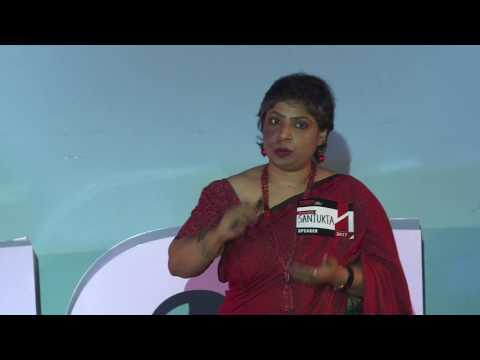
[Applause] good evening everyone I have come here
good evening everyone I have come here
good evening everyone I have come here today to talk about nationalism and
today to talk about nationalism and
today to talk about nationalism and women we’re talking about bridges and
women we’re talking about bridges and
women we’re talking about bridges and not boundaries and in that context
not boundaries and in that context
not boundaries and in that context nationalism becomes a very important
nationalism becomes a very important
nationalism becomes a very important topic to talk about before I start with
topic to talk about before I start with
topic to talk about before I start with my identity so Who am I I am 40 year old
my identity so Who am I I am 40 year old
my identity so Who am I I am 40 year old single woman born to a Bengali parent I
single woman born to a Bengali parent I
single woman born to a Bengali parent I was born in Jalpaiguri West Bengal grew
was born in Jalpaiguri West Bengal grew
was born in Jalpaiguri West Bengal grew up in Delhi
up in Delhi
up in Delhi I mostly talk think in English but I
I mostly talk think in English but I
I mostly talk think in English but I also studied Bengali literature I wrote
also studied Bengali literature I wrote
also studied Bengali literature I wrote plenty of poetry and love letters to my
plenty of poetry and love letters to my
plenty of poetry and love letters to my childhood crushes in Bengali and then I
childhood crushes in Bengali and then I
childhood crushes in Bengali and then I grew up and I thought that oh you know
grew up and I thought that oh you know
grew up and I thought that oh you know romance in pink Ali’s a stocky now I
romance in pink Ali’s a stocky now I
romance in pink Ali’s a stocky now I have to do in English and and you know
have to do in English and and you know
have to do in English and and you know like as a child in our childhood
like as a child in our childhood
like as a child in our childhood children I don’t remember ever having
children I don’t remember ever having
children I don’t remember ever having spent a Christmas without cutting a
spent a Christmas without cutting a
spent a Christmas without cutting a Christmas cake we never spent a Eve
Christmas cake we never spent a Eve
Christmas cake we never spent a Eve without having the biryani the mutton
without having the biryani the mutton
without having the biryani the mutton biryani we would always have these John
biryani we would always have these John
biryani we would always have these John much too many decorations we will have
much too many decorations we will have
much too many decorations we will have the raviolis on petitioner shock we will
the raviolis on petitioner shock we will
the raviolis on petitioner shock we will celebrate awards birth you know we will
celebrate awards birth you know we will
celebrate awards birth you know we will sing Rabindra Sangeet and then we’ll be
sing Rabindra Sangeet and then we’ll be
sing Rabindra Sangeet and then we’ll be glued to the TV to watch the award
glued to the TV to watch the award
glued to the TV to watch the award seasons Grammys and you know Oscars so
seasons Grammys and you know Oscars so
seasons Grammys and you know Oscars so what I’m trying to say is that I had
what I’m trying to say is that I had
what I’m trying to say is that I had this very multilingual and multicultural
this very multilingual and multicultural
this very multilingual and multicultural childhood and I believe that as a lot of
childhood and I believe that as a lot of
childhood and I believe that as a lot of you also has also had and I believe that
you also has also had and I believe that
you also has also had and I believe that it was only possible because I grew up
it was only possible because I grew up
it was only possible because I grew up in a country like India imagine growing
in a country like India imagine growing
in a country like India imagine growing up in a in a country which had only one
up in a in a country which had only one
up in a in a country which had only one language to speak or only one religion
language to speak or only one religion
language to speak or only one religion or only one particular culture to follow
or only one particular culture to follow
or only one particular culture to follow so so that’s my identity and it is
so so that’s my identity and it is
so so that’s my identity and it is precisely because of this this colorful
precisely because of this this colorful
precisely because of this this colorful identity that I would want to be born
identity that I would want to be born
identity that I would want to be born over and over again as an Indian
over and over again as an Indian
over and over again as an Indian and I love my country and yet I stand
and I love my country and yet I stand
and I love my country and yet I stand here today to speak to you to share with
here today to speak to you to share with
here today to speak to you to share with you why as a self-respecting
you why as a self-respecting
you why as a self-respecting independent woman I would never say
independent woman I would never say
independent woman I would never say Bharat Mata ki jai why I find that
Bharat Mata ki jai why I find that
Bharat Mata ki jai why I find that hugely problematic so as you see the
hugely problematic so as you see the
hugely problematic so as you see the just to recap gender these are the
just to recap gender these are the
just to recap gender these are the things that forms our identity and these
things that forms our identity and these
things that forms our identity and these are also the the aspects that builds our
are also the the aspects that builds our
are also the the aspects that builds our nationality we we have we have the
nationality we we have we have the
nationality we we have we have the country as a nation we have language
country as a nation we have language
country as a nation we have language nation we have religion nation and we
nation we have religion nation and we
nation we have religion nation and we have caste nation we have many nation
have caste nation we have many nation
have caste nation we have many nation within the umbrella nation so let’s talk
within the umbrella nation so let’s talk
within the umbrella nation so let’s talk about nationalism everybody is you know
about nationalism everybody is you know
about nationalism everybody is you know suddenly the whole world is is into the
suddenly the whole world is is into the
suddenly the whole world is is into the Danish analysts sentiment across the
Danish analysts sentiment across the
Danish analysts sentiment across the globe the British nationalism is so
globe the British nationalism is so
globe the British nationalism is so inward and so narrow that they don’t
inward and so narrow that they don’t
inward and so narrow that they don’t even want to be part of the Europe
even want to be part of the Europe
even want to be part of the Europe anymore so and then then America is
anymore so and then then America is
anymore so and then then America is talking about making America great again
talking about making America great again
talking about making America great again but one really wants to wonder which
but one really wants to wonder which
but one really wants to wonder which America is going to be made great by who
America is going to be made great by who
America is going to be made great by who because you know they are saying we
because you know they are saying we
because you know they are saying we don’t want the outsiders whereas mr.
don’t want the outsiders whereas mr.
don’t want the outsiders whereas mr. Columbus was the first greatest invader
Columbus was the first greatest invader
Columbus was the first greatest invader like he came from outside and was lost
like he came from outside and was lost
like he came from outside and was lost at sea and then the Native Americans
at sea and then the Native Americans
at sea and then the Native Americans discovered him that hey some guys here
discovered him that hey some guys here
discovered him that hey some guys here in our country and then that became and
in our country and then that became and
in our country and then that became and you know and we go say that this is
you know and we go say that this is
you know and we go say that this is America
America
America so one really needs to you know wonder
so one really needs to you know wonder
so one really needs to you know wonder what is what does this laugh who does
what is what does this laugh who does
what is what does this laugh who does the land belong to legitimately and who
the land belong to legitimately and who
the land belong to legitimately and who is an outsider it’s a very tricky
is an outsider it’s a very tricky
is an outsider it’s a very tricky question to answer and it is on this
question to answer and it is on this
question to answer and it is on this notion that the whole concept of
notion that the whole concept of
notion that the whole concept of nationalism is built the it is built
nationalism is built the it is built
nationalism is built the it is built upon inclusivity and exclusivity like
upon inclusivity and exclusivity like
upon inclusivity and exclusivity like this piece of land belongs to me and
this piece of land belongs to me and
this piece of land belongs to me and everybody else is an outsider this is
everybody else is an outsider this is
everybody else is an outsider this is the basic or basis of nationalism but
the basic or basis of nationalism but
the basic or basis of nationalism but it’s very difficult to answer like if we
it’s very difficult to answer like if we
it’s very difficult to answer like if we look at in an example the Vedic
look at in an example the Vedic
look at in an example the Vedic civilization is what we were then Indian
civilization is what we were then Indian
civilization is what we were then Indian nationalists consider as original
nationalists consider as original
nationalists consider as original legitimate people and everybody who was
legitimate people and everybody who was
legitimate people and everybody who was born in this part of the Indus Valley of
born in this part of the Indus Valley of
born in this part of the Indus Valley of realization has been a Hindu was a Hindu
realization has been a Hindu was a Hindu
realization has been a Hindu was a Hindu will always be a Hindu they have been
will always be a Hindu they have been
will always be a Hindu they have been forcefully converted blah blah but they
forcefully converted blah blah but they
forcefully converted blah blah but they were all so this is the narrative that
were all so this is the narrative that
were all so this is the narrative that we have for ourselves but the question
we have for ourselves but the question
we have for ourselves but the question is human civilization is like so many
is human civilization is like so many
is human civilization is like so many years old why do we only go back 5,000
years old why do we only go back 5,000
years old why do we only go back 5,000 why not go to go all the way back to the
why not go to go all the way back to the
why not go to go all the way back to the dinosaurs you know so it’s the question
dinosaurs you know so it’s the question
dinosaurs you know so it’s the question is like where do we begin how do we
is like where do we begin how do we
is like where do we begin how do we decide that this is where my story
decide that this is where my story
decide that this is where my story started and this is where the story of
started and this is where the story of
started and this is where the story of our land or the who who does the land
our land or the who who does the land
our land or the who who does the land belong to start so so that’s how the
belong to start so so that’s how the
belong to start so so that’s how the birth of nation is now let’s let’s talk
birth of nation is now let’s let’s talk
birth of nation is now let’s let’s talk about who is this bharat mata that what
about who is this bharat mata that what
about who is this bharat mata that what is bharat mata ki jai when we have this
is bharat mata ki jai when we have this
is bharat mata ki jai when we have this thing so much in the public discourse
thing so much in the public discourse
thing so much in the public discourse these days that we have to say Bharat
these days that we have to say Bharat
these days that we have to say Bharat Mata ki jai what are we doing we are
Mata ki jai what are we doing we are
Mata ki jai what are we doing we are expressing our patriotism our
expressing our patriotism our
expressing our patriotism our nationalism so who is this bharat mata
nationalism so who is this bharat mata
nationalism so who is this bharat mata in front of everybody in front of whom
in front of everybody in front of whom
in front of everybody in front of whom everybody is supposed to bow down and
everybody is supposed to bow down and
everybody is supposed to bow down and show respect think of the image of the
show respect think of the image of the
show respect think of the image of the Bharat Mata if you have ever googled one
Bharat Mata if you have ever googled one
Bharat Mata if you have ever googled one this is the most commonly found image
this is the most commonly found image
this is the most commonly found image this is the picture on the right side is
this is the picture on the right side is
this is the picture on the right side is by open Internet Tagore which kind of is
by open Internet Tagore which kind of is
by open Internet Tagore which kind of is the original image of Bharat Mata and
the original image of Bharat Mata and
the original image of Bharat Mata and then more people have you known as that
then more people have you known as that
then more people have you known as that image but the most common image is of
image but the most common image is of
image but the most common image is of this this fair looking fair-skinned
this this fair looking fair-skinned
this this fair looking fair-skinned domesticated woman wearing a lot of gold
domesticated woman wearing a lot of gold
domesticated woman wearing a lot of gold and she looks like a homely woman with
and she looks like a homely woman with
and she looks like a homely woman with looks like goddess one of the Hindu
looks like goddess one of the Hindu
looks like goddess one of the Hindu goddesses with the line and this is the
goddesses with the line and this is the
goddesses with the line and this is the most common image as you can see it’s a
most common image as you can see it’s a
most common image as you can see it’s a very narrow representation of the
very narrow representation of the
very narrow representation of the identity so what happens when you when
identity so what happens when you when
identity so what happens when you when you define the entire country’s identity
you define the entire country’s identity
you define the entire country’s identity with just one human image you are making
with just one human image you are making
with just one human image you are making it restrictive and making it restrictive
it restrictive and making it restrictive
it restrictive and making it restrictive of all other kind of identities so why
of all other kind of identities so why
of all other kind of identities so why can’t
can’t
can’t Bharath matha be a jeans and t-shirt
Bharath matha be a jeans and t-shirt
Bharath matha be a jeans and t-shirt wearing woman why does it have to be
wearing woman why does it have to be
wearing woman why does it have to be fair skinned woman why does she need
fair skinned woman why does she need
fair skinned woman why does she need we are so many goals she it seems she
we are so many goals she it seems she
we are so many goals she it seems she belongs to a particular caste a
belongs to a particular caste a
belongs to a particular caste a particular class a particular region
particular class a particular region
particular class a particular region probably the northern region of India so
probably the northern region of India so
probably the northern region of India so you know it becomes very restrictive so
you know it becomes very restrictive so
you know it becomes very restrictive so that is that that begins there begins
that is that that begins there begins
that is that that begins there begins the first problem with the image of
the first problem with the image of
the first problem with the image of Bharat Mata coming to the strikingly
Bharat Mata coming to the strikingly
Bharat Mata coming to the strikingly similar image of Britannia who
similar image of Britannia who
similar image of Britannia who represents the great retail if you it
represents the great retail if you it
represents the great retail if you it will be it will it strikingly odd that
will be it will it strikingly odd that
will be it will it strikingly odd that the emails that of Bharat Mata which is
the emails that of Bharat Mata which is
the emails that of Bharat Mata which is so close to us so patriotic so deeply
so close to us so patriotic so deeply
so close to us so patriotic so deeply Vedic so Indian so partyer is strikingly
Vedic so Indian so partyer is strikingly
Vedic so Indian so partyer is strikingly similar to something so you know to to
similar to something so you know to to
similar to something so you know to to British representation she has the
British representation she has the
British representation she has the Trident the threshold she has the lion
Trident the threshold she has the lion
Trident the threshold she has the lion and she has the map of retain if you
and she has the map of retain if you
and she has the map of retain if you google the image of Britannia you will
google the image of Britannia you will
google the image of Britannia you will come across this image various versions
come across this image various versions
come across this image various versions the other problem of women you know why
the other problem of women you know why
the other problem of women you know why as a woman I have a problem with the
as a woman I have a problem with the
as a woman I have a problem with the idea of Bharat Mata ki jai is because
idea of Bharat Mata ki jai is because
idea of Bharat Mata ki jai is because women become the tool of exploitation of
women become the tool of exploitation of
women become the tool of exploitation of in the hands of patriarchal nationalist
in the hands of patriarchal nationalist
in the hands of patriarchal nationalist narratives how what is the role of women
narratives how what is the role of women
narratives how what is the role of women in nationalism discourse this is the
in nationalism discourse this is the
in nationalism discourse this is the role when when people say that Hindu
role when when people say that Hindu
role when when people say that Hindu women should produce 10 babies so that
women should produce 10 babies so that
women should produce 10 babies so that the national identity as I said before
the national identity as I said before
the national identity as I said before the national identity is you know you
the national identity is you know you
the national identity is you know you have the the identity has to be
have the the identity has to be
have the the identity has to be reproduced and maintained for the nation
reproduced and maintained for the nation
reproduced and maintained for the nation to stay relevant and it can only be done
to stay relevant and it can only be done
to stay relevant and it can only be done when women will keep the woman’s womb
when women will keep the woman’s womb
when women will keep the woman’s womb becomes the factory through which that
becomes the factory through which that
becomes the factory through which that identity keeps producing and reproducing
identity keeps producing and reproducing
identity keeps producing and reproducing not only that the woman’s sexuality has
not only that the woman’s sexuality has
not only that the woman’s sexuality has to be controlled so that the purity of
to be controlled so that the purity of
to be controlled so that the purity of the race is also controlled also
the race is also controlled also
the race is also controlled also maintained and once again because
maintained and once again because
maintained and once again because nationalism is a very European concept
nationalism is a very European concept
nationalism is a very European concept you will see that the ideas of love
you will see that the ideas of love
you will see that the ideas of love jihad is also very strike
jihad is also very strike
jihad is also very strike similar to what mr. Hitler said in his
similar to what mr. Hitler said in his
similar to what mr. Hitler said in his autobiography that the Jews men were you
autobiography that the Jews men were you
autobiography that the Jews men were you know trying to persuade the the
know trying to persuade the the
know trying to persuade the the pureblood German Aryan woman a German
pureblood German Aryan woman a German
pureblood German Aryan woman a German woman and so so what happens is you
woman and so so what happens is you
woman and so so what happens is you control women’s boom you tell her to
control women’s boom you tell her to
control women’s boom you tell her to produce these many children her home is
produce these many children her home is
produce these many children her home is not in her property it’s or the nation’s
not in her property it’s or the nation’s
not in her property it’s or the nation’s property that’s where the nation’s
property that’s where the nation’s
property that’s where the nation’s identities produce and reproduce
identities produce and reproduce
identities produce and reproduce you control the woman’s sexuality so you
you control the woman’s sexuality so you
you control the woman’s sexuality so you have used infantilizes the woman you
have used infantilizes the woman you
have used infantilizes the woman you think that women cannot think for
think that women cannot think for
think that women cannot think for ourselves so anybody if she’s falling in
ourselves so anybody if she’s falling in
ourselves so anybody if she’s falling in love with somebody outside the community
love with somebody outside the community
love with somebody outside the community it’s because somebody is you know miss
it’s because somebody is you know miss
it’s because somebody is you know miss guiding her or whatever then comes the
guiding her or whatever then comes the
guiding her or whatever then comes the other problem of representing the entire
other problem of representing the entire
other problem of representing the entire country or the entire nation through a
country or the entire nation through a
country or the entire nation through a woman’s body when her body becomes
woman’s body when her body becomes
woman’s body when her body becomes coterminous with the map of India when
coterminous with the map of India when
coterminous with the map of India when we when we when we when we look at the
we when we when we when we look at the
we when we when we when we look at the objectification what happens is when we
objectification what happens is when we
objectification what happens is when we when we look at a woman and only at her
when we look at a woman and only at her
when we look at a woman and only at her certain body parts for sexual
certain body parts for sexual
certain body parts for sexual gratification in let’s say in a item
gratification in let’s say in a item
gratification in let’s say in a item number what we are doing is dehumanizing
number what we are doing is dehumanizing
number what we are doing is dehumanizing the woman stripping her of her personal
the woman stripping her of her personal
the woman stripping her of her personal identity and only looking at her as a
identity and only looking at her as a
identity and only looking at her as a object of sexual pleasure similar thing
object of sexual pleasure similar thing
object of sexual pleasure similar thing happens when we do it for the
happens when we do it for the
happens when we do it for the gratification of patriotic feelings when
gratification of patriotic feelings when
gratification of patriotic feelings when we represent a woman other country
we represent a woman other country
we represent a woman other country through a woman’s body coterminous with
through a woman’s body coterminous with
through a woman’s body coterminous with the map of India and you are gratifying
the map of India and you are gratifying
the map of India and you are gratifying the patriotic and nationalist pleasure
the patriotic and nationalist pleasure
the patriotic and nationalist pleasure because the woman again becomes the
because the woman again becomes the
because the woman again becomes the representation and not a personal a
representation and not a personal a
representation and not a personal a woman with her own personal identity and
woman with her own personal identity and
woman with her own personal identity and desires
desires
desires another problem with nationalism and
another problem with nationalism and
another problem with nationalism and women is that nation is woman land the
women is that nation is woman land the
women is that nation is woman land the piece of land is women it is something
piece of land is women it is something
piece of land is women it is something to be acquired controlled or taken care
to be acquired controlled or taken care
to be acquired controlled or taken care of but it is a it is not a human it is
of but it is a it is not a human it is
of but it is a it is not a human it is it is a piece of land but the warrior
it is a piece of land but the warrior
it is a piece of land but the warrior son or are the citizens so you will
son or are the citizens so you will
son or are the citizens so you will always have these narrative where the
always have these narrative where the
always have these narrative where the left the nation and the land is
left the nation and the land is
left the nation and the land is described in feminine and that people H
described in feminine and that people H
described in feminine and that people H caputre and all the citizens of the
caputre and all the citizens of the
caputre and all the citizens of the country are the main so basically you
country are the main so basically you
country are the main so basically you know women are not full citizens only
know women are not full citizens only
know women are not full citizens only the men are full citizens women are
the men are full citizens women are
the men are full citizens women are something to be exploited in the
something to be exploited in the
something to be exploited in the nationalist discourse lastly this all
nationalist discourse lastly this all
nationalist discourse lastly this all these things that Bharat Mata ki jai or
these things that Bharat Mata ki jai or
these things that Bharat Mata ki jai or stand up for the national anthem or you
stand up for the national anthem or you
stand up for the national anthem or you know these are rituals like we have cow
know these are rituals like we have cow
know these are rituals like we have cow worship or we have yoga or we have Surya
worship or we have yoga or we have Surya
worship or we have yoga or we have Surya Namaskar now these are rituals that we
Namaskar now these are rituals that we
Namaskar now these are rituals that we have to continuously inculcate people’s
have to continuously inculcate people’s
have to continuously inculcate people’s mind weights so that the national
mind weights so that the national
mind weights so that the national identity that we have chosen for our
identity that we have chosen for our
identity that we have chosen for our country which is not only near narrow
country which is not only near narrow
country which is not only near narrow but also anti-constitution because in
but also anti-constitution because in
but also anti-constitution because in our constitution doesn’t doesn’t
our constitution doesn’t doesn’t
our constitution doesn’t doesn’t anywhere say we have a particular
anywhere say we have a particular
anywhere say we have a particular religion to go for to follow as part of
religion to go for to follow as part of
religion to go for to follow as part of our nationalist discourse but when we
our nationalist discourse but when we
our nationalist discourse but when we restrict our identity to these rituals
restrict our identity to these rituals
restrict our identity to these rituals what we do is not only is identity
what we do is not only is identity
what we do is not only is identity constitutional where and also
constitutional where and also
constitutional where and also restrictive but we are doing a
restrictive but we are doing a
restrictive but we are doing a performance it is not natural
performance it is not natural
performance it is not natural nationalism land is natural country the
nationalism land is natural country the
nationalism land is natural country the political borders are sometimes by war
political borders are sometimes by war
political borders are sometimes by war or other means
or other means
or other means acquired becomes kind of natural but the
acquired becomes kind of natural but the
acquired becomes kind of natural but the idea of nationalism is a is a perform
idea of nationalism is a is a perform
idea of nationalism is a is a perform it’s something that you have to practice
it’s something that you have to practice
it’s something that you have to practice with rituals and over and over again and
with rituals and over and over again and
with rituals and over and over again and why as women time is now firm that women
why as women time is now firm that women
why as women time is now firm that women more than anybody else have to stand up
more than anybody else have to stand up
more than anybody else have to stand up against this narrative where so much of
against this narrative where so much of
against this narrative where so much of violence and so much of divisive so much
violence and so much of divisive so much
violence and so much of divisive so much in so much of walk talk of building
in so much of walk talk of building
in so much of walk talk of building walls and not letting people come in we
walls and not letting people come in we
walls and not letting people come in we will have stricter visa rules we will
will have stricter visa rules we will
will have stricter visa rules we will not let other people come into our
not let other people come into our
not let other people come into our country is going on women have to more
country is going on women have to more
country is going on women have to more than more than anybody else stand up
than more than anybody else stand up
than more than anybody else stand up against this narrative because women
against this narrative because women
against this narrative because women it’s happening in the name of women in
it’s happening in the name of women in
it’s happening in the name of women in the name of so-called Bharat Mata who is
the name of so-called Bharat Mata who is
the name of so-called Bharat Mata who is not representative of everybody that
not representative of everybody that
not representative of everybody that forms the part of the of the of the
forms the part of the of the of the
forms the part of the of the of the country so you know the woman’s March in
country so you know the woman’s March in
country so you know the woman’s March in Washington after the after the America
Washington after the after the America
Washington after the after the America president was came into power was one of
president was came into power was one of
president was came into power was one of the greatest the Civic civil movement
the greatest the Civic civil movement
the greatest the Civic civil movement since the time of 1960s and 70s Vietnam
since the time of 1960s and 70s Vietnam
since the time of 1960s and 70s Vietnam War and there were 5 million people
War and there were 5 million people
War and there were 5 million people worldwide that came together and it was
worldwide that came together and it was
worldwide that came together and it was a feminine force it was it happened
a feminine force it was it happened
a feminine force it was it happened because women came with their rights
because women came with their rights
because women came with their rights with human rights with black people
with human rights with black people
with human rights with black people right with LGBT people rights with you
right with LGBT people rights with you
right with LGBT people rights with you know with Disability Rights women came
know with Disability Rights women came
know with Disability Rights women came forward representing the rights of every
forward representing the rights of every
forward representing the rights of every kind of marginalized communities and
kind of marginalized communities and
kind of marginalized communities and they say that you do not build walls in
they say that you do not build walls in
they say that you do not build walls in the name of women in India we do not
the name of women in India we do not
the name of women in India we do not build walls in the name of Bharat Mata
build walls in the name of Bharat Mata
build walls in the name of Bharat Mata and that’s why just to you know close I
and that’s why just to you know close I
and that’s why just to you know close I think it’s very very important that
think it’s very very important that
think it’s very very important that every woman questions this this
every woman questions this this
every woman questions this this narrative that we are being constantly
narrative that we are being constantly
narrative that we are being constantly used our embodied our gendered bodies
used our embodied our gendered bodies
used our embodied our gendered bodies are being constantly used in the
are being constantly used in the
are being constantly used in the nationalist discourse to divide and you
nationalist discourse to divide and you
nationalist discourse to divide and you know build more and more walls in our
know build more and more walls in our
know build more and more walls in our community thank you very much
community thank you very much
community thank you very much [Applause]
”
Be First to Comment