
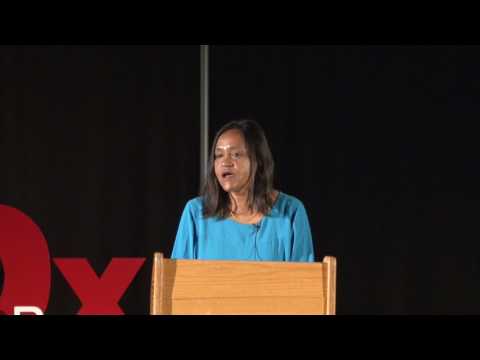
hello I’m a filmmaker I like to make documentaries about people whose stories
documentaries about people whose stories
documentaries about people whose stories take the audience on a journey to
take the audience on a journey to
take the audience on a journey to somewhere they may never have been
somewhere they may never have been
somewhere they may never have been documentaries that introduce viewers to
documentaries that introduce viewers to
documentaries that introduce viewers to people they may never meet so I’d like
people they may never meet so I’d like
people they may never meet so I’d like to talk about how people are at the
to talk about how people are at the
to talk about how people are at the heart of any story and how films can
heart of any story and how films can
heart of any story and how films can connect people to each other our
connect people to each other our
connect people to each other our differences aren’t new do we really
differences aren’t new do we really
differences aren’t new do we really think they just popped up today do we
think they just popped up today do we
think they just popped up today do we really need to celebrate them or
really need to celebrate them or
really need to celebrate them or simplify them into neat categories
simplify them into neat categories
simplify them into neat categories people are so much more than that when I
people are so much more than that when I
people are so much more than that when I was growing up in America I was often
was growing up in America I was often
was growing up in America I was often told about the Tigers roaming the
told about the Tigers roaming the
told about the Tigers roaming the streets of Golgotha where I was born
streets of Golgotha where I was born
streets of Golgotha where I was born I remembered the cars the buses the
I remembered the cars the buses the
I remembered the cars the buses the crowds of people there were sidewalk
crowds of people there were sidewalk
crowds of people there were sidewalk vendors selling street food and
vendors selling street food and
vendors selling street food and rickshaws ambling by that I had never
rickshaws ambling by that I had never
rickshaws ambling by that I had never seen any Tigers there and those who told
seen any Tigers there and those who told
seen any Tigers there and those who told me this had never been to India but they
me this had never been to India but they
me this had never been to India but they knew they were sure they knew my
knew they were sure they knew my
knew they were sure they knew my experience and it was always followed by
experience and it was always followed by
experience and it was always followed by the question when are you going back it
the question when are you going back it
the question when are you going back it wasn’t an option they knew what I had to
wasn’t an option they knew what I had to
wasn’t an option they knew what I had to do as a young girl I always wondered if
do as a young girl I always wondered if
do as a young girl I always wondered if any of it made sense why would they
any of it made sense why would they
any of it made sense why would they think I’d go back to a place where I’d
think I’d go back to a place where I’d
think I’d go back to a place where I’d have to go to school through streets
have to go to school through streets
have to go to school through streets filled with Tigers
but maybe all the questions came from
but maybe all the questions came from the same place where differences are at
the same place where differences are at
the same place where differences are at best ridiculous and at worse frightening
best ridiculous and at worse frightening
best ridiculous and at worse frightening and always brimming with judgment so at
and always brimming with judgment so at
and always brimming with judgment so at the age of six I learned to talk back I
the age of six I learned to talk back I
the age of six I learned to talk back I spoke of the hippopotamus I’d seen on my
spoke of the hippopotamus I’d seen on my
spoke of the hippopotamus I’d seen on my way to school in America when I was told
way to school in America when I was told
way to school in America when I was told that I spoke English so well I didn’t
that I spoke English so well I didn’t
that I spoke English so well I didn’t have the patience to explain that
have the patience to explain that
have the patience to explain that English is widely spoken in India I
English is widely spoken in India I
English is widely spoken in India I would reply politely thank you how’s
would reply politely thank you how’s
would reply politely thank you how’s your Bengali yes it was an arrow aimed
your Bengali yes it was an arrow aimed
your Bengali yes it was an arrow aimed at their condescension and just like
at their condescension and just like
at their condescension and just like eventually my answer – when are you
eventually my answer – when are you
eventually my answer – when are you going back became I don’t know what
going back became I don’t know what
going back became I don’t know what about you when are you going back so I
about you when are you going back so I
about you when are you going back so I learned that we have to change how we
learned that we have to change how we
learned that we have to change how we view our differences when we judge our
view our differences when we judge our
view our differences when we judge our differences we stop the conversation
differences we stop the conversation
differences we stop the conversation when we know everything there’s nothing
when we know everything there’s nothing
when we know everything there’s nothing left to discover it’s not about good and
left to discover it’s not about good and
left to discover it’s not about good and bad the haves the have-nots and those
bad the haves the have-nots and those
bad the haves the have-nots and those who think they have it all it’s not
who think they have it all it’s not
who think they have it all it’s not about who we are where we come from or
about who we are where we come from or
about who we are where we come from or which Tigers we need to be saved from
which Tigers we need to be saved from
which Tigers we need to be saved from people are so much more than that it’s
people are so much more than that it’s
people are so much more than that it’s about walking in someone else’s shoes
about walking in someone else’s shoes
about walking in someone else’s shoes and that’s where documentaries come in
and that’s where documentaries come in
and that’s where documentaries come in documentaries make that possible it’s
documentaries make that possible it’s
documentaries make that possible it’s been many years since I was six but I
been many years since I was six but I
been many years since I was six but I think I’m still talking back as a
think I’m still talking back as a
think I’m still talking back as a filmmaker I don’t know if films change
filmmaker I don’t know if films change
filmmaker I don’t know if films change the world but they play an important
the world but they play an important
the world but they play an important role because they can open up our minds
role because they can open up our minds
role because they can open up our minds and that’s where change begins
and that’s where change begins
and that’s where change begins in one of my documentaries I wanted to
in one of my documentaries I wanted to
in one of my documentaries I wanted to capture the experience of three girls
capture the experience of three girls
capture the experience of three girls who enter ninth grade at top independent
who enter ninth grade at top independent
who enter ninth grade at top independent schools their Cambodian American
schools their Cambodian American
schools their Cambodian American Egyptian American and African American
Egyptian American and African American
Egyptian American and African American for the first time in their lives they
for the first time in their lives they
for the first time in their lives they find themselves to be different from the
find themselves to be different from the
find themselves to be different from the other 14 year olds around them now in
other 14 year olds around them now in
other 14 year olds around them now in the interest of full disclosure I should
the interest of full disclosure I should
the interest of full disclosure I should tell you that I was the only brown skin
tell you that I was the only brown skin
tell you that I was the only brown skin student at my school at this school
student at my school at this school
student at my school at this school after a screening of that film a woman
after a screening of that film a woman
after a screening of that film a woman came up to me and told me she was
came up to me and told me she was
came up to me and told me she was surprised that one of the characters
surprised that one of the characters
surprised that one of the characters Sara listened to music on zoom’ 100
Sara listened to music on zoom’ 100
Sara listened to music on zoom’ 100 radio just like her daughter she was
radio just like her daughter she was
radio just like her daughter she was surprised that Sara argued with her
surprised that Sara argued with her
surprised that Sara argued with her mother about permission to go to parties
mother about permission to go to parties
mother about permission to go to parties just like her daughter she was surprised
just like her daughter she was surprised
just like her daughter she was surprised that she and Sara Sara’s mother had the
that she and Sara Sara’s mother had the
that she and Sara Sara’s mother had the same worries she herself was white and
same worries she herself was white and
same worries she herself was white and obviously affluent when she first saw
obviously affluent when she first saw
obviously affluent when she first saw Sara and her mother on screen she
Sara and her mother on screen she
Sara and her mother on screen she thought they were unknowable strangers
thought they were unknowable strangers
thought they were unknowable strangers whose differences blinded her of course
whose differences blinded her of course
whose differences blinded her of course they were Muslim and Egyptian and not
they were Muslim and Egyptian and not
they were Muslim and Egyptian and not affluent that has to be recognized but
affluent that has to be recognized but
affluent that has to be recognized but she hadn’t seen that they were also a
she hadn’t seen that they were also a
she hadn’t seen that they were also a mother and daughter now it’s true a film
mother and daughter now it’s true a film
mother and daughter now it’s true a film can open up a world now it’s true a film
can open up a world now it’s true a film
can open up a world now it’s true a film can open up a window onto a world we’ve
can open up a window onto a world we’ve
can open up a window onto a world we’ve never seen before it can also hold up a
never seen before it can also hold up a
never seen before it can also hold up a mirror in which we see ourselves and if
mirror in which we see ourselves and if
mirror in which we see ourselves and if we dare to risk the discomfort of the
we dare to risk the discomfort of the
we dare to risk the discomfort of the unfamiliar we may even find common
unfamiliar we may even find common
unfamiliar we may even find common ground people have been doing that for
ground people have been doing that for
ground people have been doing that for years but do we value our history of
years but do we value our history of
years but do we value our history of conflict more than our history of peace
conflict more than our history of peace
conflict more than our history of peace how do we know that we can do better if
how do we know that we can do better if
how do we know that we can do better if we don’t remember that sometimes we’ve
we don’t remember that sometimes we’ve
we don’t remember that sometimes we’ve done well I arrived in Philadelphia as a
done well I arrived in Philadelphia as a
done well I arrived in Philadelphia as a child with my parents who came as
child with my parents who came as
child with my parents who came as graduate students and ended up staying
graduate students and ended up staying
graduate students and ended up staying that we were not the first people to
that we were not the first people to
that we were not the first people to come from India to America the first
come from India to America the first
come from India to America the first Indians came to America in the 1890s I
Indians came to America in the 1890s I
Indians came to America in the 1890s I don’t know if anyone asked them when
don’t know if anyone asked them when
don’t know if anyone asked them when they were going back but they didn’t go
they were going back but they didn’t go
they were going back but they didn’t go back
back
back they were devout Muslims who married
they were devout Muslims who married
they were devout Muslims who married devout Christians Sikhs who married
devout Christians Sikhs who married
devout Christians Sikhs who married Catholics men from remote villages of
Catholics men from remote villages of
Catholics men from remote villages of Bengal whose wives were big city
Bengal whose wives were big city
Bengal whose wives were big city african-americans farmers from Punjab
african-americans farmers from Punjab
african-americans farmers from Punjab whose wives were Mexican immigrants they
whose wives were Mexican immigrants they
whose wives were Mexican immigrants they knew about differences long ago they
knew about differences long ago they
knew about differences long ago they married built families they had to make
married built families they had to make
married built families they had to make it work they reinvented their worlds and
it work they reinvented their worlds and
it work they reinvented their worlds and ours
ours
ours I tell the story of one such family in
I tell the story of one such family in
I tell the story of one such family in my next documentary maybe we can learn
my next documentary maybe we can learn
my next documentary maybe we can learn from them maybe we can stop calling
from them maybe we can stop calling
from them maybe we can stop calling people the other what does that mean
people the other what does that mean
people the other what does that mean anyway different we’re all different
anyway different we’re all different
anyway different we’re all different from one another we’re all others to
from one another we’re all others to
from one another we’re all others to someone we can all give each other a
someone we can all give each other a
someone we can all give each other a glimpse of the world as we’ve never
glimpse of the world as we’ve never
glimpse of the world as we’ve never looked at it before that’s what people
looked at it before that’s what people
looked at it before that’s what people do for each other I made a documentary
do for each other I made a documentary
do for each other I made a documentary about one family’s search for a new
about one family’s search for a new
about one family’s search for a new normal after their son Eric’s traumatic
normal after their son Eric’s traumatic
normal after their son Eric’s traumatic brain injury I had never worked with the
brain injury I had never worked with the
brain injury I had never worked with the main character who couldn’t move freely
main character who couldn’t move freely
main character who couldn’t move freely or speak like most of us do I wasn’t
or speak like most of us do I wasn’t
or speak like most of us do I wasn’t sure how to direct him he insisted on
sure how to direct him he insisted on
sure how to direct him he insisted on spelling words and making odd sounds he
spelling words and making odd sounds he
spelling words and making odd sounds he shared frightening truths about how he
shared frightening truths about how he
shared frightening truths about how he was Eric number two because Eric number
was Eric number two because Eric number
was Eric number two because Eric number one had died he spoke of his wife daring
one had died he spoke of his wife daring
one had died he spoke of his wife daring viewers to believe
viewers to believe
viewers to believe had one he called his brother’s fiance
had one he called his brother’s fiance
had one he called his brother’s fiance his own girlfriend was he teasing his
his own girlfriend was he teasing his
his own girlfriend was he teasing his brother the filmmaking team or the
brother the filmmaking team or the
brother the filmmaking team or the audience you never knew what he would
audience you never knew what he would
audience you never knew what he would say or do next would anyone even want to
say or do next would anyone even want to
say or do next would anyone even want to or be able to enter his world and then I
or be able to enter his world and then I
or be able to enter his world and then I realized that I had to let him be
realized that I had to let him be
realized that I had to let him be himself on camera with all his broken
himself on camera with all his broken
himself on camera with all his broken parts still a whole person a person not
parts still a whole person a person not
parts still a whole person a person not limited and defined by the issues
limited and defined by the issues
limited and defined by the issues surrounding brain injury that’s the only
surrounding brain injury that’s the only
surrounding brain injury that’s the only way the story would be complete because
way the story would be complete because
way the story would be complete because Eric could take me somewhere I’ve never
Eric could take me somewhere I’ve never
Eric could take me somewhere I’ve never been and we would all find ourselves in
been and we would all find ourselves in
been and we would all find ourselves in his broken parts people in documentaries
his broken parts people in documentaries
his broken parts people in documentaries can do that for their audience they can
can do that for their audience they can
can do that for their audience they can spark such an abundance of emotions when
spark such an abundance of emotions when
spark such an abundance of emotions when there’s nuance and complexity and
there’s nuance and complexity and
there’s nuance and complexity and wholeness when we let people tell their
wholeness when we let people tell their
wholeness when we let people tell their stories from the inside it’s the only
stories from the inside it’s the only
stories from the inside it’s the only way to smudge the neatly drawn lines
way to smudge the neatly drawn lines
way to smudge the neatly drawn lines separating them and us because we are
separating them and us because we are
separating them and us because we are them and they are us our differences
them and they are us our differences
them and they are us our differences don’t have to divide us that’s why I
don’t have to divide us that’s why I
don’t have to divide us that’s why I think we need to build bridges to meet
think we need to build bridges to meet
think we need to build bridges to meet the people on the other side thanks for
the people on the other side thanks for
the people on the other side thanks for listening
”
Be First to Comment