
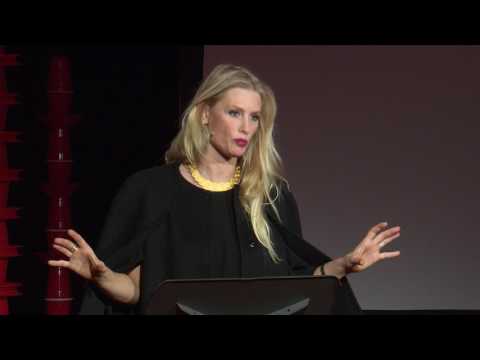
my name is Kalia and as they said I am a Columbia University trained public
Columbia University trained public
Columbia University trained public health specialist focusing on mental
health specialist focusing on mental
health specialist focusing on mental health but what a lot of people don’t
health but what a lot of people don’t
health but what a lot of people don’t know is that for me life was not always
know is that for me life was not always
know is that for me life was not always so easy up until about three years ago I
so easy up until about three years ago I
so easy up until about three years ago I sometimes struggled to even get out of
sometimes struggled to even get out of
sometimes struggled to even get out of bed I had been the victim of a violent
bed I had been the victim of a violent
bed I had been the victim of a violent crime and refusing to come to terms with
crime and refusing to come to terms with
crime and refusing to come to terms with it I quickly saw it enveloped me slowly
it I quickly saw it enveloped me slowly
it I quickly saw it enveloped me slowly but imperceptibly dropping a veil of
but imperceptibly dropping a veil of
but imperceptibly dropping a veil of sadness and fear over everything from
sadness and fear over everything from
sadness and fear over everything from the outside it wasn’t noticeable
the outside it wasn’t noticeable
the outside it wasn’t noticeable I don’t did not speak of what occurred
I don’t did not speak of what occurred
I don’t did not speak of what occurred and did a pretty good job at least in
and did a pretty good job at least in
and did a pretty good job at least in the beginning of putting on a brave
the beginning of putting on a brave
the beginning of putting on a brave poker face but I really started to
poker face but I really started to
poker face but I really started to suffer and the first year especially was
suffer and the first year especially was
suffer and the first year especially was where not just my behavior but my person
where not just my behavior but my person
where not just my behavior but my person me started to change on the inside it
me started to change on the inside it
me started to change on the inside it was horrible
was horrible
was horrible but on the outside I actually looked
but on the outside I actually looked
but on the outside I actually looked great try not eating for a year and yeah
great try not eating for a year and yeah
great try not eating for a year and yeah you look pretty good you get all sorts
you look pretty good you get all sorts
you look pretty good you get all sorts of compliments but keeping a secret like
of compliments but keeping a secret like
of compliments but keeping a secret like that changes person and it changed me it
that changes person and it changed me it
that changes person and it changed me it was like the best of times in the worst
was like the best of times in the worst
was like the best of times in the worst of times and that is why I’m here to you
of times and that is why I’m here to you
of times and that is why I’m here to you today to talk about the very thing that
today to talk about the very thing that
today to talk about the very thing that people usually avoid talking about and
people usually avoid talking about and
people usually avoid talking about and that is mental health
and the question I would like to post
and the question I would like to post today is what if most of what we knew
today is what if most of what we knew
today is what if most of what we knew about mental health was wrong when I
about mental health was wrong when I
about mental health was wrong when I think of mental health I think about
think of mental health I think about
think of mental health I think about three things that I think are going to
three things that I think are going to
three things that I think are going to change the face of mental health of
change the face of mental health of
change the face of mental health of Public Health actually blindspots
Public Health actually blindspots
Public Health actually blindspots neuroplasticity and psychedelic science
neuroplasticity and psychedelic science
neuroplasticity and psychedelic science and strange as it sounds
and strange as it sounds
and strange as it sounds these things are intimately correlated
these things are intimately correlated
these things are intimately correlated let’s first start with blind spots many
let’s first start with blind spots many
let’s first start with blind spots many years ago I read a story that’s stuck
years ago I read a story that’s stuck
years ago I read a story that’s stuck with me it was a book by one of my
with me it was a book by one of my
with me it was a book by one of my heroes Oliver Sacks
heroes Oliver Sacks
heroes Oliver Sacks and it was a collection of case studies
and it was a collection of case studies
and it was a collection of case studies on strange neurological conditions in
on strange neurological conditions in
on strange neurological conditions in particular in one particular story was a
particular in one particular story was a
particular in one particular story was a woman called mrs. s who’s in her 60s and
woman called mrs. s who’s in her 60s and
woman called mrs. s who’s in her 60s and suffered a massive stroke which impacted
suffered a massive stroke which impacted
suffered a massive stroke which impacted the functioning of her right cerebral
the functioning of her right cerebral
the functioning of her right cerebral hemisphere she is or seems for the most
hemisphere she is or seems for the most
hemisphere she is or seems for the most part seemed for the most part unaffected
part seemed for the most part unaffected
part seemed for the most part unaffected she was intelligent humorous and a
she was intelligent humorous and a
she was intelligent humorous and a hundred percent still there but yet she
hundred percent still there but yet she
hundred percent still there but yet she suffered from a strange condition that
suffered from a strange condition that
suffered from a strange condition that would make it so that she could only see
would make it so that she could only see
would make it so that she could only see things that happened to be on her left
things that happened to be on her left
things that happened to be on her left field of vision so for example she would
field of vision so for example she would
field of vision so for example she would complain she wanted more food because
complain she wanted more food because
complain she wanted more food because the stewards hadn’t given her enough and
the stewards hadn’t given her enough and
the stewards hadn’t given her enough and yet half of her plate the left half of
yet half of her plate the left half of
yet half of her plate the left half of course was untouched and Undine another
course was untouched and Undine another
course was untouched and Undine another one of my favorite examples was that if
one of my favorite examples was that if
one of my favorite examples was that if you took her to look at something 60
you took her to look at something 60
you took her to look at something 60 degrees to your left she would revolve
degrees to your left she would revolve
degrees to your left she would revolve around her wheelchair 300 degrees which
around her wheelchair 300 degrees which
around her wheelchair 300 degrees which is why they call it eyes right
is why they call it eyes right
is why they call it eyes right she could only go write this behavior
she could only go write this behavior
she could only go write this behavior was unusual to say the least but mrs. s
was unusual to say the least but mrs. s
was unusual to say the least but mrs. s didn’t know she continued on happily
didn’t know she continued on happily
didn’t know she continued on happily unaware that she was seeing really only
unaware that she was seeing really only
unaware that she was seeing really only fifty percent of the world her mind
fifty percent of the world her mind
fifty percent of the world her mind protected her from what she did not know
protected her from what she did not know
protected her from what she did not know by pretending to know this is what I
by pretending to know this is what I
by pretending to know this is what I call blind spots and the truth is that
call blind spots and the truth is that
call blind spots and the truth is that we all to varying degrees have these
we all to varying degrees have these
we all to varying degrees have these blind spots and science does too I would
blind spots and science does too I would
blind spots and science does too I would even go as far as to say that some of
even go as far as to say that some of
even go as far as to say that some of the blind spots in the medical industry
the blind spots in the medical industry
the blind spots in the medical industry could be more appropriately called
could be more appropriately called
could be more appropriately called blinders like what they put on
blinders like what they put on
blinders like what they put on racehorses so that they can see only
racehorses so that they can see only
racehorses so that they can see only what they’re shown and no more but we’ll
what they’re shown and no more but we’ll
what they’re shown and no more but we’ll get back to that later
get back to that later
get back to that later so getting back to the question what if
so getting back to the question what if
so getting back to the question what if most of what we knew was about mental
most of what we knew was about mental
most of what we knew was about mental health was wrong what if we are all
health was wrong what if we are all
health was wrong what if we are all stuck with working with 50% of the facts
stuck with working with 50% of the facts
stuck with working with 50% of the facts and we’re told that that was the whole
and we’re told that that was the whole
and we’re told that that was the whole picture I mean think about it wasn’t it
picture I mean think about it wasn’t it
picture I mean think about it wasn’t it only 30 years ago that we were told the
only 30 years ago that we were told the
only 30 years ago that we were told the dietary fat was bad in the Nate to 1980s
dietary fat was bad in the Nate to 1980s
dietary fat was bad in the Nate to 1980s it was like a revelation and everyone
it was like a revelation and everyone
it was like a revelation and everyone jumped on the bandwagon doctors and
jumped on the bandwagon doctors and
jumped on the bandwagon doctors and laypeople alike and this idea persisted
laypeople alike and this idea persisted
laypeople alike and this idea persisted as issues as heart like heart disease
as issues as heart like heart disease
as issues as heart like heart disease diabetes and obesity rose to epidemic
diabetes and obesity rose to epidemic
diabetes and obesity rose to epidemic levels and non communicable diseases
levels and non communicable diseases
levels and non communicable diseases rose to be some of the biggest killers
rose to be some of the biggest killers
rose to be some of the biggest killers worldwide as they are today
worldwide as they are today
worldwide as they are today great ideas can spread but so too
great ideas can spread but so too
great ideas can spread but so too sometimes can bad ideas hang around and
sometimes can bad ideas hang around and
sometimes can bad ideas hang around and hang around so long that you forget that
hang around so long that you forget that
hang around so long that you forget that you have the option of questioning them
you have the option of questioning them
you have the option of questioning them last year the Journal of the American
last year the Journal of the American
last year the Journal of the American Medical Association produced a paper in
Medical Association produced a paper in
Medical Association produced a paper in which one of the authors said and I
which one of the authors said and I
which one of the authors said and I quote placing limits on fat intake has
quote placing limits on fat intake has
quote placing limits on fat intake has no basis in science no basis in science
no basis in science no basis in science
no basis in science no basis in science what else have we believed that in fact
what else have we believed that in fact
what else have we believed that in fact has no basis in science with food they
has no basis in science with food they
has no basis in science with food they say that we are able to disprove the
say that we are able to disprove the
say that we are able to disprove the prevailing theory that fat was bad by
prevailing theory that fat was bad by
prevailing theory that fat was bad by accumulating an enormous burden of proof
accumulating an enormous burden of proof
accumulating an enormous burden of proof in the form of people that despite
in the form of people that despite
in the form of people that despite following the appropriate folk protocols
following the appropriate folk protocols
following the appropriate folk protocols were in fact getting sicker dying even
were in fact getting sicker dying even
were in fact getting sicker dying even looking back at a critical juncture in
looking back at a critical juncture in
looking back at a critical juncture in time it had been decided that
time it had been decided that
time it had been decided that eliminating fat was the answer to our
eliminating fat was the answer to our
eliminating fat was the answer to our health problem or at least various
health problem or at least various
health problem or at least various lobbyists fiscal problems
lobbyists fiscal problems
lobbyists fiscal problems and the road was chosen but what if they
and the road was chosen but what if they
and the road was chosen but what if they had chosen another road and what if this
had chosen another road and what if this
had chosen another road and what if this kind of wrong turn happened elsewhere in
kind of wrong turn happened elsewhere in
kind of wrong turn happened elsewhere in science a wrong turn that we are only
science a wrong turn that we are only
science a wrong turn that we are only now beginning to understand is a wrong
now beginning to understand is a wrong
now beginning to understand is a wrong choice because we again see a pattern of
choice because we again see a pattern of
choice because we again see a pattern of disease that makes it impossible to
disease that makes it impossible to
disease that makes it impossible to ignore if we had taken the right choice
ignore if we had taken the right choice
ignore if we had taken the right choice humanity would be better off correct so
humanity would be better off correct so
humanity would be better off correct so it follows that if we are doing
it follows that if we are doing
it follows that if we are doing everything in line with a theory and
everything in line with a theory and
everything in line with a theory and everything is getting worse not better
everything is getting worse not better
everything is getting worse not better wouldn’t it be safe to say perhaps that
wouldn’t it be safe to say perhaps that
wouldn’t it be safe to say perhaps that we had taken the wrong road such as I
we had taken the wrong road such as I
we had taken the wrong road such as I believe is the mistake we made with
believe is the mistake we made with
believe is the mistake we made with mental health and a mistake I would like
mental health and a mistake I would like
mental health and a mistake I would like us to take a look at today so let’s take
us to take a look at today so let’s take
us to take a look at today so let’s take a look at it what is mental health in a
a look at it what is mental health in a
a look at it what is mental health in a nutshell mental health is the absence of
nutshell mental health is the absence of
nutshell mental health is the absence of mental illness just as being healthy is
mental illness just as being healthy is
mental illness just as being healthy is the opposite of being stick but in
the opposite of being stick but in
the opposite of being stick but in physical health there is not just sick
physical health there is not just sick
physical health there is not just sick and not sick you can be injured you can
and not sick you can be injured you can
and not sick you can be injured you can be healing there aren’t really words
be healing there aren’t really words
be healing there aren’t really words like that in mental health so today I
like that in mental health so today I
like that in mental health so today I would like to introduce a new term and
would like to introduce a new term and
would like to introduce a new term and that term is mental injury to explain
that term is mental injury to explain
that term is mental injury to explain what mental injury is I would like you
what mental injury is I would like you
what mental injury is I would like you to think of a woman in your life someone
to think of a woman in your life someone
to think of a woman in your life someone you love a mother a daughter a child
you love a mother a daughter a child
you love a mother a daughter a child picture this person next think of
picture this person next think of
picture this person next think of somebody that you know is a veteran of
somebody that you know is a veteran of
somebody that you know is a veteran of war maybe you don’t know one maybe
war maybe you don’t know one maybe
war maybe you don’t know one maybe imagine your friends friend picture them
imagine your friends friend picture them
imagine your friends friend picture them in your mind now picture this one out of
in your mind now picture this one out of
in your mind now picture this one out of every three to five women will be the
every three to five women will be the
every three to five women will be the victim of violence or sexual assault in
victim of violence or sexual assault in
victim of violence or sexual assault in their lifetime we are talking about more
their lifetime we are talking about more
their lifetime we are talking about more than one woman per minute and in the US
than one woman per minute and in the US
than one woman per minute and in the US alone one out of four veterans of war
alone one out of four veterans of war
alone one out of four veterans of war suffer from post-traumatic stress
suffer from post-traumatic stress
suffer from post-traumatic stress syndrome and every new day 22 of them
syndrome and every new day 22 of them
syndrome and every new day 22 of them commit suicide now I ask you are these
commit suicide now I ask you are these
commit suicide now I ask you are these people mentally ill were they before or
people mentally ill were they before or
people mentally ill were they before or did they become so and if they became so
did they become so and if they became so
did they become so and if they became so that is there a way that we can fix it I
that is there a way that we can fix it I
that is there a way that we can fix it I think the answer to that question is yes
by calling a mental distress mental
by calling a mental distress mental illness we imply that these people are
illness we imply that these people are
illness we imply that these people are broken and that it is partially because
broken and that it is partially because
broken and that it is partially because many of the tools that we are using
many of the tools that we are using
many of the tools that we are using simply didn’t work but because but
simply didn’t work but because but
simply didn’t work but because but mental injury carries within it as a
mental injury carries within it as a
mental injury carries within it as a term the seed of hope I hope that we
term the seed of hope I hope that we
term the seed of hope I hope that we will finally be able to use tools that
will finally be able to use tools that
will finally be able to use tools that do work so now that we have a working
do work so now that we have a working
do work so now that we have a working definition let’s see who else is
definition let’s see who else is
definition let’s see who else is mentally injured well statistically
mentally injured well statistically
mentally injured well statistically mental illness mental injury affects one
mental illness mental injury affects one
mental illness mental injury affects one in four people over the courses of their
in four people over the courses of their
in four people over the courses of their lives and is projected to account for
lives and is projected to account for
lives and is projected to account for more than half of the global burden of
more than half of the global burden of
more than half of the global burden of disease and these numbers are growing
disease and these numbers are growing
disease and these numbers are growing rapidly particularly among youth because
rapidly particularly among youth because
rapidly particularly among youth because mental injury is not just PTSD
mental injury is not just PTSD
mental injury is not just PTSD it is also depression anxiety most
it is also depression anxiety most
it is also depression anxiety most people when they think of mental health
people when they think of mental health
people when they think of mental health and the tools that the psychiatric
and the tools that the psychiatric
and the tools that the psychiatric industry has made available think of
industry has made available think of
industry has made available think of SSRIs they think a prozac Zoloft
SSRIs they think a prozac Zoloft
SSRIs they think a prozac Zoloft paxil selective serotonin reuptake
paxil selective serotonin reuptake
paxil selective serotonin reuptake inhibitors that are often reused in
inhibitors that are often reused in
inhibitors that are often reused in these instances they also think of
these instances they also think of
these instances they also think of benzodiazepines valium ativan ambien
benzodiazepines valium ativan ambien
benzodiazepines valium ativan ambien klonopin used to reduce anxiety and help
klonopin used to reduce anxiety and help
klonopin used to reduce anxiety and help people sleep there’s also the
people sleep there’s also the
people sleep there’s also the neuroleptics Ripper doll zyprexa
neuroleptics Ripper doll zyprexa
neuroleptics Ripper doll zyprexa seroquel these are the antipsychotics so
seroquel these are the antipsychotics so
seroquel these are the antipsychotics so you see there are a lot of things out
you see there are a lot of things out
you see there are a lot of things out there and I think judging from some of
there and I think judging from some of
there and I think judging from some of the eyes out there many of you have
the eyes out there many of you have
the eyes out there many of you have heard of these these avenues all work to
heard of these these avenues all work to
heard of these these avenues all work to change the chemistry of the brain and to
change the chemistry of the brain and to
change the chemistry of the brain and to make certain substances of the brain
make certain substances of the brain
make certain substances of the brain more or less available which produces
more or less available which produces
more or less available which produces outcomes along the lines of the desired
outcomes along the lines of the desired
outcomes along the lines of the desired response but most of these drugs were
response but most of these drugs were
response but most of these drugs were developed in the 50s 60s and 70s and
developed in the 50s 60s and 70s and
developed in the 50s 60s and 70s and began spreading into more widespread use
began spreading into more widespread use
began spreading into more widespread use in the 80s and 90s until now along with
in the 80s and 90s until now along with
in the 80s and 90s until now along with psychology these are the tools that we
psychology these are the tools that we
psychology these are the tools that we had been and that we still have but
had been and that we still have but
had been and that we still have but while these drugs all work on changing
while these drugs all work on changing
while these drugs all work on changing the levels of neurotransmitters
the levels of neurotransmitters
the levels of neurotransmitters none of them impact neuroplasticity and
none of them impact neuroplasticity and
none of them impact neuroplasticity and this is key now you may ask what is
this is key now you may ask what is
this is key now you may ask what is neuro plasticity neural plasticity is
neuro plasticity neural plasticity is
neuro plasticity neural plasticity is the brain’s ability to reorganize itself
the brain’s ability to reorganize itself
the brain’s ability to reorganize itself by forming new neural connections
by forming new neural connections
by forming new neural connections throughout life neuroplasticity is in
throughout life neuroplasticity is in
throughout life neuroplasticity is in the brain’s ability to reorganize itself
the brain’s ability to reorganize itself
the brain’s ability to reorganize itself to compensate for injury or loss brain
to compensate for injury or loss brain
to compensate for injury or loss brain reorganization takes place by way by way
reorganization takes place by way by way
reorganization takes place by way by way of axonal sprouting where undamaged
of axonal sprouting where undamaged
of axonal sprouting where undamaged neurons grow new nerve endings to
neurons grow new nerve endings to
neurons grow new nerve endings to current connect with the other undamaged
current connect with the other undamaged
current connect with the other undamaged nerve cells forming new neural pathways
nerve cells forming new neural pathways
nerve cells forming new neural pathways to accomplish a needed function so for
to accomplish a needed function so for
to accomplish a needed function so for example miss s from Oliver Sacks book
example miss s from Oliver Sacks book
example miss s from Oliver Sacks book was able to function despite her injury
was able to function despite her injury
was able to function despite her injury by rerouting signals around the damaged
by rerouting signals around the damaged
by rerouting signals around the damaged tissue and an easy example to yourself
tissue and an easy example to yourself
tissue and an easy example to yourself of neuroplasticity is to dry try to
of neuroplasticity is to dry try to
of neuroplasticity is to dry try to your teeth with their non-dominant hand
your teeth with their non-dominant hand
your teeth with their non-dominant hand for a week in the beginning it will be
for a week in the beginning it will be
for a week in the beginning it will be hard but then suddenly it will get easy
hard but then suddenly it will get easy
hard but then suddenly it will get easy because neurons that fire together wire
because neurons that fire together wire
because neurons that fire together wire together or the more you encourage
together or the more you encourage
together or the more you encourage axonal sprouting around an activity the
axonal sprouting around an activity the
axonal sprouting around an activity the more your brain will create pathways
more your brain will create pathways
more your brain will create pathways that create make that activity faster
that create make that activity faster
that create make that activity faster and easier originally it was thought
and easier originally it was thought
and easier originally it was thought that our brains were the most plastic at
that our brains were the most plastic at
that our brains were the most plastic at birth and decreased in neuroplasticity
birth and decreased in neuroplasticity
birth and decreased in neuroplasticity over time natural ways to increase
over time natural ways to increase
over time natural ways to increase neuroplasticity are things like learning
neuroplasticity are things like learning
neuroplasticity are things like learning an instrument and exercise but one of
an instrument and exercise but one of
an instrument and exercise but one of the best way that these pathways are
the best way that these pathways are
the best way that these pathways are built is through repetition with age it
built is through repetition with age it
built is through repetition with age it was thought that our blant brains were
was thought that our blant brains were
was thought that our blant brains were less plastic but we are starting to
less plastic but we are starting to
less plastic but we are starting to rethink that hypothesis what if it was
rethink that hypothesis what if it was
rethink that hypothesis what if it was not so much that the brain was less
not so much that the brain was less
not so much that the brain was less plastic but that as an adult you had
plastic but that as an adult you had
plastic but that as an adult you had trained your brain so well at certain
trained your brain so well at certain
trained your brain so well at certain things that it was hard to fight getting
things that it was hard to fight getting
things that it was hard to fight getting off of the most-used pathways pathways
off of the most-used pathways pathways
off of the most-used pathways pathways neural pathways are there as learned
neural pathways are there as learned
neural pathways are there as learned patterns to help us get through life
patterns to help us get through life
patterns to help us get through life more easily and also to help us with
more easily and also to help us with
more easily and also to help us with survival for example in PTSD neural
survival for example in PTSD neural
survival for example in PTSD neural pathways are also altered your survival
pathways are also altered your survival
pathways are also altered your survival mechanism is triggered and it goes into
mechanism is triggered and it goes into
mechanism is triggered and it goes into fight-or-flight bypassing the prefrontal
fight-or-flight bypassing the prefrontal
fight-or-flight bypassing the prefrontal cortex and going straight into the
cortex and going straight into the
cortex and going straight into the primitive zone of the brain where the
primitive zone of the brain where the
primitive zone of the brain where the amygdala is this is the limbic system
amygdala is this is the limbic system
amygdala is this is the limbic system and the problem with this is that it’s
and the problem with this is that it’s
and the problem with this is that it’s very hard to undo it is after all the
very hard to undo it is after all the
very hard to undo it is after all the mechanism that was put in place to keep
mechanism that was put in place to keep
mechanism that was put in place to keep you alive and one of the ones that gets
you alive and one of the ones that gets
you alive and one of the ones that gets the most hardwired the most quickly
the most hardwired the most quickly
the most hardwired the most quickly attempts through the years to address
attempts through the years to address
attempts through the years to address this have been largely unsuccessful
this have been largely unsuccessful
this have been largely unsuccessful cognitive behavioral therapy exposure
cognitive behavioral therapy exposure
cognitive behavioral therapy exposure therapy and SSRIs but these tools are
therapy and SSRIs but these tools are
therapy and SSRIs but these tools are woefully inadequate to their task what
woefully inadequate to their task what
woefully inadequate to their task what we need in this case as in the case of
we need in this case as in the case of
we need in this case as in the case of more mental injuries is to harness the
more mental injuries is to harness the
more mental injuries is to harness the power of neuroplasticity and to harness
power of neuroplasticity and to harness
power of neuroplasticity and to harness the brain
the brain
the brain zone power to heal psychiatric
zone power to heal psychiatric
zone power to heal psychiatric medications for the most part shackle
medications for the most part shackle
medications for the most part shackle the brain and control the level of
the brain and control the level of
the brain and control the level of neurotransmitters but don’t necessarily
neurotransmitters but don’t necessarily
neurotransmitters but don’t necessarily create a change in behavior and don’t
create a change in behavior and don’t
create a change in behavior and don’t necessarily create a change in the
necessarily create a change in the
necessarily create a change in the person neuroplasticity changes that
person neuroplasticity changes that
person neuroplasticity changes that which takes me to my third point
which takes me to my third point
which takes me to my third point psychedelic science no psychedelic
psychedelic science no psychedelic
psychedelic science no psychedelic science is not a misnomer it is a real
science is not a misnomer it is a real
science is not a misnomer it is a real science with real tools in fact when you
science with real tools in fact when you
science with real tools in fact when you look at the path not taken when we look
look at the path not taken when we look
look at the path not taken when we look at the fork in the road that led to the
at the fork in the road that led to the
at the fork in the road that led to the current tragic state of mental health
current tragic state of mental health
current tragic state of mental health and it is indeed tragic I think about
and it is indeed tragic I think about
and it is indeed tragic I think about the idea that perhaps we have spent the
the idea that perhaps we have spent the
the idea that perhaps we have spent the last 50 years solving for only half of
last 50 years solving for only half of
last 50 years solving for only half of the equation keeping the mentally ill
the equation keeping the mentally ill
the equation keeping the mentally ill alive but not healing them so when I
alive but not healing them so when I
alive but not healing them so when I asked the question what if most of what
asked the question what if most of what
asked the question what if most of what we understand about mental health is is
we understand about mental health is is
we understand about mental health is is not true I was also inferring what if we
not true I was also inferring what if we
not true I was also inferring what if we are not admitting to what we don’t know
are not admitting to what we don’t know
are not admitting to what we don’t know what if we have been forced to wear
what if we have been forced to wear
what if we have been forced to wear blinders to not see the other half of
blinders to not see the other half of
blinders to not see the other half of the mental health equation the very side
the mental health equation the very side
the mental health equation the very side for the answers to these cries of
for the answers to these cries of
for the answers to these cries of suffering may be found psychedelics are
suffering may be found psychedelics are
suffering may be found psychedelics are characterized by generating
characterized by generating
characterized by generating hallucinations distortions of perception
hallucinations distortions of perception
hallucinations distortions of perception alters that altered altered states of
alters that altered altered states of
alters that altered altered states of awareness and some examples of
awareness and some examples of
awareness and some examples of psychedelics are LSD MDMA and ayahuasca
psychedelics are LSD MDMA and ayahuasca
psychedelics are LSD MDMA and ayahuasca some of these are also known as
some of these are also known as
some of these are also known as entheogens chemical substance is
entheogens chemical substance is
entheogens chemical substance is typically a plant origin that are
typically a plant origin that are
typically a plant origin that are ingested to produce a non-ordinary state
ingested to produce a non-ordinary state
ingested to produce a non-ordinary state of consciousness for spiritual or
of consciousness for spiritual or
of consciousness for spiritual or religious purposes many of these plants
religious purposes many of these plants
religious purposes many of these plants and substances have been used over
and substances have been used over
and substances have been used over millenia to help people understand the
millenia to help people understand the
millenia to help people understand the world and their place in it even wine is
world and their place in it even wine is
world and their place in it even wine is considered an entheogen
considered an entheogen
considered an entheogen because it was used by the Greeks and
because it was used by the Greeks and
because it was used by the Greeks and Egyptians in the work in the worship of
Egyptians in the work in the worship of
Egyptians in the work in the worship of Dionysus what entheogens on the whole
Dionysus what entheogens on the whole
Dionysus what entheogens on the whole really do particularly in the case of
really do particularly in the case of
really do particularly in the case of LSD MDMA and ayahuasca is to help create
LSD MDMA and ayahuasca is to help create
LSD MDMA and ayahuasca is to help create new neural pathways by increasing
new neural pathways by increasing
new neural pathways by increasing rapidly and often in sort of challenging
rapidly and often in sort of challenging
rapidly and often in sort of challenging ways neuroplasticity two levels commonly
ways neuroplasticity two levels commonly
ways neuroplasticity two levels commonly seen only in children when LSD was
seen only in children when LSD was
seen only in children when LSD was discovered for example so potent were
discovered for example so potent were
discovered for example so potent were its effects that the CIA immediately
its effects that the CIA immediately
its effects that the CIA immediately started doing large-scale experiments
started doing large-scale experiments
started doing large-scale experiments thinking that they had found a tool for
thinking that they had found a tool for
thinking that they had found a tool for mind-control and the public at large
mind-control and the public at large
mind-control and the public at large also started doing large-scale DIY
also started doing large-scale DIY
also started doing large-scale DIY experiments with mixed results now just
experiments with mixed results now just
experiments with mixed results now just to be clear I am NOT promoting the use
to be clear I am NOT promoting the use
to be clear I am NOT promoting the use of psychedelics I am however promoting
of psychedelics I am however promoting
of psychedelics I am however promoting the use of science for example if I told
the use of science for example if I told
the use of science for example if I told you that there was a drug currently in
you that there was a drug currently in
you that there was a drug currently in trials that in severely depressed
trials that in severely depressed
trials that in severely depressed treatment-resistant patients healed the
treatment-resistant patients healed the
treatment-resistant patients healed the patient in three to four sessions in
patient in three to four sessions in
patient in three to four sessions in sessions with a 72 percent success rate
sessions with a 72 percent success rate
sessions with a 72 percent success rate you would say that’s crazy that can’t
you would say that’s crazy that can’t
you would say that’s crazy that can’t possibly be true but it is true and this
possibly be true but it is true and this
possibly be true but it is true and this is just one of the psychedelic drugs
is just one of the psychedelic drugs
is just one of the psychedelic drugs that is currently in trials and it is
that is currently in trials and it is
that is currently in trials and it is one of the many that show real promise
one of the many that show real promise
one of the many that show real promise specifically in treating depression and
specifically in treating depression and
specifically in treating depression and PTSD but for a number of other things
PTSD but for a number of other things
PTSD but for a number of other things involving the element of pin
involving the element of pin
involving the element of pin neuroplasticity these other trials have
neuroplasticity these other trials have
neuroplasticity these other trials have been taking place all in the last few
been taking place all in the last few
been taking place all in the last few years that’s why you haven’t heard of it
years that’s why you haven’t heard of it
years that’s why you haven’t heard of it when the ban which has been 50 years now
when the ban which has been 50 years now
when the ban which has been 50 years now on psychedelics was lifted for certain
on psychedelics was lifted for certain
on psychedelics was lifted for certain specific research streams major
specific research streams major
specific research streams major institutions such as John Hopkins NYU
institutions such as John Hopkins NYU
institutions such as John Hopkins NYU and Imperial College London have
and Imperial College London have
and Imperial College London have persisted in the in the face of huge
persisted in the in the face of huge
persisted in the in the face of huge obstacles to progress this science and
obstacles to progress this science and
obstacles to progress this science and groups such as the multidisciplinary
groups such as the multidisciplinary
groups such as the multidisciplinary Association for psychedelic studies the
Association for psychedelic studies the
Association for psychedelic studies the Berkeley Foundation and the Hefner
Berkeley Foundation and the Hefner
Berkeley Foundation and the Hefner Institute are in my opinion heroes for
Institute are in my opinion heroes for
Institute are in my opinion heroes for keeping the
keeping the
keeping the of this research alive for more than 30
of this research alive for more than 30
of this research alive for more than 30 years waiting for the moment when the
years waiting for the moment when the
years waiting for the moment when the scientific community and the public at
scientific community and the public at
scientific community and the public at large would lift up its head and
large would lift up its head and
large would lift up its head and acknowledge its own blind spots
acknowledge its own blind spots
acknowledge its own blind spots acknowledge what it doesn’t know and
acknowledge what it doesn’t know and
acknowledge what it doesn’t know and acknowledge what the rest of the brain
acknowledge what the rest of the brain
acknowledge what the rest of the brain health and mental health practice has
health and mental health practice has
health and mental health practice has been ignored for far too has been
been ignored for far too has been
been ignored for far too has been ignoring for far too long
ignoring for far too long
ignoring for far too long it took me years to get over my own
it took me years to get over my own
it took me years to get over my own mental injury years of suffering that
mental injury years of suffering that
mental injury years of suffering that could have been avoided in years of
could have been avoided in years of
could have been avoided in years of suffering that men and women of the
suffering that men and women of the
suffering that men and women of the world vets who have served our country
world vets who have served our country
world vets who have served our country victims of violence and perhaps even the
victims of violence and perhaps even the
victims of violence and perhaps even the 10% of you who were out there in the
10% of you who were out there in the
10% of you who were out there in the audience now on SSRIs who could and
audience now on SSRIs who could and
audience now on SSRIs who could and should be leading fuller clearer happier
should be leading fuller clearer happier
should be leading fuller clearer happier life free of blinders and free of blind
life free of blinders and free of blind
life free of blinders and free of blind spots together we can solve the mental
spots together we can solve the mental
spots together we can solve the mental health crisis together we can push to
health crisis together we can push to
health crisis together we can push to bring this science back into the
bring this science back into the
bring this science back into the mainstream mental health is a human
mainstream mental health is a human
mainstream mental health is a human right in these people the mentally
right in these people the mentally
right in these people the mentally injured they deserve to heal to
injured they deserve to heal to
injured they deserve to heal to [Applause]
”
Be First to Comment