
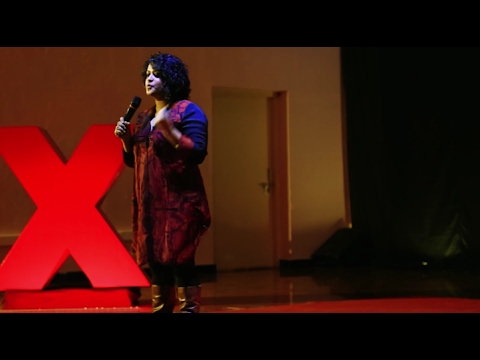
so how many of you believe you’ve produced waste today please raise your
produced waste today please raise your
produced waste today please raise your hands that should be all of you we had
hands that should be all of you we had
hands that should be all of you we had lunch we had breakfast there was food
lunch we had breakfast there was food
lunch we had breakfast there was food some women maybe made a trip to the
some women maybe made a trip to the
some women maybe made a trip to the restroom to supposed to a sanitary
restroom to supposed to a sanitary
restroom to supposed to a sanitary napkin so we’ve all produced waste at
napkin so we’ve all produced waste at
napkin so we’ve all produced waste at some point today now we might not have
some point today now we might not have
some point today now we might not have as intimate relationship with waste as
as intimate relationship with waste as
as intimate relationship with waste as this family which was photographed by an
this family which was photographed by an
this family which was photographed by an artist in the u.s. surrounded by one
artist in the u.s. surrounded by one
artist in the u.s. surrounded by one week’s worth of waste that they produced
week’s worth of waste that they produced
week’s worth of waste that they produced but out of curiosity how many of you
but out of curiosity how many of you
but out of curiosity how many of you have ever wondered where is my waste go
have ever wondered where is my waste go
have ever wondered where is my waste go anyone all right
anyone all right
anyone all right that’s no no I I see a few odd balls but
that’s no no I I see a few odd balls but
that’s no no I I see a few odd balls but um hopefully today we will change that
um hopefully today we will change that
um hopefully today we will change that but before we do that perhaps a better
but before we do that perhaps a better
but before we do that perhaps a better question to ask is what with your waste
question to ask is what with your waste
question to ask is what with your waste now in India about 60% of the waste we
now in India about 60% of the waste we
now in India about 60% of the waste we produce is organic this can be fed
produce is organic this can be fed
produce is organic this can be fed straight into a biogas plant which can
straight into a biogas plant which can
straight into a biogas plant which can produce electricity people such as that
produce electricity people such as that
produce electricity people such as that goes into transportation systems RS
goes into transportation systems RS
goes into transportation systems RS which is what powers yours if you took a
which is what powers yours if you took a
which is what powers yours if you took a city like Bangalore and all of the
city like Bangalore and all of the
city like Bangalore and all of the organic waste that we produce and fed
organic waste that we produce and fed
organic waste that we produce and fed all a written to a buyer
all a written to a buyer
all a written to a buyer you would be able to generate enough
you would be able to generate enough
you would be able to generate enough power to light up twenty four thousand
power to light up twenty four thousand
power to light up twenty four thousand homes just take a minute and absorb that
homes just take a minute and absorb that
homes just take a minute and absorb that better yet this fact that if you took
better yet this fact that if you took
better yet this fact that if you took all of this organic waste converted into
all of this organic waste converted into
all of this organic waste converted into CNG you would be able to power up seven
CNG you would be able to power up seven
CNG you would be able to power up seven hundred and eighty thousand CNG buses
hundred and eighty thousand CNG buses
hundred and eighty thousand CNG buses and we had an incredible group of
and we had an incredible group of
and we had an incredible group of interns from Columbia the summer who did
interns from Columbia the summer who did
interns from Columbia the summer who did some more math for me and they tell me
some more math for me and they tell me
some more math for me and they tell me that this could actually fuel hundred
that this could actually fuel hundred
that this could actually fuel hundred and seventy eight percent of the daily
and seventy eight percent of the daily
and seventy eight percent of the daily trips that buses in Bangalore make every
trips that buses in Bangalore make every
trips that buses in Bangalore make every single day now there’s another question
single day now there’s another question
single day now there’s another question how many of you believe this is
how many of you believe this is
how many of you believe this is happening today anyone so that’s my
happening today anyone so that’s my
happening today anyone so that’s my question we’re a country that can put a
question we’re a country that can put a
question we’re a country that can put a mission to Mars for a less per kilometer
mission to Mars for a less per kilometer
mission to Mars for a less per kilometer cost than what it costs to take an
cost than what it costs to take an
cost than what it costs to take an autorickshaw cross and the but why can’t
autorickshaw cross and the but why can’t
autorickshaw cross and the but why can’t this be a reality so today I really want
this be a reality so today I really want
this be a reality so today I really want to ask you to think about perhaps one of
to ask you to think about perhaps one of
to ask you to think about perhaps one of the most invisible systems that each one
the most invisible systems that each one
the most invisible systems that each one of us participate in every single day
of us participate in every single day
of us participate in every single day and that is how we manage our waste what
and that is how we manage our waste what
and that is how we manage our waste what I want you to do is to start asking the
I want you to do is to start asking the
I want you to do is to start asking the right question and I guarantee you you
right question and I guarantee you you
right question and I guarantee you you will not look at waste the same way ever
will not look at waste the same way ever
will not look at waste the same way ever again in fact I can guarantee you you
again in fact I can guarantee you you
again in fact I can guarantee you you will be itching to find ways to convert
will be itching to find ways to convert
will be itching to find ways to convert your waste into compost energy recycle
your waste into compost energy recycle
your waste into compost energy recycle products and the reason for this is
products and the reason for this is
products and the reason for this is because you will want to know the
because you will want to know the
because you will want to know the question excuse me you won’t want to
question excuse me you won’t want to
question excuse me you won’t want to know the answer to the question where is
know the answer to the question where is
know the answer to the question where is my waste going unfortunately today this
my waste going unfortunately today this
my waste going unfortunately today this is your answer your waste is going to a
is your answer your waste is going to a
is your answer your waste is going to a landfill and let me tell you a landfill
landfill and let me tell you a landfill
landfill and let me tell you a landfill is nothing fancy it is just an open
is nothing fancy it is just an open
is nothing fancy it is just an open piece of land where waste from cities is
piece of land where waste from cities is
piece of land where waste from cities is collected and dumped there is no
collected and dumped there is no
collected and dumped there is no processing happening it’s just lying
processing happening it’s just lying
processing happening it’s just lying there what’s worse is that these people
there what’s worse is that these people
there what’s worse is that these people who are often called rag pickers are the
who are often called rag pickers are the
who are often called rag pickers are the only ones doing the majority of
only ones doing the majority of
only ones doing the majority of recycling in our country they sift
recycling in our country they sift
recycling in our country they sift through hazardous and contaminated waste
through hazardous and contaminated waste
through hazardous and contaminated waste that we have produced in order to feed
that we have produced in order to feed
that we have produced in order to feed themselves and as a result you and I
themselves and as a result you and I
themselves and as a result you and I caused ragpickers is life expectancy to
caused ragpickers is life expectancy to
caused ragpickers is life expectancy to be 39 years and this is actually a
be 39 years and this is actually a
be 39 years and this is actually a global phenomenon almost 30 percent of
global phenomenon almost 30 percent of
global phenomenon almost 30 percent of the world’s population still does not
the world’s population still does not
the world’s population still does not have access to daily collection of their
have access to daily collection of their
have access to daily collection of their garbage and about 42 percent of the
garbage and about 42 percent of the
garbage and about 42 percent of the world’s population still is not able to
world’s population still is not able to
world’s population still is not able to access control disposal facilities this
access control disposal facilities this
access control disposal facilities this by the way is my most favorite graph
by the way is my most favorite graph
by the way is my most favorite graph that I wish I could go and put in every
that I wish I could go and put in every
that I wish I could go and put in every Minister and bureaucrats office in India
Minister and bureaucrats office in India
Minister and bureaucrats office in India who believes that hey we can just go to
who believes that hey we can just go to
who believes that hey we can just go to a developed country and copy/paste a
a developed country and copy/paste a
a developed country and copy/paste a solution for our waste management
solution for our waste management
solution for our waste management problem we can’t because there is no
problem we can’t because there is no
problem we can’t because there is no country in the world that has a
country in the world that has a
country in the world that has a recycling economy in this graph by the
recycling economy in this graph by the
recycling economy in this graph by the UN Environment Programme you will find
UN Environment Programme you will find
UN Environment Programme you will find that the blue sections are representing
that the blue sections are representing
that the blue sections are representing the amount of waste that is landfills
the amount of waste that is landfills
the amount of waste that is landfills the yellow is incineration dark green is
the yellow is incineration dark green is
the yellow is incineration dark green is composting and light green is recycling
composting and light green is recycling
composting and light green is recycling please note landfilling and incineration
please note landfilling and incineration
please note landfilling and incineration are still the primary form of recycling
are still the primary form of recycling
are still the primary form of recycling or excuse me of dealing with waste
or excuse me of dealing with waste
or excuse me of dealing with waste anywhere in the world but I truly
anywhere in the world but I truly
anywhere in the world but I truly believe that India is uniquely
believe that India is uniquely
believe that India is uniquely positioned by the in the many senses by
positioned by the in the many senses by
positioned by the in the many senses by the constraints that we have whether its
the constraints that we have whether its
the constraints that we have whether its population growth restricted land access
population growth restricted land access
population growth restricted land access but most importantly with the power of
but most importantly with the power of
but most importantly with the power of democracy to really create the
democracy to really create the
democracy to really create the foundation for require for recycling
foundation for require for recycling
foundation for require for recycling economies across the world
economies across the world
economies across the world and I think it’s high time we do this
and I think it’s high time we do this
and I think it’s high time we do this mostly because just a few months ago the
mostly because just a few months ago the
mostly because just a few months ago the landfill that receives one per day and
landfill that receives one per day and
landfill that receives one per day and that is by the way one third 3,700
that is by the way one third 3,700
that is by the way one third 3,700 tonnes is only a part of what Mumbai
tonnes is only a part of what Mumbai
tonnes is only a part of what Mumbai produces in her on a daily basis this
produces in her on a daily basis this
produces in her on a daily basis this landfill caught on fire and spread car
landfill caught on fire and spread car
landfill caught on fire and spread car citizens across the city for about four
citizens across the city for about four
citizens across the city for about four days and I think about 70 schools were
days and I think about 70 schools were
days and I think about 70 schools were shut during that time because we had one
shut during that time because we had one
shut during that time because we had one of the worst air quality’s in the city’s
of the worst air quality’s in the city’s
of the worst air quality’s in the city’s history landfilling does not only
history landfilling does not only
history landfilling does not only contribute carcinogens it is also a
contribute carcinogens it is also a
contribute carcinogens it is also a source for groundwater contamination
source for groundwater contamination
source for groundwater contamination produces about 6 percent of greenhouse
produces about 6 percent of greenhouse
produces about 6 percent of greenhouse gas emissions and causes a slew of
gas emissions and causes a slew of
gas emissions and causes a slew of diseases what’s interesting is today we
diseases what’s interesting is today we
diseases what’s interesting is today we account for landfilling as being or
account for landfilling as being or
account for landfilling as being or waste management in general as
waste management in general as
waste management in general as accounting for 6 percent of greenhouse
accounting for 6 percent of greenhouse
accounting for 6 percent of greenhouse gas emissions but I want you to look at
gas emissions but I want you to look at
gas emissions but I want you to look at this graph more closely and look at how
this graph more closely and look at how
this graph more closely and look at how on this chart all the other industry is
on this chart all the other industry is
on this chart all the other industry is responsible for greenhouse gases also
responsible for greenhouse gases also
responsible for greenhouse gases also produce waste so if we actually look at
produce waste so if we actually look at
produce waste so if we actually look at responsible waste management across
responsible waste management across
responsible waste management across these industries you could and we also
these industries you could and we also
these industries you could and we also look at preventing the creation of
look at preventing the creation of
look at preventing the creation of wastes you can actually reduce
wastes you can actually reduce
wastes you can actually reduce greenhouse gas emissions up to 20
greenhouse gas emissions up to 20
greenhouse gas emissions up to 20 percent with better waste management
percent with better waste management
percent with better waste management across the world these are the
across the world these are the
across the world these are the sustainable development goals for 2030
sustainable development goals for 2030
sustainable development goals for 2030 unfortunately waste management didn’t
unfortunately waste management didn’t
unfortunately waste management didn’t make it on there again invisible system
make it on there again invisible system
make it on there again invisible system right it didn’t make it on there as a
right it didn’t make it on there as a
right it didn’t make it on there as a direct goal however it can improve about
direct goal however it can improve about
direct goal however it can improve about 11 of the 17 goals if we move towards
11 of the 17 goals if we move towards
11 of the 17 goals if we move towards creating recycling economies and this is
creating recycling economies and this is
creating recycling economies and this is the stat that really got my co-founder
the stat that really got my co-founder
the stat that really got my co-founder and I to start our company because we
and I to start our company because we
and I to start our company because we just think this is stupid and someone
just think this is stupid and someone
just think this is stupid and someone had to fix it 85 percent of India’s
had to fix it 85 percent of India’s
had to fix it 85 percent of India’s waste can be recycled but 90 percent
waste can be recycled but 90 percent
waste can be recycled but 90 percent sits in landfills today of course before
sits in landfills today of course before
sits in landfills today of course before we could go off and build a solution we
we could go off and build a solution we
we could go off and build a solution we had to ask ourselves why is this
had to ask ourselves why is this
had to ask ourselves why is this happening and there are three main
happening and there are three main
happening and there are three main reasons the first is given that organic
reasons the first is given that organic
reasons the first is given that organic waste is predominantly the majority of
waste is predominantly the majority of
waste is predominantly the majority of the waste that we produce we need
the waste that we produce we need
the waste that we produce we need destinations that are not Lancel such as
destinations that are not Lancel such as
destinations that are not Lancel such as biogas plants just send this waste to we
biogas plants just send this waste to we
biogas plants just send this waste to we don’t have enough of them second issue
don’t have enough of them second issue
don’t have enough of them second issue there is absolutely no logistics of
there is absolutely no logistics of
there is absolutely no logistics of supply chain management of any kind of
supply chain management of any kind of
supply chain management of any kind of waste collection transportation or
waste collection transportation or
waste collection transportation or processing operation last but very very
processing operation last but very very
processing operation last but very very important we have an inability to manage
important we have an inability to manage
important we have an inability to manage behavior to allow for us to manage this
behavior to allow for us to manage this
behavior to allow for us to manage this entire supply chain and this is all
entire supply chain and this is all
entire supply chain and this is all while we have access targets for
while we have access targets for
while we have access targets for renewable energy by 2030 we must produce
renewable energy by 2030 we must produce
renewable energy by 2030 we must produce 40% of our country’s electricity from
40% of our country’s electricity from
40% of our country’s electricity from renewable energy Ave and we’ve of course
renewable energy Ave and we’ve of course
renewable energy Ave and we’ve of course accounted for solar and wind but guess
accounted for solar and wind but guess
accounted for solar and wind but guess what waste to energy was mentioned in
what waste to energy was mentioned in
what waste to energy was mentioned in this report only twice we’re ignoring
this report only twice we’re ignoring
this report only twice we’re ignoring one of our most promising sources of
one of our most promising sources of
one of our most promising sources of renewable energy when it comes to supply
renewable energy when it comes to supply
renewable energy when it comes to supply chain management it baffles me that
chain management it baffles me that
chain management it baffles me that somehow everybody understands yes supply
somehow everybody understands yes supply
somehow everybody understands yes supply and demand have to match in real time to
and demand have to match in real time to
and demand have to match in real time to have the grid function for all of us
have the grid function for all of us
have the grid function for all of us have electricity
have electricity
have electricity however we somehow don’t realize that
however we somehow don’t realize that
however we somehow don’t realize that you’d like today we had a big gathering
you’d like today we had a big gathering
you’d like today we had a big gathering here today everybody had lunch obviously
here today everybody had lunch obviously
here today everybody had lunch obviously someone’s going to have to dispatch an
someone’s going to have to dispatch an
someone’s going to have to dispatch an extra truck to pick up the extra barrels
extra truck to pick up the extra barrels
extra truck to pick up the extra barrels of waste that all of us produced how do
of waste that all of us produced how do
of waste that all of us produced how do we know this there is zero technology
we know this there is zero technology
we know this there is zero technology being used to tell us about the quantity
being used to tell us about the quantity
being used to tell us about the quantity let alone the quality of waste its
let alone the quality of waste its
let alone the quality of waste its location whether it has gotten picked up
location whether it has gotten picked up
location whether it has gotten picked up and where it was taken finally this is
and where it was taken finally this is
and where it was taken finally this is the most important criteria that we
the most important criteria that we
the most important criteria that we realized is necessary for us to have the
realized is necessary for us to have the
realized is necessary for us to have the potential to recycle and have a
potential to recycle and have a
potential to recycle and have a recycling economy and that is
recycling economy and that is
recycling economy and that is segregation at source so this is
segregation at source so this is
segregation at source so this is actually a new habit that all of us need
actually a new habit that all of us need
actually a new habit that all of us need to form but it’s actually not as
to form but it’s actually not as
to form but it’s actually not as daunting as it sounds all you need to do
daunting as it sounds all you need to do
daunting as it sounds all you need to do is separate your waste into three
is separate your waste into three
is separate your waste into three streams the first one is organic 60% of
streams the first one is organic 60% of
streams the first one is organic 60% of your waste can just go straight into
your waste can just go straight into
your waste can just go straight into this category this is your
this category this is your
this category this is your fruit fields vegetables meats bones some
fruit fields vegetables meats bones some
fruit fields vegetables meats bones some amount of garden waste all of that the
amount of garden waste all of that the
amount of garden waste all of that the second category is what we considered
second category is what we considered
second category is what we considered dry waste so this can get plugged into
dry waste so this can get plugged into
dry waste so this can get plugged into the informal recycling systems that we
the informal recycling systems that we
the informal recycling systems that we have the world over please put this kind
have the world over please put this kind
have the world over please put this kind of waste into this bag now the third one
of waste into this bag now the third one
of waste into this bag now the third one is reject waste so now I’m really
is reject waste so now I’m really
is reject waste so now I’m really talking to the women who use the
talking to the women who use the
talking to the women who use the bathroom dispose of sanitary napkins
bathroom dispose of sanitary napkins
bathroom dispose of sanitary napkins some of you have kids at home you use
some of you have kids at home you use
some of you have kids at home you use diapers all of this is considered reject
diapers all of this is considered reject
diapers all of this is considered reject waste this should go into the red bin
waste this should go into the red bin
waste this should go into the red bin very very exciting is that we had a
very very exciting is that we had a
very very exciting is that we had a pioneering city in Bangalore which has 8
pioneering city in Bangalore which has 8
pioneering city in Bangalore which has 8 million people is about the fifth
million people is about the fifth
million people is about the fifth largest city in India and decided to
largest city in India and decided to
largest city in India and decided to make segregation at source mandatory by
make segregation at source mandatory by
make segregation at source mandatory by law in 2012 and let me tell you they’re
law in 2012 and let me tell you they’re
law in 2012 and let me tell you they’re very very serious about this why because
very very serious about this why because
very very serious about this why because we know restaurants who have been fined
we know restaurants who have been fined
we know restaurants who have been fined almost 1.5 lakhs which is a little over
almost 1.5 lakhs which is a little over
almost 1.5 lakhs which is a little over 2,200 dollars and they’ve been shut for
2,200 dollars and they’ve been shut for
2,200 dollars and they’ve been shut for a week because they did not segregate
a week because they did not segregate
a week because they did not segregate their wastes very exciting so they went
their wastes very exciting so they went
their wastes very exciting so they went forward with segregation at source they
forward with segregation at source they
forward with segregation at source they also did a second thing they required
also did a second thing they required
also did a second thing they required they very quickly realized that they did
they very quickly realized that they did
they very quickly realized that they did not have the capacity to be able to
not have the capacity to be able to
not have the capacity to be able to serve all the waste producers in the
serve all the waste producers in the
serve all the waste producers in the city so they mandated that most large
city so they mandated that most large
city so they mandated that most large apartment complexes and businesses
apartment complexes and businesses
apartment complexes and businesses should move their processing of organic
should move their processing of organic
should move their processing of organic waste on site the city even went ahead
waste on site the city even went ahead
waste on site the city even went ahead and started inviting biogas companies to
and started inviting biogas companies to
and started inviting biogas companies to come and set up plants this is one such
come and set up plants this is one such
come and set up plants this is one such plant it takes about five tons of
plant it takes about five tons of
plant it takes about five tons of organic waste on a daily basis so let’s
organic waste on a daily basis so let’s
organic waste on a daily basis so let’s take a step back and look at how
take a step back and look at how
take a step back and look at how pioneering Bangor actually was because
pioneering Bangor actually was because
pioneering Bangor actually was because it installed 125 tons of processing
it installed 125 tons of processing
it installed 125 tons of processing capacity it has about 500 tons in the
capacity it has about 500 tons in the
capacity it has about 500 tons in the pipeline
pipeline
pipeline effectively allowing 27 percent of its
effectively allowing 27 percent of its
effectively allowing 27 percent of its organic waste to go into energy it also
organic waste to go into energy it also
organic waste to go into energy it also mandated segregation at source it asked
mandated segregation at source it asked
mandated segregation at source it asked residents and large businesses to start
residents and large businesses to start
residents and large businesses to start helping out and managing either waste on
helping out and managing either waste on
helping out and managing either waste on site or using private resources to
site or using private resources to
site or using private resources to dispute to deal with their way
dispute to deal with their way
dispute to deal with their way scientifically but somehow this is still
scientifically but somehow this is still
scientifically but somehow this is still not working why is that so you have less
not working why is that so you have less
not working why is that so you have less than 5% of the city segregating their
than 5% of the city segregating their
than 5% of the city segregating their wage right now why is this the biggest
wage right now why is this the biggest
wage right now why is this the biggest thing we found as a problem was that no
thing we found as a problem was that no
thing we found as a problem was that no one was talking to each other there was
one was talking to each other there was
one was talking to each other there was absolutely no technology as I mentioned
absolutely no technology as I mentioned
absolutely no technology as I mentioned earlier you had three at you you had
earlier you had three at you you had
earlier you had three at you you had three aspects that you needed to cover
three aspects that you needed to cover
three aspects that you needed to cover but you only had two so you have the
but you only had two so you have the
but you only had two so you have the destinations you have people who produce
destinations you have people who produce
destinations you have people who produce waste who are willing to segregate it
waste who are willing to segregate it
waste who are willing to segregate it but you don’t have a way to get the
but you don’t have a way to get the
but you don’t have a way to get the right kind of waste to those facilities
right kind of waste to those facilities
right kind of waste to those facilities and that’s where our company came in we
and that’s where our company came in we
and that’s where our company came in we invented the system more as a network
invented the system more as a network
invented the system more as a network and a platform so that we can work with
and a platform so that we can work with
and a platform so that we can work with every kind of generator to ensure that
every kind of generator to ensure that
every kind of generator to ensure that they have a system to maintain
they have a system to maintain
they have a system to maintain segregation within their own facility we
segregation within their own facility we
segregation within their own facility we then dispatch collectors to take every
then dispatch collectors to take every
then dispatch collectors to take every single waste stream that can be recycled
single waste stream that can be recycled
single waste stream that can be recycled to the right kind of facility and
to the right kind of facility and
to the right kind of facility and there’s tracking throughout so what you
there’s tracking throughout so what you
there’s tracking throughout so what you actually do is not just segregate your
actually do is not just segregate your
actually do is not just segregate your waste but take responsibility for
waste but take responsibility for
waste but take responsibility for knowing where it is going and what
knowing where it is going and what
knowing where it is going and what became of it and this is what our
became of it and this is what our
became of it and this is what our customers today will be able to produce
customers today will be able to produce
customers today will be able to produce in this year we have data generated in
in this year we have data generated in
in this year we have data generated in every single transfer on both the
every single transfer on both the
every single transfer on both the quality and the quantity of waste
quality and the quantity of waste
quality and the quantity of waste without which you cannot manage the
without which you cannot manage the
without which you cannot manage the system at scale we were able to make
system at scale we were able to make
system at scale we were able to make segregation at source reality you have
segregation at source reality you have
segregation at source reality you have what mixed waste looks like on one side
what mixed waste looks like on one side
what mixed waste looks like on one side and what segregated waste looks like on
and what segregated waste looks like on
and what segregated waste looks like on the other you can actually take all of
the other you can actually take all of
the other you can actually take all of that organic waste and feed it directly
that organic waste and feed it directly
that organic waste and feed it directly into a plant into a biogas plant you do
into a plant into a biogas plant you do
into a plant into a biogas plant you do not need to do any more segregation
not need to do any more segregation
not need to do any more segregation we manage operations in real time this
we manage operations in real time this
we manage operations in real time this required us to take all of the existing
required us to take all of the existing
required us to take all of the existing collectors who were there but build
collectors who were there but build
collectors who were there but build hardware and mobile applications that
hardware and mobile applications that
hardware and mobile applications that even low literate populations could use
even low literate populations could use
even low literate populations could use to be directed to the right spot to be
to be directed to the right spot to be
to be directed to the right spot to be able to give feedback when something
able to give feedback when something
able to give feedback when something goes wrong and to be able to allow us to
goes wrong and to be able to allow us to
goes wrong and to be able to allow us to change gears in real time based on how
change gears in real time based on how
change gears in real time based on how much waste was being produced at a
much waste was being produced at a
much waste was being produced at a particular point this was our first
particular point this was our first
particular point this was our first victory we started feeding this biogas
victory we started feeding this biogas
victory we started feeding this biogas plant which now lights up this entire
plant which now lights up this entire
plant which now lights up this entire park we started when this plant was
park we started when this plant was
park we started when this plant was getting less than 200 kgs of waste in a
getting less than 200 kgs of waste in a
getting less than 200 kgs of waste in a day today it gets more than 4,000 kgs
day today it gets more than 4,000 kgs
day today it gets more than 4,000 kgs and is very close to fulfilling it’s 5
and is very close to fulfilling it’s 5
and is very close to fulfilling it’s 5 tons capacity it is fed by restaurants
tons capacity it is fed by restaurants
tons capacity it is fed by restaurants in its neighborhood so since October of
in its neighborhood so since October of
in its neighborhood so since October of 2015 we have add over hundred businesses
2015 we have add over hundred businesses
2015 we have add over hundred businesses over 2,000 households and ten collectors
over 2,000 households and ten collectors
over 2,000 households and ten collectors joined this network and together they
joined this network and together they
joined this network and together they have diverted over 1,000 tons of waste
have diverted over 1,000 tons of waste
have diverted over 1,000 tons of waste from landfills and converted it instead
from landfills and converted it instead
from landfills and converted it instead into energy compost and recycled
into energy compost and recycled
into energy compost and recycled products a lot of people ask us what
products a lot of people ask us what
products a lot of people ask us what made these customers join our network
made these customers join our network
made these customers join our network and I have to tell you we know they
and I have to tell you we know they
and I have to tell you we know they really not like customers they’re more
really not like customers they’re more
really not like customers they’re more like community champions there were
like community champions there were
like community champions there were people who went door-to-door to get
people who went door-to-door to get
people who went door-to-door to get their neighbors to sign up they hosted a
their neighbors to sign up they hosted a
their neighbors to sign up they hosted a lunch where 35 restaurant owners showed
lunch where 35 restaurant owners showed
lunch where 35 restaurant owners showed up in a neighborhood to make sure that
up in a neighborhood to make sure that
up in a neighborhood to make sure that they could help us fill at least one
they could help us fill at least one
they could help us fill at least one truck they paid us triple what they were
truck they paid us triple what they were
truck they paid us triple what they were paying their current collector to make
paying their current collector to make
paying their current collector to make sure as a young company we could survive
sure as a young company we could survive
sure as a young company we could survive most importantly they stood by us when
most importantly they stood by us when
most importantly they stood by us when the local health inspector came
the local health inspector came
the local health inspector came threatening them with fines because they
threatening them with fines because they
threatening them with fines because they had joined a new system and I also got
had joined a new system and I also got
had joined a new system and I also got dogs don’t show my personal safety but
dogs don’t show my personal safety but
dogs don’t show my personal safety but really what we learned from our
really what we learned from our
really what we learned from our customers was that
customers was that
customers was that business owners and citizens in India
business owners and citizens in India
business owners and citizens in India are excited about providing a model for
are excited about providing a model for
are excited about providing a model for the world to follow they believe that it
the world to follow they believe that it
the world to follow they believe that it is possible to form the foundation of
is possible to form the foundation of
is possible to form the foundation of recycling economies and they are willing
recycling economies and they are willing
recycling economies and they are willing to participate in a system that will
to participate in a system that will
to participate in a system that will work a system that will yield results
work a system that will yield results
work a system that will yield results and I believe that we can make this
and I believe that we can make this
and I believe that we can make this platform a global platform at a time
platform a global platform at a time
platform a global platform at a time when the world is divided and fighting
when the world is divided and fighting
when the world is divided and fighting over the access to resources we want
over the access to resources we want
over the access to resources we want this platform to break boundaries and be
this platform to break boundaries and be
this platform to break boundaries and be a connector to bring people together who
a connector to bring people together who
a connector to bring people together who want to create recycling networks in
want to create recycling networks in
want to create recycling networks in their own communities
their own communities
their own communities all we need are three ingredients to
all we need are three ingredients to
all we need are three ingredients to scale the first one of course is policy
scale the first one of course is policy
scale the first one of course is policy we must have government’s support
we must have government’s support
we must have government’s support segregation at source and invite
segregation at source and invite
segregation at source and invite investment and cooperation from the
investment and cooperation from the
investment and cooperation from the private sector in order to have clean
private sector in order to have clean
private sector in order to have clean energy in order to have real-time
energy in order to have real-time
energy in order to have real-time operations destinations we are so
operations destinations we are so
operations destinations we are so excited about providing this model to
excited about providing this model to
excited about providing this model to invite further investment into the waste
invite further investment into the waste
invite further investment into the waste energy sector which has been rather
energy sector which has been rather
energy sector which has been rather ignored in the conversation on renewable
ignored in the conversation on renewable
ignored in the conversation on renewable energy we solve their supply chain
energy we solve their supply chain
energy we solve their supply chain problem their raw material problem which
problem their raw material problem which
problem their raw material problem which is what they need in order to continue
is what they need in order to continue
is what they need in order to continue investing and third is technology I
investing and third is technology I
investing and third is technology I stand here today ready to commit our
stand here today ready to commit our
stand here today ready to commit our efforts to any city in the world that
efforts to any city in the world that
efforts to any city in the world that wants to bring in the concept of
wants to bring in the concept of
wants to bring in the concept of recycling economies technology is
recycling economies technology is
recycling economies technology is absolutely scaleable and that is what we
absolutely scaleable and that is what we
absolutely scaleable and that is what we are here to do so the only question I
are here to do so the only question I
are here to do so the only question I have is I you in a position to start
have is I you in a position to start
have is I you in a position to start participating in recycling economies
participating in recycling economies
participating in recycling economies thank you
thank you
thank you [Applause]
”
Be First to Comment