
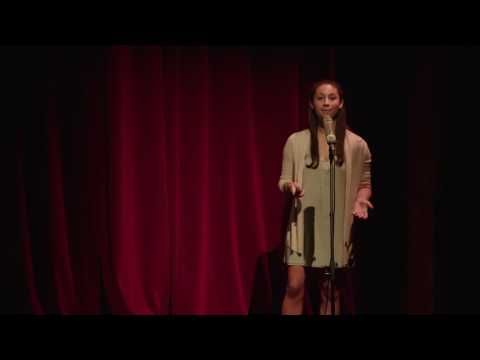
I recently found myself in a restaurant and I was presented with the typical
and I was presented with the typical
and I was presented with the typical question what kind of water you would
question what kind of water you would
question what kind of water you would like tap or bottled sparkling or still I
like tap or bottled sparkling or still I
like tap or bottled sparkling or still I gave the waiter my answer and he
gave the waiter my answer and he
gave the waiter my answer and he returned a few minutes later with the
returned a few minutes later with the
returned a few minutes later with the glass of water I want to drink it and I
glass of water I want to drink it and I
glass of water I want to drink it and I noticed that there was a bubble inside
noticed that there was a bubble inside
noticed that there was a bubble inside so expecting my right to clean water I
so expecting my right to clean water I
so expecting my right to clean water I asked him to return it please come back
asked him to return it please come back
asked him to return it please come back with the new on new one and went on with
with the new on new one and went on with
with the new on new one and went on with my meal but what would I have done if I
my meal but what would I have done if I
my meal but what would I have done if I was given this glass of water probably
was given this glass of water probably
was given this glass of water probably would have freaked out written a really
would have freaked out written a really
would have freaked out written a really nasty yelp review and never returned to
nasty yelp review and never returned to
nasty yelp review and never returned to get what if I were to tell you that 1
get what if I were to tell you that 1
get what if I were to tell you that 1 billion people in the developing world
billion people in the developing world
billion people in the developing world lack access to clean water that millions
lack access to clean water that millions
lack access to clean water that millions of mothers and their children each day
of mothers and their children each day
of mothers and their children each day walk miles and miles in the scorching
walk miles and miles in the scorching
walk miles and miles in the scorching heat just to receive water that looked
heat just to receive water that looked
heat just to receive water that looked exactly like the one I had just shown
exactly like the one I had just shown
exactly like the one I had just shown you that if they were presented with the
you that if they were presented with the
you that if they were presented with the water that I had just a bug in it they
water that I had just a bug in it they
water that I had just a bug in it they would have hugged the stranger that had
would have hugged the stranger that had
would have hugged the stranger that had given it to them and thank them for
given it to them and thank them for
given it to them and thank them for their generosity UNICEF estimates that
their generosity UNICEF estimates that
their generosity UNICEF estimates that 3000 children under the age of 5 die
3000 children under the age of 5 die
3000 children under the age of 5 die each day from waterborne disease that
each day from waterborne disease that
each day from waterborne disease that means the amount of time I’ve been
means the amount of time I’ve been
means the amount of time I’ve been speaking 3 children have most likely
speaking 3 children have most likely
speaking 3 children have most likely already just died now you are probably a
already just died now you are probably a
already just died now you are probably a little bit confused how are we in a
little bit confused how are we in a
little bit confused how are we in a water crisis when I think of the earth I
water crisis when I think of the earth I
water crisis when I think of the earth I think of revolving sphere of blue of
think of revolving sphere of blue of
think of revolving sphere of blue of water but the reality is 97% of that is
water but the reality is 97% of that is
water but the reality is 97% of that is undrinkable the 3% of that that is
undrinkable the 3% of that that is
undrinkable the 3% of that that is drinkable we have a really big
drinkable we have a really big
drinkable we have a really big competition over and countries are
competition over and countries are
competition over and countries are trying to clean it because water is
trying to clean it because water is
trying to clean it because water is power and over half of that is saying
power and over half of that is saying
power and over half of that is saying and ice caps or glaciers places that we
and ice caps or glaciers places that we
and ice caps or glaciers places that we can’t really access it 30% of that is in
can’t really access it 30% of that is in
can’t really access it 30% of that is in places where only certain people can
places where only certain people can
places where only certain people can access it because they have the finances
access it because they have the finances
access it because they have the finances to tap into the underground water so
to tap into the underground water so
to tap into the underground water so what does that leave the poor countries
what does that leave the poor countries
what does that leave the poor countries with 1% of easily accessible water I say
with 1% of easily accessible water I say
with 1% of easily accessible water I say easily lightly because that’s where we
easily lightly because that’s where we
easily lightly because that’s where we see mothers and children being forced to
see mothers and children being forced to
see mothers and children being forced to walk miles because they don’t live in
walk miles because they don’t live in
walk miles because they don’t live in communities near these fresh waters or
communities near these fresh waters or
communities near these fresh waters or streams so typically people think ok I
streams so typically people think ok I
streams so typically people think ok I hear water crisis I need to solve it by
hear water crisis I need to solve it by
hear water crisis I need to solve it by showering for shorter periods of time or
showering for shorter periods of time or
showering for shorter periods of time or brushing my teeth and turning off the
brushing my teeth and turning off the
brushing my teeth and turning off the tap water but that goes into only 8
tap water but that goes into only 8
tap water but that goes into only 8 percent of what we’re using the reality
percent of what we’re using the reality
percent of what we’re using the reality is that 70% of what we’re using we don’t
is that 70% of what we’re using we don’t
is that 70% of what we’re using we don’t necessarily see
necessarily see
necessarily see every day it’s an agricultural use or
every day it’s an agricultural use or
every day it’s an agricultural use or industrial use and we’re Americans we
industrial use and we’re Americans we
industrial use and we’re Americans we like hamburgers we like meat but we’re
like hamburgers we like meat but we’re
like hamburgers we like meat but we’re really wasting a lot of water with the
really wasting a lot of water with the
really wasting a lot of water with the food that we’re choosing to eat because
food that we’re choosing to eat because
food that we’re choosing to eat because one kilogram of beef requires 13,000
one kilogram of beef requires 13,000
one kilogram of beef requires 13,000 liters of water now to put that in
liters of water now to put that in
liters of water now to put that in perspective one kilogram of potato
perspective one kilogram of potato
perspective one kilogram of potato requires only 100 liters of water there
requires only 100 liters of water there
requires only 100 liters of water there are many organizations out there that
are many organizations out there that
are many organizations out there that understand this problem and they’re
understand this problem and they’re
understand this problem and they’re going to try to fix it and implement
going to try to fix it and implement
going to try to fix it and implement viable water sources in third-world
viable water sources in third-world
viable water sources in third-world countries so I’m gonna tell you a story
countries so I’m gonna tell you a story
countries so I’m gonna tell you a story of a recent one there was an
of a recent one there was an
of a recent one there was an organization that implemented a well in
organization that implemented a well in
organization that implemented a well in a city called Seine near Bombay they
a city called Seine near Bombay they
a city called Seine near Bombay they implemented the well and they taught
implemented the well and they taught
implemented the well and they taught everyone within the community how to use
everyone within the community how to use
everyone within the community how to use it and then they went back a few months
it and then they went back a few months
it and then they went back a few months later expecting really positive outcomes
later expecting really positive outcomes
later expecting really positive outcomes when they went back and they looked at
when they went back and they looked at
when they went back and they looked at the community they realized that
the community they realized that
the community they realized that everyone was still sick people were so
everyone was still sick people were so
everyone was still sick people were so dying of waterborne disease and they
dying of waterborne disease and they
dying of waterborne disease and they were very confused what happened there
were very confused what happened there
were very confused what happened there was clean water that was accessible when
was clean water that was accessible when
was clean water that was accessible when they talked to people in the community
they talked to people in the community
they talked to people in the community they actually realized that they were
they actually realized that they were
they actually realized that they were choosing to drink the dirty water above
choosing to drink the dirty water above
choosing to drink the dirty water above the clean water because to them the
the clean water because to them the
the clean water because to them the dirty water had something that they were
dirty water had something that they were
dirty water had something that they were familiar with it was something that they
familiar with it was something that they
familiar with it was something that they were tasting that clean water was
were tasting that clean water was
were tasting that clean water was actually so foreign to them that it
actually so foreign to them that it
actually so foreign to them that it didn’t taste good to us clean water
didn’t taste good to us clean water
didn’t taste good to us clean water tastes like nothing
tastes like nothing
tastes like nothing can you imagine clean water being so
can you imagine clean water being so
can you imagine clean water being so foreign another another story I want to
foreign another another story I want to
foreign another another story I want to tell you really quickly is of a New York
tell you really quickly is of a New York
tell you really quickly is of a New York Times writer that went into a
Times writer that went into a
Times writer that went into a third-world comfort country and
third-world comfort country and
third-world comfort country and interviewed people and she was sitting
interviewed people and she was sitting
interviewed people and she was sitting with the family that was in front of her
with the family that was in front of her
with the family that was in front of her and it was a mother and some of her
and it was a mother and some of her
and it was a mother and some of her children and she saw the mother feeding
children and she saw the mother feeding
children and she saw the mother feeding the children the dirty water and was so
the children the dirty water and was so
the children the dirty water and was so excited and all the children were
excited and all the children were
excited and all the children were chugging it down like it was chocolate
chugging it down like it was chocolate
chugging it down like it was chocolate milk now picture this mother smiling
milk now picture this mother smiling
milk now picture this mother smiling face when I tell you that two of her
face when I tell you that two of her
face when I tell you that two of her children had already died of waterborne
children had already died of waterborne
children had already died of waterborne disease and she was being forced to
disease and she was being forced to
disease and she was being forced to continue to feed the rest of her
continue to feed the rest of her
continue to feed the rest of her children the exact thing that had
children the exact thing that had
children the exact thing that had already killed – for him the point of
already killed – for him the point of
already killed – for him the point of this isn’t necessarily to reset you all
this isn’t necessarily to reset you all
this isn’t necessarily to reset you all with these really haunting facts though
with these really haunting facts though
with these really haunting facts though I do hope it does motivate you so reach
I do hope it does motivate you so reach
I do hope it does motivate you so reach out to some organizations and try to
out to some organizations and try to
out to some organizations and try to help I want you to understand that
help I want you to understand that
help I want you to understand that something that seems so tasteless that’s
something that seems so tasteless that’s
something that seems so tasteless that’s something that is clear that you don’t
something that is clear that you don’t
something that is clear that you don’t really ever think about you see it every
really ever think about you see it every
really ever think about you see it every day
day
day it’s actually the most powerful tool out
it’s actually the most powerful tool out
it’s actually the most powerful tool out there I never want you to underestimate
there I never want you to underestimate
there I never want you to underestimate the power of simply
the power of simply
the power of simply and that water is actually a privilege
and that water is actually a privilege
and that water is actually a privilege and not a right thank you
”
Be First to Comment