
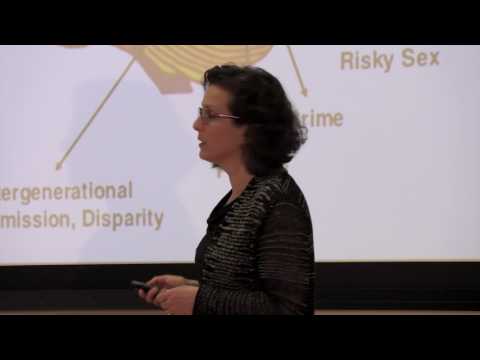
so tonight we’re going to talk about adversity and health and well-being
adversity and health and well-being
adversity and health and well-being across the lifespan about the biology of
across the lifespan about the biology of
across the lifespan about the biology of personal social and historical
personal social and historical
personal social and historical experience as well as building
experience as well as building
experience as well as building resilience healing and hope I’d like to
resilience healing and hope I’d like to
resilience healing and hope I’d like to ask you to hold a question in your mind
ask you to hold a question in your mind
ask you to hold a question in your mind as we begin I want to ask you what the
as we begin I want to ask you what the
as we begin I want to ask you what the following real people have in common a
following real people have in common a
following real people have in common a cancer patient a child with school
cancer patient a child with school
cancer patient a child with school problems a heroin addict a politician
problems a heroin addict a politician
problems a heroin addict a politician who can’t stop lying a pro football
who can’t stop lying a pro football
who can’t stop lying a pro football player who beats his child and a Native
player who beats his child and a Native
player who beats his child and a Native American stay tuned
American stay tuned
American stay tuned else was coming about 20 years ago the
else was coming about 20 years ago the
else was coming about 20 years ago the adverse childhood experiences or a study
adverse childhood experiences or a study
adverse childhood experiences or a study was published in the American Journal of
was published in the American Journal of
was published in the American Journal of Preventive Medicine this study was the
Preventive Medicine this study was the
Preventive Medicine this study was the largest and many would argue most
largest and many would argue most
largest and many would argue most important public health study of its
important public health study of its
important public health study of its kind it was co-authored by dr. Vincent
kind it was co-authored by dr. Vincent
kind it was co-authored by dr. Vincent felitti
felitti
felitti of Kaiser Permanente and dr. Robert anda
of Kaiser Permanente and dr. Robert anda
of Kaiser Permanente and dr. Robert anda an epidemiologist from the Center for
an epidemiologist from the Center for
an epidemiologist from the Center for Disease Control this study looked at the
Disease Control this study looked at the
Disease Control this study looked at the relationship between childhood health
relationship between childhood health
relationship between childhood health and adult illness dr. fouladian anda
and adult illness dr. fouladian anda
and adult illness dr. fouladian anda surveyed more than 17,000 patients most
surveyed more than 17,000 patients most
surveyed more than 17,000 patients most of whom were white or Hispanic middle
of whom were white or Hispanic middle
of whom were white or Hispanic middle class middle-aged with some college
class middle-aged with some college
class middle-aged with some college education all had health insurance the
education all had health insurance the
education all had health insurance the doctors and their research team
doctors and their research team
doctors and their research team developed a questionnaire looking at ten
developed a questionnaire looking at ten
developed a questionnaire looking at ten categories of experience of abuse
categories of experience of abuse
categories of experience of abuse neglect and household distress as well
neglect and household distress as well
neglect and household distress as well as physical emotional and social health
as physical emotional and social health
as physical emotional and social health and well-being in adulthood for each
and well-being in adulthood for each
and well-being in adulthood for each adverse experience that the participants
adverse experience that the participants
adverse experience that the participants had they received a point of one and the
had they received a point of one and the
had they received a point of one and the sum of all their experiences was there a
sum of all their experiences was there a
sum of all their experiences was there a score what the research team found was
score what the research team found was
score what the research team found was stunning what they learned was that aces
stunning what they learned was that aces
stunning what they learned was that aces are common 64% of participants had had
are common 64% of participants had had
are common 64% of participants had had at least one adverse experience 27%
at least one adverse experience 27%
at least one adverse experience 27% three or more and 5% heads six or more
three or more and 5% heads six or more
three or more and 5% heads six or more they learned that aces are interrelated
they learned that aces are interrelated
they learned that aces are interrelated so every participant who had one ace was
so every participant who had one ace was
so every participant who had one ace was 87% likely to have another and they
87% likely to have another and they
87% likely to have another and they learned that accumulation of aces
learned that accumulation of aces
learned that accumulation of aces matters that there’s a graded
matters that there’s a graded
matters that there’s a graded relationship between experiences of
relationship between experiences of
relationship between experiences of adversity and our risk for disease
adversity and our risk for disease
adversity and our risk for disease disability social and work problems and
disability social and work problems and
disability social and work problems and even death chillingly those participants
even death chillingly those participants
even death chillingly those participants who had experienced six or more aces had
who had experienced six or more aces had
who had experienced six or more aces had a life expectancy twenty years shorter
a life expectancy twenty years shorter
a life expectancy twenty years shorter than those participants who had an ace
than those participants who had an ace
than those participants who had an ace score of zero looking at these
score of zero looking at these
score of zero looking at these statistics we know that every day
statistics we know that every day
statistics we know that every day everywhere doctors will see at least one
everywhere doctors will see at least one
everywhere doctors will see at least one patient who’s had experiences of
patient who’s had experiences of
patient who’s had experiences of childhood diversity about five years
childhood diversity about five years
childhood diversity about five years later dr. Foley DeAnda and colleagues
later dr. Foley DeAnda and colleagues
later dr. Foley DeAnda and colleagues revisited the ACE study to answer the
revisited the ACE study to answer the
revisited the ACE study to answer the question are aces merely associated with
question are aces merely associated with
question are aces merely associated with poor outcomes or do they cause them they
poor outcomes or do they cause them they
poor outcomes or do they cause them they use nine public health principals to
use nine public health principals to
use nine public health principals to evaluate the ACE study and what they
evaluate the ACE study and what they
evaluate the ACE study and what they found is that they study met all nine
found is that they study met all nine
found is that they study met all nine principles for inferring cause so we can
principles for inferring cause so we can
principles for inferring cause so we can say with confidence that aces in fact
say with confidence that aces in fact
say with confidence that aces in fact are the root cause of our most pressing
are the root cause of our most pressing
are the root cause of our most pressing health and social problems from cancer
health and social problems from cancer
health and social problems from cancer to HIV to IV drug use to domestic
to HIV to IV drug use to domestic
to HIV to IV drug use to domestic violence and even death we also know now
violence and even death we also know now
violence and even death we also know now that we can quantify the contribution of
that we can quantify the contribution of
that we can quantify the contribution of aces to many of our pressing health and
aces to many of our pressing health and
aces to many of our pressing health and social problems so aces are the most
social problems so aces are the most
social problems so aces are the most powerful known determinants of health so
powerful known determinants of health so
powerful known determinants of health so you might say this is really interesting
you might say this is really interesting
you might say this is really interesting but what does a study of a bunch of
but what does a study of a bunch of
but what does a study of a bunch of white people in California have to do
white people in California have to do
white people in California have to do with us they study in fact was
with us they study in fact was
with us they study in fact was replicated in diverse populations with
replicated in diverse populations with
replicated in diverse populations with similar results in 32 states in 31
similar results in 32 states in 31
similar results in 32 states in 31 countries around
countries around
countries around world here in Illinois some public
world here in Illinois some public
world here in Illinois some public health surveys reveal that 32 percent of
health surveys reveal that 32 percent of
health surveys reveal that 32 percent of children 17 years or younger and 60% of
children 17 years or younger and 60% of
children 17 years or younger and 60% of adults have experienced at least one
adults have experienced at least one
adults have experienced at least one experience of childhood adversity there
experience of childhood adversity there
experience of childhood adversity there was a longitudinal study here in Chicago
was a longitudinal study here in Chicago
was a longitudinal study here in Chicago that looked at lower income and minority
that looked at lower income and minority
that looked at lower income and minority youth over the course of about 20 years
youth over the course of about 20 years
youth over the course of about 20 years and this population too had about a 64%
and this population too had about a 64%
and this population too had about a 64% prevalence of at least one experience of
prevalence of at least one experience of
prevalence of at least one experience of aces and those participants who had
aces and those participants who had
aces and those participants who had experienced four or more aces were much
experienced four or more aces were much
experienced four or more aces were much less likely to graduate from high school
less likely to graduate from high school
less likely to graduate from high school had higher risk of depression and more
had higher risk of depression and more
had higher risk of depression and more likelihood of addiction they were more
likelihood of addiction they were more
likelihood of addiction they were more likely to have a juvenile arrest or
likely to have a juvenile arrest or
likely to have a juvenile arrest or felony charge and they were less likely
felony charge and they were less likely
felony charge and they were less likely to hold skilled jobs or have advanced
to hold skilled jobs or have advanced
to hold skilled jobs or have advanced degrees so we know that aces can change
degrees so we know that aces can change
degrees so we know that aces can change our bodies but what is the pathway and
our bodies but what is the pathway and
our bodies but what is the pathway and with that information how will that
with that information how will that
with that information how will that change our approach to solving problems
change our approach to solving problems
change our approach to solving problems in creating health I’m a little daunted
in creating health I’m a little daunted
in creating health I’m a little daunted because we have a neuroscientist in the
because we have a neuroscientist in the
because we have a neuroscientist in the audience so bear with me around the same
audience so bear with me around the same
audience so bear with me around the same time that the ACE study was collecting
time that the ACE study was collecting
time that the ACE study was collecting its data there was an explosion of
its data there was an explosion of
its data there was an explosion of sophisticated neuroscience research so
sophisticated neuroscience research so
sophisticated neuroscience research so we’re going to have a little crash
we’re going to have a little crash
we’re going to have a little crash course here about neuro development and
course here about neuro development and
course here about neuro development and attachment so that we can better
attachment so that we can better
attachment so that we can better understand the relationship between
understand the relationship between
understand the relationship between experience and health and I’m going to
experience and health and I’m going to
experience and health and I’m going to pull out my handy model of the brain and
pull out my handy model of the brain and
pull out my handy model of the brain and for the sake of argument we’re going to
for the sake of argument we’re going to
for the sake of argument we’re going to imagine that the brain is composed of
imagine that the brain is composed of
imagine that the brain is composed of three parts the brain stem or the
three parts the brain stem or the
three parts the brain stem or the survival brain the midbrain or the
survival brain the midbrain or the
survival brain the midbrain or the emotional brain in the cortex or the
emotional brain in the cortex or the
emotional brain in the cortex or the thinking brain our brain is responsive
thinking brain our brain is responsive
thinking brain our brain is responsive to experience it develops from the
to experience it develops from the
to experience it develops from the bottom up from the survival brain to the
bottom up from the survival brain to the
bottom up from the survival brain to the thinking brain starting prenatally and
thinking brain starting prenatally and
thinking brain starting prenatally and going till about age 24 there are
going till about age 24 there are
going till about age 24 there are critical and sensitive
critical and sensitive
critical and sensitive periods of development so for example if
periods of development so for example if
periods of development so for example if we’re stuck in a room with no light
we’re stuck in a room with no light
we’re stuck in a room with no light during the critical period of
during the critical period of
during the critical period of development of vision we’ll be blind
development of vision we’ll be blind
development of vision we’ll be blind attachment is a special emotional
attachment is a special emotional
attachment is a special emotional relationship which involves the exchange
relationship which involves the exchange
relationship which involves the exchange of care comfort and pleasure our
of care comfort and pleasure our
of care comfort and pleasure our attachment styles are established in our
attachment styles are established in our
attachment styles are established in our early infant caregiver relationships
early infant caregiver relationships
early infant caregiver relationships attunement is our ability to understand
attunement is our ability to understand
attunement is our ability to understand and perceive the needs and wants of
and perceive the needs and wants of
and perceive the needs and wants of others childhood adversity and trauma
others childhood adversity and trauma
others childhood adversity and trauma can cause toxic stress disrupt
can cause toxic stress disrupt
can cause toxic stress disrupt attachment and derail the optimal
attachment and derail the optimal
attachment and derail the optimal development of the brain it’s signaling
development of the brain it’s signaling
development of the brain it’s signaling to the autonomic nervous system and
to the autonomic nervous system and
to the autonomic nervous system and other body systems and our overall
other body systems and our overall
other body systems and our overall physiology attachment and attunement
physiology attachment and attunement
physiology attachment and attunement help to protect us from the consequences
help to protect us from the consequences
help to protect us from the consequences of adversity and from distress stress
of adversity and from distress stress
of adversity and from distress stress and trauma so you’re probably wondering
and trauma so you’re probably wondering
and trauma so you’re probably wondering what do genes have to do with all this
what do genes have to do with all this
what do genes have to do with all this stuff
stuff
stuff our country has spent lots and lots of
our country has spent lots and lots of
our country has spent lots and lots of money looking at genetics well it turns
money looking at genetics well it turns
money looking at genetics well it turns out that genes are in a dynamic
out that genes are in a dynamic
out that genes are in a dynamic relationship with the environment as
relationship with the environment as
relationship with the environment as well and genes have markers called
epigenome Dean’s on or off making us
epigenome Dean’s on or off making us healthier or sicker and these genetic
healthier or sicker and these genetic
healthier or sicker and these genetic modifications can be passed from
modifications can be passed from
modifications can be passed from generation to generation to prepare us
generation to generation to prepare us
generation to generation to prepare us for the environment that will face
for the environment that will face
for the environment that will face recent research has revealed that
recent research has revealed that
recent research has revealed that children of Holocaust survivors have in
children of Holocaust survivors have in
children of Holocaust survivors have in fact inherited genetic modifications
fact inherited genetic modifications
fact inherited genetic modifications that can be traced back to their parents
that can be traced back to their parents
that can be traced back to their parents response to stress so we know that
response to stress so we know that
response to stress so we know that adverse childhood experiences change the
adverse childhood experiences change the
adverse childhood experiences change the body but what about poverty in
body but what about poverty in
body but what about poverty in discrimination and violence in 2014 dr.
discrimination and violence in 2014 dr.
discrimination and violence in 2014 dr. Roy Wade and colleagues in Philadelphia
Roy Wade and colleagues in Philadelphia
Roy Wade and colleagues in Philadelphia developed an expanded ace questionnaire
developed an expanded ace questionnaire
developed an expanded ace questionnaire that included many indicators of adverse
that included many indicators of adverse
that included many indicators of adverse community environments like violence and
community environments like violence and
community environments like violence and community disruption economic hard
community disruption economic hard
community disruption economic hard ship and problems and conflict with
ship and problems and conflict with
ship and problems and conflict with systems like schools child welfare in
systems like schools child welfare in
systems like schools child welfare in the juvenile justice system and guess
the juvenile justice system and guess
the juvenile justice system and guess what those things are really important
what those things are really important
what those things are really important too in fact those adverse community
too in fact those adverse community
too in fact those adverse community environments cause the same kind of
environments cause the same kind of
environments cause the same kind of changes in our brain and our physiology
changes in our brain and our physiology
changes in our brain and our physiology and behavior as adverse childhood
and behavior as adverse childhood
and behavior as adverse childhood experiences you won’t see it here but
experiences you won’t see it here but
experiences you won’t see it here but there are things lurking in the soil as
there are things lurking in the soil as
there are things lurking in the soil as well and those things are experiences of
well and those things are experiences of
well and those things are experiences of historical trauma like slavery cultural
historical trauma like slavery cultural
historical trauma like slavery cultural genocide and Holocaust and they have an
genocide and Holocaust and they have an
genocide and Holocaust and they have an impact on our brains and physiology
impact on our brains and physiology
impact on our brains and physiology across the generations as well so in
across the generations as well so in
across the generations as well so in summary our genes epi genes and
summary our genes epi genes and
summary our genes epi genes and experiences their timing severity and
experiences their timing severity and
experiences their timing severity and chronicity all shaped the growth and
chronicity all shaped the growth and
chronicity all shaped the growth and development of our brain and can lead to
development of our brain and can lead to
development of our brain and can lead to adaptations that are hardwired into our
adaptations that are hardwired into our
adaptations that are hardwired into our biology that caused chronic disease
biology that caused chronic disease
biology that caused chronic disease mental health problems work and social
mental health problems work and social
mental health problems work and social issues
issues
issues addictions crime poverty even disparity
addictions crime poverty even disparity
addictions crime poverty even disparity and these things can be passed from one
and these things can be passed from one
and these things can be passed from one generation to the next so we know that
generation to the next so we know that
generation to the next so we know that there’s great cost in human suffering
there’s great cost in human suffering
there’s great cost in human suffering but what does this cost us in dollars
but what does this cost us in dollars
but what does this cost us in dollars and cents in 2014 it was estimated that
and cents in 2014 it was estimated that
and cents in 2014 it was estimated that each first-time episode of childhood
each first-time episode of childhood
each first-time episode of childhood maltreatment would cost about 1.8
maltreatment would cost about 1.8
maltreatment would cost about 1.8 million dollars over the course of that
million dollars over the course of that
million dollars over the course of that victims lifetime and about 6 trillion
victims lifetime and about 6 trillion
victims lifetime and about 6 trillion dollars in total for all those victims
dollars in total for all those victims
dollars in total for all those victims imagine how much good we could do with
imagine how much good we could do with
imagine how much good we could do with that money so let’s take a deep breath
that money so let’s take a deep breath
that money so let’s take a deep breath because that’s heavy stuff and we’re
because that’s heavy stuff and we’re
because that’s heavy stuff and we’re going to talk about some good news
going to talk about some good news
going to talk about some good news we humans have some really cool things
we humans have some really cool things
we humans have some really cool things going for us our brains are plastic they
going for us our brains are plastic they
going for us our brains are plastic they actually respond to our experiences in
actually respond to our experiences in
actually respond to our experiences in our environment both in terms of
our environment both in terms of
our environment both in terms of function and structure of course are
function and structure of course are
function and structure of course are over the course of our whole lives we
over the course of our whole lives we
over the course of our whole lives we also have the capacity for resilience
also have the capacity for resilience
also have the capacity for resilience which is the ability to bounce back and
which is the ability to bounce back and
which is the ability to bounce back and it turns out that secure attachments and
it turns out that secure attachments and
it turns out that secure attachments and social support help us build revolt
social support help us build revolt
social support help us build revolt millions we need to use these ideas and
millions we need to use these ideas and
millions we need to use these ideas and embed them in strategies throughout our
embed them in strategies throughout our
embed them in strategies throughout our human ecology from the individual level
human ecology from the individual level
human ecology from the individual level all the way through the structural
all the way through the structural
all the way through the structural levels across time we can do things like
levels across time we can do things like
levels across time we can do things like raise awareness build individual
raise awareness build individual
raise awareness build individual knowledge and skills train our service
knowledge and skills train our service
knowledge and skills train our service providers change organizational practice
providers change organizational practice
providers change organizational practice and even influence policy legislation
and even influence policy legislation
and even influence policy legislation and high-impact conversations where do
and high-impact conversations where do
and high-impact conversations where do we start well we start at the beginning
we start well we start at the beginning
we start well we start at the beginning we give our parents and families the
we give our parents and families the
we give our parents and families the tools and resources that they need to be
tools and resources that they need to be
tools and resources that they need to be their best selves so that they can
their best selves so that they can
their best selves so that they can foster secure and attached relationships
foster secure and attached relationships
foster secure and attached relationships with their children to build healthy
with their children to build healthy
with their children to build healthy bodies and brains it’s really that
bodies and brains it’s really that
bodies and brains it’s really that simple we have to ensure the basics for
simple we have to ensure the basics for
simple we have to ensure the basics for everybody we need to make a commitment
everybody we need to make a commitment
everybody we need to make a commitment to social welfare so that all of us have
to social welfare so that all of us have
to social welfare so that all of us have a physiologic needs met our needs for
a physiologic needs met our needs for
a physiologic needs met our needs for safety and security and for love and
safety and security and for love and
safety and security and for love and belonging so that we can find our true
belonging so that we can find our true
belonging so that we can find our true purpose and fulfill our potential
interestingly with all this scientific
interestingly with all this scientific evidence not much of it has made its way
evidence not much of it has made its way
evidence not much of it has made its way into curricula of medical schools
into curricula of medical schools
into curricula of medical schools colleges of education nursing Social
colleges of education nursing Social
colleges of education nursing Social Work law or business many of these
Work law or business many of these
Work law or business many of these schools are stuck in a paradigm that
schools are stuck in a paradigm that
schools are stuck in a paradigm that focuses on high-stakes testing zero
focuses on high-stakes testing zero
focuses on high-stakes testing zero tolerance and a pill for every ye’ll but
tolerance and a pill for every ye’ll but
tolerance and a pill for every ye’ll but we can develop a new paradigm based on
we can develop a new paradigm based on
we can develop a new paradigm based on science history and justice that
science history and justice that
science history and justice that includes time-honored practices of
includes time-honored practices of
includes time-honored practices of cultivating awareness through meditation
cultivating awareness through meditation
cultivating awareness through meditation moving our bodies using the arts for
moving our bodies using the arts for
moving our bodies using the arts for creative self-expression and fostering
creative self-expression and fostering
creative self-expression and fostering healing relationships where we don’t ask
healing relationships where we don’t ask
healing relationships where we don’t ask what’s wrong with you what we ask what
what’s wrong with you what we ask what
what’s wrong with you what we ask what happened to you where we listen with
happened to you where we listen with
happened to you where we listen with acceptance and where we respond with
acceptance and where we respond with
acceptance and where we respond with compassion we can use trauma specific
compassion we can use trauma specific
compassion we can use trauma specific treatments like neurofeedback
treatments like neurofeedback
treatments like neurofeedback EMDR in eco therapy which by the way is
EMDR in eco therapy which by the way is
EMDR in eco therapy which by the way is going outside all of these activities
going outside all of these activities
going outside all of these activities and treatments help to settle down our
and treatments help to settle down our
and treatments help to settle down our autonomic nervous systems heal our
autonomic nervous systems heal our
autonomic nervous systems heal our brains and foster flourishing I’d like
brains and foster flourishing I’d like
brains and foster flourishing I’d like to give you a few specific examples
to give you a few specific examples
to give you a few specific examples there are many many many around the
there are many many many around the
there are many many many around the country and around the world here at UIC
country and around the world here at UIC
country and around the world here at UIC there’s been a pop up pantry to serve
there’s been a pop up pantry to serve
there’s been a pop up pantry to serve students with food insecurity so that
students with food insecurity so that
students with food insecurity so that they can be well fed and ready to learn
they can be well fed and ready to learn
they can be well fed and ready to learn on the West Campus at UIC in the
on the West Campus at UIC in the
on the West Campus at UIC in the emergency room there’s a better health
emergency room there’s a better health
emergency room there’s a better health through housing program which has housed
through housing program which has housed
through housing program which has housed 25 chronically homeless patients the
25 chronically homeless patients the
25 chronically homeless patients the patients are thrilled and the hospital
patients are thrilled and the hospital
patients are thrilled and the hospital is saving $2,000 per patient per month
is saving $2,000 per patient per month
is saving $2,000 per patient per month in Walla Walla Washington an alternative
in Walla Walla Washington an alternative
in Walla Walla Washington an alternative school has adapted trauma sensitive
school has adapted trauma sensitive
school has adapted trauma sensitive practices provided many opportunities
practices provided many opportunities
practices provided many opportunities for creative expression and focused on
for creative expression and focused on
for creative expression and focused on healing relationships they have
healing relationships they have
healing relationships they have decreased their suspension rate by 85
decreased their suspension rate by 85
decreased their suspension rate by 85 percent they’ve improved grades and
percent they’ve improved grades and
percent they’ve improved grades and attendance and their graduation rate is
attendance and their graduation rate is
attendance and their graduation rate is up from 18% to 78% and finally in
up from 18% to 78% and finally in
up from 18% to 78% and finally in Washington State
Washington State
Washington State the legislature has made a commitment to
the legislature has made a commitment to
the legislature has made a commitment to parents who have been arrested to keep
parents who have been arrested to keep
parents who have been arrested to keep them from going to prison so that the
them from going to prison so that the
them from going to prison so that the state won’t be adding another a stool
state won’t be adding another a stool
state won’t be adding another a stool knurl families the promising results
knurl families the promising results
knurl families the promising results from this program are that only 6% of
from this program are that only 6% of
from this program are that only 6% of ex-offenders have returned to prison and
ex-offenders have returned to prison and
ex-offenders have returned to prison and only 8% have committed another felony so
only 8% have committed another felony so
only 8% have committed another felony so if aces could be eliminated we could
if aces could be eliminated we could
if aces could be eliminated we could increase our work productivity by about
increase our work productivity by about
increase our work productivity by about 61 percent decrease suicide and life
61 percent decrease suicide and life
61 percent decrease suicide and life satisfaction by about 67 percent and
satisfaction by about 67 percent and
satisfaction by about 67 percent and decrease anxiety by about 56 percent and
decrease anxiety by about 56 percent and
decrease anxiety by about 56 percent and frankly that’s just the beginning
frankly that’s just the beginning
frankly that’s just the beginning so in summary our experiences current
so in summary our experiences current
so in summary our experiences current and historical individual and collective
and historical individual and collective
and historical individual and collective shape who we are because they affect our
shape who we are because they affect our
shape who we are because they affect our biology and they chart the course of our
biology and they chart the course of our
biology and they chart the course of our growth and development humane social
growth and development humane social
growth and development humane social conditions and and secure attached
conditions and and secure attached
conditions and and secure attached relationships help build resilience and
relationships help build resilience and
relationships help build resilience and allow us to weather life’s storms we
allow us to weather life’s storms we
allow us to weather life’s storms we have the knowledge and the power to
have the knowledge and the power to
have the knowledge and the power to prevent mitigate and treat the cause of
prevent mitigate and treat the cause of
prevent mitigate and treat the cause of our deepest suffering and we have the
our deepest suffering and we have the
our deepest suffering and we have the ability to allow all of us to find our
ability to allow all of us to find our
ability to allow all of us to find our true purpose and fulfill our potential
true purpose and fulfill our potential
true purpose and fulfill our potential our lives and the lives of the next
our lives and the lives of the next
our lives and the lives of the next seven generations depend on our putting
seven generations depend on our putting
seven generations depend on our putting this knowledge and skills into practice
this knowledge and skills into practice
this knowledge and skills into practice transformations possible transformations
transformations possible transformations
transformations possible transformations imperative I’d like to join ask you to
imperative I’d like to join ask you to
imperative I’d like to join ask you to join me in acting now let’s just do this
join me in acting now let’s just do this
join me in acting now let’s just do this thank you
”
Be First to Comment