
a paradox is a statement that contradicts itself but I want to offer
contradicts itself but I want to offer
contradicts itself but I want to offer you an alternative that a paradox is an
you an alternative that a paradox is an
you an alternative that a paradox is an apparent contradiction that we can
apparent contradiction that we can
apparent contradiction that we can explain by looking upward and outward
explain by looking upward and outward
explain by looking upward and outward and down and in there have been many
and down and in there have been many
and down and in there have been many paradoxes described and throughout
paradoxes described and throughout
paradoxes described and throughout history and philosophy and math some of
history and philosophy and math some of
history and philosophy and math some of them explain some not but today I’m
them explain some not but today I’m
them explain some not but today I’m going to share with you a couple of
going to share with you a couple of
going to share with you a couple of everyday paradoxes and then a set of
everyday paradoxes and then a set of
everyday paradoxes and then a set of values by which we can look at paradox
values by which we can look at paradox
values by which we can look at paradox not as either/or but as both the both
not as either/or but as both the both
not as either/or but as both the both side so I start with a story once upon a
side so I start with a story once upon a
side so I start with a story once upon a time there was a farmer the farmer had
time there was a farmer the farmer had
time there was a farmer the farmer had three sons the farmer loved his sons
three sons the farmer loved his sons
three sons the farmer loved his sons dearly and the sons adored their father
dearly and the sons adored their father
dearly and the sons adored their father one day the father told his sons that he
one day the father told his sons that he
one day the father told his sons that he was going to leave to them his seventeen
was going to leave to them his seventeen
was going to leave to them his seventeen cows in his will he also said to a
cows in his will he also said to a
cows in his will he also said to a neighbor who respected and admired the
neighbor who respected and admired the
neighbor who respected and admired the father and adored the sons would you
father and adored the sons would you
father and adored the sons would you please look after my sons when I die the
please look after my sons when I die the
please look after my sons when I die the neighbor graciously agreed because he
neighbor graciously agreed because he
neighbor graciously agreed because he respected the father well unfortunately
respected the father well unfortunately
respected the father well unfortunately one day the farmer did die and so the
one day the farmer did die and so the
one day the farmer did die and so the sons took their seventeen cows that were
sons took their seventeen cows that were
sons took their seventeen cows that were in the herd and divided them up by the
in the herd and divided them up by the
in the herd and divided them up by the father’s will the oldest son was to get
father’s will the oldest son was to get
father’s will the oldest son was to get half the middle son one-third and the
half the middle son one-third and the
half the middle son one-third and the youngest one night but the math didn’t
youngest one night but the math didn’t
youngest one night but the math didn’t work they couldn’t figure out what to do
work they couldn’t figure out what to do
work they couldn’t figure out what to do at that time the neighbor walks by he
at that time the neighbor walks by he
at that time the neighbor walks by he asked the sons what’s wrong they
asked the sons what’s wrong they
asked the sons what’s wrong they explained their situation of the will
explained their situation of the will
explained their situation of the will and the neighbor says to them I’ll be
and the neighbor says to them I’ll be
and the neighbor says to them I’ll be back he goes home brings back a scrawny
back he goes home brings back a scrawny
back he goes home brings back a scrawny old cow adds it to the seventeen to make
old cow adds it to the seventeen to make
old cow adds it to the seventeen to make eighteen and asked the sons does it
eighteen and asked the sons does it
eighteen and asked the sons does it solve your problem now so now the sons
solve your problem now so now the sons
solve your problem now so now the sons do the division and it comes out just
do the division and it comes out just
do the division and it comes out just fine
fine
fine nine six two the sons are in jubilance
nine six two the sons are in jubilance
nine six two the sons are in jubilance so the neighbor takes a scrawny cow and
so the neighbor takes a scrawny cow and
so the neighbor takes a scrawny cow and goes home so what do we learn from this
goes home so what do we learn from this
goes home so what do we learn from this we learned that complex systems can be
we learned that complex systems can be
we learned that complex systems can be simpler than they first appear
simpler than they first appear
simpler than they first appear significant things can be obscure and
significant things can be obscure and
significant things can be obscure and essential so now let me share with you a
essential so now let me share with you a
essential so now let me share with you a few paradoxes the first one is the
few paradoxes the first one is the
few paradoxes the first one is the control paradox the control paradox says
control paradox the control paradox says
control paradox the control paradox says we have to have command and control in
we have to have command and control in
we have to have command and control in order to create uniformity towards a
order to create uniformity towards a
order to create uniformity towards a direction but we have to relinquish
direction but we have to relinquish
direction but we have to relinquish command and control in order to allow
command and control in order to allow
command and control in order to allow new ideas to emerge but I say why not
new ideas to emerge but I say why not
new ideas to emerge but I say why not have both through creative and
have both through creative and
have both through creative and intelligent disobedience proverb says
intelligent disobedience proverb says
intelligent disobedience proverb says raise a child and the way they should go
raise a child and the way they should go
raise a child and the way they should go and when they get older they will not
and when they get older they will not
and when they get older they will not depart from it as a child were taught
depart from it as a child were taught
depart from it as a child were taught the rule of fire fire hurts us it burns
the rule of fire fire hurts us it burns
the rule of fire fire hurts us it burns we must avoid fire get away from fire
we must avoid fire get away from fire
we must avoid fire get away from fire but if we learn the value of fire we
but if we learn the value of fire we
but if we learn the value of fire we understand that fire provides us heat
understand that fire provides us heat
understand that fire provides us heat light warmth comfort energy so if we
light warmth comfort energy so if we
light warmth comfort energy so if we value fire and that look at the rule of
value fire and that look at the rule of
value fire and that look at the rule of fire we actually run to fire and embrace
fire we actually run to fire and embrace
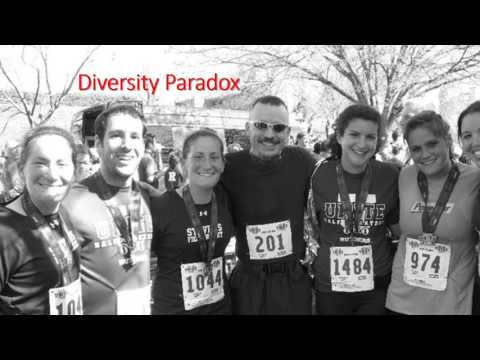
fire we actually run to fire and embrace it and not from it the diversity paradox
it and not from it the diversity paradox
it and not from it the diversity paradox the diversity paradox says with less
the diversity paradox says with less
the diversity paradox says with less diversity we can reach a solution
diversity we can reach a solution
diversity we can reach a solution quicker but increase the diversity and
quicker but increase the diversity and
quicker but increase the diversity and we allow for the emergence of new ideas
we allow for the emergence of new ideas
we allow for the emergence of new ideas but it takes us a little time
but it takes us a little time
but it takes us a little time but why not have both through wisdom of
but why not have both through wisdom of
but why not have both through wisdom of the crowds where the whole is greater
the crowds where the whole is greater
the crowds where the whole is greater than the parts
than the parts
than the parts so one semester I’m teaching a class
so one semester I’m teaching a class
so one semester I’m teaching a class that I’m going to run a half marathon at
that I’m going to run a half marathon at
that I’m going to run a half marathon at the end of the semester 13.1 miles and
the end of the semester 13.1 miles and
the end of the semester 13.1 miles and so I decided I’m gonna try this wisdom
so I decided I’m gonna try this wisdom
so I decided I’m gonna try this wisdom of the crowds thing out so I asked the
of the crowds thing out so I asked the
of the crowds thing out so I asked the students at the beginning of the
students at the beginning of the
students at the beginning of the semester to make a prediction of how I’m
semester to make a prediction of how I’m
semester to make a prediction of how I’m going to do at the end of the semester
going to do at the end of the semester
going to do at the end of the semester in my run I say write it down on a piece
in my run I say write it down on a piece
in my run I say write it down on a piece of paper and we’ll throw it into a
of paper and we’ll throw it into a
of paper and we’ll throw it into a bucket I gave them two data points data
bucket I gave them two data points data
bucket I gave them two data points data point number one the American record got
point number one the American record got
point number one the American record got to keep things in perspective data point
to keep things in perspective data point
to keep things in perspective data point number two what is the average time any
number two what is the average time any
number two what is the average time any American has ever run in a half marathon
American has ever run in a half marathon
American has ever run in a half marathon so that gave him about a 1 hour window
so that gave him about a 1 hour window
so that gave him about a 1 hour window what I didn’t tell them is I was
what I didn’t tell them is I was
what I didn’t tell them is I was training 5 days a week
training 5 days a week
training 5 days a week what I didn’t tell them is at that time
what I didn’t tell them is at that time
what I didn’t tell them is at that time the longest I had run was a 5k 3.1 miles
the longest I had run was a 5k 3.1 miles
the longest I had run was a 5k 3.1 miles what I didn’t tell them is I ran track
what I didn’t tell them is I ran track
what I didn’t tell them is I ran track in college all they knew is what they
in college all they knew is what they
in college all they knew is what they saw so I took their predictions put him
saw so I took their predictions put him
saw so I took their predictions put him in the bucket trained ran my half
in the bucket trained ran my half
in the bucket trained ran my half marathon at the end of the semester I
marathon at the end of the semester I
marathon at the end of the semester I pulled them all out and I averaged the
pulled them all out and I averaged the
pulled them all out and I averaged the time their prediction 1 hour 35 minutes
time their prediction 1 hour 35 minutes
time their prediction 1 hour 35 minutes and 29 seconds my time 1 hour 35 minutes
and 29 seconds my time 1 hour 35 minutes
and 29 seconds my time 1 hour 35 minutes and 29 seconds why wisdom of the crowds
and 29 seconds why wisdom of the crowds
and 29 seconds why wisdom of the crowds no one in that room had much running
no one in that room had much running
no one in that room had much running experience they all looked at the
experience they all looked at the
experience they all looked at the problem differently and with open eyes
problem differently and with open eyes
problem differently and with open eyes the next paradox the customer paradox
the next paradox the customer paradox
the next paradox the customer paradox the customer paradox says we have to
the customer paradox says we have to
the customer paradox says we have to listen to our customer in order to
listen to our customer in order to
listen to our customer in order to design a product that they will buy but
design a product that they will buy but
design a product that they will buy but we shouldn’t listen to our customer
we shouldn’t listen to our customer
we shouldn’t listen to our customer because by not listening to him we can
because by not listening to him we can
because by not listening to him we can open up innovation and mergence and
open up innovation and mergence and
open up innovation and mergence and great ideas but no why not have both
great ideas but no why not have both
great ideas but no why not have both through co-creation and coopertition
through co-creation and coopertition
through co-creation and coopertition there was a gentleman by the name of
there was a gentleman by the name of
there was a gentleman by the name of Eric von Hippel at MIT and he talks
Eric von Hippel at MIT and he talks
Eric von Hippel at MIT and he talks about the rise of the innovator in the
about the rise of the innovator in the
about the rise of the innovator in the rise of the innovator he tells a story
rise of the innovator he tells a story
rise of the innovator he tells a story of disk brakes on mountain bikes during
of disk brakes on mountain bikes during
of disk brakes on mountain bikes during the summon summer months a mountain bike
the summon summer months a mountain bike
the summon summer months a mountain bike riders would get on ski slopes and they
riders would get on ski slopes and they
riders would get on ski slopes and they would ride their bikes down the ski
would ride their bikes down the ski
would ride their bikes down the ski slopes and if you know anything about
slopes and if you know anything about
slopes and if you know anything about physics and a little engineer and you
physics and a little engineer and you
physics and a little engineer and you would know that aluminum rims on a bike
would know that aluminum rims on a bike
would know that aluminum rims on a bike when they get hot that aluminum gets
when they get hot that aluminum gets
when they get hot that aluminum gets soft and when rubber calipers push on
soft and when rubber calipers push on
soft and when rubber calipers push on soft aluminum the brakes don’t work very
soft aluminum the brakes don’t work very
soft aluminum the brakes don’t work very well so the mountain bikers go home they
well so the mountain bikers go home they
well so the mountain bikers go home they take the disc brakes off their
take the disc brakes off their
take the disc brakes off their motorcycles put them on their mountain
motorcycles put them on their mountain
motorcycles put them on their mountain bikes go back to the slopes and have a
bikes go back to the slopes and have a
bikes go back to the slopes and have a superior braking system Cannondale Trek
superior braking system Cannondale Trek
superior braking system Cannondale Trek they recognize this
they recognize this
they recognize this they take the idea put it on their
they take the idea put it on their
they take the idea put it on their mountain bikes and sell it to you for a
mountain bikes and sell it to you for a
mountain bikes and sell it to you for a premium right co-creation so now I’m
premium right co-creation so now I’m
premium right co-creation so now I’m going to share a story with you about
going to share a story with you about
going to share a story with you about the control paradox the fastest growing
the control paradox the fastest growing
the control paradox the fastest growing infectious disease in the United States
infectious disease in the United States
infectious disease in the United States and about 30,000 cases per year is Lyme
and about 30,000 cases per year is Lyme
and about 30,000 cases per year is Lyme disease Lyme disease was discovered in
disease Lyme disease was discovered in
disease Lyme disease was discovered in 1977 in Lyme Connecticut what do we know
1977 in Lyme Connecticut what do we know
1977 in Lyme Connecticut what do we know about Lyme disease well we get it from
about Lyme disease well we get it from
about Lyme disease well we get it from ticks that ticks bite us and we get Lyme
ticks that ticks bite us and we get Lyme
ticks that ticks bite us and we get Lyme disease where two ticks get it ticks eat
disease where two ticks get it ticks eat
disease where two ticks get it ticks eat it rodents suck on rodents rodents eat
it rodents suck on rodents rodents eat
it rodents suck on rodents rodents eat acorns acorns come from trees so what do
acorns acorns come from trees so what do
acorns acorns come from trees so what do we know about all this what we know is
we know about all this what we know is
we know about all this what we know is that we can actually predict the number
that we can actually predict the number
that we can actually predict the number of cases of Lyme disease by a corn
of cases of Lyme disease by a corn
of cases of Lyme disease by a corn production we also know that oak trees
production we also know that oak trees
production we also know that oak trees produce acorns in a cyclical pattern
produce acorns in a cyclical pattern
produce acorns in a cyclical pattern that every two to three years they
that every two to three years they
that every two to three years they produce more so once we know how the
produce more so once we know how the
produce more so once we know how the acorn production is producing in a given
acorn production is producing in a given
acorn production is producing in a given grove of trees we can actually predict
grove of trees we can actually predict
grove of trees we can actually predict the number of cases of Lyme disease and
the number of cases of Lyme disease and
the number of cases of Lyme disease and tell you how many beds you might need in
tell you how many beds you might need in
tell you how many beds you might need in a hospital so how do we solve this
a hospital so how do we solve this
a hospital so how do we solve this problem let’s kill the ticks insecticide
problem let’s kill the ticks insecticide
problem let’s kill the ticks insecticide let’s cut down trees let’s hunt
let’s cut down trees let’s hunt
let’s cut down trees let’s hunt squirrels and kill them but all those
squirrels and kill them but all those
squirrels and kill them but all those are single point solutions they don’t
are single point solutions they don’t
are single point solutions they don’t really solve the system’s problem so
really solve the system’s problem so
really solve the system’s problem so here’s my solution acorn pancakes there
here’s my solution acorn pancakes there
here’s my solution acorn pancakes there was more acorns in evening ancient
was more acorns in evening ancient
was more acorns in evening ancient Greece than there was rice and wheat and
Greece than there was rice and wheat and
Greece than there was rice and wheat and if you google grandpas acorn recipes
if you google grandpas acorn recipes
if you google grandpas acorn recipes you’ll find plenty
you’ll find plenty
you’ll find plenty of a corn recipes
of a corn recipes
of a corn recipes so maybe the solution isn’t to cut
so maybe the solution isn’t to cut
so maybe the solution isn’t to cut things off but to actually become part
things off but to actually become part
things off but to actually become part of the system itself
while Disney said if you have values
while Disney said if you have values there are no hard questions so I end
there are no hard questions so I end
there are no hard questions so I end today with a set of values by which you
today with a set of values by which you
today with a set of values by which you can look at paradox value number one
can look at paradox value number one
can look at paradox value number one complexity is simpler than it first
complexity is simpler than it first
complexity is simpler than it first appears and simple things can exhibit
appears and simple things can exhibit
appears and simple things can exhibit complex behavior
complex behavior
complex behavior value number two large worlds are
value number two large worlds are
value number two large worlds are smaller than we think
smaller than we think
smaller than we think value three significant things are
value three significant things are
value three significant things are essential and obscure
essential and obscure
essential and obscure you
you
you value for weak relationships bring
value for weak relationships bring
value for weak relationships bring strength and security and the last value
strength and security and the last value
strength and security and the last value things can be one and many
things can be one and many
things can be one and many simultaneously so I ask you not to look
simultaneously so I ask you not to look
simultaneously so I ask you not to look at paradox as a source of tension but as
at paradox as a source of tension but as
at paradox as a source of tension but as an opportunity for creativity wisdom and
an opportunity for creativity wisdom and
an opportunity for creativity wisdom and innovation welcome to the both side
innovation welcome to the both side
innovation welcome to the both side thank you
thank you
thank you [Applause]
”
Be First to Comment