
I am really excited to be today my name’s Steve Krause I run a
today my name’s Steve Krause I run a
today my name’s Steve Krause I run a study called the Ipsos affluent survey
study called the Ipsos affluent survey
study called the Ipsos affluent survey and for 40 years we’ve been studying the
and for 40 years we’ve been studying the
and for 40 years we’ve been studying the lives and lifestyles of affluent
lives and lifestyles of affluent
lives and lifestyles of affluent Americans and as part of that we’ve been
Americans and as part of that we’ve been
Americans and as part of that we’ve been studying the ebb and flow of wealth
studying the ebb and flow of wealth
studying the ebb and flow of wealth concentration in our society and one of
concentration in our society and one of
concentration in our society and one of the things that we found is the level of
the things that we found is the level of
the things that we found is the level of wealth concentration has huge
wealth concentration has huge
wealth concentration has huge implications not just for how people
implications not just for how people
implications not just for how people spend or how they invest the level of
spend or how they invest the level of
spend or how they invest the level of wealth concentration is shaping the
wealth concentration is shaping the
wealth concentration is shaping the structure of our society itself shapes
structure of our society itself shapes
structure of our society itself shapes who we vote for shaping our ambitions
who we vote for shaping our ambitions
who we vote for shaping our ambitions our anxieties and even how we think
our anxieties and even how we think
our anxieties and even how we think about the American Dream itself so
about the American Dream itself so
about the American Dream itself so that’s what I want to talk about today
that’s what I want to talk about today
that’s what I want to talk about today as I get started here I want to propose
as I get started here I want to propose
as I get started here I want to propose that we do something radical and that is
that we do something radical and that is
that we do something radical and that is we try to agree on some facts now in
we try to agree on some facts now in
we try to agree on some facts now in this day and age of alternative facts
this day and age of alternative facts
this day and age of alternative facts that sounds a little hard if we say oh
that sounds a little hard if we say oh
that sounds a little hard if we say oh how about we agree on some facts people
how about we agree on some facts people
how about we agree on some facts people say things like well let me go look up
say things like well let me go look up
say things like well let me go look up in the dictionary the definition of
in the dictionary the definition of
in the dictionary the definition of facts before I can agree that I might be
facts before I can agree that I might be
facts before I can agree that I might be able to agree to some fact but I’ve got
able to agree to some fact but I’ve got
able to agree to some fact but I’ve got some facts up here about the new economy
some facts up here about the new economy
some facts up here about the new economy I don’t think are too controversial so I
I don’t think are too controversial so I
I don’t think are too controversial so I would argue in the new economy
would argue in the new economy
would argue in the new economy technology is proliferating faster than
technology is proliferating faster than
technology is proliferating faster than ever and ever than ever before that
ever and ever than ever before that
ever and ever than ever before that communication has become instantaneous
communication has become instantaneous
communication has become instantaneous and global that consumer markets are
and global that consumer markets are
and global that consumer markets are globalizing that labor markets are in
globalizing that labor markets are in
globalizing that labor markets are in flux that wealth is shifting into a hand
flux that wealth is shifting into a hand
flux that wealth is shifting into a hand into the hands of a few and by and large
into the hands of a few and by and large
into the hands of a few and by and large those people are not hated they are
those people are not hated they are
those people are not hated they are rather admired the stock market is
rather admired the stock market is
rather admired the stock market is hitting new highs even though most
hitting new highs even though most
hitting new highs even though most people are invested in the stock market
people are invested in the stock market
people are invested in the stock market in this country so it’s not helping
in this country so it’s not helping
in this country so it’s not helping everybody and finally as I mentioned
everybody and finally as I mentioned
everybody and finally as I mentioned that the American Dream is changing from
that the American Dream is changing from
that the American Dream is changing from one of comfortable affluence to desires
one of comfortable affluence to desires
one of comfortable affluence to desires for uber wealth so can we agree on this
for uber wealth so can we agree on this
for uber wealth so can we agree on this as basic facts about the new economy
as basic facts about the new economy
as basic facts about the new economy well here’s the really interesting thing
well here’s the really interesting thing
well here’s the really interesting thing I wrote this description to describe the
I wrote this description to describe the
I wrote this description to describe the new economy of the 1920s and so grant to
new economy of the 1920s and so grant to
new economy of the 1920s and so grant to fuel advance the slide there for a
fuel advance the slide there for a
fuel advance the slide there for a moment if you think about the 1920s it
moment if you think about the 1920s it
moment if you think about the 1920s it was a time of tremendous technological
was a time of tremendous technological
was a time of tremendous technological change you had telephones radio motion
change you had telephones radio motion
change you had telephones radio motion pictures you had all of the changes of
pictures you had all of the changes of
pictures you had all of the changes of the Industrial Revolution
the Industrial Revolution
the Industrial Revolution had labor markets in huge flux you had
had labor markets in huge flux you had
had labor markets in huge flux you had occupation suddenly going out of
occupation suddenly going out of
occupation suddenly going out of business people having to move to
business people having to move to
business people having to move to different locations and learn new skills
different locations and learn new skills
different locations and learn new skills to thrive in a new workplace that we had
to thrive in a new workplace that we had
to thrive in a new workplace that we had tremendous income concentration the
tremendous income concentration the
tremendous income concentration the picture up there is of John Rockefeller
picture up there is of John Rockefeller
picture up there is of John Rockefeller he was by far the richest man in
he was by far the richest man in
he was by far the richest man in American history in today’s dollars his
American history in today’s dollars his
American history in today’s dollars his net worth would be about three hundred
net worth would be about three hundred
net worth would be about three hundred and forty billion dollars if you look at
and forty billion dollars if you look at
and forty billion dollars if you look at it all time in the u.s. you adjust for
it all time in the u.s. you adjust for
it all time in the u.s. you adjust for inflation
inflation
inflation Bill Gates comes in about number five on
Bill Gates comes in about number five on
Bill Gates comes in about number five on the list
the list
the list this guy was far and away number one and
this guy was far and away number one and
this guy was far and away number one and although some people certainly called
although some people certainly called
although some people certainly called him robber barons for the most part
him robber barons for the most part
him robber barons for the most part these people were looked at as you know
these people were looked at as you know
these people were looked at as you know it was a mixture of of envy and a
it was a mixture of of envy and a
it was a mixture of of envy and a certain admiration I think and as those
certain admiration I think and as those
certain admiration I think and as those images of really wealthy people became
images of really wealthy people became
images of really wealthy people became more and more part of our culture the
more and more part of our culture the
more and more part of our culture the American Dream itself started to change
American Dream itself started to change
American Dream itself started to change and we started to aspire not just a
and we started to aspire not just a
and we started to aspire not just a comfortable affluence but for the great
comfortable affluence but for the great
comfortable affluence but for the great wealth of a Jay Gatsby prescott
wealth of a Jay Gatsby prescott
wealth of a Jay Gatsby prescott Fitzgerald’s classic novel the exact
Fitzgerald’s classic novel the exact
Fitzgerald’s classic novel the exact same thing is going on today so before
same thing is going on today so before
same thing is going on today so before we get today I want to continue on with
we get today I want to continue on with
we get today I want to continue on with this historical narrative a little bit
this historical narrative a little bit
this historical narrative a little bit talk about how wealth concentration has
talk about how wealth concentration has
talk about how wealth concentration has changed as context for thinking about
changed as context for thinking about
changed as context for thinking about what wealth concentration is doing today
what wealth concentration is doing today
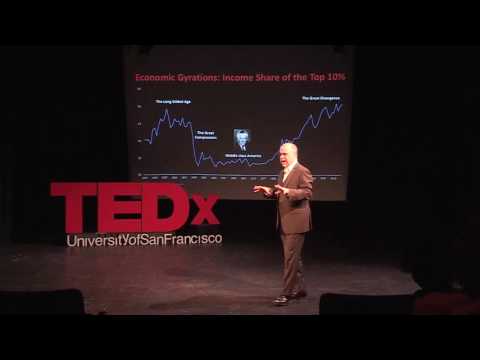
what wealth concentration is doing today so this chart shows the amount of income
so this chart shows the amount of income
so this chart shows the amount of income in share terms held by the the top 10%
in share terms held by the the top 10%
in share terms held by the the top 10% of the country so if you look back
of the country so if you look back
of the country so if you look back you’ll see that in the gilded era this
you’ll see that in the gilded era this
you’ll see that in the gilded era this peaked in 1929 when you had 10% of the
peaked in 1929 when you had 10% of the
peaked in 1929 when you had 10% of the people at the top garnering about half
people at the top garnering about half
people at the top garnering about half of all of the income in the country you
of all of the income in the country you
of all of the income in the country you see it went down a little bit with a
see it went down a little bit with a
see it went down a little bit with a stock market crash of 1929 but really it
stock market crash of 1929 but really it
stock market crash of 1929 but really it took the dragging on the depression for
took the dragging on the depression for
took the dragging on the depression for several years for people to really take
several years for people to really take
several years for people to really take action that action came in the form of
action that action came in the form of
action that action came in the form of raising taxes on the wealthy in the
raising taxes on the wealthy in the
raising taxes on the wealthy in the 1920s the top marginal tax rate was less
1920s the top marginal tax rate was less
1920s the top marginal tax rate was less than 30 percent they went up and up by
than 30 percent they went up and up by
than 30 percent they went up and up by 1945 the top marginal tax rate was 90
1945 the top marginal tax rate was 90
1945 the top marginal tax rate was 90 percent 90 percent tax bracket for the
percent 90 percent tax bracket for the
percent 90 percent tax bracket for the wealthiest people and it remained there
wealthiest people and it remained there
wealthiest people and it remained there from 1945 well
from 1945 well
from 1945 well into the 60s and that change in taxes
into the 60s and that change in taxes
into the 60s and that change in taxes brought about a period of time the
brought about a period of time the
brought about a period of time the economists called the great compression
economists called the great compression
economists called the great compression because the incomes of those at the top
because the incomes of those at the top
because the incomes of those at the top and the incomes of those at the bottom
and the incomes of those at the bottom
and the incomes of those at the bottom started via closer and closer together
started via closer and closer together
started via closer and closer together it certainly wasn’t just taxes on the
it certainly wasn’t just taxes on the
it certainly wasn’t just taxes on the wealthy there were a lot of other things
wealthy there were a lot of other things
wealthy there were a lot of other things going on as well there was a booming
going on as well there was a booming
going on as well there was a booming manufacturing jobs
manufacturing jobs
manufacturing jobs there was a boom in education thanks to
there was a boom in education thanks to
there was a boom in education thanks to the GI Bill labor unions were strong a
the GI Bill labor unions were strong a
the GI Bill labor unions were strong a lot of things were going on that caused
lot of things were going on that caused
lot of things were going on that caused that great compression and during that
that great compression and during that
that great compression and during that time there was a lot of dislike of the
time there was a lot of dislike of the
time there was a lot of dislike of the wealthy because at this point if you
wealthy because at this point if you
wealthy because at this point if you looked at the Forbes list of the richest
looked at the Forbes list of the richest
looked at the Forbes list of the richest people in the 50s and 60s they all had
people in the 50s and 60s they all had
people in the 50s and 60s they all had the same last name there were
the same last name there were
the same last name there were Rockefellers and dupont’s and Carnegie’s
Rockefellers and dupont’s and Carnegie’s
Rockefellers and dupont’s and Carnegie’s and melons and they were looked down
and melons and they were looked down
and melons and they were looked down upon just we just inherited the money
upon just we just inherited the money
upon just we just inherited the money they didn’t really earn it themselves
they didn’t really earn it themselves
they didn’t really earn it themselves and so the American Dream really started
and so the American Dream really started
and so the American Dream really started to change and that American Dream the
to change and that American Dream the
to change and that American Dream the 1950s was very much a mass affluent
1950s was very much a mass affluent
1950s was very much a mass affluent American Dream wanted a nice house in
American Dream wanted a nice house in
American Dream wanted a nice house in the suburbs a nice car a stable job 2.5
the suburbs a nice car a stable job 2.5
the suburbs a nice car a stable job 2.5 kids that’s all you needed you know I
kids that’s all you needed you know I
kids that’s all you needed you know I think my favorite exemplars of this
think my favorite exemplars of this
think my favorite exemplars of this period of time was a man named George
period of time was a man named George
period of time was a man named George Romney he had previously been governor
Romney he had previously been governor
Romney he had previously been governor of Michigan at this time he was
of Michigan at this time he was
of Michigan at this time he was president of American Motors Corporation
president of American Motors Corporation
president of American Motors Corporation he was making about two hundred and
he was making about two hundred and
he was making about two hundred and seventy five thousand dollars a year now
seventy five thousand dollars a year now
seventy five thousand dollars a year now that put him in the top point oh one
that put him in the top point oh one
that put him in the top point oh one percent of the country so it’s one of
percent of the country so it’s one of
percent of the country so it’s one of the highest incomes in the country in
the highest incomes in the country in
the highest incomes in the country in today’s terms maybe about 1.8 million
today’s terms maybe about 1.8 million
today’s terms maybe about 1.8 million dollars today a CEO of a major company
dollars today a CEO of a major company
dollars today a CEO of a major company is making 1.8 million dollars is
is making 1.8 million dollars is
is making 1.8 million dollars is embarrassed because all of his other CEO
embarrassed because all of his other CEO
embarrassed because all of his other CEO friends are going to make fun of them
friends are going to make fun of them
friends are going to make fun of them for making so little but not for George
for making so little but not for George
for making so little but not for George Romney George Romney was embarrassed cuz
Romney George Romney was embarrassed cuz
Romney George Romney was embarrassed cuz he thought that was too much he said he
he thought that was too much he said he
he thought that was too much he said he didn’t think executives should make that
didn’t think executives should make that
didn’t think executives should make that much
much
much it was almost bad taste back then to
it was almost bad taste back then to
it was almost bad taste back then to make so much money now interestingly
make so much money now interestingly
make so much money now interestingly this man George Romney had a son named
this man George Romney had a son named
this man George Romney had a son named Willard who was better known by his
Willard who was better known by his
Willard who was better known by his middle name of MIT who came of age
middle name of MIT who came of age
middle name of MIT who came of age during a different generation of wealth
during a different generation of wealth
during a different generation of wealth concentration and he did not stop at 1.8
concentration and he did not stop at 1.8
concentration and he did not stop at 1.8 million dollars he he did not think it
million dollars he he did not think it
million dollars he he did not think it was bad taste to make Gordon that well
was bad taste to make Gordon that well
was bad taste to make Gordon that well we’ll talk about that a little bit more
we’ll talk about that a little bit more
we’ll talk about that a little bit more in a little bit so this is what happened
in a little bit so this is what happened
in a little bit so this is what happened up until the 1960s
up until the 1960s
up until the 1960s the top tax rate stayed at 90 percent up
the top tax rate stayed at 90 percent up
the top tax rate stayed at 90 percent up until John F Kennedy decided he wanted
until John F Kennedy decided he wanted
until John F Kennedy decided he wanted to lower that John F Kennedy while
to lower that John F Kennedy while
to lower that John F Kennedy while trying to convince people this was a
trying to convince people this was a
trying to convince people this was a good idea he actually coined the phrase
good idea he actually coined the phrase
good idea he actually coined the phrase in this context a rising tide lifts all
in this context a rising tide lifts all
in this context a rising tide lifts all boats John F Kennedy was philosophically
boats John F Kennedy was philosophically
boats John F Kennedy was philosophically the father of trickle-down economics
the father of trickle-down economics
the father of trickle-down economics even though we don’t remember him that
even though we don’t remember him that
even though we don’t remember him that way we remember generally the father of
way we remember generally the father of
way we remember generally the father of trickle-down economics as being Ronald
trickle-down economics as being Ronald
trickle-down economics as being Ronald Reagan because it wasn’t really until
Reagan because it wasn’t really until
Reagan because it wasn’t really until the 1980s that income concentration
the 1980s that income concentration
the 1980s that income concentration started to take off and really has not
started to take off and really has not
started to take off and really has not stopped since then taxes were lowered by
stopped since then taxes were lowered by
stopped since then taxes were lowered by the start of the 1980s the top tax
the start of the 1980s the top tax
the start of the 1980s the top tax bracket was 70% by the end of the 1980s
bracket was 70% by the end of the 1980s
bracket was 70% by the end of the 1980s it had dropped to 28% capital gains
it had dropped to 28% capital gains
it had dropped to 28% capital gains taxes were lowered and there were also
taxes were lowered and there were also
taxes were lowered and there were also some other more arcane tax law changes
some other more arcane tax law changes
some other more arcane tax law changes that really made it possible for the
that really made it possible for the
that really made it possible for the venture capital industry to become the
venture capital industry to become the
venture capital industry to become the very very profitable industry that it is
very very profitable industry that it is
very very profitable industry that it is today
today
today and so wealth became more and more
and so wealth became more and more
and so wealth became more and more concentrated and what happened among
concentrated and what happened among
concentrated and what happened among other things well our vision of the
other things well our vision of the
other things well our vision of the American Dream changed so Gordon Gekko
American Dream changed so Gordon Gekko
American Dream changed so Gordon Gekko and the movie Wall Street said greed is
and the movie Wall Street said greed is
and the movie Wall Street said greed is good
good
good he also said damn this phone is head
and as you can see if you get a look at
and as you can see if you get a look at that line what percent of the income is
that line what percent of the income is
that line what percent of the income is being guarded by the top 10% it’s higher
being guarded by the top 10% it’s higher
being guarded by the top 10% it’s higher than ever it’s higher now than it was in
than ever it’s higher now than it was in
than ever it’s higher now than it was in 1929 so if we go ahead to the next slide
1929 so if we go ahead to the next slide
1929 so if we go ahead to the next slide we’ve got another way of looking at it
we’ve got another way of looking at it
we’ve got another way of looking at it here we’re going to focus in just over
here we’re going to focus in just over
here we’re going to focus in just over the last 50 years or so and what if
the last 50 years or so and what if
the last 50 years or so and what if sauce is done here is taken data from
sauce is done here is taken data from
sauce is done here is taken data from the current population survey that’s
the current population survey that’s
the current population survey that’s conducted every year by the Census
conducted every year by the Census
conducted every year by the Census Bureau we look at household income we
Bureau we look at household income we
Bureau we look at household income we track it back over 50 years
track it back over 50 years
track it back over 50 years we’ve broken it into quintiles or fifths
we’ve broken it into quintiles or fifths
we’ve broken it into quintiles or fifths we’ve adjusted for inflation and what
we’ve adjusted for inflation and what
we’ve adjusted for inflation and what you see is that pretty much all of the
you see is that pretty much all of the
you see is that pretty much all of the income growth of the past half-century
income growth of the past half-century
income growth of the past half-century has gone to the people we would
has gone to the people we would
has gone to the people we would generally call the affluent roughly the
generally call the affluent roughly the
generally call the affluent roughly the top twenty twenty five percent of the
top twenty twenty five percent of the
top twenty twenty five percent of the country and things are even more highly
country and things are even more highly
country and things are even more highly concentrated than that if you look at
concentrated than that if you look at
concentrated than that if you look at the top five percent you see their
the top five percent you see their
the top five percent you see their growth has been even stronger and that
growth has been even stronger and that
growth has been even stronger and that top five percent after you adjust for
top five percent after you adjust for
top five percent after you adjust for inflation they’ve got a hundred and
inflation they’ve got a hundred and
inflation they’ve got a hundred and eighty thousand dollars more a year than
eighty thousand dollars more a year than
eighty thousand dollars more a year than people in the top five percent in the
people in the top five percent in the
people in the top five percent in the 1960s that’s a hundred and eighty
1960s that’s a hundred and eighty
1960s that’s a hundred and eighty thousand dollars after inflation that
thousand dollars after inflation that
thousand dollars after inflation that just drops to the bottom line and is
just drops to the bottom line and is
just drops to the bottom line and is available for discretionary spending and
available for discretionary spending and
available for discretionary spending and for investing so that’s kind of where we
for investing so that’s kind of where we
for investing so that’s kind of where we are today I want to give you a few other
are today I want to give you a few other
are today I want to give you a few other statistics if we’ll go ahead to the next
statistics if we’ll go ahead to the next
statistics if we’ll go ahead to the next slide
slide
slide about the state of income concentration
about the state of income concentration
about the state of income concentration today well one good thing is that most
today well one good thing is that most
today well one good thing is that most people now believe income concentration
people now believe income concentration
people now believe income concentration is going on and for a long time that was
is going on and for a long time that was
is going on and for a long time that was not the case when I first started
not the case when I first started
not the case when I first started talking and writing about wealth
talking and writing about wealth
talking and writing about wealth concentration back about ten years ago
concentration back about ten years ago
concentration back about ten years ago often the reaction I got from audiences
often the reaction I got from audiences
often the reaction I got from audiences was one of sort of reminded me of what
was one of sort of reminded me of what
was one of sort of reminded me of what Mark Twain said about lies he said there
Mark Twain said about lies he said there
Mark Twain said about lies he said there are three kinds of lies lies damned lies
are three kinds of lies lies damned lies
are three kinds of lies lies damned lies and statistics and when I started
and statistics and when I started
and statistics and when I started talking about well you know the rich are
talking about well you know the rich are
talking about well you know the rich are getting richer people said well if
getting richer people said well if
getting richer people said well if that’s your political point of view I’m
that’s your political point of view I’m
that’s your political point of view I’m sure you could torture some data set
sure you could torture some data set
sure you could torture some data set into finding some evidence that looks
into finding some evidence that looks
into finding some evidence that looks like it’s supported well I I don’t hear
like it’s supported well I I don’t hear
like it’s supported well I I don’t hear that anymore because we look at all the
that anymore because we look at all the
that anymore because we look at all the most objective sources of information
most objective sources of information
most objective sources of information out there and it’s very clear that the
out there and it’s very clear that the
out there and it’s very clear that the rich had been getting richer it’s
rich had been getting richer it’s
rich had been getting richer it’s happened non-stop since the early 80s it
happened non-stop since the early 80s it
happened non-stop since the early 80s it paused briefly from 2008 to 2010
paused briefly from 2008 to 2010
paused briefly from 2008 to 2010 height of the recession it didn’t really
height of the recession it didn’t really
height of the recession it didn’t really dip but it paused but it’s gone up and
dip but it paused but it’s gone up and
dip but it paused but it’s gone up and up since then so people believe in
up since then so people believe in
up since then so people believe in wealth concentration but they also
wealth concentration but they also
wealth concentration but they also massively underestimated we’ve done a
massively underestimated we’ve done a
massively underestimated we’ve done a number of studies where we asked people
number of studies where we asked people
number of studies where we asked people questions like what percent of the net
questions like what percent of the net
questions like what percent of the net worth in the country do you think is
worth in the country do you think is
worth in the country do you think is held by the top X percent or the bottom
held by the top X percent or the bottom
held by the top X percent or the bottom y percent and people do a terrible job
y percent and people do a terrible job
y percent and people do a terrible job at this and they’re always getting the
at this and they’re always getting the
at this and they’re always getting the answers wrong in the same direction of
answers wrong in the same direction of
answers wrong in the same direction of under estimating how concentrated wealth
under estimating how concentrated wealth
under estimating how concentrated wealth is in our society in round numbers 1/4
is in our society in round numbers 1/4
is in our society in round numbers 1/4 of the people in this country hold 3/4
of the people in this country hold 3/4
of the people in this country hold 3/4 of all the net worth 3 percent of the
of all the net worth 3 percent of the
of all the net worth 3 percent of the people hold about 50 percent of the net
people hold about 50 percent of the net
people hold about 50 percent of the net worth if we look at affluence again it’s
worth if we look at affluence again it’s
worth if we look at affluence again it’s who we call roughly the top 20 25
who we call roughly the top 20 25
who we call roughly the top 20 25 percent of the country if we look at
percent of the country if we look at
percent of the country if we look at their spending they spend on an annual
their spending they spend on an annual
their spending they spend on an annual basis
basis
basis 2.5 times more than on a fluent
2.5 times more than on a fluent
2.5 times more than on a fluent households they spend 2 to 3 times more
households they spend 2 to 3 times more
households they spend 2 to 3 times more in every category you can think of they
in every category you can think of they
in every category you can think of they spend five to ten times more and more
spend five to ten times more and more
spend five to ten times more and more high-end or luxury categories the
high-end or luxury categories the
high-end or luxury categories the affluent outspend the non affluent in 92
affluent outspend the non affluent in 92
affluent outspend the non affluent in 92 percent of the categories of the
percent of the categories of the
percent of the categories of the government measures and the government’s
government measures and the government’s
government measures and the government’s the only categories where the non
the only categories where the non
the only categories where the non affluent out spend the affluent are
affluent out spend the affluent are
affluent out spend the affluent are categories like cigarettes coin-operated
categories like cigarettes coin-operated
categories like cigarettes coin-operated laundry and Medicare so it really is a
laundry and Medicare so it really is a
laundry and Medicare so it really is a dramatic effect whether you’re looking
dramatic effect whether you’re looking
dramatic effect whether you’re looking at income whether you’re looking at net
at income whether you’re looking at net
at income whether you’re looking at net worth whether you’re looking at spending
worth whether you’re looking at spending
worth whether you’re looking at spending Oxfam recently came out they found that
Oxfam recently came out they found that
Oxfam recently came out they found that the top 8 individuals in the world have
the top 8 individuals in the world have
the top 8 individuals in the world have as much net worth as the bottom half of
as much net worth as the bottom half of
as much net worth as the bottom half of the planet the bottom 3.5 million people
the planet the bottom 3.5 million people
the planet the bottom 3.5 million people those top eight people they’re all men
those top eight people they’re all men
those top eight people they’re all men six of the eight are white male American
six of the eight are white male American
six of the eight are white male American technology executives and maybe those
technology executives and maybe those
technology executives and maybe those eight people are working 450 million
eight people are working 450 million
eight people are working 450 million times harder than those people in the
times harder than those people in the
times harder than those people in the bottom half but I find that a little
bottom half but I find that a little
bottom half but I find that a little hard to believe you know another really
hard to believe you know another really
hard to believe you know another really interesting stat I don’t have it up
interesting stat I don’t have it up
interesting stat I don’t have it up there take a guess as to what the number
there take a guess as to what the number
there take a guess as to what the number one Google search term was in 2016
one Google search term was in 2016
one Google search term was in 2016 anybody know
anybody know
anybody know you might think that the most search
you might think that the most search
you might think that the most search term had something to do with the
term had something to do with the
term had something to do with the election
election
election no those fills terms barely made the top
no those fills terms barely made the top
no those fills terms barely made the top ten it wasn’t number one the number one
ten it wasn’t number one the number one
ten it wasn’t number one the number one term searched on Google in the US and
term searched on Google in the US and
term searched on Google in the US and 2016 was Powerball that’s not a sign of
2016 was Powerball that’s not a sign of
2016 was Powerball that’s not a sign of a healthy thriving economy in fact right
a healthy thriving economy in fact right
a healthy thriving economy in fact right up at the top of the list what I call
up at the top of the list what I call
up at the top of the list what I call the three P’s Powerball prints and
the three P’s Powerball prints and
the three P’s Powerball prints and pokemons go way to keep your eye on the
pokemons go way to keep your eye on the
pokemons go way to keep your eye on the ball America there’s another great
ball America there’s another great
ball America there’s another great statistic if you’ll advance to the to
statistic if you’ll advance to the to
statistic if you’ll advance to the to the next part of the slide Rex Tillerson
the next part of the slide Rex Tillerson
the next part of the slide Rex Tillerson now our Secretary of State taking a
now our Secretary of State taking a
now our Secretary of State taking a ninety-nine percent pay cut as CEO of
ninety-nine percent pay cut as CEO of
ninety-nine percent pay cut as CEO of Exxon Mobil he made twenty four point
Exxon Mobil he made twenty four point
Exxon Mobil he made twenty four point three million dollars a year as salary
three million dollars a year as salary
three million dollars a year as salary that doesn’t include any stock options
that doesn’t include any stock options
that doesn’t include any stock options the Secretary of State earns a little
the Secretary of State earns a little
the Secretary of State earns a little bit over two hundred thousand dollars
bit over two hundred thousand dollars
bit over two hundred thousand dollars think about how great a job would have
think about how great a job would have
think about how great a job would have to be for you to take it if you’re only
to be for you to take it if you’re only
to be for you to take it if you’re only going to earn one percent of what you
going to earn one percent of what you
going to earn one percent of what you were making before if your new boss says
were making before if your new boss says
were making before if your new boss says well here’s a great new job for you
well here’s a great new job for you
well here’s a great new job for you we’re going to have to cut the last
we’re going to have to cut the last
we’re going to have to cut the last couple of zeros off your salary so
couple of zeros off your salary so
couple of zeros off your salary so wealth concentration as we’ve seen is a
wealth concentration as we’ve seen is a
wealth concentration as we’ve seen is a reality and it’s dramatic and it’s more
reality and it’s dramatic and it’s more
reality and it’s dramatic and it’s more dramatic than people understand and if
dramatic than people understand and if
dramatic than people understand and if we’ll go ahead to the next slide what
we’ll go ahead to the next slide what
we’ll go ahead to the next slide what we’ll see is that this is changing
we’ll see is that this is changing
we’ll see is that this is changing everything it’s changing really
everything it’s changing really
everything it’s changing really fundamental things in our society
fundamental things in our society
fundamental things in our society obviously wealth concentration has a lot
obviously wealth concentration has a lot
obviously wealth concentration has a lot of implications for luxury companies and
of implications for luxury companies and
of implications for luxury companies and luxury brands in fact it’s reshaping how
luxury brands in fact it’s reshaping how
luxury brands in fact it’s reshaping how every company is doing business a couple
every company is doing business a couple
every company is doing business a couple of years ago Procter and Gamble which
of years ago Procter and Gamble which
of years ago Procter and Gamble which became the biggest advertiser in the
became the biggest advertiser in the
became the biggest advertiser in the world by creating brands for the great
world by creating brands for the great
world by creating brands for the great thriving American middle class came out
thriving American middle class came out
thriving American middle class came out and said you know what we don’t you the
and said you know what we don’t you the
and said you know what we don’t you the economy that way anymore we don’t see a
economy that way anymore we don’t see a
economy that way anymore we don’t see a great thriving American middle class we
great thriving American middle class we
great thriving American middle class we see a small group at the top who can pay
see a small group at the top who can pay
see a small group at the top who can pay a premium for high-end things and then
a premium for high-end things and then
a premium for high-end things and then we see a great mass of people below that
we see a great mass of people below that
we see a great mass of people below that and even in terms of the kinds of
and even in terms of the kinds of
and even in terms of the kinds of behaviors that P&G would look at people
behaviors that P&G would look at people
behaviors that P&G would look at people in the middle class who were becoming
in the middle class who were becoming
in the middle class who were becoming fewer in numbers they often act like
fewer in numbers they often act like
fewer in numbers they often act like people who are really struggling in
people who are really struggling in
people who are really struggling in terms of their value
terms of their value
terms of their value orientation and focus on coupons and
orientation and focus on coupons and
orientation and focus on coupons and Groupons and store brand the economy has
Groupons and store brand the economy has
Groupons and store brand the economy has really become bifurcated P&G looks at
really become bifurcated P&G looks at
really become bifurcated P&G looks at the economy it says well increasingly
the economy it says well increasingly
the economy it says well increasingly tied and crest are going to become
tied and crest are going to become
tied and crest are going to become affluent purchases they’re no they’re no
affluent purchases they’re no they’re no
affluent purchases they’re no they’re no longer sort of those those hallmarks of
longer sort of those those hallmarks of
longer sort of those those hallmarks of consumer success that they were in the
consumer success that they were in the
consumer success that they were in the 50s and 60s and a few months after P&G
50s and 60s and a few months after P&G
50s and 60s and a few months after P&G came out and said that frito-lay came
came out and said that frito-lay came
came out and said that frito-lay came out and said you know what we view the
out and said you know what we view the
out and said you know what we view the economy differently now there’s there’s
economy differently now there’s there’s
economy differently now there’s there’s a small group of more elite less price
a small group of more elite less price
a small group of more elite less price sensitive snackers and then there’s the
sensitive snackers and then there’s the
sensitive snackers and then there’s the other 80% we’re more value oriented
other 80% we’re more value oriented
other 80% we’re more value oriented snackers and companies hadn’t wanted to
snackers and companies hadn’t wanted to
snackers and companies hadn’t wanted to say this for a long time because it kind
say this for a long time because it kind
say this for a long time because it kind of sounds unamerican to say well there
of sounds unamerican to say well there
of sounds unamerican to say well there isn’t this great thriving American
isn’t this great thriving American
isn’t this great thriving American middle class anymore but in fact there’s
middle class anymore but in fact there’s
middle class anymore but in fact there’s not these companies really didn’t get a
not these companies really didn’t get a
not these companies really didn’t get a lot of blowback from it because people
lot of blowback from it because people
lot of blowback from it because people are believing all of this now you know
are believing all of this now you know
are believing all of this now you know financial service companies who have
financial service companies who have
financial service companies who have kind of always really understood that a
kind of always really understood that a
kind of always really understood that a few people own a lot of the money
few people own a lot of the money
few people own a lot of the money they’re preparing now for the transfer
they’re preparing now for the transfer
they’re preparing now for the transfer of wealth maybe you’ve heard about that
of wealth maybe you’ve heard about that
of wealth maybe you’ve heard about that with the aging of the baby boom
with the aging of the baby boom
with the aging of the baby boom trillions of dollars are going to be
trillions of dollars are going to be
trillions of dollars are going to be handed down to the next generation there
handed down to the next generation there
handed down to the next generation there will be a tremendous transfer of wealth
will be a tremendous transfer of wealth
will be a tremendous transfer of wealth a very very concentrated transfer of
a very very concentrated transfer of
a very very concentrated transfer of wealth mostly among that 3% of the
wealth mostly among that 3% of the
wealth mostly among that 3% of the people who own half of the dollars so
people who own half of the dollars so
people who own half of the dollars so wealth concentration is reshaping the
wealth concentration is reshaping the
wealth concentration is reshaping the strategy of every business it I would
strategy of every business it I would
strategy of every business it I would argue and I I did I wrote an article in
argue and I I did I wrote an article in
argue and I I did I wrote an article in Forbes about how wealth concentration
Forbes about how wealth concentration
Forbes about how wealth concentration was the most fundamental issue in the
was the most fundamental issue in the
was the most fundamental issue in the election even though neither candidate
election even though neither candidate
election even though neither candidate wanted to explicitly talk about it in
wanted to explicitly talk about it in
wanted to explicitly talk about it in part because they were both
part because they were both
part because they were both one-percenters by by a mile but first
one-percenters by by a mile but first
one-percenters by by a mile but first let’s start with Bernie Sanders okay
let’s start with Bernie Sanders okay
let’s start with Bernie Sanders okay here’s a guy who made it all the way
here’s a guy who made it all the way
here’s a guy who made it all the way into the primary to the end of the
into the primary to the end of the
into the primary to the end of the primary season
primary season
primary season challenging the closest thing that we
challenging the closest thing that we
challenging the closest thing that we had to an incumbent while coming out and
had to an incumbent while coming out and
had to an incumbent while coming out and saying I’m a socialist what used to be
saying I’m a socialist what used to be
saying I’m a socialist what used to be that was the worst insult you could hurl
that was the worst insult you could hurl
that was the worst insult you could hurl at your political opponent to suggest
at your political opponent to suggest
at your political opponent to suggest that your opponent might support
that your opponent might support
that your opponent might support socialized medicine was like calling him
socialized medicine was like calling him
socialized medicine was like calling him a commie pinko traitor and here we have
a commie pinko traitor and here we have
a commie pinko traitor and here we have a guy saying I’m a socialist going all
a guy saying I’m a socialist going all
a guy saying I’m a socialist going all the way to the end and then we have
the way to the end and then we have
the way to the end and then we have Donald Trump who I would argue really
Donald Trump who I would argue really
Donald Trump who I would argue really his success was built on those people
his success was built on those people
his success was built on those people who were left behind
who were left behind
who were left behind by income concentration and it’s not
by income concentration and it’s not
by income concentration and it’s not just about red state blue state it’s
just about red state blue state it’s
just about red state blue state it’s really about red county and blue county
really about red county and blue county
really about red county and blue county and you see how it how it unfolds there
and you see how it how it unfolds there
and you see how it how it unfolds there on that chart and you could overlay on
on that chart and you could overlay on
on that chart and you could overlay on that income you could overlay on that
that income you could overlay on that
that income you could overlay on that education you could overlay on that
education you could overlay on that
education you could overlay on that urban and you really start to get a
urban and you really start to get a
urban and you really start to get a sense of how polarized this country is
sense of how polarized this country is
sense of how polarized this country is when John Edwards ran for president a
when John Edwards ran for president a
when John Edwards ran for president a few cycles ago he his stump speech was
few cycles ago he his stump speech was
few cycles ago he his stump speech was all about the two Americas it didn’t
all about the two Americas it didn’t
all about the two Americas it didn’t really catch on his people weren’t quite
really catch on his people weren’t quite
really catch on his people weren’t quite ready for the message yet but there are
ready for the message yet but there are
ready for the message yet but there are definitely two Americas I would argue
definitely two Americas I would argue
definitely two Americas I would argue maybe even three you’ve got the mass
maybe even three you’ve got the mass
maybe even three you’ve got the mass population you’ve got this comfortable
population you’ve got this comfortable
population you’ve got this comfortable athletes group in the top quarter then
athletes group in the top quarter then
athletes group in the top quarter then you’ve got the group the really elite
you’ve got the group the really elite
you’ve got the group the really elite group at the top now it’s interesting
group at the top now it’s interesting
group at the top now it’s interesting that so many of these people left behind
that so many of these people left behind
that so many of these people left behind lands become concentration voted for
lands become concentration voted for
lands become concentration voted for Donald Trump and it’s not clear at all
Donald Trump and it’s not clear at all
Donald Trump and it’s not clear at all that his policies are really going to
that his policies are really going to
that his policies are really going to help them he’s talked about tax cuts for
help them he’s talked about tax cuts for
help them he’s talked about tax cuts for everybody last time we had tax cuts for
everybody last time we had tax cuts for
everybody last time we had tax cuts for everybody had translated to a few
everybody had translated to a few
everybody had translated to a few hundred dollars for people in the middle
hundred dollars for people in the middle
hundred dollars for people in the middle class and thousands of dollars for
class and thousands of dollars for
class and thousands of dollars for wealthy people
wealthy people
wealthy people Donald Trump has talked about repealing
Donald Trump has talked about repealing
Donald Trump has talked about repealing the Affordable Care Act or Obamacare a
the Affordable Care Act or Obamacare a
the Affordable Care Act or Obamacare a lot of people don’t realize the
lot of people don’t realize the
lot of people don’t realize the Affordable Care Act was funded in large
Affordable Care Act was funded in large
Affordable Care Act was funded in large part by a tax increase on those making
part by a tax increase on those making
part by a tax increase on those making over 250,000 dollars so if the
over 250,000 dollars so if the
over 250,000 dollars so if the Affordable Care Act goes away away it
Affordable Care Act goes away away it
Affordable Care Act goes away away it goes that tax increase and all of a
goes that tax increase and all of a
goes that tax increase and all of a sudden that top three percent of the
sudden that top three percent of the
sudden that top three percent of the country that has half the dollars are
country that has half the dollars are
country that has half the dollars are going to get thousands of dollars in tax
going to get thousands of dollars in tax
going to get thousands of dollars in tax breaks and finally I would argue that
breaks and finally I would argue that
breaks and finally I would argue that wealth concentration that we’re seeing
wealth concentration that we’re seeing
wealth concentration that we’re seeing today is fundamentally changing the
today is fundamentally changing the
today is fundamentally changing the American dream
American dream
American dream you know we had that mass affluent
you know we had that mass affluent
you know we had that mass affluent American dream of the 1950s if you’ll
American dream of the 1950s if you’ll
American dream of the 1950s if you’ll advance the slide one you know you might
advance the slide one you know you might
advance the slide one you know you might think of it it’s kind of a Leave It to
think of it it’s kind of a Leave It to
think of it it’s kind of a Leave It to Beaver kind of thing we talked about
Beaver kind of thing we talked about
Beaver kind of thing we talked about that you wanted safe secure your 2.5
that you wanted safe secure your 2.5
that you wanted safe secure your 2.5 kids well what happens now if you’ll
kids well what happens now if you’ll
kids well what happens now if you’ll advance what we’ve got a whole
advance what we’ve got a whole
advance what we’ve got a whole generation of people who’ve grown up
generation of people who’ve grown up
generation of people who’ve grown up following the lies of Kim and Kanye and
following the lies of Kim and Kanye and
following the lies of Kim and Kanye and that uber well feels so close to this
that uber well feels so close to this
that uber well feels so close to this next generation one of the things that
next generation one of the things that
next generation one of the things that we find is different about about Gen Z
we find is different about about Gen Z
we find is different about about Gen Z the kids of today as opposed to
the kids of today as opposed to
the kids of today as opposed to Millennials when Gen Z interacts with a
Millennials when Gen Z interacts with a
Millennials when Gen Z interacts with a brand on social media they expect a
brand on social media they expect a
brand on social media they expect a response
response
response because that world of celebrity and
because that world of celebrity and
because that world of celebrity and brand feels so close to them shaping
brand feels so close to them shaping
brand feels so close to them shaping their expectations about what success is
their expectations about what success is
their expectations about what success is the other day my phone rang and my my 10
the other day my phone rang and my my 10
the other day my phone rang and my my 10 year old son at the time saw it and the
year old son at the time saw it and the
year old son at the time saw it and the call was coming in from Cleveland Ohio
call was coming in from Cleveland Ohio
call was coming in from Cleveland Ohio my son said dad you better answer it it
my son said dad you better answer it it
my son said dad you better answer it it might be LeBron now setting aside the
might be LeBron now setting aside the
might be LeBron now setting aside the fact that when I was a kid a phone was a
fact that when I was a kid a phone was a
fact that when I was a kid a phone was a thing on a wall that had a rotary dial
thing on a wall that had a rotary dial
thing on a wall that had a rotary dial and we didn’t have caller ID and beyond
and we didn’t have caller ID and beyond
and we didn’t have caller ID and beyond the obvious technological changes when I
the obvious technological changes when I
the obvious technological changes when I was a kid it never occurred to me that
was a kid it never occurred to me that
was a kid it never occurred to me that magic Johnson might be calling
magic Johnson might be calling
magic Johnson might be calling I never said dad you better answer the
I never said dad you better answer the
I never said dad you better answer the phone it might be Kareem abdul-jabbar
but we’re seeing a generation now who
but we’re seeing a generation now who have these images of success that are so
have these images of success that are so
have these images of success that are so lofty it’s going to be interesting to
lofty it’s going to be interesting to
lofty it’s going to be interesting to see how that plays out because it is a
see how that plays out because it is a
see how that plays out because it is a generation that is struggling
generation that is struggling
generation that is struggling financially it’s a generation as often
financially it’s a generation as often
financially it’s a generation as often been said was weaned on participation
been said was weaned on participation
been said was weaned on participation medals what happens when it sinks in
medals what happens when it sinks in
medals what happens when it sinks in that it might not have the lives of Kim
that it might not have the lives of Kim
that it might not have the lives of Kim and Kanye so full advance to just a
and Kanye so full advance to just a
and Kanye so full advance to just a couple of final thoughts so what do we
couple of final thoughts so what do we
couple of final thoughts so what do we do about all this well I think the first
do about all this well I think the first
do about all this well I think the first thing we have to do is do what we’re
thing we have to do is do what we’re
thing we have to do is do what we’re kind of doing today is agreeing on some
kind of doing today is agreeing on some
kind of doing today is agreeing on some facts so those facts are it’s been going
facts so those facts are it’s been going
facts so those facts are it’s been going on for 35 years it’s real it’s way more
on for 35 years it’s real it’s way more
on for 35 years it’s real it’s way more prevalent than people realize and our 35
prevalent than people realize and our 35
prevalent than people realize and our 35 year experiment and trickle-down
year experiment and trickle-down
year experiment and trickle-down economics has really shown no evidence
economics has really shown no evidence
economics has really shown no evidence that it actually works and beyond that I
that it actually works and beyond that I
that it actually works and beyond that I think we need to go out and seek out
think we need to go out and seek out
think we need to go out and seek out more facts because there are other
more facts because there are other
more facts because there are other places in the world that are really
places in the world that are really
places in the world that are really attacking this problem aggressively
attacking this problem aggressively
attacking this problem aggressively there are places in the world
there are places in the world
there are places in the world experimenting with things like basic
experimenting with things like basic
experimenting with things like basic income which is the notion that all
income which is the notion that all
income which is the notion that all people deserve a basic level of income
people deserve a basic level of income
people deserve a basic level of income regardless of their employment status
regardless of their employment status
regardless of their employment status it’s a basic human right some countries
it’s a basic human right some countries
it’s a basic human right some countries are creating more more compression that
are creating more more compression that
are creating more more compression that narrowing of the wealth concentration
narrowing of the wealth concentration
narrowing of the wealth concentration gap on a before-tax basis by doing
gap on a before-tax basis by doing
gap on a before-tax basis by doing things around minimum wage laws others
things around minimum wage laws others
things around minimum wage laws others do it on an after-tax basis so I think
do it on an after-tax basis so I think
do it on an after-tax basis so I think we really have to look at facts try to
we really have to look at facts try to
we really have to look at facts try to agree on facts seek out more facts as a
agree on facts seek out more facts as a
agree on facts seek out more facts as a way of coming up with a strategy for
way of coming up with a strategy for
way of coming up with a strategy for we’re gonna deal with this I think we
we’re gonna deal with this I think we
we’re gonna deal with this I think we need to teach literacy about the new
need to teach literacy about the new
need to teach literacy about the new economy and by that I mean sharing the
economy and by that I mean sharing the
economy and by that I mean sharing the kinds of facts that we’re talking about
kinds of facts that we’re talking about
kinds of facts that we’re talking about today with my own son I talked about the
today with my own son I talked about the
today with my own son I talked about the economy and I talked about sort of these
economy and I talked about sort of these
economy and I talked about sort of these these three Americas you’ve got the mass
these three Americas you’ve got the mass
these three Americas you’ve got the mass population
population
population you’ve got the affluent the affluence
you’ve got the affluent the affluence
you’ve got the affluent the affluence for all intents and purposes went to
for all intents and purposes went to
for all intents and purposes went to college
college
college that’s sort of the biggest predictor of
that’s sort of the biggest predictor of
that’s sort of the biggest predictor of sort of being in this mass affluent
sort of being in this mass affluent
sort of being in this mass affluent group they got the same sensible job
group they got the same sensible job
group they got the same sensible job their parents told them to get there’s
their parents told them to get there’s
their parents told them to get there’s also a lot of evidence that that being
also a lot of evidence that that being
also a lot of evidence that that being married or partnered sort of helps you
married or partnered sort of helps you
married or partnered sort of helps you become affluent and stay affluent part
become affluent and stay affluent part
become affluent and stay affluent part of it is just financial you get more
of it is just financial you get more
of it is just financial you get more money more discretionary money there’s
money more discretionary money there’s
money more discretionary money there’s also research shows that if you’re
also research shows that if you’re
also research shows that if you’re married or partner you can better
married or partner you can better
married or partner you can better recover from a challenge like losing a
recover from a challenge like losing a
recover from a challenge like losing a job or losing your health insurance
job or losing your health insurance
job or losing your health insurance while maintaining your affluent status
while maintaining your affluent status
while maintaining your affluent status the wealthy are a little bit different
the wealthy are a little bit different
the wealthy are a little bit different they have a different risk profile and
they have a different risk profile and
they have a different risk profile and they took tremendous risk to go out and
they took tremendous risk to go out and
they took tremendous risk to go out and start a business the things we find
start a business the things we find
start a business the things we find about the wealthy is that by and large
about the wealthy is that by and large
about the wealthy is that by and large they didn’t set out to be wealthy they
they didn’t set out to be wealthy they
they didn’t set out to be wealthy they set out to pursue a passion and took
set out to pursue a passion and took
set out to pursue a passion and took tremendous risk to make that happen
tremendous risk to make that happen
tremendous risk to make that happen so I use this way of thinking about the
so I use this way of thinking about the
so I use this way of thinking about the economy both when I’m talking to CEOs
economy both when I’m talking to CEOs
economy both when I’m talking to CEOs and what I’m talking to my son to help
and what I’m talking to my son to help
and what I’m talking to my son to help him think about what does the economy
him think about what does the economy
him think about what does the economy like now what are the kinds of skills do
like now what are the kinds of skills do
like now what are the kinds of skills do you might need what kind of skills are a
you might need what kind of skills are a
you might need what kind of skills are a good fit for you think we need to
good fit for you think we need to
good fit for you think we need to develop a new syntax of success if we
develop a new syntax of success if we
develop a new syntax of success if we start to talk about putting more taxes
start to talk about putting more taxes
start to talk about putting more taxes on the wealthy a lot of times people say
on the wealthy a lot of times people say
on the wealthy a lot of times people say oh you’re talking about the
oh you’re talking about the
oh you’re talking about the redistribution of wealth okay that’s the
redistribution of wealth okay that’s the
redistribution of wealth okay that’s the new way of calling somebody a commie
new way of calling somebody a commie
new way of calling somebody a commie pinko traitor and here’s the thing
pinko traitor and here’s the thing
pinko traitor and here’s the thing anytime you have taxes you are
anytime you have taxes you are
anytime you have taxes you are redistributing wealth and furthermore
redistributing wealth and furthermore
redistributing wealth and furthermore we’ve been redistributing wealth for the
we’ve been redistributing wealth for the
we’ve been redistributing wealth for the past thirty five years we’ve just been
past thirty five years we’ve just been
past thirty five years we’ve just been redistributing it all to the rich people
redistributing it all to the rich people
redistributing it all to the rich people so we need to talk about it differently
so we need to talk about it differently
so we need to talk about it differently we’ve talked about changing how we
we’ve talked about changing how we
we’ve talked about changing how we redistribute wealth I think one of the
redistribute wealth I think one of the
redistribute wealth I think one of the most concerning things about all this is
most concerning things about all this is
most concerning things about all this is social mobility is going down the
social mobility is going down the
social mobility is going down the ability of people to move up the
ability of people to move up the
ability of people to move up the economic ladder it’s becoming harder and
economic ladder it’s becoming harder and
economic ladder it’s becoming harder and harder your parents income is becoming a
harder your parents income is becoming a
harder your parents income is becoming a better predictor over time of your own
better predictor over time of your own
better predictor over time of your own income so if we develop a new language
income so if we develop a new language
income so if we develop a new language that avoids some of the the hot buttons
that avoids some of the the hot buttons
that avoids some of the the hot buttons that set other people off and talk about
that set other people off and talk about
that set other people off and talk about how do we build more social mobility how
how do we build more social mobility how
how do we build more social mobility how do
do
do we build more equality of opportunity I
we build more equality of opportunity I
we build more equality of opportunity I think that can get us over the hump to
think that can get us over the hump to
think that can get us over the hump to some changes the final thing I think
some changes the final thing I think
some changes the final thing I think that we need to do is ask ourselves what
that we need to do is ask ourselves what
that we need to do is ask ourselves what do we want America to look like think
do we want America to look like think
do we want America to look like think about the American cities as part of
about the American cities as part of
about the American cities as part of this wealth concentration the middle
this wealth concentration the middle
this wealth concentration the middle class has gotten smaller a lot of
class has gotten smaller a lot of
class has gotten smaller a lot of middle-class people have moved out of
middle-class people have moved out of
middle-class people have moved out of the cities our cities are becoming
the cities our cities are becoming
the cities our cities are becoming really really polarized so what do we
really really polarized so what do we
really really polarized so what do we want American cities to look like if you
want American cities to look like if you
want American cities to look like if you go ahead to the next slide do we want it
go ahead to the next slide do we want it
go ahead to the next slide do we want it to look like Caracas Venezuela got the
to look like Caracas Venezuela got the
to look like Caracas Venezuela got the really wealthy living side by side a lot
really wealthy living side by side a lot
really wealthy living side by side a lot of very very poor people if you go to my
of very very poor people if you go to my
of very very poor people if you go to my final slide
final slide
final slide do we want American cities to look like
do we want American cities to look like
do we want American cities to look like Dubai just let that image sink in a
Dubai just let that image sink in a
Dubai just let that image sink in a little bit is that what we want instead
little bit is that what we want instead
little bit is that what we want instead of pictures worth a thousand words well
of pictures worth a thousand words well
of pictures worth a thousand words well leave you contemplating that image and
leave you contemplating that image and
leave you contemplating that image and asking yourselves what do we want
asking yourselves what do we want
asking yourselves what do we want America to look like thank you very much
America to look like thank you very much
America to look like thank you very much [Applause]
”
Be First to Comment