
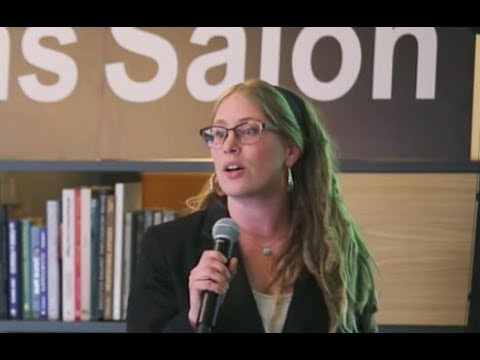
thank you I work at George Mason University I’m here to tell you about
University I’m here to tell you about
University I’m here to tell you about sustainable ways to grow food and buy
sustainable ways to grow food and buy
sustainable ways to grow food and buy sustainable I want to make it clear
sustainable I want to make it clear
sustainable I want to make it clear means for the planet to benefit the
means for the planet to benefit the
means for the planet to benefit the planet also the benefit future
planet also the benefit future
planet also the benefit future generations but also literally to
generations but also literally to
generations but also literally to sustain the effort that you’re gonna put
sustain the effort that you’re gonna put
sustain the effort that you’re gonna put into this so why George Mason well I
into this so why George Mason well I
into this so why George Mason well I went there as a student and I had no
went there as a student and I had no
went there as a student and I had no idea what I wanted to study and I
idea what I wanted to study and I
idea what I wanted to study and I decided to check out the greenhouse and
decided to check out the greenhouse and
decided to check out the greenhouse and the gardens because I thought that
the gardens because I thought that
the gardens because I thought that sounded cool at the time and I
sounded cool at the time and I
sounded cool at the time and I immediately just fell in love I
immediately just fell in love I
immediately just fell in love I absolutely just threw myself into the
absolutely just threw myself into the
absolutely just threw myself into the field I learned everything I could learn
field I learned everything I could learn
field I learned everything I could learn about plants and gardening and I
about plants and gardening and I
about plants and gardening and I immediately started teaching others and
immediately started teaching others and
immediately started teaching others and started leading and I realized I was a
started leading and I realized I was a
started leading and I realized I was a natural leader so they hired me as a
natural leader so they hired me as a
natural leader so they hired me as a student intern to run the gardens and
student intern to run the gardens and
student intern to run the gardens and when I graduated they ended up hiring me
when I graduated they ended up hiring me
when I graduated they ended up hiring me to run the greenhouse I discovered that
to run the greenhouse I discovered that
to run the greenhouse I discovered that growing food was my absolute passion and
growing food was my absolute passion and
growing food was my absolute passion and my calling
my calling
my calling particularly teaching others about
particularly teaching others about
particularly teaching others about growing food I realized that is my life
growing food I realized that is my life
growing food I realized that is my life goal I really really enjoy it so when I
goal I really really enjoy it so when I
goal I really really enjoy it so when I graduated they hired me to fix up this
graduated they hired me to fix up this
graduated they hired me to fix up this greenhouse it was empty
greenhouse it was empty
greenhouse it was empty and they decided to grow food in there
and they decided to grow food in there
and they decided to grow food in there in an attempt to have that food served
in an attempt to have that food served
in an attempt to have that food served on campus in the dining halls so to do
on campus in the dining halls so to do
on campus in the dining halls so to do that we had to use hydroponics and the
that we had to use hydroponics and the
that we had to use hydroponics and the reason is because it’s super clean in
reason is because it’s super clean in
reason is because it’s super clean in soil you still have a risk of foodborne
soil you still have a risk of foodborne
soil you still have a risk of foodborne illness especially when it’s a public
illness especially when it’s a public
illness especially when it’s a public garden it’s not secured in the
garden it’s not secured in the
garden it’s not secured in the greenhouse it’s locked and in
greenhouse it’s locked and in
greenhouse it’s locked and in hydroponics there’s no soil and that’s
hydroponics there’s no soil and that’s
hydroponics there’s no soil and that’s the definition so you can see here we
the definition so you can see here we
the definition so you can see here we have these PVC plastic channels with the
have these PVC plastic channels with the
have these PVC plastic channels with the tubes that flow the water through the
tubes that flow the water through the
tubes that flow the water through the plants and this is our romaine lettuce
plants and this is our romaine lettuce
plants and this is our romaine lettuce here my chefs absolutely love it and the
here my chefs absolutely love it and the
here my chefs absolutely love it and the roots you can see directly because
roots you can see directly because
roots you can see directly because there’s no soil it’s growing directly in
there’s no soil it’s growing directly in
there’s no soil it’s growing directly in the water and we add nutrients to the
the water and we add nutrients to the
the water and we add nutrients to the water and the plants grow on average
water and the plants grow on average
water and the plants grow on average three to five times faster than in soil
three to five times faster than in soil
three to five times faster than in soil plants another benefit is that there’s
plants another benefit is that there’s
plants another benefit is that there’s no weeding there’s no digging
no weeding there’s no digging
no weeding there’s no digging there’s no shoveling there’s no need to
there’s no shoveling there’s no need to
there’s no shoveling there’s no need to really get dirty it’s super clean super
really get dirty it’s super clean super
really get dirty it’s super clean super simple and I mean how many of you have
simple and I mean how many of you have
simple and I mean how many of you have ever done any gardening before how many
ever done any gardening before how many
ever done any gardening before how many hours have you spent weeding in the
hours have you spent weeding in the
hours have you spent weeding in the summer I mean several hours a week and
summer I mean several hours a week and
summer I mean several hours a week and on an industrial farm what do they do
on an industrial farm what do they do
on an industrial farm what do they do they’re not hand weeding they spray it
they’re not hand weeding they spray it
they’re not hand weeding they spray it with herbicide chemicals to get rid of
with herbicide chemicals to get rid of
with herbicide chemicals to get rid of these weeds so with hydroponics no weeds
these weeds so with hydroponics no weeds
these weeds so with hydroponics no weeds that saves us a lot of time and this is
that saves us a lot of time and this is
that saves us a lot of time and this is our Swiss chard growing it’s absolutely
our Swiss chard growing it’s absolutely
our Swiss chard growing it’s absolutely gorgeous and you can see that PVC
gorgeous and you can see that PVC
gorgeous and you can see that PVC channel there no weeds just just the
channel there no weeds just just the
channel there no weeds just just the plants we want also you can harvest very
plants we want also you can harvest very
plants we want also you can harvest very easily you can see it the channels are
easily you can see it the channels are
easily you can see it the channels are at waist height we just pull them out
at waist height we just pull them out
at waist height we just pull them out and we can start harvesting them right
and we can start harvesting them right
and we can start harvesting them right there
there
there so there’s no bending down to weed
so there’s no bending down to weed
so there’s no bending down to weed there’s no bending down every time you
there’s no bending down every time you
there’s no bending down every time you want to look at your plant it’s just
want to look at your plant it’s just
want to look at your plant it’s just right there and we harvest every Tuesday
right there and we harvest every Tuesday
right there and we harvest every Tuesday a great benefit is that it’s automatic
a great benefit is that it’s automatic
a great benefit is that it’s automatic so I can leave over the weekend
so I can leave over the weekend
so I can leave over the weekend I don’t have to water my plants there is
I don’t have to water my plants there is
I don’t have to water my plants there is how it works basically there’s a
how it works basically there’s a
how it works basically there’s a reservoir tank or a stock tank with a
reservoir tank or a stock tank with a
reservoir tank or a stock tank with a pump this machine monitors the
pump this machine monitors the
pump this machine monitors the fertilizer as well as the pH and there’s
fertilizer as well as the pH and there’s
fertilizer as well as the pH and there’s a pump that pumps the water through when
a pump that pumps the water through when
a pump that pumps the water through when the when the water drains it goes back
the when the water drains it goes back
the when the water drains it goes back to that tank and it recirculates so it
to that tank and it recirculates so it
to that tank and it recirculates so it uses 10 percent of the water that would
uses 10 percent of the water that would
uses 10 percent of the water that would be required outside so you’re saving a
be required outside so you’re saving a
be required outside so you’re saving a lot of water here also you can grow a
lot of water here also you can grow a
lot of water here also you can grow a lot more food in less space it’s a lot
lot more food in less space it’s a lot
lot more food in less space it’s a lot easier to stack your produce and with
easier to stack your produce and with
easier to stack your produce and with our rising populations and the limited
our rising populations and the limited
our rising populations and the limited amount of land we have especially good
amount of land we have especially good
amount of land we have especially good soil lands hydroponics is truly a really
soil lands hydroponics is truly a really
soil lands hydroponics is truly a really good solution for food security you can
good solution for food security you can
good solution for food security you can see here that there are four shelves in
see here that there are four shelves in
see here that there are four shelves in our microgreen rack the microgreens only
our microgreen rack the microgreens only
our microgreen rack the microgreens only take two to three weeks to grow they’re
take two to three weeks to grow they’re
take two to three weeks to grow they’re very fast so some of the waste that we
very fast so some of the waste that we
very fast so some of the waste that we produce in the greenhouse like the dead
produce in the greenhouse like the dead
produce in the greenhouse like the dead leaves and roots when we’re done with
leaves and roots when we’re done with
leaves and roots when we’re done with them actually get composted in our worm
them actually get composted in our worm
them actually get composted in our worm compost and I always love to share this
compost and I always love to share this
compost and I always love to share this because you can compost indoors you do
because you can compost indoors you do
because you can compost indoors you do not need a yard to compost
not need a yard to compost
not need a yard to compost and the way you do it you have these
and the way you do it you have these
and the way you do it you have these specific regular worms and we have these
specific regular worms and we have these
specific regular worms and we have these worm bins you can buy both of these on
worm bins you can buy both of these on
worm bins you can buy both of these on Amazon really cheap like 20 60 bucks max
Amazon really cheap like 20 60 bucks max
Amazon really cheap like 20 60 bucks max and basically the worms break the the
and basically the worms break the the
and basically the worms break the the material down for you
material down for you
material down for you and within three to six months it turns
and within three to six months it turns
and within three to six months it turns into beautiful soil and you can put your
into beautiful soil and you can put your
into beautiful soil and you can put your plants directly in that soil that you
plants directly in that soil that you
plants directly in that soil that you created for free the average person
created for free the average person
created for free the average person creates 1,600 pounds of trash every year
creates 1,600 pounds of trash every year
creates 1,600 pounds of trash every year that’s just one person’s trash so a lot
that’s just one person’s trash so a lot
that’s just one person’s trash so a lot of that weight is coming out of the
of that weight is coming out of the
of that weight is coming out of the scraps in your kitchen
scraps in your kitchen
scraps in your kitchen and every day you have these scraps that
and every day you have these scraps that
and every day you have these scraps that go into the waste system and usually
go into the waste system and usually
go into the waste system and usually you’re actually paying people to take it
you’re actually paying people to take it
you’re actually paying people to take it away for you we’re really that’s a very
away for you we’re really that’s a very
away for you we’re really that’s a very valuable resource and if you can do it
valuable resource and if you can do it
valuable resource and if you can do it indoors with worms it’s super easy you
indoors with worms it’s super easy you
indoors with worms it’s super easy you could have it under your sink and that
could have it under your sink and that
could have it under your sink and that decomposition process is happening right
decomposition process is happening right
decomposition process is happening right there and we have them in the greenhouse
there and we have them in the greenhouse
there and we have them in the greenhouse to divert some of our waste now the soil
to divert some of our waste now the soil
to divert some of our waste now the soil I can’t use in the hydroponics but it
I can’t use in the hydroponics but it
I can’t use in the hydroponics but it goes into our Gardens and so are the
goes into our Gardens and so are the
goes into our Gardens and so are the other Gardens that I manage on campus
other Gardens that I manage on campus
other Gardens that I manage on campus one of which is the innovation food
one of which is the innovation food
one of which is the innovation food forest and it is right in the middle of
forest and it is right in the middle of
forest and it is right in the middle of campus students can walk through we also
campus students can walk through we also
campus students can walk through we also lead volunteers there and it is designed
lead volunteers there and it is designed
lead volunteers there and it is designed using permaculture which is a term
using permaculture which is a term
using permaculture which is a term coined in 1980 by Bill Mollison and is
coined in 1980 by Bill Mollison and is
coined in 1980 by Bill Mollison and is the words permanent and agriculture
the words permanent and agriculture
the words permanent and agriculture combined in one and basically it’s the
combined in one and basically it’s the
combined in one and basically it’s the concept of using perennial plants which
concept of using perennial plants which
concept of using perennial plants which means they’re permanent like an apple
means they’re permanent like an apple
means they’re permanent like an apple tree you plant it once and it grows back
tree you plant it once and it grows back
tree you plant it once and it grows back for you every year it goes dormant over
for you every year it goes dormant over
for you every year it goes dormant over the winter and then the spring it comes
the winter and then the spring it comes
the winter and then the spring it comes back up it grows fruit for you without
back up it grows fruit for you without
back up it grows fruit for you without you really having to do anything so this
you really having to do anything so this
you really having to do anything so this is the key concept of permaculture there
is the key concept of permaculture there
is the key concept of permaculture there are a lot of other techniques and you
are a lot of other techniques and you
are a lot of other techniques and you can learn about them there’s a
can learn about them there’s a
can learn about them there’s a permaculture design certification course
permaculture design certification course
permaculture design certification course that I’ve done that are happening all
that I’ve done that are happening all
that I’ve done that are happening all over the globe and it’s really rising in
over the globe and it’s really rising in
over the globe and it’s really rising in popularity
popularity
popularity it’s site-specific it has to do with the
it’s site-specific it has to do with the
it’s site-specific it has to do with the specific land that you may have and what
specific land that you may have and what
specific land that you may have and what plants will do well there is
plants will do well there is
plants will do well there is particularly the micro climates what
particularly the micro climates what
particularly the micro climates what areas are more wet which areas have more
areas are more wet which areas have more
areas are more wet which areas have more shade or Sun and placing the right
shade or Sun and placing the right
shade or Sun and placing the right plants there it also has to do with
plants there it also has to do with
plants there it also has to do with placing the plants that will work well
placing the plants that will work well
placing the plants that will work well together some of you may have heard of
together some of you may have heard of
together some of you may have heard of pan Yin planting have you heard of the
pan Yin planting have you heard of the
pan Yin planting have you heard of the three sisters the corn beans and squash
three sisters the corn beans and squash
three sisters the corn beans and squash your squash cover the ground and keep it
your squash cover the ground and keep it
your squash cover the ground and keep it moist your corn grows really tall and
moist your corn grows really tall and
moist your corn grows really tall and your beans actually climb the corn
your beans actually climb the corn
your beans actually climb the corn individually growing them you may be
individually growing them you may be
individually growing them you may be wasting space you’re gonna have to
wasting space you’re gonna have to
wasting space you’re gonna have to create a trellis for your beans to climb
create a trellis for your beans to climb
create a trellis for your beans to climb with the three sisters you’re utilizing
with the three sisters you’re utilizing
with the three sisters you’re utilizing all your space and they’re working
all your space and they’re working
all your space and they’re working together so that’s the concept of a
together so that’s the concept of a
together so that’s the concept of a guilt and comfrey
guilt and comfrey
guilt and comfrey is this really great plant that’s really
is this really great plant that’s really
is this really great plant that’s really common in guilds because it’s basically
common in guilds because it’s basically
common in guilds because it’s basically a self fertilizer it has very deep roots
a self fertilizer it has very deep roots
a self fertilizer it has very deep roots that pull the nutrients from deep
that pull the nutrients from deep
that pull the nutrients from deep underground stores it in its leaves and
underground stores it in its leaves and
underground stores it in its leaves and then when the leaves decay in the fall
then when the leaves decay in the fall
then when the leaves decay in the fall it’s bringing those nutrients to the
it’s bringing those nutrients to the
it’s bringing those nutrients to the soil so it’s mulching for you and it’s
soil so it’s mulching for you and it’s
soil so it’s mulching for you and it’s fertilizing for you
fertilizing for you
fertilizing for you so the persimmon tree in the back there
so the persimmon tree in the back there
so the persimmon tree in the back there will have comfrey near and all all of
will have comfrey near and all all of
will have comfrey near and all all of our fruit trees do have comfrey and that
our fruit trees do have comfrey and that
our fruit trees do have comfrey and that allows us to not have to fertilize and
allows us to not have to fertilize and
allows us to not have to fertilize and not have to mulch as much so the key is
not have to mulch as much so the key is
not have to mulch as much so the key is to to grow food with with minimal labor
to to grow food with with minimal labor
to to grow food with with minimal labor and truly growing your own food will
and truly growing your own food will
and truly growing your own food will make you happier and healthier the
make you happier and healthier the
make you happier and healthier the sights the smells the health benefits of
sights the smells the health benefits of
sights the smells the health benefits of it it makes me extremely happy and it’s
it it makes me extremely happy and it’s
it it makes me extremely happy and it’s it’s beautiful and you can get a
it’s beautiful and you can get a
it’s beautiful and you can get a hydroponic system I made a little mini
hydroponic system I made a little mini
hydroponic system I made a little mini one $60 and you can have it on your
one $60 and you can have it on your
one $60 and you can have it on your counter in your kitchen you can grow
counter in your kitchen you can grow
counter in your kitchen you can grow food and and harvest it right there in
food and and harvest it right there in
food and and harvest it right there in your kitchen if you have a little bit of
your kitchen if you have a little bit of
your kitchen if you have a little bit of a yard you can also use permaculture so
a yard you can also use permaculture so
a yard you can also use permaculture so I highly recommend that you come to
I highly recommend that you come to
I highly recommend that you come to George Mason campus because you can take
George Mason campus because you can take
George Mason campus because you can take some come free to go to your garden you
some come free to go to your garden you
some come free to go to your garden you could take some worms and bring them I
could take some worms and bring them I
could take some worms and bring them I can show you how to do all of this
can show you how to do all of this
can show you how to do all of this hands-on for free you can get training
hands-on for free you can get training
hands-on for free you can get training to do all these techniques at George
to do all these techniques at George
to do all these techniques at George Mason campus by volunteering getting
Mason campus by volunteering getting
Mason campus by volunteering getting involved and that way you can actually
involved and that way you can actually
involved and that way you can actually do it and you’ll be you’ll be learning
do it and you’ll be you’ll be learning
do it and you’ll be you’ll be learning by actually experiencing it in real life
by actually experiencing it in real life
by actually experiencing it in real life thank you
thank you
thank you you
”
Be First to Comment