
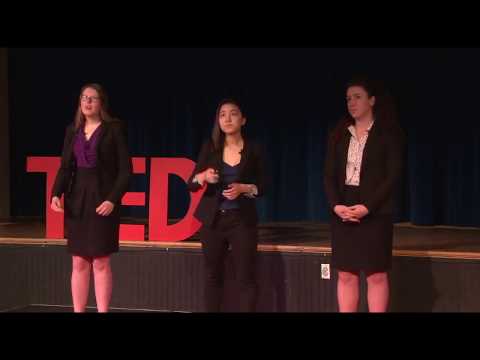
last week I went to an event hosted by the University of Waterloo for accepted
the University of Waterloo for accepted
the University of Waterloo for accepted students to their software engineering
students to their software engineering
students to their software engineering program as I walked into the room
program as I walked into the room
program as I walked into the room excited to see the people I would be
excited to see the people I would be
excited to see the people I would be spending the next four years with there
spending the next four years with there
spending the next four years with there were 18 students already there and all
were 18 students already there and all
were 18 students already there and all of them were male throughout the
of them were male throughout the
of them were male throughout the remainder of the event I continued to be
remainder of the event I continued to be
remainder of the event I continued to be the only female student there and while
the only female student there and while
the only female student there and while I never felt excluded you do feel a
I never felt excluded you do feel a
I never felt excluded you do feel a little bit out of place a little less
little bit out of place a little less
little bit out of place a little less likely to start a conversation or to
likely to start a conversation or to
likely to start a conversation or to join into a discussion and as a female
join into a discussion and as a female
join into a discussion and as a female student competing in stem this is not an
student competing in stem this is not an
student competing in stem this is not an isolated incident it’s something you see
isolated incident it’s something you see
isolated incident it’s something you see everywhere whether it’s in a crowded
everywhere whether it’s in a crowded
everywhere whether it’s in a crowded lecture hall for a computer science
lecture hall for a computer science
lecture hall for a computer science competition where there are only seven
competition where there are only seven
competition where there are only seven other girls while writing a physics
other girls while writing a physics
other girls while writing a physics contest or even in my AP calculus class
contest or even in my AP calculus class
contest or even in my AP calculus class it’s this kind of discrepancy that made
it’s this kind of discrepancy that made
it’s this kind of discrepancy that made us want to study both the causes and the
us want to study both the causes and the
us want to study both the causes and the effects of it and that led to this
effects of it and that led to this
effects of it and that led to this project even when girls are given the
project even when girls are given the
project even when girls are given the opportunity to get involved in stem
opportunity to get involved in stem
opportunity to get involved in stem through affirmative action programs or
through affirmative action programs or
through affirmative action programs or outreach programs their experiences are
outreach programs their experiences are
outreach programs their experiences are often invalidated this past summer I was
often invalidated this past summer I was
often invalidated this past summer I was lucky enough to be able to attend a
lucky enough to be able to attend a
lucky enough to be able to attend a summer program for computer science at
summer program for computer science at
summer program for computer science at MIT and even though it was one of the
MIT and even though it was one of the
MIT and even though it was one of the most amazing experiences in my life I
most amazing experiences in my life I
most amazing experiences in my life I learned so much and I felt really
learned so much and I felt really
learned so much and I felt really validated by being in an environment
validated by being in an environment
validated by being in an environment where I felt comfortable around stem
where I felt comfortable around stem
where I felt comfortable around stem when I came back and told other people
when I came back and told other people
when I came back and told other people about my experience a lot of the time
about my experience a lot of the time
about my experience a lot of the time the reaction was negative they
the reaction was negative they
the reaction was negative they automatically assumed that because the
automatically assumed that because the
automatically assumed that because the program was a female program it wasn’t
program was a female program it wasn’t
program was a female program it wasn’t as competitive or as challenging as
as competitive or as challenging as
as competitive or as challenging as other similar programs and what that did
other similar programs and what that did
other similar programs and what that did was it made me feel negatively about an
was it made me feel negatively about an
was it made me feel negatively about an experience that should have been a
experience that should have been a
experience that should have been a positive memory about stem at the same
positive memory about stem at the same
positive memory about stem at the same time all three of us are students at the
time all three of us are students at the
time all three of us are students at the University of Toronto schools a school
University of Toronto schools a school
University of Toronto schools a school that admits equal numbers of girls and
that admits equal numbers of girls and
that admits equal numbers of girls and boys at least in part based on STEM
boys at least in part based on STEM
boys at least in part based on STEM proficiency in the form of a math test
proficiency in the form of a math test
proficiency in the form of a math test and because of this a lot of people
and because of this a lot of people
and because of this a lot of people assume that UTS doesn’t have a gender
assume that UTS doesn’t have a gender
assume that UTS doesn’t have a gender gap issue in stem in the grade 7
gap issue in stem in the grade 7
gap issue in stem in the grade 7 classroom there are equal numbers of
classroom there are equal numbers of
classroom there are equal numbers of girls and boys and even though this is
girls and boys and even though this is
girls and boys and even though this is the case but something
the case but something
the case but something that participation does not predict is
that participation does not predict is
that participation does not predict is either experience or performance for
either experience or performance for
either experience or performance for these grade seven girls in the math
these grade seven girls in the math
these grade seven girls in the math class that are in equal numbers as boys
class that are in equal numbers as boys
class that are in equal numbers as boys do they still have the same experience
do they still have the same experience
do they still have the same experience did they feel as good in the classroom
did they feel as good in the classroom
did they feel as good in the classroom do they raise their hand as much did
do they raise their hand as much did
do they raise their hand as much did they enjoy the class as much and do they
they enjoy the class as much and do they
they enjoy the class as much and do they perform as other male counterparts did
perform as other male counterparts did
perform as other male counterparts did they get as they do as well in math
they get as they do as well in math
they get as they do as well in math competitions did they go on to pursue
competitions did they go on to pursue
competitions did they go on to pursue careers in math these are all questions
careers in math these are all questions
careers in math these are all questions that we wanted to address in our
that we wanted to address in our
that we wanted to address in our research our research question is what
research our research question is what
research our research question is what social factors at our school contribute
social factors at our school contribute
social factors at our school contribute to a gender disparity in STEM
to a gender disparity in STEM
to a gender disparity in STEM competition results we’re studying this
competition results we’re studying this
competition results we’re studying this because we know that female students are
because we know that female students are
because we know that female students are participating in and succeeding in all
participating in and succeeding in all
participating in and succeeding in all of our standard courses and that there’s
of our standard courses and that there’s
of our standard courses and that there’s no inherent biological advantage for
no inherent biological advantage for
no inherent biological advantage for male students but in those upper
male students but in those upper
male students but in those upper echelons of stem competition there’s a
echelons of stem competition there’s a
echelons of stem competition there’s a huge gender disparity now we know that
huge gender disparity now we know that
huge gender disparity now we know that gender is a spectrum and also because it
gender is a spectrum and also because it
gender is a spectrum and also because it would be a huge generalization to say
would be a huge generalization to say
would be a huge generalization to say that all female students have had one
that all female students have had one
that all female students have had one experience and all male students have
experience and all male students have
experience and all male students have had another experience but what we’re
had another experience but what we’re
had another experience but what we’re noticing ultimately is that there is an
noticing ultimately is that there is an
noticing ultimately is that there is an ingrained preference for masculinity and
ingrained preference for masculinity and
ingrained preference for masculinity and male traits in STEM environments and an
male traits in STEM environments and an
male traits in STEM environments and an ingrained underestimation of femaleness
ingrained underestimation of femaleness
ingrained underestimation of femaleness and female traits we began our study by
and female traits we began our study by
and female traits we began our study by looking at the stem pipeline so all the
looking at the stem pipeline so all the
looking at the stem pipeline so all the way from younger classes and younger
way from younger classes and younger
way from younger classes and younger students where there tends to be a bit
students where there tends to be a bit
students where there tends to be a bit more gender parity until stem
more gender parity until stem
more gender parity until stem professionals where women make up only
professionals where women make up only
professionals where women make up only about a quarter of the stem workplace we
about a quarter of the stem workplace we
about a quarter of the stem workplace we then found this 2010 study by Ellison
then found this 2010 study by Ellison
then found this 2010 study by Ellison and Swanson that showed the gender gap
and Swanson that showed the gender gap
and Swanson that showed the gender gap on both the SAT math and on the AMC 12
on both the SAT math and on the AMC 12
on both the SAT math and on the AMC 12 which is a very high-level math
which is a very high-level math
which is a very high-level math competition as you can see although at
competition as you can see although at
competition as you can see although at lower percentiles so at below average
lower percentiles so at below average
lower percentiles so at below average and average female and male students
and average female and male students
and average female and male students perform about as well as each other as
perform about as well as each other as
perform about as well as each other as you get to the highest percentile levels
you get to the highest percentile levels
you get to the highest percentile levels the rate of females drops dramatically
the rate of females drops dramatically
the rate of females drops dramatically for instance at the 99th percentile
for instance at the 99th percentile
for instance at the 99th percentile level only 14% of those achievers are
level only 14% of those achievers are
level only 14% of those achievers are female and the top forty six students
female and the top forty six students
female and the top forty six students who wrote the contest were all-male we
who wrote the contest were all-male we
who wrote the contest were all-male we wanted to look at the fact that a this
wanted to look at the fact that a this
wanted to look at the fact that a this is not just due to participation rates
is not just due to participation rates
is not just due to participation rates as for instance on the SAT math a
as for instance on the SAT math a
as for instance on the SAT math a hundred thousand students write it then
hundred thousand students write it then
hundred thousand students write it then male students
male students
male students and for the AMC 12 although the rate is
and for the AMC 12 although the rate is
and for the AMC 12 although the rate is slightly smaller it’s not nearly enough
slightly smaller it’s not nearly enough
slightly smaller it’s not nearly enough to account for the 14% discovered the
to account for the 14% discovered the
to account for the 14% discovered the 14% level we also wanted to ignore
14% level we also wanted to ignore
14% level we also wanted to ignore theories of predisposition or innate
theories of predisposition or innate
theories of predisposition or innate ability because this has been
ability because this has been
ability because this has been discredited in multiple studies showing
discredited in multiple studies showing
discredited in multiple studies showing that it is more of a societal factor
that it is more of a societal factor
that it is more of a societal factor that causes female students to under
that causes female students to under
that causes female students to under in addition we wanted to study what it
in addition we wanted to study what it
in addition we wanted to study what it would be with different STEM fields so
would be with different STEM fields so
would be with different STEM fields so while this study only looked at math we
while this study only looked at math we
while this study only looked at math we have seen that the gender gap is closing
have seen that the gender gap is closing
have seen that the gender gap is closing much more quickly in areas such as
much more quickly in areas such as
much more quickly in areas such as biology than it is in others such as
biology than it is in others such as
biology than it is in others such as computer science where it’s almost
computer science where it’s almost
computer science where it’s almost stagnating and we wanted to study super
stagnating and we wanted to study super
stagnating and we wanted to study super elite schools
elite schools
elite schools so although the boys in this study came
so although the boys in this study came
so although the boys in this study came from a wide variety of schools all over
from a wide variety of schools all over
from a wide variety of schools all over half of the female students came from
half of the female students came from
half of the female students came from only 20 super elite schools our school
only 20 super elite schools our school
only 20 super elite schools our school UTS as Amy mentioned earlier could be
UTS as Amy mentioned earlier could be
UTS as Amy mentioned earlier could be considered one of those super elite
considered one of those super elite
considered one of those super elite schools and we wanted to study what the
schools and we wanted to study what the
schools and we wanted to study what the gender gap would be like here for if it
gender gap would be like here for if it
gender gap would be like here for if it exists strongly here it must as well and
exists strongly here it must as well and
exists strongly here it must as well and many other areas when we wanted we
many other areas when we wanted we
many other areas when we wanted we wanted to look at a variety of different
wanted to look at a variety of different
wanted to look at a variety of different math contests over the past eight years
math contests over the past eight years
math contests over the past eight years and the Honorables of all of these math
and the Honorables of all of these math
and the Honorables of all of these math contests and science contests to see how
contests and science contests to see how
contests and science contests to see how UTS students did in terms of gender
UTS students did in terms of gender
UTS students did in terms of gender discrepancy the first type of contest
discrepancy the first type of contest
discrepancy the first type of contest that we wanted to look at were math
that we wanted to look at were math
that we wanted to look at were math contests which at UTS are definitely the
contests which at UTS are definitely the
contests which at UTS are definitely the most common type of contest taken what
most common type of contest taken what
most common type of contest taken what we saw was across the 12 different
we saw was across the 12 different
we saw was across the 12 different contests that we looked at there was a
contests that we looked at there was a
contests that we looked at there was a really similar rate of female presence
really similar rate of female presence
really similar rate of female presence in the honor roll around 30% and this is
in the honor roll around 30% and this is
in the honor roll around 30% and this is especially troubling for contests like
especially troubling for contests like
especially troubling for contests like for example the Gauss grade 7 which is
for example the Gauss grade 7 which is
for example the Gauss grade 7 which is mandatory for all students and therefore
mandatory for all students and therefore
mandatory for all students and therefore has equal participation rates of girls
has equal participation rates of girls
has equal participation rates of girls and boys and yet it still only had a 27
and boys and yet it still only had a 27
and boys and yet it still only had a 27 percent rate of female presence in the
percent rate of female presence in the
percent rate of female presence in the Honor Roll suggesting a really large
Honor Roll suggesting a really large
Honor Roll suggesting a really large discrepancy even at such a young age as
discrepancy even at such a young age as
discrepancy even at such a young age as Amanda was mentioning earlier there are
Amanda was mentioning earlier there are
Amanda was mentioning earlier there are differences among the different STEM
differences among the different STEM
differences among the different STEM fields for example for physics over the
fields for example for physics over the
fields for example for physics over the past eight years there have been 17 UTS
past eight years there have been 17 UTS
past eight years there have been 17 UTS students who have made the cap exam on a
students who have made the cap exam on a
students who have made the cap exam on a roll the cap exam is a competitive
roll the cap exam is a competitive
roll the cap exam is a competitive physics contest in throughout Canada
physics contest in throughout Canada
physics contest in throughout Canada out of the 17 students who made the
out of the 17 students who made the
out of the 17 students who made the honor roll only one was a girl
honor roll only one was a girl
honor roll only one was a girl conversely as you can see with biology
conversely as you can see with biology
conversely as you can see with biology even though there is a little bit of a
even though there is a little bit of a
even though there is a little bit of a gender discrepancy it’s nowhere near as
gender discrepancy it’s nowhere near as
gender discrepancy it’s nowhere near as severe for the top 170 competitors on
severe for the top 170 competitors on
severe for the top 170 competitors on the national biology competition
the national biology competition
the national biology competition forty-five percent were girls however
forty-five percent were girls however
forty-five percent were girls however another worrying trend that we see here
another worrying trend that we see here
another worrying trend that we see here is as we go up in percentile rankings so
is as we go up in percentile rankings so
is as we go up in percentile rankings so as we look at the top 1% of competitors
as we look at the top 1% of competitors
as we look at the top 1% of competitors for the NBC this number decreases to 41%
for the NBC this number decreases to 41%
for the NBC this number decreases to 41% so at higher percentile levels girls are
so at higher percentile levels girls are
so at higher percentile levels girls are doing worse even in fields like biology
doing worse even in fields like biology
doing worse even in fields like biology where there’s pretty close to equal
where there’s pretty close to equal
where there’s pretty close to equal numbers of girls and boys another field
numbers of girls and boys another field
numbers of girls and boys another field that we could see this in was computer
that we could see this in was computer
that we could see this in was computer science and for the computer science
science and for the computer science
science and for the computer science contests we look at looked at three main
contests we look at looked at three main
contests we look at looked at three main contests the junior CCC the senior CCC
contests the junior CCC the senior CCC
contests the junior CCC the senior CCC both of which are qualifying contests
both of which are qualifying contests
both of which are qualifying contests for the CCO or the Canadian computing
for the CCO or the Canadian computing
for the CCO or the Canadian computing Olympiad and what we saw here was
Olympiad and what we saw here was
Olympiad and what we saw here was already at the CCC level the rate of
already at the CCC level the rate of
already at the CCC level the rate of female presence on the Honor Roll is
female presence on the Honor Roll is
female presence on the Honor Roll is extremely low for the junior CCC it was
extremely low for the junior CCC it was
extremely low for the junior CCC it was only 17% and for the senior it was even
only 17% and for the senior it was even
only 17% and for the senior it was even lower at 14% but as we get to that
lower at 14% but as we get to that
lower at 14% but as we get to that highest level of competition the
highest level of competition the
highest level of competition the Canadian computing Olympiad we saw that
Canadian computing Olympiad we saw that
Canadian computing Olympiad we saw that rate decreased dramatically so over the
rate decreased dramatically so over the
rate decreased dramatically so over the past eight years 14 UTS students have
past eight years 14 UTS students have
past eight years 14 UTS students have made the CCO honor roll and out of those
made the CCO honor roll and out of those
made the CCO honor roll and out of those 14 students 0 were girls what this
14 students 0 were girls what this
14 students 0 were girls what this really does is highlight what we’re
really does is highlight what we’re
really does is highlight what we’re trying to say here today which is that
trying to say here today which is that
trying to say here today which is that even at a school that’s as competitive
even at a school that’s as competitive
even at a school that’s as competitive and interesting as UTS that emits equal
and interesting as UTS that emits equal
and interesting as UTS that emits equal numbers and girls and boys and tries to
numbers and girls and boys and tries to
numbers and girls and boys and tries to give them the same type of education and
give them the same type of education and
give them the same type of education and the same tools to succeed in the STEM
the same tools to succeed in the STEM
the same tools to succeed in the STEM environment we have such a large
environment we have such a large
environment we have such a large discrepancy misconceptions of what
discrepancy misconceptions of what
discrepancy misconceptions of what female women in stem of all the female
female women in stem of all the female
female women in stem of all the female women in stem are common and they exist
women in stem are common and they exist
women in stem are common and they exist in a cycle so prejudices are
in a cycle so prejudices are
in a cycle so prejudices are internalized and then they’re taught and
internalized and then they’re taught and
internalized and then they’re taught and we’re not attributing any of this to the
we’re not attributing any of this to the
we’re not attributing any of this to the prejudice or misogyny of any individual
prejudice or misogyny of any individual
prejudice or misogyny of any individual but again it’s a cycle and we think that
but again it’s a cycle and we think that
but again it’s a cycle and we think that a lot of these preconceptions come from
a lot of these preconceptions come from
a lot of these preconceptions come from ideas of who a woman in stem is so who
ideas of who a woman in stem is so who
ideas of who a woman in stem is so who they are socially what they look like
they are socially what they look like
they are socially what they look like and what careers they might go into and
and what careers they might go into and
and what careers they might go into and we do think that this changes the type
we do think that this changes the type
we do think that this changes the type of encouragement that
of encouragement that
of encouragement that answer given we’ve identified a few
answer given we’ve identified a few
answer given we’ve identified a few different ways that we think are simple
different ways that we think are simple
different ways that we think are simple but also can go a long long way in terms
but also can go a long long way in terms
but also can go a long long way in terms of remedying this this huge problem with
of remedying this this huge problem with
of remedying this this huge problem with disparity so first of all female role
disparity so first of all female role
disparity so first of all female role models we think that having a diverse
models we think that having a diverse
models we think that having a diverse group of female role models is really
group of female role models is really
group of female role models is really going to be important for a changing
going to be important for a changing
going to be important for a changing those preconceptions of what different
those preconceptions of what different
those preconceptions of what different STEM careers are like and what people in
STEM careers are like and what people in
STEM careers are like and what people in stem are like and what women in stem are
stem are like and what women in stem are
stem are like and what women in stem are like and also there was a study done in
like and also there was a study done in
like and also there was a study done in 2012 that proves that women actually
2012 that proves that women actually
2012 that proves that women actually female students it’s especially
female students it’s especially
female students it’s especially important for them to have role models
important for them to have role models
important for them to have role models and people that they can look up to now
and people that they can look up to now
and people that they can look up to now second of all talking about programs
second of all talking about programs
second of all talking about programs that are essentially affirmative action
that are essentially affirmative action
that are essentially affirmative action like the ones that Amy did that are need
like the ones that Amy did that are need
like the ones that Amy did that are need to be distinguished and need to be
to be distinguished and need to be
to be distinguished and need to be recognized as just as competitive as
recognized as just as competitive as
recognized as just as competitive as their co-ed and male counterparts and
their co-ed and male counterparts and
their co-ed and male counterparts and third teaching methods so there was
third teaching methods so there was
third teaching methods so there was actually a study done in 2015 by Simon
actually a study done in 2015 by Simon
actually a study done in 2015 by Simon at Elle and in it they talked about
at Elle and in it they talked about
at Elle and in it they talked about different teaching methods that are
different teaching methods that are
different teaching methods that are ideal for different types of students
ideal for different types of students
ideal for different types of students now we know that in STEM environments in
now we know that in STEM environments in
now we know that in STEM environments in most stem classrooms one thing that can
most stem classrooms one thing that can
most stem classrooms one thing that can be hugely advantageous to a student and
be hugely advantageous to a student and
be hugely advantageous to a student and a huge skill is the ability to just take
a huge skill is the ability to just take
a huge skill is the ability to just take a problem and not necessarily know at
a problem and not necessarily know at
a problem and not necessarily know at the beginning if you’re able to figure
the beginning if you’re able to figure
the beginning if you’re able to figure it out but be able to work through it
it out but be able to work through it
it out but be able to work through it and I’ll alternate lis get to the end of
and I’ll alternate lis get to the end of
and I’ll alternate lis get to the end of it now this is great and this is
it now this is great and this is
it now this is great and this is absolutely a huge skill but what about
absolutely a huge skill but what about
absolutely a huge skill but what about students who don’t have that confidence
students who don’t have that confidence
students who don’t have that confidence right off the bat that maybe would
right off the bat that maybe would
right off the bat that maybe would rather be shown how to do something
rather be shown how to do something
rather be shown how to do something first so they can be confident that they
first so they can be confident that they
first so they can be confident that they know that that method can work and then
know that that method can work and then
know that that method can work and then they’re 100% able to complete it after
they’re 100% able to complete it after
they’re 100% able to complete it after that so that’s one of the one of those
that so that’s one of the one of those
that so that’s one of the one of those kinds of methods that if we’re just more
kinds of methods that if we’re just more
kinds of methods that if we’re just more open to these kinds of different
open to these kinds of different
open to these kinds of different teaching methods and different ways that
teaching methods and different ways that
teaching methods and different ways that students like to learn in our
students like to learn in our
students like to learn in our comfortable learning it’s ultimately
comfortable learning it’s ultimately
comfortable learning it’s ultimately going to make stem a much more inclusive
going to make stem a much more inclusive
going to make stem a much more inclusive environment because remember ultimately
environment because remember ultimately
environment because remember ultimately we’re learning in an environment that
we’re learning in an environment that
we’re learning in an environment that was designed with masculinity in mind
was designed with masculinity in mind
was designed with masculinity in mind regardless of who exactly is
regardless of who exactly is
regardless of who exactly is participating in it and all the
participating in it and all the
participating in it and all the prejudices of any specific person in it
prejudices of any specific person in it
prejudices of any specific person in it here our goal is to make sure that
here our goal is to make sure that
here our goal is to make sure that anyone can walk into a stem classroom
anyone can walk into a stem classroom
anyone can walk into a stem classroom and make sure that they don’t feel
and make sure that they don’t feel
and make sure that they don’t feel excluded or isolated but rather
excluded or isolated but rather
excluded or isolated but rather empowered and capable having more female
empowered and capable having more female
empowered and capable having more female students in stem is going to create a
students in stem is going to create a
students in stem is going to create a positive feedback loop
positive feedback loop
positive feedback loop students of all genders are going to
students of all genders are going to
students of all genders are going to lead to leaders of all genders and this
lead to leaders of all genders and this
lead to leaders of all genders and this in turn inspires the next generation we
in turn inspires the next generation we
in turn inspires the next generation we really hope that this talk today has
really hope that this talk today has
really hope that this talk today has inspired initiatives towards meaningful
inspired initiatives towards meaningful
inspired initiatives towards meaningful gender equality both at our school and
gender equality both at our school and
gender equality both at our school and beyond
beyond
beyond thank you
thank you
thank you [Applause]
”
Be First to Comment