
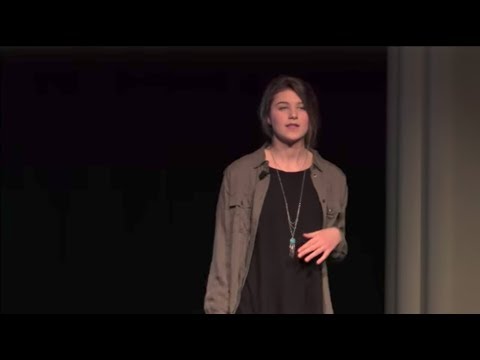
[Applause] hi I’m Breton lore way I’m from
hi I’m Breton lore way I’m from
hi I’m Breton lore way I’m from Princeton Massachusetts which is a small
Princeton Massachusetts which is a small
Princeton Massachusetts which is a small earthy farm town I grew up poking seeds
earthy farm town I grew up poking seeds
earthy farm town I grew up poking seeds into garden beds following around my
into garden beds following around my
into garden beds following around my mother as she rattled off the names of
mother as she rattled off the names of
mother as she rattled off the names of wildflowers or hiking off hiking after
wildflowers or hiking off hiking after
wildflowers or hiking off hiking after my father through the surprisingly dense
my father through the surprisingly dense
my father through the surprisingly dense forests of Princeton listening to birds
forests of Princeton listening to birds
forests of Princeton listening to birds or find the animal tracks on top of that
or find the animal tracks on top of that
or find the animal tracks on top of that I went to nature camp for seven years at
I went to nature camp for seven years at
I went to nature camp for seven years at a Wildlife Sanctuary five minutes from
a Wildlife Sanctuary five minutes from
a Wildlife Sanctuary five minutes from my house thanks to all this I’ve fallen
my house thanks to all this I’ve fallen
my house thanks to all this I’ve fallen madly in love with the earth that’s gone
madly in love with the earth that’s gone
madly in love with the earth that’s gone older I’ve become aware of the Jeopardy
older I’ve become aware of the Jeopardy
older I’ve become aware of the Jeopardy my true love faces it’s terrifying to
my true love faces it’s terrifying to
my true love faces it’s terrifying to know that so much of the planet is being
know that so much of the planet is being
know that so much of the planet is being destroyed as we speak for a while I felt
destroyed as we speak for a while I felt
destroyed as we speak for a while I felt so helpless because I figure there’s
so helpless because I figure there’s
so helpless because I figure there’s nothing a seventeen year old girl from a
nothing a seventeen year old girl from a
nothing a seventeen year old girl from a town nobody’s heard of can do but there
town nobody’s heard of can do but there
town nobody’s heard of can do but there is there’s something we can all do to
is there’s something we can all do to
is there’s something we can all do to save the planet and it’s actually quite
save the planet and it’s actually quite
save the planet and it’s actually quite simple stop buying things think about it
simple stop buying things think about it
simple stop buying things think about it what’s happening to all the healthy
what’s happening to all the healthy
what’s happening to all the healthy lands and the habitats it’s being just
lands and the habitats it’s being just
lands and the habitats it’s being just deforested or mined or turned into
deforested or mined or turned into
deforested or mined or turned into industrial farmland where does pollution
industrial farmland where does pollution
industrial farmland where does pollution come from factories which make stuff
come from factories which make stuff
come from factories which make stuff trucks which transport stuff or
trucks which transport stuff or
trucks which transport stuff or landfills which hold stagnant heaps of
landfills which hold stagnant heaps of
landfills which hold stagnant heaps of stuff stuff is what makes America go
stuff stuff is what makes America go
stuff stuff is what makes America go round there’s no denying that we are 5%
round there’s no denying that we are 5%
round there’s no denying that we are 5% of the world’s population and yet we use
of the world’s population and yet we use
of the world’s population and yet we use 30% of the world’s resources we are a
30% of the world’s resources we are a
30% of the world’s resources we are a consumer-driven economy and a material
consumer-driven economy and a material
consumer-driven economy and a material driven Society how do we end up here
driven Society how do we end up here
driven Society how do we end up here well the Industrial Revolution is where
well the Industrial Revolution is where
well the Industrial Revolution is where it all started in the 18th century well
it all started in the 18th century well
it all started in the 18th century well into the 20th industry boomed first in
into the 20th industry boomed first in
into the 20th industry boomed first in Great Britain and soon in the United
Great Britain and soon in the United
Great Britain and soon in the United States products began to be manufactured
States products began to be manufactured
States products began to be manufactured quickly cheaply and in mass and as a
quickly cheaply and in mass and as a
quickly cheaply and in mass and as a result people began to consume in mass
result people began to consume in mass
result people began to consume in mass one of the best examples of the way
one of the best examples of the way
one of the best examples of the way early American consumerism evolved was
early American consumerism evolved was
early American consumerism evolved was the idea of the latest model in the
the idea of the latest model in the
the idea of the latest model in the early 1900’s when General Motors was
early 1900’s when General Motors was
early 1900’s when General Motors was first established advertising the
first established advertising the
first established advertising the outdating of car models the updating of
outdating of car models the updating of
outdating of car models the updating of newer ones drove the constant motivation
newer ones drove the constant motivation
newer ones drove the constant motivation of her consumers to buy
of her consumers to buy
of her consumers to buy by the 1920s that model changes as often
by the 1920s that model changes as often
by the 1920s that model changes as often as yearly and thanks to the low prices
as yearly and thanks to the low prices
as yearly and thanks to the low prices of the revolutions factories and
of the revolutions factories and
of the revolutions factories and assembly lines this phenomenon was
assembly lines this phenomenon was
assembly lines this phenomenon was available to every class
available to every class
available to every class thus the consumer cycle was truly born
thus the consumer cycle was truly born
thus the consumer cycle was truly born unto the American people extraction
unto the American people extraction
unto the American people extraction production distribution consumption and
production distribution consumption and
production distribution consumption and disposal civilians began to cycle
disposal civilians began to cycle
disposal civilians began to cycle through clothing more often instead of
through clothing more often instead of
through clothing more often instead of making and preserving their own for long
making and preserving their own for long
making and preserving their own for long periods of time
periods of time
periods of time farmers could buy cheaper feed therefore
farmers could buy cheaper feed therefore
farmers could buy cheaper feed therefore expand their land use and livestock
expand their land use and livestock
expand their land use and livestock population those cycles have only
population those cycles have only
population those cycles have only intensified and since the 1950s humans
intensified and since the 1950s humans
intensified and since the 1950s humans have consumed more than the entirety of
have consumed more than the entirety of
have consumed more than the entirety of human history before them basically
human history before them basically
human history before them basically we’re trapped in a system what we want
we’re trapped in a system what we want
we’re trapped in a system what we want to admit it or not we’re brainwashed
to admit it or not we’re brainwashed
to admit it or not we’re brainwashed into buying things now my favorite TV
into buying things now my favorite TV
into buying things now my favorite TV show of all time is Mad Men it’s about
show of all time is Mad Men it’s about
show of all time is Mad Men it’s about the minds behind the advertising
the minds behind the advertising
the minds behind the advertising industry of the 60s the goal of any ad
industry of the 60s the goal of any ad
industry of the 60s the goal of any ad man was and still is to make products
man was and still is to make products
man was and still is to make products into something that must be bought to
into something that must be bought to
into something that must be bought to make trends into things that must be
make trends into things that must be
make trends into things that must be followed so you don’t have that thing or
followed so you don’t have that thing or
followed so you don’t have that thing or follow that trend your life is lacking
follow that trend your life is lacking
follow that trend your life is lacking you’re living wrongly I repeat or
you’re living wrongly I repeat or
you’re living wrongly I repeat or brainwashed into buying things so how
brainwashed into buying things so how
brainwashed into buying things so how does that affect the environment it
does that affect the environment it
does that affect the environment it sounds like a psychological problem well
sounds like a psychological problem well
sounds like a psychological problem well not only are we brainwashed but we’re
not only are we brainwashed but we’re
not only are we brainwashed but we’re shielded from the reality of what
shielded from the reality of what
shielded from the reality of what industries do to bring those products
industries do to bring those products
industries do to bring those products into our hands it begins at the
into our hands it begins at the
into our hands it begins at the extraction of natural resources or the
extraction of natural resources or the
extraction of natural resources or the landscaping of industrial farmland let’s
landscaping of industrial farmland let’s
landscaping of industrial farmland let’s say let’s do the clothing industry is an
say let’s do the clothing industry is an
say let’s do the clothing industry is an example I love clothes but much to my
example I love clothes but much to my
example I love clothes but much to my chagrin the clothing industry is one of
chagrin the clothing industry is one of
chagrin the clothing industry is one of the worst polluters there is let’s say
the worst polluters there is let’s say
the worst polluters there is let’s say it starts on a cotton farm cotton makes
it starts on a cotton farm cotton makes
it starts on a cotton farm cotton makes up 40% of our clothing it also uses 10%
up 40% of our clothing it also uses 10%
up 40% of our clothing it also uses 10% of all agricultural chemicals 25% of Oh
of all agricultural chemicals 25% of Oh
of all agricultural chemicals 25% of Oh insecticides
insecticides
insecticides it also takes 20,000 liters of water to
it also takes 20,000 liters of water to
it also takes 20,000 liters of water to farm two pounds of cotton speaking of
farm two pounds of cotton speaking of
farm two pounds of cotton speaking of water once cotton is farmed the
water once cotton is farmed the
water once cotton is farmed the waterways from a clothing factory is
waterways from a clothing factory is
waterways from a clothing factory is unbelievably contaminated with bleaches
unbelievably contaminated with bleaches
unbelievably contaminated with bleaches dyes inks and more the worst part of the
dyes inks and more the worst part of the
dyes inks and more the worst part of the clothing industry however is actually
clothing industry however is actually
clothing industry however is actually the disposal segment of the consumer
the disposal segment of the consumer
the disposal segment of the consumer cycle fashion is an ever-changing market
cycle fashion is an ever-changing market
cycle fashion is an ever-changing market utilizing the latest model concept
utilizing the latest model concept
utilizing the latest model concept exactly how it was introduced before the
exactly how it was introduced before the
exactly how it was introduced before the 20s when new trends come out the old one
20s when new trends come out the old one
20s when new trends come out the old one is to be thrown away Americans alone
is to be thrown away Americans alone
is to be thrown away Americans alone dispose dispose of over 68 pounds of
dispose dispose of over 68 pounds of
dispose dispose of over 68 pounds of clothing per person annually trace that
clothing per person annually trace that
clothing per person annually trace that back and if anything that’s a lot of
back and if anything that’s a lot of
back and if anything that’s a lot of wasted water clothing aside it would
wasted water clothing aside it would
wasted water clothing aside it would take 3 Earth’s to sustain us if every
take 3 Earth’s to sustain us if every
take 3 Earth’s to sustain us if every American if every person lived the way
American if every person lived the way
American if every person lived the way an average American does and yet 99% of
an average American does and yet 99% of
an average American does and yet 99% of all materials are thrown out in six
all materials are thrown out in six
all materials are thrown out in six months but this is the part we can
months but this is the part we can
months but this is the part we can control because it’s with what we buy or
control because it’s with what we buy or
control because it’s with what we buy or don’t buy that we can make an impact
because we can limit our consumption and
because we can limit our consumption and we can improve our treatment of products
we can improve our treatment of products
we can improve our treatment of products if we do buy them and that is an idea as
if we do buy them and that is an idea as
if we do buy them and that is an idea as old as the Industrial Revolution itself
old as the Industrial Revolution itself
old as the Industrial Revolution itself because with the introduction of
because with the introduction of
because with the introduction of fast-paced materialism also rose people
fast-paced materialism also rose people
fast-paced materialism also rose people who recognize the need to slow down and
who recognize the need to slow down and
who recognize the need to slow down and reconsider our values made popular by
reconsider our values made popular by
reconsider our values made popular by Henry David Thoreau and Ralph Waldo
Henry David Thoreau and Ralph Waldo
Henry David Thoreau and Ralph Waldo Emerson transcendentalism is the idea
Emerson transcendentalism is the idea
Emerson transcendentalism is the idea that divinity is present throughout
that divinity is present throughout
that divinity is present throughout every aspect of life and experience
every aspect of life and experience
every aspect of life and experience especially nature to throw this meant
especially nature to throw this meant
especially nature to throw this meant that humans could find a sense of
that humans could find a sense of
that humans could find a sense of direction meaning and purpose through
direction meaning and purpose through
direction meaning and purpose through the direct contact with living creatures
the direct contact with living creatures
the direct contact with living creatures the vicissitudes of the seasons and the
the vicissitudes of the seasons and the
the vicissitudes of the seasons and the varied textures of the earth another one
varied textures of the earth another one
varied textures of the earth another one of Thoreau’s philosophies is to live
of Thoreau’s philosophies is to live
of Thoreau’s philosophies is to live simply
simply
simply he writes none of the brute creation
he writes none of the brute creation
he writes none of the brute creation requires more than food and shelter he
requires more than food and shelter he
requires more than food and shelter he saw in the midst of the American
saw in the midst of the American
saw in the midst of the American industrial revolution people becoming
industrial revolution people becoming
industrial revolution people becoming materialistic distracted from the world
materialistic distracted from the world
materialistic distracted from the world around them by work and consumption in
around them by work and consumption in
around them by work and consumption in 1845 throw left civilization to live on
1845 throw left civilization to live on
1845 throw left civilization to live on the base of Walden Pond in the woods of
the base of Walden Pond in the woods of
the base of Walden Pond in the woods of Concord Massachusetts while there he
Concord Massachusetts while there he
Concord Massachusetts while there he wrote Walden which while examining the
wrote Walden which while examining the
wrote Walden which while examining the destructive and oppressive nature of
destructive and oppressive nature of
destructive and oppressive nature of industrialization also warns people of
industrialization also warns people of
industrialization also warns people of the self-imposed slavery that can flow
the self-imposed slavery that can flow
the self-imposed slavery that can flow from mindlessly dedicating one’s life to
from mindlessly dedicating one’s life to
from mindlessly dedicating one’s life to the never-ending pursuit of nice things
the never-ending pursuit of nice things
the never-ending pursuit of nice things overall Thoreau proves that there are
overall Thoreau proves that there are
overall Thoreau proves that there are simpler ways to live and more important
simpler ways to live and more important
simpler ways to live and more important things to appreciate like nature that
things to appreciate like nature that
things to appreciate like nature that can fulfill us as humans in ways that
can fulfill us as humans in ways that
can fulfill us as humans in ways that stuff cannot
stuff cannot
stuff cannot we must consider our high standards of
we must consider our high standards of
we must consider our high standards of living driven by consumer society with
living driven by consumer society with
living driven by consumer society with their changes like we made in our
their changes like we made in our
their changes like we made in our everyday lives that will not only
everyday lives that will not only
everyday lives that will not only improve our relationship with stuff but
improve our relationship with stuff but
improve our relationship with stuff but also the health of the environment it’s
also the health of the environment it’s
also the health of the environment it’s possible to combat the system we just
possible to combat the system we just
possible to combat the system we just have to be willing to make sacrifices
have to be willing to make sacrifices
have to be willing to make sacrifices don’t just throw something away because
don’t just throw something away because
don’t just throw something away because it’s out of style repurpose it or donate
it’s out of style repurpose it or donate
it’s out of style repurpose it or donate it ask yourself if you really need a new
it ask yourself if you really need a new
it ask yourself if you really need a new shirt or new shoes or a new thing and if
shirt or new shoes or a new thing and if
shirt or new shoes or a new thing and if you do go to a vintage shop or a flea
you do go to a vintage shop or a flea
you do go to a vintage shop or a flea market or a thrift store chances are
market or a thrift store chances are
market or a thrift store chances are you’ll find something cooler than you
you’ll find something cooler than you
you’ll find something cooler than you imagined and you might even make a
imagined and you might even make a
imagined and you might even make a memory and you’ll know you just saved
memory and you’ll know you just saved
memory and you’ll know you just saved the environment in your own little way
the environment in your own little way
the environment in your own little way well we don’t have to move to the banks
well we don’t have to move to the banks
well we don’t have to move to the banks of Walden Pond we must remember the
of Walden Pond we must remember the
of Walden Pond we must remember the philosophies of Thoreau
philosophies of Thoreau
philosophies of Thoreau living simply could be more fulfilling
living simply could be more fulfilling
living simply could be more fulfilling than we think
than we think
than we think [Applause]
”
Be First to Comment