
2006 was a very interesting year for me ladies and gentlemen
ladies and gentlemen
ladies and gentlemen having worked as an engineer for a few
having worked as an engineer for a few
having worked as an engineer for a few years I came to to stock realizations
years I came to to stock realizations
years I came to to stock realizations firstly I wasn’t a very good engineer
firstly I wasn’t a very good engineer
firstly I wasn’t a very good engineer and secondly I wanted some fun and
and secondly I wanted some fun and
and secondly I wanted some fun and adventure in my life so I did what any
adventure in my life so I did what any
adventure in my life so I did what any rational sensible person would do I quit
rational sensible person would do I quit
rational sensible person would do I quit my job as an engineer came to France and
my job as an engineer came to France and
my job as an engineer came to France and joined the French Foreign Legion
that’s me I spent five years in the Army
that’s me I spent five years in the Army most of that in places of conflict like
most of that in places of conflict like
most of that in places of conflict like Chad Central Africa and Afghanistan and
Chad Central Africa and Afghanistan and
Chad Central Africa and Afghanistan and although I got my dose of adventure I
although I got my dose of adventure I
although I got my dose of adventure I also managed to meet some really
also managed to meet some really
also managed to meet some really interesting people one of those people
interesting people one of those people
interesting people one of those people was this young South African by the name
was this young South African by the name
was this young South African by the name of Jared Johnson Johnson was a bit of an
of Jared Johnson Johnson was a bit of an
of Jared Johnson Johnson was a bit of an odd duck
odd duck
odd duck he was stuff as mostly Gina’s are but he
he was stuff as mostly Gina’s are but he
he was stuff as mostly Gina’s are but he wasn’t really aggressive in nature he
wasn’t really aggressive in nature he
wasn’t really aggressive in nature he liked having a drink as most of us do
liked having a drink as most of us do
liked having a drink as most of us do but at the same time he also loved art
but at the same time he also loved art
but at the same time he also loved art after he finished his contract with the
after he finished his contract with the
after he finished his contract with the army Johnson wanted good in New York and
army Johnson wanted good in New York and
army Johnson wanted good in New York and join an art school and having seen some
join an art school and having seen some
join an art school and having seen some of his art I agreed he really needed to
of his art I agreed he really needed to
of his art I agreed he really needed to go to art school but Yancey never got
go to art school but Yancey never got
go to art school but Yancey never got that opportunity in 2011 he was deployed
that opportunity in 2011 he was deployed
that opportunity in 2011 he was deployed for a second tour in Afghanistan and he
for a second tour in Afghanistan and he
for a second tour in Afghanistan and he never made it back a few weeks later I
never made it back a few weeks later I
never made it back a few weeks later I went for the funeral and I met his
went for the funeral and I met his
went for the funeral and I met his family and his sister who came up to me
family and his sister who came up to me
family and his sister who came up to me and said Kerry he used to consider you
and said Kerry he used to consider you
and said Kerry he used to consider you one of his best friends he had never
one of his best friends he had never
one of his best friends he had never said that to me in spite of the fact
said that to me in spite of the fact
said that to me in spite of the fact that we were quite close
that we were quite close
that we were quite close we weren’t really transparent with each
we weren’t really transparent with each
we weren’t really transparent with each other this story is not something new
other this story is not something new
other this story is not something new but for me this story began my quest to
but for me this story began my quest to
but for me this story began my quest to understand capitalism even though I had
understand capitalism even though I had
understand capitalism even though I had no training in economics at that time
no training in economics at that time
no training in economics at that time there were two things that were really
there were two things that were really
there were two things that were really clear to me firstly
clear to me firstly
clear to me firstly war is expensive and it comes at a
war is expensive and it comes at a
war is expensive and it comes at a terrible cost and secondly
terrible cost and secondly
terrible cost and secondly there is a direct link between conflict
there is a direct link between conflict
there is a direct link between conflict and capitalism this link between
and capitalism this link between
and capitalism this link between conflict and capitalism is not a new one
conflict and capitalism is not a new one
conflict and capitalism is not a new one back in 17th century England when King
back in 17th century England when King
back in 17th century England when King James the first wanted to raise revenue
James the first wanted to raise revenue
James the first wanted to raise revenue for war he realized that taxes were
for war he realized that taxes were
for war he realized that taxes were getting insufficient so what did he do
getting insufficient so what did he do
getting insufficient so what did he do he began issuing licenses for the
he began issuing licenses for the
he began issuing licenses for the production of goods and services in 17th
production of goods and services in 17th
production of goods and services in 17th century England this act led to the
century England this act led to the
century England this act led to the creation of monopolies and we had
creation of monopolies and we had
creation of monopolies and we had monopolies for everything from coal to
monopolies for everything from coal to
monopolies for everything from coal to bricks to belts and even buttons but
bricks to belts and even buttons but
bricks to belts and even buttons but what the King failed to foresee is what
what the King failed to foresee is what
what the King failed to foresee is what effect this would have on the culture of
effect this would have on the culture of
effect this would have on the culture of his society in giving economic power to
his society in giving economic power to
his society in giving economic power to landlords traders and manufacturers the
landlords traders and manufacturers the
landlords traders and manufacturers the king had also given them political power
king had also given them political power
king had also given them political power as they began to get more prosperous the
as they began to get more prosperous the
as they began to get more prosperous the station and society began to rise and in
station and society began to rise and in
station and society began to rise and in doing so the established hierarchy began
doing so the established hierarchy began
doing so the established hierarchy began to crack making society more fluid and
to crack making society more fluid and
to crack making society more fluid and more porous in the process subjects who
more porous in the process subjects who
more porous in the process subjects who were previously subjects without any
were previously subjects without any
were previously subjects without any power or rights now became citizens with
power or rights now became citizens with
power or rights now became citizens with power and rights they began to take an
power and rights they began to take an
power and rights they began to take an active role in the way that their
active role in the way that their
active role in the way that their country was governed and over a period
country was governed and over a period
country was governed and over a period of time this had massive effects on the
of time this had massive effects on the
of time this had massive effects on the culture of society they began to ask
culture of society they began to ask
culture of society they began to ask more questions challenge Authority and
more questions challenge Authority and
more questions challenge Authority and changed their very perception of what
changed their very perception of what
changed their very perception of what was acceptable in their society in the
was acceptable in their society in the
was acceptable in their society in the span of 30 years capitalism was capable
span of 30 years capitalism was capable
span of 30 years capitalism was capable of overturning the established hierarchy
of overturning the established hierarchy
of overturning the established hierarchy and the cultural norms that we had
and the cultural norms that we had
and the cultural norms that we had established in place to govern Society
established in place to govern Society
established in place to govern Society for close to 4,000 years this also had
for close to 4,000 years this also had
for close to 4,000 years this also had massive effects on the way we behaved we
massive effects on the way we behaved we
massive effects on the way we behaved we began to take more risks change our
began to take more risks change our
began to take more risks change our perception of formal communication and
perception of formal communication and
perception of formal communication and more importantly our perception of what
more importantly our perception of what
more importantly our perception of what was acceptable in terms of behavior and
was acceptable in terms of behavior and
was acceptable in terms of behavior and beliefs the evolution of dance is just
beliefs the evolution of dance is just
beliefs the evolution of dance is just one manifestation of this cultural
one manifestation of this cultural
one manifestation of this cultural change although I’m not quite certain if
change although I’m not quite certain if
change although I’m not quite certain if the last slide constitute us dance
the point to take away ladies and
the point to take away ladies and gentlemen is quite simple capitalism is
gentlemen is quite simple capitalism is
gentlemen is quite simple capitalism is a cultural construct as much as it is an
a cultural construct as much as it is an
a cultural construct as much as it is an economic one in fact you can’t really
economic one in fact you can’t really
economic one in fact you can’t really separate the two and this concept of
separate the two and this concept of
separate the two and this concept of understanding capitalism as a cultural
understanding capitalism as a cultural
understanding capitalism as a cultural construct is a very important point
construct is a very important point
construct is a very important point because it shows us how capitalism
because it shows us how capitalism
because it shows us how capitalism influences us but more importantly how
influences us but more importantly how
influences us but more importantly how we influence capitalism and culture is
we influence capitalism and culture is
we influence capitalism and culture is all about interactions I interact with
all about interactions I interact with
all about interactions I interact with you and you interact with me I learn
you and you interact with me I learn
you and you interact with me I learn something from you
something from you
something from you you learn something from me it is based
you learn something from me it is based
you learn something from me it is based on these interactions and what we learn
on these interactions and what we learn
on these interactions and what we learn that we come up with beliefs make
that we come up with beliefs make
that we come up with beliefs make conclusions and make decisions it’s the
conclusions and make decisions it’s the
conclusions and make decisions it’s the formula for creating a society without
formula for creating a society without
formula for creating a society without interactions there is no culture and
interactions there is no culture and
interactions there is no culture and without culture there is no capitalism
without culture there is no capitalism
without culture there is no capitalism and since we all play a part in this
and since we all play a part in this
and since we all play a part in this maybe we should take the time to
maybe we should take the time to
maybe we should take the time to understand capitalistic culture now
understand capitalistic culture now
understand capitalistic culture now understanding capitalistic culture is
understanding capitalistic culture is
understanding capitalistic culture is not really something very easy to do but
not really something very easy to do but
not really something very easy to do but my mother who’s in the audience gave me
my mother who’s in the audience gave me
my mother who’s in the audience gave me some very useful advice when I first
some very useful advice when I first
some very useful advice when I first left India she said son if you don’t
left India she said son if you don’t
left India she said son if you don’t know where you’re coming from you don’t
know where you’re coming from you don’t
know where you’re coming from you don’t know where you’re going to go for most
know where you’re going to go for most
know where you’re going to go for most of my life I have categorically ignored
of my life I have categorically ignored
of my life I have categorically ignored this good piece of advice but I’m going
this good piece of advice but I’m going
this good piece of advice but I’m going to use it today as a means to explain
to use it today as a means to explain
to use it today as a means to explain capitalism throughout the 18th 19th and
capitalism throughout the 18th 19th and
capitalism throughout the 18th 19th and 20th century or season 1 of capitalism
20th century or season 1 of capitalism
20th century or season 1 of capitalism capitalism spread like an unstoppable
capitalism spread like an unstoppable
capitalism spread like an unstoppable juggernaut as an ideology it was
juggernaut as an ideology it was
juggernaut as an ideology it was challenged by Marxism fascism communism
challenged by Marxism fascism communism
challenged by Marxism fascism communism every different kind of ism that you
every different kind of ism that you
every different kind of ism that you could think of but none of these isms
could think of but none of these isms
could think of but none of these isms were capable of providing an
were capable of providing an
were capable of providing an ideologically sound alternative it would
ideologically sound alternative it would
ideologically sound alternative it would seem that capitalism had become the
seem that capitalism had become the
seem that capitalism had become the de-facto method to spread prosperity and
de-facto method to spread prosperity and
de-facto method to spread prosperity and to ensure democracy but in season 2
to ensure democracy but in season 2
to ensure democracy but in season 2 things began to change once again
things began to change once again
things began to change once again because of conflict in the early 80s
because of conflict in the early 80s
because of conflict in the early 80s following the outbreak of the iraq-iran
following the outbreak of the iraq-iran
following the outbreak of the iraq-iran war and the subsequent oil
war and the subsequent oil
war and the subsequent oil the economies of developed nations began
the economies of developed nations began
the economies of developed nations began to suffer industry started grinding to a
to suffer industry started grinding to a
to suffer industry started grinding to a halt and unemployment started to arises
halt and unemployment started to arises
halt and unemployment started to arises the US government which is headed by
the US government which is headed by
the US government which is headed by Ronald Regan and the UK government which
Ronald Regan and the UK government which
Ronald Regan and the UK government which is headed by Margaret Thatcher realized
is headed by Margaret Thatcher realized
is headed by Margaret Thatcher realized that they needed to come up with radical
that they needed to come up with radical
that they needed to come up with radical new ways in order to spur economic
new ways in order to spur economic
new ways in order to spur economic growth and remain in power so they did
growth and remain in power so they did
growth and remain in power so they did something very interesting they decided
something very interesting they decided
something very interesting they decided to privatize industries they were
to privatize industries they were
to privatize industries they were essentially doing the same thing which
essentially doing the same thing which
essentially doing the same thing which King James are done around 300 years
King James are done around 300 years
King James are done around 300 years back they took economic decision-making
back they took economic decision-making
back they took economic decision-making power away from the democratically
power away from the democratically
power away from the democratically elected state and they gave it to wall
elected state and they gave it to wall
elected state and they gave it to wall street but they also did something which
street but they also did something which
street but they also did something which King James had not done they removed the
King James had not done they removed the
King James had not done they removed the regulations for banks in order for them
regulations for banks in order for them
regulations for banks in order for them to lend money or they made it easier now
to lend money or they made it easier now
to lend money or they made it easier now the logic behind doing this was quite
the logic behind doing this was quite
the logic behind doing this was quite simple if people were not able to work
simple if people were not able to work
simple if people were not able to work the same amount and gain the same
the same amount and gain the same
the same amount and gain the same revenue and maintain the same lifestyle
revenue and maintain the same lifestyle
revenue and maintain the same lifestyle that they were accustomed to they could
that they were accustomed to they could
that they were accustomed to they could borrow they were – it seemed very
borrow they were – it seemed very
borrow they were – it seemed very feasible seem very logical but once
feasible seem very logical but once
feasible seem very logical but once again this had massive effects on the
again this had massive effects on the
again this had massive effects on the culture of society previously capitalism
culture of society previously capitalism
culture of society previously capitalism had made society more porous and more
had made society more porous and more
had made society more porous and more fluid and had allowed a large number of
fluid and had allowed a large number of
fluid and had allowed a large number of people in society to access new kinds of
people in society to access new kinds of
people in society to access new kinds of opportunities this is why prosperity
opportunities this is why prosperity
opportunities this is why prosperity spread more easily but this time in
spread more easily but this time in
spread more easily but this time in season two capitalism was changed
season two capitalism was changed
season two capitalism was changed because prosperity could now be attained
because prosperity could now be attained
because prosperity could now be attained by a debt if you could not earn the
by a debt if you could not earn the
by a debt if you could not earn the revenue that you needed to you could
revenue that you needed to you could
revenue that you needed to you could lend debt became an intrinsic part of
lend debt became an intrinsic part of
lend debt became an intrinsic part of maintaining our capitalistic culture
maintaining our capitalistic culture
maintaining our capitalistic culture over a period of thirty years once again
over a period of thirty years once again
over a period of thirty years once again it was debt that became intertwined with
it was debt that became intertwined with
it was debt that became intertwined with capitalism and this once again became a
capitalism and this once again became a
capitalism and this once again became a cultural standard and changed a lot of
cultural standard and changed a lot of
cultural standard and changed a lot of things regarding the way our societies
things regarding the way our societies
things regarding the way our societies work it led to increase deregulation of
work it led to increase deregulation of
work it led to increase deregulation of banks it led to increasing amounts of
banks it led to increasing amounts of
banks it led to increasing amounts of public and private debt and most
public and private debt and most
public and private debt and most importantly it led to something a lot
importantly it led to something a lot
importantly it led to something a lot more disturbing it led to the
more disturbing it led to the
more disturbing it led to the accumulation of capital in the hands of
accumulation of capital in the hands of
accumulation of capital in the hands of a very small
a very small
a very small of people not only with the people who
of people not only with the people who
of people not only with the people who are able to benefit the most from the
are able to benefit the most from the
are able to benefit the most from the deregulation of banks and the
deregulation of banks and the
deregulation of banks and the privatization of industries able to
privatization of industries able to
privatization of industries able to extract a maximum benefit from society’s
extract a maximum benefit from society’s
extract a maximum benefit from society’s prosperity but they haven’t been
prosperity but they haven’t been
prosperity but they haven’t been contributing anything to it that
contributing anything to it that
contributing anything to it that responsibility was instead handed over
responsibility was instead handed over
responsibility was instead handed over to people who don’t have accounts in tax
to people who don’t have accounts in tax
to people who don’t have accounts in tax havens people are given me the effect of
havens people are given me the effect of
havens people are given me the effect of debt becoming part of a capital
debt becoming part of a capital
debt becoming part of a capital capitalistic culture is the primary
capitalistic culture is the primary
capitalistic culture is the primary reason that we have growing amounts of
reason that we have growing amounts of
reason that we have growing amounts of inequality in our societies today how
inequality in our societies today how
inequality in our societies today how did this happen
did this happen
did this happen how did we go from using capitalism as
how did we go from using capitalism as
how did we go from using capitalism as the means of generating and spreading
the means of generating and spreading
the means of generating and spreading prosperity to a means of creating a
prosperity to a means of creating a
prosperity to a means of creating a self-imposed hedonistic prison in which
self-imposed hedonistic prison in which
self-imposed hedonistic prison in which an increasing amount of people find
an increasing amount of people find
an increasing amount of people find themselves with unsustainable amounts of
themselves with unsustainable amounts of
themselves with unsustainable amounts of debt there’s two reasons for that the
debt there’s two reasons for that the
debt there’s two reasons for that the first is clarity although we have access
first is clarity although we have access
first is clarity although we have access to the repository instantaneous access
to the repository instantaneous access
to the repository instantaneous access to the repository of all human knowledge
to the repository of all human knowledge
to the repository of all human knowledge we don’t really have access to the
we don’t really have access to the
we don’t really have access to the activities of what the banks and the
activities of what the banks and the
activities of what the banks and the financial institutions are doing that’s
financial institutions are doing that’s
financial institutions are doing that’s why every time we see one of these
why every time we see one of these
why every time we see one of these financial scandals it’s a big surprise
financial scandals it’s a big surprise
financial scandals it’s a big surprise and the surprising part is it’s getting
and the surprising part is it’s getting
and the surprising part is it’s getting more and more frequent we don’t react
more and more frequent we don’t react
more and more frequent we don’t react with the same amount of shock because
with the same amount of shock because
with the same amount of shock because we’re getting used to it the second
we’re getting used to it the second
we’re getting used to it the second issue is trust most reefers don’t really
issue is trust most reefers don’t really
issue is trust most reefers don’t really understand how the financial system
understand how the financial system
understand how the financial system works so we have outsourced to our trust
works so we have outsourced to our trust
works so we have outsourced to our trust to the people who are supposed to make
to the people who are supposed to make
to the people who are supposed to make the system function the banks and the
the system function the banks and the
the system function the banks and the financial institutions the reason that
financial institutions the reason that
financial institutions the reason that debt has become part of a capitalistic
debt has become part of a capitalistic
debt has become part of a capitalistic culture is simply because we have
culture is simply because we have
culture is simply because we have outsourced trust at the expense of
outsourced trust at the expense of
outsourced trust at the expense of clarity let me repeat that again we have
clarity let me repeat that again we have
clarity let me repeat that again we have outsourced trust at the expense of
outsourced trust at the expense of
outsourced trust at the expense of clarity so if you want to get capitalism
clarity so if you want to get capitalism
clarity so if you want to get capitalism to work for society again you have to
to work for society again you have to
to work for society again you have to get this balance of clarity and trust
get this balance of clarity and trust
get this balance of clarity and trust back into kilter capital
back into kilter capital
back into kilter capital very unique thing in a number of ways
very unique thing in a number of ways
very unique thing in a number of ways and the blockchain is the new technology
and the blockchain is the new technology
and the blockchain is the new technology that is coming and having an impact on
that is coming and having an impact on
that is coming and having an impact on it what I am going to try and explain to
it what I am going to try and explain to
it what I am going to try and explain to you today is why do you need to
you today is why do you need to
you today is why do you need to understand it and to help me I’ve got my
understand it and to help me I’ve got my
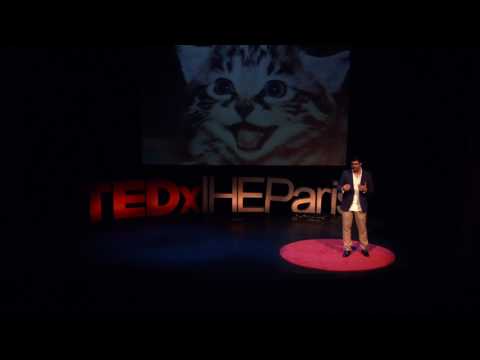
understand it and to help me I’ve got my little friend over there now what’s the
little friend over there now what’s the
little friend over there now what’s the first reaction when you see this
first reaction when you see this
first reaction when you see this adorable little guy ah obviously the
adorable little guy ah obviously the
adorable little guy ah obviously the next reaction and the next reaction is
next reaction and the next reaction is
next reaction and the next reaction is you want to take a picture you want to
you want to take a picture you want to
you want to take a picture you want to copy-paste it you want to send it to
copy-paste it you want to send it to
copy-paste it you want to send it to your friend
your friend
your friend bla bla bla the reason that we do this
bla bla bla the reason that we do this
bla bla bla the reason that we do this is because the cost of sending
is because the cost of sending
is because the cost of sending information on the Internet is very very
information on the Internet is very very
information on the Internet is very very low the Internet is a network which is
low the Internet is a network which is
low the Internet is a network which is decentralized and completely distributed
decentralized and completely distributed
decentralized and completely distributed so if you want to share any kind of
so if you want to share any kind of
so if you want to share any kind of information whether it’s a cat pic or if
information whether it’s a cat pic or if
information whether it’s a cat pic or if it’s an excel file or a PDF or an email
it’s an excel file or a PDF or an email
it’s an excel file or a PDF or an email you can copy/paste that and send it to
you can copy/paste that and send it to
you can copy/paste that and send it to someone else because of this distributed
someone else because of this distributed
someone else because of this distributed architecture that’s why the cost of
architecture that’s why the cost of
architecture that’s why the cost of sharing information has come down
sharing information has come down
sharing information has come down dramatically in the past two to three
dramatically in the past two to three
dramatically in the past two to three decades but when it comes to money you
decades but when it comes to money you
decades but when it comes to money you can’t use the same formula turns out
can’t use the same formula turns out
can’t use the same formula turns out that if I use the Internet to engage in
that if I use the Internet to engage in
that if I use the Internet to engage in a financial transaction with one of you
a financial transaction with one of you
a financial transaction with one of you then it’s really really important that
then it’s really really important that
then it’s really really important that you or someone else is incapable of
you or someone else is incapable of
you or someone else is incapable of going and copping those strings of zeros
going and copping those strings of zeros
going and copping those strings of zeros and ones which essentially make up the
and ones which essentially make up the
and ones which essentially make up the financial transaction that I’m sending
financial transaction that I’m sending
financial transaction that I’m sending that you’re not capable of copying that
that you’re not capable of copying that
that you’re not capable of copying that and pasting it and sending it to someone
and pasting it and sending it to someone
and pasting it and sending it to someone else that’s why we use banks banks
else that’s why we use banks banks
else that’s why we use banks banks essentially do two functions firstly
essentially do two functions firstly
essentially do two functions firstly they’re ensuring that I have the funds
they’re ensuring that I have the funds
they’re ensuring that I have the funds necessary to make this transfer the
necessary to make this transfer the
necessary to make this transfer the second thing they’re doing is updating
second thing they’re doing is updating
second thing they’re doing is updating our balance sheets once it’s done in my
our balance sheets once it’s done in my
our balance sheets once it’s done in my case it’s obviously going to get debited
case it’s obviously going to get debited
case it’s obviously going to get debited in your case it will be credited it’s
in your case it will be credited it’s
in your case it will be credited it’s also the reason that we have outsourced
also the reason that we have outsourced
also the reason that we have outsourced our trust to them but it’s an expensive
our trust to them but it’s an expensive
our trust to them but it’s an expensive one in case any of you are wondering how
one in case any of you are wondering how
one in case any of you are wondering how much the average cost is but the
much the average cost is but the
much the average cost is but the blockchain flips this what the
blockchain flips this what the
blockchain flips this what the blockchain does is rather than using a
blockchain does is rather than using a
blockchain does is rather than using a bank to validate a transaction it uses
bank to validate a transaction it uses
bank to validate a transaction it uses the network more specifically it uses
the network more specifically it uses
the network more specifically it uses the computers that are on this network
the computers that are on this network
the computers that are on this network to perform a very simple or very
to perform a very simple or very
to perform a very simple or very complicated mathematical operation and
complicated mathematical operation and
complicated mathematical operation and this mathematical operation is
this mathematical operation is
this mathematical operation is essentially doing the same
essentially doing the same
essentially doing the same two things it’s ensuring that I have the
two things it’s ensuring that I have the
two things it’s ensuring that I have the funds necessary to make the transfer and
funds necessary to make the transfer and
funds necessary to make the transfer and once the transfer is done it updates the
once the transfer is done it updates the
once the transfer is done it updates the balance sheets but instead of counting
balance sheets but instead of counting
balance sheets but instead of counting on a bank it counts on the transparency
on a bank it counts on the transparency
on a bank it counts on the transparency of the network to ensure trust in such a
of the network to ensure trust in such a
of the network to ensure trust in such a system the blockchain makes every
system the blockchain makes every
system the blockchain makes every transaction that happens on this network
transaction that happens on this network
transaction that happens on this network recorded and published on a shared
recorded and published on a shared
recorded and published on a shared balance sheet which is accessible by
balance sheet which is accessible by
balance sheet which is accessible by everyone who is on this network rather
everyone who is on this network rather
everyone who is on this network rather than outsourcing the trust to another
than outsourcing the trust to another
than outsourcing the trust to another Bank it outsources a trust to
Bank it outsources a trust to
Bank it outsources a trust to transparency remember when you share
transparency remember when you share
transparency remember when you share information with the internet the cost
information with the internet the cost
information with the internet the cost of sharing information goes down well if
of sharing information goes down well if
of sharing information goes down well if you are going to use a blockchain which
you are going to use a blockchain which
you are going to use a blockchain which is also a distributed system the cost of
is also a distributed system the cost of
is also a distributed system the cost of making a transaction goes down
making a transaction goes down
making a transaction goes down exponentially so not only is it able to
exponentially so not only is it able to
exponentially so not only is it able to provide us with a greater way of seeing
provide us with a greater way of seeing
provide us with a greater way of seeing what’s going on within a system it also
what’s going on within a system it also
what’s going on within a system it also ensures trust and reduces the cost of
ensures trust and reduces the cost of
ensures trust and reduces the cost of doing so this is why the economist calls
doing so this is why the economist calls
doing so this is why the economist calls the blockchain the trust machine and why
the blockchain the trust machine and why
the blockchain the trust machine and why I like to call it the engine of
I like to call it the engine of
I like to call it the engine of transparency moreover apart from
transparency moreover apart from
transparency moreover apart from addressing the two problems that we
addressing the two problems that we
addressing the two problems that we mentioned about capitalism which is
mentioned about capitalism which is
mentioned about capitalism which is clarity and Trust the blockchain also
clarity and Trust the blockchain also
clarity and Trust the blockchain also provides two-way transparency today
provides two-way transparency today
provides two-way transparency today banks and financial institutions have
banks and financial institutions have
banks and financial institutions have massive amounts of clarity in terms of
massive amounts of clarity in terms of
massive amounts of clarity in terms of what we do with our money but we don’t
what we do with our money but we don’t
what we do with our money but we don’t have the same clarity as they do with
have the same clarity as they do with
have the same clarity as they do with the blockchain since every transaction
the blockchain since every transaction
the blockchain since every transaction has to be published on the shared
has to be published on the shared
has to be published on the shared balance sheet for the first time as as
balance sheet for the first time as as
balance sheet for the first time as as banks know us we get the chance to know
banks know us we get the chance to know
banks know us we get the chance to know them just as banks know their customers
them just as banks know their customers
them just as banks know their customers we now have the opportunity to know our
we now have the opportunity to know our
we now have the opportunity to know our banks and more importantly to know our
banks and more importantly to know our
banks and more importantly to know our governments this has been unprecedented
governments this has been unprecedented
governments this has been unprecedented till today and I specify today simply
till today and I specify today simply
till today and I specify today simply because one reason the timing has to be
because one reason the timing has to be
because one reason the timing has to be right
right
right capitalism has been punctuated by events
capitalism has been punctuated by events
capitalism has been punctuated by events that have massive effects on the future
that have massive effects on the future
that have massive effects on the future of society we are at such a landmark
of society we are at such a landmark
of society we are at such a landmark event today as we enter season three
event today as we enter season three
event today as we enter season three with the blockchain
in recent years especially in the last
in recent years especially in the last year there’s been an increasing amount
year there’s been an increasing amount
year there’s been an increasing amount of investment by banks financial
of investment by banks financial
of investment by banks financial institutions and governments in the
institutions and governments in the
institutions and governments in the blockchain because they want to leverage
blockchain because they want to leverage
blockchain because they want to leverage the ability to make transactions with
the ability to make transactions with
the ability to make transactions with very reduced cost but as they pursue
very reduced cost but as they pursue
very reduced cost but as they pursue this hedonistic goal it offers us a
this hedonistic goal it offers us a
this hedonistic goal it offers us a window of opportunity for the first time
window of opportunity for the first time
window of opportunity for the first time we have the opportunity to see the
we have the opportunity to see the
we have the opportunity to see the interactions that are actually happening
interactions that are actually happening
interactions that are actually happening within our capitalistic system for the
within our capitalistic system for the
within our capitalistic system for the first time we have the possibility to
first time we have the possibility to
first time we have the possibility to witness capitalism and to see its
witness capitalism and to see its
witness capitalism and to see its effects on society as it happens in real
effects on society as it happens in real
effects on society as it happens in real time the title of this talk is
time the title of this talk is
time the title of this talk is rethinking capitalism with the
rethinking capitalism with the
rethinking capitalism with the blockchain but as we come to the end of
blockchain but as we come to the end of
blockchain but as we come to the end of it what this conversation has really
it what this conversation has really
it what this conversation has really been about is not about the blockchain
been about is not about the blockchain
been about is not about the blockchain or capitalism what this talk is about is
or capitalism what this talk is about is
or capitalism what this talk is about is questions we need to question our banks
questions we need to question our banks
questions we need to question our banks and ask them to be transparent with us
and ask them to be transparent with us
and ask them to be transparent with us just as we are with them we need to use
just as we are with them we need to use
just as we are with them we need to use this technology and question how can we
this technology and question how can we
this technology and question how can we use it in order to reduce inequality
use it in order to reduce inequality
use it in order to reduce inequality that is plaguing our societies today
that is plaguing our societies today
that is plaguing our societies today more importantly we need to question
more importantly we need to question
more importantly we need to question ourselves and ask ourselves how are we
ourselves and ask ourselves how are we
ourselves and ask ourselves how are we going to use this technology and
going to use this technology and
going to use this technology and together redefine capitalism after all
together redefine capitalism after all
together redefine capitalism after all it is only by asking these questions
it is only by asking these questions
it is only by asking these questions that we can have the right conversations
that we can have the right conversations
that we can have the right conversations with the right conversations we can have
with the right conversations we can have
with the right conversations we can have the right interactions and it is
the right interactions and it is
the right interactions and it is interactions that create culture and
interactions that create culture and
interactions that create culture and therefore capitalism not the other way
therefore capitalism not the other way
therefore capitalism not the other way around we have to start asking these
around we have to start asking these
around we have to start asking these questions because if we do not ask these
questions because if we do not ask these
questions because if we do not ask these questions and have the right
questions and have the right
questions and have the right interactions we will never be able to
interactions we will never be able to
interactions we will never be able to sever the link between conflict and
sever the link between conflict and
sever the link between conflict and capitalism if we do not ask these
capitalism if we do not ask these
capitalism if we do not ask these questions and have these interactions we
questions and have these interactions we
questions and have these interactions we will I fear be obliged to start a
will I fear be obliged to start a
will I fear be obliged to start a conversation with the next generation by
conversation with the next generation by
conversation with the next generation by beginning with an apology and that
beginning with an apology and that
beginning with an apology and that ladies and gentlemen will not do it is
ladies and gentlemen will not do it is
ladies and gentlemen will not do it is interactions that make culture and it is
interactions that make culture and it is
interactions that make culture and it is culture that makes capitalism I think
culture that makes capitalism I think
culture that makes capitalism I think the time has come that we start having
the time has come that we start having
the time has come that we start having these interactions so that we can
these interactions so that we can
these interactions so that we can redefine capitalism for this new
redefine capitalism for this new
redefine capitalism for this new thank you
thank you
thank you [Applause]
”
Be First to Comment