
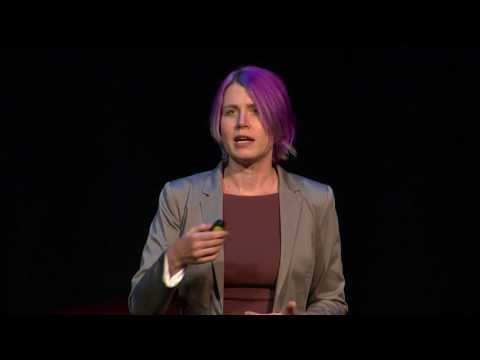
I’m gonna talk to you today about my journey away from home to the South Pole
journey away from home to the South Pole
journey away from home to the South Pole which took me ten and a half months of
which took me ten and a half months of
which took me ten and a half months of time that I spent there that sounds like
time that I spent there that sounds like
time that I spent there that sounds like a lot long time but my journey was a lot
a lot long time but my journey was a lot
a lot long time but my journey was a lot easier than the journey of the early
easier than the journey of the early
easier than the journey of the early Antarctic explorers this is a photo from
Antarctic explorers this is a photo from
Antarctic explorers this is a photo from the endurance expedition which was run
the endurance expedition which was run
the endurance expedition which was run by Sir Ernest Shackleton and he put out
by Sir Ernest Shackleton and he put out
by Sir Ernest Shackleton and he put out an advertisement in a London newspaper
an advertisement in a London newspaper
an advertisement in a London newspaper wanting 27 men to experience bitter cold
wanting 27 men to experience bitter cold
wanting 27 men to experience bitter cold low wages harsh conditions total
low wages harsh conditions total
low wages harsh conditions total darkness and uncertain return these men
darkness and uncertain return these men
darkness and uncertain return these men responded to that advertisement and
responded to that advertisement and
responded to that advertisement and indeed it was a very difficult
indeed it was a very difficult
indeed it was a very difficult expedition they sailed to Antarctica in
expedition they sailed to Antarctica in
expedition they sailed to Antarctica in 1914 and their ship got stuck in the ice
1914 and their ship got stuck in the ice
1914 and their ship got stuck in the ice and then later crushed by the ice in the
and then later crushed by the ice in the
and then later crushed by the ice in the spring and they had to pile into
spring and they had to pile into
spring and they had to pile into lifeboats and split up their party to
lifeboats and split up their party to
lifeboats and split up their party to search for rescue 17 months later they
search for rescue 17 months later they
search for rescue 17 months later they were back in the UK in London my journey
were back in the UK in London my journey
were back in the UK in London my journey was a lot easier even with the minus 100
was a lot easier even with the minus 100
was a lot easier even with the minus 100 degrees this is a photo of the plane
degrees this is a photo of the plane
degrees this is a photo of the plane that I got to take to Antarctica
that I got to take to Antarctica
that I got to take to Antarctica nowadays the US operates three Antarctic
nowadays the US operates three Antarctic
nowadays the US operates three Antarctic faces two on the coast of Antarctica
faces two on the coast of Antarctica
faces two on the coast of Antarctica McMurdo Station and Palmer Station and
McMurdo Station and Palmer Station and
McMurdo Station and Palmer Station and one in the very center of this vast
one in the very center of this vast
one in the very center of this vast continent the South Pole Station to give
continent the South Pole Station to give
continent the South Pole Station to give you a sense of scale Antarctica is
you a sense of scale Antarctica is
you a sense of scale Antarctica is bigger than Australia it’s about the
bigger than Australia it’s about the
bigger than Australia it’s about the size of the US and Mexico combined it’s
size of the US and Mexico combined it’s
size of the US and Mexico combined it’s a huge continent and it’s all ice the
a huge continent and it’s all ice the
a huge continent and it’s all ice the center of the continent is about 800
center of the continent is about 800
center of the continent is about 800 miles from any civilization
miles from any civilization
miles from any civilization if by civilization you mean of a town of
if by civilization you mean of a town of
if by civilization you mean of a town of about a thousand people on the coast
about a thousand people on the coast
about a thousand people on the coast database I got to travel there not for
database I got to travel there not for
database I got to travel there not for fundamental exploration but for science
fundamental exploration but for science
fundamental exploration but for science I work as a physicist at Caltech and
I work as a physicist at Caltech and
I work as a physicist at Caltech and astrophysicist and you might have heard
astrophysicist and you might have heard
astrophysicist and you might have heard of Caltech on the TV show The Big Bang
of Caltech on the TV show The Big Bang
of Caltech on the TV show The Big Bang Theory on that show that show is
Theory on that show that show is
Theory on that show that show is actually based upon life at Caltech
actually based upon life at Caltech
actually based upon life at Caltech now I’m no Sheldon scientists come in
now I’m no Sheldon scientists come in
now I’m no Sheldon scientists come in all shapes and sizes even purple hair
all shapes and sizes even purple hair
all shapes and sizes even purple hair it’s natural I swear but I got to work
it’s natural I swear but I got to work
it’s natural I swear but I got to work on a telescope called the South Pole
on a telescope called the South Pole
on a telescope called the South Pole telescope located at the South Pole
telescope located at the South Pole
telescope located at the South Pole because of the conditions there high dry
because of the conditions there high dry
because of the conditions there high dry remote from civilization were very
remote from civilization were very
remote from civilization were very conducive to doing science and not just
conducive to doing science and not just
conducive to doing science and not just astrophysics which I work on but also
astrophysics which I work on but also
astrophysics which I work on but also climate science a lot of the data from
climate science a lot of the data from
climate science a lot of the data from climate science is coming from this
climate science is coming from this
climate science is coming from this pristine conditions we study at the
pristine conditions we study at the
pristine conditions we study at the South Pole the Aurora Australis the
South Pole the Aurora Australis the
South Pole the Aurora Australis the southern version of the aurora borealis
southern version of the aurora borealis
southern version of the aurora borealis and a variety of other Sciences because
and a variety of other Sciences because
and a variety of other Sciences because of the pioneering work of these
of the pioneering work of these
of the pioneering work of these Antarctic Explorers I got to travel to
Antarctic Explorers I got to travel to
Antarctic Explorers I got to travel to Antarctica as a scientist this is me in
Antarctica as a scientist this is me in
Antarctica as a scientist this is me in the dish of the South Pole telescope and
the dish of the South Pole telescope and
the dish of the South Pole telescope and this is just to give you a sense of
this is just to give you a sense of
this is just to give you a sense of scale it’s about 30 feet this entire
scale it’s about 30 feet this entire
scale it’s about 30 feet this entire dish and myself and another winter over
dish and myself and another winter over
dish and myself and another winter over it’s called we’re tasked with being part
it’s called we’re tasked with being part
it’s called we’re tasked with being part of a skeleton crew of 46 people the two
of a skeleton crew of 46 people the two
of a skeleton crew of 46 people the two of us were the only people responsible
of us were the only people responsible
of us were the only people responsible for this telescope making sure it was
for this telescope making sure it was
for this telescope making sure it was operational fixing it when it went down
operational fixing it when it went down
operational fixing it when it went down telescope doctors essentially and also
telescope doctors essentially and also
telescope doctors essentially and also doing a lot of the data analysis and
doing a lot of the data analysis and
doing a lot of the data analysis and making sure that the scientific data
making sure that the scientific data
making sure that the scientific data that we were collecting was useful to
that we were collecting was useful to
that we were collecting was useful to the entire scientific community the rest
the entire scientific community the rest
the entire scientific community the rest of the crew weren’t all scientists
of the crew weren’t all scientists
of the crew weren’t all scientists there’s a fantastic station at the South
there’s a fantastic station at the South
there’s a fantastic station at the South Pole that houses up to 150 people during
Pole that houses up to 150 people during
Pole that houses up to 150 people during the three months of summer in which
the three months of summer in which
the three months of summer in which planes can come in and out the station
planes can come in and out the station
planes can come in and out the station can be refueled and scientists can do
can be refueled and scientists can do
can be refueled and scientists can do fundamental upgrades to their
fundamental upgrades to their
fundamental upgrades to their experiments just a few people stay for
experiments just a few people stay for
experiments just a few people stay for the rest of the nine months to keep
the rest of the nine months to keep
the rest of the nine months to keep those experiments running and I had the
those experiments running and I had the
those experiments running and I had the privilege of being one of those people
the telescope I worked on was about a
the telescope I worked on was about a kilometer 2/3 of a mile from the South
kilometer 2/3 of a mile from the South
kilometer 2/3 of a mile from the South Pole Station this comfortable building
Pole Station this comfortable building
Pole Station this comfortable building which is a bit like a college dorm room
which is a bit like a college dorm room
which is a bit like a college dorm room or maybe like a prison depending on your
or maybe like a prison depending on your
or maybe like a prison depending on your perspective
perspective
perspective in that you’re essentially trapped
in that you’re essentially trapped
in that you’re essentially trapped inside the majority of the time and you
inside the majority of the time and you
inside the majority of the time and you have small beds that you’re often having
have small beds that you’re often having
have small beds that you’re often having to do communal work to get cooking done
to do communal work to get cooking done
to do communal work to get cooking done everyone did communal cleaning etc at
everyone did communal cleaning etc at
everyone did communal cleaning etc at the South Pole Station I did get the
the South Pole Station I did get the
the South Pole Station I did get the chance to get out of the house it wasn’t
chance to get out of the house it wasn’t
chance to get out of the house it wasn’t like a prison in that respect the
like a prison in that respect the
like a prison in that respect the weather was more keeping us inside the
weather was more keeping us inside the
weather was more keeping us inside the house to travel to my telescope every
house to travel to my telescope every
house to travel to my telescope every single day during the summer time the
single day during the summer time the
single day during the summer time the South Pole has six months of total light
South Pole has six months of total light
South Pole has six months of total light where it doesn’t get dark at all and
where it doesn’t get dark at all and
where it doesn’t get dark at all and during those six months you can travel
during those six months you can travel
during those six months you can travel to the sites outside of the station via
to the sites outside of the station via
to the sites outside of the station via a variety of mechanisms here’s me on a
a variety of mechanisms here’s me on a
a variety of mechanisms here’s me on a snowmobile during the winter months
snowmobile during the winter months
snowmobile during the winter months however we have to just bundle up and
however we have to just bundle up and
however we have to just bundle up and walk it would usually take me about 20
walk it would usually take me about 20
walk it would usually take me about 20 minutes to walk and the conditions could
minutes to walk and the conditions could
minutes to walk and the conditions could be anywhere from minus 20 if it was warm
be anywhere from minus 20 if it was warm
be anywhere from minus 20 if it was warm to minus a hundred or even lower if it
to minus a hundred or even lower if it
to minus a hundred or even lower if it was cold and no matter what in
was cold and no matter what in
was cold and no matter what in Antarctica you can bundle up and you can
Antarctica you can bundle up and you can
Antarctica you can bundle up and you can survive those temperatures in fact
survive those temperatures in fact
survive those temperatures in fact sometimes I even got hot you can be
sometimes I even got hot you can be
sometimes I even got hot you can be happy outside as well here I don’t know
happy outside as well here I don’t know
happy outside as well here I don’t know if you can tell but I’m smiling in this
if you can tell but I’m smiling in this
if you can tell but I’m smiling in this photo so you can enjoy the temperatures
photo so you can enjoy the temperatures
photo so you can enjoy the temperatures as well and what you also enjoy is the
as well and what you also enjoy is the
as well and what you also enjoy is the beautiful views during the six months of
beautiful views during the six months of
beautiful views during the six months of total darkness in which the station is
total darkness in which the station is
total darkness in which the station is cut off from any rescue or planes any
cut off from any rescue or planes any
cut off from any rescue or planes any supports the walks that you take outside
supports the walks that you take outside
supports the walks that you take outside are almost always starry and often with
are almost always starry and often with
are almost always starry and often with this beautiful Aurora Australis in the
this beautiful Aurora Australis in the
this beautiful Aurora Australis in the sky to keep you company along the cold
sky to keep you company along the cold
sky to keep you company along the cold walk so as I mentioned we are at the
walk so as I mentioned we are at the
walk so as I mentioned we are at the South Pole to do this science because it
South Pole to do this science because it
South Pole to do this science because it was an ideal location very close to
was an ideal location very close to
was an ideal location very close to space and the science that we are doing
space and the science that we are doing
space and the science that we are doing at the South Pole is looking at the baby
at the South Pole is looking at the baby
at the South Pole is looking at the baby photo of the you know
photo of the you know
photo of the you know here you have a plot of all of the
here you have a plot of all of the
here you have a plot of all of the history of the universe from left to
history of the universe from left to
history of the universe from left to right we have the Big Bang on the left
right we have the Big Bang on the left
right we have the Big Bang on the left in the present day on the right if
in the present day on the right if
in the present day on the right if you’re looking at the photo and after
you’re looking at the photo and after
you’re looking at the photo and after the Big Bang the universe was expanding
the Big Bang the universe was expanding
the Big Bang the universe was expanding and cooling and eventually it became
and cooling and eventually it became
and cooling and eventually it became transparent as if on a foggy day
transparent as if on a foggy day
transparent as if on a foggy day suddenly it clears up and from that
suddenly it clears up and from that
suddenly it clears up and from that point on light has been traveling to us
point on light has been traveling to us
point on light has been traveling to us and we can view it today with very very
and we can view it today with very very
and we can view it today with very very sensitive telescopes and electronics
sensitive telescopes and electronics
sensitive telescopes and electronics such as the South Pole telescope Here I
such as the South Pole telescope Here I
such as the South Pole telescope Here I am indoors in the plumbing section of
am indoors in the plumbing section of
am indoors in the plumbing section of the South Pole Station and it’s minus 50
the South Pole Station and it’s minus 50
the South Pole Station and it’s minus 50 degrees inside even that wasn’t cold
degrees inside even that wasn’t cold
degrees inside even that wasn’t cold enough to run this outpull telescope
enough to run this outpull telescope
enough to run this outpull telescope because of the very faint nature of the
because of the very faint nature of the
because of the very faint nature of the radiation we are trying to observe this
radiation we are trying to observe this
radiation we are trying to observe this baby photo from the Big Bang which can
baby photo from the Big Bang which can
baby photo from the Big Bang which can tell us about the history of the
tell us about the history of the
tell us about the history of the universe it can help us observe galaxies
universe it can help us observe galaxies
universe it can help us observe galaxies clusters and tell us about the future of
clusters and tell us about the future of
clusters and tell us about the future of the universe will it continue expanding
the universe will it continue expanding
the universe will it continue expanding forever or will it collapse to another
forever or will it collapse to another
forever or will it collapse to another Big Bang called the Big Crunch the data
Big Bang called the Big Crunch the data
Big Bang called the Big Crunch the data at the South Pole telescope helps us
at the South Pole telescope helps us
at the South Pole telescope helps us understand the answers to that but
understand the answers to that but
understand the answers to that but because the radiation is so faint we
because the radiation is so faint we
because the radiation is so faint we actually need to use properties of
actually need to use properties of
actually need to use properties of superconductivity to sense it and to do
superconductivity to sense it and to do
superconductivity to sense it and to do that to use properties of
that to use properties of
that to use properties of superconductivity you have to have
superconductivity you have to have
superconductivity you have to have extremely cold temperatures and minus
extremely cold temperatures and minus
extremely cold temperatures and minus 100 isn’t even cold enough you have to
100 isn’t even cold enough you have to
100 isn’t even cold enough you have to be just a fraction of a degree above
be just a fraction of a degree above
be just a fraction of a degree above absolute zero
absolute zero
absolute zero so one of my tasks at the South Pole one
so one of my tasks at the South Pole one
so one of my tasks at the South Pole one of the coldest places on earth was to
of the coldest places on earth was to
of the coldest places on earth was to maintain and operate a refrigerator so I
maintain and operate a refrigerator so I
maintain and operate a refrigerator so I I enjoyed the irony of that operating a
I enjoyed the irony of that operating a
I enjoyed the irony of that operating a refrigerator on one of the coldest
refrigerator on one of the coldest
refrigerator on one of the coldest places on earth this is my beautiful
places on earth this is my beautiful
places on earth this is my beautiful telescope operating and scanning the sky
telescope operating and scanning the sky
telescope operating and scanning the sky because again the radiation is so faint
because again the radiation is so faint
because again the radiation is so faint just like if you try to take a photo
just like if you try to take a photo
just like if you try to take a photo when in very very dark light you want a
when in very very dark light you want a
when in very very dark light you want a very long exposure our photos would take
very long exposure our photos would take
very long exposure our photos would take three months six months years to take
three months six months years to take
three months six months years to take where the telescope would scan the sky
where the telescope would scan the sky
where the telescope would scan the sky and only later would scientist such as
and only later would scientist such as
and only later would scientist such as myself and an entire team of people go
myself and an entire team of people go
myself and an entire team of people go and analyze the data and come up with
and analyze the data and come up with
and analyze the data and come up with our conclusions so I helped collect that
our conclusions so I helped collect that
our conclusions so I helped collect that data throughout an entire season and
data throughout an entire season and
data throughout an entire season and finally I had been there since January
finally I had been there since January
finally I had been there since January finally in September this is September
finally in September this is September
finally in September this is September 13th the Sun began to rise and sunrise
13th the Sun began to rise and sunrise
13th the Sun began to rise and sunrise at the South Pole is in an hour long
at the South Pole is in an hour long
at the South Pole is in an hour long process or 2 hour long process it’s a
process or 2 hour long process it’s a
process or 2 hour long process it’s a month long process and when that Sun
month long process and when that Sun
month long process and when that Sun first rises you have an immediate mood
first rises you have an immediate mood
first rises you have an immediate mood boost when you first see that that
boost when you first see that that
boost when you first see that that flicker of hope that flicker of home on
flicker of hope that flicker of home on
flicker of hope that flicker of home on the horizon that the Sun will rise again
the horizon that the Sun will rise again
the horizon that the Sun will rise again finally planes came for the first time
finally planes came for the first time
finally planes came for the first time this is me with my first fresh fruit in
this is me with my first fresh fruit in
this is me with my first fresh fruit in many many months I’m extremely excited
many many months I’m extremely excited
many many months I’m extremely excited there to have fresh fruit it’s amazing
there to have fresh fruit it’s amazing
there to have fresh fruit it’s amazing what you miss I miss certain smells you
what you miss I miss certain smells you
what you miss I miss certain smells you miss fruit I had a friend who was
miss fruit I had a friend who was
miss fruit I had a friend who was engaged and they asked him at the end of
engaged and they asked him at the end of
engaged and they asked him at the end of the season who did you miss what did you
the season who did you miss what did you
the season who did you miss what did you miss most
miss most
miss most and he said fruit and he said no wait
and he said fruit and he said no wait
and he said fruit and he said no wait don’t print that say my fiancee so it
don’t print that say my fiancee so it
don’t print that say my fiancee so it really is amazing how much you missed
really is amazing how much you missed
really is amazing how much you missed these super simple things that we take
these super simple things that we take
these super simple things that we take for granted in our everyday lives like
for granted in our everyday lives like
for granted in our everyday lives like fiancees and fruit I was very happy to
fiancees and fruit I was very happy to
fiancees and fruit I was very happy to see people again and to have been a part
see people again and to have been a part
see people again and to have been a part of this modern day scientific
of this modern day scientific
of this modern day scientific achievement that was really enabled by
achievement that was really enabled by
achievement that was really enabled by the early explorers who went to
the early explorers who went to
the early explorers who went to Antarctica and paved the way for modern
Antarctica and paved the way for modern
Antarctica and paved the way for modern scientists to help us understand the
scientists to help us understand the
scientists to help us understand the future of the planet to help us
future of the planet to help us
future of the planet to help us understand the future of the universe in
understand the future of the universe in
understand the future of the universe in my case Antarctica has this mythic
my case Antarctica has this mythic
my case Antarctica has this mythic weight it resides in the collective
weight it resides in the collective
weight it resides in the collective unconscious of so many people and it
unconscious of so many people and it
unconscious of so many people and it makes this huge impact
makes this huge impact
makes this huge impact just like outer space it’s like going to
just like outer space it’s like going to
just like outer space it’s like going to the moon
the moon
the moon this quote is by the author of into the
this quote is by the author of into the
this quote is by the author of into the wild an author and also a mountaineer
wild an author and also a mountaineer
wild an author and also a mountaineer and I chose this quote because I wanted
and I chose this quote because I wanted
and I chose this quote because I wanted to emphasize that I do believe that
to emphasize that I do believe that
to emphasize that I do believe that Antarctica is like outer space
Antarctica is like outer space
Antarctica is like outer space in that today we are in space research
in that today we are in space research
in that today we are in space research in space exploration in that heroic age
in space exploration in that heroic age
in space exploration in that heroic age of space exploration with companies like
of space exploration with companies like
of space exploration with companies like SpaceX and Boeing Lockheed Martin Blue
SpaceX and Boeing Lockheed Martin Blue
SpaceX and Boeing Lockheed Martin Blue Origin etc and with governmental
Origin etc and with governmental
Origin etc and with governmental agencies like NASA and the European
agencies like NASA and the European
agencies like NASA and the European Space Agency’s the advertisements
Space Agency’s the advertisements
Space Agency’s the advertisements they’re putting out for jobs are much
they’re putting out for jobs are much
they’re putting out for jobs are much like the jobs of the early days of
like the jobs of the early days of
like the jobs of the early days of Antarctic exploration uncertain return
Antarctic exploration uncertain return
Antarctic exploration uncertain return hazardous conditions but the science
hazardous conditions but the science
hazardous conditions but the science they’re doing today will really enable
they’re doing today will really enable
they’re doing today will really enable the science tomorrow and here’s me a
the science tomorrow and here’s me a
the science tomorrow and here’s me a photo of me training in a zero-gravity
photo of me training in a zero-gravity
photo of me training in a zero-gravity simulator at the NASA Johnson Space
simulator at the NASA Johnson Space
simulator at the NASA Johnson Space Center I had the chance to interview to
Center I had the chance to interview to
Center I had the chance to interview to be a NASA astronaut unfortunately I
be a NASA astronaut unfortunately I
be a NASA astronaut unfortunately I wasn’t selected I’m gonna apply again in
wasn’t selected I’m gonna apply again in
wasn’t selected I’m gonna apply again in the future but I got to meet a lot of
the future but I got to meet a lot of
the future but I got to meet a lot of astronauts and a lot of people involved
astronauts and a lot of people involved
astronauts and a lot of people involved in the space program and I’m convinced
in the space program and I’m convinced
in the space program and I’m convinced that the heroic work that they are all
that the heroic work that they are all
that the heroic work that they are all doing today will enable a future where
doing today will enable a future where
doing today will enable a future where just like we have a base in Antarctica
just like we have a base in Antarctica
just like we have a base in Antarctica where scientists can travel and do
where scientists can travel and do
where scientists can travel and do fundamental research we will have a
fundamental research we will have a
fundamental research we will have a future where we have bases on the moon
future where we have bases on the moon
future where we have bases on the moon on Mars maybe even elsewhere in the
on Mars maybe even elsewhere in the
on Mars maybe even elsewhere in the solar system I believe that will happen
solar system I believe that will happen
solar system I believe that will happen in our lifetime if we value the work
in our lifetime if we value the work
in our lifetime if we value the work that these explorers are doing today and
that these explorers are doing today and
that these explorers are doing today and I’m very excited for a future in which
I’m very excited for a future in which
I’m very excited for a future in which our sons and daughters can travel and do
our sons and daughters can travel and do
our sons and daughters can travel and do science on the moon or science on Mars
science on the moon or science on Mars
science on the moon or science on Mars and I’m hoping to be in the audience and
and I’m hoping to be in the audience and
and I’m hoping to be in the audience and listen to their TED talk TEDx talk one
listen to their TED talk TEDx talk one
listen to their TED talk TEDx talk one day thank you very much
day thank you very much
day thank you very much [Applause]
[Applause]
[Applause] you
”
Be First to Comment