
I’m very excited to have this opportunity to present at TEDx body I
opportunity to present at TEDx body I
opportunity to present at TEDx body I admit this is my first time speaking to
admit this is my first time speaking to
admit this is my first time speaking to an audience all of Italians so I hope
an audience all of Italians so I hope
an audience all of Italians so I hope you’ll bear with me but I am very happy
you’ll bear with me but I am very happy
you’ll bear with me but I am very happy about the choice of the topic of desert
about the choice of the topic of desert
about the choice of the topic of desert I think it’s an interesting topic to
I think it’s an interesting topic to
I think it’s an interesting topic to explore and it gives me an opportunity
explore and it gives me an opportunity
explore and it gives me an opportunity for me to share my research which is an
for me to share my research which is an
for me to share my research which is an archaeological excavation in a desert
archaeological excavation in a desert
archaeological excavation in a desert land and really reveals how humanity has
land and really reveals how humanity has
land and really reveals how humanity has dealt with the desert environment
dealt with the desert environment
dealt with the desert environment I work in Petra which is in Jordan and
I work in Petra which is in Jordan and
I work in Petra which is in Jordan and it’s located in the southern desert
it’s located in the southern desert
it’s located in the southern desert right on the edge of the Great Rift
right on the edge of the Great Rift
right on the edge of the Great Rift Valley along the Arabian desert and in
Valley along the Arabian desert and in
Valley along the Arabian desert and in today the climate is such that there’s
today the climate is such that there’s
today the climate is such that there’s only about 100 millimetres of rainfall
only about 100 millimetres of rainfall
only about 100 millimetres of rainfall each year so it’s very dry and the a lot
each year so it’s very dry and the a lot
each year so it’s very dry and the a lot of the water gets lost through
of the water gets lost through
of the water gets lost through evaporation or just running off into the
evaporation or just running off into the
evaporation or just running off into the valley so very little of it actually
valley so very little of it actually
valley so very little of it actually stays in the land and all of the
stays in the land and all of the
stays in the land and all of the indications that we have from the
indications that we have from the
indications that we have from the studies of the ancient of ancient Petra
studies of the ancient of ancient Petra
studies of the ancient of ancient Petra is that the rainfall was about the same
is that the rainfall was about the same
is that the rainfall was about the same then as it or today as it is then so
then as it or today as it is then so
then as it or today as it is then so thinking about a very little rainfall
thinking about a very little rainfall
thinking about a very little rainfall now as you can see here Petra is located
now as you can see here Petra is located
now as you can see here Petra is located in a valley that’s surrounded by
in a valley that’s surrounded by
in a valley that’s surrounded by sandstone and limestone mountains and
sandstone and limestone mountains and
sandstone and limestone mountains and the sandstone is created by layers of
the sandstone is created by layers of
the sandstone is created by layers of settlement sediment and this is in
settlement sediment and this is in
settlement sediment and this is in various colors we have purple and blue
various colors we have purple and blue
various colors we have purple and blue and white and yellow but the pedometer
and white and yellow but the pedometer
and white and yellow but the pedometer color is red which has led to the
color is red which has led to the
color is red which has led to the reference to spectra as a rose red city
now petra has three features that are
now petra has three features that are that’s very famous for people tend to
that’s very famous for people tend to
that’s very famous for people tend to know if they know petra at all they know
know if they know petra at all they know
know if they know petra at all they know about these one of these is the seek
about these one of these is the seek
about these one of these is the seek this
this
this seek is a natural gorge that functioned
seek is a natural gorge that functioned
seek is a natural gorge that functioned as the formal entrance into Petra but it
as the formal entrance into Petra but it
as the formal entrance into Petra but it was created by wind and water erosion
was created by wind and water erosion
was created by wind and water erosion and it runs about two kilometres into
and it runs about two kilometres into
and it runs about two kilometres into through the rock and ends with are the
through the rock and ends with are the
through the rock and ends with are the Nabataeans they they placed this
Nabataeans they they placed this
Nabataeans they they placed this monumental facade right at the end of it
monumental facade right at the end of it
monumental facade right at the end of it so it’s a very dramatic entrance into
so it’s a very dramatic entrance into
so it’s a very dramatic entrance into the city now this is called the Hosny
the city now this is called the Hosny
the city now this is called the Hosny actually has natal firown’ the treasury
actually has natal firown’ the treasury
actually has natal firown’ the treasury of the Pharaoh but that is a title from
of the Pharaoh but that is a title from
of the Pharaoh but that is a title from folklore it there’s no route there’s no
folklore it there’s no route there’s no
folklore it there’s no route there’s no actual connection it was never a
actual connection it was never a
actual connection it was never a treasury it was actually a funerary
treasury it was actually a funerary
treasury it was actually a funerary monument a funerary temple and many of
monument a funerary temple and many of
monument a funerary temple and many of you probably recognize it it’s entered
you probably recognize it it’s entered
you probably recognize it it’s entered popular lore as the place where Indiana
popular lore as the place where Indiana
popular lore as the place where Indiana Jones discovered the Holy Grail in one
Jones discovered the Holy Grail in one
Jones discovered the Holy Grail in one of its movies but this monument is not
of its movies but this monument is not
of its movies but this monument is not petra itself it is just one of hundreds
seems to have stopped working there we
seems to have stopped working there we go
go
go it’s one of hundreds of these rock rock
it’s one of hundreds of these rock rock
it’s one of hundreds of these rock rock cut facades all around the valley of
cut facades all around the valley of
cut facades all around the valley of Petra and I’ve just show you a couple of
Petra and I’ve just show you a couple of
Petra and I’ve just show you a couple of my favorites if I showed you all of them
my favorites if I showed you all of them
my favorites if I showed you all of them would be the here all night this one is
would be the here all night this one is
would be the here all night this one is the we refer to as the royal tombs and
the we refer to as the royal tombs and
the we refer to as the royal tombs and then here’s just common family tombs
then here’s just common family tombs
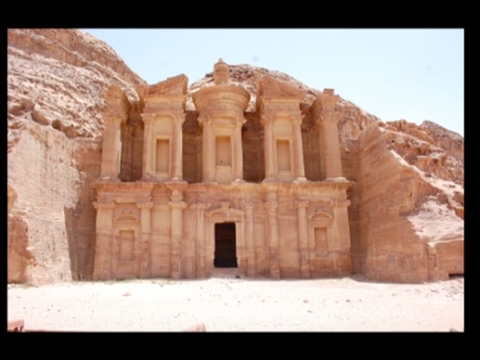
then here’s just common family tombs this is the palette of the Corinthian
this is the palette of the Corinthian
this is the palette of the Corinthian tomb and this is the largest it’s called
tomb and this is the largest it’s called
tomb and this is the largest it’s called Adair because it was you which means a
Adair because it was you which means a
Adair because it was you which means a monastery and it was used as a monastery
monastery and it was used as a monastery
monastery and it was used as a monastery in the Christian era now part one of the
in the Christian era now part one of the
in the Christian era now part one of the reasons before have after have seen all
reasons before have after have seen all
reasons before have after have seen all of these funerary monuments people came
of these funerary monuments people came
of these funerary monuments people came to talk about petra and call it a city
to talk about petra and call it a city
to talk about petra and call it a city the dead but it’s a much more than just
the dead but it’s a much more than just
the dead but it’s a much more than just this necropolis much more than these
this necropolis much more than these
this necropolis much more than these tombs there is an entire city in the
tombs there is an entire city in the
tombs there is an entire city in the valley and that city was formed by or
valley and that city was formed by or
valley and that city was formed by or was able to be formed because it’s
was able to be formed because it’s
was able to be formed because it’s situated right on the crossroads of the
situated right on the crossroads of the
situated right on the crossroads of the caravan routes that came out of Arabia
caravan routes that came out of Arabia
caravan routes that came out of Arabia carrying it frankincense and myrrh which
carrying it frankincense and myrrh which
carrying it frankincense and myrrh which were in great demand in the
were in great demand in the
were in great demand in the Mediterranean world including in Rome
Mediterranean world including in Rome
Mediterranean world including in Rome and so the peoples of that we’re living
and so the peoples of that we’re living
and so the peoples of that we’re living in Petra who had originally been a
in Petra who had originally been a
in Petra who had originally been a migrant population they exacting control
migrant population they exacting control
migrant population they exacting control over this crossroads and were able to
over this crossroads and were able to
over this crossroads and were able to build up a wealth they charge taxes and
build up a wealth they charge taxes and
build up a wealth they charge taxes and so they’re able to build up a wealth and
so they’re able to build up a wealth and
so they’re able to build up a wealth and created this their city which became a
created this their city which became a
created this their city which became a political economic and also a ceremonial
political economic and also a ceremonial
political economic and also a ceremonial center for the navigating ‘dom 1st
center for the navigating ‘dom 1st
center for the navigating ‘dom 1st century BC 1st century AD now it’s
century BC 1st century AD now it’s
century BC 1st century AD now it’s estimated that there were about 30,000
estimated that there were about 30,000
estimated that there were about 30,000 people living in Petra but it’s really
people living in Petra but it’s really
people living in Petra but it’s really just a rough estimate because only 2% of
just a rough estimate because only 2% of
just a rough estimate because only 2% of Petra not even 2% of Petra has actually
Petra not even 2% of Petra has actually
Petra not even 2% of Petra has actually been excavated or uncovered so we’re
been excavated or uncovered so we’re
been excavated or uncovered so we’re really just getting a glimpse of what
really just getting a glimpse of what
really just getting a glimpse of what the city was all about and when you look
the city was all about and when you look
the city was all about and when you look at the environment you might wonder well
at the environment you might wonder well
at the environment you might wonder well how is this possible you have this
how is this possible you have this
how is this possible you have this desert does arid land how is it possible
desert does arid land how is it possible
desert does arid land how is it possible for a large population to have lived
for a large population to have lived
for a large population to have lived here where did they get the water for
here where did they get the water for
here where did they get the water for the people for their animals for the
the people for their animals for the
the people for their animals for the irrigation of their crops and the answer
irrigation of their crops and the answer
irrigation of their crops and the answer is in Springs there were perennial
is in Springs there were perennial
is in Springs there were perennial springs in the hillsides behind Petra I
springs in the hillsides behind Petra I
springs in the hillsides behind Petra I mean is the Arabic word for spring
mean is the Arabic word for spring
mean is the Arabic word for spring so there’s i’m musa i only moon i’m
so there’s i’m musa i only moon i’m
so there’s i’m musa i only moon i’m brock and then there’s a fourth one
brock and then there’s a fourth one
brock and then there’s a fourth one that’s further to the north called i’m
that’s further to the north called i’m
that’s further to the north called i’m dip today and the Nabataean people they
dip today and the Nabataean people they
dip today and the Nabataean people they were able to make use of the spring
were able to make use of the spring
were able to make use of the spring which produced sufficient amount of
which produced sufficient amount of
which produced sufficient amount of water supplemented by the rainwater for
water supplemented by the rainwater for
water supplemented by the rainwater for the population the thing is though that
the population the thing is though that
the population the thing is though that these are outside of the valley the
these are outside of the valley the
these are outside of the valley the Nabataeans one thing they had to do
Nabataeans one thing they had to do
Nabataeans one thing they had to do because when there was rain there would
because when there was rain there would
because when there was rain there would be these great flash floods they had to
be these great flash floods they had to
be these great flash floods they had to build dams and they cut this tunnel
build dams and they cut this tunnel
build dams and they cut this tunnel through the mountain so I divert the
through the mountain so I divert the
through the mountain so I divert the flash floods to prevent it from creating
flash floods to prevent it from creating
flash floods to prevent it from creating disasters in the city itself and they
disasters in the city itself and they
disasters in the city itself and they cut about twenty five thousand meters of
cut about twenty five thousand meters of
cut about twenty five thousand meters of channels into the rocks to carry the
channels into the rocks to carry the
channels into the rocks to carry the water from the springs down into the
water from the springs down into the
water from the springs down into the city and to the places where they needed
city and to the places where they needed
city and to the places where they needed and wanted it these channels are cut
and wanted it these channels are cut
and wanted it these channels are cut into the stones so they run along the
into the stones so they run along the
into the stones so they run along the topography of the land and then when
topography of the land and then when
topography of the land and then when they wanted to to cross places where it
they wanted to to cross places where it
they wanted to to cross places where it wasn’t convenient for those cut channels
wasn’t convenient for those cut channels
wasn’t convenient for those cut channels they’ve created pipelines so they use
they’ve created pipelines so they use
they’ve created pipelines so they use these segments of ceramic tubes to
these segments of ceramic tubes to
these segments of ceramic tubes to connect along and carry the water to
connect along and carry the water to
connect along and carry the water to wherever they need it and they even
wherever they need it and they even
wherever they need it and they even though instead of just it’s not all just
though instead of just it’s not all just
though instead of just it’s not all just practical function you see a lot of
practical function you see a lot of
practical function you see a lot of elaboration use of fountains for that
elaboration use of fountains for that
elaboration use of fountains for that with the water the one this one picture
with the water the one this one picture
with the water the one this one picture shows a lion and the water came in from
shows a lion and the water came in from
shows a lion and the water came in from the back of his head and spewed out of
the back of his head and spewed out of
the back of his head and spewed out of his mouth but because of that water and
his mouth but because of that water and
his mouth but because of that water and his head has now been eroded away and so
his head has now been eroded away and so
his head has now been eroded away and so we we don’t get to see that and the
we we don’t get to see that and the
we we don’t get to see that and the other picture here shows a water channel
other picture here shows a water channel
other picture here shows a water channel and it’s running under the legs of what
and it’s running under the legs of what
and it’s running under the legs of what was a camel carved into the mountainside
was a camel carved into the mountainside
was a camel carved into the mountainside and in front of the can wall is a man
and in front of the can wall is a man
and in front of the can wall is a man who’s leading the camel these were
who’s leading the camel these were
who’s leading the camel these were buried this the bottom half of the
buried this the bottom half of the
buried this the bottom half of the sculpture was buried under the sand and
sculpture was buried under the sand and
sculpture was buried under the sand and in the 1990s when the Jordanians
in the 1990s when the Jordanians
in the 1990s when the Jordanians excavated to find the original pavement
excavated to find the original pavement
excavated to find the original pavement in the seat they uncovered the preserved
in the seat they uncovered the preserved
in the seat they uncovered the preserved feet out of both the camel
feet out of both the camel
feet out of both the camel and the man now the Nabataeans also had
and the man now the Nabataeans also had
and the man now the Nabataeans also had to store water so they had cisterns and
to store water so they had cisterns and
to store water so they had cisterns and reservoirs we see them everywhere around
reservoirs we see them everywhere around
reservoirs we see them everywhere around the valley to store and keep all the
the valley to store and keep all the
the valley to store and keep all the water so that they would have sufficient
water so that they would have sufficient
water so that they would have sufficient for the dry months okay so because of
for the dry months okay so because of
for the dry months okay so because of this water we were able to have the city
this water we were able to have the city
this water we were able to have the city you have the seek you have the rock cut
you have the seek you have the rock cut
you have the seek you have the rock cut facades and then you have this water
facades and then you have this water
facades and then you have this water system which Petra is so famous for but
system which Petra is so famous for but
system which Petra is so famous for but I can say one more thing one additional
I can say one more thing one additional
I can say one more thing one additional element that famous that that Petra is
element that famous that that Petra is
element that famous that that Petra is now famous for or should be famous for
now famous for or should be famous for
now famous for or should be famous for this is the result of fieldwork I did I
this is the result of fieldwork I did I
this is the result of fieldwork I did I started in 1998 as a graduate student
started in 1998 as a graduate student
started in 1998 as a graduate student and I chose the this Terrace in the
and I chose the this Terrace in the
and I chose the this Terrace in the middle of the city to investigate it was
middle of the city to investigate it was
middle of the city to investigate it was believed for a hundred years that this
believed for a hundred years that this
believed for a hundred years that this was a marketplace Petra is a center of
was a marketplace Petra is a center of
was a marketplace Petra is a center of trade there must have been a marketplace
trade there must have been a marketplace
trade there must have been a marketplace why not this big Terrace in the middle
why not this big Terrace in the middle
why not this big Terrace in the middle of the city but the our team got to work
of the city but the our team got to work
of the city but the our team got to work in a team archeology is always a team we
in a team archeology is always a team we
in a team archeology is always a team we have I have other professional
have I have other professional
have I have other professional archaeologists students and also people
archaeologists students and also people
archaeologists students and also people from the local village the padule the
from the local village the padule the
from the local village the padule the Bedouins and in the first field season
Bedouins and in the first field season
Bedouins and in the first field season we were able to realize that this
we were able to realize that this
we were able to realize that this Terrace was never a market place there
Terrace was never a market place there
Terrace was never a market place there was no evidence of it ever being used as
was no evidence of it ever being used as
was no evidence of it ever being used as a market place the southern half of the
a market place the southern half of the
a market place the southern half of the terrace was occupied by a grand pool a
terrace was occupied by a grand pool a
terrace was occupied by a grand pool a monumental pool 46 metres 23 metres two
monumental pool 46 metres 23 metres two
monumental pool 46 metres 23 metres two and a half metres deep you can think of
and a half metres deep you can think of
and a half metres deep you can think of an Olympic sized swimming pool to try to
an Olympic sized swimming pool to try to
an Olympic sized swimming pool to try to imagine this but this pool had an island
imagine this but this pool had an island
imagine this but this pool had an island in the middle of it and the island had a
in the middle of it and the island had a
in the middle of it and the island had a pavilion on it
pavilion on it
pavilion on it so from this recurrent reconstruction
so from this recurrent reconstruction
so from this recurrent reconstruction here done by our architectural artist
here done by our architectural artist
here done by our architectural artist you can get an idea of what we think
you can get an idea of what we think
you can get an idea of what we think this island looked like it would have
this island looked like it would have
this island looked like it would have been a great place to have banquets it
been a great place to have banquets it
been a great place to have banquets it would have also been
would have also been
would have also been a very good place to be able to have
a very good place to be able to have
a very good place to be able to have private discussions because nobody could
private discussions because nobody could
private discussions because nobody could be standing around listening to you the
be standing around listening to you the
be standing around listening to you the island pavilion had wide doors on all
island pavilion had wide doors on all
island pavilion had wide doors on all four sides so that whoever was inside
four sides so that whoever was inside
four sides so that whoever was inside would have a view across the water
would have a view across the water
would have a view across the water surrounding the island and then also a
surrounding the island and then also a
surrounding the island and then also a view to the north across the terrace and
view to the north across the terrace and
view to the north across the terrace and to the the city on the north side of the
to the the city on the north side of the
to the the city on the north side of the city and and the mountains there so
city and and the mountains there so
city and and the mountains there so wonderful expensive views everywhere we
wonderful expensive views everywhere we
wonderful expensive views everywhere we dug we found channels wrap circling
dug we found channels wrap circling
dug we found channels wrap circling around the pool dropping down to the to
around the pool dropping down to the to
around the pool dropping down to the to the terrace next to the pool and
the terrace next to the pool and
the terrace next to the pool and channeling out across the terrace and as
channeling out across the terrace and as
channeling out across the terrace and as a and with further investigations we
a and with further investigations we
a and with further investigations we found that that Terrace was in fact a
found that that Terrace was in fact a
found that that Terrace was in fact a garden we found pathways and plantings
garden we found pathways and plantings
garden we found pathways and plantings and in fact we know from studies of the
and in fact we know from studies of the
and in fact we know from studies of the soil from the botanical remains found in
soil from the botanical remains found in
soil from the botanical remains found in the soil that this Terrace was planted
the soil that this Terrace was planted
the soil that this Terrace was planted with palm trees so you have to use your
with palm trees so you have to use your
with palm trees so you have to use your imagination here and just and imagine a
imagination here and just and imagine a
imagination here and just and imagine a grove of palm trees on this Terrace with
grove of palm trees on this Terrace with
grove of palm trees on this Terrace with the pool behind it so this pool and
the pool behind it so this pool and
the pool behind it so this pool and garden was part of a larger complex
garden was part of a larger complex
garden was part of a larger complex right in the middle of the city and this
right in the middle of the city and this
right in the middle of the city and this is a phenomenon of the 2nd and 1st
is a phenomenon of the 2nd and 1st
is a phenomenon of the 2nd and 1st centuries BC where palaces in the
centuries BC where palaces in the
centuries BC where palaces in the Hellenistic world next door in Judea for
Hellenistic world next door in Judea for
Hellenistic world next door in Judea for example would have gardens and pools as
example would have gardens and pools as
example would have gardens and pools as part of the palace complexes so the
part of the palace complexes so the
part of the palace complexes so the Nabataeans they had there they made sure
Nabataeans they had there they made sure
Nabataeans they had there they made sure that they had their own garden and pool
that they had their own garden and pool
that they had their own garden and pool as something that would be expected for
as something that would be expected for
as something that would be expected for the royalty to have however in this case
the royalty to have however in this case
the royalty to have however in this case because of the desert environment and
because of the desert environment and
because of the desert environment and imagine if you were somebody on one of
imagine if you were somebody on one of
imagine if you were somebody on one of these caravans traveling for days to the
these caravans traveling for days to the
these caravans traveling for days to the desert and then you stopped in Petra you
desert and then you stopped in Petra you
desert and then you stopped in Petra you went walked through the sea you saw all
went walked through the sea you saw all
went walked through the sea you saw all these water channels and fountains but
these water channels and fountains but
these water channels and fountains but then as you wander down the middle of
then as you wander down the middle of
then as you wander down the middle of the city
the city
the city you saw the
you saw the
you saw the Oasis and artificial Oasis this would
Oasis and artificial Oasis this would
Oasis and artificial Oasis this would have been very impressive you would have
have been very impressive you would have
have been very impressive you would have imagined that the Nabataeans were
imagined that the Nabataeans were
imagined that the Nabataeans were Masters of the desert how did they were
Masters of the desert how did they were
Masters of the desert how did they were they able to not only store and
they able to not only store and
they able to not only store and transport the water they needed but they
transport the water they needed but they
transport the water they needed but they were able to actually create a surplus
were able to actually create a surplus
were able to actually create a surplus something that could be actually wasted
something that could be actually wasted
something that could be actually wasted on display and luxury in this garden the
on display and luxury in this garden the
on display and luxury in this garden the garden itself is a kind of a visual
garden itself is a kind of a visual
garden itself is a kind of a visual propaganda a political statement about
propaganda a political statement about
propaganda a political statement about about the conspicuous consumption of
about the conspicuous consumption of
about the conspicuous consumption of what was most precious not the most
what was most precious not the most
what was most precious not the most precious resource which was water and
precious resource which was water and
precious resource which was water and this kind of statement is kind of
this kind of statement is kind of
this kind of statement is kind of propaganda allowed the Nabataeans to be
propaganda allowed the Nabataeans to be
propaganda allowed the Nabataeans to be able to to equate themselves with the
able to to equate themselves with the
able to to equate themselves with the other kingdoms in the area to make them
other kingdoms in the area to make them
other kingdoms in the area to make them present themselves as worthy equals to
present themselves as worthy equals to
present themselves as worthy equals to the Hellenistic kingdoms and then of
the Hellenistic kingdoms and then of
the Hellenistic kingdoms and then of course Rome as the Empire expanded
Romans did take over Petra and they
Romans did take over Petra and they changed the trade routes so that they
changed the trade routes so that they
changed the trade routes so that they bypassed Petra which led to the decline
bypassed Petra which led to the decline
bypassed Petra which led to the decline of the city the economic decline of the
of the city the economic decline of the
of the city the economic decline of the city and over time this garden was no
city and over time this garden was no
city and over time this garden was no longer maintained it was used for as
longer maintained it was used for as
longer maintained it was used for as agricultural field and became again the
agricultural field and became again the
agricultural field and became again the pool B was filled with sand and
pool B was filled with sand and
pool B was filled with sand and essentially just became another part of
essentially just became another part of
essentially just became another part of you know continued part of the desert so
you know continued part of the desert so
you know continued part of the desert so it’s only through archaeology now 2,000
it’s only through archaeology now 2,000
it’s only through archaeology now 2,000 years later that were able to actually
years later that were able to actually
years later that were able to actually uncover and realize what these
uncover and realize what these
uncover and realize what these Nabataeans were capable of that they
Nabataeans were capable of that they
Nabataeans were capable of that they were able to become these masters of the
were able to become these masters of the
were able to become these masters of the desert and to create a urban oasis in
desert and to create a urban oasis in
desert and to create a urban oasis in Petra thank you
”
Be First to Comment