
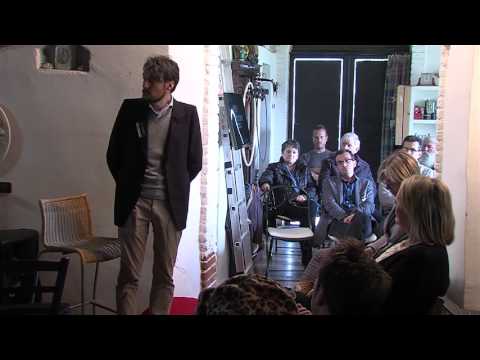
I am in charge of the municipality of Milan
active citizenship participation open
date
and that’s why I’m here
especially to talk about open data e
especially to talk about transparency
which is very related to the subject of data
open the common usually the first thing
to explain and what it means
participation transparency all
think about the most classic departments
transport urban planning when talking
of municipalities and therefore according to gender
audience that meets when you
they make appointment seminars
in public you have to specify a bit of
what are you talking about doing it I think
that it may be useful to take a leap
back of forty years in
1976 there were elections
Politics in Italy participated in the
93.3 percent of the voters vote
therefore a very large number
they were years when parties like the
Communist party at the time did a
one million 800 thousand people who are
they wrote to political movements and
they participate in civic life in life
politics of nations were moments
in which there were the first free radios and
places like the parliament how many times
you heard it say the glass house the
place of institutions
the most complete openness and transparency
they were so transparent on the paper on the
establishment for several years since
statute albertino let alone in the
parliamentary statements but for example
nobody could know exactly that
that happened in there because not
there were, for example , direct
radio stations of parliamentary sessions
it starts too much in 76
the adventure of radical radio to know
to deliberate this motto of einaudi e
they began to transmit fully
without mediations without cuts
without reworking journalists who
so without anyone getting in the way
between the production of the content and the
fruition because but because there was one
movement that asked these things
there were activists who did it
at their own expense they even created
these preconditions to do
transparency were the open data
transparency of the 70s today we have
much more technology but we have a lot
less participation in the last elections
municipal elections in 2016 have seen the
participation in the vote for example in
a big city like Rome of about the
50 percent of those entitled to the
party that is what he inherited
in short, the history of the PCI in Italy has
not even 400,000 members therefore reduced
a quarter a fifth of those who
it was only 40 years before, in short
pay attention to what are the
activities of our civitas
being together collectively are much less
followed by the citizens
It is true that we talk a lot more about it
transparency of participation are many
I have to say colleagues in other cities
Italian who have similar powers
to mine from the major municipalities all have
set up of the departments that
they work with data that work with the
participation
a little because it goes out of fashion a bit because
perhaps this will be less than the will
civic participation in decision-making
municipalities must have as their answer
news some new solution for
be able to keep an attention that goes
diminishing and then always with a bit of
The measures also arrive late
regulations in 1966 in the United States
of america the freedom of was approved
information act that guaranteed access
to all the information of the
public administration for all
citizens who request it
in Italy we have been waiting for 2016 for
have one
similar law however the good news in
this case is that today any
public administration document
can be requested at any
citizen indeed from any person
without there being to prove it
because one asks or wants to get one
any kind of document of the
public administration we have done
so steps forward are so many now
the municipalities that make the policy of
opening of data and information
of the good practices are the
comune di milano has a portal where
their own data are exposed
statistical data their geographical data
we have a geoportal like most
part of the municipalities
what is the problem that even in this
case in the face of great progress
technology today we can follow the
council sessions in online streaming
we can say ours on social media
we can download and see many
public information
administrations but at the end of the accounts
what is missing is perhaps the
civic collaboration in being able to enjoy
this data is this information
and then as far as the public are concerned
administrations are busy for
opening up what we need is perhaps a
moment of civic education and of
reasoning and of
incentives for citizens to use
these opportunities for open data
information of the participation
to reappropriate being together
of the common life of the DL to be able to feel
as just what life is
civic of all levels from the municipality
to the highest institutions and this is
the only way we have today to
provision for making those
that I am the great exterminated
information assets of the public
administrations really become
value really become good
municipality and public administrations
they have a quantity available
invaluable data from the data on the
traffic and data on health data
demographics to data on data prices
really on the seniority of the houses
rather than where i are located
services
these data are values are values
economic are social values are
also historical values for that
reconstruct how the has changed
our territory as they have changed
our professions have changed
the themes that interest us
it is therefore essential that they be the
community to know and reason
those that are these possibilities of
regain possession of the data because anyway
even if we are now assisted to
technology produce free this data
it’s a cost you have to put them on
digital platforms you have to put them in
Internet
we need to create tables
make sure they are informed
indexable searchable reachable
for everyone not just for those who are native
digital or knows computers well and
then this cost is good that it is
first of all addressed with some
priorities and priorities can there
being shown can only come from
who from these data between and of the
information between and of the knowledge and from
this knowledge can build gods
participatory paths
today we can not think of making it true
participation without really knowing
what are the true data concerning the
phenomena we speak of immigration
of the invasion of migrants as many
people stop to think about
true numbers one looks at the real numbers and
they are used to tell that, for example, not
we are facing no emergency
the number of arrivals in Italy are
in recent years the numbers of the
asylum seekers are even in
decline compared to those that have been
in the past years
these data are essential to be able to
make a narration of ours
daily of our reality based
on the truth based on facts
based on participation because only
starting from numbers authentic numbers
certificates true numbers that are only
those that can come from
public administrations
we can then make that initiative
civic participation that is one
concrete participation one
true participation that now I am
less and less it comes spontaneously from
citizens but more and more is needed for
be able to keep one foot in the
reality and avoid the risk of
populism rather than talking about
phenomena without knowing them that instead one
great social cost as instead
we want to make it big
opportunity
work with developers with whom
create some of the services on the basis of the data
of the public administration is
fundamental I arrived here too
thanks to knowledge with an initiative
that the chocolate given a group of
developers of online services that they use
the data of the municipalities to create for example
shared mobility how to use
shared machines to be able to
move from one place to another there are
incredible experiences on tourism
that use public data
administrations put together the
data of who makes and who moves aerial that
move trains that makes receptivity i
municipalities that in some cases apply
traveler fees
put together all these data create
a value because they give depth
incredible then today the challenge is not
plus that of putting out a lot of data
say there is so much information but
to make an open date one
publication of quality data and per
do it absolutely must be done
to work closely with whom
works to create value from these
data developers the people who
they have start-ups working people
with data and above all very close
close to the citizens because it is
important that these data are
returned with a depth that does not
it can only be that of the employees
works but must be according to the
audience of the people they meet
also the depth able to create
from this information
a story, a story of what it is
our reality of how it changes e
how you can do this kind of
data knowledge knowledge and
information that then the way to
to return this is the effort of the
public administrations like Milan from
this amount of numbers from these tables
a little cold a little informal ours
reality the way we return to the
citizens who are ours
daily telling why it is
important for all ages to know
from who we are and where we go and then
what is the way to work
together to replenish a bit that
trust that evidently went
lost if in 40 years we have
lost almost we went from almost 90
percent of citizens participating
at lessons at lower rates
at half only then putting a
layout a great work of
will and openness and of
rapprochement with the citizens of the
administrations we can resume
this moment this trust that seems
having lost but do not forget that
these things if they have fallen from above
they can work but they have a short life
I’m like in the days of free radio i
citizens who must reappropriate themselves
of their information that they are from
property of the public of the gods
citizens who generate with theirs
activity and daily life because only
in this way that you really can
make this information
have a soul have stories
behind they have values they have
of common goods as they are born
continue to be
[Applause]
”
Be First to Comment