
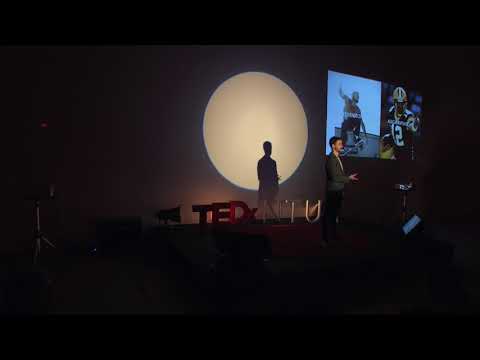
so at my company desktop genetics we work with the technology called CRISPR
work with the technology called CRISPR
work with the technology called CRISPR genome editing and today I’d like to
genome editing and today I’d like to
genome editing and today I’d like to tell you about how it works how
tell you about how it works how
tell you about how it works how researchers can use it in the lab how
researchers can use it in the lab how
researchers can use it in the lab how doctors will soon be using it in
doctors will soon be using it in
doctors will soon be using it in patients and what it means for our
patients and what it means for our
patients and what it means for our society and some of the decisions that
society and some of the decisions that
society and some of the decisions that will soon have to make as a species so
will soon have to make as a species so
will soon have to make as a species so first what is CRISPR you can think of it
first what is CRISPR you can think of it
first what is CRISPR you can think of it as a find and replace tool for DNA in
as a find and replace tool for DNA in
as a find and replace tool for DNA in the same place that you can press like
the same place that you can press like
the same place that you can press like command F on a Word document and you can
command F on a Word document and you can
command F on a Word document and you can change one word to another you can now
change one word to another you can now
change one word to another you can now do this with the DNA you can change a
do this with the DNA you can change a
do this with the DNA you can change a sequence to another sequence in a living
sequence to another sequence in a living
sequence to another sequence in a living organism it has two basic components the
organism it has two basic components the
organism it has two basic components the first is the nucleus this is a protein
first is the nucleus this is a protein
first is the nucleus this is a protein that cuts DNA and the second component
that cuts DNA and the second component
that cuts DNA and the second component is a guide this is basically a homing
is a guide this is basically a homing
is a guide this is basically a homing device and you encode it with a specific
device and you encode it with a specific
device and you encode it with a specific sequence it binds to the nucleus but it
sequence it binds to the nucleus but it
sequence it binds to the nucleus but it also binds the binds to the genomic DNA
also binds the binds to the genomic DNA
also binds the binds to the genomic DNA itself so it acts as that homing device
itself so it acts as that homing device
itself so it acts as that homing device that guides the nucleus to its target
that guides the nucleus to its target
that guides the nucleus to its target DNA in an organism now you can package
DNA in an organism now you can package
DNA in an organism now you can package these two separate components into DNA
these two separate components into DNA
these two separate components into DNA and then you can also package that DNA
and then you can also package that DNA
and then you can also package that DNA into a virus and you can use either of
into a virus and you can use either of
into a virus and you can use either of these methods to deliver CRISPR
these methods to deliver CRISPR
these methods to deliver CRISPR components directly into a cell once
components directly into a cell once
components directly into a cell once you’ve delivered it to the cell the cell
you’ve delivered it to the cell the cell
you’ve delivered it to the cell the cell sees this DNA and it effectively boots
sees this DNA and it effectively boots
sees this DNA and it effectively boots up these two programs the guide and the
up these two programs the guide and the
up these two programs the guide and the nucleus separately and then they complex
nucleus separately and then they complex
nucleus separately and then they complex together inside of the cell and then
together inside of the cell and then
together inside of the cell and then this happens so that blue blood there
this happens so that blue blood there
this happens so that blue blood there that’s the nucleus protein and this red
that’s the nucleus protein and this red
that’s the nucleus protein and this red piece here is the guide and that has a
piece here is the guide and that has a
piece here is the guide and that has a variable sequence and you can design
variable sequence and you can design
variable sequence and you can design that using computers and synthesize it
that using computers and synthesize it
that using computers and synthesize it chemically
chemically
chemically now once inside the cell this CRISPR
now once inside the cell this CRISPR
now once inside the cell this CRISPR complex looks for the DNA it goes into
complex looks for the DNA it goes into
complex looks for the DNA it goes into the nucleus then it binds to the genomic
the nucleus then it binds to the genomic
the nucleus then it binds to the genomic DNA and it sees if there’s a match
DNA and it sees if there’s a match
DNA and it sees if there’s a match between the guide and the genomic DNA
between the guide and the genomic DNA
between the guide and the genomic DNA sequence and if it’s there you will get
sequence and if it’s there you will get
sequence and if it’s there you will get a double strand break both strands of
a double strand break both strands of
a double strand break both strands of the DNA a cut now at this point the cell
the DNA a cut now at this point the cell
the DNA a cut now at this point the cell knows that something is very very wrong
knows that something is very very wrong
knows that something is very very wrong and it attempts to repair this
and it attempts to repair this
and it attempts to repair this using its own internal repair mechanisms
using its own internal repair mechanisms
using its own internal repair mechanisms and typically it will make mistakes
and typically it will make mistakes
and typically it will make mistakes whilst doing this and as a result this
whilst doing this and as a result this
whilst doing this and as a result this gene will become scrambled or
gene will become scrambled or
gene will become scrambled or functionally knocked out it’s no longer
functionally knocked out it’s no longer
functionally knocked out it’s no longer there the cell does that to preserve the
there the cell does that to preserve the
there the cell does that to preserve the function upstream and downstream but has
function upstream and downstream but has
function upstream and downstream but has to sacrifice that region the other way
to sacrifice that region the other way
to sacrifice that region the other way that this repair process could work is
that this repair process could work is
that this repair process could work is if you introduce a separate piece of DNA
if you introduce a separate piece of DNA
if you introduce a separate piece of DNA that you’ve chemically synthesized that
that you’ve chemically synthesized that
that you’ve chemically synthesized that contains new sequences something else to
contains new sequences something else to
contains new sequences something else to change a modification that you want to
change a modification that you want to
change a modification that you want to make and this is how you can introduce a
make and this is how you can introduce a
make and this is how you can introduce a specific mutation or knock it in and so
specific mutation or knock it in and so
specific mutation or knock it in and so researchers used CRISPR for this
researchers used CRISPR for this
researchers used CRISPR for this knockout and knock in functionality to
knockout and knock in functionality to
knockout and knock in functionality to add and remove genes to turn them on and
add and remove genes to turn them on and
add and remove genes to turn them on and off and this is functional genomics
off and this is functional genomics
off and this is functional genomics where you can turn on a gene or you can
where you can turn on a gene or you can
where you can turn on a gene or you can turn off a gene and you don’t have to do
turn off a gene and you don’t have to do
turn off a gene and you don’t have to do it just singly you can do it to many
it just singly you can do it to many
it just singly you can do it to many genes at the same time in a highly
genes at the same time in a highly
genes at the same time in a highly paralyzed fashion so that you can find
paralyzed fashion so that you can find
paralyzed fashion so that you can find out about how these genes interact with
out about how these genes interact with
out about how these genes interact with each other
each other
each other you can also use CRISPR in another way
you can also use CRISPR in another way
you can also use CRISPR in another way to generate model organisms or model
to generate model organisms or model
to generate model organisms or model cells you can knock in specific
cells you can knock in specific
cells you can knock in specific mutations that you may find
mutations that you may find
mutations that you may find scientifically interesting or you’ve
scientifically interesting or you’ve
scientifically interesting or you’ve found them in patients that have certain
found them in patients that have certain
found them in patients that have certain diseases and you can put those mutations
diseases and you can put those mutations
diseases and you can put those mutations into cells so that you can study how
into cells so that you can study how
into cells so that you can study how this disease progresses
this disease progresses
this disease progresses or you can make a custom animal model a
or you can make a custom animal model a
or you can make a custom animal model a mouse a fruit fly a monkey the potential
mouse a fruit fly a monkey the potential
mouse a fruit fly a monkey the potential is endless but what can this do for you
is endless but what can this do for you
is endless but what can this do for you beyond research well simply put you can
beyond research well simply put you can
beyond research well simply put you can use CRISPR technology as a cell therapy
use CRISPR technology as a cell therapy
use CRISPR technology as a cell therapy you can take cells out of a living
you can take cells out of a living
you can take cells out of a living patient and then you can modify them as
patient and then you can modify them as
patient and then you can modify them as you desire and then put them back inside
you desire and then put them back inside
you desire and then put them back inside of the patient now right now there are
of the patient now right now there are
of the patient now right now there are studies going on clinical trials to do
studies going on clinical trials to do
studies going on clinical trials to do this very same thing one example would
this very same thing one example would
this very same thing one example would be immunotherapy where you would take
be immunotherapy where you would take
be immunotherapy where you would take the immune cells white blood cells from
the immune cells white blood cells from
the immune cells white blood cells from your body and you would modify them to
your body and you would modify them to
your body and you would modify them to recognize cancers inside of you as
recognize cancers inside of you as
recognize cancers inside of you as foreign so you’re really leveraging your
foreign so you’re really leveraging your
foreign so you’re really leveraging your own immune system to go after something
own immune system to go after something
own immune system to go after something which shouldn’t be there which it
which shouldn’t be there which it
which shouldn’t be there which it doesn’t do naturally alternatively you
doesn’t do naturally alternatively you
doesn’t do naturally alternatively you can use a gene therapy where you’re
can use a gene therapy where you’re
can use a gene therapy where you’re delivering crispers directly into the
delivering crispers directly into the
delivering crispers directly into the cells themselves into the tissues of a
cells themselves into the tissues of a
cells themselves into the tissues of a living patient now in this case you
living patient now in this case you
living patient now in this case you would probably package the CRISPR system
would probably package the CRISPR system
would probably package the CRISPR system into a virus and then infuse this into a
into a virus and then infuse this into a
into a virus and then infuse this into a one example would be to target for the
one example would be to target for the
one example would be to target for the genes responsible for causing cystic
genes responsible for causing cystic
genes responsible for causing cystic fibrosis when they’re defective so you
fibrosis when they’re defective so you
fibrosis when they’re defective so you could literally repair the defective
could literally repair the defective
could literally repair the defective gene inside of the living patient so how
gene inside of the living patient so how
gene inside of the living patient so how accurate is this process how well does
accurate is this process how well does
accurate is this process how well does it work well think of it as shots
it work well think of it as shots
it work well think of it as shots on-target
on-target
on-target once CRISPR has edited but once CRISPR
once CRISPR has edited but once CRISPR
once CRISPR has edited but once CRISPR has entered the cells it is working not
has entered the cells it is working not
has entered the cells it is working not just on where you’ve where you want it
just on where you’ve where you want it
just on where you’ve where you want it to go but it can also target in these
to go but it can also target in these
to go but it can also target in these other places and these are called off
other places and these are called off
other places and these are called off target effects it’s very difficult to
target effects it’s very difficult to
target effects it’s very difficult to control for this but you can predict
control for this but you can predict
control for this but you can predict this with varying degrees of accuracy
this with varying degrees of accuracy
this with varying degrees of accuracy depending on more confusing models that
depending on more confusing models that
depending on more confusing models that you use and every day that goes by we
you use and every day that goes by we
you use and every day that goes by we learn more and more about how to predict
learn more and more about how to predict
learn more and more about how to predict this successfully but ideally you want
this successfully but ideally you want
this successfully but ideally you want to avoid off target effects because you
to avoid off target effects because you
to avoid off target effects because you don’t want to accidentally knock out or
don’t want to accidentally knock out or
don’t want to accidentally knock out or scramble an essential gene you don’t
scramble an essential gene you don’t
scramble an essential gene you don’t want to get rid of something that is
want to get rid of something that is
want to get rid of something that is already doing a good job you only want
already doing a good job you only want
already doing a good job you only want to hit that specific on target location
to hit that specific on target location
to hit that specific on target location the problem is all of this targeting is
the problem is all of this targeting is
the problem is all of this targeting is sequence dependent and it’s complicated
sequence dependent and it’s complicated
sequence dependent and it’s complicated by the fact that we all have about 5
by the fact that we all have about 5
by the fact that we all have about 5 million genetic differences with the
million genetic differences with the
million genetic differences with the person sitting next to us that’s what
person sitting next to us that’s what
person sitting next to us that’s what makes us unique but it also means that
makes us unique but it also means that
makes us unique but it also means that it’s very difficult to design CRISPR
it’s very difficult to design CRISPR
it’s very difficult to design CRISPR therapies for individual patients
therapies for individual patients
therapies for individual patients there’s no clear-cut process just yeah
there’s no clear-cut process just yeah
there’s no clear-cut process just yeah so let’s look at an example say I have
so let’s look at an example say I have
so let’s look at an example say I have three guides that will target a non
three guides that will target a non
three guides that will target a non target region in patient one and all
target region in patient one and all
target region in patient one and all three of those will hit successfully if
three of those will hit successfully if
three of those will hit successfully if I take those same guides and I want to
I take those same guides and I want to
I take those same guides and I want to use them for the same disease in patient
use them for the same disease in patient
use them for the same disease in patient to two outcomes could occur either I may
to two outcomes could occur either I may
to two outcomes could occur either I may get no on target hits in which case it’s
get no on target hits in which case it’s
get no on target hits in which case it’s quite a good case that the disease
quite a good case that the disease
quite a good case that the disease doesn’t get treated the patient
doesn’t get treated the patient
doesn’t get treated the patient continues to live nothing bad happens we
continues to live nothing bad happens we
continues to live nothing bad happens we can try again the worst case scenario is
can try again the worst case scenario is
can try again the worst case scenario is we accidentally cut in some of their
we accidentally cut in some of their
we accidentally cut in some of their tumor suppressor genes and we switch
tumor suppressor genes and we switch
tumor suppressor genes and we switch those off and as a result the patient
those off and as a result the patient
those off and as a result the patient could get cancer so this is the off
could get cancer so this is the off
could get cancer so this is the off target problem it’s very complex and so
target problem it’s very complex and so
target problem it’s very complex and so we really need to be moving towards
we really need to be moving towards
we really need to be moving towards personalized genome editing and there’s
personalized genome editing and there’s
personalized genome editing and there’s two ways that we can do that there’s two
two ways that we can do that there’s two
two ways that we can do that there’s two processes that we can use the first is
processes that we can use the first is
processes that we can use the first is to sequence the whole
to sequence the whole
to sequence the whole genome of the patient where we will take
genome of the patient where we will take
genome of the patient where we will take some cells from a patient and then we’ll
some cells from a patient and then we’ll
some cells from a patient and then we’ll look at their DNA and we’ll build a very
look at their DNA and we’ll build a very
look at their DNA and we’ll build a very accurate digital model of what that
accurate digital model of what that
accurate digital model of what that looks like
looks like
looks like the second thing to do would be to look
the second thing to do would be to look
the second thing to do would be to look at historical CRISPR outcomes to analyze
at historical CRISPR outcomes to analyze
at historical CRISPR outcomes to analyze all of the data from how CRISPR behaves
all of the data from how CRISPR behaves
all of the data from how CRISPR behaves inside cells in humans in animals and
inside cells in humans in animals and
inside cells in humans in animals and other organisms so that we can build a
other organisms so that we can build a
other organisms so that we can build a good model about how it will behave in
good model about how it will behave in
good model about how it will behave in you now obtaining this data is
you now obtaining this data is
you now obtaining this data is relatively easy this is some of our data
relatively easy this is some of our data
relatively easy this is some of our data from desktop genetics and we see that
from desktop genetics and we see that
from desktop genetics and we see that there’s about 150 to countries that are
there’s about 150 to countries that are
there’s about 150 to countries that are using the technology and every day that
using the technology and every day that
using the technology and every day that goes by they’re creating more data about
goes by they’re creating more data about
goes by they’re creating more data about how CRISPR systems behave that can be
how CRISPR systems behave that can be
how CRISPR systems behave that can be analyzed to build that predictive model
analyzed to build that predictive model
analyzed to build that predictive model and that’s what we’re doing at my
and that’s what we’re doing at my
and that’s what we’re doing at my company desktop genetics we are building
company desktop genetics we are building
company desktop genetics we are building a machine learning system that can take
a machine learning system that can take
a machine learning system that can take both the whole genome sequence of the
both the whole genome sequence of the
both the whole genome sequence of the patient and all of this historical data
patient and all of this historical data
patient and all of this historical data and could design around the off-target
and could design around the off-target
and could design around the off-target problem this is the vision of
problem this is the vision of
problem this is the vision of personalized CRISPR therapy you go to
personalized CRISPR therapy you go to
personalized CRISPR therapy you go to the doctor you’re diagnosed with an
the doctor you’re diagnosed with an
the doctor you’re diagnosed with an illness they take a sample from you
illness they take a sample from you
illness they take a sample from you they sequence your whole genome you come
they sequence your whole genome you come
they sequence your whole genome you come back a few weeks later they’ve analyzed
back a few weeks later they’ve analyzed
back a few weeks later they’ve analyzed this alongside the historical data of
this alongside the historical data of
this alongside the historical data of CRISPR outcomes and the artificial
CRISPR outcomes and the artificial
CRISPR outcomes and the artificial intelligence system has designed a
intelligence system has designed a
intelligence system has designed a unique therapy only you will receive
unique therapy only you will receive
unique therapy only you will receive this therapy it won’t take 1.2 to 2.5
this therapy it won’t take 1.2 to 2.5
this therapy it won’t take 1.2 to 2.5 billion dollars to generate a new drug
billion dollars to generate a new drug
billion dollars to generate a new drug it won’t take 10 to 20 years it could be
it won’t take 10 to 20 years it could be
it won’t take 10 to 20 years it could be done relatively quickly but there’s a
done relatively quickly but there’s a
done relatively quickly but there’s a different number and it’s possibly a
different number and it’s possibly a
different number and it’s possibly a little more scary one you are both the
little more scary one you are both the
little more scary one you are both the patient receiving the therapy but you
patient receiving the therapy but you
patient receiving the therapy but you are also the sole participant in the
are also the sole participant in the
are also the sole participant in the clinical study would you trust this
clinical study would you trust this
clinical study would you trust this process would you be willing to be
process would you be willing to be
process would you be willing to be entrapped to be the first to try it I
entrapped to be the first to try it I
entrapped to be the first to try it I would but only if it was sufficiently
would but only if it was sufficiently
would but only if it was sufficiently regulated and so I believe that these
regulated and so I believe that these
regulated and so I believe that these kind of design tools whether they’re AI
kind of design tools whether they’re AI
kind of design tools whether they’re AI or otherwise whatever they will be in
or otherwise whatever they will be in
or otherwise whatever they will be in the future should themselves be
the future should themselves be
the future should themselves be regulated before they can be used in the
regulated before they can be used in the
regulated before they can be used in the clinic can such CRISPR therapies really
clinic can such CRISPR therapies really
clinic can such CRISPR therapies really cure everything I’ve talked about gene
cure everything I’ve talked about gene
cure everything I’ve talked about gene therapies and cell therapies but there’s
therapies and cell therapies but there’s
therapies and cell therapies but there’s an issue which is that there’s about 30
an issue which is that there’s about 30
an issue which is that there’s about 30 seven point two trillion cells in an
seven point two trillion cells in an
seven point two trillion cells in an adult human body and you can’t easily
adult human body and you can’t easily
adult human body and you can’t easily edit every single one of them as you
edit every single one of them as you
edit every single one of them as you would need to in order to treat certain
would need to in order to treat certain
would need to in order to treat certain diseases it would be very difficult to
diseases it would be very difficult to
diseases it would be very difficult to do this so really we have to do
do this so really we have to do
do this so really we have to do something else we have to find a way to
something else we have to find a way to
something else we have to find a way to treat all of the cells at the same time
treat all of the cells at the same time
treat all of the cells at the same time or possibly just to treat one and so
or possibly just to treat one and so
or possibly just to treat one and so this would be editing the embryo that
this would be editing the embryo that
this would be editing the embryo that the single size cell stage as it then
the single size cell stage as it then
the single size cell stage as it then divides into two and four and eight and
divides into two and four and eight and
divides into two and four and eight and nine months later when that individual
nine months later when that individual
nine months later when that individual is born those changes that you might
is born those changes that you might
is born those changes that you might have introduced to the embryo would be
have introduced to the embryo would be
have introduced to the embryo would be present and not only would they be
present and not only would they be
present and not only would they be healthier if that’s what you intended
healthier if that’s what you intended
healthier if that’s what you intended but they would also be able to pass
but they would also be able to pass
but they would also be able to pass those changes on directly to their
those changes on directly to their
those changes on directly to their offspring this is a scary prospect for
offspring this is a scary prospect for
offspring this is a scary prospect for most and I’ll discuss why later but
most and I’ll discuss why later but
most and I’ll discuss why later but let’s say we wanted to do this how would
let’s say we wanted to do this how would
let’s say we wanted to do this how would this work what would we be looking at
this work what would we be looking at
this work what would we be looking at this is a technique called
this is a technique called
this is a technique called pre-implantation genetic diagnosis this
pre-implantation genetic diagnosis this
pre-implantation genetic diagnosis this is a technique which in the UK is very
is a technique which in the UK is very
is a technique which in the UK is very very heavily regulated where essentially
very heavily regulated where essentially
very heavily regulated where essentially you cleave off a single cell from the
you cleave off a single cell from the
you cleave off a single cell from the eight-cell embryo and you use that to
eight-cell embryo and you use that to
eight-cell embryo and you use that to sequence it and from there you build
sequence it and from there you build
sequence it and from there you build that accurate digital model which you
that accurate digital model which you
that accurate digital model which you could potentially use to input into the
could potentially use to input into the
could potentially use to input into the AI system if you were so determined
AI system if you were so determined
AI system if you were so determined but typically how this works is that
but typically how this works is that
but typically how this works is that this is only given to patients or
this is only given to patients or
this is only given to patients or parents who are undergoing an IVF
parents who are undergoing an IVF
parents who are undergoing an IVF program and the results are report of
program and the results are report of
program and the results are report of about four hundred and nineteen
about four hundred and nineteen
about four hundred and nineteen different genes
different genes
different genes 419 different diseases which could
419 different diseases which could
419 different diseases which could impact the embryo or the the child when
impact the embryo or the the child when
impact the embryo or the the child when they’re born parents receive this report
they’re born parents receive this report
they’re born parents receive this report and they’re able to make an informed
and they’re able to make an informed
and they’re able to make an informed choice about which embryos to implant
choice about which embryos to implant
choice about which embryos to implant and to carry forward in pregnancy
and to carry forward in pregnancy
and to carry forward in pregnancy typically PGD is appropriate it works it
typically PGD is appropriate it works it
typically PGD is appropriate it works it allows parents to ensure that their
allows parents to ensure that their
allows parents to ensure that their child will not have a disease but let me
child will not have a disease but let me
child will not have a disease but let me ask you a question let’s say you were
ask you a question let’s say you were
ask you a question let’s say you were doing this with your partner and you
doing this with your partner and you
doing this with your partner and you discovered that all of the embryos were
discovered that all of the embryos were
discovered that all of the embryos were to have a disease would you cast them
to have a disease would you cast them
to have a disease would you cast them aside and undergo additional IVF
aside and undergo additional IVF
aside and undergo additional IVF therapies rounds and rounds if it needed
therapies rounds and rounds if it needed
therapies rounds and rounds if it needed or given that the technology is there
or given that the technology is there
or given that the technology is there would you want to repair them direct
would you want to repair them direct
would you want to repair them direct and I would note that the use of genome
and I would note that the use of genome
and I would note that the use of genome editing technologies in human embryos is
editing technologies in human embryos is
editing technologies in human embryos is largely illegal in most countries some
largely illegal in most countries some
largely illegal in most countries some countries have special dispensation for
countries have special dispensation for
countries have special dispensation for research purposes but it’s an
research purposes but it’s an
research purposes but it’s an interesting question that we must
interesting question that we must
interesting question that we must confront now that we that were there and
confront now that we that were there and
confront now that we that were there and we have this technology and while you’re
we have this technology and while you’re
we have this technology and while you’re at it if you’re able to modify a disease
at it if you’re able to modify a disease
at it if you’re able to modify a disease variant and turn it into something
variant and turn it into something
variant and turn it into something neutral can you turn a neutral variant
neutral can you turn a neutral variant
neutral can you turn a neutral variant into something advantageous and
into something advantageous and
into something advantageous and protective well you can or you could
protective well you can or you could
protective well you can or you could these are some protective variants which
these are some protective variants which
these are some protective variants which have come out of various research
have come out of various research
have come out of various research programs and they guard against certain
programs and they guard against certain
programs and they guard against certain diseases low coronary disease slow out
diseases low coronary disease slow out
diseases low coronary disease slow out scientist low rates of cancer low type 2
scientist low rates of cancer low type 2
scientist low rates of cancer low type 2 diabetes ask yourself given the choice
diabetes ask yourself given the choice
diabetes ask yourself given the choice would you want your children to have
would you want your children to have
would you want your children to have resistance to these diseases the ones I
resistance to these diseases the ones I
resistance to these diseases the ones I find particularly interesting the ones
find particularly interesting the ones
find particularly interesting the ones at the top L R P 5 and M s T M extra
at the top L R P 5 and M s T M extra
at the top L R P 5 and M s T M extra strong bones and lean muscles
strong bones and lean muscles
strong bones and lean muscles individuals that would have these
individuals that would have these
individuals that would have these mutations which do occur naturally would
mutations which do occur naturally would
mutations which do occur naturally would be able to resist osteoporosis and
be able to resist osteoporosis and
be able to resist osteoporosis and muscle wasting later in life but then
muscle wasting later in life but then
muscle wasting later in life but then the question is when does prevention or
the question is when does prevention or
the question is when does prevention or cure become human augmentation let’s
cure become human augmentation let’s
cure become human augmentation let’s take an example let’s look at lean
take an example let’s look at lean
take an example let’s look at lean muscles and osteoporosis in the
muscles and osteoporosis in the
muscles and osteoporosis in the gentleman on the left
gentleman on the left
gentleman on the left you know these mutations would allow him
you know these mutations would allow him
you know these mutations would allow him to be skateboarding well into his 70s
to be skateboarding well into his 70s
to be skateboarding well into his 70s and 80s he wouldn’t get osteoporosis we
and 80s he wouldn’t get osteoporosis we
and 80s he wouldn’t get osteoporosis we would prevent muscle wasting but those
would prevent muscle wasting but those
would prevent muscle wasting but those same mutations in the very same
same mutations in the very same
same mutations in the very same individual when that person is younger
individual when that person is younger
individual when that person is younger would also give them possibly an unfair
would also give them possibly an unfair
would also give them possibly an unfair advantage they might make an excellent
advantage they might make an excellent
advantage they might make an excellent college football player and quarterback
but what about individuals that have
but what about individuals that have these naturally do they have an unfair
these naturally do they have an unfair
these naturally do they have an unfair advantage it’s not really clear and it’s
advantage it’s not really clear and it’s
advantage it’s not really clear and it’s very very difficult for us to assess
very very difficult for us to assess
very very difficult for us to assess what is prevention what’s a legitimate
what is prevention what’s a legitimate
what is prevention what’s a legitimate medical intervention be this kind of
medical intervention be this kind of
medical intervention be this kind of human augmentation now in modern
human augmentation now in modern
human augmentation now in modern medicine we say that prevention is the
medicine we say that prevention is the
medicine we say that prevention is the best cure but how far are we willing to
best cure but how far are we willing to
best cure but how far are we willing to go in order to uphold this ideal in the
go in order to uphold this ideal in the
go in order to uphold this ideal in the age of genome editing
age of genome editing
age of genome editing when vaccination was first invented
when vaccination was first invented
when vaccination was first invented people said that it was ungodly that it
people said that it was ungodly that it
people said that it was ungodly that it was unchristian they said that it was a
was unchristian they said that it was a
was unchristian they said that it was a violation of human rights particularly
violation of human rights particularly
violation of human rights particularly because states implemented programs
because states implemented programs
because states implemented programs where vaccination was mandatory
where vaccination was mandatory
where vaccination was mandatory now we think very little of vaccination
now we think very little of vaccination
now we think very little of vaccination well some of us think a lot of
well some of us think a lot of
well some of us think a lot of vaccinations and they’re opposed to it
but I would ask the question is the
but I would ask the question is the right to health care equivalent to the
right to health care equivalent to the
right to health care equivalent to the right to genome editing whether it’s
right to genome editing whether it’s
right to genome editing whether it’s cell therapy and gene therapy or if it’s
cell therapy and gene therapy or if it’s
cell therapy and gene therapy or if it’s editing the embryo I don’t have the
editing the embryo I don’t have the
editing the embryo I don’t have the answers but I think it’s important that
answers but I think it’s important that
answers but I think it’s important that we begin this discussion as soon as
we begin this discussion as soon as
we begin this discussion as soon as possible and this discussion is ongoing
possible and this discussion is ongoing
possible and this discussion is ongoing there are many meetings where scientists
there are many meetings where scientists
there are many meetings where scientists politicians policy makers and so on have
politicians policy makers and so on have
politicians policy makers and so on have such discussions now with regard to
such discussions now with regard to
such discussions now with regard to human rights there’s a hundred and
human rights there’s a hundred and
human rights there’s a hundred and seventy-five signatories and a hundred
seventy-five signatories and a hundred
seventy-five signatories and a hundred and sixty nine states that have ratified
and sixty nine states that have ratified
and sixty nine states that have ratified the International Convention on social
the International Convention on social
the International Convention on social economic and cultural rights and in this
economic and cultural rights and in this
economic and cultural rights and in this in this international treaty they are
in this international treaty they are
in this international treaty they are have agreed to be obligated to recognize
have agreed to be obligated to recognize
have agreed to be obligated to recognize the right of everyone to the enjoyment
the right of everyone to the enjoyment
the right of everyone to the enjoyment of the highest attainable standard of
of the highest attainable standard of
of the highest attainable standard of physical and mental health
physical and mental health
physical and mental health how might States interpret this now that
how might States interpret this now that
how might States interpret this now that we have genome editing available will
we have genome editing available will
we have genome editing available will states or individuals even consider
states or individuals even consider
states or individuals even consider these two things for privilege would you
these two things for privilege would you
these two things for privilege would you say that they’re equivalent today do you
say that they’re equivalent today do you
say that they’re equivalent today do you think people a hundred years or 200
think people a hundred years or 200
think people a hundred years or 200 years from now would agree with that and
years from now would agree with that and
years from now would agree with that and given the choice as I asked would you
given the choice as I asked would you
given the choice as I asked would you want your children to be protected
want your children to be protected
want your children to be protected against certain traits or diseases
or we could go a different way there is
or we could go a different way there is a group in the United States the Council
a group in the United States the Council
a group in the United States the Council for Responsible genetics that have
for Responsible genetics that have
for Responsible genetics that have proposed a genetic Bill of Rights which
proposed a genetic Bill of Rights which
proposed a genetic Bill of Rights which says the opposite all people have the
says the opposite all people have the
says the opposite all people have the right to have been conceived just stated
right to have been conceived just stated
right to have been conceived just stated and born without genetic manipulation
and born without genetic manipulation
and born without genetic manipulation which of these do you think is more
which of these do you think is more
which of these do you think is more accurate what reflects your choice
accurate what reflects your choice
accurate what reflects your choice regardless of your answer which may or
regardless of your answer which may or
regardless of your answer which may or may not demonstrate a consumer will for
may not demonstrate a consumer will for
may not demonstrate a consumer will for genetic augmentation it’s important that
genetic augmentation it’s important that
genetic augmentation it’s important that we understand a little bit more about
we understand a little bit more about
we understand a little bit more about what we’re learning about disease and
what we’re learning about disease and
what we’re learning about disease and protective benefits protective gene
protective benefits protective gene
protective benefits protective gene variants in the UK genomics England is
variants in the UK genomics England is
variants in the UK genomics England is an organization which is sequencing the
an organization which is sequencing the
an organization which is sequencing the genomes of 70,000 patients that have
genomes of 70,000 patients that have
genomes of 70,000 patients that have rare diseases in cancer it’s also
rare diseases in cancer it’s also
rare diseases in cancer it’s also sequencing the genomes of their families
sequencing the genomes of their families
sequencing the genomes of their families now the outcomes of this will be
now the outcomes of this will be
now the outcomes of this will be populations associations of variants for
populations associations of variants for
populations associations of variants for specific diseases and then we could make
specific diseases and then we could make
specific diseases and then we could make causal or correlative links this would
causal or correlative links this would
causal or correlative links this would have profound implications for early
have profound implications for early
have profound implications for early diagnosis and it would help guide the
diagnosis and it would help guide the
diagnosis and it would help guide the development of cell and gene therapies
development of cell and gene therapies
development of cell and gene therapies techniques which can be used to
techniques which can be used to
techniques which can be used to elucidate disease could also be used to
elucidate disease could also be used to
elucidate disease could also be used to discover more complex links between
discover more complex links between
discover more complex links between genetics and human behaviors and
genetics and human behaviors and
genetics and human behaviors and characteristics in China the BGI
characteristics in China the BGI
characteristics in China the BGI cognitive genomics group is assessing
cognitive genomics group is assessing
cognitive genomics group is assessing the genetics of cognition that’s looking
the genetics of cognition that’s looking
the genetics of cognition that’s looking at the impact of the environment on
at the impact of the environment on
at the impact of the environment on personality but this is a really
personality but this is a really
personality but this is a really epically challenging area and really
epically challenging area and really
epically challenging area and really challenges some of our deepest core
challenges some of our deepest core
challenges some of our deepest core beliefs about nature and nurture what if
beliefs about nature and nurture what if
beliefs about nature and nurture what if they do find these links the issue is
they do find these links the issue is
they do find these links the issue is that states just as individuals have
that states just as individuals have
that states just as individuals have divergent views on what is ethically
divergent views on what is ethically
divergent views on what is ethically sound to research and what is
sound to research and what is
sound to research and what is appropriate to prioritize in terms of
appropriate to prioritize in terms of
appropriate to prioritize in terms of their technological development as well
their technological development as well
their technological development as well as the development of their human
as the development of their human
as the development of their human capital what would it look like if a
capital what would it look like if a
capital what would it look like if a state decided to put psychopathy if
state decided to put psychopathy if
state decided to put psychopathy if there was a genetic link onto one of
there was a genetic link onto one of
there was a genetic link onto one of these screening lists when would a
these screening lists when would a
these screening lists when would a normal brain or normal personality end
normal brain or normal personality end
normal brain or normal personality end and when were the Psychopaths begin how
and when were the Psychopaths begin how
and when were the Psychopaths begin how could you tell many of these complex
could you tell many of these complex
could you tell many of these complex human behaviors and characteristics are
human behaviors and characteristics are
human behaviors and characteristics are on a spectrum it’s difficult for us to
on a spectrum it’s difficult for us to
on a spectrum it’s difficult for us to assess when these things start and stop
assess when these things start and stop
assess when these things start and stop what might an authoritarian state do if
what might an authoritarian state do if
what might an authoritarian state do if it implemented a research program to
it implemented a research program to
it implemented a research program to look at the links between genetics and
look at the links between genetics and
look at the links between genetics and obedience to Authority once again we see
obedience to Authority once again we see
obedience to Authority once again we see that there are challenges to our ethics
that there are challenges to our ethics
that there are challenges to our ethics nature and nurture but what happens if a
nature and nurture but what happens if a
nature and nurture but what happens if a state decides to go nothing too complex
state decides to go nothing too complex
state decides to go nothing too complex but they implement a program to improve
but they implement a program to improve
but they implement a program to improve some aspect of health care how would
some aspect of health care how would
some aspect of health care how would other states respond what would happen
other states respond what would happen
other states respond what would happen in that genetic equivalent of the space
in that genetic equivalent of the space
in that genetic equivalent of the space race and how do we prevent them I would
race and how do we prevent them I would
race and how do we prevent them I would like to see states come together to have
like to see states come together to have
like to see states come together to have these discussions of what is right and
these discussions of what is right and
these discussions of what is right and wrong what is acceptable I don’t know
wrong what is acceptable I don’t know
wrong what is acceptable I don’t know what those restrictions are and it would
what those restrictions are and it would
what those restrictions are and it would be very difficult for us to come
be very difficult for us to come
be very difficult for us to come together as a consensus but we must try
together as a consensus but we must try
together as a consensus but we must try my concern is that states and
my concern is that states and
my concern is that states and individuals that have both the financial
individuals that have both the financial
individuals that have both the financial and the technological means will choose
and the technological means will choose
and the technological means will choose to give their children or their
to give their children or their
to give their children or their offspring their populations strategic
offspring their populations strategic
offspring their populations strategic advantages and we can’t easily tell how
advantages and we can’t easily tell how
advantages and we can’t easily tell how different states will more people will
different states will more people will
different states will more people will determine what a strategic advantage is
determine what a strategic advantage is
determine what a strategic advantage is there is a risk that because we do not
there is a risk that because we do not
there is a risk that because we do not have a discussion about human rights the
have a discussion about human rights the
have a discussion about human rights the genome editing it could be abused and
genome editing it could be abused and
genome editing it could be abused and equally there is a risk that any single
equally there is a risk that any single
equally there is a risk that any single implementation or use of this technology
implementation or use of this technology
implementation or use of this technology will set off a chain of events that
will set off a chain of events that
will set off a chain of events that destabilize social mobility and the
destabilize social mobility and the
destabilize social mobility and the international order I believe that cell
international order I believe that cell
international order I believe that cell and gene therapy is a tremendous
and gene therapy is a tremendous
and gene therapy is a tremendous opportunity for patients and for the
opportunity for patients and for the
opportunity for patients and for the medical field that we should embrace
medical field that we should embrace
medical field that we should embrace that I acknowledge that the therapeutic
that I acknowledge that the therapeutic
that I acknowledge that the therapeutic CRISPR is incredibly complex it must be
CRISPR is incredibly complex it must be
CRISPR is incredibly complex it must be designed around the patient and the
designed around the patient and the
designed around the patient and the design tools themselves must either be
design tools themselves must either be
design tools themselves must either be regulated or form a core part of the
regulated or form a core part of the
regulated or form a core part of the regulatory process I believe that states
regulatory process I believe that states
regulatory process I believe that states must come together and they should reach
must come together and they should reach
must come together and they should reach a consensus as best that they can and
a consensus as best that they can and
a consensus as best that they can and that will be difficult but it’s our
that will be difficult but it’s our
that will be difficult but it’s our responsibility to make that happen
responsibility to make that happen
responsibility to make that happen I believe that these conventions should
I believe that these conventions should
I believe that these conventions should reflect today’s society again very
reflect today’s society again very
reflect today’s society again very difficult given that we can’t agree on
difficult given that we can’t agree on
difficult given that we can’t agree on how to regulate genetically modified
how to regulate genetically modified
how to regulate genetically modified organisms let alone humans but I also
organisms let alone humans but I also
organisms let alone humans but I also believe that these conventions should be
believe that these conventions should be
believe that these conventions should be updatable we should provide our
updatable we should provide our
updatable we should provide our descendants with the mechanisms to
descendants with the mechanisms to
descendants with the mechanisms to change the decisions that we make today
change the decisions that we make today
change the decisions that we make today or in 30 years or a hundred years from
or in 30 years or a hundred years from
or in 30 years or a hundred years from now and there should be regular reviews
now and there should be regular reviews
now and there should be regular reviews just as there are in other conventions
just as there are in other conventions
just as there are in other conventions everyone should be involved and I think
everyone should be involved and I think
everyone should be involved and I think that it’s our duty to have a discussion
that it’s our duty to have a discussion
that it’s our duty to have a discussion with our friends our families our
with our friends our families our
with our friends our families our politicians anyone that we can and in
politicians anyone that we can and in
politicians anyone that we can and in order for you to do that in this line
order for you to do that in this line
order for you to do that in this line and so I would invite you all to email
and so I would invite you all to email
and so I would invite you all to email TEDx at – Jen calm you’ll receive an
TEDx at – Jen calm you’ll receive an
TEDx at – Jen calm you’ll receive an interactive version of these slides with
interactive version of these slides with
interactive version of these slides with all of the sources some great books
all of the sources some great books
all of the sources some great books fantastic review papers some of the
fantastic review papers some of the
fantastic review papers some of the fundamental research principles and many
fundamental research principles and many
fundamental research principles and many other things so I thank you for your
other things so I thank you for your
other things so I thank you for your time
time
time [Applause]
”
Be First to Comment