
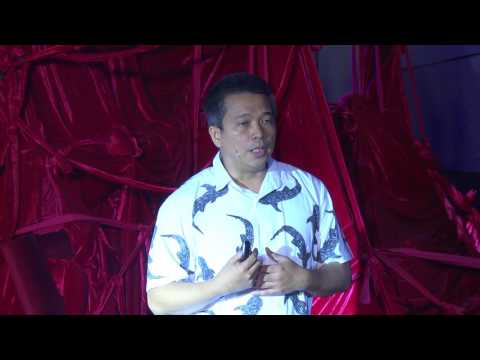
good evening and thank you for having me here to give a short talk the theme of
here to give a short talk the theme of
here to give a short talk the theme of our activities starting points and for
our activities starting points and for
our activities starting points and for something as complex as the South China
something as complex as the South China
something as complex as the South China Sea disputes I think it’s by quite
Sea disputes I think it’s by quite
Sea disputes I think it’s by quite fitting that we start with something
fitting that we start with something
fitting that we start with something something I will be quite relevant to
something I will be quite relevant to
something I will be quite relevant to each one of us the title is our common
each one of us the title is our common
each one of us the title is our common future in the South China Sea and
future in the South China Sea and
future in the South China Sea and interestingly right now because of the
interestingly right now because of the
interestingly right now because of the disputes it seems like that future is
disputes it seems like that future is
disputes it seems like that future is becoming less and less common and more
becoming less and less common and more
becoming less and less common and more and more exclusive now why is it like
and more exclusive now why is it like
and more exclusive now why is it like that well really it’s not because of oil
that well really it’s not because of oil
that well really it’s not because of oil it’s not because of military advantages
it’s not because of military advantages
it’s not because of military advantages really but most fundamentally it’s about
really but most fundamentally it’s about
really but most fundamentally it’s about this it’s about fish ok the South China
this it’s about fish ok the South China
this it’s about fish ok the South China Sea is actually precipitated by a
Sea is actually precipitated by a
Sea is actually precipitated by a problem with fish rather than anything
problem with fish rather than anything
problem with fish rather than anything else
else
else all the other other activities military
all the other other activities military
all the other other activities military oil and gas etc they tend to be much
oil and gas etc they tend to be much
oil and gas etc they tend to be much less of a problem but it’s the fishing
less of a problem but it’s the fishing
less of a problem but it’s the fishing that really tends to be this part of
that really tends to be this part of
that really tends to be this part of some something really really big so for
some something really really big so for
some something really really big so for example in the in throughout the 1970s
example in the in throughout the 1970s
example in the in throughout the 1970s there have been two armed clashes in the
there have been two armed clashes in the
there have been two armed clashes in the South China Sea between Vietnam and
South China Sea between Vietnam and
South China Sea between Vietnam and China one in the Paracels another one in
China one in the Paracels another one in
China one in the Paracels another one in Johnson South Beach in both instances
Johnson South Beach in both instances
Johnson South Beach in both instances the run-up to it the the precipitator is
the run-up to it the the precipitator is
the run-up to it the the precipitator is really an argument between fishermen in
really an argument between fishermen in
really an argument between fishermen in our case the event symbolized by this
our case the event symbolized by this
our case the event symbolized by this sculpture how timely Scarborough Shoal
sculpture how timely Scarborough Shoal
sculpture how timely Scarborough Shoal in 2012 notice what did it start with
in 2012 notice what did it start with
in 2012 notice what did it start with the Philippine Navy trying to arrest
the Philippine Navy trying to arrest
the Philippine Navy trying to arrest Chinese fishermen so it’s really about
Chinese fishermen so it’s really about
Chinese fishermen so it’s really about the fish and that’s something that most
the fish and that’s something that most
the fish and that’s something that most people don’t seem to appreciate because
people don’t seem to appreciate because
people don’t seem to appreciate because they tend to think in other terms such
they tend to think in other terms such
they tend to think in other terms such as military terms or oil and gas every
as military terms or oil and gas every
as military terms or oil and gas every time we say South China Sea in the
time we say South China Sea in the
time we say South China Sea in the papers there’s always that adjective
papers there’s always that adjective
papers there’s always that adjective boil rich South China Sea but that’s not
boil rich South China Sea but that’s not
boil rich South China Sea but that’s not really what’s working of are the
really what’s working of are the
really what’s working of are the problems most of the time now for us
problems most of the time now for us
problems most of the time now for us Filipinos fish
Filipinos fish
Filipinos fish no fish fishing that’s so familiar why
no fish fishing that’s so familiar why
no fish fishing that’s so familiar why because we live with fish we eat fish so
because we live with fish we eat fish so
because we live with fish we eat fish so much no I’ve been to several other
much no I’ve been to several other
much no I’ve been to several other countries many times and there there are
countries many times and there there are
countries many times and there there are quite a lot of them where if you you go
quite a lot of them where if you you go
quite a lot of them where if you you go to dinner have lunch you’ll not see a
to dinner have lunch you’ll not see a
to dinner have lunch you’ll not see a fish or whatever fish that they have is
fish or whatever fish that they have is
fish or whatever fish that they have is probably the same kind of fish that they
probably the same kind of fish that they
probably the same kind of fish that they use for every other dish literally we
use for every other dish literally we
use for every other dish literally we have such a variety and diversity of
have such a variety and diversity of
have such a variety and diversity of fish to eat now compared to say in the
fish to eat now compared to say in the
fish to eat now compared to say in the United States or in Canada where
United States or in Canada where
United States or in Canada where everything is either a Pollock or a
everything is either a Pollock or a
everything is either a Pollock or a haddock or a or a Dory Dory the creme
haddock or a or a Dory Dory the creme
haddock or a or a Dory Dory the creme Doreen at Natori okay so in the
Doreen at Natori okay so in the
Doreen at Natori okay so in the Philippines of course we expect to have
Philippines of course we expect to have
Philippines of course we expect to have to take our fish from Philippine waters
to take our fish from Philippine waters
to take our fish from Philippine waters and everybody especially in the past
and everybody especially in the past
and everybody especially in the past couple of years has gained such a
couple of years has gained such a
couple of years has gained such a different awareness of this Philippine
different awareness of this Philippine
different awareness of this Philippine waters and how important they are prior
waters and how important they are prior
waters and how important they are prior to the net to say 2009-2010 most people
to the net to say 2009-2010 most people
to the net to say 2009-2010 most people were really focused on the land
were really focused on the land
were really focused on the land everything that they knew was about the
everything that they knew was about the
everything that they knew was about the land and few people actually gave
land and few people actually gave
land and few people actually gave importance to the waters of our
importance to the waters of our
importance to the waters of our archipelago but thankfully since that
archipelago but thankfully since that
archipelago but thankfully since that time a lot of our people both in
time a lot of our people both in
time a lot of our people both in government and and in the wider public
government and and in the wider public
government and and in the wider public have gained much much greater
have gained much much greater
have gained much much greater appreciation for these waters and here
appreciation for these waters and here
appreciation for these waters and here I’m showing you actually what these
I’m showing you actually what these
I’m showing you actually what these waters are under international law now
waters are under international law now
waters are under international law now the West Philippine Sea which has become
the West Philippine Sea which has become
the West Philippine Sea which has become so ingrained in our consciousness in the
so ingrained in our consciousness in the
so ingrained in our consciousness in the past couple of years is actually this
past couple of years is actually this
past couple of years is actually this little portion here not the entire South
little portion here not the entire South
little portion here not the entire South China Sea I had to point out to Gigot
China Sea I had to point out to Gigot
China Sea I had to point out to Gigot that these two are not synonymous so
that these two are not synonymous so
that these two are not synonymous so when you talk about the West Philippine
when you talk about the West Philippine
when you talk about the West Philippine Sea disputes we’re using that term to
Sea disputes we’re using that term to
Sea disputes we’re using that term to identify that part of the South China
identify that part of the South China
identify that part of the South China Sea which we claim to be ours and why is
Sea which we claim to be ours and why is
Sea which we claim to be ours and why is it important again fish if you look at
it important again fish if you look at
it important again fish if you look at the fishing activity that has been
the fishing activity that has been
the fishing activity that has been taking place in this country for it is
taking place in this country for it is
taking place in this country for it is the past couple of years and thankfully
the past couple of years and thankfully
the past couple of years and thankfully we can see that now more vividly through
we can see that now more vividly through
we can see that now more vividly through satellite data you’ll notice that for
satellite data you’ll notice that for
satellite data you’ll notice that for example in the middle of the archipelago
example in the middle of the archipelago
example in the middle of the archipelago those are archaeologic waters are inter
those are archaeologic waters are inter
those are archaeologic waters are inter Island waters that’s where more
Island waters that’s where more
Island waters that’s where more of the Philippine fishing activity
of the Philippine fishing activity
of the Philippine fishing activity actually takes place and much of the
actually takes place and much of the
actually takes place and much of the fish that we eat comes from there but a
fish that we eat comes from there but a
fish that we eat comes from there but a good portion also comes from the West
good portion also comes from the West
good portion also comes from the West Philippine Sea now the West Philippine
Philippine Sea now the West Philippine
Philippine Sea now the West Philippine Sea however invention is only part of
Sea however invention is only part of
Sea however invention is only part of something bigger and that’s the South
something bigger and that’s the South
something bigger and that’s the South China Sea not the South China Sea that
China Sea not the South China Sea that
China Sea not the South China Sea that China is claiming but something more
China is claiming but something more
China is claiming but something more than that extending out onto the edges
than that extending out onto the edges
than that extending out onto the edges of the Gulf of Thailand and right up
of the Gulf of Thailand and right up
of the Gulf of Thailand and right up there nearly around Taiwan the South
there nearly around Taiwan the South
there nearly around Taiwan the South China Sea is so big that it and it has
China Sea is so big that it and it has
China Sea is so big that it and it has so much so much resources that actually
so much so much resources that actually
so much so much resources that actually all of the surrounding countries get
all of the surrounding countries get
all of the surrounding countries get their fish from that same place so it’s
their fish from that same place so it’s
their fish from that same place so it’s not just us it’s everyone else and the
not just us it’s everyone else and the
not just us it’s everyone else and the thing that most people don’t realize is
thing that most people don’t realize is
thing that most people don’t realize is that fish move they don’t stay in any
that fish move they don’t stay in any
that fish move they don’t stay in any one place and here what you see here
one place and here what you see here
one place and here what you see here from satellite data is the movement of
from satellite data is the movement of
from satellite data is the movement of plankton the base of the food chain
plankton the base of the food chain
plankton the base of the food chain where the plant don’t go the fish will
where the plant don’t go the fish will
where the plant don’t go the fish will follow and where the fish go fishermen
follow and where the fish go fishermen
follow and where the fish go fishermen will this is actually a series of images
will this is actually a series of images
will this is actually a series of images taken over the course of one year in
taken over the course of one year in
taken over the course of one year in 2010 so every month if that’s one shop
2010 so every month if that’s one shop
2010 so every month if that’s one shop or one photograph or one one image
or one photograph or one one image
or one photograph or one one image rather of the distribution plankton now
rather of the distribution plankton now
rather of the distribution plankton now and I’ve gotten only one image per month
and I’ve gotten only one image per month
and I’ve gotten only one image per month but just from that you can see how the
but just from that you can see how the
but just from that you can see how the water circulates how the plantain
water circulates how the plantain
water circulates how the plantain circulates more or less here in a
circulates more or less here in a
circulates more or less here in a counterclockwise motion so you realize
counterclockwise motion so you realize
counterclockwise motion so you realize that really whatever fish we catch
that really whatever fish we catch
that really whatever fish we catch actually comes from somewhere else and
actually comes from somewhere else and
actually comes from somewhere else and those that we don’t catch go somewhere
those that we don’t catch go somewhere
those that we don’t catch go somewhere else and that is the crux of the problem
else and that is the crux of the problem
else and that is the crux of the problem sort of South China Sea really is a
sort of South China Sea really is a
sort of South China Sea really is a common resource it’s a common pool
common resource it’s a common pool
common resource it’s a common pool resource and this is going to be a big
resource and this is going to be a big
resource and this is going to be a big part of what we need to realize and in
part of what we need to realize and in
part of what we need to realize and in order for us to come up with a solution
order for us to come up with a solution
order for us to come up with a solution to the problems that we face again
to the problems that we face again
to the problems that we face again if we look at that image I showed you
if we look at that image I showed you
if we look at that image I showed you earlier about fishing the fishing
earlier about fishing the fishing
earlier about fishing the fishing activity look this time at the left side
activity look this time at the left side
activity look this time at the left side of that image and you’ll notice how much
of that image and you’ll notice how much
of that image and you’ll notice how much more fishing has been going on
more fishing has been going on
more fishing has been going on especially since 2012 the other thing
especially since 2012 the other thing
especially since 2012 the other thing you probably will notice is the lot of
you probably will notice is the lot of
you probably will notice is the lot of that fishing
that fishing
that fishing has been increasingly coming closer and
has been increasingly coming closer and
has been increasingly coming closer and closer to our shores other statistics
closer to our shores other statistics
closer to our shores other statistics gathered but I assigned this elsewhere
gathered but I assigned this elsewhere
gathered but I assigned this elsewhere we commonly consult with with this we
we commonly consult with with this we
we commonly consult with with this we designed this in order to to appreciate
designed this in order to to appreciate
designed this in order to to appreciate marine policy issues some of them have
marine policy issues some of them have
marine policy issues some of them have tried to put together the attached data
tried to put together the attached data
tried to put together the attached data from this region and adjusted them based
from this region and adjusted them based
from this region and adjusted them based on certain information and you look here
on certain information and you look here
on certain information and you look here in this particular chart this is the
in this particular chart this is the
in this particular chart this is the catch since 1950 going up to around 2015
catch since 1950 going up to around 2015
catch since 1950 going up to around 2015 if I’m not mistaken and each 12 these
if I’m not mistaken and each 12 these
if I’m not mistaken and each 12 these colors represent a type of fish that is
colors represent a type of fish that is
colors represent a type of fish that is being harvested and you’ll notice that
being harvested and you’ll notice that
being harvested and you’ll notice that what does this track represent all types
what does this track represent all types
what does this track represent all types of fish are being caught or fished out
of fish are being caught or fished out
of fish are being caught or fished out of the South China Sea and it has been
of the South China Sea and it has been
of the South China Sea and it has been increasing as such a massive trait
increasing as such a massive trait
increasing as such a massive trait especially since the 1990s we’ve gone
especially since the 1990s we’ve gone
especially since the 1990s we’ve gone from the region has gone from catching
from the region has gone from catching
from the region has gone from catching about 1 million tons in 1950 to about 14
about 1 million tons in 1950 to about 14
about 1 million tons in 1950 to about 14 to 15 million tons just last year that’s
to 15 million tons just last year that’s
to 15 million tons just last year that’s over a hundred million tons in the past
over a hundred million tons in the past
over a hundred million tons in the past few decades if we then look at who is
few decades if we then look at who is
few decades if we then look at who is catching the fish here you see the
catching the fish here you see the
catching the fish here you see the Philippines in light green that’s us and
Philippines in light green that’s us and
Philippines in light green that’s us and that’s everybody else particularly this
that’s everybody else particularly this
that’s everybody else particularly this is Thailand and China
is Thailand and China
is Thailand and China that’s Malaysia and then some of the
that’s Malaysia and then some of the
that’s Malaysia and then some of the other smaller countries so you see that
other smaller countries so you see that
other smaller countries so you see that with this increasing fish catch we have
with this increasing fish catch we have
with this increasing fish catch we have not been actually increasing our fishing
not been actually increasing our fishing
not been actually increasing our fishing effort in that area everyone else has
and if we take a look again at the
and if we take a look again at the different percentage a different I’d
different percentage a different I’d
different percentage a different I’d kinda presentation that data this is
kinda presentation that data this is
kinda presentation that data this is actually photographs of lights at night
actually photographs of lights at night
actually photographs of lights at night that have been averaged out so this each
that have been averaged out so this each
that have been averaged out so this each is equivalent to a year’s worth of
is equivalent to a year’s worth of
is equivalent to a year’s worth of location of off lights each light
location of off lights each light
location of off lights each light represents a fishing vessel and the
represents a fishing vessel and the
represents a fishing vessel and the or you can get a sense of the fishing
or you can get a sense of the fishing
or you can get a sense of the fishing activity for that entire year and if you
activity for that entire year and if you
activity for that entire year and if you look at that series since 2012 what
look at that series since 2012 what
look at that series since 2012 what you’ll notice really is that fishing
you’ll notice really is that fishing
you’ll notice really is that fishing activity especially from the western
activity especially from the western
activity especially from the western side that would be China Vietnam and
side that would be China Vietnam and
side that would be China Vietnam and Thailand have been moving closer and
Thailand have been moving closer and
Thailand have been moving closer and closer to us and basically they’ve also
closer to us and basically they’ve also
closer to us and basically they’ve also been fishing more and more of the West
been fishing more and more of the West
been fishing more and more of the West Philippine Sea and that is really now
Philippine Sea and that is really now
Philippine Sea and that is really now the the challenge before us everyone
the the challenge before us everyone
the the challenge before us everyone around the region needs food we need it
around the region needs food we need it
around the region needs food we need it as much as they do and yet because of
as much as they do and yet because of
as much as they do and yet because of this this need it is driving it is
this this need it is driving it is
this this need it is driving it is driving the exploitation of the South
driving the exploitation of the South
driving the exploitation of the South China Sea at a far greater rate than
China Sea at a far greater rate than
China Sea at a far greater rate than ever before and we are now seeing the
ever before and we are now seeing the
ever before and we are now seeing the manifestation of that dispute in things
manifestation of that dispute in things
manifestation of that dispute in things like the West Philippine Sea case the
like the West Philippine Sea case the
like the West Philippine Sea case the Chinese incursions into our waters the
Chinese incursions into our waters the
Chinese incursions into our waters the artificial islands all of this the
artificial islands all of this the
artificial islands all of this the question that we need to start with is
question that we need to start with is
question that we need to start with is what do we want to do with it how do we
what do we want to do with it how do we
what do we want to do with it how do we want to do it do we do it by trying to
want to do it do we do it by trying to
want to do it do we do it by trying to be exclusive trying to clean these
be exclusive trying to clean these
be exclusive trying to clean these waters only as our own trying to keep
waters only as our own trying to keep
waters only as our own trying to keep everyone out or do we do it by trying to
everyone out or do we do it by trying to
everyone out or do we do it by trying to look at different cooperative solutions
look at different cooperative solutions
look at different cooperative solutions trying to recognize that this is a
trying to recognize that this is a
trying to recognize that this is a common resource that we all share and
common resource that we all share and
common resource that we all share and trying to work together to try to manage
trying to work together to try to manage
trying to work together to try to manage and make them sustainable the reason why
and make them sustainable the reason why
and make them sustainable the reason why this is most important is that if we
this is most important is that if we
this is most important is that if we look at who has been catching this this
look at who has been catching this this
look at who has been catching this this fish this division that represents
fish this division that represents
fish this division that represents different sectors most of the fish are
different sectors most of the fish are
different sectors most of the fish are being caught by this group it is the
being caught by this group it is the
being caught by this group it is the industrial sector meanwhile everyone
industrial sector meanwhile everyone
industrial sector meanwhile everyone else the small fishermen the artisanal
else the small fishermen the artisanal
else the small fishermen the artisanal fishermen as I call it have only been
fishermen as I call it have only been
fishermen as I call it have only been catching this and people who have been
catching this and people who have been
catching this and people who have been working classified as subsistence
working classified as subsistence
working classified as subsistence fishermen are only this and so while
fishermen are only this and so while
fishermen are only this and so while everybody else has been catching more
everybody else has been catching more
everybody else has been catching more and more of the fish actually the people
and more of the fish actually the people
and more of the fish actually the people who are most more dependent on them have
who are most more dependent on them have
who are most more dependent on them have been unable to people
been unable to people
been unable to people at the same time because we’ve been
at the same time because we’ve been
at the same time because we’ve been catching all of the fish and the
catching all of the fish and the
catching all of the fish and the exploitation rates have been increasing
exploitation rates have been increasing
exploitation rates have been increasing this is and in these two charts are a
this is and in these two charts are a
this is and in these two charts are a kind of warning signal the first one
kind of warning signal the first one
kind of warning signal the first one shows us that from the 1950s when only
shows us that from the 1950s when only
shows us that from the 1950s when only that small portion about 20 percent of
that small portion about 20 percent of
that small portion about 20 percent of the South China Sea was actually being
the South China Sea was actually being
the South China Sea was actually being exploited we’ve gone to nearly what 99
exploited we’ve gone to nearly what 99
exploited we’ve gone to nearly what 99 percent and a good portion about five
percent and a good portion about five
percent and a good portion about five five to seven percent are now already in
five to seven percent are now already in
five to seven percent are now already in a state of collapse another look at that
a state of collapse another look at that
a state of collapse another look at that data also shows that in terms of each
data also shows that in terms of each
data also shows that in terms of each particular kind of fish whether its
particular kind of fish whether its
particular kind of fish whether its crustaceans or or tunas or politics as
crustaceans or or tunas or politics as
crustaceans or or tunas or politics as we call them bottom dwellers or the
we call them bottom dwellers or the
we call them bottom dwellers or the swimmers now they’re all also being
swimmers now they’re all also being
swimmers now they’re all also being exploited because as we saw earlier we
exploited because as we saw earlier we
exploited because as we saw earlier we are taking all kinds of fish all of the
are taking all kinds of fish all of the
are taking all kinds of fish all of the kinds of fish that we can find that is
kinds of fish that we can find that is
kinds of fish that we can find that is found in the South China Sea and what
found in the South China Sea and what
found in the South China Sea and what they’re seeing here is a huge trend of
they’re seeing here is a huge trend of
they’re seeing here is a huge trend of it of the exploitation peaking and
it of the exploitation peaking and
it of the exploitation peaking and beginning now to taper off and possibly
beginning now to taper off and possibly
beginning now to taper off and possibly go down that is the signal in other
go down that is the signal in other
go down that is the signal in other places this pattern has been seen before
places this pattern has been seen before
places this pattern has been seen before it is the signal of the beginning of a
it is the signal of the beginning of a
it is the signal of the beginning of a collapse so thank you very much I hope
collapse so thank you very much I hope
collapse so thank you very much I hope that with that kind of information you
that with that kind of information you
that with that kind of information you can you can now have a very different
can you can now have a very different
can you can now have a very different perspective about what this represents
perspective about what this represents
perspective about what this represents and this is the South China Sea disputes
and this is the South China Sea disputes
and this is the South China Sea disputes thank you
thank you
thank you [Applause]
[Applause]
[Applause] [Music]
[Music]
[Music] [Applause]
”
Be First to Comment