
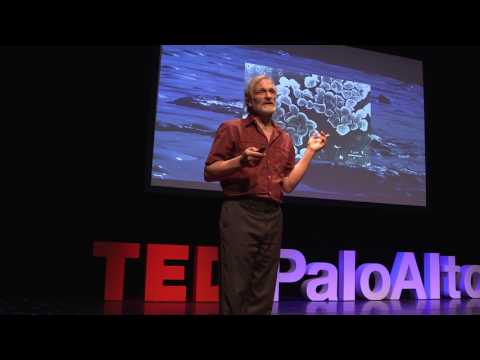
I want to tell you about my science story I want to tell you about a story
story I want to tell you about a story
story I want to tell you about a story that led me to a project that I think is
that led me to a project that I think is
that led me to a project that I think is new true and important and perhaps I’ll
new true and important and perhaps I’ll
new true and important and perhaps I’ll recruit some of you to join this project
recruit some of you to join this project
recruit some of you to join this project but my story starts in the ocean it
but my story starts in the ocean it
but my story starts in the ocean it starts with cruises that went from San
starts with cruises that went from San
starts with cruises that went from San Francisco to Hawaii Hawaii to Tahiti
Francisco to Hawaii Hawaii to Tahiti
Francisco to Hawaii Hawaii to Tahiti cruises that went from Woods Hole to the
cruises that went from Woods Hole to the
cruises that went from Woods Hole to the Azores and the Azores to Scotland
Azores and the Azores to Scotland
Azores and the Azores to Scotland so these cruises were research cruises
so these cruises were research cruises
so these cruises were research cruises which means we weren’t concerned about
which means we weren’t concerned about
which means we weren’t concerned about the ship we were concerned about the
the ship we were concerned about the
the ship we were concerned about the ocean and I in the days of 1970s I in
ocean and I in the days of 1970s I in
ocean and I in the days of 1970s I in those days was part of a small group of
those days was part of a small group of
those days was part of a small group of research divers that were engaged in
research divers that were engaged in
research divers that were engaged in diving in the ocean using scuba
diving in the ocean using scuba
diving in the ocean using scuba techniques to explore the ocean um
techniques to explore the ocean um
techniques to explore the ocean um underwater just studying the surface
underwater just studying the surface
underwater just studying the surface waters so we launched ourselves into
waters so we launched ourselves into
waters so we launched ourselves into little boats and we hung a line in the
little boats and we hung a line in the
little boats and we hung a line in the water
water
water and we’d OVA round that line now the
and we’d OVA round that line now the
and we’d OVA round that line now the bottom maybe four or five kilometers
bottom maybe four or five kilometers
bottom maybe four or five kilometers below us that’s like two and a half to
below us that’s like two and a half to
below us that’s like two and a half to three miles from the boat to the bottom
three miles from the boat to the bottom
three miles from the boat to the bottom so in order to be safe reattached
so in order to be safe reattached
so in order to be safe reattached ourselves to the boat and we attach
ourselves to the boat and we attach
ourselves to the boat and we attach ourselves to each other now I can tell
ourselves to each other now I can tell
ourselves to each other now I can tell you lots of stories about sharks and
you lots of stories about sharks and
you lots of stories about sharks and porpoises and animals made of jelly that
porpoises and animals made of jelly that
porpoises and animals made of jelly that we encountered but what I was studying I
we encountered but what I was studying I
we encountered but what I was studying I was studying the jungles of the ocean so
was studying the jungles of the ocean so
was studying the jungles of the ocean so like the jungles on land the jungles in
like the jungles on land the jungles in
like the jungles on land the jungles in the ocean are dominated by plants but
the ocean are dominated by plants but
the ocean are dominated by plants but unlike the plants on land which are big
unlike the plants on land which are big
unlike the plants on land which are big and have lots of stems and trunks and
and have lots of stems and trunks and
and have lots of stems and trunks and leaves the oceans jungles look like this
leaves the oceans jungles look like this
leaves the oceans jungles look like this microscopic plants that are usually
microscopic plants that are usually
microscopic plants that are usually algae that fill the water and make it
algae that fill the water and make it
algae that fill the water and make it green and fairly opaque now the reason
green and fairly opaque now the reason
green and fairly opaque now the reason this is interesting for our story is
this is interesting for our story is
this is interesting for our story is because those particles those plants
because those particles those plants
because those particles those plants aggregate into particles that ultimately
aggregate into particles that ultimately
aggregate into particles that ultimately form little microcosms and these
form little microcosms and these
form little microcosms and these microcosms move through the water
microcosms move through the water
microcosms move through the water this is a picture underwater of one of
this is a picture underwater of one of
this is a picture underwater of one of these microcosms looks like and has
these microcosms looks like and has
these microcosms looks like and has interesting chemistry and interesting
interesting chemistry and interesting
interesting chemistry and interesting biology and it moves it sinks through
biology and it moves it sinks through
biology and it moves it sinks through the water and what that means for the
the water and what that means for the
the water and what that means for the organisms associated with it is that it
organisms associated with it is that it
organisms associated with it is that it goes from the warm surface waters to
goes from the warm surface waters to
goes from the warm surface waters to deeper and deeper water that gets colder
deeper and deeper water that gets colder
deeper and deeper water that gets colder and higher and higher pressure now we
and higher and higher pressure now we
and higher and higher pressure now we were limited to the upper 20 meters of
were limited to the upper 20 meters of
were limited to the upper 20 meters of the water just because of the nature of
the water just because of the nature of
the water just because of the nature of scuba diving and trying to be safe and
scuba diving and trying to be safe and
scuba diving and trying to be safe and we were in the middle of the ocean so we
we were in the middle of the ocean so we
we were in the middle of the ocean so we wanted to be really careful about this
wanted to be really careful about this
wanted to be really careful about this but I had the opportunity to go deeper
but I had the opportunity to go deeper
but I had the opportunity to go deeper to look beyond the diving range using a
to look beyond the diving range using a
to look beyond the diving range using a submarine called Alvin so Alvin allowed
submarine called Alvin so Alvin allowed
submarine called Alvin so Alvin allowed me to go way way way below where divers
me to go way way way below where divers
me to go way way way below where divers can go and as soon as you get below
can go and as soon as you get below
can go and as soon as you get below about a hundred meters about 200-300
about a hundred meters about 200-300
about a hundred meters about 200-300 feet this is what it looks like it’s
feet this is what it looks like it’s
feet this is what it looks like it’s totally dark but if you turn the lights
totally dark but if you turn the lights
totally dark but if you turn the lights on what you see are similar particles to
on what you see are similar particles to
on what you see are similar particles to the particles that I just described to
the particles that I just described to
the particles that I just described to you particles that are suspended in the
you particles that are suspended in the
you particles that are suspended in the water and aggregated and probably unique
water and aggregated and probably unique
water and aggregated and probably unique in their characteristics of Bost biology
in their characteristics of Bost biology
in their characteristics of Bost biology and chemistry and their sinking through
and chemistry and their sinking through
and chemistry and their sinking through the water now the reason this is
the water now the reason this is
the water now the reason this is interesting and in fact the old divers
interesting and in fact the old divers
interesting and in fact the old divers the old submersible divers the early
the old submersible divers the early
the old submersible divers the early submersible divers called the stuff
submersible divers called the stuff
submersible divers called the stuff marine snow because it looks sort of
marine snow because it looks sort of
marine snow because it looks sort of like a snow storm moving through the
like a snow storm moving through the
like a snow storm moving through the water and it feeds the deep ocean so I
water and it feeds the deep ocean so I
water and it feeds the deep ocean so I was studying these particles and because
was studying these particles and because
was studying these particles and because the particles as they fall from the
the particles as they fall from the
the particles as they fall from the surface and ultimately get to the bottom
surface and ultimately get to the bottom
surface and ultimately get to the bottom they go through a temperature gradient
they go through a temperature gradient
they go through a temperature gradient and they go through increasing
and they go through increasing
and they go through increasing increasing pressure for every 10 meters
increasing pressure for every 10 meters
increasing pressure for every 10 meters you go down into the ocean you increase
you go down into the ocean you increase
you go down into the ocean you increase another atmosphere worth of pressure so
another atmosphere worth of pressure so
another atmosphere worth of pressure so in the laboratory we had equipment at
in the laboratory we had equipment at
in the laboratory we had equipment at Scripps Institution of Oceanography
Scripps Institution of Oceanography
Scripps Institution of Oceanography where I was a student that allowed us to
where I was a student that allowed us to
where I was a student that allowed us to simulate these high pressures and high
simulate these high pressures and high
simulate these high pressures and high temperatures and at some places in the
temperatures and at some places in the
temperatures and at some places in the deep ocean there were these hot springs
deep ocean there were these hot springs
deep ocean there were these hot springs discovered these underwater geysers and
discovered these underwater geysers and
discovered these underwater geysers and the uniqueness of these geysers they
the uniqueness of these geysers they
the uniqueness of these geysers they were called black smokers and they look
were called black smokers and they look
were called black smokers and they look like black smoke but there’s nothing to
like black smoke but there’s nothing to
like black smoke but there’s nothing to do with smoke what this is is
do with smoke what this is is
do with smoke what this is is superheated water the water temperatures
superheated water the water temperatures
superheated water the water temperatures because of the high pressure could reach
because of the high pressure could reach
because of the high pressure could reach 450 degrees Celsius that’s that’s like
450 degrees Celsius that’s that’s like
450 degrees Celsius that’s that’s like 850 degrees Fahrenheit and the pressure
850 degrees Fahrenheit and the pressure
850 degrees Fahrenheit and the pressure prevents it from boiling
prevents it from boiling
prevents it from boiling right in one atmosphere that is at sea
right in one atmosphere that is at sea
right in one atmosphere that is at sea level water boils at 100 degrees Celsius
level water boils at 100 degrees Celsius
level water boils at 100 degrees Celsius but here because of the pressure it
but here because of the pressure it
but here because of the pressure it boils at very very high temperatures so
boils at very very high temperatures so
boils at very very high temperatures so these black smokers were interesting
these black smokers were interesting
these black smokers were interesting because they’re not very they’re not
because they’re not very they’re not
because they’re not very they’re not very common in fact they’re only in
very common in fact they’re only in
very common in fact they’re only in volcanic areas but what’s interesting
volcanic areas but what’s interesting
volcanic areas but what’s interesting about them is that there’s a whole group
about them is that there’s a whole group
about them is that there’s a whole group of very weird organisms that are
of very weird organisms that are
of very weird organisms that are surrounding these black smokers and
surrounding these black smokers and
surrounding these black smokers and other geysers in the deep sea and these
other geysers in the deep sea and these
other geysers in the deep sea and these organisms are taking advantage of the
organisms are taking advantage of the
organisms are taking advantage of the warmth and the minerals coming up from
warmth and the minerals coming up from
warmth and the minerals coming up from the Earth’s crust and they’re kind of a
the Earth’s crust and they’re kind of a
the Earth’s crust and they’re kind of a distance sort of like us sitting around
distance sort of like us sitting around
distance sort of like us sitting around a campfire at night you know and we’re a
a campfire at night you know and we’re a
a campfire at night you know and we’re a distance from the fire and we’re
distance from the fire and we’re
distance from the fire and we’re comfortable but if we get too close it’s
comfortable but if we get too close it’s
comfortable but if we get too close it’s very dangerous with about this time it
very dangerous with about this time it
very dangerous with about this time it was like 1983 we had a high-pressure lab
was like 1983 we had a high-pressure lab
was like 1983 we had a high-pressure lab and these Hot Springs have been
and these Hot Springs have been
and these Hot Springs have been discovered in a number of places and a
discovered in a number of places and a
discovered in a number of places and a filler came to our lab with samples from
filler came to our lab with samples from
filler came to our lab with samples from one of the black smokers and asked us if
one of the black smokers and asked us if
one of the black smokers and asked us if we could build a high-pressure
we could build a high-pressure
we could build a high-pressure high-temperature apparatus he asked the
high-temperature apparatus he asked the
high-temperature apparatus he asked the question provocative question is could
question provocative question is could
question provocative question is could organisms live at this superheated high
organisms live at this superheated high
organisms live at this superheated high temperature and survive because the
temperature and survive because the
temperature and survive because the pressure prevents the water from boiling
pressure prevents the water from boiling
pressure prevents the water from boiling could that compensate also for the
could that compensate also for the
could that compensate also for the biology published a paper with one of
biology published a paper with one of
biology published a paper with one of the student what of the postdocs in the
the student what of the postdocs in the
the student what of the postdocs in the lab Jody Deming so John burrows and Joe
lab Jody Deming so John burrows and Joe
lab Jody Deming so John burrows and Joe he Deming published a paper that was
he Deming published a paper that was
he Deming published a paper that was really sensational I mean it was life at
really sensational I mean it was life at
really sensational I mean it was life at 250 degrees bacteria black smoker
250 degrees bacteria black smoker
250 degrees bacteria black smoker bacteria growing at 250 degrees that was
bacteria growing at 250 degrees that was
bacteria growing at 250 degrees that was a while because that was more than two
a while because that was more than two
a while because that was more than two and a half times the maximum anybody had
and a half times the maximum anybody had
and a half times the maximum anybody had ever seen before and it was very unclear
ever seen before and it was very unclear
ever seen before and it was very unclear whether this was because of the pressure
whether this was because of the pressure
whether this was because of the pressure or because he’s organisms were specially
or because he’s organisms were specially
or because he’s organisms were specially adapted but you know I have been
adapted but you know I have been
adapted but you know I have been studying pressure and I knew the effects
studying pressure and I knew the effects
studying pressure and I knew the effects of pressure and temperature and I
of pressure and temperature and I
of pressure and temperature and I thought you know I don’t know if this is
thought you know I don’t know if this is
thought you know I don’t know if this is true so I took the same equipment and I
true so I took the same equipment and I
true so I took the same equipment and I did work with the same the same
did work with the same the same
did work with the same the same apparatus that they used and I published
apparatus that they used and I published
apparatus that they used and I published a paper in Nature a few months later
a paper in Nature a few months later
a paper in Nature a few months later said possible artefactual bases for
said possible artefactual bases for
said possible artefactual bases for thick black smoke or bacteria in other
thick black smoke or bacteria in other
thick black smoke or bacteria in other words their data was wrong so this is ok
words their data was wrong so this is ok
words their data was wrong so this is ok I mean science moves forward by having
I mean science moves forward by having
I mean science moves forward by having things that are right and wrong
things that are right and wrong
things that are right and wrong but it was a case of something that was
but it was a case of something that was
but it was a case of something that was new but not true but interestingly
new but not true but interestingly
new but not true but interestingly enough this was a turning point in my
enough this was a turning point in my
enough this was a turning point in my story because I and many other people
story because I and many other people
story because I and many other people who have read that original paper and I
who have read that original paper and I
who have read that original paper and I was directly involved I thought you know
was directly involved I thought you know
was directly involved I thought you know this is a really interesting question
this is a really interesting question
this is a really interesting question what is the upper temperature limit of
what is the upper temperature limit of
what is the upper temperature limit of life and this led me into a new area in
life and this led me into a new area in
life and this led me into a new area in my research I started going around the
my research I started going around the
my research I started going around the world looking at places where the
world looking at places where the
world looking at places where the geothermal hot streams places like this
geothermal hot streams places like this
geothermal hot streams places like this and the Russian party is in Chocula
and the Russian party is in Chocula
and the Russian party is in Chocula where there’s a glacier running into a
where there’s a glacier running into a
where there’s a glacier running into a volcanic caldera and melting and forming
volcanic caldera and melting and forming
volcanic caldera and melting and forming these hot acid pools and we were
these hot acid pools and we were
these hot acid pools and we were sampling these pools and looking for
sampling these pools and looking for
sampling these pools and looking for life in these pools they were they where
life in these pools they were they where
life in these pools they were they where this one was 94 degrees Celsius so it
this one was 94 degrees Celsius so it
this one was 94 degrees Celsius so it was below the boiling point of water but
was below the boiling point of water but
was below the boiling point of water but it was super hot and in these places we
it was super hot and in these places we
it was super hot and in these places we found organisms organisms that look like
found organisms organisms that look like
found organisms organisms that look like this their so-called thermo acidophiles
this their so-called thermo acidophiles
this their so-called thermo acidophiles there’s about 80 of them this picture
there’s about 80 of them this picture
there’s about 80 of them this picture and there looked like little raisins but
and there looked like little raisins but
and there looked like little raisins but in fact 400 billion of them would fit
in fact 400 billion of them would fit
in fact 400 billion of them would fit inside a raisin an actual raisin right
inside a raisin an actual raisin right
inside a raisin an actual raisin right so they’re they’re extremely tiny and I
so they’re they’re extremely tiny and I
so they’re they’re extremely tiny and I went ahead and sampled these organisms
went ahead and sampled these organisms
went ahead and sampled these organisms around in many places and really what I
around in many places and really what I
around in many places and really what I was doing was true but not new there
was doing was true but not new there
was doing was true but not new there were a lot of people who had studied
were a lot of people who had studied
were a lot of people who had studied these organisms and much of what I was
these organisms and much of what I was
these organisms and much of what I was finding has known already to science
finding has known already to science
finding has known already to science about this time NASA started a program
about this time NASA started a program
about this time NASA started a program called astrobiology and astrobiology was
called astrobiology and astrobiology was
called astrobiology and astrobiology was looking for the limits of life to be
looking for the limits of life to be
looking for the limits of life to be able to direct our search for life
able to direct our search for life
able to direct our search for life beyond Earth and so I was a perfect
beyond Earth and so I was a perfect
beyond Earth and so I was a perfect candidate and I went to work for NASA
candidate and I went to work for NASA
candidate and I went to work for NASA and in fact I worked on lots and lots of
and in fact I worked on lots and lots of
and in fact I worked on lots and lots of different projects but I want to tell
different projects but I want to tell
different projects but I want to tell you about one particular project which
you about one particular project which
you about one particular project which is very important in the story that I’m
is very important in the story that I’m
is very important in the story that I’m telling you now and that has to do with
telling you now and that has to do with
telling you now and that has to do with a study of Mars Mars as you know is a
a study of Mars Mars as you know is a
a study of Mars Mars as you know is a planet that people are now talking about
planet that people are now talking about
planet that people are now talking about going to and we already have
going to and we already have
going to and we already have Rovers on Mars like curiosity is there
Rovers on Mars like curiosity is there
Rovers on Mars like curiosity is there right now I mean this is a rover that’s
right now I mean this is a rover that’s
right now I mean this is a rover that’s rolling across the surface of Mars it’s
rolling across the surface of Mars it’s
rolling across the surface of Mars it’s been there for quite some time already
been there for quite some time already
been there for quite some time already and it’s sending back data but sending
and it’s sending back data but sending
and it’s sending back data but sending back pictures of what Mars looks like
back pictures of what Mars looks like
back pictures of what Mars looks like this
this
this this is
this is
this is picture of Mars that was taken from
picture of Mars that was taken from
picture of Mars that was taken from curiosity looking out to a mountain
curiosity looking out to a mountain
curiosity looking out to a mountain called Mount sharp Mars is a cold dry
called Mount sharp Mars is a cold dry
called Mount sharp Mars is a cold dry desolate really amazing place and the
desolate really amazing place and the
desolate really amazing place and the average temperature is minus 60 degrees
average temperature is minus 60 degrees
average temperature is minus 60 degrees average Celsius so that’s like minus
average Celsius so that’s like minus
average Celsius so that’s like minus eighty five Fahrenheit it’s super cold
eighty five Fahrenheit it’s super cold
eighty five Fahrenheit it’s super cold we still talk though about putting
we still talk though about putting
we still talk though about putting people there even though there’s no
people there even though there’s no
people there even though there’s no atmosphere to breathe outside and it’s
atmosphere to breathe outside and it’s
atmosphere to breathe outside and it’s cold and in fact the atmosphere is so
cold and in fact the atmosphere is so
cold and in fact the atmosphere is so thin that on the surface of Mars water
thin that on the surface of Mars water
thin that on the surface of Mars water boils at four degrees Celsius that’s
boils at four degrees Celsius that’s
boils at four degrees Celsius that’s about 40 degrees Fahrenheit it boils and
about 40 degrees Fahrenheit it boils and
about 40 degrees Fahrenheit it boils and our blood temperature is 37 degrees so
our blood temperature is 37 degrees so
our blood temperature is 37 degrees so guess what there’s not only no air to
guess what there’s not only no air to
guess what there’s not only no air to breathe but your blood would boil and
breathe but your blood would boil and
breathe but your blood would boil and you would freeze if you ever got exposed
you would freeze if you ever got exposed
you would freeze if you ever got exposed to the Martian surface so Mars for me is
to the Martian surface so Mars for me is
to the Martian surface so Mars for me is sort of new but so what what is Mars
sort of new but so what what is Mars
sort of new but so what what is Mars interesting for and for me Mars is an
interesting for and for me Mars is an
interesting for and for me Mars is an interesting problem Mars is an
interesting problem Mars is an
interesting problem Mars is an interesting problem because it’s an
interesting problem because it’s an
interesting problem because it’s an exercise in thinking about a
exercise in thinking about a
exercise in thinking about a life-support system in fact on Mars the
life-support system in fact on Mars the
life-support system in fact on Mars the waste products from the humans the
waste products from the humans the
waste products from the humans the hypothetical humans that were inhabiting
hypothetical humans that were inhabiting
hypothetical humans that were inhabiting a Mars habitat the waste products are
a Mars habitat the waste products are
a Mars habitat the waste products are more valuable than what Mars will offer
more valuable than what Mars will offer
more valuable than what Mars will offer us there Mars offers some solar energy
us there Mars offers some solar energy
us there Mars offers some solar energy and a little bit of water and absolutely
and a little bit of water and absolutely
and a little bit of water and absolutely no food so we would have to put people
no food so we would have to put people
no food so we would have to put people in a system like this and provide the
in a system like this and provide the
in a system like this and provide the ultimate in recycling I mean this is the
ultimate in recycling I mean this is the
ultimate in recycling I mean this is the extreme case because the waste products
extreme case because the waste products
extreme case because the waste products from the humans will be more valuable in
from the humans will be more valuable in
from the humans will be more valuable in making food water and energy than
making food water and energy than
making food water and energy than anything almost anything we’d find on
anything almost anything we’d find on
anything almost anything we’d find on Mars this question of food water and
Mars this question of food water and
Mars this question of food water and energy was very important to me on
energy was very important to me on
energy was very important to me on thinking about Mars and then I had a bit
thinking about Mars and then I had a bit
thinking about Mars and then I had a bit of an epiphany what about the earth what
of an epiphany what about the earth what
of an epiphany what about the earth what about these same concepts where Mars is
about these same concepts where Mars is
about these same concepts where Mars is a resource limiting planet what about
a resource limiting planet what about
a resource limiting planet what about thinking about the resource limitations
thinking about the resource limitations
thinking about the resource limitations on earth and thinking about the growing
on earth and thinking about the growing
on earth and thinking about the growing population on the earth the problems we
population on the earth the problems we
population on the earth the problems we have with urbanization and the issues
have with urbanization and the issues
have with urbanization and the issues associated with changes in lifestyle
associated with changes in lifestyle
associated with changes in lifestyle this hole called affluence that’s
this hole called affluence that’s
this hole called affluence that’s growing in the world not to mention the
growing in the world not to mention the
growing in the world not to mention the fact that climate change is a sort of
fact that climate change is a sort of
fact that climate change is a sort of monkey wrench in our whole system of
monkey wrench in our whole system of
monkey wrench in our whole system of thinking
thinking
thinking could we apply the same concepts to the
could we apply the same concepts to the
could we apply the same concepts to the issues related to water food and energy
issues related to water food and energy
issues related to water food and energy on the earth this led me to a project I
on the earth this led me to a project I
on the earth this led me to a project I call Omega this Omega project is a
call Omega this Omega project is a
call Omega this Omega project is a system of systems approach that takes
system of systems approach that takes
system of systems approach that takes waste water and way co2 at a floating
waste water and way co2 at a floating
waste water and way co2 at a floating platform off the coast of coastal cities
platform off the coast of coastal cities
platform off the coast of coastal cities to grow microalgae on the waste water
to grow microalgae on the waste water
to grow microalgae on the waste water and the platform is also used for solar
and the platform is also used for solar
and the platform is also used for solar energy in the form of electricity and
energy in the form of electricity and
energy in the form of electricity and heat from solar concentrators wave
heat from solar concentrators wave
heat from solar concentrators wave energy can be the basis for producing
energy can be the basis for producing
energy can be the basis for producing power and wind energy also and because
power and wind energy also and because
power and wind energy also and because we’re in an offshore context the under
we’re in an offshore context the under
we’re in an offshore context the under water from this this infrastructure can
water from this this infrastructure can
water from this this infrastructure can be used for producing food in an
be used for producing food in an
be used for producing food in an ecologically sound way we deal with the
ecologically sound way we deal with the
ecologically sound way we deal with the environmental issues by treating
environmental issues by treating
environmental issues by treating wastewater we make water from waste
wastewater we make water from waste
wastewater we make water from waste water that’s drinkable and at the same
water that’s drinkable and at the same
water that’s drinkable and at the same time we’re producing food from an
time we’re producing food from an
time we’re producing food from an ecological aquaculture the system
ecological aquaculture the system
ecological aquaculture the system provides energy from solar power and the
provides energy from solar power and the
provides energy from solar power and the whole system together is a way of
whole system together is a way of
whole system together is a way of producing green economies that are
producing green economies that are
producing green economies that are sustainable for the future the Omega
sustainable for the future the Omega
sustainable for the future the Omega project stands for operational marinas
project stands for operational marinas
project stands for operational marinas for economic growth and abundance it
for economic growth and abundance it
for economic growth and abundance it started as a NASA project actually with
started as a NASA project actually with
started as a NASA project actually with funding from NASA and the California
funding from NASA and the California
funding from NASA and the California Energy Commission and it evolved we
Energy Commission and it evolved we
Energy Commission and it evolved we basically showed that this system is
basically showed that this system is
basically showed that this system is feasible that in fact we could we could
feasible that in fact we could we could
feasible that in fact we could we could build it there are some issues related
build it there are some issues related
build it there are some issues related to the economics and the energetics but
to the economics and the energetics but
to the economics and the energetics but it’s but it’s feasible we’ve now started
it’s but it’s feasible we’ve now started
it’s but it’s feasible we’ve now started a nonprofit called the Omega Global
a nonprofit called the Omega Global
a nonprofit called the Omega Global Initiative ogi to spread this idea to
Initiative ogi to spread this idea to
Initiative ogi to spread this idea to promote this idea beyond NASA so if I
promote this idea beyond NASA so if I
promote this idea beyond NASA so if I started my journey in the ocean and I
started my journey in the ocean and I
started my journey in the ocean and I took a turn when we discovered something
took a turn when we discovered something
took a turn when we discovered something that was new but not true I chipped it
that was new but not true I chipped it
that was new but not true I chipped it again when I started studying the upper
again when I started studying the upper
again when I started studying the upper temperature limits of life and we’re
temperature limits of life and we’re
temperature limits of life and we’re studying things that were true but not
studying things that were true but not
studying things that were true but not new and then again when I looked at Mars
new and then again when I looked at Mars
new and then again when I looked at Mars and realized that it was kind of a so
and realized that it was kind of a so
and realized that it was kind of a so what we’re never going to colonize Mars
what we’re never going to colonize Mars
what we’re never going to colonize Mars the goal the place that I’ve reached now
the goal the place that I’ve reached now
the goal the place that I’ve reached now we’re the Omega project is perhaps my
we’re the Omega project is perhaps my
we’re the Omega project is perhaps my final project in an Omega project its
final project in an Omega project its
final project in an Omega project its new true and important thank you
new true and important thank you
new true and important thank you [Applause]
”
Be First to Comment