
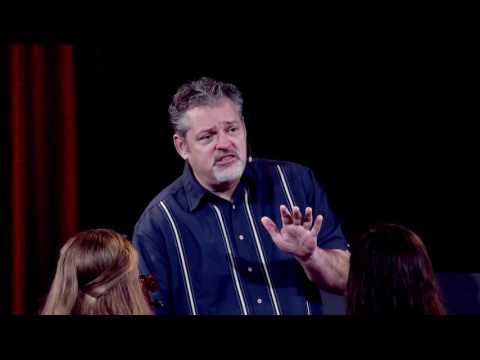
[Music] [Applause]
well we’ve all seen conductors tap the
well we’ve all seen conductors tap the music stand like that in TV commercials
music stand like that in TV commercials
music stand like that in TV commercials and movies right but I’ve got a secret
and movies right but I’ve got a secret
and movies right but I’ve got a secret for you almost no conductor ever does
for you almost no conductor ever does
for you almost no conductor ever does that it’s actually very authoritarian
that it’s actually very authoritarian
that it’s actually very authoritarian and it feels kind of disrespectful to
and it feels kind of disrespectful to
and it feels kind of disrespectful to the musicians on stage not to mention
the musicians on stage not to mention
the musicians on stage not to mention that you could break a perfectly good
that you could break a perfectly good
that you could break a perfectly good baton and these things are expensive so
baton and these things are expensive so
baton and these things are expensive so what does a conductor actually do on the
what does a conductor actually do on the
what does a conductor actually do on the podium well making my living as an
podium well making my living as an
podium well making my living as an orchestra conductor for the last 25
orchestra conductor for the last 25
orchestra conductor for the last 25 years or so I’ve learned that my job is
years or so I’ve learned that my job is
years or so I’ve learned that my job is a total mystery to most people does the
a total mystery to most people does the
a total mystery to most people does the conductor even have an effect on the
conductor even have an effect on the
conductor even have an effect on the orchestra sound I mean couldn’t they
orchestra sound I mean couldn’t they
orchestra sound I mean couldn’t they play just fine on their own
play just fine on their own
play just fine on their own well raise your hand if you’ve ever
well raise your hand if you’ve ever
well raise your hand if you’ve ever thought maybe conductors just enjoy
thought maybe conductors just enjoy
thought maybe conductors just enjoy dancing in the middle of the orchestra
dancing in the middle of the orchestra
dancing in the middle of the orchestra okay a few of you well I’ll tell you a
okay a few of you well I’ll tell you a
okay a few of you well I’ll tell you a secret actually we kind of do but
secret actually we kind of do but
secret actually we kind of do but there’s more to it than that
there’s more to it than that
there’s more to it than that in fact at its core what good conductors
in fact at its core what good conductors
in fact at its core what good conductors do on the podium offer valuable insights
do on the podium offer valuable insights
do on the podium offer valuable insights for all of us on how to lead our teams
for all of us on how to lead our teams
for all of us on how to lead our teams more effectively and collaborate better
more effectively and collaborate better
more effectively and collaborate better with others now as much as it pains me
with others now as much as it pains me
with others now as much as it pains me to admit it an orchestra can in fact
to admit it an orchestra can in fact
to admit it an orchestra can in fact play without a conductor in fact there
play without a conductor in fact there
play without a conductor in fact there are quite a few professional orchestras
are quite a few professional orchestras
are quite a few professional orchestras most famously the Orpheus Chamber
most famously the Orpheus Chamber
most famously the Orpheus Chamber Orchestra in New York whose whole brand
Orchestra in New York whose whole brand
Orchestra in New York whose whole brand identity is based around performing
identity is based around performing
identity is based around performing without a conductor and then meanwhile
without a conductor and then meanwhile
without a conductor and then meanwhile at traditional orchestras who almost
at traditional orchestras who almost
at traditional orchestras who almost always play with a conductor lots of the
always play with a conductor lots of the
always play with a conductor lots of the musicians are openly skeptical about how
musicians are openly skeptical about how
musicians are openly skeptical about how much value most conductors have and so
much value most conductors have and so
much value most conductors have and so are they right to be skeptical
are they right to be skeptical
are they right to be skeptical [Music]
well these musicians from Yosa or youth
well these musicians from Yosa or youth orchestras of San Antonio just showed us
orchestras of San Antonio just showed us
orchestras of San Antonio just showed us an orchestra can absolutely play without
an orchestra can absolutely play without
an orchestra can absolutely play without a conductor
a conductor
a conductor they were playing by the way a Rondo
they were playing by the way a Rondo
they were playing by the way a Rondo that the English composer Henry Purcell
that the English composer Henry Purcell
that the English composer Henry Purcell wrote more than three hundred years ago
wrote more than three hundred years ago
wrote more than three hundred years ago so if they can play so well without a
so if they can play so well without a
so if they can play so well without a conductor is there added value in a
conductor is there added value in a
conductor is there added value in a conductor being present well in 2012
conductor being present well in 2012
conductor being present well in 2012 Yanni Salim Ono’s who’s the director of
Yanni Salim Ono’s who’s the director of
Yanni Salim Ono’s who’s the director of the computer vision laboratory at the
the computer vision laboratory at the
the computer vision laboratory at the University of Maryland teamed up with
University of Maryland teamed up with
University of Maryland teamed up with some colleagues to study this very
some colleagues to study this very
some colleagues to study this very question of the conductors value working
question of the conductors value working
question of the conductors value working with an Italian orchestra they placed
with an Italian orchestra they placed
with an Italian orchestra they placed tiny infrared lights in a conductors
tiny infrared lights in a conductors
tiny infrared lights in a conductors baton and on the bows of the musicians
baton and on the bows of the musicians
baton and on the bows of the musicians in the orchestra by surrounding the
in the orchestra by surrounding the
in the orchestra by surrounding the orchestra with infrared cameras they
orchestra with infrared cameras they
orchestra with infrared cameras they were able to capture the patterns in
were able to capture the patterns in
were able to capture the patterns in space created by the movements of these
space created by the movements of these
space created by the movements of these lights so did the conductor actually
lights so did the conductor actually
lights so did the conductor actually lead the musicians thank God yes when
lead the musicians thank God yes when
lead the musicians thank God yes when they crunched the numbers a lemonis and
they crunched the numbers a lemonis and
they crunched the numbers a lemonis and his team found that the conductor’s
his team found that the conductor’s
his team found that the conductor’s movement patterns were in fact
movement patterns were in fact
movement patterns were in fact predicting the movements of the
predicting the movements of the
predicting the movements of the orchestra’s bows and not the other way
orchestra’s bows and not the other way
orchestra’s bows and not the other way around
around
around and an even better news for those of us
and an even better news for those of us
and an even better news for those of us who conduct the scientists also had two
who conduct the scientists also had two
who conduct the scientists also had two different conductors wield the infrared
different conductors wield the infrared
different conductors wield the infrared baton one was an experienced veteran
baton one was an experienced veteran
baton one was an experienced veteran musician and conductor and the other was
musician and conductor and the other was
musician and conductor and the other was an amateur with just a little bit of
an amateur with just a little bit of
an amateur with just a little bit of knowledge of the basics both conductors
knowledge of the basics both conductors
knowledge of the basics both conductors were actually found to be leading the
were actually found to be leading the
were actually found to be leading the musicians but a panel of musical experts
musicians but a panel of musical experts
musicians but a panel of musical experts also listened to both performances
also listened to both performances
also listened to both performances without knowing which was which and they
without knowing which was which and they
without knowing which was which and they decided in this blind test that the
decided in this blind test that the
decided in this blind test that the veteran conductor got better musical
veteran conductor got better musical
veteran conductor got better musical results so score one for a conductor
results so score one for a conductor
results so score one for a conductor actually having a measurable impact on
actually having a measurable impact on
actually having a measurable impact on the sound job security but how do we do
the sound job security but how do we do
the sound job security but how do we do it
[Music]
[Music] when I get involved that could go I
when I get involved that could go I
when I get involved that could go I think when I get involved I can go
think when I get involved I can go
think when I get involved I can go overboard and I shaped the sound there
overboard and I shaped the sound there
overboard and I shaped the sound there but it was probably a little too much
but it was probably a little too much
but it was probably a little too much everybody’s taste is different but to me
everybody’s taste is different but to me
everybody’s taste is different but to me that performance distorted the music
that performance distorted the music
that performance distorted the music rather than enhancing it and as leaders
rather than enhancing it and as leaders
rather than enhancing it and as leaders all of us can do this son sometimes all
all of us can do this son sometimes all
all of us can do this son sometimes all of us can go too far
of us can go too far
of us can go too far so the key to doing better is for me to
so the key to doing better is for me to
so the key to doing better is for me to shape the sound without making it all
shape the sound without making it all
shape the sound without making it all about me
so that was better or at least I hope it
so that was better or at least I hope it was so how do I shape the sound and lead
was so how do I shape the sound and lead
was so how do I shape the sound and lead the musicians without getting in the way
the musicians without getting in the way
the musicians without getting in the way well Robert Greenleaf’s classic concept
well Robert Greenleaf’s classic concept
well Robert Greenleaf’s classic concept of servant leadership is a useful lens
of servant leadership is a useful lens
of servant leadership is a useful lens for thinking about this I want to serve
for thinking about this I want to serve
for thinking about this I want to serve the composer’s vision I want to serve
the composer’s vision I want to serve
the composer’s vision I want to serve the musicians and I want to serve the
the musicians and I want to serve the
the musicians and I want to serve the audience so for you you can think of the
audience so for you you can think of the
audience so for you you can think of the composer as your team’s mission or
composer as your team’s mission or
composer as your team’s mission or vision the musicians as your co-workers
vision the musicians as your co-workers
vision the musicians as your co-workers or colleagues and the audience as your
or colleagues and the audience as your
or colleagues and the audience as your customers aspiring to lead should grow
customers aspiring to lead should grow
customers aspiring to lead should grow out of a strong passion for this kind of
out of a strong passion for this kind of
out of a strong passion for this kind of leadership to everybody for this kind of
leadership to everybody for this kind of
leadership to everybody for this kind of commitment leadership and service to
commitment leadership and service to
commitment leadership and service to everybody involved if we lead first
everybody involved if we lead first
everybody involved if we lead first without this commitment to service then
without this commitment to service then
without this commitment to service then the outcomes are almost always forced or
the outcomes are almost always forced or
the outcomes are almost always forced or phony now conducting also offers a
phony now conducting also offers a
phony now conducting also offers a useful lesson in humility humility is
useful lesson in humility humility is
useful lesson in humility humility is not a word we often associate with
not a word we often associate with
not a word we often associate with conductors by the way but when I was 19
conductors by the way but when I was 19
conductors by the way but when I was 19 I started working with Joseph Primavera
I started working with Joseph Primavera
I started working with Joseph Primavera who is a legendary youth orchestra
who is a legendary youth orchestra
who is a legendary youth orchestra conductor in Philadelphia and he said to
conductor in Philadelphia and he said to
conductor in Philadelphia and he said to me more than once
me more than once
me more than once never forget you’re the only musician on
never forget you’re the only musician on
never forget you’re the only musician on stage who isn’t making any sound you
stage who isn’t making any sound you
stage who isn’t making any sound you think anybody wants to come to your solo
think anybody wants to come to your solo
think anybody wants to come to your solo concert
it gets old real fast so all of us
it gets old real fast so all of us ultimately should think of ourselves
ultimately should think of ourselves
ultimately should think of ourselves like the musician who isn’t making any
like the musician who isn’t making any
like the musician who isn’t making any sound great leadership usually isn’t
sound great leadership usually isn’t
sound great leadership usually isn’t about being the rock star instead
about being the rock star instead
about being the rock star instead imagine yourself standing among your
imagine yourself standing among your
imagine yourself standing among your colleagues unleashing their potential to
colleagues unleashing their potential to
colleagues unleashing their potential to do their best work it’s an amazing
do their best work it’s an amazing
do their best work it’s an amazing feeling to stand in the middle of things
feeling to stand in the middle of things
feeling to stand in the middle of things surrounded by the sweep of the full
surrounded by the sweep of the full
surrounded by the sweep of the full orchestra silently unleashing everybody
orchestra silently unleashing everybody
orchestra silently unleashing everybody else’s sound well you won’t get to stand
else’s sound well you won’t get to stand
else’s sound well you won’t get to stand in the middle of that amazing sweep of
in the middle of that amazing sweep of
in the middle of that amazing sweep of sound unless you can get things started
sound unless you can get things started
sound unless you can get things started probably the most important gesture in a
probably the most important gesture in a
probably the most important gesture in a conductors work is called the
conductors work is called the
conductors work is called the preparatory beat our goal is to show the
preparatory beat our goal is to show the
preparatory beat our goal is to show the tempo and mood of the music with one
tempo and mood of the music with one
tempo and mood of the music with one motion and if we do this well then the
motion and if we do this well then the
motion and if we do this well then the musicians can keep playing for quite a
musicians can keep playing for quite a
musicians can keep playing for quite a while with no more support from the
while with no more support from the
while with no more support from the conductor
now on the other hand few things annoy
now on the other hand few things annoy are frustrated in Orchestra more that a
are frustrated in Orchestra more that a
are frustrated in Orchestra more that a conductor whose preparatory beat doesn’t
conductor whose preparatory beat doesn’t
conductor whose preparatory beat doesn’t match the tempo that comes after it you
match the tempo that comes after it you
match the tempo that comes after it you see what I mean now in non musical
see what I mean now in non musical
see what I mean now in non musical leadership many of us do this far too
leadership many of us do this far too
leadership many of us do this far too often instead we should try to personify
often instead we should try to personify
often instead we should try to personify the results we want before the work
the results we want before the work
the results we want before the work begins think about what your team needs
begins think about what your team needs
begins think about what your team needs to sound like and look like and then
to sound like and look like and then
to sound like and look like and then model that with every fiber of your
model that with every fiber of your
model that with every fiber of your being think about things like how you
being think about things like how you
being think about things like how you talk about a project before it starts
talk about a project before it starts
talk about a project before it starts about what your team needs from you in
about what your team needs from you in
about what your team needs from you in order to be ready to execute or about
order to be ready to execute or about
order to be ready to execute or about setting the tone by giving a hundred
setting the tone by giving a hundred
setting the tone by giving a hundred percent that’s not easy of course during
percent that’s not easy of course during
percent that’s not easy of course during my conducting studies with Joseph
my conducting studies with Joseph
my conducting studies with Joseph Primavera I was trying to learn how to
Primavera I was trying to learn how to
Primavera I was trying to learn how to start Beethoven’s fifth symphony which
start Beethoven’s fifth symphony which
start Beethoven’s fifth symphony which is as specially tricky I’m the 20th
is as specially tricky I’m the 20th
is as specially tricky I’m the 20th attempt I was convinced my preparatory
attempt I was convinced my preparatory
attempt I was convinced my preparatory be but the orchestra still wasn’t
be but the orchestra still wasn’t
be but the orchestra still wasn’t together Primavera put his hand on my
together Primavera put his hand on my
together Primavera put his hand on my shoulder and said your baton was ok but
shoulder and said your baton was ok but
shoulder and said your baton was ok but your face isn’t there yet we need to see
your face isn’t there yet we need to see
your face isn’t there yet we need to see the sound in everything you show us now
the sound in everything you show us now
the sound in everything you show us now every piece of music also offers
every piece of music also offers
every piece of music also offers countless tiny choices are we gonna slow
countless tiny choices are we gonna slow
countless tiny choices are we gonna slow down here how much and then when and how
down here how much and then when and how
down here how much and then when and how will we speed back up again now imagine
will we speed back up again now imagine
will we speed back up again now imagine 20 or 40 or even a hundred musicians
20 or 40 or even a hundred musicians
20 or 40 or even a hundred musicians needing to agree on all these answers a
needing to agree on all these answers a
needing to agree on all these answers a conductor offers a streamlining of this
conductor offers a streamlining of this
conductor offers a streamlining of this decision-making process so great leaders
decision-making process so great leaders
decision-making process so great leaders make decisions we know that but for a
make decisions we know that but for a
make decisions we know that but for a conductor to hold on to the confidence
conductor to hold on to the confidence
conductor to hold on to the confidence of the orchestra those decisions need to
of the orchestra those decisions need to
of the orchestra those decisions need to be based in evidence and in what we do
be based in evidence and in what we do
be based in evidence and in what we do as conductors that evidence is the score
as conductors that evidence is the score
as conductors that evidence is the score the notes on paper put there by the
the notes on paper put there by the
the notes on paper put there by the composer by carefully studying the score
composer by carefully studying the score
composer by carefully studying the score and working to understand the compose
and working to understand the compose
and working to understand the compose in 10th a conductor can offer the
in 10th a conductor can offer the
in 10th a conductor can offer the orchestra efficiency but more
orchestra efficiency but more
orchestra efficiency but more importantly the satisfaction of getting
importantly the satisfaction of getting
importantly the satisfaction of getting it right so in your work
it right so in your work
it right so in your work who’s the composer what’s the score
who’s the composer what’s the score
who’s the composer what’s the score well again think about things like your
well again think about things like your
well again think about things like your mission your vision your strategic plan
mission your vision your strategic plan
mission your vision your strategic plan and here’s the most important thing I’ll
and here’s the most important thing I’ll
and here’s the most important thing I’ll probably say all day today try to be the
probably say all day today try to be the
probably say all day today try to be the person who can connect the dots between
person who can connect the dots between
person who can connect the dots between the minutiae of the moment and those
the minutiae of the moment and those
the minutiae of the moment and those overarching goals of the team of course
overarching goals of the team of course
overarching goals of the team of course you can’t connect those dots if you
you can’t connect those dots if you
you can’t connect those dots if you don’t listen well and another thing that
don’t listen well and another thing that
don’t listen well and another thing that frustrates an orchestra to no end is a
frustrates an orchestra to no end is a
frustrates an orchestra to no end is a conductor who doesn’t seem to hear the
conductor who doesn’t seem to hear the
conductor who doesn’t seem to hear the details of what’s going on in the moment
details of what’s going on in the moment
details of what’s going on in the moment it’s not just about wrong notes
it’s not just about wrong notes
it’s not just about wrong notes it’s about judging how which instruments
it’s about judging how which instruments
it’s about judging how which instruments should balance or blend with each other
should balance or blend with each other
should balance or blend with each other it’s about whether a note should be
it’s about whether a note should be
it’s about whether a note should be piercing or smooth it’s about managing a
piercing or smooth it’s about managing a
piercing or smooth it’s about managing a million tiny details without losing
million tiny details without losing
million tiny details without losing track of the larger flow of the piece
track of the larger flow of the piece
track of the larger flow of the piece that’s probably why maestro Primavera
that’s probably why maestro Primavera
that’s probably why maestro Primavera once said to me
once said to me
once said to me Troy you should spend 75 percent of time
Troy you should spend 75 percent of time
Troy you should spend 75 percent of time studying scores and the other 75 percent
studying scores and the other 75 percent
studying scores and the other 75 percent of your time training your ear to hear
of your time training your ear to hear
of your time training your ear to hear better and better and when I pointed out
better and better and when I pointed out
better and better and when I pointed out to him that that didn’t quite add up he
to him that that didn’t quite add up he
to him that that didn’t quite add up he said uh well remember there’s three
said uh well remember there’s three
said uh well remember there’s three kinds of conductors those who can count
kinds of conductors those who can count
kinds of conductors those who can count and those who can’t
so if we know the score well and we
so if we know the score well and we listen carefully we still need to be
listen carefully we still need to be
listen carefully we still need to be able to offer useful feedback and as a
able to offer useful feedback and as a
able to offer useful feedback and as a conductor I need to know a lot about
conductor I need to know a lot about
conductor I need to know a lot about every instrument in the orchestra but I
every instrument in the orchestra but I
every instrument in the orchestra but I also need to understand that my
also need to understand that my
also need to understand that my musicians know more about their
musicians know more about their
musicians know more about their instruments than I do I always try to
instruments than I do I always try to
instruments than I do I always try to focus on describing the sound that I
focus on describing the sound that I
focus on describing the sound that I want the sound the composer needs but
want the sound the composer needs but
want the sound the composer needs but trusting the musicians to figure out how
trusting the musicians to figure out how
trusting the musicians to figure out how to make that sound instead of telling
to make that sound instead of telling
to make that sound instead of telling Kathleen which finger to use to play an
Kathleen which finger to use to play an
Kathleen which finger to use to play an f-sharp
f-sharp
f-sharp what if I can give her some insight into
what if I can give her some insight into
what if I can give her some insight into why that f-sharp matters or who she
why that f-sharp matters or who she
why that f-sharp matters or who she should blend with as she plays it and
should blend with as she plays it and
should blend with as she plays it and then what if I could lead like that off
then what if I could lead like that off
then what if I could lead like that off the podium what if we all could building
the podium what if we all could building
the podium what if we all could building a shared vision of what we’re trying to
a shared vision of what we’re trying to
a shared vision of what we’re trying to accomplish and empowering others to get
accomplish and empowering others to get
accomplish and empowering others to get there in the end when it all comes
there in the end when it all comes
there in the end when it all comes together
together
together that’s what conducting an orchestra
that’s what conducting an orchestra
that’s what conducting an orchestra feels like
so finally what’s the most important
so finally what’s the most important parallel between conducting and
parallel between conducting and
parallel between conducting and leadership never take a bow alone
now try let me ask you who we have here
now try let me ask you who we have here can you introduce us to these great
can you introduce us to these great
can you introduce us to these great musicians this morning we have Blaine
musicians this morning we have Blaine
musicians this morning we have Blaine Brian Tricia Park Victoria day Lindy
Brian Tricia Park Victoria day Lindy
Brian Tricia Park Victoria day Lindy Fiedler maddie gonzalez Victoria Cunha
Fiedler maddie gonzalez Victoria Cunha
Fiedler maddie gonzalez Victoria Cunha Jim Lee dire mikvah Coria Juarez
Jim Lee dire mikvah Coria Juarez
Jim Lee dire mikvah Coria Juarez Kathleen Ryan Victoria clowning and Emma
Kathleen Ryan Victoria clowning and Emma
Kathleen Ryan Victoria clowning and Emma Emma Jax so your name has to be
Emma Jax so your name has to be
Emma Jax so your name has to be victorious in order there’s a lot of the
victorious in order there’s a lot of the
victorious in order there’s a lot of the glory of these days absolutely other big
glory of these days absolutely other big
glory of these days absolutely other big hand for the members of the youth
hand for the members of the youth
hand for the members of the youth orchestras of San Antonio and Troy
orchestras of San Antonio and Troy
orchestras of San Antonio and Troy Peters
”
Be First to Comment