
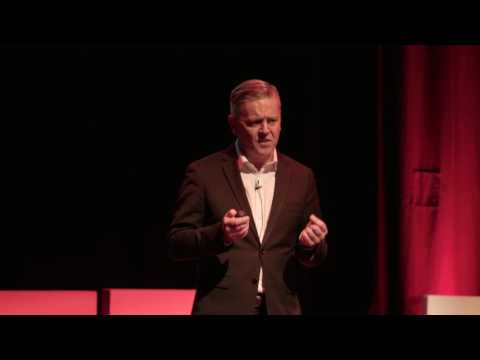
I believe that ideas and creativity are the lifeblood of communities indeed
the lifeblood of communities indeed
the lifeblood of communities indeed societies and for the last 20 years I
societies and for the last 20 years I
societies and for the last 20 years I have practiced how to gather information
have practiced how to gather information
have practiced how to gather information to inform and to evaluate median
to inform and to evaluate median
to inform and to evaluate median communications interventions designed to
communications interventions designed to
communications interventions designed to bring about social change particularly
bring about social change particularly
bring about social change particularly in the international development sector
in the international development sector
in the international development sector this is included multi media campaigns
this is included multi media campaigns
this is included multi media campaigns short and long format programming radio
short and long format programming radio
short and long format programming radio and television dramas all designed to
and television dramas all designed to
and television dramas all designed to shift levels of knowledge attitudes
shift levels of knowledge attitudes
shift levels of knowledge attitudes behaviors and social norms around a
behaviors and social norms around a
behaviors and social norms around a range of issues from gender Human Rights
range of issues from gender Human Rights
range of issues from gender Human Rights Health governance and education and I
Health governance and education and I
Health governance and education and I use the term practice very deliberately
use the term practice very deliberately
use the term practice very deliberately because I often find myself drawing on
because I often find myself drawing on
because I often find myself drawing on theories and methods that were derived
theories and methods that were derived
theories and methods that were derived in judeo-christian cultures and applying
in judeo-christian cultures and applying
in judeo-christian cultures and applying them in contexts that are very very
them in contexts that are very very
them in contexts that are very very different a conductor this work from
different a conductor this work from
different a conductor this work from Papua New Guinea to Pakistan from Malawi
Papua New Guinea to Pakistan from Malawi
Papua New Guinea to Pakistan from Malawi to Myanmar and this evening as we
to Myanmar and this evening as we
to Myanmar and this evening as we imagine the next century I invite you to
imagine the next century I invite you to
imagine the next century I invite you to reflect on three considerations about a
reflect on three considerations about a
reflect on three considerations about a culture in a society where ideas and
culture in a society where ideas and
culture in a society where ideas and creativity are nurtured the three ideas
creativity are nurtured the three ideas
creativity are nurtured the three ideas are first of all the value of insight
are first of all the value of insight
are first of all the value of insight secondly innovation and the folly of
secondly innovation and the folly of
secondly innovation and the folly of silos and thirdly assumptions about how
silos and thirdly assumptions about how
silos and thirdly assumptions about how change happens in each case I will draw
change happens in each case I will draw
change happens in each case I will draw on the work of people that I’ve learned
on the work of people that I’ve learned
on the work of people that I’ve learned from I will give examples of how I’m
from I will give examples of how I’m
from I will give examples of how I’m applying those considerations in my own
applying those considerations in my own
applying those considerations in my own work and then finally pose a number of
work and then finally pose a number of
work and then finally pose a number of questions for the next century in 1980
questions for the next century in 1980
questions for the next century in 1980 new loaf Whelan was one of the first
new loaf Whelan was one of the first
new loaf Whelan was one of the first professors at DCU and I learned a lot
professors at DCU and I learned a lot
professors at DCU and I learned a lot from Nuala Nuala was a writer a teacher
from Nuala Nuala was a writer a teacher
from Nuala Nuala was a writer a teacher a TV producer is perhaps best well known
a TV producer is perhaps best well known
a TV producer is perhaps best well known internationally for her memoirs are you
internationally for her memoirs are you
internationally for her memoirs are you somebody
somebody
somebody and I remember very distinctly in one of
and I remember very distinctly in one of
and I remember very distinctly in one of her classes Nuala introduced an image of
her classes Nuala introduced an image of
her classes Nuala introduced an image of a Victorian woman sitting in a window
a Victorian woman sitting in a window
a Victorian woman sitting in a window reading a book and she challenged the
reading a book and she challenged the
reading a book and she challenged the class to express their assumptions about
class to express their assumptions about
class to express their assumptions about who the woman was about gender about
who the woman was about gender about
who the woman was about gender about social class about privilege about work
social class about privilege about work
social class about privilege about work and about leisure and she reminded us of
and about leisure and she reminded us of
and about leisure and she reminded us of how so much of our world and our world
how so much of our world and our world
how so much of our world and our world view is socially constructed and about
view is socially constructed and about
view is socially constructed and about the plethora of assumptions that we make
the plethora of assumptions that we make
the plethora of assumptions that we make about other people and the content that
about other people and the content that
about other people and the content that they’re interested in and I also
they’re interested in and I also
they’re interested in and I also remember a number of years later working
remember a number of years later working
remember a number of years later working with senior executive producers at
with senior executive producers at
with senior executive producers at commercial television networks in the US
commercial television networks in the US
commercial television networks in the US and as well as public television and at
and as well as public television and at
and as well as public television and at the BBC where they pontificated about
the BBC where they pontificated about
the BBC where they pontificated about what audiences needed to hear but newly
what audiences needed to hear but newly
what audiences needed to hear but newly sensitized me not to make those
sensitized me not to make those
sensitized me not to make those assumptions not to make judgments about
assumptions not to make judgments about
assumptions not to make judgments about what other people needed to see or hear
what other people needed to see or hear
what other people needed to see or hear particularly when I had an influence
particularly when I had an influence
particularly when I had an influence over the content that was being created
over the content that was being created
over the content that was being created a number of years ago I conducted a
a number of years ago I conducted a
a number of years ago I conducted a study in rural Afghanistan and the study
study in rural Afghanistan and the study
study in rural Afghanistan and the study was focused on non literate rural women
was focused on non literate rural women
was focused on non literate rural women with the intention of encouraging these
with the intention of encouraging these
with the intention of encouraging these women through radio programs to register
women through radio programs to register
women through radio programs to register in the elections and to vote in the
in the elections and to vote in the
in the elections and to vote in the elections we conducted our research we
elections we conducted our research we
elections we conducted our research we did our due diligence and subsequently
did our due diligence and subsequently
did our due diligence and subsequently after the elections we went back and we
after the elections we went back and we
after the elections we went back and we spoke to those women again and yes
spoke to those women again and yes
spoke to those women again and yes indeed they had registered in the
indeed they had registered in the
indeed they had registered in the elections and yes they had voted but
elections and yes they had voted but
elections and yes they had voted but there was little evidence of any
there was little evidence of any
there was little evidence of any knowledge or understanding that the
knowledge or understanding that the
knowledge or understanding that the decision they made would impact a
decision they made would impact a
decision they made would impact a decision in Kabul to select a man who
decision in Kabul to select a man who
decision in Kabul to select a man who would make policy decisions to affect
would make policy decisions to affect
would make policy decisions to affect their lives I had made significant
their lives I had made significant
their lives I had made significant assumptions about those women and I was
assumptions about those women and I was
assumptions about those women and I was wrong and that mistake clearly impacted
wrong and that mistake clearly impacted
wrong and that mistake clearly impacted the success of our program and so I
the success of our program and so I
the success of our program and so I suggest two questions for us in terms of
suggest two questions for us in terms of
suggest two questions for us in terms of the next century and in terms of insight
the next century and in terms of insight
the next century and in terms of insight is first of all what cultural mechanisms
is first of all what cultural mechanisms
is first of all what cultural mechanisms will we have in place
will we have in place
will we have in place for individual and collective reflection
for individual and collective reflection
for individual and collective reflection and secondly how will we influence the
and secondly how will we influence the
and secondly how will we influence the content that’s produced in our name for
content that’s produced in our name for
content that’s produced in our name for us beyond our ability to consume a
number of years later I also worked with
number of years later I also worked with Everett Rogers fondly known as EV and
Everett Rogers fondly known as EV and
Everett Rogers fondly known as EV and Everett Rogers is known in the
Everett Rogers is known in the
Everett Rogers is known in the innovation and social marketing sector
innovation and social marketing sector
innovation and social marketing sector as the author of a classic text on the
as the author of a classic text on the
as the author of a classic text on the diffusion of innovation and the
diffusion of innovation and the
diffusion of innovation and the diffusion of innovation is an attempt to
diffusion of innovation is an attempt to
diffusion of innovation is an attempt to explain how and why and at what rate new
explain how and why and at what rate new
explain how and why and at what rate new ideas and technologies are adopted a key
ideas and technologies are adopted a key
ideas and technologies are adopted a key concept in the diffusion of innovations
concept in the diffusion of innovations
concept in the diffusion of innovations literature is the notion of homophily
literature is the notion of homophily
literature is the notion of homophily and homophily is the predisposition for
and homophily is the predisposition for
and homophily is the predisposition for us to surround ourselves with people
us to surround ourselves with people
us to surround ourselves with people like us people who have similar
like us people who have similar
like us people who have similar demographic characteristics similar age
demographic characteristics similar age
demographic characteristics similar age similar sex similar gender and also
similar sex similar gender and also
similar sex similar gender and also similar psychographic characteristics or
similar psychographic characteristics or
similar psychographic characteristics or similar attitudes and similar values and
similar attitudes and similar values and
similar attitudes and similar values and whatevs work has uncovered is that
whatevs work has uncovered is that
whatevs work has uncovered is that homophonous situations lend themselves
homophonous situations lend themselves
homophonous situations lend themselves very well to the diffusion of
very well to the diffusion of
very well to the diffusion of innovations they do not however lend
innovations they do not however lend
innovations they do not however lend themselves very well to new ideas why
themselves very well to new ideas why
themselves very well to new ideas why because there’s very little in exchange
because there’s very little in exchange
because there’s very little in exchange of new information because we all think
of new information because we all think
of new information because we all think very similarly currently working in
very similarly currently working in
very similarly currently working in South Sudan with the World Food Program
South Sudan with the World Food Program
South Sudan with the World Food Program and the objective of the project is to
and the objective of the project is to
and the objective of the project is to develop what’s referred to as a
develop what’s referred to as a
develop what’s referred to as a complaints and feedback mechanism
complaints and feedback mechanism
complaints and feedback mechanism whereby beneficiaries that is people who
whereby beneficiaries that is people who
whereby beneficiaries that is people who get food or food vouchers from the World
get food or food vouchers from the World
get food or food vouchers from the World Food Program can actually express their
Food Program can actually express their
Food Program can actually express their feedback and complains about how that
feedback and complains about how that
feedback and complains about how that process works and dinner again in our
process works and dinner again in our
process works and dinner again in our due diligence in our research in the
due diligence in our research in the
due diligence in our research in the first stage or first phase of
first stage or first phase of
first stage or first phase of consultation we uncovered very very
consultation we uncovered very very
consultation we uncovered very very little in terms of expectations and and
little in terms of expectations and and
little in terms of expectations and and perspectives on this potential mechanism
perspectives on this potential mechanism
perspectives on this potential mechanism it was only when we diversified our
a research base and spoke to a much
a research base and spoke to a much broader range of people that we began to
broader range of people that we began to
broader range of people that we began to see that it was a much broader range of
see that it was a much broader range of
see that it was a much broader range of expectations and perspectives and so
expectations and perspectives and so
expectations and perspectives and so every odd Jers idea of header awfully
every odd Jers idea of header awfully
every odd Jers idea of header awfully introducing a broader range of
introducing a broader range of
introducing a broader range of perspectives and ideas and expectations
perspectives and ideas and expectations
perspectives and ideas and expectations into the process meant that we had a
into the process meant that we had a
into the process meant that we had a much more creative innovative new idea
much more creative innovative new idea
much more creative innovative new idea and mechanism for the World Food Program
and mechanism for the World Food Program
and mechanism for the World Food Program what does this mean for the next century
what does this mean for the next century
what does this mean for the next century well first of all in the current global
well first of all in the current global
well first of all in the current global political climate and the increasing
political climate and the increasing
political climate and the increasing intolerance of difference the question
intolerance of difference the question
intolerance of difference the question for us is how do we maintain a
for us is how do we maintain a
for us is how do we maintain a perspective on difference as positive
perspective on difference as positive
perspective on difference as positive and secondly how do we avoid what I’m
and secondly how do we avoid what I’m
and secondly how do we avoid what I’m referring to as the folly of silos and
referring to as the folly of silos and
referring to as the folly of silos and rather embrace an interdisciplinary way
rather embrace an interdisciplinary way
rather embrace an interdisciplinary way of thinking at the forefront within the
of thinking at the forefront within the
of thinking at the forefront within the social sciences there is a particular
social sciences there is a particular
social sciences there is a particular focus in terms of media and social
focus in terms of media and social
focus in terms of media and social change on what’s commonly referred to as
change on what’s commonly referred to as
change on what’s commonly referred to as media effects it’s very much a top-down
media effects it’s very much a top-down
media effects it’s very much a top-down perspective in terms of how does media
perspective in terms of how does media
perspective in terms of how does media change society how does it change
change society how does it change
change society how does it change society in terms of violence in terms of
society in terms of violence in terms of
society in terms of violence in terms of sexuality in terms of stereotyping I was
sexuality in terms of stereotyping I was
sexuality in terms of stereotyping I was very fortunate to work with a media
very fortunate to work with a media
very fortunate to work with a media sociologist sandra ball rollcage whose
sociologist sandra ball rollcage whose
sociologist sandra ball rollcage whose perspective on the relationship between
perspective on the relationship between
perspective on the relationship between media and citizens was slightly
media and citizens was slightly
media and citizens was slightly different
different
different Sandra’s perspective was to focus not on
Sandra’s perspective was to focus not on
Sandra’s perspective was to focus not on the media but on citizens on individuals
the media but on citizens on individuals
the media but on citizens on individuals and to really understand not what the
and to really understand not what the
and to really understand not what the media does to people but how people use
media does to people but how people use
media does to people but how people use the media and that that was her frame of
the media and that that was her frame of
the media and that that was her frame of reference with citizens and citizen
reference with citizens and citizen
reference with citizens and citizen engagement within the International
engagement within the International
engagement within the International Development sector training journalists
Development sector training journalists
Development sector training journalists is a very very common practice
is a very very common practice
is a very very common practice particularly in developing countries and
particularly in developing countries and
particularly in developing countries and fragile and conflict affected states and
fragile and conflict affected states and
fragile and conflict affected states and the purpose of training journalists is
the purpose of training journalists is
the purpose of training journalists is typically to increase the amount and
typically to increase the amount and
typically to increase the amount and quality of coverage in mainstream and
quality of coverage in mainstream and
quality of coverage in mainstream and and community media
and community media
and community media with the ultimate intention of holding
with the ultimate intention of holding
with the ultimate intention of holding governments to account and making
governments to account and making
governments to account and making governmental processes much more
governmental processes much more
governmental processes much more transparent but from a research
transparent but from a research
transparent but from a research perspective the key challenge for me and
perspective the key challenge for me and
perspective the key challenge for me and the teams I work with is to actually
the teams I work with is to actually
the teams I work with is to actually substantiate that these training
substantiate that these training
substantiate that these training programs have made a difference try to
programs have made a difference try to
programs have made a difference try to actually present evidence of a return on
actually present evidence of a return on
actually present evidence of a return on investment and a key metric for us in
investment and a key metric for us in
investment and a key metric for us in that is actually looking at citizen
that is actually looking at citizen
that is actually looking at citizen engagement the extent to which citizens
engagement the extent to which citizens
engagement the extent to which citizens have engaged with that content and made
have engaged with that content and made
have engaged with that content and made decisions about their own lives as a
decisions about their own lives as a
decisions about their own lives as a result what does this mean for the next
result what does this mean for the next
result what does this mean for the next century well first of all what political
century well first of all what political
century well first of all what political efficacy can citizens expect in Ireland
efficacy can citizens expect in Ireland
efficacy can citizens expect in Ireland in the future and under what conditions
in the future and under what conditions
in the future and under what conditions is that likely to happen and then
is that likely to happen and then
is that likely to happen and then secondly what are the ways in which that
secondly what are the ways in which that
secondly what are the ways in which that that political efficacy can actually be
that political efficacy can actually be
that political efficacy can actually be exercised particularly in in the context
exercised particularly in in the context
exercised particularly in in the context of schools and training young people to
of schools and training young people to
of schools and training young people to be able to exercise a political life
be able to exercise a political life
be able to exercise a political life efficacy more broadly as a preference to
efficacy more broadly as a preference to
efficacy more broadly as a preference to my final remarks I want to challenge us
my final remarks I want to challenge us
my final remarks I want to challenge us to think not so much about the question
to think not so much about the question
to think not so much about the question that was posed tonight to imagine the
that was posed tonight to imagine the
that was posed tonight to imagine the next century but actually to pose the
next century but actually to pose the
next century but actually to pose the question slightly differently and to say
question slightly differently and to say
question slightly differently and to say how can I engage to mold what that next
how can I engage to mold what that next
how can I engage to mold what that next century looks like that’s a very
century looks like that’s a very
century looks like that’s a very different question because the chips the
different question because the chips the
different question because the chips the focus back on us as individuals it
focus back on us as individuals it
focus back on us as individuals it shifts us back into an active position
shifts us back into an active position
shifts us back into an active position rather than a passive position and
rather than a passive position and
rather than a passive position and taking that responsibility opens up
taking that responsibility opens up
taking that responsibility opens up several opportunities first of all it
several opportunities first of all it
several opportunities first of all it gives us more control over the insights
gives us more control over the insights
gives us more control over the insights derived from the content that’s produced
derived from the content that’s produced
derived from the content that’s produced for us and also greater critical
for us and also greater critical
for us and also greater critical thinking skills to actually understand
thinking skills to actually understand
thinking skills to actually understand and interrogate those words and images
and interrogate those words and images
and interrogate those words and images that define us secondly it allows us to
that define us secondly it allows us to
that define us secondly it allows us to appreciate other world views and other
appreciate other world views and other
appreciate other world views and other perspectives not as superior or inferior
perspectives not as superior or inferior
perspectives not as superior or inferior but rather as valuing difference as
but rather as valuing difference as
but rather as valuing difference as inherently positive and then finally it
inherently positive and then finally it
inherently positive and then finally it forces us to think about us as active
forces us to think about us as active
forces us to think about us as active agents in that process rather than a
agents in that process rather than a
agents in that process rather than a passive participants so let us not view
passive participants so let us not view
passive participants so let us not view the next century without mechanisms for
the next century without mechanisms for
the next century without mechanisms for critical thinking and insight without
critical thinking and insight without
critical thinking and insight without diverse of the diversity within
diverse of the diversity within
diverse of the diversity within innovation and without critical
innovation and without critical
innovation and without critical individual citizen engagement in social
individual citizen engagement in social
individual citizen engagement in social change I thank you
change I thank you
change I thank you [Applause]
”
Be First to Comment