
all right good morning everyone thank you for coming my name is Reed R
thank you for coming my name is Reed R
thank you for coming my name is Reed R and I’m here to talk about empathy and
and I’m here to talk about empathy and
and I’m here to talk about empathy and how it affects animals and humans so
how it affects animals and humans so
how it affects animals and humans so first what is empathy empathy is the
first what is empathy empathy is the
first what is empathy empathy is the ability to really connect with somebody
ability to really connect with somebody
ability to really connect with somebody really understand or try to understand
really understand or try to understand
really understand or try to understand what they’re feeling it’s a little
what they’re feeling it’s a little
what they’re feeling it’s a little scenario if you’re at recess and you see
scenario if you’re at recess and you see
scenario if you’re at recess and you see somebody fell down and they scraped
somebody fell down and they scraped
somebody fell down and they scraped their knee and they’re hurt your instant
their knee and they’re hurt your instant
their knee and they’re hurt your instant reaction would probably be are they okay
reaction would probably be are they okay
reaction would probably be are they okay should I go get somebody is everything
should I go get somebody is everything
should I go get somebody is everything all right
all right
all right that is Eponine because you care about
that is Eponine because you care about
that is Eponine because you care about the fact that they’re not feeling well
the fact that they’re not feeling well
the fact that they’re not feeling well so now that you have that in mind I have
so now that you have that in mind I have
so now that you have that in mind I have two big questions for you one our
two big questions for you one our
two big questions for you one our animals capable of expressing empathy
animals capable of expressing empathy
animals capable of expressing empathy I believe yet and to does brain size and
I believe yet and to does brain size and
I believe yet and to does brain size and complexity matter so if you have a human
complexity matter so if you have a human
complexity matter so if you have a human brain that’s bigger and you have an
brain that’s bigger and you have an
brain that’s bigger and you have an animal brain that’s smaller it is the
animal brain that’s smaller it is the
animal brain that’s smaller it is the bigger brain that shows more empathy or
bigger brain that shows more empathy or
bigger brain that shows more empathy or is it the smaller one I’m here to tell
is it the smaller one I’m here to tell
is it the smaller one I’m here to tell you that size and complexity doesn’t
you that size and complexity doesn’t
you that size and complexity doesn’t matter all right so I’m gonna be talking
matter all right so I’m gonna be talking
matter all right so I’m gonna be talking about two animals
about two animals
about two animals the first one is monkeys and the second
the first one is monkeys and the second
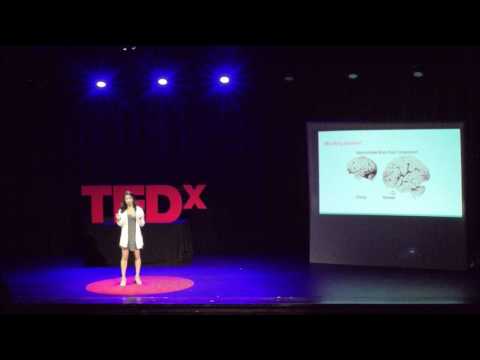
the first one is monkeys and the second one are birds so you have your human
one are birds so you have your human
one are birds so you have your human brain over there
brain over there
brain over there it’s pretty big it’s eight to ten pounds
it’s pretty big it’s eight to ten pounds
it’s pretty big it’s eight to ten pounds very impressive in structure and
very impressive in structure and
very impressive in structure and function all that amazing stuff then you
function all that amazing stuff then you
function all that amazing stuff then you have your monkey brain over there you
have your monkey brain over there you
have your monkey brain over there you can see that it’s significantly smaller
can see that it’s significantly smaller
can see that it’s significantly smaller maybe less impressive as you would say
maybe less impressive as you would say
maybe less impressive as you would say you might not think that they’re that
you might not think that they’re that
you might not think that they’re that intelligent because our brains are
intelligent because our brains are
intelligent because our brains are bigger but that’s not true they’re very
bigger but that’s not true they’re very
bigger but that’s not true they’re very intelligent and they’re very empathetic
intelligent and they’re very empathetic
intelligent and they’re very empathetic so there was a scenario in India there
so there was a scenario in India there
so there was a scenario in India there were two monkeys one monkey was hurt and
were two monkeys one monkey was hurt and
were two monkeys one monkey was hurt and it was in pain it was injured and it was
it was in pain it was injured and it was
it was in pain it was injured and it was unconscious on the side of a railroad
unconscious on the side of a railroad
unconscious on the side of a railroad track there’s another monkey that came
track there’s another monkey that came
track there’s another monkey that came along and saw it and instead of leaving
along and saw it and instead of leaving
along and saw it and instead of leaving it stayed with that monkey it didn’t
it stayed with that monkey it didn’t
it stayed with that monkey it didn’t just sit there
just sit there
just sit there it tried to resuscitate it and it tried
it tried to resuscitate it and it tried
it tried to resuscitate it and it tried to get it to regain consciousness it
to get it to regain consciousness it
to get it to regain consciousness it tried to dunk its head in a puddle of
tried to dunk its head in a puddle of
tried to dunk its head in a puddle of water to try to get it to wake up
water to try to get it to wake up
water to try to get it to wake up it gently hit it or bid it and it kind
it gently hit it or bid it and it kind
it gently hit it or bid it and it kind of shows you that it’s almost human like
of shows you that it’s almost human like
of shows you that it’s almost human like if you think about it if you’re dizzy
if you think about it if you’re dizzy
if you think about it if you’re dizzy and you’re not feeling well you might be
and you’re not feeling well you might be
and you’re not feeling well you might be told to splash some water on your face
told to splash some water on your face
told to splash some water on your face it’s kind of like what this monkey was
it’s kind of like what this monkey was
it’s kind of like what this monkey was doing for his friend I’m also aware that
doing for his friend I’m also aware that
doing for his friend I’m also aware that hitting and biting isn’t necessarily
hitting and biting isn’t necessarily
hitting and biting isn’t necessarily compassionate or nurturing but for these
compassionate or nurturing but for these
compassionate or nurturing but for these animals is called inhibited biting so
animals is called inhibited biting so
animals is called inhibited biting so you don’t use your sharp teeth to hurt
you don’t use your sharp teeth to hurt
you don’t use your sharp teeth to hurt the animal it’s actually meant for
the animal it’s actually meant for
the animal it’s actually meant for grooming and for comforting and for
grooming and for comforting and for
grooming and for comforting and for consolation so this is what that monkey
consolation so this is what that monkey
consolation so this is what that monkey was doing so it shows you what these
was doing so it shows you what these
was doing so it shows you what these animals are very intelligent
animals are very intelligent
animals are very intelligent this monkey very intelligent – yes they
this monkey very intelligent – yes they
this monkey very intelligent – yes they do show empathy 3 brain size doesn’t
do show empathy 3 brain size doesn’t
do show empathy 3 brain size doesn’t matter because you’ve seen it up here
matter because you’ve seen it up here
matter because you’ve seen it up here still very empathetic second animal
still very empathetic second animal
still very empathetic second animal birds now you can see the difference
birds now you can see the difference
birds now you can see the difference here you have your eight to ten pound
here you have your eight to ten pound
here you have your eight to ten pound human brain and you have your bird brain
human brain and you have your bird brain
human brain and you have your bird brain it’s approximately on average the size
it’s approximately on average the size
it’s approximately on average the size of a walnut
of a walnut
of a walnut so with these small brains you might
so with these small brains you might
so with these small brains you might think not as interesting not as
think not as interesting not as
think not as interesting not as impressive we’re obviously more
impressive we’re obviously more
impressive we’re obviously more interesting because we have a bigger
interesting because we have a bigger
interesting because we have a bigger brain not true
brain not true
brain not true so another scenario birds are very
so another scenario birds are very
so another scenario birds are very intelligent creatures you can see this
intelligent creatures you can see this
intelligent creatures you can see this especially in your New Caledonian crow
especially in your New Caledonian crow
especially in your New Caledonian crow these crows with research and all that
these crows with research and all that
these crows with research and all that they can reason and understand as well
they can reason and understand as well
they can reason and understand as well as a human child as up to five to six
as a human child as up to five to six
as a human child as up to five to six years old now with that small of a brain
years old now with that small of a brain
years old now with that small of a brain you can see why that’s impressive
you can see why that’s impressive
you can see why that’s impressive also we’ve established that it’s
also we’ve established that it’s
also we’ve established that it’s intelligent now what about empathy these
intelligent now what about empathy these
intelligent now what about empathy these birds are very empathetic and a specific
birds are very empathetic and a specific
birds are very empathetic and a specific example is the Eurasian Jay so you have
example is the Eurasian Jay so you have
example is the Eurasian Jay so you have your mail and you’ve you’re female and
your mail and you’ve you’re female and
your mail and you’ve you’re female and you have all their kids the female will
you have all their kids the female will
you have all their kids the female will stay with its kids in the nest and the
stay with its kids in the nest and the
stay with its kids in the nest and the male will go out and get food for
male will go out and get food for
male will go out and get food for everyone for the family and instead of
everyone for the family and instead of
everyone for the family and instead of getting food that the male prefers to
getting food that the male prefers to
getting food that the male prefers to eat it gets food that the female prefers
eat it gets food that the female prefers
eat it gets food that the female prefers to eat meaning it observes
to eat meaning it observes
to eat meaning it observes the female likes and it goes out and it
the female likes and it goes out and it
the female likes and it goes out and it gets that and specific so realize
gets that and specific so realize
gets that and specific so realize scenario that we can all relate to say
scenario that we can all relate to say
scenario that we can all relate to say dad wants steak and fries and mom wants
dad wants steak and fries and mom wants
dad wants steak and fries and mom wants chicken and dad goes out and gets
chicken and dad goes out and gets
chicken and dad goes out and gets chicken and he comes back this shows you
chicken and he comes back this shows you
chicken and he comes back this shows you that the dad does observe and does care
that the dad does observe and does care
that the dad does observe and does care about what the mom’s preferences he made
about what the mom’s preferences he made
about what the mom’s preferences he made that decision to go out and to get
that decision to go out and to get
that decision to go out and to get chicken and he’ll do this again and
chicken and he’ll do this again and
chicken and he’ll do this again and again it’s the same thing with these
again it’s the same thing with these
again it’s the same thing with these birds it shows you that these birds
birds it shows you that these birds
birds it shows you that these birds understand what’s going on they’re very
understand what’s going on they’re very
understand what’s going on they’re very intelligent and they care about their
intelligent and they care about their
intelligent and they care about their mates preferences and emotions so we’ve
mates preferences and emotions so we’ve
mates preferences and emotions so we’ve been through a lot so quick summary is
been through a lot so quick summary is
been through a lot so quick summary is that we have three brains first one is
that we have three brains first one is
that we have three brains first one is human second is monkey third is bird
human second is monkey third is bird
human second is monkey third is bird they all vary in size they all vary in
they all vary in size they all vary in
they all vary in size they all vary in complexity my second point is you see
complexity my second point is you see
complexity my second point is you see these monkeys and their birds and you
these monkeys and their birds and you
these monkeys and their birds and you know that they show so much empathy
know that they show so much empathy
know that they show so much empathy regardless of their smaller brain size
regardless of their smaller brain size
regardless of their smaller brain size and less impressive structure thinking
and less impressive structure thinking
and less impressive structure thinking further these animals such as monkeys
further these animals such as monkeys
further these animals such as monkeys and birds can do all these amazing
and birds can do all these amazing
and birds can do all these amazing things related to empathy but their
things related to empathy but their
things related to empathy but their brains aren’t as complex so this makes
brains aren’t as complex so this makes
brains aren’t as complex so this makes you wonder how much potential they have
you wonder how much potential they have
you wonder how much potential they have in the future I mean science and
in the future I mean science and
in the future I mean science and research it’s still going on they’re
research it’s still going on they’re
research it’s still going on they’re still trying to decide and discover how
still trying to decide and discover how
still trying to decide and discover how much empathy these animals are actually
much empathy these animals are actually
much empathy these animals are actually capable of also in your real life
capable of also in your real life
capable of also in your real life situation and daily basis next time you
situation and daily basis next time you
situation and daily basis next time you go anywhere you should really notice
go anywhere you should really notice
go anywhere you should really notice these animals so if you see an animal
these animals so if you see an animal
these animals so if you see an animal don’t automatically assume that they’re
don’t automatically assume that they’re
don’t automatically assume that they’re not as impressive and they’re not as
not as impressive and they’re not as
not as impressive and they’re not as intelligent because you’ve seen with
intelligent because you’ve seen with
intelligent because you’ve seen with these monkeys and birds they’re very
these monkeys and birds they’re very
these monkeys and birds they’re very capable of all these amazing things
capable of all these amazing things
capable of all these amazing things thank you
thank you
thank you [Applause]
”
Be First to Comment