
[Music] you
you
you [Music]
everyone from down to earth will go up
everyone from down to earth will go up into space anyway we’re talking about
into space anyway we’re talking about
into space anyway we’re talking about what I’m doing
what I’m doing
what I’m doing first of all I’m a businessman I make
first of all I’m a businessman I make
first of all I’m a businessman I make furniture as a hobby they do astronomy
furniture as a hobby they do astronomy
furniture as a hobby they do astronomy I’ve been interested in astronomy since
I’ve been interested in astronomy since
I’ve been interested in astronomy since I was a little kid but got serious in
I was a little kid but got serious in
I was a little kid but got serious in 1986 during the last apparition of
1986 during the last apparition of
1986 during the last apparition of Halley’s Comet and you know after that I
Halley’s Comet and you know after that I
Halley’s Comet and you know after that I developed for astrophotography and
developed for astrophotography and
developed for astrophotography and service imaging planets in 2003 now
service imaging planets in 2003 now
service imaging planets in 2003 now imaging planets is basically fighting
imaging planets is basically fighting
imaging planets is basically fighting the atmosphere you know one problem we
the atmosphere you know one problem we
the atmosphere you know one problem we have when we image outer space is that
have when we image outer space is that
have when we image outer space is that does this thing for the atmosphere that
does this thing for the atmosphere that
does this thing for the atmosphere that interferes what we’re doing it basically
interferes what we’re doing it basically
interferes what we’re doing it basically distorts the image now there are three
distorts the image now there are three
distorts the image now there are three ways to fight it well of course the
ways to fight it well of course the
ways to fight it well of course the first way is to remove the atmosphere
first way is to remove the atmosphere
first way is to remove the atmosphere which is out of the question please
which is out of the question please
which is out of the question please we’ll all die but the other way is
we’ll all die but the other way is
we’ll all die but the other way is getting out of the atmosphere sending
getting out of the atmosphere sending
getting out of the atmosphere sending sending probes like the Hubble Space
sending probes like the Hubble Space
sending probes like the Hubble Space Telescope the second is adaptive optics
Telescope the second is adaptive optics
Telescope the second is adaptive optics which is a technology which was
which is a technology which was
which is a technology which was developed by an organization called the
developed by an organization called the
developed by an organization called the National Security Agency of the United
National Security Agency of the United
National Security Agency of the United States of America now what this
States of America now what this
States of America now what this technology does is the initially did it
technology does is the initially did it
technology does is the initially did it not for astronomy but for their spy
not for astronomy but for their spy
not for astronomy but for their spy satellites now this technology was
satellites now this technology was
satellites now this technology was distinctly classified and given to
distinctly classified and given to
distinctly classified and given to astronomers and we use it to sharpen
astronomers and we use it to sharpen
astronomers and we use it to sharpen stars to fight the atmosphere
stars to fight the atmosphere
stars to fight the atmosphere unfortunately these two technologies are
unfortunately these two technologies are
unfortunately these two technologies are way beyond the budgets of ordinary
way beyond the budgets of ordinary
way beyond the budgets of ordinary people
people
people except for governments so what we are
except for governments so what we are
except for governments so what we are doing is basically what you call lucky
doing is basically what you call lucky
doing is basically what you call lucky imaging now lucky imaging is basically
imaging now lucky imaging is basically
imaging now lucky imaging is basically using a video camera and taking a video
using a video camera and taking a video
using a video camera and taking a video of an object or in our case a planet and
of an object or in our case a planet and
of an object or in our case a planet and we have software’s that basically sort
we have software’s that basically sort
we have software’s that basically sort out the good in the bad frames and
out the good in the bad frames and
out the good in the bad frames and basically those
basically those
basically those sharpened image now the camera that were
sharpened image now the camera that were
sharpened image now the camera that were using when I started I was using a
using when I started I was using a
using when I started I was using a webcam for the Philips – you can
webcam for the Philips – you can
webcam for the Philips – you can currently I use the camera from a
currently I use the camera from a
currently I use the camera from a company called qhy and it’s a seamless
company called qhy and it’s a seamless
company called qhy and it’s a seamless camera now one thing about imaging
camera now one thing about imaging
camera now one thing about imaging planets when I started imaging you know
planets when I started imaging you know
planets when I started imaging you know people doubted what I was doing because
people doubted what I was doing because
people doubted what I was doing because they look at this guy from Philippines
they look at this guy from Philippines
they look at this guy from Philippines where’s that you know I was you know
where’s that you know I was you know
where’s that you know I was you know dealing with people from Japan the
dealing with people from Japan the
dealing with people from Japan the United States and Europe but you know
United States and Europe but you know
United States and Europe but you know when you’re imaging pilots the most
when you’re imaging pilots the most
when you’re imaging pilots the most important thing is the stable atmosphere
important thing is the stable atmosphere
important thing is the stable atmosphere and that’s what we have here in Cebu
and that’s what we have here in Cebu
and that’s what we have here in Cebu now to get good images you have to be
now to get good images you have to be
now to get good images you have to be number one close to the equator because
number one close to the equator because
number one close to the equator because planets are higher planets move on a
planets are higher planets move on a
planets are higher planets move on a path in the sky of the ecliptic
path in the sky of the ecliptic
path in the sky of the ecliptic in layman’s term it’s called the zodiac
in layman’s term it’s called the zodiac
in layman’s term it’s called the zodiac now these planets and the Sun moved
now these planets and the Sun moved
now these planets and the Sun moved through the 13 zodiac constellations
through the 13 zodiac constellations
through the 13 zodiac constellations Brackley 13 a 12th and the 13th is of
Brackley 13 a 12th and the 13th is of
Brackley 13 a 12th and the 13th is of yukos so those of you who are doing
yukos so those of you who are doing
yukos so those of you who are doing horoscopes say you’ve not because there
horoscopes say you’ve not because there
horoscopes say you’ve not because there are no no there’s not others it’s not
are no no there’s not others it’s not
are no no there’s not others it’s not well constellations but 13 and in fact
well constellations but 13 and in fact
well constellations but 13 and in fact it’s wrong by one month because the
it’s wrong by one month because the
it’s wrong by one month because the example right now it’s supposed to be in
example right now it’s supposed to be in
example right now it’s supposed to be in Gemini but it actually is in darkness so
Gemini but it actually is in darkness so
Gemini but it actually is in darkness so it’s one month late the horoscopes that
it’s one month late the horoscopes that
it’s one month late the horoscopes that we are today narrate you know we have a
we are today narrate you know we have a
we are today narrate you know we have a very stable atmosphere not only because
very stable atmosphere not only because
very stable atmosphere not only because we’re close to the equator but because
we’re close to the equator but because
we’re close to the equator but because we are close to the sea the sea the
we are close to the sea the sea the
we are close to the sea the sea the laminar air or the devil air flow which
laminar air or the devil air flow which
laminar air or the devil air flow which is wind from the seat stabilizes the
is wind from the seat stabilizes the
is wind from the seat stabilizes the atmosphere now in my case I got my five
atmosphere now in my case I got my five
atmosphere now in my case I got my five minutes of fame when they discover the
minutes of fame when they discover the
minutes of fame when they discover the second Red Spot on Jupiter this is a red
second Red Spot on Jupiter this is a red
second Red Spot on Jupiter this is a red who will be this is a storm
who will be this is a storm
who will be this is a storm white initially wine this is the storm
white initially wine this is the storm
white initially wine this is the storm over here and this is the great red spot
over here and this is the great red spot
over here and this is the great red spot now the reason why this became a big
now the reason why this became a big
now the reason why this became a big thing was because the other red spot is
thing was because the other red spot is
thing was because the other red spot is this big thing over here the great red
this big thing over here the great red
this big thing over here the great red spot then the great red spot was
spot then the great red spot was
spot then the great red spot was basically first observed in the 17th
basically first observed in the 17th
basically first observed in the 17th century so we took about almost about
century so we took about almost about
century so we took about almost about four hundred years for the next major
four hundred years for the next major
four hundred years for the next major red spot to appear or by doing sorry
red spot to appear or by doing sorry
red spot to appear or by doing sorry five hundred years and and by the way
five hundred years and and by the way
five hundred years and and by the way this telescope that I used to discover
this telescope that I used to discover
this telescope that I used to discover actually it’s a Sbarro telescope from a
actually it’s a Sbarro telescope from a
actually it’s a Sbarro telescope from a friend from Japan and the last year when
friend from Japan and the last year when
friend from Japan and the last year when I went to Japan I basically it was quite
I went to Japan I basically it was quite
I went to Japan I basically it was quite emotional because after ten years I was
emotional because after ten years I was
emotional because after ten years I was back you know reunited with this
back you know reunited with this
back you know reunited with this telescope
telescope
telescope I used the discover the red spot now
I used the discover the red spot now
I used the discover the red spot now what is this one thing one perks about
what is this one thing one perks about
what is this one thing one perks about having a discovery was I was invited to
having a discovery was I was invited to
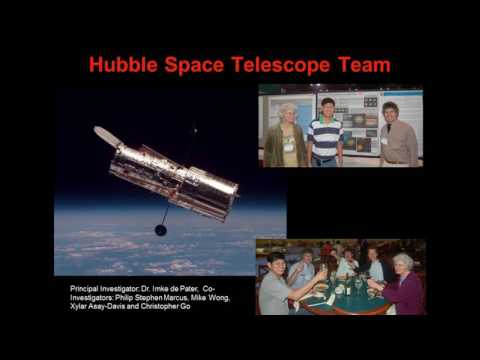
having a discovery was I was invited to use the Hubble Space Telescope along
use the Hubble Space Telescope along
use the Hubble Space Telescope along with some astronomers like dr. Inca the
with some astronomers like dr. Inca the
with some astronomers like dr. Inca the father Phil Marcus my Kuo and silver as
father Phil Marcus my Kuo and silver as
father Phil Marcus my Kuo and silver as I Davis this is our Berkeley group based
I Davis this is our Berkeley group based
I Davis this is our Berkeley group based in UC Berkeley and basically we use the
in UC Berkeley and basically we use the
in UC Berkeley and basically we use the Hubble Space Telescope to make the first
Hubble Space Telescope to make the first
Hubble Space Telescope to make the first throw some of the new Red Spot and this
throw some of the new Red Spot and this
throw some of the new Red Spot and this is the red spot over here using the
is the red spot over here using the
is the red spot over here using the Hubble Space Telescope and using this is
Hubble Space Telescope and using this is
Hubble Space Telescope and using this is a different filter to show this storm
a different filter to show this storm
a different filter to show this storm this storm is actually very huge it is
this storm is actually very huge it is
this storm is actually very huge it is an anticyclone you can see it over here
an anticyclone you can see it over here
an anticyclone you can see it over here it’s about the size of the earth and you
it’s about the size of the earth and you
it’s about the size of the earth and you know how powerful this is about 500
know how powerful this is about 500
know how powerful this is about 500 kilometers per hour so it is basically
kilometers per hour so it is basically
kilometers per hour so it is basically the second biggest storm or the second
the second biggest storm or the second
the second biggest storm or the second biggest anticyclone in the solar system
biggest anticyclone in the solar system
biggest anticyclone in the solar system right now what are you saying that
right now what are you saying that
right now what are you saying that I’ve been doing was that this image of
I’ve been doing was that this image of
I’ve been doing was that this image of Saturn over here I was involved with
Saturn over here I was involved with
Saturn over here I was involved with this this is the Hubble Space Telescope
this this is the Hubble Space Telescope
this this is the Hubble Space Telescope image of the transit of Saturn this
image of the transit of Saturn this
image of the transit of Saturn this happened in 2009 when I was playing with
happened in 2009 when I was playing with
happened in 2009 when I was playing with the software I discovered on this day on
the software I discovered on this day on
the software I discovered on this day on February 24 2009 that 4 moons would
February 24 2009 that 4 moons would
February 24 2009 that 4 moons would cross the face of soccer this is
cross the face of soccer this is
cross the face of soccer this is actually very rare occurrence so I
actually very rare occurrence so I
actually very rare occurrence so I called my friend Mike Warren who’s my
called my friend Mike Warren who’s my
called my friend Mike Warren who’s my partner in Berkeley too you know
partner in Berkeley too you know
partner in Berkeley too you know he has contacts with a Space Telescope
he has contacts with a Space Telescope
he has contacts with a Space Telescope Science Institute whether we could use
Science Institute whether we could use
Science Institute whether we could use the Hubble Space Telescope then I got an
the Hubble Space Telescope then I got an
the Hubble Space Telescope then I got an email from him saying that he was doing
email from him saying that he was doing
email from him saying that he was doing some OGT with the Space Telescope
some OGT with the Space Telescope
some OGT with the Space Telescope Science Institute and we got three
Science Institute and we got three
Science Institute and we got three orbits from Hubble so this image of
orbits from Hubble so this image of
orbits from Hubble so this image of Hubble became one of the top 100 image
Hubble became one of the top 100 image
Hubble became one of the top 100 image of the Hubble Space Telescope now my
of the Hubble Space Telescope now my
of the Hubble Space Telescope now my second five minute of Fame occurred in
second five minute of Fame occurred in
second five minute of Fame occurred in June 3 2010 now this is the first ever
June 3 2010 now this is the first ever
June 3 2010 now this is the first ever impact detection here on earth when an
impact detection here on earth when an
impact detection here on earth when an impact on Jupiter you can see here this
impact on Jupiter you can see here this
impact on Jupiter you can see here this is the you can see the flash here and
is the you can see the flash here and
is the you can see the flash here and over here you can also see the flash
over here you can also see the flash
over here you can also see the flash over here this is a Super Bowl line
over here this is a Super Bowl line
over here this is a Super Bowl line basically a small asteroid the size of
basically a small asteroid the size of
basically a small asteroid the size of about 20 meters structure bitter but it
about 20 meters structure bitter but it
about 20 meters structure bitter but it was about one Megaton so it’s like a
was about one Megaton so it’s like a
was about one Megaton so it’s like a hydrogen bomb exploding on Jupiter and
hydrogen bomb exploding on Jupiter and
hydrogen bomb exploding on Jupiter and one thing interesting was that after
one thing interesting was that after
one thing interesting was that after that discovery between me and Anthony
that discovery between me and Anthony
that discovery between me and Anthony Wesley in Australia we we were able to
Wesley in Australia we we were able to
Wesley in Australia we we were able to get our Space Telescope the Gemini in
get our Space Telescope the Gemini in
get our Space Telescope the Gemini in North which is in Mauna Kea and Very
North which is in Mauna Kea and Very
North which is in Mauna Kea and Very Large Telescope in Las Campanas in Chile
Large Telescope in Las Campanas in Chile
Large Telescope in Las Campanas in Chile and we were able to do follow-up surveys
and we were able to do follow-up surveys
and we were able to do follow-up surveys with this with the impact unfortunately
with this with the impact unfortunately
with this with the impact unfortunately there were no remnants unlike the
there were no remnants unlike the
there were no remnants unlike the previous major impacts like Schumacher
previous major impacts like Schumacher
previous major impacts like Schumacher levy and the Bourbon packer the West’s
levy and the Bourbon packer the West’s
levy and the Bourbon packer the West’s impact of 2009 where it had a impacts
impact of 2009 where it had a impacts
impact of 2009 where it had a impacts car in this case this was we it was
car in this case this was we it was
car in this case this was we it was concluded that this was the first ever
concluded that this was the first ever
concluded that this was the first ever super polite detection and it became a
super polite detection and it became a
super polite detection and it became a new science in in astronomy now another
new science in in astronomy now another
new science in in astronomy now another thing that I was able to do during I
thing that I was able to do during I
thing that I was able to do during I think 2011 there was a huge forum that
think 2011 there was a huge forum that
think 2011 there was a huge forum that appeared in Saturn and we teamed up with
appeared in Saturn and we teamed up with
appeared in Saturn and we teamed up with the Cassini Cassini spacecraft let’s
the Cassini Cassini spacecraft let’s
the Cassini Cassini spacecraft let’s start Leo orbit on Saturn and we did the
start Leo orbit on Saturn and we did the
start Leo orbit on Saturn and we did the support for Cassini and these are my
support for Cassini and these are my
support for Cassini and these are my images of that storm you can see this is
images of that storm you can see this is
images of that storm you can see this is a Cassini image the Cassini of worst
a Cassini image the Cassini of worst
a Cassini image the Cassini of worst since Saturn it’s a satellite there and
since Saturn it’s a satellite there and
since Saturn it’s a satellite there and one thing which really got us excited
one thing which really got us excited
one thing which really got us excited was that we were able to publish a paper
was that we were able to publish a paper
was that we were able to publish a paper in a very prestigious journal Nature and
in a very prestigious journal Nature and
in a very prestigious journal Nature and this is probably exactly my second paper
this is probably exactly my second paper
this is probably exactly my second paper in Nature where I co-authored this paper
in Nature where I co-authored this paper
in Nature where I co-authored this paper and this we found out that this forum is
and this we found out that this forum is
and this we found out that this forum is actually a huge thunderstorm and one
actually a huge thunderstorm and one
actually a huge thunderstorm and one thing about this thunderstorm is that it
thing about this thunderstorm is that it
thing about this thunderstorm is that it became the largest storm in the solar
became the largest storm in the solar
became the largest storm in the solar system with wealth around the planet
system with wealth around the planet
system with wealth around the planet it’s even bigger than the Great Red Spot
it’s even bigger than the Great Red Spot
it’s even bigger than the Great Red Spot so if you think that the thunderstorm
so if you think that the thunderstorm
so if you think that the thunderstorm freehub in cebu is big this is much
freehub in cebu is big this is much
freehub in cebu is big this is much bigger and this thing lasted over six
bigger and this thing lasted over six
bigger and this thing lasted over six months so when I wanna do it I think
months so when I wanna do it I think
months so when I wanna do it I think people will become like them is Baja
people will become like them is Baja
people will become like them is Baja so one understand that a new
so one understand that a new
so one understand that a new collaboration is with the thighs a new
collaboration is with the thighs a new
collaboration is with the thighs a new collaboration with the National
collaboration with the National
collaboration with the National astronomical research institute of
astronomical research institute of
astronomical research institute of Thailand now I’d like to talk a little
Thailand now I’d like to talk a little
Thailand now I’d like to talk a little more about this because I was so
more about this because I was so
more about this because I was so impressed with that ice
impressed with that ice
impressed with that ice I wonder if you have built in Thailand
I wonder if you have built in Thailand
I wonder if you have built in Thailand lately you’ll see the timeline is very
lately you’ll see the timeline is very
lately you’ll see the timeline is very progressive now in fact one thing which
progressive now in fact one thing which
progressive now in fact one thing which really impressed me with Thailand is how
really impressed me with Thailand is how
really impressed me with Thailand is how much they push for scientific research
much they push for scientific research
much they push for scientific research they have an organization this
they have an organization this
they have an organization this organization is to promote astronomy not
organization is to promote astronomy not
organization is to promote astronomy not just to you know have people who become
just to you know have people who become
just to you know have people who become astronomers but to get people into the
astronomers but to get people into the
astronomers but to get people into the sciences because one thing that you
sciences because one thing that you
sciences because one thing that you should realize and this was published in
should realize and this was published in
should realize and this was published in the Businessweek that Science and
the Businessweek that Science and
the Businessweek that Science and Technology economy whenever you develop
Technology economy whenever you develop
Technology economy whenever you develop new technology you create a new economy
new technology you create a new economy
new technology you create a new economy and the thing is you cannot create a new
and the thing is you cannot create a new
and the thing is you cannot create a new economy or new science without research
economy or new science without research
economy or new science without research and basically you know Thailand is
and basically you know Thailand is
and basically you know Thailand is something that we can emulate cylon was
something that we can emulate cylon was
something that we can emulate cylon was able to reduce poverty from 18% to 1.4
able to reduce poverty from 18% to 1.4
able to reduce poverty from 18% to 1.4 percent of 2.4% in ten years so all I
percent of 2.4% in ten years so all I
percent of 2.4% in ten years so all I can say is we’re not hopeless and one
can say is we’re not hopeless and one
can say is we’re not hopeless and one thing which really broke my heart is
thing which really broke my heart is
thing which really broke my heart is when I asked my friend which is an
when I asked my friend which is an
when I asked my friend which is an assistant minister of of knowledge how
assistant minister of of knowledge how
assistant minister of of knowledge how did he do it you know the answer was we
did he do it you know the answer was we
did he do it you know the answer was we learn it from you
learn it from you
learn it from you [Music]
[Music]
[Music] we learned it from the Philippines so
we learned it from the Philippines so
we learned it from the Philippines so those of you who are old enough we know
those of you who are old enough we know
those of you who are old enough we know that you know the Philippines was one of
that you know the Philippines was one of
that you know the Philippines was one of the top economies in the 60s 50s
the top economies in the 60s 50s
the top economies in the 60s 50s I wasn’t born then but you know I think
I wasn’t born then but you know I think
I wasn’t born then but you know I think you know you know you know that we were
you know you know you know that we were
you know you know you know that we were the top economy in Asia during the 50s
the top economy in Asia during the 50s
the top economy in Asia during the 50s and 60s and right now unfortunately
and 60s and right now unfortunately
and 60s and right now unfortunately at the Murtaugh’s blazer to the bottom
now this is not a project that I’m
now this is not a project that I’m working right now
working right now
working right now this is juno and this is a spacecraft
this is juno and this is a spacecraft
this is juno and this is a spacecraft that’s currently on jupiter and I’m very
that’s currently on jupiter and I’m very
that’s currently on jupiter and I’m very involved with this right now this
involved with this right now this
involved with this right now this spacecraft arrived at Jupiter last year
spacecraft arrived at Jupiter last year
spacecraft arrived at Jupiter last year on July 4 and we were able to do some
on July 4 and we were able to do some
on July 4 and we were able to do some work for the spacecraft during that time
work for the spacecraft during that time
work for the spacecraft during that time July 4 I was in Mount Wilson Observatory
July 4 I was in Mount Wilson Observatory
July 4 I was in Mount Wilson Observatory in Los Angeles this is exploring
in Los Angeles this is exploring
in Los Angeles this is exploring observatory in fact this is where
observatory in fact this is where
observatory in fact this is where astrophysics was born we were asked by
astrophysics was born we were asked by
astrophysics was born we were asked by the team in JPL to the u.s. Jupiter as
the team in JPL to the u.s. Jupiter as
the team in JPL to the u.s. Jupiter as the spacecraft a port Jupiter of course
the spacecraft a port Jupiter of course
the spacecraft a port Jupiter of course before that we had a conference with
before that we had a conference with
before that we had a conference with NASA astronomers in observatory that
NASA astronomers in observatory that
NASA astronomers in observatory that quote but there soon in these France
quote but there soon in these France
quote but there soon in these France last year last May to basically brief us
last year last May to basically brief us
last year last May to basically brief us on what tuna will be doing and basically
on what tuna will be doing and basically
on what tuna will be doing and basically you know Juno were involved in this
you know Juno were involved in this
you know Juno were involved in this thing the spacecraft and one thing about
thing the spacecraft and one thing about
thing the spacecraft and one thing about the spacecraft either super-weird off
the spacecraft either super-weird off
the spacecraft either super-weird off it’s a it’s a different orbit from
it’s a it’s a different orbit from
it’s a it’s a different orbit from previous spacecraft it goes close to
previous spacecraft it goes close to
previous spacecraft it goes close to Jupiter and this orbit is once every 64
Jupiter and this orbit is once every 64
Jupiter and this orbit is once every 64 days they were supposed to be 14 days
days they were supposed to be 14 days
days they were supposed to be 14 days but we were not Eve and they were not
but we were not Eve and they were not
but we were not Eve and they were not able to reduce the orbit through 14 days
able to reduce the orbit through 14 days
able to reduce the orbit through 14 days because of a problem with the valve but
because of a problem with the valve but
because of a problem with the valve but the dania rate this spacecraft has been
the dania rate this spacecraft has been
the dania rate this spacecraft has been astounded us these are the images of
astounded us these are the images of
astounded us these are the images of juno cabinets you know we’ve never seen
juno cabinets you know we’ve never seen
juno cabinets you know we’ve never seen images like this before this is the
images like this before this is the
images like this before this is the highest resolution image of Jupiter ever
highest resolution image of Jupiter ever
highest resolution image of Jupiter ever but one thing interesting about this
but one thing interesting about this
but one thing interesting about this spacecraft is that it allows us to
spacecraft is that it allows us to
spacecraft is that it allows us to basically allows the public to get
basically allows the public to get
basically allows the public to get involved with the spacecraft
involved with the spacecraft
involved with the spacecraft anyway I’m going to end my talk with a
anyway I’m going to end my talk with a
anyway I’m going to end my talk with a short video discussing about what how
short video discussing about what how
short video discussing about what how you can get involved
you can get involved
you can get involved which you know this is a documentary
which you know this is a documentary
which you know this is a documentary from Discovery
from Discovery
from Discovery Discovery Channel thinking
Discovery Channel thinking
Discovery Channel thinking [Applause]
”
Be First to Comment