
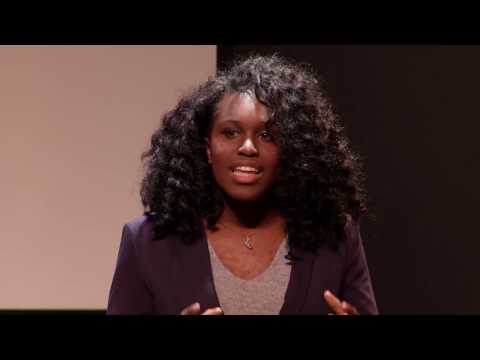
hi everybody my name is McKenna Marshall and I’m an 11th grader here at Phillips
and I’m an 11th grader here at Phillips
and I’m an 11th grader here at Phillips Academy Andover and I’m from Washington
Academy Andover and I’m from Washington
Academy Andover and I’m from Washington DC but actually I’m not from Washington
DC but actually I’m not from Washington
DC but actually I’m not from Washington DC
DC
DC I’m from Capitol Heights Maryland which
I’m from Capitol Heights Maryland which
I’m from Capitol Heights Maryland which is a small suburb of DC and I normally
is a small suburb of DC and I normally
is a small suburb of DC and I normally say Washington DC instead of Capitol
say Washington DC instead of Capitol
say Washington DC instead of Capitol Heights because Capitol Heights has a
Heights because Capitol Heights has a
Heights because Capitol Heights has a little bit of a reputation it knows a
little bit of a reputation it knows a
little bit of a reputation it knows a crime-ridden filthy and dangerous suburb
crime-ridden filthy and dangerous suburb
crime-ridden filthy and dangerous suburb or at least it was before the changes
or at least it was before the changes
or at least it was before the changes began to occur that tempted my mother to
began to occur that tempted my mother to
began to occur that tempted my mother to moving into a new townhome there now
moving into a new townhome there now
moving into a new townhome there now Capitol Heights isn’t dirty or crime
Capitol Heights isn’t dirty or crime
Capitol Heights isn’t dirty or crime ridden at all
ridden at all
ridden at all it’s a previously rough neighborhood
it’s a previously rough neighborhood
it’s a previously rough neighborhood giving way to the changes than the
giving way to the changes than the
giving way to the changes than the affluent and educated homeowner like my
affluent and educated homeowner like my
affluent and educated homeowner like my mother can bring and the same thing is
mother can bring and the same thing is
mother can bring and the same thing is happening inside BC right now if you
happening inside BC right now if you
happening inside BC right now if you follow Addison Road down to JFK Stadium
follow Addison Road down to JFK Stadium
follow Addison Road down to JFK Stadium you can see the bones of new apartment
you can see the bones of new apartment
you can see the bones of new apartment buildings rising older bars give way to
buildings rising older bars give way to
buildings rising older bars give way to coffee shops and as crime rates go down
coffee shops and as crime rates go down
coffee shops and as crime rates go down organic grocery stores go up and to me
organic grocery stores go up and to me
organic grocery stores go up and to me this all looked like a great thing
this all looked like a great thing
this all looked like a great thing finally my city was getting itself
finally my city was getting itself
finally my city was getting itself together but then someone asked me a
together but then someone asked me a
together but then someone asked me a pretty tricky question where did all the
pretty tricky question where did all the
pretty tricky question where did all the black people go and my response was I’m
black people go and my response was I’m
black people go and my response was I’m right here but that’s not what that
right here but that’s not what that
right here but that’s not what that person meant what they meant was the
person meant what they meant was the
person meant what they meant was the historically lower income black people
historically lower income black people
historically lower income black people who have lived in DC since the civil war
who have lived in DC since the civil war
who have lived in DC since the civil war period and the reason that this
period and the reason that this
period and the reason that this demographic change has occurred because
demographic change has occurred because
demographic change has occurred because of an interesting phenomenon that I
of an interesting phenomenon that I
of an interesting phenomenon that I began to study see the New York Times
began to study see the New York Times
began to study see the New York Times has said that the black population BC
has said that the black population BC
has said that the black population BC has dropped by 11 percent in the last
has dropped by 11 percent in the last
has dropped by 11 percent in the last decade this is because of a process
decade this is because of a process
decade this is because of a process known as identification some of you may
known as identification some of you may
known as identification some of you may know the term and some of you may not
know the term and some of you may not
know the term and some of you may not but the definition of gentrification is
but the definition of gentrification is
but the definition of gentrification is the rebuilding and renewal that
the rebuilding and renewal that
the rebuilding and renewal that accompanies the influx of middle-class
accompanies the influx of middle-class
accompanies the influx of middle-class and upper-class residents with
and upper-class residents with
and upper-class residents with deteriorating area that can result in to
deteriorating area that can result in to
deteriorating area that can result in to this placement of lower cross residents
this placement of lower cross residents
this placement of lower cross residents and this placement isn’t just moving
and this placement isn’t just moving
and this placement isn’t just moving this placement is unintentional and
this placement is unintentional and
this placement is unintentional and completely unavoidable this placement
completely unavoidable this placement
completely unavoidable this placement can also lead to lack of jobs often
can also lead to lack of jobs often
can also lead to lack of jobs often lower income people who live in cities
lower income people who live in cities
lower income people who live in cities rely heavily on public transportation
rely heavily on public transportation
rely heavily on public transportation and if someone has no access to public
and if someone has no access to public
and if someone has no access to public transportation they lose their only
transportation they lose their only
transportation they lose their only source of income
source of income
source of income in addition gentrification is also
in addition gentrification is also
in addition gentrification is also affecting the middle class not just
affecting the middle class not just
affecting the middle class not just lower-class citizens as rents and
lower-class citizens as rents and
lower-class citizens as rents and property taxes rise middle income
property taxes rise middle income
property taxes rise middle income earners such as teachers who teach at
earners such as teachers who teach at
earners such as teachers who teach at inner-city schools and police officers
inner-city schools and police officers
inner-city schools and police officers who protect our streets can no longer
who protect our streets can no longer
who protect our streets can no longer afford to live in these urban centers
afford to live in these urban centers
afford to live in these urban centers but there are some people who say there
but there are some people who say there
but there are some people who say there are pros to gentrification some of them
are pros to gentrification some of them
are pros to gentrification some of them being that public schools tend to get
being that public schools tend to get
being that public schools tend to get better all public amenities tend to get
better all public amenities tend to get
better all public amenities tend to get better and we also see crime rates go
better and we also see crime rates go
better and we also see crime rates go down and people who do manage to keep
down and people who do manage to keep
down and people who do manage to keep their homes throughout the entire
their homes throughout the entire
their homes throughout the entire process of gentrification do see their
process of gentrification do see their
process of gentrification do see their home values rise but despite all of
home values rise but despite all of
home values rise but despite all of these pros and cons that could be
these pros and cons that could be
these pros and cons that could be debated for ages we’re talking about
debated for ages we’re talking about
debated for ages we’re talking about gentrification right now for a reason
gentrification right now for a reason
gentrification right now for a reason and that reason is because there’s been
and that reason is because there’s been
and that reason is because there’s been an extreme acceleration in the rate of
an extreme acceleration in the rate of
an extreme acceleration in the rate of gentrification in the past two decades
gentrification in the past two decades
gentrification in the past two decades it’s predicted in the past in the
it’s predicted in the past in the
it’s predicted in the past in the biggest 30 cities across America the
biggest 30 cities across America the
biggest 30 cities across America the rate of gentrification has doubled and
rate of gentrification has doubled and
rate of gentrification has doubled and so we have to ask ourselves why with the
so we have to ask ourselves why with the
so we have to ask ourselves why with the phenomenon that affects and
phenomenon that affects and
phenomenon that affects and disenfranchises so many people there has
disenfranchises so many people there has
disenfranchises so many people there has to be a reason why and that reason why
to be a reason why and that reason why
to be a reason why and that reason why is those pesky Millennials that’s right
is those pesky Millennials that’s right
is those pesky Millennials that’s right people ages 18 to 36 are no longer
people ages 18 to 36 are no longer
people ages 18 to 36 are no longer settling in the suburbs this is part of
settling in the suburbs this is part of
settling in the suburbs this is part of a phenomenon called the suburban Texas
a phenomenon called the suburban Texas
a phenomenon called the suburban Texas which is cause for a plethora of
which is cause for a plethora of
which is cause for a plethora of logistical and psychological reasons one
logistical and psychological reasons one
logistical and psychological reasons one of them being that the suburbs tend to
of them being that the suburbs tend to
of them being that the suburbs tend to induce depression and dissatisfaction
induce depression and dissatisfaction
induce depression and dissatisfaction amongst its members
amongst its members
amongst its members another reason being Millennials are
another reason being Millennials are
another reason being Millennials are just wholly uninterested in cars
just wholly uninterested in cars
just wholly uninterested in cars therefore they don’t really like
therefore they don’t really like
therefore they don’t really like commuting most importantly Millennials
commuting most importantly Millennials
commuting most importantly Millennials seek connection we see this in their use
seek connection we see this in their use
seek connection we see this in their use of social media like Twitter Facebook
of social media like Twitter Facebook
of social media like Twitter Facebook and Instagram they want to connect and
and Instagram they want to connect and
and Instagram they want to connect and it’s hard to connect in the world of
it’s hard to connect in the world of
it’s hard to connect in the world of picket fences and cul-de-sacs thus the
picket fences and cul-de-sacs thus the
picket fences and cul-de-sacs thus the suburban Exodus has moved supply and
suburban Exodus has moved supply and
suburban Exodus has moved supply and demand for houses to cities which is
demand for houses to cities which is
demand for houses to cities which is exacerbating gentrification the demand
exacerbating gentrification the demand
exacerbating gentrification the demand before used to be for 3 to 4 bedroom
before used to be for 3 to 4 bedroom
before used to be for 3 to 4 bedroom house with the yard out front and out
house with the yard out front and out
house with the yard out front and out back an in-ground pool and a good school
back an in-ground pool and a good school
back an in-ground pool and a good school district now
district now
district now Millennials who are having children
Millennials who are having children
Millennials who are having children about six to eight years later than
about six to eight years later than
about six to eight years later than their parents are shifting this demand
their parents are shifting this demand
their parents are shifting this demand to cities cities don’t have an adequate
to cities cities don’t have an adequate
to cities cities don’t have an adequate supply and this can lead to the
supply and this can lead to the
supply and this can lead to the displacement of lower-class residents
displacement of lower-class residents
displacement of lower-class residents and so now with this part of
and so now with this part of
and so now with this part of gentrification understood after doing
gentrification understood after doing
gentrification understood after doing all this research I thought there had to
all this research I thought there had to
all this research I thought there had to be some type of solution well the
be some type of solution well the
be some type of solution well the solution lies in the reason for the
solution lies in the reason for the
solution lies in the reason for the acceleration what if we could change
acceleration what if we could change
acceleration what if we could change suburbs to make them more like cities so
suburbs to make them more like cities so
suburbs to make them more like cities so people would stop moving the cities new
people would stop moving the cities new
people would stop moving the cities new urbanism is a new idea of architectural
urbanism is a new idea of architectural
urbanism is a new idea of architectural thought that involves building mixed
thought that involves building mixed
thought that involves building mixed income homes eco-friendly homes and
income homes eco-friendly homes and
income homes eco-friendly homes and centering those homes around a community
centering those homes around a community
centering those homes around a community center or shopping center that matches
center or shopping center that matches
center or shopping center that matches all inhabitants needs new homes and new
all inhabitants needs new homes and new
all inhabitants needs new homes and new urbanist communities often architectural
urbanist communities often architectural
urbanist communities often architectural II promote connection these are all
II promote connection these are all
II promote connection these are all things Millennials want in their
things Millennials want in their
things Millennials want in their communities if we can incentivize the
communities if we can incentivize the
communities if we can incentivize the government to incentivize builders to
government to incentivize builders to
government to incentivize builders to build more homes in the suburbs in these
build more homes in the suburbs in these
build more homes in the suburbs in these new urbanist communities we might be
new urbanist communities we might be
new urbanist communities we might be able to shift demand away from cities
able to shift demand away from cities
able to shift demand away from cities halting gentrification might might being
halting gentrification might might being
halting gentrification might might being the key word to all of us because to get
the key word to all of us because to get
the key word to all of us because to get a plan like this path would even poke
a plan like this path would even poke
a plan like this path would even poke holes in this plan I mean to get
holes in this plan I mean to get
holes in this plan I mean to get together with government officials local
together with government officials local
together with government officials local leaders people who live in those areas
leaders people who live in those areas
leaders people who live in those areas and many more people and often those
and many more people and often those
and many more people and often those people are never in the same rooms
people are never in the same rooms
people are never in the same rooms together and the reason why is because
together and the reason why is because
together and the reason why is because of blame politicians blame the private
of blame politicians blame the private
of blame politicians blame the private sector the poor blame the rich the rich
sector the poor blame the rich the rich
sector the poor blame the rich the rich bamboo poor goes in this endless cycle
bamboo poor goes in this endless cycle
bamboo poor goes in this endless cycle and I start to blame myself you see
and I start to blame myself you see
and I start to blame myself you see I fit to the definition of a gender I
I fit to the definition of a gender I
I fit to the definition of a gender I have the privilege to be part of an
have the privilege to be part of an
have the privilege to be part of an affluent family that can move to a
affluent family that can move to a
affluent family that can move to a neighborhood that was changing to suit
neighborhood that was changing to suit
neighborhood that was changing to suit my needs
my needs
my needs while displacing others and this
while displacing others and this
while displacing others and this privilege started to make me feel really
privilege started to make me feel really
privilege started to make me feel really guilty and as I started feeling guilty I
guilty and as I started feeling guilty I
guilty and as I started feeling guilty I started feeling defensive and once I
started feeling defensive and once I
started feeling defensive and once I felt defensive I felt like I was being
felt defensive I felt like I was being
felt defensive I felt like I was being attacked every time I read an article
attacked every time I read an article
attacked every time I read an article about gentrification or attempted to
about gentrification or attempted to
about gentrification or attempted to talk to social workers about
talk to social workers about
talk to social workers about gentrification I felt like they were
gentrification I felt like they were
gentrification I felt like they were personally attacking me not the problem
personally attacking me not the problem
personally attacking me not the problem and eventually this actually halted my
and eventually this actually halted my
and eventually this actually halted my research all my emotional turmoil about
research all my emotional turmoil about
research all my emotional turmoil about having privileged stopped me from being
having privileged stopped me from being
having privileged stopped me from being able to see the situation critically I
able to see the situation critically I
able to see the situation critically I couldn’t see solutions
couldn’t see solutions
couldn’t see solutions I couldn’t even see the problem but then
I couldn’t even see the problem but then
I couldn’t even see the problem but then I realized something very important as a
I realized something very important as a
I realized something very important as a privileged person it’s not about me if
privileged person it’s not about me if
privileged person it’s not about me if you’re the coolest person it’s normally
you’re the coolest person it’s normally
you’re the coolest person it’s normally not about you
not about you
not about you learning this helped me see past my
learning this helped me see past my
learning this helped me see past my inner problems with gentrification I got
inner problems with gentrification I got
inner problems with gentrification I got to see that my privilege was halting
to see that my privilege was halting
to see that my privilege was halting conversations that needed to happen most
conversations that needed to happen most
conversations that needed to happen most importantly I need to focus on the
importantly I need to focus on the
importantly I need to focus on the people who didn’t have privilege so
people who didn’t have privilege so
people who didn’t have privilege so doing all this research and studying
doing all this research and studying
doing all this research and studying about gentrification shed light on a
about gentrification shed light on a
about gentrification shed light on a phenomenon that is impacting all of our
phenomenon that is impacting all of our
phenomenon that is impacting all of our American cities but it also shed light
American cities but it also shed light
American cities but it also shed light on how privileged and internal problems
on how privileged and internal problems
on how privileged and internal problems with people who are privileged can just
with people who are privileged can just
with people who are privileged can just stop important dialogues and I hope with
stop important dialogues and I hope with
stop important dialogues and I hope with our generation this doesn’t happen I
our generation this doesn’t happen I
our generation this doesn’t happen I hope that with our generation we can
hope that with our generation we can
hope that with our generation we can move past an over privilege and come up
move past an over privilege and come up
move past an over privilege and come up with more solutions so the world has
with more solutions so the world has
with more solutions so the world has less problems thank you
less problems thank you
less problems thank you [Applause]
”
Be First to Comment