
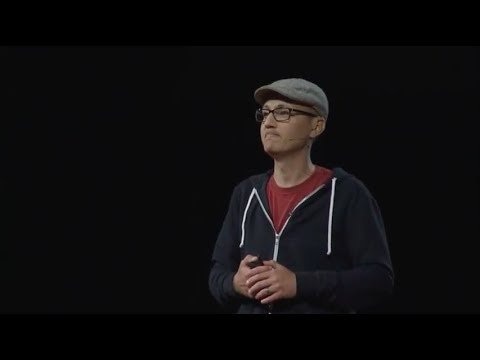
ten days after graduating medical school I was diagnosed with leukemia
I was diagnosed with leukemia
I was diagnosed with leukemia I received a bone-marrow transplant that
I received a bone-marrow transplant that
I received a bone-marrow transplant that saved my life and I found myself in awe
saved my life and I found myself in awe
saved my life and I found myself in awe of how great our healthcare system was
of how great our healthcare system was
of how great our healthcare system was it taking care of me when I was sick but
it taking care of me when I was sick but
it taking care of me when I was sick but I soon realized that the excellent care
I soon realized that the excellent care
I soon realized that the excellent care I received was only part of the care I
I received was only part of the care I
I received was only part of the care I needed you see after I went home and
needed you see after I went home and
needed you see after I went home and because of things that transplant did to
because of things that transplant did to
because of things that transplant did to my body I became chronically unwell and
my body I became chronically unwell and
my body I became chronically unwell and had to start caring for myself in a way
had to start caring for myself in a way
had to start caring for myself in a way I never had I had meds I needed to take
I never had I had meds I needed to take
I never had I had meds I needed to take and exercises I needed to do I had najd
and exercises I needed to do I had najd
and exercises I needed to do I had najd and pain and fatigue I needed to manage
and pain and fatigue I needed to manage
and pain and fatigue I needed to manage and tests and appointments I had to
and tests and appointments I had to
and tests and appointments I had to organize and even when I wasn’t feeling
organize and even when I wasn’t feeling
organize and even when I wasn’t feeling well and all this work seemed to be
well and all this work seemed to be
well and all this work seemed to be keeping me from doing the things I
keeping me from doing the things I
keeping me from doing the things I really wanted to do I knew I couldn’t
really wanted to do I knew I couldn’t
really wanted to do I knew I couldn’t get stressed or anxious or sad because
get stressed or anxious or sad because
get stressed or anxious or sad because if I did it would only make things worse
if I did it would only make things worse
if I did it would only make things worse to be honest there were times when there
to be honest there were times when there
to be honest there were times when there felt overwhelming and my wife and I
felt overwhelming and my wife and I
felt overwhelming and my wife and I would get frustrated because it seemed
would get frustrated because it seemed
would get frustrated because it seemed like too much of my health was dependent
like too much of my health was dependent
like too much of my health was dependent on us it felt like the health care
on us it felt like the health care
on us it felt like the health care system didn’t want to support my efforts
system didn’t want to support my efforts
system didn’t want to support my efforts to be well now I realized that it simply
to be well now I realized that it simply
to be well now I realized that it simply couldn’t see the truth is we designed
couldn’t see the truth is we designed
couldn’t see the truth is we designed our health care system Adhan for a
our health care system Adhan for a
our health care system Adhan for a different time we started building it in
different time we started building it in
different time we started building it in the early 1900s when people were sick
the early 1900s when people were sick
the early 1900s when people were sick and injured and it seemed like the only
and injured and it seemed like the only
and injured and it seemed like the only work that needed to be done was the work
work that needed to be done was the work
work that needed to be done was the work that doctors and nurses did after all
that doctors and nurses did after all
that doctors and nurses did after all the top causes of death were things like
the top causes of death were things like
the top causes of death were things like pneumonia and the flu and since we just
pneumonia and the flu and since we just
pneumonia and the flu and since we just started developing things like vaccines
started developing things like vaccines
started developing things like vaccines and antibiotics which were essentially
and antibiotics which were essentially
and antibiotics which were essentially cures all we really needed as far as
cures all we really needed as far as
cures all we really needed as far as anyone knew was just a system that could
anyone knew was just a system that could
anyone knew was just a system that could deliver treatments effectively all we
deliver treatments effectively all we
deliver treatments effectively all we really needed was sick care we live in a
really needed was sick care we live in a
really needed was sick care we live in a different world today and we know better
different world today and we know better
different world today and we know better for example today seven of every ten
for example today seven of every ten
for example today seven of every ten deaths and 80% of all healthcare costs
deaths and 80% of all healthcare costs
deaths and 80% of all healthcare costs are the result of chronic ongoing
are the result of chronic ongoing
are the result of chronic ongoing conditions things like diabetes heart
conditions things like diabetes heart
conditions things like diabetes heart disease and depression or in my case
disease and depression or in my case
disease and depression or in my case something called graft-versus-host
something called graft-versus-host
something called graft-versus-host disease these are of course the sorts of
disease these are of course the sorts of
disease these are of course the sorts of diseases that don’t even have a cure to
diseases that don’t even have a cure to
diseases that don’t even have a cure to deliver but they’re also the sorts of
deliver but they’re also the sorts of
deliver but they’re also the sorts of conditions that are mostly managed and
conditions that are mostly managed and
conditions that are mostly managed and prevented not by the work that doctors
prevented not by the work that doctors
prevented not by the work that doctors our nurses do
our nurses do
our nurses do by the work that we do every day of our
by the work that we do every day of our
by the work that we do every day of our lives it’s the choices we make and the
lives it’s the choices we make and the
lives it’s the choices we make and the lifestyles we pursue coupled with our
lifestyles we pursue coupled with our
lifestyles we pursue coupled with our ability to cope with and overcome
ability to cope with and overcome
ability to cope with and overcome whatever life throws at us this is the
whatever life throws at us this is the
whatever life throws at us this is the work of being well it actually has a far
work of being well it actually has a far
work of being well it actually has a far greater impact on our health than the
greater impact on our health than the
greater impact on our health than the sick care we receive and yet our
sick care we receive and yet our
sick care we receive and yet our healthcare system is not designed to
healthcare system is not designed to
healthcare system is not designed to support it but there is a way that it
support it but there is a way that it
support it but there is a way that it can see over the last several decades
can see over the last several decades
can see over the last several decades physicians and scientists have worked
physicians and scientists have worked
physicians and scientists have worked closely with patients to develop
closely with patients to develop
closely with patients to develop interventions that can support our
interventions that can support our
interventions that can support our efforts to be well the effective ones
efforts to be well the effective ones
efforts to be well the effective ones are called evidence-based programs and
are called evidence-based programs and
are called evidence-based programs and what they show us is that in order for
what they show us is that in order for
what they show us is that in order for us to be well we need a few basic things
us to be well we need a few basic things
us to be well we need a few basic things first we need to know and understand the
first we need to know and understand the
first we need to know and understand the parts of our health that really are
parts of our health that really are
parts of our health that really are under our control and what we can do
under our control and what we can do
under our control and what we can do about it actually works secondly we need
about it actually works secondly we need
about it actually works secondly we need support at time and space in which to
support at time and space in which to
support at time and space in which to practice what we learn and lastly and
practice what we learn and lastly and
practice what we learn and lastly and perhaps most importantly is we need to
perhaps most importantly is we need to
perhaps most importantly is we need to know we’re not alone we need to know
know we’re not alone we need to know
know we’re not alone we need to know that our struggles and our fears are
that our struggles and our fears are
that our struggles and our fears are normal consequently most of these
normal consequently most of these
normal consequently most of these interventions involve getting groups of
interventions involve getting groups of
interventions involve getting groups of people together that have some common
people together that have some common
people together that have some common health concern to go through a specially
health concern to go through a specially
health concern to go through a specially designed curriculum that’s often
designed curriculum that’s often
designed curriculum that’s often delivered by trained facilitators that
delivered by trained facilitators that
delivered by trained facilitators that actually have a personal connection to
actually have a personal connection to
actually have a personal connection to the same concern and what we find in
the same concern and what we find in
the same concern and what we find in trial after trial of these programs is
trial after trial of these programs is
trial after trial of these programs is that when you support people in doing
that when you support people in doing
that when you support people in doing the work sick care can’t do you get
the work sick care can’t do you get
the work sick care can’t do you get results sick care can’t give for example
results sick care can’t give for example
results sick care can’t give for example when people with chronic physical or
when people with chronic physical or
when people with chronic physical or mental illness participated in a program
mental illness participated in a program
mental illness participated in a program designed to help them self manage their
designed to help them self manage their
designed to help them self manage their health we find that they feel better and
health we find that they feel better and
health we find that they feel better and that their quality of life improves
that their quality of life improves
that their quality of life improves similarly when older adults participate
similarly when older adults participate
similarly when older adults participate in a program designed to help them avoid
in a program designed to help them avoid
in a program designed to help them avoid a fall we find that they fall half as
a fall we find that they fall half as
a fall we find that they fall half as frequently as they otherwise would
frequently as they otherwise would
frequently as they otherwise would allowing them to maintain their
allowing them to maintain their
allowing them to maintain their independence there are programs that
independence there are programs that
independence there are programs that help people cut the risk of developing
help people cut the risk of developing
help people cut the risk of developing diabetes in half and programs that help
diabetes in half and programs that help
diabetes in half and programs that help people with chronic pain hurt less and
people with chronic pain hurt less and
people with chronic pain hurt less and get more satisfaction from their lives
get more satisfaction from their lives
get more satisfaction from their lives and those are just a few examples
and those are just a few examples
and those are just a few examples actually there are hundreds of proven
actually there are hundreds of proven
actually there are hundreds of proven ways for people to support one another
ways for people to support one another
ways for people to support one another and doing the work sick care can’t do
and doing the work sick care can’t do
and doing the work sick care can’t do the National Cancer Institute even has a
the National Cancer Institute even has a
the National Cancer Institute even has a registry of these sorts of interventions
registry of these sorts of interventions
registry of these sorts of interventions if you want to look them up same with
if you want to look them up same with
if you want to look them up same with the National Council on Aging I mean
the National Council on Aging I mean
the National Council on Aging I mean it’s not a secret we know how to help
it’s not a secret we know how to help
it’s not a secret we know how to help people be well we even know that helping
people be well we even know that helping
people be well we even know that helping people be well saves money about five
people be well saves money about five
people be well saves money about five dollars save to every dollar invested no
dollars save to every dollar invested no
dollars save to every dollar invested no the problem is not that we don’t know
the problem is not that we don’t know
the problem is not that we don’t know what WellCare is or whether WellCare
what WellCare is or whether WellCare
what WellCare is or whether WellCare works the problem is that well care does
works the problem is that well care does
works the problem is that well care does not fit in a sick care system and this
not fit in a sick care system and this
not fit in a sick care system and this is why over the last few years my team
is why over the last few years my team
is why over the last few years my team and I have focused on doing the
and I have focused on doing the
and I have focused on doing the proof-of-concept work to show how a well
proof-of-concept work to show how a well
proof-of-concept work to show how a well care system could function a system
care system could function a system
care system could function a system based in communities but integrated with
based in communities but integrated with
based in communities but integrated with and supported by the existing sick care
and supported by the existing sick care
and supported by the existing sick care system we’ve trained individuals from
system we’ve trained individuals from
system we’ve trained individuals from the community to deliver evidence-based
the community to deliver evidence-based
the community to deliver evidence-based programs in churches and schools and
programs in churches and schools and
programs in churches and schools and libraries and workplaces and in
libraries and workplaces and in
libraries and workplaces and in partnership with a Rochester based
partnership with a Rochester based
partnership with a Rochester based software company developed a scalable
software company developed a scalable
software company developed a scalable technology that allows them to work
technology that allows them to work
technology that allows them to work closely with one another and with
closely with one another and with
closely with one another and with clinicians in the sick care system and
clinicians in the sick care system and
clinicians in the sick care system and as a result patients like juan after
as a result patients like juan after
as a result patients like juan after being diagnosed with diabetes no longer
being diagnosed with diabetes no longer
being diagnosed with diabetes no longer have to feel alone and abandoned by a
have to feel alone and abandoned by a
have to feel alone and abandoned by a system not designed for them rather
system not designed for them rather
system not designed for them rather they’re being referred directly to
they’re being referred directly to
they’re being referred directly to people from their community people like
people from their community people like
people from their community people like Alma and Magda who’ve been trained to
Alma and Magda who’ve been trained to
Alma and Magda who’ve been trained to deliver a highly effective diabetes
deliver a highly effective diabetes
deliver a highly effective diabetes self-management program in Juan’s native
self-management program in Juan’s native
self-management program in Juan’s native Spanish a program that will of course
Spanish a program that will of course
Spanish a program that will of course improve one’s clinical outcomes but that
improve one’s clinical outcomes but that
improve one’s clinical outcomes but that will also give him hope for the future
will also give him hope for the future
will also give him hope for the future and help to save his struggling marriage
and help to save his struggling marriage
and help to save his struggling marriage you see the point I’m trying to make is
you see the point I’m trying to make is
you see the point I’m trying to make is that the situation we are in as a
that the situation we are in as a
that the situation we are in as a society is not unlike the one in the
society is not unlike the one in the
society is not unlike the one in the early 1900’s we know what improves
early 1900’s we know what improves
early 1900’s we know what improves health but will we commit now to
health but will we commit now to
health but will we commit now to building a system for well care like we
building a system for well care like we
building a system for well care like we did then to building a system for sick
did then to building a system for sick
did then to building a system for sick care will we allow people like Alma and
care will we allow people like Alma and
care will we allow people like Alma and Magda to be part of the health care
Magda to be part of the health care
Magda to be part of the health care system
system
system well we allow communities to be more
well we allow communities to be more
well we allow communities to be more than passive recipients of sick care
than passive recipients of sick care
than passive recipients of sick care well we enable them to be active
well we enable them to be active
well we enable them to be active partners in the provision of health care
partners in the provision of health care
partners in the provision of health care I’ve searched high and low for a good
I’ve searched high and low for a good
I’ve searched high and low for a good reason why we shouldn’t and I can’t find
reason why we shouldn’t and I can’t find
reason why we shouldn’t and I can’t find one ten days after I graduated in
one ten days after I graduated in
one ten days after I graduated in medical school I was diagnosed with
medical school I was diagnosed with
medical school I was diagnosed with leukemia
leukemia
leukemia I received incredible sick care that
I received incredible sick care that
I received incredible sick care that saved my life and yet I felt like
saved my life and yet I felt like
saved my life and yet I felt like something was missing six years later I
something was missing six years later I
something was missing six years later I stand before you with a dream and a plan
stand before you with a dream and a plan
stand before you with a dream and a plan for making health care more than sick
for making health care more than sick
for making health care more than sick care let’s build a system for well care
care let’s build a system for well care
care let’s build a system for well care and let’s make that system available to
and let’s make that system available to
and let’s make that system available to everyone everywhere thank you
”
Be First to Comment