
bees help produce nutritious and delicious foods that feed us these
delicious foods that feed us these
delicious foods that feed us these incredible creatures feed our world by
incredible creatures feed our world by
incredible creatures feed our world by pollinating most flowering plants these
pollinating most flowering plants these
pollinating most flowering plants these plants in turn are feeding insects birds
plants in turn are feeding insects birds
plants in turn are feeding insects birds mammals countless other creatures rather
mammals countless other creatures rather
mammals countless other creatures rather than thinking of bees as flying stinging
than thinking of bees as flying stinging
than thinking of bees as flying stinging machines we need to move away from that
machines we need to move away from that
machines we need to move away from that and appreciate the huge contribution
and appreciate the huge contribution
and appreciate the huge contribution they make not only to the food on our
they make not only to the food on our
they make not only to the food on our plates but to our entire world bees help
plates but to our entire world bees help
plates but to our entire world bees help us and most everything else to have food
us and most everything else to have food
us and most everything else to have food on our tables in a lot of places in the
on our tables in a lot of places in the
on our tables in a lot of places in the world today we are leaving bees a plate
world today we are leaving bees a plate
world today we are leaving bees a plate with less a table with less and less
with less a table with less and less
with less a table with less and less food we can keep bees fed and keep
food we can keep bees fed and keep
food we can keep bees fed and keep countless other animals fed and keep
countless other animals fed and keep
countless other animals fed and keep food on our tables by putting food back
food on our tables by putting food back
food on our tables by putting food back on the table for bees colleagues and I
on the table for bees colleagues and I
on the table for bees colleagues and I have been studying bees in North Dakota
have been studying bees in North Dakota
have been studying bees in North Dakota in the northern Great Plains to figure
in the northern Great Plains to figure
in the northern Great Plains to figure out how they’re doing in farm lands and
out how they’re doing in farm lands and
out how they’re doing in farm lands and how to support them we were interested
how to support them we were interested
how to support them we were interested in what’s happening in North Dakota
in what’s happening in North Dakota
in what’s happening in North Dakota because North Dakota traditionally has
because North Dakota traditionally has
because North Dakota traditionally has been a great place for bees it’s one of
been a great place for bees it’s one of
been a great place for bees it’s one of the top
the top
the top honey producing states in the entire US
honey producing states in the entire US
honey producing states in the entire US one out of every four honeybee colonies
one out of every four honeybee colonies
one out of every four honeybee colonies in the entire country is brought to
in the entire country is brought to
in the entire country is brought to North Dakota in the summertime this is
North Dakota in the summertime this is
North Dakota in the summertime this is over six hundred thousand colonies and
over six hundred thousand colonies and
over six hundred thousand colonies and each of these colonies has tens of
each of these colonies has tens of
each of these colonies has tens of thousands of bees honeybees are brought
thousands of bees honeybees are brought
thousands of bees honeybees are brought by beekeepers
by beekeepers
by beekeepers to North Dakota not only to produce
to North Dakota not only to produce
to North Dakota not only to produce honey but also so their colonies can
honey but also so their colonies can
honey but also so their colonies can grow strong because these colonies are
grow strong because these colonies are
grow strong because these colonies are then brought by beekeepers across the
then brought by beekeepers across the
then brought by beekeepers across the rest of the country to pollinate crops
rest of the country to pollinate crops
rest of the country to pollinate crops that help put for
that help put for
that help put for une on our tables North Dakota has also
une on our tables North Dakota has also
une on our tables North Dakota has also been a great place for other bees the
been a great place for other bees the
been a great place for other bees the honeybee but while well known by many is
honeybee but while well known by many is
honeybee but while well known by many is just one of twenty thousand different
just one of twenty thousand different
just one of twenty thousand different kinds of bees in the world and North
kinds of bees in the world and North
kinds of bees in the world and North Dakota has been home to over 300
Dakota has been home to over 300
Dakota has been home to over 300 different kinds of bees these bees
different kinds of bees these bees
different kinds of bees these bees aren’t managed by people they’re what
aren’t managed by people they’re what
aren’t managed by people they’re what they’re living in the wild they are also
they’re living in the wild they are also
they’re living in the wild they are also very important pollinators of crops and
very important pollinators of crops and
very important pollinators of crops and wild flowers all of these bees honeybees
wild flowers all of these bees honeybees
wild flowers all of these bees honeybees and wild bees need food to eat and all
and wild bees need food to eat and all
and wild bees need food to eat and all bees get their food from flowers wild
bees get their food from flowers wild
bees get their food from flowers wild bees also need a place to live they all
bees also need a place to live they all
bees also need a place to live they all make nests some in the ground summer in
make nests some in the ground summer in
make nests some in the ground summer in plant stems a lot of them are needing
plant stems a lot of them are needing
plant stems a lot of them are needing areas that are safe from disturbances
areas that are safe from disturbances
areas that are safe from disturbances like mowing or tilling a lot has changed
like mowing or tilling a lot has changed
like mowing or tilling a lot has changed in the landscape in North Dakota over
in the landscape in North Dakota over
in the landscape in North Dakota over the last 200 years before European
the last 200 years before European
the last 200 years before European settlers were here was mostly Prairie
settlers were here was mostly Prairie
settlers were here was mostly Prairie which was dominated by native grasses
which was dominated by native grasses
which was dominated by native grasses and flowers the indigenous people here
and flowers the indigenous people here
and flowers the indigenous people here did practice agriculture but it’s on a
did practice agriculture but it’s on a
did practice agriculture but it’s on a fairly small scale there was still many
fairly small scale there was still many
fairly small scale there was still many flowers and many places for bees to make
flowers and many places for bees to make
flowers and many places for bees to make nests basically most of North Dakota was
nests basically most of North Dakota was
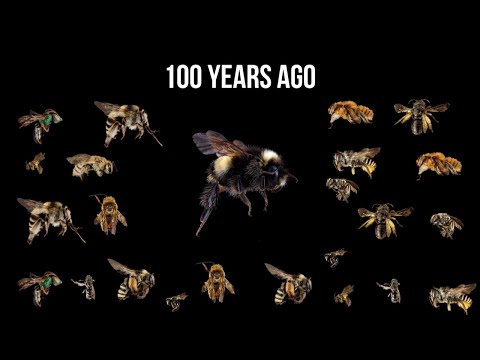
nests basically most of North Dakota was great bee habitat 100 years ago European
great bee habitat 100 years ago European
great bee habitat 100 years ago European settlers had already converted most of
settlers had already converted most of
settlers had already converted most of that Prairie into farmland 63% of North
that Prairie into farmland 63% of North
that Prairie into farmland 63% of North Dakota was already farmland a hundred
Dakota was already farmland a hundred
Dakota was already farmland a hundred years ago a diverse range of crops was
years ago a diverse range of crops was
years ago a diverse range of crops was grown in these farmlands many of which
grown in these farmlands many of which
grown in these farmlands many of which were providing food for bees there were
were providing food for bees there were
were providing food for bees there were few pesticides being used on these crops
few pesticides being used on these crops
few pesticides being used on these crops things were basically still pretty good
things were basically still pretty good
things were basically still pretty good for bees the European settlers also
for bees the European settlers also
for bees the European settlers also brought honeybees with them before this
brought honeybees with them before this
brought honeybees with them before this time there were not any honeybees here
time there were not any honeybees here
time there were not any honeybees here honeybees are not native to North
honeybees are not native to North
honeybees are not native to North America the beekeepers a hundred years
America the beekeepers a hundred years
America the beekeepers a hundred years ago were focused most
ago were focused most
ago were focused most on honey production they weren’t
on honey production they weren’t
on honey production they weren’t bringing their colonies all across the
bringing their colonies all across the
bringing their colonies all across the country for pollination they had smaller
country for pollination they had smaller
country for pollination they had smaller local operations we know something about
local operations we know something about
local operations we know something about the wild bees that were here a hundred
the wild bees that were here a hundred
the wild bees that were here a hundred years ago thanks to the work of oay
years ago thanks to the work of oay
years ago thanks to the work of oay Stevens Oh a Stevens was a botanist and
Stevens Oh a Stevens was a botanist and
Stevens Oh a Stevens was a botanist and a bee researcher that was based at North
a bee researcher that was based at North
a bee researcher that was based at North Dakota State University and he found
Dakota State University and he found
Dakota State University and he found many different species of bees in North
many different species of bees in North
many different species of bees in North Dakota an important thing about the
Dakota an important thing about the
Dakota an important thing about the collections that he found here for bees
collections that he found here for bees
collections that he found here for bees is that there were even numbers between
is that there were even numbers between
is that there were even numbers between the different species of bees there was
the different species of bees there was
the different species of bees there was no one kind of bee that was dominating
no one kind of bee that was dominating
no one kind of bee that was dominating the community you may have heard
the community you may have heard
the community you may have heard biologists talking about the importance
biologists talking about the importance
biologists talking about the importance of biodiversity when we’re talking about
of biodiversity when we’re talking about
of biodiversity when we’re talking about diversity we’re talking about that
diversity we’re talking about that
diversity we’re talking about that evenness among the species that
evenness among the species that
evenness among the species that indicates a stable community so these
indicates a stable community so these
indicates a stable community so these diverse communities are telling us that
diverse communities are telling us that
diverse communities are telling us that it’s a healthier community one common
it’s a healthier community one common
it’s a healthier community one common bee a hundred years ago was the yellow
bee a hundred years ago was the yellow
bee a hundred years ago was the yellow banded bumble bee this bumble bee and
banded bumble bee this bumble bee and
banded bumble bee this bumble bee and other species of bumble bees are
other species of bumble bees are
other species of bumble bees are becoming a cause for concern as
becoming a cause for concern as
becoming a cause for concern as populations have dropped over recent
populations have dropped over recent
populations have dropped over recent decades bee collections like that of Oh
decades bee collections like that of Oh
decades bee collections like that of Oh a Stevens are our only window to the
a Stevens are our only window to the
a Stevens are our only window to the past to know what things were like for
past to know what things were like for
past to know what things were like for bees his collection is currently housed
bees his collection is currently housed
bees his collection is currently housed at the American Museum of Natural
at the American Museum of Natural
at the American Museum of Natural History in New York City it’s thanks to
History in New York City it’s thanks to
History in New York City it’s thanks to the important work that this museum has
the important work that this museum has
the important work that this museum has done and also the scientists there that
done and also the scientists there that
done and also the scientists there that have ensured that these specimens are
have ensured that these specimens are
have ensured that these specimens are properly identified in database that
properly identified in database that
properly identified in database that give us this information this window to
give us this information this window to
give us this information this window to the Past to even know what things were
the Past to even know what things were
the Past to even know what things were like then so we can see how things have
like then so we can see how things have
like then so we can see how things have changed
changed
changed we know that the farmland has changed a
we know that the farmland has changed a
we know that the farmland has changed a lot over the last 100 years in North
lot over the last 100 years in North
lot over the last 100 years in North Dakota for one thing there is a lot more
Dakota for one thing there is a lot more
Dakota for one thing there is a lot more of it over ninety percent of the land in
of it over ninety percent of the land in
of it over ninety percent of the land in North Dakota is now farm Lee
North Dakota is now farm Lee
North Dakota is now farm Lee and be food is becoming more scarce and
and be food is becoming more scarce and
and be food is becoming more scarce and pesticide use is becoming more frequent
pesticide use is becoming more frequent
pesticide use is becoming more frequent driven by price increases due to their
driven by price increases due to their
driven by price increases due to their uses biofuels there’s been a dramatic
uses biofuels there’s been a dramatic
uses biofuels there’s been a dramatic increase in the amount of corn and soy
increase in the amount of corn and soy
increase in the amount of corn and soy that are being grown in the state this
that are being grown in the state this
that are being grown in the state this boat neither sow nor corn provide bees
boat neither sow nor corn provide bees
boat neither sow nor corn provide bees with much food things are getting harder
with much food things are getting harder
with much food things are getting harder for bees we can see this clearly in
for bees we can see this clearly in
for bees we can see this clearly in what’s happening with honey bees honey
what’s happening with honey bees honey
what’s happening with honey bees honey bees are having increased health
bees are having increased health
bees are having increased health problems we know that these problems are
problems we know that these problems are
problems we know that these problems are due to a combination of different
due to a combination of different
due to a combination of different factors there’s interactions between
factors there’s interactions between
factors there’s interactions between pathogens parasites pesticides and poor
pathogens parasites pesticides and poor
pathogens parasites pesticides and poor nutrition it’s harder for beekeepers to
nutrition it’s harder for beekeepers to
nutrition it’s harder for beekeepers to keep honey bee colonies alive from one
keep honey bee colonies alive from one
keep honey bee colonies alive from one year to the next honey bees are
year to the next honey bees are
year to the next honey bees are different than other bees in that
different than other bees in that
different than other bees in that they’re managed that kind of like
they’re managed that kind of like
they’re managed that kind of like livestock
livestock
livestock so although we are losing honeybee
so although we are losing honeybee
so although we are losing honeybee colonies beekeepers can breed them and
colonies beekeepers can breed them and
colonies beekeepers can breed them and create more colonies to replace them you
create more colonies to replace them you
create more colonies to replace them you don’t need to worry about the honey bee
don’t need to worry about the honey bee
don’t need to worry about the honey bee going extinct but these current losses
going extinct but these current losses
going extinct but these current losses are not economically sustainable for the
are not economically sustainable for the
are not economically sustainable for the beekeepers we need these beekeepers to
beekeepers we need these beekeepers to
beekeepers we need these beekeepers to be able to stay in business and have
be able to stay in business and have
be able to stay in business and have enough colonies to bring around to
enough colonies to bring around to
enough colonies to bring around to pollinate the crops that we need things
pollinate the crops that we need things
pollinate the crops that we need things are getting hard for wild bees too we
are getting hard for wild bees too we
are getting hard for wild bees too we know they’re affected by some of the
know they’re affected by some of the
know they’re affected by some of the same factors as the honeybees but for
same factors as the honeybees but for
same factors as the honeybees but for most places we don’t really know what’s
most places we don’t really know what’s
most places we don’t really know what’s going on with all these wild bees this
going on with all these wild bees this
going on with all these wild bees this is one of the reasons why I came to
is one of the reasons why I came to
is one of the reasons why I came to North Dakota because this was one of the
North Dakota because this was one of the
North Dakota because this was one of the places where we we knew we had
places where we we knew we had
places where we we knew we had information from a hundred years ago but
information from a hundred years ago but
information from a hundred years ago but we didn’t know it was happening there
we didn’t know it was happening there
we didn’t know it was happening there now when I first came to North Dakota to
now when I first came to North Dakota to
now when I first came to North Dakota to start looking for bees and I saw not
start looking for bees and I saw not
start looking for bees and I saw not many flowers not many places to nest I
many flowers not many places to nest I
many flowers not many places to nest I thought that it didn’t really look like
thought that it didn’t really look like
thought that it didn’t really look like it would be a great place for bees
it would be a great place for bees
it would be a great place for bees I was surprised to find that there are
I was surprised to find that there are
I was surprised to find that there are still many wild bees that are using
still many wild bees that are using
still many wild bees that are using these farmlands a key difference between
these farmlands a key difference between
these farmlands a key difference between what I saw now and what Oh a Stephen saw
what I saw now and what Oh a Stephen saw
what I saw now and what Oh a Stephen saw a hundred years ago is that the
a hundred years ago is that the
a hundred years ago is that the community of bees is less diverse
community of bees is less diverse
community of bees is less diverse although I found many different species
although I found many different species
although I found many different species there were a few species that were
there were a few species that were
there were a few species that were dominating the community these species
dominating the community these species
dominating the community these species are doing pretty well with scraps of
are doing pretty well with scraps of
are doing pretty well with scraps of habitat that are left other species are
habitat that are left other species are
habitat that are left other species are not finding what they need like the
not finding what they need like the
not finding what they need like the yellow banded bumblebee a hundred years
yellow banded bumblebee a hundred years
yellow banded bumblebee a hundred years ago in the collections of Oh a Stevens
ago in the collections of Oh a Stevens
ago in the collections of Oh a Stevens this bee was one out of every 25 bees
this bee was one out of every 25 bees
this bee was one out of every 25 bees that he captured during my recent
that he captured during my recent
that he captured during my recent surveys one out of every two thousand
surveys one out of every two thousand
surveys one out of every two thousand bees was a yellow banded bumblebee
bees was a yellow banded bumblebee
bees was a yellow banded bumblebee unlike honeybees when wild bees decline
unlike honeybees when wild bees decline
unlike honeybees when wild bees decline we don’t have the option to breed more
conservationist Aldo Leopold pointed out
conservationist Aldo Leopold pointed out one of the many important reasons to
one of the many important reasons to
one of the many important reasons to preserve biodiversity to keep every cog
preserve biodiversity to keep every cog
preserve biodiversity to keep every cog and wheel is the first precaution of
and wheel is the first precaution of
and wheel is the first precaution of intelligent tinkering we need to
intelligent tinkering we need to
intelligent tinkering we need to preserve these species while they’re
preserve these species while they’re
preserve these species while they’re still here
still here
still here and the good news is that a lot of these
and the good news is that a lot of these
and the good news is that a lot of these species are still there but we do need
species are still there but we do need
species are still there but we do need to act quickly as their numbers are
to act quickly as their numbers are
to act quickly as their numbers are drastically lower than what they used to
drastically lower than what they used to
drastically lower than what they used to be we do have options things we can do
be we do have options things we can do
be we do have options things we can do to help keep bees alive and healthy and
to help keep bees alive and healthy and
to help keep bees alive and healthy and this is where we get to also beautify
this is where we get to also beautify
this is where we get to also beautify the world around us planting flowers is
the world around us planting flowers is
the world around us planting flowers is one of the best things we can do and we
one of the best things we can do and we
one of the best things we can do and we need to keep these flowers free of
need to keep these flowers free of
need to keep these flowers free of pesticides this will help not only bees
pesticides this will help not only bees
pesticides this will help not only bees but it will also help butterflies frogs
but it will also help butterflies frogs
but it will also help butterflies frogs birds it will help improve our soil
birds it will help improve our soil
birds it will help improve our soil water quality we can do this we could
water quality we can do this we could
water quality we can do this we could all go home and do this in our gardens
all go home and do this in our gardens
all go home and do this in our gardens we can do this at schools we can do this
we can do this at schools we can do this
we can do this at schools we can do this at our businesses and this helps but if
at our businesses and this helps but if
at our businesses and this helps but if we only do this we’re going to end up
we only do this we’re going to end up
we only do this we’re going to end up with most of these flowers where most
with most of these flowers where most
with most of these flowers where most people live and looking at population
people live and looking at population
people live and looking at population density in the u.s. you can see that
density in the u.s. you can see that
density in the u.s. you can see that there’s broad areas of the country where
there’s broad areas of the country where
there’s broad areas of the country where there’s not so many people to make a
there’s not so many people to make a
there’s not so many people to make a bigger impact we need to also be
bigger impact we need to also be
bigger impact we need to also be thinking about putting these flowers
thinking about putting these flowers
thinking about putting these flowers where bees need them that we’re in our
where bees need them that we’re in our
where bees need them that we’re in our farmlands across the country these bees
farmlands across the country these bees
farmlands across the country these bees are looking at less and less available
are looking at less and less available
are looking at less and less available foods I’m a bee scientist and in case
foods I’m a bee scientist and in case
foods I’m a bee scientist and in case you haven’t been able to tell I’m very
you haven’t been able to tell I’m very
you haven’t been able to tell I’m very passionate about what I do
passionate about what I do
passionate about what I do talking with farmers I know that they’re
talking with farmers I know that they’re
talking with farmers I know that they’re very passionate about what they do and
very passionate about what they do and
very passionate about what they do and they know the value of sustainability
they know the value of sustainability
they know the value of sustainability they also need to make decisions that
they also need to make decisions that
they also need to make decisions that are based on economics they already have
are based on economics they already have
are based on economics they already have so much risk in their businesses we
so much risk in their businesses we
so much risk in their businesses we can’t ask them to add more risk to their
can’t ask them to add more risk to their
can’t ask them to add more risk to their business plans avoiding risk from pest
business plans avoiding risk from pest
business plans avoiding risk from pest damage is one of the reasons why
damage is one of the reasons why
damage is one of the reasons why pesticide use has become so much more
pesticide use has become so much more
pesticide use has become so much more common farmers need tools to reduce
common farmers need tools to reduce
common farmers need tools to reduce pesticide use and we do have these that
pesticide use and we do have these that
pesticide use and we do have these that that we can share more there are pest
that we can share more there are pest
that we can share more there are pest monitoring tools they can have more
monitoring tools they can have more
monitoring tools they can have more sustainable choices from agricultural
sustainable choices from agricultural
sustainable choices from agricultural companies and importantly have more
companies and importantly have more
companies and importantly have more connections to scientifically based
connections to scientifically based
connections to scientifically based management decisions the best solutions
management decisions the best solutions
management decisions the best solutions for helping bees and our farm lands are
for helping bees and our farm lands are
for helping bees and our farm lands are going to be to find ways that we can
going to be to find ways that we can
going to be to find ways that we can support both the farmers and the bees my
support both the farmers and the bees my
support both the farmers and the bees my colleagues and I found some things that
colleagues and I found some things that
colleagues and I found some things that were in the landscapes in North Dakota
were in the landscapes in North Dakota
were in the landscapes in North Dakota that are already support
that are already support
that are already support B’s and these are things that are
B’s and these are things that are
B’s and these are things that are already there in the farmland there are
already there in the farmland there are
already there in the farmland there are some crops that can feed bees some of
some crops that can feed bees some of
some crops that can feed bees some of the common ones are canola sunflower and
the common ones are canola sunflower and
the common ones are canola sunflower and alfalfa there’s also new research that’s
alfalfa there’s also new research that’s
alfalfa there’s also new research that’s looking at biofuel crops that can also
looking at biofuel crops that can also
looking at biofuel crops that can also provide forage for bees possibly
provide forage for bees possibly
provide forage for bees possibly providing alternatives to soy in corn
providing alternatives to soy in corn
providing alternatives to soy in corn there are set-aside programs like the
there are set-aside programs like the
there are set-aside programs like the Conservation Reserve Program these
Conservation Reserve Program these
Conservation Reserve Program these programs economically compensate farmers
programs economically compensate farmers
programs economically compensate farmers for setting aside habitat for wildlife
for setting aside habitat for wildlife
for setting aside habitat for wildlife and some of these programs are focused
and some of these programs are focused
and some of these programs are focused specifically on setting this habitat
specifically on setting this habitat
specifically on setting this habitat aside to create food for pollinators
trees can make a big difference they’re
trees can make a big difference they’re not all that common in North Dakota
not all that common in North Dakota
not all that common in North Dakota having rows of fields but rows of trees
having rows of fields but rows of trees
having rows of fields but rows of trees between the fields can help provide
between the fields can help provide
between the fields can help provide nesting for wild bees if these are
nesting for wild bees if these are
nesting for wild bees if these are planted with trees and shrubs that also
planted with trees and shrubs that also
planted with trees and shrubs that also flower they can also provide food for
flower they can also provide food for
flower they can also provide food for all bees enhancements like these that
all bees enhancements like these that
all bees enhancements like these that I’ve been mentioning can be supported by
I’ve been mentioning can be supported by
I’ve been mentioning can be supported by both state and federal programs and
both state and federal programs and
both state and federal programs and they’re shaped by local and federal
they’re shaped by local and federal
they’re shaped by local and federal legislation one of the biggest players
legislation one of the biggest players
legislation one of the biggest players in this is the federal farm bill so it
in this is the federal farm bill so it
in this is the federal farm bill so it is important for you to plant flowers
is important for you to plant flowers
is important for you to plant flowers wherever you can but let’s make sure
wherever you can but let’s make sure
wherever you can but let’s make sure that this food for bees is getting to
that this food for bees is getting to
that this food for bees is getting to where it’s needed which is where bees
where it’s needed which is where bees
where it’s needed which is where bees are which should be just about
are which should be just about
are which should be just about everywhere make sure that our farm bill
everywhere make sure that our farm bill
everywhere make sure that our farm bill has measures that help farmers support
has measures that help farmers support
has measures that help farmers support bees work with local and regional
bees work with local and regional
bees work with local and regional growers create solutions for pollinators
growers create solutions for pollinators
growers create solutions for pollinators where pollinators live keep food on the
where pollinators live keep food on the
where pollinators live keep food on the world’s table by making sure we keep
world’s table by making sure we keep
world’s table by making sure we keep food on the table for bees thank you
food on the table for bees thank you
food on the table for bees thank you [Applause]
[Applause]
[Applause] [Music]
”
Be First to Comment