
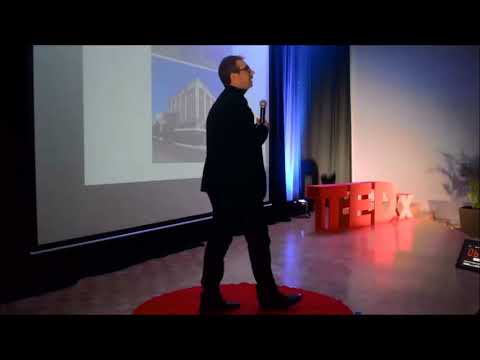
that we inhabit that is a city
yes and well there I would like to expose you
this is a postcard that I found
there in between these books that that
in a certain way we like to have because
are books containing information
that city in which we inhabit this
city from where we come to develops
in this postcard we can see a nothing more
I think it has to be fifty
covering up telling her to her husband that
do not forget the sending him a
postcard to see how pretty the
cities they visited and good
in this one in this I do not know if you can if you
they clarify the images but we can
lower the light a little
well this is a postcard of downtown
of torreón this is the switzerland
I do not know if any of you in your memory
come these memories of the center
that we have seen in in some documents
and I like to put this postcard to
show a little bit of what of certain
way you lived in this city like that
is that they represented or represent
these buildings for us not
they only represent the one where
we come our culture
yes yes in our city in the city of
keep
we come from in the case of my family my
grandfather was born in Bethlehem and came up
soil to cotton as well as I what
it seems this not to make the movement
and decompose microphone
this is the city my grandfather arrived at
grandfather was Bethlehem Palestinian and three
cultures and they had a certain idea of what
what was the city
this city that was a city
cosmopolitan that was a city
triumphant with much boom with much
development and that was full of a
bunch of cultures not this city that
it was a city where the the go to the market
it had a meaning that the city
had the way in this case we can
see the tram lines that was a
city that spoke of another form of
understand life or live faith in
this life
we can see that they fit a lot of
actions and within this this series of
buildings
we can see that they are buildings of uses
mixed and multiple uses
the ground floors were commercial
some buildings were banks others
offices and in this case
the house or dinner was not a house that
represented the cotton boom and
that was a good way to express that
it’s habitability that they had the center not
what happened what in a certain
moment of history
we had a revolutionary changes
in the way of understanding life
the future call this idea of the
self as the main actor of the
movie
this way of thinking of modern man
where the car had to be segregating
of pedestrians to make them more
insurance
They asked to generate a different dynamics
in this one in this place that we
we call historical center
the car begins to occupy a space
important in this this new area of
city and the buildings had not been
conceived in this way to be able
receive this amount of cars that from
soon they began to inhabit our
streets
this is a this is an image of the center
as this is a dense center it is a
Mixed center is a connected center
resolved in the term of mobility and
suddenly this idea of the car to the
housing not without adding a little water
please
the city begins to transform
begins to do is to that dynamic of not
only this city that was a city
relatively compact and resolute but
that begins to grow in a way
exponential and we can see that in just
30 years we doubled our territory
our city and this makes then it
it becomes more complicated in living what
we have here we can observe the
housing these are the condominiums
Manhattan
these are the streets that one go
forming this city that has not been able
do enough thought in a
integral form and then we can see
these scenarios where people start
to transform these buildings ite
they begin to teach clear that there is a
dysfunctionality in the city
this house is a house that is
thought to solve in terms
the need to exist in the
city but for lack of the of the
other components as it has been the
trade the dynamics that we had
in that more compact and more mixed city
it starts to fall and we have a lack
of of this idea of how to solve the
current needs of our people and
we have come with several as ideas or
prototypes this city
if you see in our city of
keep
this same city in the city and I would
I showed at the beginning of these buildings
give your and above we can see the anti
city or the city that does not
manages to respond to its environment and its
it generates a hostile environment and
in as an environment as already
imagined controlled that happens outside of
these bars outside these bars
we can see this insecurity that is
generates to having no eyes on the street
not have life not have that ability to
to be able to live in this in our city and
we see how these subdivisions to your
inside
ban
not only monopolizing space
public and they are becoming private
but they are producing this city that
It does not respond to what to what we
we aspire to want as citizens and
we have a serious problem of segregation
the city is no longer for everyone but for
the people who can afford it can
afford it
here then it’s amazing how it looks
that the border of the united states and
we are entering a fractionation
residential and this is the area of
most expensive areas we have in the city
and what happens that now the flows
that the one we have in the city
most privileged to the automobile to use
if it is the priority and we make this city
disconnected that does not think about the pedestrian who
not think of in cyclists and
we clearly mark the priorities that
we have as city
here we see that these stairs do not
it’s important to get to a sidewalk where
does not fit
we do not care that the oil lady
have to climb up that bridge loaded
maybe something from defendant when the
Young girl walks through the city at 80 kilometers
per hour more and we can see what
surprising of this image is no
only the car is doing that
maneuver but that the context our
city what has become has
turned into a vigor of publicity
jean and the citizen is no longer the
citizen is already a zoom is a policy
of consumption that we are, we do it
consumers in this in this city not
and here the main objective is
only the trade the sell and that has
past our cities
we go our banks no longer the
experience of going to the bank is no longer the
same experience that we had in that
so when we went to those they go to those
beautiful banks that we had in our
cities and our deposits do
sahin and and we no longer reach the market and
we talked with the lady and she cong
we see the fruit and we live together and maybe
we have lunch and it’s only three minutes
what we are here has filled
satisfaction
we fill our satisfactions
necessary and immediate and good this is
he
this is a building that I project the
architect carlos gómez palace in the
fiftys is a modern building
this building is a has been a building
very representative in architecture
modern lagoon that was invaded
for advertising on their facades and that
in a certain way is what reflects what
that the citizens or what we feel for
Our city
that feeling of leaving behind
our past and think about a future that
we do not know or what Octavian pal
octavio paz said that architecture is
the incorruptible witness the story and it ‘s
true
that is the image that now we
we are building city
that image we are building from
city in the city that we are is
the reflection of what we think
in what we feel which
are our priorities and what is the
quality of life that we want for
our city we want cities for the
automobile or we want cities for
for citizens we have to do
a lot smarter in how
we live and how we take advantage of our
resources and our time our money
our space
what is the real quality of life that the
that to which we aspire and I
I want to invite you to participate in a
idea that I brought in mind
I am convinced that we can
change the way we think about our
city the way we behave
as citizens within the city
we have the ability to transform not
only our architecture does not
only our cities can
transform the way we live in
this planet because we come to
to transform our environment not
only for our comfort or
of our family but we have to
think of one more form of community
we have to start building
community we have to start thinking
on how we can change the paradigms
of which is the life
what is the way in which we
we relate to the tail with our with
our neighbor as to how we do
things and I that’s why I showed them the postcard
because that postcard was that series of
postcards that were distributing
around him
world in what it gives us
identity gave us respect and it was like
he
the facebook of now yes inclusive
support and and maybe they sent messages I
I invite you to reflect on
this city that we are
building and that we put ourselves in
march and now start to transform the
let’s fill our our
tree benches
let’s clean our facades
aa think about how we live inside the
Whether we have to live closer to
I work closer to the family as
how we educate our children
that is a way that is certain way
the ideas that are sown in
our minds are going to make us
transforming that city into
we aspire and well I ask you to see
the real value that architecture has
that because we will put the benefits that
the architects we can contribute in these
in these in the transformation of the
city and I’m sure yes yes
we all do our part if all
we do our work as citizens
and we understand that we are not consumers
that we have responsibilities and we have
that together build this city
let’s put ourselves in the hands of the
architects
we are a tool that we are
disposition of you and that you have to
to take advantage of
we have why because he the city does not
he needs now more than ever and we
we also need you and for
that we have to do that that
transformation and that change together
we can not continue doing what we have
been doing we have to think
different we have to get the
city in a different way and I’m
true that although it seems complicated
if we can achieve it, it’s a matter of
change our way of thinking our
way to live our way of moving
our way of relating
we have to be more human and more
aware of the acts that to us
they mark us in history and history
we want to tell the story we are going to
leave as a generation
this is the moment that we in a
throughout the history of the
humanity
let’s say that was what we did with everything
what was given to us in our parents
we have a responsibility that we do not
we can make blind eye and I
I invite us to be citizens since
let’s be aware of the power of
architecture
[Applause]
”
Be First to Comment