
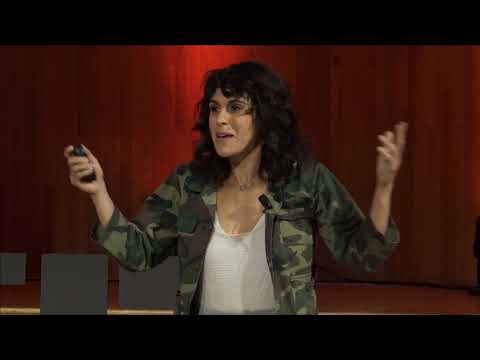
I was in my favorite place I was out in the forest with my six-year-old son
the forest with my six-year-old son
the forest with my six-year-old son exploring identifying plants and
exploring identifying plants and
exploring identifying plants and minerals and scrambling along the river
minerals and scrambling along the river
minerals and scrambling along the river rocks climbing through the trees when
rocks climbing through the trees when
rocks climbing through the trees when whatever happened to catch my attention
whatever happened to catch my attention
whatever happened to catch my attention the time made him burst out mommy you’re
the time made him burst out mommy you’re
the time made him burst out mommy you’re too curious be careful then might be
too curious be careful then might be
too curious be careful then might be right
right
right yeah my curiosity and situations like
yeah my curiosity and situations like
yeah my curiosity and situations like that have led me to a couple of mishaps
that have led me to a couple of mishaps
that have led me to a couple of mishaps but my fascination with nature also led
but my fascination with nature also led
but my fascination with nature also led me to become a scientist and more lately
me to become a scientist and more lately
me to become a scientist and more lately a scientist that works with designers
a scientist that works with designers
a scientist that works with designers scientists tend to look at materials
scientists tend to look at materials
scientists tend to look at materials from the molecule up designers kind of
from the molecule up designers kind of
from the molecule up designers kind of have a different approach from the top
have a different approach from the top
have a different approach from the top down thinking of construction but nature
down thinking of construction but nature
down thinking of construction but nature nature looks at materials from every
nature looks at materials from every
nature looks at materials from every direction
direction
direction nature makes exactly what it needs and
nature makes exactly what it needs and
nature makes exactly what it needs and doesn’t waste a thing complete recycling
doesn’t waste a thing complete recycling
doesn’t waste a thing complete recycling of matter and energy the byproducts of
of matter and energy the byproducts of
of matter and energy the byproducts of one reaction or the feedstock for the
one reaction or the feedstock for the
one reaction or the feedstock for the next symbiosis this is in stark contrast
next symbiosis this is in stark contrast
next symbiosis this is in stark contrast to the cradle-to-grave model of today’s
to the cradle-to-grave model of today’s
to the cradle-to-grave model of today’s fast fashion world ever-increasing
fast fashion world ever-increasing
fast fashion world ever-increasing consumption of finite resources toxic
consumption of finite resources toxic
consumption of finite resources toxic chemicals generation of massive amounts
chemicals generation of massive amounts
chemicals generation of massive amounts of waste which I’ve made fast fashion
of waste which I’ve made fast fashion
of waste which I’ve made fast fashion one of the most polluting industries in
one of the most polluting industries in
one of the most polluting industries in the world by studying some of nature’s
the world by studying some of nature’s
the world by studying some of nature’s best ideas we can transform and
best ideas we can transform and
best ideas we can transform and revolutionize the way we extract use and
revolutionize the way we extract use and
revolutionize the way we extract use and dispose of materials so
and imagine a new project runway
and imagine a new project runway challenge defined by a new set of
challenge defined by a new set of
challenge defined by a new set of boundary conditions with upper limits on
boundary conditions with upper limits on
boundary conditions with upper limits on environmental boundaries climate change
environmental boundaries climate change
environmental boundaries climate change freshwater use biodiversity loss and a
freshwater use biodiversity loss and a
freshwater use biodiversity loss and a lower foundation of a social justice and
lower foundation of a social justice and
lower foundation of a social justice and social equity foundation planetary
social equity foundation planetary
social equity foundation planetary boundaries that we cannot collectively
boundaries that we cannot collectively
boundaries that we cannot collectively exceed and a social justice foundation
exceed and a social justice foundation
exceed and a social justice foundation that no one should do without access to
that no one should do without access to
that no one should do without access to water healthcare a voice this is an
water healthcare a voice this is an
water healthcare a voice this is an inclusive and sustainable space to
inclusive and sustainable space to
inclusive and sustainable space to operate this is our new project runway
operate this is our new project runway
operate this is our new project runway challenge by looking at nature’s best
challenge by looking at nature’s best
challenge by looking at nature’s best ideas and adapting them for use we can
ideas and adapting them for use we can
ideas and adapting them for use we can operate into this face using rapidly
operate into this face using rapidly
operate into this face using rapidly replenishing abundant organisms and
replenishing abundant organisms and
replenishing abundant organisms and traditional methods we can create
traditional methods we can create
traditional methods we can create products that biodegrade at the end of
products that biodegrade at the end of
products that biodegrade at the end of their useful life like in nature to
their useful life like in nature to
their useful life like in nature to become nutrients for the next generation
become nutrients for the next generation
become nutrients for the next generation of materials revolution after revolution
of materials revolution after revolution
of materials revolution after revolution we can close the loop on the cradle to
we can close the loop on the cradle to
we can close the loop on the cradle to grave with a regenerative biomimetic
grave with a regenerative biomimetic
grave with a regenerative biomimetic approach to a product’s lifecycle the
approach to a product’s lifecycle the
approach to a product’s lifecycle the products themselves can come from living
products themselves can come from living
products themselves can come from living materials microbes bacteria fungi kelp
materials microbes bacteria fungi kelp
materials microbes bacteria fungi kelp these may be the fabric factories of the
these may be the fabric factories of the
these may be the fabric factories of the future fed just sugar and tea a
future fed just sugar and tea a
future fed just sugar and tea a symbiotic colony of yeast and bacteria
symbiotic colony of yeast and bacteria
symbiotic colony of yeast and bacteria what we know is kombucha culture spin
what we know is kombucha culture spin
what we know is kombucha culture spin cellulosic fibers the exile and bacteria
cellulosic fibers the exile and bacteria
cellulosic fibers the exile and bacteria present is the only thing outside of
present is the only thing outside of
present is the only thing outside of plants that can make cellulose most
plants that can make cellulose most
plants that can make cellulose most things need a cell wall to make
things need a cell wall to make
things need a cell wall to make cellulose but not this bacteria with
cellulose but not this bacteria with
cellulose but not this bacteria with simple it’s a simple organism that has
simple it’s a simple organism that has
simple it’s a simple organism that has an amazing function it can grow
an amazing function it can grow
an amazing function it can grow cellulosic fibers that will grow and
cellulosic fibers that will grow and
cellulosic fibers that will grow and grow and the filaments will merge into a
grow and the filaments will merge into a
grow and the filaments will merge into a thick mat that raises to the top of the
thick mat that raises to the top of the
thick mat that raises to the top of the container which then can be taken out
container which then can be taken out
container which then can be taken out and dried to create a fabric that’s
and dried to create a fabric that’s
and dried to create a fabric that’s paper like or leather like
paper like or leather like
paper like or leather like the material has inherent challenges
the material has inherent challenges
the material has inherent challenges inhibiting direct translation to
inhibiting direct translation to
inhibiting direct translation to textiles Suzanne Lee was the first
textiles Suzanne Lee was the first
textiles Suzanne Lee was the first designer to explore use of this material
designer to explore use of this material
designer to explore use of this material and fashion design and during her
and fashion design and during her
and fashion design and during her fantastic TED talk grow your own clothes
fantastic TED talk grow your own clothes
fantastic TED talk grow your own clothes she laughed that this jacket that she
she laughed that this jacket that she
she laughed that this jacket that she was wearing on stage was swelling up
was wearing on stage was swelling up
was wearing on stage was swelling up with water and falling apart on her and
with water and falling apart on her and
with water and falling apart on her and although that might be exciting
although that might be exciting
although that might be exciting performance piece it was not exactly
performance piece it was not exactly
performance piece it was not exactly functional textile so some of the big
functional textile so some of the big
functional textile so some of the big challenges are water resistance strength
challenges are water resistance strength
challenges are water resistance strength flexibility so a team of students at MIT
flexibility so a team of students at MIT
flexibility so a team of students at MIT and faculty advisors teamed up to dress
and faculty advisors teamed up to dress
and faculty advisors teamed up to dress use natural methods to address some of
use natural methods to address some of
use natural methods to address some of these inherent material challenges we
these inherent material challenges we
these inherent material challenges we weren’t ready to let go of this ultimate
weren’t ready to let go of this ultimate
weren’t ready to let go of this ultimate cradle-to-cradle material so to snake
cradle-to-cradle material so to snake
cradle-to-cradle material so to snake eating its tail it just keeps
eating its tail it just keeps
eating its tail it just keeps regenerating so we set out to grow up
regenerating so we set out to grow up
regenerating so we set out to grow up their baby shoes we sought out natural
their baby shoes we sought out natural
their baby shoes we sought out natural techniques to improve the water
techniques to improve the water
techniques to improve the water resistance strength flexibility of the
resistance strength flexibility of the
resistance strength flexibility of the material we tried a lot of things we
material we tried a lot of things we
material we tried a lot of things we used plant oils and waxes to try to make
used plant oils and waxes to try to make
used plant oils and waxes to try to make it waterproof trying to mimic the
it waterproof trying to mimic the
it waterproof trying to mimic the hydrophobicity of a lotus leaf we
hydrophobicity of a lotus leaf we
hydrophobicity of a lotus leaf we thought we can make it stronger by
thought we can make it stronger by
thought we can make it stronger by embedding it with husk pineapple fibers
embedding it with husk pineapple fibers
embedding it with husk pineapple fibers only to have the material promptly snap
only to have the material promptly snap
only to have the material promptly snap in half so after a series of trial NARAS
in half so after a series of trial NARAS
in half so after a series of trial NARAS we decided to look to indigenous
we decided to look to indigenous
we decided to look to indigenous techniques indigenous processes like
techniques indigenous processes like
techniques indigenous processes like those of nature itself have been
those of nature itself have been
those of nature itself have been practiced and perfected over millennia
practiced and perfected over millennia
practiced and perfected over millennia Native American practices of the tanning
Native American practices of the tanning
Native American practices of the tanning and smoking produced exceptionally soft
and smoking produced exceptionally soft
and smoking produced exceptionally soft hides that stay pliable even after being
hides that stay pliable even after being
hides that stay pliable even after being exposed to water but would this work on
exposed to water but would this work on
exposed to water but would this work on microbial leather which is in fact not
microbial leather which is in fact not
microbial leather which is in fact not leather at all it’s actually cellulose
leather at all it’s actually cellulose
leather at all it’s actually cellulose well there’s only one way to find out
well there’s only one way to find out
well there’s only one way to find out and if you’re curious that’s what you do
and if you’re curious that’s what you do
and if you’re curious that’s what you do so would it work well it did
so would it work well it did
so would it work well it did the ancient techniques gave the material
the ancient techniques gave the material
the ancient techniques gave the material three times stronger both strength and
three times stronger both strength and
three times stronger both strength and flexibility over the eyes of grown
flexibility over the eyes of grown
flexibility over the eyes of grown material that was pretty exciting more
material that was pretty exciting more
material that was pretty exciting more than that in being the material
than that in being the material
than that in being the material water-resistant enclose to waterproof it
water-resistant enclose to waterproof it
water-resistant enclose to waterproof it improved the strength and flexibility
improved the strength and flexibility
improved the strength and flexibility and much much much to our surprise and
and much much much to our surprise and
and much much much to our surprise and imbue the material with extreme flame
imbue the material with extreme flame
imbue the material with extreme flame retardants this is a 2,000 degree torch
retardants this is a 2,000 degree torch
retardants this is a 2,000 degree torch the material does not excite unites the
the material does not excite unites the
the material does not excite unites the flame will not propagate down the fabric
this is really something a microbial
this is really something a microbial cellulose that does not ignite flame
cellulose that does not ignite flame
cellulose that does not ignite flame retardants are prepped chemicals from
retardants are prepped chemicals from
retardants are prepped chemicals from flame retardants are found in almost
flame retardants are found in almost
flame retardants are found in almost every American family with
every American family with
every American family with concentrations much higher in children
concentrations much higher in children
concentrations much higher in children and they’re linked to a myriad of health
and they’re linked to a myriad of health
and they’re linked to a myriad of health problems birth defects reproductive
problems birth defects reproductive
problems birth defects reproductive issues cognition issues neurological
issues cognition issues neurological
issues cognition issues neurological problems autoimmune diseases and
problems autoimmune diseases and
problems autoimmune diseases and possibly even cancer so the idea that we
possibly even cancer so the idea that we
possibly even cancer so the idea that we could use bacteria tea and sugar and
could use bacteria tea and sugar and
could use bacteria tea and sugar and knead of techniques and grow a fabric
knead of techniques and grow a fabric
knead of techniques and grow a fabric that didn’t catch on fire was very very
that didn’t catch on fire was very very
that didn’t catch on fire was very very exciting to us then we were really
exciting to us then we were really
exciting to us then we were really surprised so what do you do if it
surprised so what do you do if it
surprised so what do you do if it doesn’t catch on fire you keep hitting
doesn’t catch on fire you keep hitting
doesn’t catch on fire you keep hitting it with fire right that’s what a curious
it with fire right that’s what a curious
it with fire right that’s what a curious for sometimes so we just we took that
for sometimes so we just we took that
for sometimes so we just we took that 2000 degree torch and we held it onto
2000 degree torch and we held it onto
2000 degree torch and we held it onto the material the plaint flame would not
the material the plaint flame would not
the material the plaint flame would not propagate but we burnt it to an ash
propagate but we burnt it to an ash
propagate but we burnt it to an ash within an hour the material returned to
within an hour the material returned to
within an hour the material returned to its original form in my years as a
its original form in my years as a
its original form in my years as a material scientist I’ve never seen
material scientist I’ve never seen
material scientist I’ve never seen anything like this this opens up a wide
anything like this this opens up a wide
anything like this this opens up a wide range of applications and now I think
range of applications and now I think
range of applications and now I think about those fibers growing in the lab
about those fibers growing in the lab
about those fibers growing in the lab upstairs well will they grow up to be
upstairs well will they grow up to be
upstairs well will they grow up to be breakaway firefighters clothes non-toxic
breakaway firefighters clothes non-toxic
breakaway firefighters clothes non-toxic carpet backing display modules for trade
carpet backing display modules for trade
carpet backing display modules for trade shows that are biodegradable and
shows that are biodegradable and
shows that are biodegradable and non-toxic the little guys have so much
non-toxic the little guys have so much
non-toxic the little guys have so much potential
mycelium is another living material that
mycelium is another living material that can be grown to shape its a vegetative
can be grown to shape its a vegetative
can be grown to shape its a vegetative husk of fungi you might recognize it as
husk of fungi you might recognize it as
husk of fungi you might recognize it as that spidery white Network that goes
that spidery white Network that goes
that spidery white Network that goes across a tomato that kind of has a cut
across a tomato that kind of has a cut
across a tomato that kind of has a cut and starts to go bad or some old coffee
and starts to go bad or some old coffee
and starts to go bad or some old coffee grinds
grinds
grinds well it’s eating it it it’s a vegetative
well it’s eating it it it’s a vegetative
well it’s eating it it it’s a vegetative part of a mushroom and it has this
part of a mushroom and it has this
part of a mushroom and it has this fantastic ability to break down complex
fantastic ability to break down complex
fantastic ability to break down complex cellulose sick organisms well that’s
cellulose sick organisms well that’s
cellulose sick organisms well that’s great for us because we we wound up
great for us because we we wound up
great for us because we we wound up feeding it would chop waste and corn
feeding it would chop waste and corn
feeding it would chop waste and corn stalks and grew a pair of baby shoes
stalks and grew a pair of baby shoes
stalks and grew a pair of baby shoes exactly to shave which we then stitched
exactly to shave which we then stitched
exactly to shave which we then stitched together with pineapple top fibers husk
together with pineapple top fibers husk
together with pineapple top fibers husk from discarded pineapple tops which we
from discarded pineapple tops which we
from discarded pineapple tops which we forage from the local smoothie shop down
forage from the local smoothie shop down
forage from the local smoothie shop down on Broadway and then colored with
on Broadway and then colored with
on Broadway and then colored with pigment from our compost included
pigment from our compost included
pigment from our compost included including avocado seeds as well as
including avocado seeds as well as
including avocado seeds as well as indigo leaves fermented to a dye bath
indigo leaves fermented to a dye bath
indigo leaves fermented to a dye bath and at the end of eight weeks the
and at the end of eight weeks the
and at the end of eight weeks the students succeeded in growing a
students succeeded in growing a
students succeeded in growing a completely biodegradable non-toxic
completely biodegradable non-toxic
completely biodegradable non-toxic flame-retardant baby shoe your kid could
flame-retardant baby shoe your kid could
flame-retardant baby shoe your kid could eat this moccasin or or plant it and
eat this moccasin or or plant it and
eat this moccasin or or plant it and decompose it to grow another pair of the
decompose it to grow another pair of the
decompose it to grow another pair of the next size up to reinforce and emphasize
next size up to reinforce and emphasize
next size up to reinforce and emphasize the closed-loop nature of this shoe we
the closed-loop nature of this shoe we
the closed-loop nature of this shoe we embedded carrot seeds in the material
embedded carrot seeds in the material
embedded carrot seeds in the material before drying and embossing it the
before drying and embossing it the
before drying and embossing it the mature the shoe could be composted or
mature the shoe could be composted or
mature the shoe could be composted or planted and at the end of the summer
planted and at the end of the summer
planted and at the end of the summer your little one could have a carrot to
your little one could have a carrot to
your little one could have a carrot to chomp on could chop the top right off
chomp on could chop the top right off
chomp on could chop the top right off and use that pigment to die the next
and use that pigment to die the next
and use that pigment to die the next generation new materials so we set out
generation new materials so we set out
generation new materials so we set out we wanted to do and we grew a pair
the idea is to rethink textiles within a
the idea is to rethink textiles within a circular economy explaining nature’s
circular economy explaining nature’s
circular economy explaining nature’s process has perfected over 3.8 billion
process has perfected over 3.8 billion
process has perfected over 3.8 billion years since the formation of the first
years since the formation of the first
years since the formation of the first bacteria and utilizing indigenous
bacteria and utilizing indigenous
bacteria and utilizing indigenous knowledge and tradition to create
knowledge and tradition to create
knowledge and tradition to create materials that operate within that safe
materials that operate within that safe
materials that operate within that safe space for sustainable and just living
space for sustainable and just living
space for sustainable and just living these materials use no synthetic
these materials use no synthetic
these materials use no synthetic chemicals no petrochemicals simple
chemicals no petrochemicals simple
chemicals no petrochemicals simple minimal materials generate little waste
minimal materials generate little waste
minimal materials generate little waste they can be accessed by anyone in the
they can be accessed by anyone in the
they can be accessed by anyone in the world Nature has provided us with the
world Nature has provided us with the
world Nature has provided us with the handbook accessible to students here at
handbook accessible to students here at
handbook accessible to students here at MIT to indigenous artisans and coastal
MIT to indigenous artisans and coastal
MIT to indigenous artisans and coastal communities around the world picture
communities around the world picture
communities around the world picture these artisans weaving kelp based yarn
these artisans weaving kelp based yarn
these artisans weaving kelp based yarn dyed with local natural traditional
dyed with local natural traditional
dyed with local natural traditional pigment in their traditional culture for
pigment in their traditional culture for
pigment in their traditional culture for mikkel forest buffering a vulnerable
mikkel forest buffering a vulnerable
mikkel forest buffering a vulnerable coastal community from the effects of
coastal community from the effects of
coastal community from the effects of climate change well we did actually at
climate change well we did actually at
climate change well we did actually at alginate over the last year we’ve been
alginate over the last year we’ve been
alginate over the last year we’ve been exploring biopolymers extracted from
exploring biopolymers extracted from
exploring biopolymers extracted from kelp
kelp
kelp we’ve created a dimensional film and
we’ve created a dimensional film and
we’ve created a dimensional film and then at textile well why kelp right I
then at textile well why kelp right I
then at textile well why kelp right I mean why bacteria why why kelp kelp is
mean why bacteria why why kelp kelp is
mean why bacteria why why kelp kelp is one of the most rapidly replenishing
one of the most rapidly replenishing
one of the most rapidly replenishing fastest growing organisms in the world
fastest growing organisms in the world
fastest growing organisms in the world it can grow up to two feet per day that
it can grow up to two feet per day that
it can grow up to two feet per day that makes it a huge source sink for carbon
makes it a huge source sink for carbon
makes it a huge source sink for carbon dioxide emissions it also is an amazing
dioxide emissions it also is an amazing
dioxide emissions it also is an amazing ability to absorb agricultural runoff
ability to absorb agricultural runoff
ability to absorb agricultural runoff from factory farm fertilizer as well as
from factory farm fertilizer as well as
from factory farm fertilizer as well as municipal wastes turning that waste
municipal wastes turning that waste
municipal wastes turning that waste right into biomass it can rehab ‘it ate
right into biomass it can rehab ‘it ate
right into biomass it can rehab ‘it ate damaged fishing communities and increase
damaged fishing communities and increase
damaged fishing communities and increase the biodiversity marine biodiversity in
the biodiversity marine biodiversity in
the biodiversity marine biodiversity in areas suffering from coral bleaching
areas suffering from coral bleaching
areas suffering from coral bleaching ocean acidification and the effects of
ocean acidification and the effects of
ocean acidification and the effects of climate change kelp has a number of
climate change kelp has a number of
climate change kelp has a number of nutrients which make it a valuable food
nutrients which make it a valuable food
nutrients which make it a valuable food and
and
and Eliezer and now as you’ll see a
Eliezer and now as you’ll see a
Eliezer and now as you’ll see a biomaterial that can operate in a
biomaterial that can operate in a
biomaterial that can operate in a closed-loop life cycle so we start with
closed-loop life cycle so we start with
closed-loop life cycle so we start with seaweed we extract a biopolymer called
seaweed we extract a biopolymer called
seaweed we extract a biopolymer called alginate in a powder form which we can
alginate in a powder form which we can
alginate in a powder form which we can then turn into a hydrogel and using a
then turn into a hydrogel and using a
then turn into a hydrogel and using a variety of different methods we can cast
variety of different methods we can cast
variety of different methods we can cast it into a thick film or extrude it into
it into a thick film or extrude it into
it into a thick film or extrude it into a fiber here’s a little clip of our
a fiber here’s a little clip of our
a fiber here’s a little clip of our extrusion process sorry
extrusion process sorry
extrusion process sorry patience
so the paste is extruded into a cheering
so the paste is extruded into a cheering bath where chemicals cross-linked the
bath where chemicals cross-linked the
bath where chemicals cross-linked the polymer chains into these long fibers
polymer chains into these long fibers
polymer chains into these long fibers suitable for a textile the only
suitable for a textile the only
suitable for a textile the only by-product is sodium chloride ordinary
by-product is sodium chloride ordinary
by-product is sodium chloride ordinary table salt from there we put it on a
table salt from there we put it on a
table salt from there we put it on a winder so they can dehydrated and
winder so they can dehydrated and
winder so they can dehydrated and strengthen the material and then we can
strengthen the material and then we can
strengthen the material and then we can use it as a bio yarn it has materials
use it as a bio yarn it has materials
use it as a bio yarn it has materials prop the has properties similar to a
prop the has properties similar to a
prop the has properties similar to a monofilament fiber we’ve been exploring
monofilament fiber we’ve been exploring
monofilament fiber we’ve been exploring with nap dyes from natural pigment and
with nap dyes from natural pigment and
with nap dyes from natural pigment and like the other biomaterials mycelium and
like the other biomaterials mycelium and
like the other biomaterials mycelium and microbial cellulose natural pigment from
microbial cellulose natural pigment from
microbial cellulose natural pigment from co-channel marigold your compost readily
co-channel marigold your compost readily
co-channel marigold your compost readily bind to the alginate based gels and
bind to the alginate based gels and
bind to the alginate based gels and fibers and what’s very exciting about
fibers and what’s very exciting about
fibers and what’s very exciting about this is that we can incorporate the
this is that we can incorporate the
this is that we can incorporate the color directly into the pace before
color directly into the pace before
color directly into the pace before extrusion or casting of the films
extrusion or casting of the films
extrusion or casting of the films eliminating the water use and emissions
eliminating the water use and emissions
eliminating the water use and emissions of dip dyeing practices well it wasn’t
of dip dyeing practices well it wasn’t
of dip dyeing practices well it wasn’t always like this our first iteration is
always like this our first iteration is
always like this our first iteration is like a bio yarn kind of turned into
like a bio yarn kind of turned into
like a bio yarn kind of turned into something like a dried ramen noodle
something like a dried ramen noodle
something like a dried ramen noodle basically overnight but we’ve been
basically overnight but we’ve been
basically overnight but we’ve been working with our friends at Columbia
working with our friends at Columbia
working with our friends at Columbia University engineering iterating
University engineering iterating
University engineering iterating chemical modification modifying our
chemical modification modifying our
chemical modification modifying our recipe and doing mechanical testing so
recipe and doing mechanical testing so
recipe and doing mechanical testing so that we can improve the elasticity
that we can improve the elasticity
that we can improve the elasticity enough that this can now be knit on an
enough that this can now be knit on an
enough that this can now be knit on an industrial knitting machine as well as
industrial knitting machine as well as
industrial knitting machine as well as it is strength so we can see it evolve
it is strength so we can see it evolve
it is strength so we can see it evolve to a fully functional versatile textile
to a fully functional versatile textile
to a fully functional versatile textile fiber this is our first zero waste hand
fiber this is our first zero waste hand
fiber this is our first zero waste hand knit to shape tank top I’m wearing it
knit to shape tank top I’m wearing it
knit to shape tank top I’m wearing it now for the first time on the Ted stairs
it feels great makes me want to go
it feels great makes me want to go swimming it’s knit to shape eliminating
swimming it’s knit to shape eliminating
swimming it’s knit to shape eliminating eliminating waste in the production
eliminating waste in the production
eliminating waste in the production phase and at the end of its useful life
phase and at the end of its useful life
phase and at the end of its useful life well it’ll put nutrients in the soil to
well it’ll put nutrients in the soil to
well it’ll put nutrients in the soil to grow and so the next generation as with
grow and so the next generation as with
grow and so the next generation as with our bio film bio yarns we had some
our bio film bio yarns we had some
our bio film bio yarns we had some trouble with our bio films in the
trouble with our bio films in the
trouble with our bio films in the beginning they were really prone to
beginning they were really prone to
beginning they were really prone to shrinking and distortion but again by
shrinking and distortion but again by
shrinking and distortion but again by working with chemical engineering and
working with chemical engineering and
working with chemical engineering and mechanical engineering and applying a
mechanical engineering and applying a
mechanical engineering and applying a fascination with nature a team of
fascination with nature a team of
fascination with nature a team of science and design we were able to
science and design we were able to
science and design we were able to iterate formulations and now we have a
iterate formulations and now we have a
iterate formulations and now we have a film that we can reliably cast and mold
film that we can reliably cast and mold
film that we can reliably cast and mold into different shapes this is really
into different shapes this is really
into different shapes this is really exciting beyond clothing and apparel we
exciting beyond clothing and apparel we
exciting beyond clothing and apparel we can think of this as an alternative
can think of this as an alternative
can think of this as an alternative material for bio plastics so instead of
material for bio plastics so instead of
material for bio plastics so instead of petrochemical based plastics and
petrochemical based plastics and
petrochemical based plastics and synthetic fibers we can have a kelp
synthetic fibers we can have a kelp
synthetic fibers we can have a kelp based firebird that’s just fully
based firebird that’s just fully
based firebird that’s just fully compostable and uses minimal waste so
compostable and uses minimal waste so
compostable and uses minimal waste so what’s next for us well we can further
what’s next for us well we can further
what’s next for us well we can further improve the properties by modifying the
improve the properties by modifying the
improve the properties by modifying the form factor we have hacked some 3d
form factor we have hacked some 3d
form factor we have hacked some 3d printers that can 3d print kelp again
printers that can 3d print kelp again
printers that can 3d print kelp again having zero waste in that production
having zero waste in that production
having zero waste in that production phase and we look forward to realizing
phase and we look forward to realizing
phase and we look forward to realizing our prototype for a pair of algae kicks
our prototype for a pair of algae kicks
our prototype for a pair of algae kicks a performance-based sneaker with a
a performance-based sneaker with a
a performance-based sneaker with a machine knit upper and a 3d printed kelp
machine knit upper and a 3d printed kelp
machine knit upper and a 3d printed kelp based sole each of these materials have
based sole each of these materials have
based sole each of these materials have inherent challenges that need to be
inherent challenges that need to be
inherent challenges that need to be overcome and in the spirit of stitching
overcome and in the spirit of stitching
overcome and in the spirit of stitching together nature based solutions to some
together nature based solutions to some
together nature based solutions to some of these global problems algae knit and
of these global problems algae knit and
of these global problems algae knit and grow a pair teamed up to produce the
grow a pair teamed up to produce the
grow a pair teamed up to produce the waterproof flame retardant sneakers and
waterproof flame retardant sneakers and
waterproof flame retardant sneakers and I’m wearing right now they have a
I’m wearing right now they have a
I’m wearing right now they have a coconut husk and kelp based in Seoul on
coconut husk and kelp based in Seoul on
coconut husk and kelp based in Seoul on microbial leather upper that’s been
microbial leather upper that’s been
microbial leather upper that’s been tanned and treated they’re completely
tanned and treated they’re completely
tanned and treated they’re completely waterproof the material was strong
waterproof the material was strong
waterproof the material was strong enough to endure an industrial sewing
enough to endure an industrial sewing
enough to endure an industrial sewing machine
machine
machine and unfortunately they don’t let you
and unfortunately they don’t let you
and unfortunately they don’t let you take a 2,000 degree torch on stage
take a 2,000 degree torch on stage
take a 2,000 degree torch on stage because it would be pretty fun to walk
because it would be pretty fun to walk
because it would be pretty fun to walk through fire right now these are the
through fire right now these are the
through fire right now these are the minds the hearts and the hands behind
minds the hearts and the hands behind
minds the hearts and the hands behind this work we’re curious as to what you
this work we’re curious as to what you
this work we’re curious as to what you see in nature striking color from a
see in nature striking color from a
see in nature striking color from a geometric layering of feathers on a bird
geometric layering of feathers on a bird
geometric layering of feathers on a bird the blueprints for a carbon sequestering
the blueprints for a carbon sequestering
the blueprints for a carbon sequestering bio concrete and the shell of a mollusk
bio concrete and the shell of a mollusk
bio concrete and the shell of a mollusk I mean really the possibilities are
I mean really the possibilities are
I mean really the possibilities are endless and the only limit is our
endless and the only limit is our
endless and the only limit is our imagination so please stay curious thank
imagination so please stay curious thank
imagination so please stay curious thank you
you
you [Applause]
”
Be First to Comment