
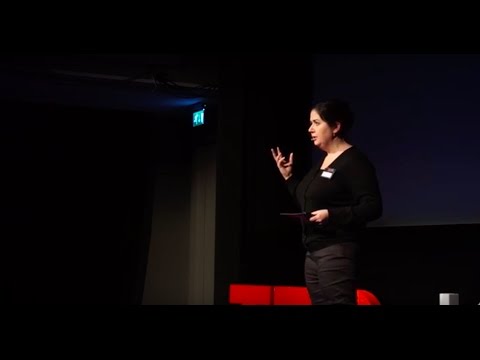
oh it’s a lovely darkness I see over here hi i would like to start by doing a
here hi i would like to start by doing a
here hi i would like to start by doing a little a five second experiment i would
little a five second experiment i would
little a five second experiment i would like for you to imagine a person in
like for you to imagine a person in
like for you to imagine a person in front of you this person is an american
front of you this person is an american
front of you this person is an american professor of computer science one two
professor of computer science one two
professor of computer science one two three four five now i would like those
three four five now i would like those
three four five now i would like those of you who imagine the men to raise your
of you who imagine the men to raise your
of you who imagine the men to raise your hands yeah that’s the majority i think
hands yeah that’s the majority i think
hands yeah that’s the majority i think and those of you who imagine the woman
and those of you who imagine the woman
and those of you who imagine the woman please raise your hands i see a few
please raise your hands i see a few
please raise your hands i see a few hands up that’s pretty awesome and you
hands up that’s pretty awesome and you
hands up that’s pretty awesome and you just demonstrated this marvelous ability
just demonstrated this marvelous ability
just demonstrated this marvelous ability of a human brain to take five words and
of a human brain to take five words and
of a human brain to take five words and then imagine a complete person in front
then imagine a complete person in front
then imagine a complete person in front of you so your brain has accumulated
of you so your brain has accumulated
of you so your brain has accumulated over the years a large amount of data
over the years a large amount of data
over the years a large amount of data and it just so happened that the
and it just so happened that the
and it just so happened that the majority of the professors that we had
majority of the professors that we had
majority of the professors that we had an engineering were probably men and
an engineering were probably men and
an engineering were probably men and when you look at the names of the
when you look at the names of the
when you look at the names of the textbooks which we studied there were
textbooks which we studied there were
textbooks which we studied there were also probably men and this is why when
also probably men and this is why when
also probably men and this is why when you try to generalize and the your brain
you try to generalize and the your brain
you try to generalize and the your brain generalizes in this particular way you
generalizes in this particular way you
generalizes in this particular way you imagine a male professor of computer
imagine a male professor of computer
imagine a male professor of computer science and now I get slides which are
science and now I get slides which are
science and now I get slides which are right and i just wanted to show my two
right and i just wanted to show my two
right and i just wanted to show my two favorite of professors of computer
favorite of professors of computer
favorite of professors of computer science and on your left this is an
science and on your left this is an
science and on your left this is an elysian scale so she is a professor of
elysian scale so she is a professor of
elysian scale so she is a professor of cryptology at Brown University and on
cryptology at Brown University and on
cryptology at Brown University and on the left is an room face ski so she’s a
the left is an room face ski so she’s a
the left is an room face ski so she’s a professor at University of Massachusetts
professor at University of Massachusetts
professor at University of Massachusetts she’s ahead of the natural language
she’s ahead of the natural language
she’s ahead of the natural language processing lab and they actually both
processing lab and they actually both
processing lab and they actually both American but they’re naturalized
American but they’re naturalized
American but they’re naturalized citizens which has to say like me they
citizens which has to say like me they
citizens which has to say like me they came with their parents from Soviet
came with their parents from Soviet
came with their parents from Soviet Union so a bit of an aunty stereotype if
Union so a bit of an aunty stereotype if
Union so a bit of an aunty stereotype if you will so let’s take another example
you will so let’s take another example
you will so let’s take another example it’s the first day of Swedish school a
it’s the first day of Swedish school a
it’s the first day of Swedish school a woman comes to pick up her children
woman comes to pick up her children
woman comes to pick up her children she’s in her late thirties she has black
she’s in her late thirties she has black
she’s in her late thirties she has black hair she speaks English with a funny
hair she speaks English with a funny
hair she speaks English with a funny accent the children she’s picking up
accent the children she’s picking up
accent the children she’s picking up speak perfect Swedish if you’re a
speak perfect Swedish if you’re a
speak perfect Swedish if you’re a teacher to assume she’s a nanny or
teacher to assume she’s a nanny or
teacher to assume she’s a nanny or mother and turns out if you’re a teacher
mother and turns out if you’re a teacher
mother and turns out if you’re a teacher you assume she’s a nanny
you assume she’s a nanny
you assume she’s a nanny yeah and this woman is actually me and
yeah and this woman is actually me and
yeah and this woman is actually me and that’s me in September picking up my
that’s me in September picking up my
that’s me in September picking up my children from school and being a bit
children from school and being a bit
children from school and being a bit surprised by this kind of categorization
surprised by this kind of categorization
surprised by this kind of categorization but that’s yet another ability of our
but that’s yet another ability of our
but that’s yet another ability of our marvelous ability of our human brains to
marvelous ability of our human brains to
marvelous ability of our human brains to take a situation to take this fairly
take a situation to take this fairly
take a situation to take this fairly complex person working in and to reduce
complex person working in and to reduce
complex person working in and to reduce this person to to a few simple
this person to to a few simple
this person to to a few simple categories stereotyping if you will and
the interesting thing is that it’s an
the interesting thing is that it’s an evolutionary characteristic so it used
evolutionary characteristic so it used
evolutionary characteristic so it used to be very helpful for our caveman
to be very helpful for our caveman
to be very helpful for our caveman ancestors to be able to see a person or
ancestors to be able to see a person or
ancestors to be able to see a person or evaluate a situation super super quickly
evaluate a situation super super quickly
evaluate a situation super super quickly and to decide whether it’s dangerous or
and to decide whether it’s dangerous or
and to decide whether it’s dangerous or not but these days especially in
not but these days especially in
not but these days especially in developed countries this is not
developed countries this is not
developed countries this is not particularly helpful in fact a little
particularly helpful in fact a little
particularly helpful in fact a little bit the reverse in some of the cases so
bit the reverse in some of the cases so
bit the reverse in some of the cases so my nanny example is pretty benign but
my nanny example is pretty benign but
my nanny example is pretty benign but let’s consider another example it’s 2014
let’s consider another example it’s 2014
let’s consider another example it’s 2014 12 year old kid is playing at a
12 year old kid is playing at a
12 year old kid is playing at a playground he has a toy gun for some
playground he has a toy gun for some
playground he has a toy gun for some reason the police gets called to the
reason the police gets called to the
reason the police gets called to the scene and within two seconds of arriving
scene and within two seconds of arriving
scene and within two seconds of arriving they shoot the kid he dies in the
they shoot the kid he dies in the
they shoot the kid he dies in the hospital the name of the kiedis Tamir
hospital the name of the kiedis Tamir
hospital the name of the kiedis Tamir rice and you probably heard the story
rice and you probably heard the story
rice and you probably heard the story the kid is black and he unfortunately
the kid is black and he unfortunately
the kid is black and he unfortunately belonged to one of the simplified
belonged to one of the simplified
belonged to one of the simplified categories which has certain negative
categories which has certain negative
categories which has certain negative association to itself within the minds
association to itself within the minds
association to itself within the minds of most people now if I ask most of you
of most people now if I ask most of you
of most people now if I ask most of you here whether you’re racist or whether
here whether you’re racist or whether
here whether you’re racist or whether you think women can’t do programming
you think women can’t do programming
you think women can’t do programming most of you would for sure say no
most of you would for sure say no
most of you would for sure say no absolutely not but as it turned out the
absolutely not but as it turned out the
absolutely not but as it turned out the majority of us have certain internal
majority of us have certain internal
majority of us have certain internal beliefs certain unconscious beliefs
beliefs certain unconscious beliefs
beliefs certain unconscious beliefs which rely this so eighty to ninety
which rely this so eighty to ninety
which rely this so eighty to ninety percent of what happens in our brain as
percent of what happens in our brain as
percent of what happens in our brain as it turns out is unconscious and it’s
it turns out is unconscious and it’s
it turns out is unconscious and it’s really marvelous how we are able to do
really marvelous how we are able to do
really marvelous how we are able to do things instantaneously well with our
things instantaneously well with our
things instantaneously well with our brains how were able to evaluate the
brains how were able to evaluate the
brains how were able to evaluate the situations but at the same time this
situations but at the same time this
situations but at the same time this information this processing that we do
information this processing that we do
information this processing that we do unconsciously based on the data that we
unconsciously based on the data that we
unconsciously based on the data that we encountered throughout our lives
encountered throughout our lives
encountered throughout our lives leads us wrong and then the question
leads us wrong and then the question
leads us wrong and then the question also becomes are we able to figure out
also becomes are we able to figure out
also becomes are we able to figure out if we have this type of unconscious
if we have this type of unconscious
if we have this type of unconscious biases because I can’t ask you a
biases because I can’t ask you a
biases because I can’t ask you a questions you’re obviously going to tell
questions you’re obviously going to tell
questions you’re obviously going to tell me know and at the end of the 90s this
me know and at the end of the 90s this
me know and at the end of the 90s this wonderful test was developed called
wonderful test was developed called
wonderful test was developed called implicit association test that can
implicit association test that can
implicit association test that can measure exactly this the way it works is
measure exactly this the way it works is
measure exactly this the way it works is like this let’s say there are two
like this let’s say there are two
like this let’s say there are two categories women and men and let’s say
categories women and men and let’s say
categories women and men and let’s say we create two sets of words some of them
we create two sets of words some of them
we create two sets of words some of them are about technology and others are
are about technology and others are
are about technology and others are about home or home making now in
about home or home making now in
about home or home making now in implicit association test you are asked
implicit association test you are asked
implicit association test you are asked to categorized women and technology and
to categorized women and technology and
to categorized women and technology and men and homemaking and then you measure
men and homemaking and then you measure
men and homemaking and then you measure how long it takes and then you ask to
how long it takes and then you ask to
how long it takes and then you ask to categorize women and homemaking and men
categorize women and homemaking and men
categorize women and homemaking and men and technology and you measure how long
and technology and you measure how long
and technology and you measure how long it takes and depending on whether one
it takes and depending on whether one
it takes and depending on whether one takes longer than the other you know
takes longer than the other you know
takes longer than the other you know that whether you have an implicit bias
that whether you have an implicit bias
that whether you have an implicit bias toward one or the other thing now it’s
toward one or the other thing now it’s
toward one or the other thing now it’s very embarrassing but it takes me twice
very embarrassing but it takes me twice
very embarrassing but it takes me twice as long approximately twice as long to
as long approximately twice as long to
as long approximately twice as long to categorize women together with
categorize women together with
categorize women together with technology and it’s embarrassing because
technology and it’s embarrassing because
technology and it’s embarrassing because I’ve been 12 years in the tech industry
I’ve been 12 years in the tech industry
I’ve been 12 years in the tech industry and before that I’ve been at the
and before that I’ve been at the
and before that I’ve been at the University for a rather long time and
University for a rather long time and
University for a rather long time and more or less the same thing happens when
more or less the same thing happens when
more or less the same thing happens when I try to see whether i associate black
I try to see whether i associate black
I try to see whether i associate black people with good things or not so try it
people with good things or not so try it
people with good things or not so try it out turns out that that most people have
out turns out that that most people have
out turns out that that most people have this beliefs to one degree or another
this beliefs to one degree or another
this beliefs to one degree or another it’s rare people who don’t and I find
it’s rare people who don’t and I find
it’s rare people who don’t and I find that this is really eye-opening at the
that this is really eye-opening at the
that this is really eye-opening at the same time this ability of our brains to
same time this ability of our brains to
same time this ability of our brains to do this type of generalization to do
do this type of generalization to do
do this type of generalization to do things very quickly and evaluate the
things very quickly and evaluate the
things very quickly and evaluate the situations is really useful if you think
situations is really useful if you think
situations is really useful if you think about driving a car everyday as you’re
about driving a car everyday as you’re
about driving a car everyday as you’re driving you encounter new situations and
driving you encounter new situations and
driving you encounter new situations and yet you’re able to judge what’s going on
yet you’re able to judge what’s going on
yet you’re able to judge what’s going on in them to explain things to predict
in them to explain things to predict
in them to explain things to predict where other cars are going and to figure
where other cars are going and to figure
where other cars are going and to figure out what you should do next very very
out what you should do next very very
out what you should do next very very quickly and we would like computers to
quickly and we would like computers to
quickly and we would like computers to be able to do the same thing and much
be able to do the same thing and much
be able to do the same thing and much that’s what machine learning algorithms
that’s what machine learning algorithms
that’s what machine learning algorithms are supposed to be able to do they’re
are supposed to be able to do they’re
are supposed to be able to do they’re supposed to be able to generalize in a
supposed to be able to generalize in a
supposed to be able to generalize in a way that is similar to the human brains
way that is similar to the human brains
way that is similar to the human brains so we’re machine learning algorithms are
so we’re machine learning algorithms are
so we’re machine learning algorithms are useful is in situations where there are
useful is in situations where there are
useful is in situations where there are no simple rules so you can adjust
no simple rules so you can adjust
no simple rules so you can adjust program precisely the rules and in
program precisely the rules and in
program precisely the rules and in situations where adaptation is required
situations where adaptation is required
situations where adaptation is required so for example fraudulent credit card
so for example fraudulent credit card
so for example fraudulent credit card transactions where the fraudsters keep
transactions where the fraudsters keep
transactions where the fraudsters keep changing in what way they gain the
changing in what way they gain the
changing in what way they gain the system’s it’s very helpful to be able to
system’s it’s very helpful to be able to
system’s it’s very helpful to be able to adapt things so machine learning
adapt things so machine learning
adapt things so machine learning algorithms are sort of like babies you
algorithms are sort of like babies you
algorithms are sort of like babies you give them pieces of data and they learn
give them pieces of data and they learn
give them pieces of data and they learn from this data what’s going on and then
from this data what’s going on and then
from this data what’s going on and then you want to be able to give them an
you want to be able to give them an
you want to be able to give them an entirely new piece of data and for them
entirely new piece of data and for them
entirely new piece of data and for them to be able to explain it using the data
to be able to explain it using the data
to be able to explain it using the data they’ve seen before and it’s very cool
they’ve seen before and it’s very cool
they’ve seen before and it’s very cool because there are certain human biases
because there are certain human biases
because there are certain human biases of which are many and many that machine
of which are many and many that machine
of which are many and many that machine learning algorithms are very good at
learning algorithms are very good at
learning algorithms are very good at dealing with for example there is
dealing with for example there is
dealing with for example there is anchoring bias which says that the very
anchoring bias which says that the very
anchoring bias which says that the very first piece of data the human brain see
first piece of data the human brain see
first piece of data the human brain see will latch onto it and it becomes extra
will latch onto it and it becomes extra
will latch onto it and it becomes extra important so that’s why you never want
important so that’s why you never want
important so that’s why you never want to be the first to list a salary in the
to be the first to list a salary in the
to be the first to list a salary in the negotiations during in during the job
negotiations during in during the job
negotiations during in during the job negotiations but you know at the same
negotiations but you know at the same
negotiations but you know at the same time and there are other types of things
time and there are other types of things
time and there are other types of things where things become a little bit more
where things become a little bit more
where things become a little bit more problematic so in general we feel that
problematic so in general we feel that
problematic so in general we feel that machine’s they don’t have opinions and
machine’s they don’t have opinions and
machine’s they don’t have opinions and therefore they’re not biased they can’t
therefore they’re not biased they can’t
therefore they’re not biased they can’t stereotype you know they’re not they
stereotype you know they’re not they
stereotype you know they’re not they they’re not human and exactly the same
they’re not human and exactly the same
they’re not human and exactly the same way humans are but it’s us who creates
way humans are but it’s us who creates
way humans are but it’s us who creates these things and it’s us who fit some
these things and it’s us who fit some
these things and it’s us who fit some data and i’m going to show you three
data and i’m going to show you three
data and i’m going to show you three different ways in which machine learning
different ways in which machine learning
different ways in which machine learning algorithms can become if you would
algorithms can become if you would
algorithms can become if you would biased so one of them is the underlying
biased so one of them is the underlying
biased so one of them is the underlying data bias so if you give if you have
data bias so if you give if you have
data bias so if you give if you have information about what kind of jobs
information about what kind of jobs
information about what kind of jobs women hold you will discover that women
women hold you will discover that women
women hold you will discover that women tend to hold a lot of more low-paying
tend to hold a lot of more low-paying
tend to hold a lot of more low-paying jobs and if you use it as an input to
jobs and if you use it as an input to
jobs and if you use it as an input to algorithm you need to be really well
algorithm you need to be really well
algorithm you need to be really well aware that you may be perpetuating the
aware that you may be perpetuating the
aware that you may be perpetuating the bias you may be training on things which
bias you may be training on things which
bias you may be training on things which are not exactly like the things you want
are not exactly like the things you want
are not exactly like the things you want to be looking in the future necessarily
to be looking in the future necessarily
to be looking in the future necessarily or if you are trying to figure out whom
or if you are trying to figure out whom
or if you are trying to figure out whom to give the mortgage and you use in 30
to give the mortgage and you use in 30
to give the mortgage and you use in 30 years of mortgage they
years of mortgage they
years of mortgage they from us you might discover that your
from us you might discover that your
from us you might discover that your algorithm is a little bit racist because
algorithm is a little bit racist because
algorithm is a little bit racist because the underlying data reflects systemic
the underlying data reflects systemic
the underlying data reflects systemic racism then we can just think about what
racism then we can just think about what
racism then we can just think about what kind of questions do we ask our
kind of questions do we ask our
kind of questions do we ask our algorithms to solve so where do you see
algorithms to solve so where do you see
algorithms to solve so where do you see machine learning algorithms normally so
machine learning algorithms normally so
machine learning algorithms normally so you go to youtube some of them some are
you go to youtube some of them some are
you go to youtube some of them some are you on the daily basis and you know you
you on the daily basis and you know you
you on the daily basis and you know you watch a video and then it suggests to
watch a video and then it suggests to
watch a video and then it suggests to you the next video well that’s lovely or
you the next video well that’s lovely or
you the next video well that’s lovely or your credit card company calls and says
your credit card company calls and says
your credit card company calls and says oh you your credit card transaction was
oh you your credit card transaction was
oh you your credit card transaction was denied because we think it’s fraudulent
denied because we think it’s fraudulent
denied because we think it’s fraudulent well that’s kind of handy if it’s
well that’s kind of handy if it’s
well that’s kind of handy if it’s actually fraudulent or you can provide
actually fraudulent or you can provide
actually fraudulent or you can provide some information to the teachers and say
some information to the teachers and say
some information to the teachers and say these particular kids in your class
these particular kids in your class
these particular kids in your class they’re at risk of dropping out we can
they’re at risk of dropping out we can
they’re at risk of dropping out we can tell this to you right now at the
tell this to you right now at the
tell this to you right now at the beginning of the class so you can spend
beginning of the class so you can spend
beginning of the class so you can spend a bit more of your valuable time with
a bit more of your valuable time with
a bit more of your valuable time with them that’s pretty nice but you can also
them that’s pretty nice but you can also
them that’s pretty nice but you can also ask approximately the same question but
ask approximately the same question but
ask approximately the same question but now or take the same kids in the class
now or take the same kids in the class
now or take the same kids in the class and build a model where we will tell you
and build a model where we will tell you
and build a model where we will tell you which of those kids will become
which of those kids will become
which of those kids will become criminals later in your life in their
criminals later in your life in their
criminals later in your life in their lives and then you kind of got to wonder
lives and then you kind of got to wonder
lives and then you kind of got to wonder whether you want to leave in this
whether you want to leave in this
whether you want to leave in this minority report type world where you
minority report type world where you
minority report type world where you know yeah the machines are kind of
know yeah the machines are kind of
know yeah the machines are kind of ethical e blind but the questions we ask
ethical e blind but the questions we ask
ethical e blind but the questions we ask have certain ethical implications and we
have certain ethical implications and we
have certain ethical implications and we need to be very well aware of them a
need to be very well aware of them a
need to be very well aware of them a third example is in terms of evaluation
third example is in terms of evaluation
third example is in terms of evaluation of algorithms so sometime last year it
of algorithms so sometime last year it
of algorithms so sometime last year it turns out that google images which is
turns out that google images which is
turns out that google images which is incredibly good at putting images
incredibly good at putting images
incredibly good at putting images together into categories of related
together into categories of related
together into categories of related images was putting together black people
images was putting together black people
images was putting together black people and apes into the same category
and apes into the same category
and apes into the same category sometimes and if you think about it it’s
sometimes and if you think about it it’s
sometimes and if you think about it it’s very likely that these algorithms were
very likely that these algorithms were
very likely that these algorithms were developed by white software engineers
developed by white software engineers
developed by white software engineers probably men statistically speaking and
probably men statistically speaking and
probably men statistically speaking and it’s very likely that during the
it’s very likely that during the
it’s very likely that during the evaluation phase they probably looked at
evaluation phase they probably looked at
evaluation phase they probably looked at some numbers but certain things didn’t
some numbers but certain things didn’t
some numbers but certain things didn’t come up because their albums or the
come up because their albums or the
come up because their albums or the albums of the people who are evaluating
albums of the people who are evaluating
albums of the people who are evaluating didn’t have these particular types of
didn’t have these particular types of
didn’t have these particular types of data and this just speaks to the fact
data and this just speaks to the fact
data and this just speaks to the fact that it’s very important to have it
that it’s very important to have it
that it’s very important to have it group of people to be developing
group of people to be developing
group of people to be developing technology because there are certain
technology because there are certain
technology because there are certain things where you may get good numbers
things where you may get good numbers
things where you may get good numbers and good air raids and stuff like this
and good air raids and stuff like this
and good air raids and stuff like this but it’s very important to look to have
but it’s very important to look to have
but it’s very important to look to have a diverse set of people actually
a diverse set of people actually
a diverse set of people actually evaluating the data so there are ways to
evaluating the data so there are ways to
evaluating the data so there are ways to deal with it in the same way that the
deal with it in the same way that the
deal with it in the same way that the human brains are black boxes and we
human brains are black boxes and we
human brains are black boxes and we don’t quite know eighty to ninety
don’t quite know eighty to ninety
don’t quite know eighty to ninety percent of what’s happening in them
percent of what’s happening in them
percent of what’s happening in them machine learning algorithms are also
machine learning algorithms are also
machine learning algorithms are also usually black boxes but we right now
usually black boxes but we right now
usually black boxes but we right now there’s a trend to keep it simple stupid
there’s a trend to keep it simple stupid
there’s a trend to keep it simple stupid or kiss as a call or toward explainable
or kiss as a call or toward explainable
or kiss as a call or toward explainable algorithm if you’re denied mortgage by
algorithm if you’re denied mortgage by
algorithm if you’re denied mortgage by an algorithm oisin learning algorithm
an algorithm oisin learning algorithm
an algorithm oisin learning algorithm you really want to know why so it’s good
you really want to know why so it’s good
you really want to know why so it’s good to start looking where we want to have
to start looking where we want to have
to start looking where we want to have machine learning models where we able to
machine learning models where we able to
machine learning models where we able to go later and actually explain which
go later and actually explain which
go later and actually explain which pieces of training data or what
pieces of training data or what
pieces of training data or what particular weights made us deny your
particular weights made us deny your
particular weights made us deny your mortgage so we could think about whether
mortgage so we could think about whether
mortgage so we could think about whether we need to adjust this type of stuff or
we need to adjust this type of stuff or
we need to adjust this type of stuff or at least so that there is an explanation
at least so that there is an explanation
at least so that there is an explanation available we also really need to make
available we also really need to make
available we also really need to make our industry a little bit more diverse
our industry a little bit more diverse
our industry a little bit more diverse so this type of things like with google
so this type of things like with google
so this type of things like with google images don’t really happen and i think
images don’t really happen and i think
images don’t really happen and i think the ethical aspects of what type of
the ethical aspects of what type of
the ethical aspects of what type of questions we ask and how and what kind
questions we ask and how and what kind
questions we ask and how and what kind of things we do are going to become very
of things we do are going to become very
of things we do are going to become very important also now why why is this
important also now why why is this
important also now why why is this important so we talked about the human
important so we talked about the human
important so we talked about the human biases and you know yeah if you confuse
biases and you know yeah if you confuse
biases and you know yeah if you confuse me for my non-existent 90 at some point
me for my non-existent 90 at some point
me for my non-existent 90 at some point that’s really not a big deal clearly
that’s really not a big deal clearly
that’s really not a big deal clearly there a lot of if you’re a kid shot at a
there a lot of if you’re a kid shot at a
there a lot of if you’re a kid shot at a playground you would probably feel
playground you would probably feel
playground you would probably feel pretty horrible about human biases but
pretty horrible about human biases but
pretty horrible about human biases but machine learning algorithms that we’re
machine learning algorithms that we’re
machine learning algorithms that we’re developing right now they can affect
developing right now they can affect
developing right now they can affect that very large numbers of people so the
that very large numbers of people so the
that very large numbers of people so the impact is going to be huge and this
impact is going to be huge and this
impact is going to be huge and this industry is really exploding right now
industry is really exploding right now
industry is really exploding right now because of the amount of machine power
because of the amount of machine power
because of the amount of machine power we are able to bring to this and the
we are able to bring to this and the
we are able to bring to this and the amount of data were able to train the
amount of data were able to train the
amount of data were able to train the algorithms own so it’s very important to
algorithms own so it’s very important to
algorithms own so it’s very important to start looking at what kind of questions
start looking at what kind of questions
start looking at what kind of questions we are answering how important there are
we are answering how important there are
we are answering how important there are two people who lot people lies and
two people who lot people lies and
two people who lot people lies and whether they’re biased and so I leave
whether they’re biased and so I leave
whether they’re biased and so I leave you with a thought that we need to work
you with a thought that we need to work
you with a thought that we need to work on our own
on our own
on our own ISS but also as we develop technology of
ISS but also as we develop technology of
ISS but also as we develop technology of the future especially machine learning
the future especially machine learning
the future especially machine learning style technology we need to be really
style technology we need to be really
style technology we need to be really aware that it can be biased in a way
aware that it can be biased in a way
aware that it can be biased in a way that is very similar in some cases to
that is very similar in some cases to
that is very similar in some cases to human brain also and that’s it for me
human brain also and that’s it for me
human brain also and that’s it for me [Applause]
”
Be First to Comment