
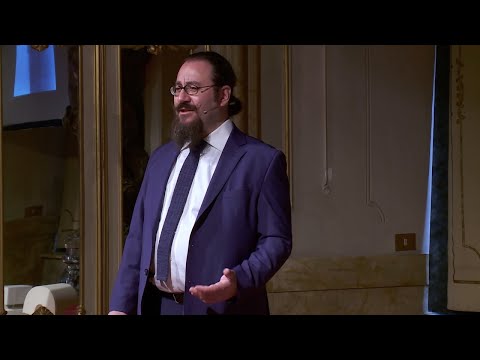
welcome even the Marches me
I bring greetings from the management
and since this is a place e
an occasion in which they are told of the
stories then
I wanted to tell one of them here too
precisely at the fedex sliding doors vi
I tell the story that has to do with
this place also do with this
palace with this room I drive chigi
saracini was born in 1880 with a surname
huge but with a heritage not
just as vast as that which is truly rich
and the first-born uncle fabio chigi
saracini however guido grows with
a childhood in boarding school
an adolescence in noble circles and
at 25 years
Guido is a man who basically has
two passions
one is photography and the other is the
music that is worth something more guido has
studied violin are the piano ama
chopin above all things write songs
songs that are also published by
very important publishers throughout Europe
and he is also a huge fan of joseph
greens so passionate fun from
marry in 1905 the daughter of a
baritone greenish white cashman their
life flows happily at least apparently
in the palace of via camollia
until in 1906 suddenly it
uncle fabio chigi saracini dies in a
hunting accident
fabio chigi saracini had designated
chigi fluid as the sole universal heir
of all its riches
so I drive to inherit further
the title of count
also the building on the floor with the quarries the
the villa of castelnuovo berardenga with
thousands and thousands of hectares of land
farms and farms and the palace of via di
city palace chigi saracini this
palace here at that time
guido decides that this building would be
became a temple of music e
within this temple a heart the
heart the sancta santorum the hall for
however, renovate the building
he is called the architect artist
Arthur lulls and asks him to
be inspired by those places that are there where
the civilization of music was born
Italian instrumental looks at Venice
of vivaldi because I drive dreams that a
day also Italy can boast the
roots of instrumental music like
the Germans can do with bach and for
this fact makes inspire villagers al
seven hundred Venetian
only that the seven hundred of villagers
as you can see, it converses
flirts with art deco with liberty
and dialogue with that Ghibelline middle age
that the building still keeps hidden
somewhere
so this is a temple this place
where we are we could not enter with
hat could not be entered with
stick
it was necessary to respect one could not
go out as long as there were the mussi on the stage
but to officiate the rites of a temple
which may be the best tool
if not the organ and here I drive chigi
Saracini has an organ built that is
the best most advanced
possible by two large organelles carlo e
francesco veggetti bossi but he does it with the
super mission of a friend Marco Enrico
bossi who is the biggest organist in
circulation after a thousand vicissitudes
this very complicated organ a lot
modern they manage to more or less almost to
set it up is in November 22nd
1923 the day of Santa Cecilia
finally inaugurate this room
inaugurate the organ with a concert
precisely an organ concert for chorus e
string orchestra where they are played
of the jazzolino music of the sciaia
frescobaldi and also a composed cantata
from marco enrico bossi explicitly
commissioned by the count guido chigi
saracini but I drive chigi saracini and a
intellectual that looks carefully
to contemporaneity and knows that precisely
here is a stage says the organ and then
how do you officiate the rites
also through something
spectacular decides that together with the
music by marco enrico bossi would have
also danced charlotte bar to those who leave
in the charlotte crack
one is a dancer born of one
family of wealthy Jewish industrialists
Germans in a brussels
she immediately became passionate about dance in 1915
takes lessons from alexander sakharov e
from sum of the sun’s patios
alessandro sakharov is at that moment
revolutionizing dance , language
of dance and with their wife
they declare that music does not go
interpreted should not be animated but it goes
lived spiritually is expressed
through the movements of the body
the charlotte bara moves in the municipality
he attends the word artists’ community
faith is faith and is portrayed by the ris
vogler as a victim of war in
1918
then he moves Berlin becomes
inspiration for many artists
Berliners and in 1923 he shoots a film where
in fact a film called the dances
gothic charlotte coffin is a bar
it is inspired by the ancient Egyptian rituals
ancient mysterious Egyptian rites but plan
plan begins to be interested too
precisely of the Middle Ages and the Renaissance
Italian took the name of a famous one
made the consumption of a famous other star
of American cinema that in the meantime
he is interpreting rather he is incarnating the
role of cleopatra if from bar
and therefore the count decides that the
coffin is the right person to celebrate
of the rites with its sacred dances and knows that
even the coffin is working on one
pantomime dedicated to caterina da siena
so he decides to put it in communication
with the master bossi to organize
this show this show is
boxwood
at the beginning he complains a little because the
hand coffin of the music that is not here
I knew the scores she in the meantime
he sends them other letters
that in short, by limiting a
repertoire of music and would prefer a
pianist because the organ likes her so much
however the Egyptian dances will do them without
music
because he does not need it
surely of boxwood that is a
great musician a bit a bit
and all this is affected by this
debate takes place triangulated with in
half the poor piero baglioni
artistic secretary of the count e
violinist but after so many
after so many letters they finally put themselves
agree and organize a repertoire
that holds johann’s music together
sebastian bach of the son william
friedman by césar franck domenico
scarlet and on these music the coffin
he will play his pantomimes
sacred and mimic representations
they will begin as a vision
gothic and going on angels and others
figures the madonna penitent figures of the
passion and so on
now boxed that at the beginning it is not so
let’s say he does not believe so much good
success of the show even pardon
of the archaic ritual that must be
made on this stage
actually when the coffin appears on
this stage with its costumes with the
his movements figurations states that we
remains completely fascinated and
then the public is absolutely in
visibility and then decide to repeat
the show is the first June some
next day the program changes
they put other dances ready
fast this show is
finally the coffin can debut with
his role in caterina da siena il i
two continue to work even far away
from sienna let us this letter that from
coffin to the count chigi telling him that
they are working together and hopes for
to be able to make a representation in Rome or
even even in Florence
bossi is so happy with this
collaboration and is about to leave for one
tour in the United States and then
maybe he decides that even there he could
be promoted this show on the 18th
november 2000 and 1924 bossi part
for the united states and the tour will be a
triumph will sound new york
in the Philadelphia this is the most
great organ of the then existing world
wine maker and indeed maybe talks about
cash contractors to be able to
sponsor this show with the
coffin bring the bar back into the states
united but on the return in 1925 in the
February the steamer on which he traveled
the steamer degreases then sinks
bossi dies and with him also the shipwrecks
coffin’s dream, food will take a lot
time for bossi can be
replaced in the heart of the chigi friend
until just in 1929 it will present itself
fernando prodigious young germani
organist who will be the first teacher of
organ in this place when it will be born
the Chigiana academy in 1932 then the
first teaching could only be
an organ teaching the coffin in the
meanwhile in 1925 he will build the theater
maternal saint from the architect card to see
meyer which is the first space
multi-purpose with furniture with modules
therefore a modern and mobile space
this will become a temple for dance
where they will gather adepts
that will attend dance like
spiritual end experience will create
a company as it says then is
has become a little part of the theater
contemporary
the count will continue to photograph the
minute postures of the dances with his
camera
or organize pantomimes like this
in the garden of his casanova villa
berardenga for the inauguration of the
statue of chopin will invite the spouses
sakharov to teach siena and when
they will come here will continue
their teachings of dances in
costume until 1963 when precisely
during the teaching week
alexander zakharov will end here in siena
his days two years later
guido chigi saracini e will also disappear
it will leave us this legacy but
especially the life that animates him here
inside they resounded the music for the
after two hundred years of silence by
antonio vivaldi
But here they are also played
first important notes of composers e
artists who have made the history of
twentieth century music the count guido
chigi saracini who has always held
appear as the last of the
aristocrats in reality has always had
an intelligent and attentive look on the
contemporaneity
so much so that today the teachers and the
students who come here for courses
they occupy the memory of the
music but also to go towards
innovation
because music is a part that is made
of time and lives only in the present
music is always contemporary and then
today’s story tells us two things that
there is no innovation without memory because
we need something for
build something new a base of
skills but also that there is no memory
without innovation because we need
to recognize something different for
understand that we have gone ahead and memory
innovation are the two words
which sum up the story a little
of the Chigiana academy the trajectory
because they have to do with the present
also make present the present
of which the time of the choices that are
at the center of all the stories
you will listen today so I can only stay
wish you welcome and good luck
[Applause]
[Music]
”
Be First to Comment