
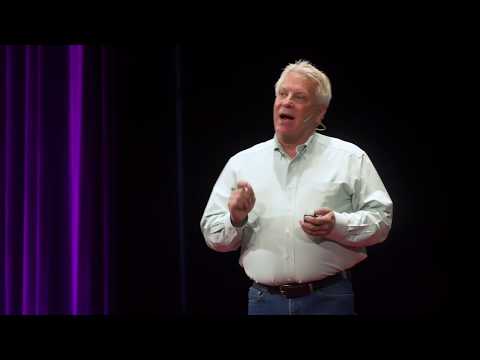
so what I have right here is a pretty typical grocery store tomato if I threw
typical grocery store tomato if I threw
typical grocery store tomato if I threw this really hard against that wall
this really hard against that wall
this really hard against that wall it breaks the wall not the tomato why
it breaks the wall not the tomato why
it breaks the wall not the tomato why because this is one tough tomato you see
because this is one tough tomato you see
because this is one tough tomato you see this tomato was bred engineered and
this tomato was bred engineered and
this tomato was bred engineered and designed to survive the u.s. food system
designed to survive the u.s. food system
designed to survive the u.s. food system it was bred to have a tough skin so it’s
it was bred to have a tough skin so it’s
it was bred to have a tough skin so it’s not damaged by mechanical harvesters and
not damaged by mechanical harvesters and
not damaged by mechanical harvesters and processing equipment it was engineered
processing equipment it was engineered
processing equipment it was engineered to endure the rigors of long haul
to endure the rigors of long haul
to endure the rigors of long haul logistics and it was designed to look
logistics and it was designed to look
logistics and it was designed to look good on a shelf all this so you and I
good on a shelf all this so you and I
good on a shelf all this so you and I can get this tomato for a really low
can get this tomato for a really low
can get this tomato for a really low price any time of the year
price any time of the year
price any time of the year you see we’ve designed the food for the
you see we’ve designed the food for the
you see we’ve designed the food for the system instead of the other way around
system instead of the other way around
system instead of the other way around now what’s really when you think about
now what’s really when you think about
now what’s really when you think about it what’s really kind of absurd about
it what’s really kind of absurd about
it what’s really kind of absurd about that is no one here would pick this
that is no one here would pick this
that is no one here would pick this tomato over one you grew in your
tomato over one you grew in your
tomato over one you grew in your backyard right but I’ll tell you that’s
backyard right but I’ll tell you that’s
backyard right but I’ll tell you that’s not the craziest part because we throw
not the craziest part because we throw
not the craziest part because we throw away a shocking percentage of those
away a shocking percentage of those
away a shocking percentage of those tomatoes fact the US Department of
tomatoes fact the US Department of
tomatoes fact the US Department of Agriculture tells us that 40 percent of
Agriculture tells us that 40 percent of
Agriculture tells us that 40 percent of all food that farmers produce is thrown
all food that farmers produce is thrown
all food that farmers produce is thrown away now it’s a kid who grew up on a
away now it’s a kid who grew up on a
away now it’s a kid who grew up on a family farm kills me because I know how
family farm kills me because I know how
family farm kills me because I know how hard we worked to make that food fact
hard we worked to make that food fact
hard we worked to make that food fact this is my younger brother who’s still
this is my younger brother who’s still
this is my younger brother who’s still on our family farm out with his little
on our family farm out with his little
on our family farm out with his little daughter irrigating and harvesting the
daughter irrigating and harvesting the
daughter irrigating and harvesting the crop the estimate is something
crop the estimate is something
crop the estimate is something approaching 300 billion dollars of food
approaching 300 billion dollars of food
approaching 300 billion dollars of food is what we throw away every year in this
is what we throw away every year in this
is what we throw away every year in this country and the ugly corollary food
country and the ugly corollary food
country and the ugly corollary food waste makes up one-third of what’s going
waste makes up one-third of what’s going
waste makes up one-third of what’s going into landfills today the EPA estimates
into landfills today the EPA estimates
into landfills today the EPA estimates that it amounts to hundreds of billions
that it amounts to hundreds of billions
that it amounts to hundreds of billions of pounds
of pounds
of pounds of food getting hauled to the dump each
of food getting hauled to the dump each
of food getting hauled to the dump each and every year it’s an environmental hot
and every year it’s an environmental hot
and every year it’s an environmental hot mess
mess
mess that gives off enormous amounts of
that gives off enormous amounts of
that gives off enormous amounts of methane not to mention the wasted
methane not to mention the wasted
methane not to mention the wasted resource that it represents but you know
resource that it represents but you know
resource that it represents but you know those are just the symptoms where it
those are just the symptoms where it
those are just the symptoms where it actually happens is in the big food
actually happens is in the big food
actually happens is in the big food system and our food system is this kind
system and our food system is this kind
system and our food system is this kind of complex thing that got created in the
of complex thing that got created in the
of complex thing that got created in the 1950s and really hasn’t materially
1950s and really hasn’t materially
1950s and really hasn’t materially changed since so what can be done now
changed since so what can be done now
changed since so what can be done now you’ve probably all heard the
you’ve probably all heard the
you’ve probably all heard the catchphrase follow the money as a way to
catchphrase follow the money as a way to
catchphrase follow the money as a way to get to the bottom of a complicated
get to the bottom of a complicated
get to the bottom of a complicated scheme and so here’s what I think if you
scheme and so here’s what I think if you
scheme and so here’s what I think if you want to get to the bottom of the issue
want to get to the bottom of the issue
want to get to the bottom of the issue if you want to fix a 300 billion dollar
if you want to fix a 300 billion dollar
if you want to fix a 300 billion dollar system that’s throwing away all this
system that’s throwing away all this
system that’s throwing away all this food you follow the waste back into the
food you follow the waste back into the
food you follow the waste back into the system to understand how and where it
system to understand how and where it
system to understand how and where it happens and then if you can figure out
happens and then if you can figure out
happens and then if you can figure out how to capture that food well I think
how to capture that food well I think
how to capture that food well I think you gained some real insight into how to
you gained some real insight into how to
you gained some real insight into how to transform the system that’s what I’ve
transform the system that’s what I’ve
transform the system that’s what I’ve been doing for the last number of of
been doing for the last number of of
been doing for the last number of of years I’ve been following the waste back
years I’ve been following the waste back
years I’ve been following the waste back into the system so let me share today a
into the system so let me share today a
into the system so let me share today a little bit of what of what I’ve learned
little bit of what of what I’ve learned
little bit of what of what I’ve learned first the food system is really good at
first the food system is really good at
first the food system is really good at moving a lot of food it’s just not
moving a lot of food it’s just not
moving a lot of food it’s just not particularly good at being flexible it’s
particularly good at being flexible it’s
particularly good at being flexible it’s kind of a pretty rigid 1950s style
kind of a pretty rigid 1950s style
kind of a pretty rigid 1950s style system in a 21st century world so let me
system in a 21st century world so let me
system in a 21st century world so let me unpack that a little bit more starting
unpack that a little bit more starting
unpack that a little bit more starting off a little historical perspective if
off a little historical perspective if
off a little historical perspective if you look at the food system before the
you look at the food system before the
you look at the food system before the 1940s almost all food was local you
1940s almost all food was local you
1940s almost all food was local you would have local produce companies that
would have local produce companies that
would have local produce companies that would grow food and contract with local
would grow food and contract with local
would grow food and contract with local grocers local dairies local egg
grocers local dairies local egg
grocers local dairies local egg companies and so on now sure there have
companies and so on now sure there have
companies and so on now sure there have been some national brands around for a
been some national brands around for a
been some national brands around for a long time
long time
long time VanCamp pork and beans founded in 1851
VanCamp pork and beans founded in 1851
VanCamp pork and beans founded in 1851 but again the food system was really
but again the food system was really
but again the food system was really overwhelmingly local so the issue with
overwhelmingly local so the issue with
overwhelmingly local so the issue with this local system well it was largely
this local system well it was largely
this local system well it was largely seasonal and not terribly consistent and
seasonal and not terribly consistent and
seasonal and not terribly consistent and so in the 1940s and 50s
so in the 1940s and 50s
so in the 1940s and 50s we saw the creation of the industrial
we saw the creation of the industrial
we saw the creation of the industrial food
food
food system it’s a top-down hierarchical
system it’s a top-down hierarchical
system it’s a top-down hierarchical system of long hauls all organized
system of long hauls all organized
system of long hauls all organized around a hub-and-spoke kind of a model
around a hub-and-spoke kind of a model
around a hub-and-spoke kind of a model it involves gathering enormous amounts
it involves gathering enormous amounts
it involves gathering enormous amounts of food to large manufacturing and
of food to large manufacturing and
of food to large manufacturing and distribution centers and then shipped
distribution centers and then shipped
distribution centers and then shipped all the way back out to the tens of
all the way back out to the tens of
all the way back out to the tens of thousands of grocery stores across our
thousands of grocery stores across our
thousands of grocery stores across our country you may be aware that we
country you may be aware that we
country you may be aware that we actually grow a lot of melons in
actually grow a lot of melons in
actually grow a lot of melons in Colorado out east in the Rocky Ford area
Colorado out east in the Rocky Ford area
Colorado out east in the Rocky Ford area so let’s follow the waist of the melons
so let’s follow the waist of the melons
so let’s follow the waist of the melons about five to ten percent of the melons
about five to ten percent of the melons
about five to ten percent of the melons actually get left in the field at the
actually get left in the field at the
actually get left in the field at the farm another 10% or so of the melons get
farm another 10% or so of the melons get
farm another 10% or so of the melons get culled out abandoned lost at the packing
culled out abandoned lost at the packing
culled out abandoned lost at the packing shed those that actually make it into
shed those that actually make it into
shed those that actually make it into cartons will they get shipped to a fruit
cartons will they get shipped to a fruit
cartons will they get shipped to a fruit company in California before a little
company in California before a little
company in California before a little bit more processing and then they get
bit more processing and then they get
bit more processing and then they get shipped all across the nation to these
shipped all across the nation to these
shipped all across the nation to these large distribution centers and again
large distribution centers and again
large distribution centers and again ultimately to grocery stores because of
ultimately to grocery stores because of
ultimately to grocery stores because of this long haul system another 20% or so
this long haul system another 20% or so
this long haul system another 20% or so gets lost and that gets us to 40% wasted
gets lost and that gets us to 40% wasted
gets lost and that gets us to 40% wasted and by the way yes if you’re wondering
and by the way yes if you’re wondering
and by the way yes if you’re wondering those melons that get shipped from
those melons that get shipped from
those melons that get shipped from growing in Colorado shipped to
growing in Colorado shipped to
growing in Colorado shipped to California a significant percentage of
California a significant percentage of
California a significant percentage of them get shipped all the way back to
them get shipped all the way back to
them get shipped all the way back to Colorado I know you couldn’t actually
Colorado I know you couldn’t actually
Colorado I know you couldn’t actually make this up right then there are those
make this up right then there are those
make this up right then there are those confusing days by the way did you know
confusing days by the way did you know
confusing days by the way did you know that the only dates that are actually
that the only dates that are actually
that the only dates that are actually regulated by the federal government is
regulated by the federal government is
regulated by the federal government is baby formula that’s it and the dates
baby formula that’s it and the dates
baby formula that’s it and the dates have almost nothing to do with food
have almost nothing to do with food
have almost nothing to do with food safety they are overwhelmingly applied
safety they are overwhelmingly applied
safety they are overwhelmingly applied by the manufacturers and they are a
by the manufacturers and they are a
by the manufacturers and they are a crazy conservative but but what are
crazy conservative but but what are
crazy conservative but but what are those dates even mean best buy sell buy
those dates even mean best buy sell buy
those dates even mean best buy sell buy more delicious buy
more delicious buy
more delicious buy I mean they’re just confusing right and
I mean they’re just confusing right and
I mean they’re just confusing right and this actually adds to more waste because
this actually adds to more waste because
this actually adds to more waste because if a product is shortened eight industry
if a product is shortened eight industry
if a product is shortened eight industry speak meaning it doesn’t have very much
speak meaning it doesn’t have very much
speak meaning it doesn’t have very much time left on the date it won’t get
time left on the date it won’t get
time left on the date it won’t get pushed out to the grocery store
pushed out to the grocery store
pushed out to the grocery store it just gets thrown away and then
it just gets thrown away and then
it just gets thrown away and then there’s you know our system has the food
there’s you know our system has the food
there’s you know our system has the food system has really adapted to this
system has really adapted to this
system has really adapted to this abundance expectation in our society you
abundance expectation in our society you
abundance expectation in our society you and I have come to a place where we
and I have come to a place where we
and I have come to a place where we expect everything all the time in the
expect everything all the time in the
expect everything all the time in the grocery store in fact the accepted
grocery store in fact the accepted
grocery store in fact the accepted wisdom of the grocery industry is that
wisdom of the grocery industry is that
wisdom of the grocery industry is that if you or I walk into a grocery store to
if you or I walk into a grocery store to
if you or I walk into a grocery store to buy a specific item and they’re out of
buy a specific item and they’re out of
buy a specific item and they’re out of that item there’s a 40% chance on that
that item there’s a 40% chance on that
that item there’s a 40% chance on that one event that we will change our
one event that we will change our
one event that we will change our preferred grocery store and so the
preferred grocery store and so the
preferred grocery store and so the stores not wanting to lose your you as a
stores not wanting to lose your you as a
stores not wanting to lose your you as a customer strive to always have
customer strive to always have
customer strive to always have everything all the time what’s more the
everything all the time what’s more the
everything all the time what’s more the freakin tomato has to look perfect
freakin tomato has to look perfect
freakin tomato has to look perfect anything that is just slightly out of
anything that is just slightly out of
anything that is just slightly out of that kind of arbitrary perfect cosmetic
that kind of arbitrary perfect cosmetic
that kind of arbitrary perfect cosmetic standard it gets thrown away the
standard it gets thrown away the
standard it gets thrown away the abundance expectation the tomatoes
abundance expectation the tomatoes
abundance expectation the tomatoes results in a requirement for oversupply
results in a requirement for oversupply
results in a requirement for oversupply because again if you have to have
because again if you have to have
because again if you have to have everything all the time then the only
everything all the time then the only
everything all the time then the only way you can do that is specific
way you can do that is specific
way you can do that is specific significantly oversupply the system
significantly oversupply the system
significantly oversupply the system again resulting in more waste then
again resulting in more waste then
again resulting in more waste then finally local food you know farmers and
finally local food you know farmers and
finally local food you know farmers and ranchers struggle to get a fair shake
ranchers struggle to get a fair shake
ranchers struggle to get a fair shake from the big food system so while
from the big food system so while
from the big food system so while there’s a lot of talk about
there’s a lot of talk about
there’s a lot of talk about farm-to-table the industrialized food
farm-to-table the industrialized food
farm-to-table the industrialized food system makes it almost impossible for
system makes it almost impossible for
system makes it almost impossible for farmers to get access to their local
farmers to get access to their local
farmers to get access to their local markets song Grey’s best beef up in the
markets song Grey’s best beef up in the
markets song Grey’s best beef up in the mountains in West Cliff Colorado ranch
mountains in West Cliff Colorado ranch
mountains in West Cliff Colorado ranch owner and cowgirl Elin produces hundreds
owner and cowgirl Elin produces hundreds
owner and cowgirl Elin produces hundreds of head of beef every year and it is
of head of beef every year and it is
of head of beef every year and it is wonderful product grass-fed natural beef
wonderful product grass-fed natural beef
wonderful product grass-fed natural beef great stuff but she has a hard time
great stuff but she has a hard time
great stuff but she has a hard time getting a fair shake from the big food
getting a fair shake from the big food
getting a fair shake from the big food system and so she sells some of
system and so she sells some of
system and so she sells some of beef direct to consumers and some to
beef direct to consumers and some to
beef direct to consumers and some to local independent markets but these
local independent markets but these
local independent markets but these outlets really can’t take all the supply
outlets really can’t take all the supply
outlets really can’t take all the supply that she has but she’s not big enough to
that she has but she’s not big enough to
that she has but she’s not big enough to actually break into the big food system
actually break into the big food system
actually break into the big food system what’s more the industrialized food
what’s more the industrialized food
what’s more the industrialized food system really only wants some of the
system really only wants some of the
system really only wants some of the cuts of beef so parts like tongue or
cuts of beef so parts like tongue or
cuts of beef so parts like tongue or beef knuckles largely lost in the system
beef knuckles largely lost in the system
beef knuckles largely lost in the system and thrown away you know I could go on
and thrown away you know I could go on
and thrown away you know I could go on but you get the point right this
but you get the point right this
but you get the point right this antiquated kind of outdated 1950 system
antiquated kind of outdated 1950 system
antiquated kind of outdated 1950 system confusing dates or abundance expectation
confusing dates or abundance expectation
confusing dates or abundance expectation that leads to leads us to oversupply and
that leads to leads us to oversupply and
that leads to leads us to oversupply and local food lost in the system all this
local food lost in the system all this
local food lost in the system all this and more contributes to massive waste in
and more contributes to massive waste in
and more contributes to massive waste in all these cases there is a common root
all these cases there is a common root
all these cases there is a common root cause a key ingredient that’s missing
cause a key ingredient that’s missing
cause a key ingredient that’s missing from the system and that’s agility as I
from the system and that’s agility as I
from the system and that’s agility as I said at the start our food system is
said at the start our food system is
said at the start our food system is really good at moving a lot of food it’s
really good at moving a lot of food it’s
really good at moving a lot of food it’s just not good at being flexible at being
just not good at being flexible at being
just not good at being flexible at being agile especially at these points where
agile especially at these points where
agile especially at these points where waste happens in the system so how can
waste happens in the system so how can
waste happens in the system so how can we bring agility to the big food system
we bring agility to the big food system
we bring agility to the big food system that’s really the core question that
that’s really the core question that
that’s really the core question that I’ve been grappling with for the last
I’ve been grappling with for the last
I’ve been grappling with for the last four years given the fact that hundreds
four years given the fact that hundreds
four years given the fact that hundreds of billions of dollars is getting lost I
of billions of dollars is getting lost I
of billions of dollars is getting lost I thought there had to be an economic
thought there had to be an economic
thought there had to be an economic opportunity in there somewhere and so
opportunity in there somewhere and so
opportunity in there somewhere and so what we’re doing that food maven
what we’re doing that food maven
what we’re doing that food maven initially is we’re focusing on this
initially is we’re focusing on this
initially is we’re focusing on this arbitrage opportunity and arbitrage is
arbitrage opportunity and arbitrage is
arbitrage opportunity and arbitrage is really just a fancy word for capturing
really just a fancy word for capturing
really just a fancy word for capturing something that’s getting lost where
something that’s getting lost where
something that’s getting lost where value can be recovered what we’ve
value can be recovered what we’ve
value can be recovered what we’ve figured out is how to capture and sell
figured out is how to capture and sell
figured out is how to capture and sell this lost food for our suppliers
this lost food for our suppliers
this lost food for our suppliers this means reclaimed revenues from food
this means reclaimed revenues from food
this means reclaimed revenues from food that they were otherwise going to a
that they were otherwise going to a
that they were otherwise going to a perfectly good food that they were going
perfectly good food that they were going
perfectly good food that they were going to throw away and then we sell at a
to throw away and then we sell at a
to throw away and then we sell at a discount to our food service buyers so
discount to our food service buyers so
discount to our food service buyers so we’re selling to rest
we’re selling to rest
we’re selling to rest institutional kitchens commercial food
institutional kitchens commercial food
institutional kitchens commercial food businesses for whatever doesn’t rapidly
businesses for whatever doesn’t rapidly
businesses for whatever doesn’t rapidly sell in our system we donate to our
sell in our system we donate to our
sell in our system we donate to our charity partners for hunger relief after
charity partners for hunger relief after
charity partners for hunger relief after all when you think about it I mean it’s
all when you think about it I mean it’s
all when you think about it I mean it’s crazy that anybody in the United States
crazy that anybody in the United States
crazy that anybody in the United States would not have enough or enough quality
would not have enough or enough quality
would not have enough or enough quality food to eat when we’re throwing away
food to eat when we’re throwing away
food to eat when we’re throwing away hundreds of billions and then for the
hundreds of billions and then for the
hundreds of billions and then for the small percentage that’s not fit for
small percentage that’s not fit for
small percentage that’s not fit for donation we seek more economically
donation we seek more economically
donation we seek more economically enlightened and environmentally sound
enlightened and environmentally sound
enlightened and environmentally sound options than landfills
we really are passionate about what we
we really are passionate about what we do and view that you were trying to be
do and view that you were trying to be
do and view that you were trying to be good for profits good for people and
good for profits good for people and
good for profits good for people and good for the planet so how do we do this
good for the planet so how do we do this
good for the planet so how do we do this what’s different about what we’re doing
what’s different about what we’re doing
what’s different about what we’re doing well we’re actually a leveraging kind of
well we’re actually a leveraging kind of
well we’re actually a leveraging kind of best practices and creating an online
best practices and creating an online
best practices and creating an online digital marketplace we’re applying all
digital marketplace we’re applying all
digital marketplace we’re applying all of the Big Data technologies and
of the Big Data technologies and
of the Big Data technologies and techniques to optimize everything and
techniques to optimize everything and
techniques to optimize everything and we’re creating this very flexible agile
we’re creating this very flexible agile
we’re creating this very flexible agile local logistics system we built systems
local logistics system we built systems
local logistics system we built systems and technology to do all of the best
and technology to do all of the best
and technology to do all of the best practices on food handling and delivery
practices on food handling and delivery
practices on food handling and delivery and I realized sounds a little bit
and I realized sounds a little bit
and I realized sounds a little bit complicated but you know if you think
complicated but you know if you think
complicated but you know if you think about what Amazon does every single day
about what Amazon does every single day
about what Amazon does every single day Amazon has four hundred million products
Amazon has four hundred million products
Amazon has four hundred million products in their inventory they receive hundreds
in their inventory they receive hundreds
in their inventory they receive hundreds of orders per second but somehow your
of orders per second but somehow your
of orders per second but somehow your order ends up on your doorstep in two
order ends up on your doorstep in two
order ends up on your doorstep in two days and here shortly with Amazon Prime
days and here shortly with Amazon Prime
days and here shortly with Amazon Prime now coming to Denver you’ll get it in
now coming to Denver you’ll get it in
now coming to Denver you’ll get it in two hours so imagine with me if we
two hours so imagine with me if we
two hours so imagine with me if we applied that same kind of technology and
applied that same kind of technology and
applied that same kind of technology and system sophistication to the food system
system sophistication to the food system
system sophistication to the food system that’s the kind of agility and
that’s the kind of agility and
that’s the kind of agility and flexibility that I’m talking about and I
flexibility that I’m talking about and I
flexibility that I’m talking about and I think the future of the food system
think the future of the food system
think the future of the food system won’t struggle so much to be able to do
won’t struggle so much to be able to do
won’t struggle so much to be able to do farm-to-table where local farmers will
farm-to-table where local farmers will
farm-to-table where local farmers will be able to much more seamlessly and
be able to much more seamlessly and
be able to much more seamlessly and easily participate in the system where
easily participate in the system where
easily participate in the system where the system is designed for the food
the system is designed for the food
the system is designed for the food instead of the other way around
instead of the other way around
instead of the other way around read better Tomatoes and a more agile
read better Tomatoes and a more agile
read better Tomatoes and a more agile system means less waste and friends
system means less waste and friends
system means less waste and friends that’s good for everybody it’s good
that’s good for everybody it’s good
that’s good for everybody it’s good economics it’s good for the environment
economics it’s good for the environment
economics it’s good for the environment it’s good for farmers and producers you
it’s good for farmers and producers you
it’s good for farmers and producers you know I’m encouraged that we’re beginning
know I’m encouraged that we’re beginning
know I’m encouraged that we’re beginning to see some real signs of this change
to see some real signs of this change
to see some real signs of this change coming there’s a dramatic increase in
coming there’s a dramatic increase in
coming there’s a dramatic increase in new healthier local food companies and
new healthier local food companies and
new healthier local food companies and it’s being met by a consumer awareness
it’s being met by a consumer awareness
it’s being met by a consumer awareness and thoughtfulness about the food you’re
and thoughtfulness about the food you’re
and thoughtfulness about the food you’re eating and where it comes
eating and where it comes
eating and where it comes we can no longer accept the unintended
we can no longer accept the unintended
we can no longer accept the unintended consequences of an outdated food system
consequences of an outdated food system
consequences of an outdated food system where hundreds of millions of dollars of
where hundreds of millions of dollars of
where hundreds of millions of dollars of food is lost and just accepted as a cost
food is lost and just accepted as a cost
food is lost and just accepted as a cost of doing business we can and we must do
of doing business we can and we must do
of doing business we can and we must do better I invite you to be part of one of
better I invite you to be part of one of
better I invite you to be part of one of the great opportunities of our days to
the great opportunities of our days to
the great opportunities of our days to be better stewards of one of our most
be better stewards of one of our most
be better stewards of one of our most fundamental resources the food that
fundamental resources the food that
fundamental resources the food that nourishes and sustains us thank you
nourishes and sustains us thank you
nourishes and sustains us thank you [Applause]
”
Be First to Comment