
[Applause] [Music]
[Music]
[Music] [Applause]
breast cancer the most common type of
breast cancer the most common type of cancer in women will touch many of our
cancer in women will touch many of our
cancer in women will touch many of our families our mothers our sisters wives
families our mothers our sisters wives
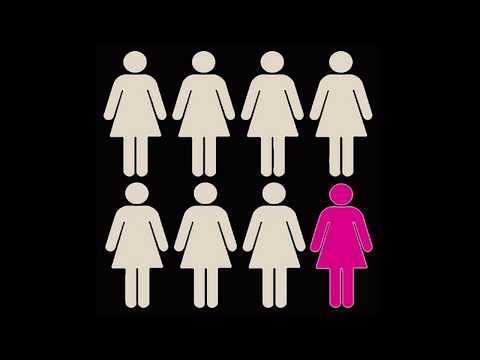
families our mothers our sisters wives daughters in fact about 1 in 8 women
daughters in fact about 1 in 8 women
daughters in fact about 1 in 8 women will develop breast cancer in her
will develop breast cancer in her
will develop breast cancer in her lifetime
lifetime
lifetime not only is breast cancer prevalent it’s
not only is breast cancer prevalent it’s
not only is breast cancer prevalent it’s expensive it’s the single most expensive
expensive it’s the single most expensive
expensive it’s the single most expensive cancer in 2012 our nation spent 16
cancer in 2012 our nation spent 16
cancer in 2012 our nation spent 16 billion dollars on breast cancer the
billion dollars on breast cancer the
billion dollars on breast cancer the good news is that 85% of women are
good news is that 85% of women are
good news is that 85% of women are surviving breast cancer thanks to
surviving breast cancer thanks to
surviving breast cancer thanks to decades of sustained investment in
decades of sustained investment in
decades of sustained investment in cancer research even better researchers
cancer research even better researchers
cancer research even better researchers around the world are working feverishly
around the world are working feverishly
around the world are working feverishly to increase the effectiveness of
to increase the effectiveness of
to increase the effectiveness of treatments and to reduce the side
treatments and to reduce the side
treatments and to reduce the side effects from treatments to do this
effects from treatments to do this
effects from treatments to do this researchers will need tools in order to
researchers will need tools in order to
researchers will need tools in order to develop and test new personalized
develop and test new personalized
develop and test new personalized treatment strategies that are tailored
treatment strategies that are tailored
treatment strategies that are tailored to the unique features and needs of
to the unique features and needs of
to the unique features and needs of individual women however today many of
individual women however today many of
individual women however today many of our best tools are based on the concept
our best tools are based on the concept
our best tools are based on the concept of a standard woman which is at best as
of a standard woman which is at best as
of a standard woman which is at best as you can see a rough approximation and at
you can see a rough approximation and at
you can see a rough approximation and at $30,000 per tool these are unaffordable
$30,000 per tool these are unaffordable
$30,000 per tool these are unaffordable in many cancer research laboratories so
in many cancer research laboratories so
in many cancer research laboratories so in the next few minutes we’ll hear about
in the next few minutes we’ll hear about
in the next few minutes we’ll hear about how artists and researchers have come
how artists and researchers have come
how artists and researchers have come together to try to overcome some of the
together to try to overcome some of the
together to try to overcome some of the limitations of the standard female
limitations of the standard female
limitations of the standard female phantom more specifically we’ll see how
phantom more specifically we’ll see how
phantom more specifically we’ll see how this team is working to create
this team is working to create
this team is working to create personalized phantoms that accurately
personalized phantoms that accurately
personalized phantoms that accurately model the female breast and surrounding
model the female breast and surrounding
model the female breast and surrounding tissues will use 3d scanning and
tissues will use 3d scanning and
tissues will use 3d scanning and printing technologies to do this but
printing technologies to do this but
printing technologies to do this but first a quick review on cancer therapy
first a quick review on cancer therapy
first a quick review on cancer therapy cancer treatments really fall into two
cancer treatments really fall into two
cancer treatments really fall into two categories
categories
categories local treatments including surgery and
local treatments including surgery and
local treatments including surgery and radiation therapy and systemic
radiation therapy and systemic
radiation therapy and systemic treatments which include
treatments which include
treatments which include Moe therapy the local treatments are
Moe therapy the local treatments are
Moe therapy the local treatments are usually used for large tumors than the
usually used for large tumors than the
usually used for large tumors than the systemic treatments for microscopic or
systemic treatments for microscopic or
systemic treatments for microscopic or small tumors doctors use variations on
small tumors doctors use variations on
small tumors doctors use variations on these basic treatment techniques often
these basic treatment techniques often
these basic treatment techniques often in combination depending on the cancer
in combination depending on the cancer
in combination depending on the cancer type and other factors radiation therapy
type and other factors radiation therapy
type and other factors radiation therapy is safe effective and importantly it’s
is safe effective and importantly it’s
is safe effective and importantly it’s non-invasive it’s so useful in fact that
non-invasive it’s so useful in fact that
non-invasive it’s so useful in fact that about half of all cancer patients in the
about half of all cancer patients in the
about half of all cancer patients in the United States will receive radiation
United States will receive radiation
United States will receive radiation therapy at some point in their treatment
therapy at some point in their treatment
therapy at some point in their treatment now let’s take a look at some of these
now let’s take a look at some of these
now let’s take a look at some of these exciting new 3d scanning technologies
exciting new 3d scanning technologies
exciting new 3d scanning technologies that are coming out you see an image of
that are coming out you see an image of
that are coming out you see an image of a commercial full-body 3d scanner using
a commercial full-body 3d scanner using
a commercial full-body 3d scanner using laser light to make rapid measurements
laser light to make rapid measurements
laser light to make rapid measurements of the dimensions of the body these
of the dimensions of the body these
of the dimensions of the body these these scanners are used in the motion
these scanners are used in the motion
these scanners are used in the motion picture industry and in the textiles
picture industry and in the textiles
picture industry and in the textiles industry in order to make quick
industry in order to make quick
industry in order to make quick measurements of body in order to
measurements of body in order to
measurements of body in order to facilitate making personalized costumes
facilitate making personalized costumes
facilitate making personalized costumes and garments I got very excited when I
and garments I got very excited when I
and garments I got very excited when I saw these new technologies coming out
saw these new technologies coming out
saw these new technologies coming out because I recognized instantly that we
because I recognized instantly that we
because I recognized instantly that we could use these right off the shelf in
could use these right off the shelf in
could use these right off the shelf in cancer therapy we all know that the
cancer therapy we all know that the
cancer therapy we all know that the female anatomy varies strongly from one
female anatomy varies strongly from one
female anatomy varies strongly from one woman to the next even in healthy women
woman to the next even in healthy women
woman to the next even in healthy women of the same age in cancer patients we
of the same age in cancer patients we
of the same age in cancer patients we see additional variations due to the
see additional variations due to the
see additional variations due to the presence of tumors surgical resection x’
presence of tumors surgical resection x’
presence of tumors surgical resection x’ and surgical reconstruction x’ for all
and surgical reconstruction x’ for all
and surgical reconstruction x’ for all of these reasons and other reasons
of these reasons and other reasons
of these reasons and other reasons breast cancer patients are prime
breast cancer patients are prime
breast cancer patients are prime candidates for a highly personalized
candidates for a highly personalized
candidates for a highly personalized treatment approach we use powerful
treatment approach we use powerful
treatment approach we use powerful imaging techniques in order to plan
imaging techniques in order to plan
imaging techniques in order to plan personalized treatments the objective of
personalized treatments the objective of
personalized treatments the objective of a radiation therapy treatment is to
a radiation therapy treatment is to
a radiation therapy treatment is to focus radiation on the tumor and to
focus radiation on the tumor and to
focus radiation on the tumor and to avoid the normal tissues like the heart
avoid the normal tissues like the heart
avoid the normal tissues like the heart and the lungs to do this we use powerful
and the lungs to do this we use powerful
and the lungs to do this we use powerful imaging techniques like positron
imaging techniques like positron
imaging techniques like positron emission tomography and CT scanning
emission tomography and CT scanning
emission tomography and CT scanning computed tomography scanning
computed tomography scanning
computed tomography scanning and a combination of these images is
and a combination of these images is
and a combination of these images is seen here clearly revealing the tumor as
seen here clearly revealing the tumor as
seen here clearly revealing the tumor as well as the normal tissues once the plan
well as the normal tissues once the plan
well as the normal tissues once the plan is complete but before the patient
is complete but before the patient
is complete but before the patient arrives for treatment we like to make
arrives for treatment we like to make
arrives for treatment we like to make confirmatory measurements to make sure
confirmatory measurements to make sure
confirmatory measurements to make sure that the treatment will be delivered in
that the treatment will be delivered in
that the treatment will be delivered in a safe and effective manner often times
a safe and effective manner often times
a safe and effective manner often times we use a simple water box phantom in
we use a simple water box phantom in
we use a simple water box phantom in which to measure the radiation dose
which to measure the radiation dose
which to measure the radiation dose particularly for interested in the
particularly for interested in the
particularly for interested in the performance of the treatment unit other
performance of the treatment unit other
performance of the treatment unit other times we use a human like phantom and
times we use a human like phantom and
times we use a human like phantom and measure the radiation dose inside the
measure the radiation dose inside the
measure the radiation dose inside the phantom here you can see one of our
phantom here you can see one of our
phantom here you can see one of our standard phantoms being assembled by our
standard phantoms being assembled by our
standard phantoms being assembled by our graduate students in preparation for a
graduate students in preparation for a
graduate students in preparation for a measurement out at the clinic can anyone
measurement out at the clinic can anyone
measurement out at the clinic can anyone guess with the blue pieces on the table
well at left you see the assembled
well at left you see the assembled phantom which resembles an adult male
phantom which resembles an adult male
phantom which resembles an adult male phantom of standard dimensions that blue
phantom of standard dimensions that blue
phantom of standard dimensions that blue piece was a female breast accessory and
piece was a female breast accessory and
piece was a female breast accessory and so by adding a couple of breast
so by adding a couple of breast
so by adding a couple of breast accessories we can convert our standard
accessories we can convert our standard
accessories we can convert our standard male into a standard female and then we
male into a standard female and then we
male into a standard female and then we could scan the phantom and and you can
could scan the phantom and and you can
could scan the phantom and and you can see a result of that scanning here we
see a result of that scanning here we
see a result of that scanning here we could print up a 3d phantom and problem
could print up a 3d phantom and problem
could print up a 3d phantom and problem solved right no not quite remember we
solved right no not quite remember we
solved right no not quite remember we wanted to create a personalized phantom
wanted to create a personalized phantom
wanted to create a personalized phantom that would more accurately model the
that would more accurately model the
that would more accurately model the actual patient who’s going to be under
actual patient who’s going to be under
actual patient who’s going to be under treatment and then to use that
treatment and then to use that
treatment and then to use that personalized phantom to make our
personalized phantom to make our
personalized phantom to make our confirmatory measurements so we’re not
confirmatory measurements so we’re not
confirmatory measurements so we’re not going to do this what are we going to do
going to do this what are we going to do
going to do this what are we going to do instead our next step was to find some
instead our next step was to find some
instead our next step was to find some experts here on campus who know how to
experts here on campus who know how to
experts here on campus who know how to do 3d whole body scanning you can see
do 3d whole body scanning you can see
do 3d whole body scanning you can see two of our collaborators here along with
two of our collaborators here along with
two of our collaborators here along with their 3d scanner this type of device
their 3d scanner this type of device
their 3d scanner this type of device uses visible light and captures
uses visible light and captures
uses visible light and captures simultaneously hundreds of photographs
simultaneously hundreds of photographs
simultaneously hundreds of photographs that process takes about a second then
that process takes about a second then
that process takes about a second then using the wonders of computer of science
using the wonders of computer of science
using the wonders of computer of science and mathematics the data from these
and mathematics the data from these
and mathematics the data from these photographs is synthesized into a full
photographs is synthesized into a full
photographs is synthesized into a full three-dimensional map
three-dimensional map
three-dimensional map of the surface of the whole body and
of the surface of the whole body and
of the surface of the whole body and this is an important technology for us
this is an important technology for us
this is an important technology for us to have because those gold standard
to have because those gold standard
to have because those gold standard imaging techniques like PET scans and CT
imaging techniques like PET scans and CT
imaging techniques like PET scans and CT scans that you saw before they have some
scans that you saw before they have some
scans that you saw before they have some limitations they’re slow to acquire they
limitations they’re slow to acquire they
limitations they’re slow to acquire they cause radiation exposure to the patient
cause radiation exposure to the patient
cause radiation exposure to the patient and they’re very expensive so this neat
and they’re very expensive so this neat
and they’re very expensive so this neat new 3d scanning technology overcomes
new 3d scanning technology overcomes
new 3d scanning technology overcomes these limitations our next task was to
these limitations our next task was to
these limitations our next task was to find a healthy subject to serve as our
find a healthy subject to serve as our
find a healthy subject to serve as our our test case and we had several
our test case and we had several
our test case and we had several volunteers from the art community step
volunteers from the art community step
volunteers from the art community step forward to help us out with this here
forward to help us out with this here
forward to help us out with this here you can see one of our volunteers being
you can see one of our volunteers being
you can see one of our volunteers being 3d scanned this next image shows you a
3d scanned this next image shows you a
3d scanned this next image shows you a picture of the surface map as the data
picture of the surface map as the data
picture of the surface map as the data are coming in so as we acquire more and
are coming in so as we acquire more and
are coming in so as we acquire more and more data the image becomes more
more data the image becomes more
more data the image becomes more complete and more accurate and
complete and more accurate and
complete and more accurate and eventually we have a full 3d surface map
eventually we have a full 3d surface map
eventually we have a full 3d surface map of the chest once this is done we
of the chest once this is done we
of the chest once this is done we convert the 3d map into a set of
convert the 3d map into a set of
convert the 3d map into a set of printing instructions we send that off
printing instructions we send that off
printing instructions we send that off to a giant printer and this printer can
to a giant printer and this printer can
to a giant printer and this printer can print phantoms in virtually any size the
print phantoms in virtually any size the
print phantoms in virtually any size the phantom at left is in is in miniature
phantom at left is in is in miniature
phantom at left is in is in miniature and the gray phantom that you see is
and the gray phantom that you see is
and the gray phantom that you see is actually larger than life so we’re
actually larger than life so we’re
actually larger than life so we’re getting a lot closer now aren’t we are
getting a lot closer now aren’t we are
getting a lot closer now aren’t we are all of the problem solved not quite yet
all of the problem solved not quite yet
all of the problem solved not quite yet these phantoms which took more than a
these phantoms which took more than a
these phantoms which took more than a day to print each are hollow we’re still
day to print each are hollow we’re still
day to print each are hollow we’re still working on technologies to accurately
working on technologies to accurately
working on technologies to accurately and quickly print the internal anatomy
and quickly print the internal anatomy
and quickly print the internal anatomy another problem that we face is that a
another problem that we face is that a
another problem that we face is that a woman standing in a position much like I
woman standing in a position much like I
woman standing in a position much like I am now her breast takes a very different
am now her breast takes a very different
am now her breast takes a very different shape than it does in a treatment
shape than it does in a treatment
shape than it does in a treatment position here you can see two of the
position here you can see two of the
position here you can see two of the most commonly used treatment positions
most commonly used treatment positions
most commonly used treatment positions for breast radiotherapy basically woman
for breast radiotherapy basically woman
for breast radiotherapy basically woman lies in a special treatment couch either
lies in a special treatment couch either
lies in a special treatment couch either face up or face down so you can imagine
face up or face down so you can imagine
face up or face down so you can imagine that scanning the breast in a very
that scanning the breast in a very
that scanning the breast in a very confined space like this in a medical
confined space like this in a medical
confined space like this in a medical environment presents some additional
environment presents some additional
environment presents some additional challenges but we’re working on those
challenges but we’re working on those
challenges but we’re working on those and I’m confident we’ll solve those
and I’m confident we’ll solve those
and I’m confident we’ll solve those here’s a preliminary result which we
here’s a preliminary result which we
here’s a preliminary result which we took a few weeks ago and this gives us
took a few weeks ago and this gives us
took a few weeks ago and this gives us confidence
confidence
confidence that we’ll be able to solve this this
that we’ll be able to solve this this
that we’ll be able to solve this this problem fully and with some help from
problem fully and with some help from
problem fully and with some help from our clinical colleagues out at the
our clinical colleagues out at the
our clinical colleagues out at the Cancer Center we’ll be able to print the
Cancer Center we’ll be able to print the
Cancer Center we’ll be able to print the internal anatomy as well as you might
internal anatomy as well as you might
internal anatomy as well as you might imagine 3d printing and 3d scanning have
imagine 3d printing and 3d scanning have
imagine 3d printing and 3d scanning have the potential to revolutionize entire
the potential to revolutionize entire
the potential to revolutionize entire industries including cancer research I’m
industries including cancer research I’m
industries including cancer research I’m optimistic that these technologies and
optimistic that these technologies and
optimistic that these technologies and other transformative technologies will
other transformative technologies will
other transformative technologies will allow us to increase the survival rate
allow us to increase the survival rate
allow us to increase the survival rate for breast cancer patients from the 85%
for breast cancer patients from the 85%
for breast cancer patients from the 85% value today to nearly a hundred percent
value today to nearly a hundred percent
value today to nearly a hundred percent in my lifetime to be sure this will take
in my lifetime to be sure this will take
in my lifetime to be sure this will take a lot of time and effort new ideas
a lot of time and effort new ideas
a lot of time and effort new ideas resources that we’ll get there in
resources that we’ll get there in
resources that we’ll get there in looking back at this project and in
looking back at this project and in
looking back at this project and in preparing for this talk I ask myself how
preparing for this talk I ask myself how
preparing for this talk I ask myself how did this unlikely project come into
did this unlikely project come into
did this unlikely project come into being turns out it started with a single
being turns out it started with a single
being turns out it started with a single chance encounter someone from the
chance encounter someone from the
chance encounter someone from the community reached out to us with a
community reached out to us with a
community reached out to us with a question about about breast cancer
question about about breast cancer
question about about breast cancer research
research
research this led to a single donation from a
this led to a single donation from a
this led to a single donation from a charitable cancer foundation in town
charitable cancer foundation in town
charitable cancer foundation in town here and that triggered a chain reaction
here and that triggered a chain reaction
here and that triggered a chain reaction of new ideas and collaboration that
of new ideas and collaboration that
of new ideas and collaboration that spread across the campus and beyond for
spread across the campus and beyond for
spread across the campus and beyond for me personally being involved in this
me personally being involved in this
me personally being involved in this collaboration has been both inspiring
collaboration has been both inspiring
collaboration has been both inspiring and just terrific fun we will win this
and just terrific fun we will win this
and just terrific fun we will win this battle against breast cancer and we will
battle against breast cancer and we will
battle against breast cancer and we will win it by working together students
win it by working together students
win it by working together students professors artists and researchers
professors artists and researchers
professors artists and researchers volunteers and donors so let’s keep
volunteers and donors so let’s keep
volunteers and donors so let’s keep listening and talking and working
listening and talking and working
listening and talking and working together and grow this chain reaction of
together and grow this chain reaction of
together and grow this chain reaction of progress thank
progress thank
progress thank [Applause]
”
Be First to Comment