
okay thank you Oh so I’m a historian of the media
Oh so I’m a historian of the media
Oh so I’m a historian of the media mainly Phil but today I’m going to talk
mainly Phil but today I’m going to talk
mainly Phil but today I’m going to talk about the Internet and in some ways it’s
about the Internet and in some ways it’s
about the Internet and in some ways it’s difficult for the historian to talk
difficult for the historian to talk
difficult for the historian to talk about something which is so new which is
about something which is so new which is
about something which is so new which is something which is happening right now
something which is happening right now
something which is happening right now the my argument is that the best
the my argument is that the best
the my argument is that the best perspective that we can get on the inter
perspective that we can get on the inter
perspective that we can get on the inter comes from looking at the history of
comes from looking at the history of
comes from looking at the history of other media and so I’m going to suggest
other media and so I’m going to suggest
other media and so I’m going to suggest 12 ways in which the past can shed light
12 ways in which the past can shed light
12 ways in which the past can shed light on the present and maybe the future why
on the present and maybe the future why
on the present and maybe the future why twelve well it was going to be thirteen
twelve well it was going to be thirteen
twelve well it was going to be thirteen but one of them wasn’t very good so I
but one of them wasn’t very good so I
but one of them wasn’t very good so I changed it okay so number one nobody
changed it okay so number one nobody
changed it okay so number one nobody really knows anything so from the middle
really knows anything so from the middle
really knows anything so from the middle of a huge social change the worlds of
of a huge social change the worlds of
of a huge social change the worlds of later employments communication are
later employments communication are
later employments communication are being reshaped in forums and people have
being reshaped in forums and people have
being reshaped in forums and people have no idea how it’s going to end up the
no idea how it’s going to end up the
no idea how it’s going to end up the people who invented the internet were
people who invented the internet were
people who invented the internet were trying to change the world
trying to change the world
trying to change the world but then it was a solution to
but then it was a solution to
but then it was a solution to engineering problem in 1943 of the
engineering problem in 1943 of the
engineering problem in 1943 of the chairman of IBM reportedly said I think
chairman of IBM reportedly said I think
chairman of IBM reportedly said I think there’s a world barking four maybe five
there’s a world barking four maybe five
there’s a world barking four maybe five computers and I think there are more
computers and I think there are more
computers and I think there are more than five computers in the present today
than five computers in the present today
than five computers in the present today but this is the state of knowledge of a
but this is the state of knowledge of a
but this is the state of knowledge of a time of you were speaking Thomas Edison
time of you were speaking Thomas Edison
time of you were speaking Thomas Edison who invented the phonograph the first
who invented the phonograph the first
who invented the phonograph the first device for recording sounds thought that
device for recording sounds thought that
device for recording sounds thought that people would use it for dictating
people would use it for dictating
people would use it for dictating letters to their sacrifice Alexander
letters to their sacrifice Alexander
letters to their sacrifice Alexander Graham Bell who invented the telephone
Graham Bell who invented the telephone
Graham Bell who invented the telephone or the people would use it for sending
or the people would use it for sending
or the people would use it for sending messages to their lovers they were
messages to their lovers they were
messages to their lovers they were stupid they just work psychic they
stupid they just work psychic they
stupid they just work psychic they didn’t know what they had
didn’t know what they had
didn’t know what they had and we’re not cycling even so we don’t
and we’re not cycling even so we don’t
and we’re not cycling even so we don’t know how things are going to end up okay
know how things are going to end up okay
know how things are going to end up okay number two communication systems start
number two communication systems start
number two communication systems start on open and end up close so Tim Wu has
on open and end up close so Tim Wu has
on open and end up close so Tim Wu has suggested that there’s a cycle of
suggested that there’s a cycle of
suggested that there’s a cycle of information technologies go through they
information technologies go through they
information technologies go through they travel from open systems where many
travel from open systems where many
travel from open systems where many contributors work on them to a closed
contributors work on them to a closed
contributors work on them to a closed channel which is dominated by a single
channel which is dominated by a single
channel which is dominated by a single company or cartel of companies in
company or cartel of companies in
company or cartel of companies in America this has been the case with
America this has been the case with
America this has been the case with radio newspapers cinema even television
radio newspapers cinema even television
radio newspapers cinema even television and it’s the case where the Internet is
and it’s the case where the Internet is
and it’s the case where the Internet is worth until the late 1990s the internet
worth until the late 1990s the internet
worth until the late 1990s the internet was an open and free place where little
was an open and free place where little
was an open and free place where little money changed hands today the Internet
money changed hands today the Internet
money changed hands today the Internet has been colonized by a small number of
has been colonized by a small number of
has been colonized by a small number of private corporations all based in the
private corporations all based in the
private corporations all based in the same part of California and their
same part of California and their
same part of California and their influence over public is absolutely
influence over public is absolutely
influence over public is absolutely enormous so happy internet be a free and
enormous so happy internet be a free and
enormous so happy internet be a free and open place again this takes me to my
open place again this takes me to my
open place again this takes me to my third point which is that media
third point which is that media
third point which is that media ownership is important people used to be
ownership is important people used to be
ownership is important people used to be concerned about the power of people like
concerned about the power of people like
concerned about the power of people like Rupert Murdoch who owned various
Rupert Murdoch who owned various
Rupert Murdoch who owned various newspapers and television stations but
newspapers and television stations but
newspapers and television stations but today that kind of monopoly power pales
today that kind of monopoly power pales
today that kind of monopoly power pales into insignificance today Google
into insignificance today Google
into insignificance today Google controls about 88 percent of online
controls about 88 percent of online
controls about 88 percent of online search Facebook controls about 77% of
search Facebook controls about 77% of
search Facebook controls about 77% of social media traffic
social media traffic
social media traffic these are monopolies by any standards
these are monopolies by any standards
these are monopolies by any standards and it means that’s two companies
and it means that’s two companies
and it means that’s two companies control or dominates public access to
control or dominates public access to
control or dominates public access to almost all media online so what can we
almost all media online so what can we
almost all media online so what can we do
do
do Jonathan Taplin has made
Jonathan Taplin has made
Jonathan Taplin has made the case for breaking up companies like
the case for breaking up companies like
the case for breaking up companies like Google forcing them to sell parts of the
Google forcing them to sell parts of the
Google forcing them to sell parts of the sales off so they break up into smaller
sales off so they break up into smaller
sales off so they break up into smaller less powerful organizations and this has
less powerful organizations and this has
less powerful organizations and this has placed why would you ask a successful
placed why would you ask a successful
placed why would you ask a successful company to diminish themselves but it
company to diminish themselves but it
company to diminish themselves but it has happened before in the early 1980s
has happened before in the early 1980s
has happened before in the early 1980s the American telephone system was
the American telephone system was
the American telephone system was dominated by one company at Bell
dominated by one company at Bell
dominated by one company at Bell Telephone Cystic but the government
Telephone Cystic but the government
Telephone Cystic but the government required them to break up this number
required them to break up this number
required them to break up this number loop so the mail system was slit up into
loop so the mail system was slit up into
loop so the mail system was slit up into several smaller or local companies and
several smaller or local companies and
several smaller or local companies and as a result telecommunication in America
as a result telecommunication in America
as a result telecommunication in America became more capacitive and therefore
became more capacitive and therefore
became more capacitive and therefore innovation increase okay my full points
innovation increase okay my full points
innovation increase okay my full points our attention has a price and the cost
our attention has a price and the cost
our attention has a price and the cost so a protection online is a commodity
so a protection online is a commodity
so a protection online is a commodity companies like Facebook have a business
companies like Facebook have a business
companies like Facebook have a business in in mining is attacked in extracting
in in mining is attacked in extracting
in in mining is attacked in extracting this adaption and then selling it all to
this adaption and then selling it all to
this adaption and then selling it all to appetizers for the highest price all the
appetizers for the highest price all the
appetizers for the highest price all the media companies work like this as well
media companies work like this as well
media companies work like this as well so television stations and newspapers
so television stations and newspapers
so television stations and newspapers created audiences and then sold
created audiences and then sold
created audiences and then sold advertising around their content to
advertising around their content to
advertising around their content to advertisers who wanted to reach these
advertisers who wanted to reach these
advertisers who wanted to reach these alliances but Facebook are better assets
alliances but Facebook are better assets
alliances but Facebook are better assets the vendor reminding our attention and
the vendor reminding our attention and
the vendor reminding our attention and then better and selling our personal
then better and selling our personal
then better and selling our personal data to organizations and I think the
data to organizations and I think the
data to organizations and I think the cost is to us because companies like
cost is to us because companies like
cost is to us because companies like Facebook are so excellent as extracting
Facebook are so excellent as extracting
Facebook are so excellent as extracting our attention it becomes very hard to
our attention it becomes very hard to
our attention it becomes very hard to focus on other things that makes it hard
focus on other things that makes it hard
focus on other things that makes it hard for us to avoid being distracted
for us to avoid being distracted
for us to avoid being distracted internet is designed to distract us so
internet is designed to distract us so
internet is designed to distract us so that our attention can be sold to
that our attention can be sold to
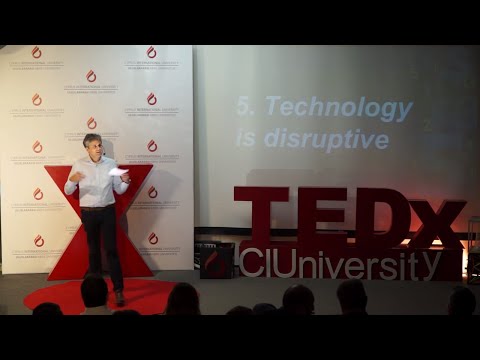
that our attention can be sold to advertisers number 5 technology is
advertisers number 5 technology is
advertisers number 5 technology is disruptive and by this I mean
disruptive and by this I mean
disruptive and by this I mean economically
economically
economically disrupt the number of jobs that will
disrupt the number of jobs that will
disrupt the number of jobs that will soon become performed by software is
soon become performed by software is
soon become performed by software is growing the rise of driverless cars is
growing the rise of driverless cars is
growing the rise of driverless cars is very exciting unless you’re one of the
very exciting unless you’re one of the
very exciting unless you’re one of the millions of people whose job involves
millions of people whose job involves
millions of people whose job involves driving in some fashion there are
driving in some fashion there are
driving in some fashion there are precedents to lace a few hundred years
precedents to lace a few hundred years
precedents to lace a few hundred years ago most people around the world works
ago most people around the world works
ago most people around the world works in agriculture industrialization took
in agriculture industrialization took
in agriculture industrialization took these jobs away machinery meant that
these jobs away machinery meant that
these jobs away machinery meant that fewer people needed to be employed in
fewer people needed to be employed in
fewer people needed to be employed in agriculture the new jobs were created in
agriculture the new jobs were created in
agriculture the new jobs were created in factories to replace these jobs but what
factories to replace these jobs but what
factories to replace these jobs but what if this new industrial revolution is
if this new industrial revolution is
if this new industrial revolution is something else
something else
something else where will the new jobs come from in the
where will the new jobs come from in the
where will the new jobs come from in the age of artificial intelligence and I
age of artificial intelligence and I
age of artificial intelligence and I think the point is that capital wins
think the point is that capital wins
think the point is that capital wins over labour which is to say that the
over labour which is to say that the
over labour which is to say that the people who over the robots and own the
people who over the robots and own the
people who over the robots and own the software are in a much better position
software are in a much better position
software are in a much better position than people who they were previously
than people who they were previously
than people who they were previously unemployed ok another six people stopped
unemployed ok another six people stopped
unemployed ok another six people stopped valuing things when they have fruit so
valuing things when they have fruit so
valuing things when they have fruit so what obvious effect of the internet has
what obvious effect of the internet has
what obvious effect of the internet has been to reduce the value that people
been to reduce the value that people
been to reduce the value that people place on things like films and
place on things like films and
place on things like films and television music journalism we used to
television music journalism we used to
television music journalism we used to get in these things for free now and as
get in these things for free now and as
get in these things for free now and as a result they seem to be worth less to
a result they seem to be worth less to
a result they seem to be worth less to people good quality news good quality
people good quality news good quality
people good quality news good quality music is expensive to produce
music is expensive to produce
music is expensive to produce but the audience to these things is less
but the audience to these things is less
but the audience to these things is less willing to pay money for but it was
willing to pay money for but it was
willing to pay money for but it was interesting is that we Instax Internet
interesting is that we Instax Internet
interesting is that we Instax Internet services to be free as well how much
services to be free as well how much
services to be free as well how much would we pay to use Facebook it’s
would we pay to use Facebook it’s
would we pay to use Facebook it’s basically the cost 5 euros a month if
basically the cost 5 euros a month if
basically the cost 5 euros a month if Google costs 10 euros a month who would
Google costs 10 euros a month who would
Google costs 10 euros a month who would actually paid
actually paid
actually paid I think that suggests that the holes
I think that suggests that the holes
I think that suggests that the holes that these companies have over us is
that these companies have over us is
that these companies have over us is actually quite weak if people are
actually quite weak if people are
actually quite weak if people are completely unwilling to pay to use these
completely unwilling to pay to use these
completely unwilling to pay to use these services it’s just they’re not really
services it’s just they’re not really
services it’s just they’re not really valuable to people ok number seven we
valuable to people ok number seven we
valuable to people ok number seven we live in information ghettos so hundreds
live in information ghettos so hundreds
live in information ghettos so hundreds of years ago information was incredibly
of years ago information was incredibly
of years ago information was incredibly scarce and therefore the people who have
scarce and therefore the people who have
scarce and therefore the people who have access to this information became very
access to this information became very
access to this information became very powerful today information is not scarce
powerful today information is not scarce
powerful today information is not scarce but the information we receive is
but the information we receive is
but the information we receive is increasingly tailored towards our
increasingly tailored towards our
increasingly tailored towards our personal interests the right Eli Pariser
personal interests the right Eli Pariser
personal interests the right Eli Pariser has called this the filter buff and it’s
has called this the filter buff and it’s
has called this the filter buff and it’s the idea that social media and search
the idea that social media and search
the idea that social media and search engines creates unique universes of
engines creates unique universes of
engines creates unique universes of information for each of their users in
information for each of their users in
information for each of their users in some ways this is good more specific
some ways this is good more specific
some ways this is good more specific more targeted information is good but if
more targeted information is good but if
more targeted information is good but if we live in our own information bubbles
we live in our own information bubbles
we live in our own information bubbles it becomes hard to see things from the
it becomes hard to see things from the
it becomes hard to see things from the point of view of other people doesn’t it
point of view of other people doesn’t it
point of view of other people doesn’t it just quote from Mark Zuckerberg I’m sure
just quote from Mark Zuckerberg I’m sure
just quote from Mark Zuckerberg I’m sure you regret saying this but he said a
you regret saying this but he said a
you regret saying this but he said a squirrel died in front of your house may
squirrel died in front of your house may
squirrel died in front of your house may be more relevant to you an interest
be more relevant to you an interest
be more relevant to you an interest right now than people dying in Africa
right now than people dying in Africa
right now than people dying in Africa we’ve seen shocking that the sad thing
we’ve seen shocking that the sad thing
we’ve seen shocking that the sad thing is I think he’s probably right for most
is I think he’s probably right for most
is I think he’s probably right for most people
people
people something happening which is specific to
something happening which is specific to
something happening which is specific to their location is more interesting than
their location is more interesting than
their location is more interesting than famine or civil war I think most people
famine or civil war I think most people
famine or civil war I think most people would prefer to read gossip online than
would prefer to read gossip online than
would prefer to read gossip online than they would to read about the possibility
they would to read about the possibility
they would to read about the possibility of nuclear war in
of nuclear war in
of nuclear war in career the question is is that right
career the question is is that right
career the question is is that right should they be more interested in
should they be more interested in
should they be more interested in squirts them okay number eight our sense
squirts them okay number eight our sense
squirts them okay number eight our sense of privacy is flexible I think we’re
of privacy is flexible I think we’re
of privacy is flexible I think we’re getting used to the idea of being
getting used to the idea of being
getting used to the idea of being surveilled by our own technology of
surveilled by our own technology of
surveilled by our own technology of living under surveillance through the
living under surveillance through the
living under surveillance through the mobile operators that we carry in our
mobile operators that we carry in our
mobile operators that we carry in our pockets through our activities online
pockets through our activities online
pockets through our activities online and people are really bought into the
and people are really bought into the
and people are really bought into the idea of share sharing information online
idea of share sharing information online
idea of share sharing information online is a social group but I think we’re now
is a social group but I think we’re now
is a social group but I think we’re now sharing really means is allowing
sharing really means is allowing
sharing really means is allowing companies like Facebook to sell personal
companies like Facebook to sell personal
companies like Facebook to sell personal data and advertisers now people often
data and advertisers now people often
data and advertisers now people often say that if you’ve got nothing to hide
say that if you’ve got nothing to hide
say that if you’ve got nothing to hide nothing to hide you’ve done nothing
nothing to hide you’ve done nothing
nothing to hide you’ve done nothing wrong about nothing too hard though it
wrong about nothing too hard though it
wrong about nothing too hard though it has a fallacy I think we all happenings
has a fallacy I think we all happenings
has a fallacy I think we all happenings are there are things that we would like
are there are things that we would like
are there are things that we would like to tell her husbands or wives or I’ve
to tell her husbands or wives or I’ve
to tell her husbands or wives or I’ve doctors that we wouldn’t like anybody
doctors that we wouldn’t like anybody
doctors that we wouldn’t like anybody else to know that doesn’t mean they’re
else to know that doesn’t mean they’re
else to know that doesn’t mean they’re wrong it just means we would like to
wrong it just means we would like to
wrong it just means we would like to control who has access to private
control who has access to private
control who has access to private information to thousands now on the
information to thousands now on the
information to thousands now on the other hand privacy may be a relatively
other hand privacy may be a relatively
other hand privacy may be a relatively recent concept before industrialization
recent concept before industrialization
recent concept before industrialization it was common for humans to live much
it was common for humans to live much
it was common for humans to live much closer together
closer together
closer together and it was impossible to keep secrets
and it was impossible to keep secrets
and it was impossible to keep secrets from your neighbors it was only in the
from your neighbors it was only in the
from your neighbors it was only in the nineteenth century that people could
nineteenth century that people could
nineteenth century that people could afford to live in private rooms and so
afford to live in private rooms and so
afford to live in private rooms and so the modern sense the privacy developed
the modern sense the privacy developed
the modern sense the privacy developed so people have tolerated less privacy in
so people have tolerated less privacy in
so people have tolerated less privacy in the past and it’s lovely when they will
the past and it’s lovely when they will
the past and it’s lovely when they will do so in the future as well
do so in the future as well
do so in the future as well ok maama line digital information is not
ok maama line digital information is not
ok maama line digital information is not permanent so I started writing my PhD
permanent so I started writing my PhD
permanent so I started writing my PhD thesis way back in 2003 I kept it on a
thesis way back in 2003 I kept it on a
thesis way back in 2003 I kept it on a disk like this if I still have that disk
disk like this if I still have that disk
disk like this if I still have that disk today what could I do with it would I be
today what could I do with it would I be
today what could I do with it would I be able to find a computer that could read
able to find a computer that could read
able to find a computer that could read this is the way that we store
this is the way that we store
this is the way that we store information and the format’s were used
information and the format’s were used
information and the format’s were used and come obsolete very quickly the
and come obsolete very quickly the
and come obsolete very quickly the number of computers that have optical CD
number of computers that have optical CD
number of computers that have optical CD or DVD drives is reducing the number of
or DVD drives is reducing the number of
or DVD drives is reducing the number of computers that have USB ports is
computers that have USB ports is
computers that have USB ports is reducing as they replace by different
reducing as they replace by different
reducing as they replace by different types of thoughts so information that’s
types of thoughts so information that’s
types of thoughts so information that’s stored digitally is vulnerable to
stored digitally is vulnerable to
stored digitally is vulnerable to becoming obsolete on the other hands
becoming obsolete on the other hands
becoming obsolete on the other hands books going to work you have a book from
books going to work you have a book from
books going to work you have a book from a few hundred years ago and it’s still
a few hundred years ago and it’s still
a few hundred years ago and it’s still work this technology has not become
work this technology has not become
work this technology has not become obsolete and I think this poses problems
obsolete and I think this poses problems
obsolete and I think this poses problems for future histories if you want to
for future histories if you want to
for future histories if you want to learn about the past you read documents
learn about the past you read documents
learn about the past you read documents from the art you read letters that
from the art you read letters that
from the art you read letters that people have written if all of this
people have written if all of this
people have written if all of this information exists digitally there are
information exists digitally there are
information exists digitally there are huge questions about how people are
huge questions about how people are
huge questions about how people are going to be able to access it
ok now the ten but but the internet
ok now the ten but but the internet makes it hard for us to escape the past
makes it hard for us to escape the past
makes it hard for us to escape the past in a sense we are tied to the mistakes
in a sense we are tied to the mistakes
in a sense we are tied to the mistakes we have made the things we’ve said
we have made the things we’ve said
we have made the things we’ve said through the online presence that we’ve
through the online presence that we’ve
through the online presence that we’ve created it’s harder than people to
created it’s harder than people to
created it’s harder than people to reinvent themselves if a search of their
reinvent themselves if a search of their
reinvent themselves if a search of their name bruza
name bruza
name bruza photo or a common living light of many
photo or a common living light of many
photo or a common living light of many years ago i think that the next
years ago i think that the next
years ago i think that the next generation and political leaders will
generation and political leaders will
generation and political leaders will have to be very boring if they’ve ever
have to be very boring if they’ve ever
have to be very boring if they’ve ever made any mistakes that could embarrass
made any mistakes that could embarrass
made any mistakes that could embarrass them in the future number eleven
them in the future number eleven
them in the future number eleven technologies mainly empower the powerful
technologies mainly empower the powerful
technologies mainly empower the powerful so the benefits of the internet cannot
so the benefits of the internet cannot
so the benefits of the internet cannot be spread equally around the world
be spread equally around the world
be spread equally around the world the main benefactors are those who are
the main benefactors are those who are
the main benefactors are those who are already privileged in wealth spaces this
already privileged in wealth spaces this
already privileged in wealth spaces this probe and shows us how many Internet
probe and shows us how many Internet
probe and shows us how many Internet users there are per hundred hundred
users there are per hundred hundred
users there are per hundred hundred inhabitants in the developed world and
inhabitants in the developed world and
inhabitants in the developed world and so the other line is the developed oils
so the other line is the developed oils
so the other line is the developed oils and the lower line is the developing
and the lower line is the developing
and the lower line is the developing world we’ve had amazing what those terms
world we’ve had amazing what those terms
world we’ve had amazing what those terms really need but I think what’s
really need but I think what’s
really need but I think what’s interesting is exact between the
interesting is exact between the
interesting is exact between the developed world and the developing world
developed world and the developing world
developed world and the developing world is increasing more people in the
is increasing more people in the
is increasing more people in the developed world are getting online that
developed world are getting online that
developed world are getting online that people in developing countries so they
people in developing countries so they
people in developing countries so they can’t between the haves and have-nots is
can’t between the haves and have-nots is
can’t between the haves and have-nots is widely if you look at the most popular
widely if you look at the most popular
widely if you look at the most popular people on Twitter and on Instagram it’s
people on Twitter and on Instagram it’s
people on Twitter and on Instagram it’s people who are already famous it’s
people who are already famous it’s
people who are already famous it’s people who have profile via common forms
people who have profile via common forms
people who have profile via common forms of media so the loudest voices of social
of media so the loudest voices of social
of media so the loudest voices of social media of people who already have Fame
media of people who already have Fame
media of people who already have Fame and power and influence through other
and power and influence through other
and power and influence through other means recently Facebook released some
means recently Facebook released some
means recently Facebook released some data about where that money comes from
data about where that money comes from
data about where that money comes from and they revealed that they receive
and they revealed that they receive
and they revealed that they receive about $20 per user in the US and Canada
about $20 per user in the US and Canada
about $20 per user in the US and Canada about $6 per user in Europe about $2 per
about $6 per user in Europe about $2 per
about $6 per user in Europe about $2 per user in the asia-pacific region about $1
user in the asia-pacific region about $1
user in the asia-pacific region about $1 40 per user in the rest of the world
40 per user in the rest of the world
40 per user in the rest of the world which i think means South America South
which i think means South America South
which i think means South America South Asia and Africa so clearly they’re much
Asia and Africa so clearly they’re much
Asia and Africa so clearly they’re much more interested in the marketing which
more interested in the marketing which
more interested in the marketing which frees them up they get 10 times as much
frees them up they get 10 times as much
frees them up they get 10 times as much money from the US and Canada us from the
money from the US and Canada us from the
money from the US and Canada us from the rest of the world this is the market
rest of the world this is the market
rest of the world this is the market that is valuable to them that finally
that is valuable to them that finally
that is valuable to them that finally number 12 so the Internet is just a tool
number 12 so the Internet is just a tool
number 12 so the Internet is just a tool it’s not ideological in itself it’s an
it’s not ideological in itself it’s an
it’s not ideological in itself it’s an expression of power but it doesn’t
expression of power but it doesn’t
expression of power but it doesn’t represent any specific opinions now it
represent any specific opinions now it
represent any specific opinions now it does not cause revolutions the Arab
does not cause revolutions the Arab
does not cause revolutions the Arab Spring was not the results of Twitter or
Spring was not the results of Twitter or
Spring was not the results of Twitter or Facebook
Facebook the pretty grass did not create a
the pretty grass did not create a
the pretty grass did not create a Reformation or lead to the scientific
Reformation or lead to the scientific
Reformation or lead to the scientific record
record
record Vasili safety these things that did not
Vasili safety these things that did not
Vasili safety these things that did not emerge from that technology so I think
emerge from that technology so I think
emerge from that technology so I think what matters even though the Internet is
what matters even though the Internet is
what matters even though the Internet is a tool is how we use it and also who
a tool is how we use it and also who
a tool is how we use it and also who uses that but also who benefits from and
uses that but also who benefits from and
uses that but also who benefits from and if it should be us who benefits rather
if it should be us who benefits rather
if it should be us who benefits rather than corporations ok
than corporations ok
than corporations ok [Applause]
”
Be First to Comment