
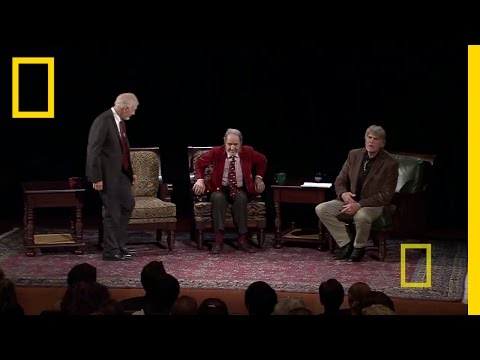
hopefully tonight we will know more about why we as individuals and we as
about why we as individuals and we as
about why we as individuals and we as societies and we as groups make some of
societies and we as groups make some of
societies and we as groups make some of the decisions and choices that we do and
the decisions and choices that we do and
the decisions and choices that we do and to help us understand that we are
to help us understand that we are
to help us understand that we are honored and thrilled to have with us
honored and thrilled to have with us
honored and thrilled to have with us tonight Daniel McFadden
tonight Daniel McFadden
tonight Daniel McFadden professor of economics at both USC and
professor of economics at both USC and
professor of economics at both USC and UC Berkeley the 2000 Nobel laureate in
UC Berkeley the 2000 Nobel laureate in
UC Berkeley the 2000 Nobel laureate in economic studies a recognition for his
economic studies a recognition for his
economic studies a recognition for his development of theories and methods for
development of theories and methods for
development of theories and methods for analyzing discrete choice we are equally
analyzing discrete choice we are equally
analyzing discrete choice we are equally honored and thrilled to have with this
honored and thrilled to have with this
honored and thrilled to have with this Jared Diamond professor of geography at
Jared Diamond professor of geography at
Jared Diamond professor of geography at UCLA and a National Geographic
UCLA and a National Geographic
UCLA and a National Geographic explorer-in-residence author of numerous
explorer-in-residence author of numerous
explorer-in-residence author of numerous books including Guns Germs and Steel for
books including Guns Germs and Steel for
books including Guns Germs and Steel for which you’ve won the Pulitzer Prize and
which you’ve won the Pulitzer Prize and
which you’ve won the Pulitzer Prize and also the book collapse about how
also the book collapse about how
also the book collapse about how societies choose to fail or succeed well
societies choose to fail or succeed well
societies choose to fail or succeed well we think we always know why we make
we think we always know why we make
we think we always know why we make choices because we make them in our best
choices because we make them in our best
choices because we make them in our best self-interest we are told by political
self-interest we are told by political
self-interest we are told by political leaders the people know best what is
leaders the people know best what is
leaders the people know best what is good for them they know best how to
good for them they know best how to
good for them they know best how to spend their money what they want what to
spend their money what they want what to
spend their money what they want what to do with their lives and yet we know as
do with their lives and yet we know as
do with their lives and yet we know as individuals we do make some wrong
individuals we do make some wrong
individuals we do make some wrong choices for you we have marriages that
choices for you we have marriages that
choices for you we have marriages that don’t work out investments that don’t
don’t work out investments that don’t
don’t work out investments that don’t work out jobs that we wish we hadn’t
work out jobs that we wish we hadn’t
work out jobs that we wish we hadn’t taken cars we wish we hadn’t bought
taken cars we wish we hadn’t bought
taken cars we wish we hadn’t bought shirts we wish we hadn’t picked out of
shirts we wish we hadn’t picked out of
shirts we wish we hadn’t picked out of the closet so as we look at the bigger
the closet so as we look at the bigger
the closet so as we look at the bigger picture if we make all these bad choices
picture if we make all these bad choices
picture if we make all these bad choices individuals do we make equally bad
individuals do we make equally bad
individuals do we make equally bad choices as a society the list of reasons
choices as a society the list of reasons
choices as a society the list of reasons why we as a society sometimes make
why we as a society sometimes make
why we as a society sometimes make choices that are not best for us is as
choices that are not best for us is as
choices that are not best for us is as diverse as the list of reasons why we
diverse as the list of reasons why we
diverse as the list of reasons why we sometimes make bad marriages if I gave
sometimes make bad marriages if I gave
sometimes make bad marriages if I gave you a one sentence one word explanation
you a one sentence one word explanation
you a one sentence one word explanation for why some people make bad marriages
for why some people make bad marriages
for why some people make bad marriages you would know that I was an idiot
you would know that I was an idiot
you would know that I was an idiot headed for divorce and similarly with
headed for divorce and similarly with
headed for divorce and similarly with the choices by society but some of the
the choices by society but some of the
the choices by society but some of the reasons why groups of people or
reasons why groups of people or
reasons why groups of people or societies make bad choices include
societies make bad choices include
societies make bad choices include conflicts of interest what’s good for
conflicts of interest what’s good for
conflicts of interest what’s good for the tune of
the tune of
the tune of on the open ocean in the short run is
on the open ocean in the short run is
on the open ocean in the short run is not good for the fish stocks and hence
not good for the fish stocks and hence
not good for the fish stocks and hence for society as a whole then one can talk
for society as a whole then one can talk
for society as a whole then one can talk about a sequence of steps at which a
about a sequence of steps at which a
about a sequence of steps at which a society can fail and make them to this
society can fail and make them to this
society can fail and make them to this decision the society may fail to
decision the society may fail to
decision the society may fail to anticipate a problem especially if it’s
anticipate a problem especially if it’s
anticipate a problem especially if it’s a novel problem like global warming for
a novel problem like global warming for
a novel problem like global warming for which we had no basis of expectation
which we had no basis of expectation
which we had no basis of expectation thirty years ago once the problem
thirty years ago once the problem
thirty years ago once the problem arrives one may not perceive the problem
arrives one may not perceive the problem
arrives one may not perceive the problem global warming was hard to detect in the
global warming was hard to detect in the
global warming was hard to detect in the early phases and then once the problem
early phases and then once the problem
early phases and then once the problem is perceived then society may choose not
is perceived then society may choose not
is perceived then society may choose not to deal with the problem as is the case
to deal with the problem as is the case
to deal with the problem as is the case with lots of elements of our society
with lots of elements of our society
with lots of elements of our society dealing with global warming today
dealing with global warming today
dealing with global warming today everyone need to feel a some consequence
everyone need to feel a some consequence
everyone need to feel a some consequence of the choice that is going to be made
of the choice that is going to be made
of the choice that is going to be made because obviously if we think there are
because obviously if we think there are
because obviously if we think there are no consequences we’re not going to put
no consequences we’re not going to put
no consequences we’re not going to put as much thought or concern about what
as much thought or concern about what
as much thought or concern about what the choice is
the choice is
the choice is so taking the example of the elites
so taking the example of the elites
so taking the example of the elites Jared if if they don’t suffer a
Jared if if they don’t suffer a
Jared if if they don’t suffer a consequence for the decision say see a
consequence for the decision say see a
consequence for the decision say see a country if they don’t play by the same
country if they don’t play by the same
country if they don’t play by the same rules then other choice is not
rules then other choice is not
rules then other choice is not necessarily the best for a country as a
necessarily the best for a country as a
necessarily the best for a country as a whole of the elites are not subject to
whole of the elites are not subject to
whole of the elites are not subject to the the consequences that’s that boy
the the consequences that’s that boy
the the consequences that’s that boy seems to me looking at history one of
seems to me looking at history one of
seems to me looking at history one of the major distinctions between societies
the major distinctions between societies
the major distinctions between societies that make bad decisions and collapse as
that make bad decisions and collapse as
that make bad decisions and collapse as a result such as the classic Lowell Maya
a result such as the classic Lowell Maya
a result such as the classic Lowell Maya and societies that make good decisions
and societies that make good decisions
and societies that make good decisions and carry on that’s to say the role of
and carry on that’s to say the role of
and carry on that’s to say the role of the elite in the society if the elite do
the elite in the society if the elite do
the elite in the society if the elite do not suffer the consequences of bad
not suffer the consequences of bad
not suffer the consequences of bad decisions but if they carry on well
decisions but if they carry on well
decisions but if they carry on well themselves in the short run then the
themselves in the short run then the
themselves in the short run then the likely to make decisions that are good
likely to make decisions that are good
likely to make decisions that are good for themselves but ultimately bad for
for themselves but ultimately bad for
for themselves but ultimately bad for the society classic example of the
the society classic example of the
the society classic example of the collapse of the classic global and Maya
collapse of the classic global and Maya
collapse of the classic global and Maya why didn’t the Kings just look out the
why didn’t the Kings just look out the
why didn’t the Kings just look out the windows of their palaces and see the
windows of their palaces and see the
windows of their palaces and see the forest coming down on the hillsides and
forest coming down on the hillsides and
forest coming down on the hillsides and the soil erosion well the Kings were
the soil erosion well the Kings were
the soil erosion well the Kings were doing well they would be nourished their
doing well they would be nourished their
doing well they would be nourished their palaces were going up they had insulated
palaces were going up they had insulated
palaces were going up they had insulated themselves from the short-term
themselves from the short-term
themselves from the short-term consequences of their actions whereas
consequences of their actions whereas
consequences of their actions whereas the opposite extreme as the nettle
the opposite extreme as the nettle
the opposite extreme as the nettle which has an excellent water management
which has an excellent water management
which has an excellent water management policy precisely because in the
policy precisely because in the
policy precisely because in the Netherlands one third of the country is
Netherlands one third of the country is
Netherlands one third of the country is below sea level and the politicians and
below sea level and the politicians and
below sea level and the politicians and the wealthy people are not living on
the wealthy people are not living on
the wealthy people are not living on those thin strips on top of the dikes
those thin strips on top of the dikes
those thin strips on top of the dikes but they’re living down below in the
but they’re living down below in the
but they’re living down below in the polders like everybody else so that they
polders like everybody else so that they
polders like everybody else so that they know that if there is a failure of water
know that if there is a failure of water
know that if there is a failure of water management has happened February 1 1953
management has happened February 1 1953
management has happened February 1 1953 when there was a storm in the North Sea
when there was a storm in the North Sea
when there was a storm in the North Sea they’re going to drown along with
they’re going to drown along with
they’re going to drown along with everybody else and knowing that you will
everybody else and knowing that you will
everybody else and knowing that you will suffer the consequences of your bad
suffer the consequences of your bad
suffer the consequences of your bad decisions is a powerful incentive to the
decisions is a powerful incentive to the
decisions is a powerful incentive to the politicians to make good decisions
politicians to make good decisions
politicians to make good decisions you’ve written about an example of how
you’ve written about an example of how
you’ve written about an example of how we make decisions from whether to switch
we make decisions from whether to switch
we make decisions from whether to switch lanes and traffic we’re looking at the
lanes and traffic we’re looking at the
lanes and traffic we’re looking at the cars going by in the other Lane and we
cars going by in the other Lane and we
cars going by in the other Lane and we see somebody passing us we should be
see somebody passing us we should be
see somebody passing us we should be over there so we switch there have been
over there so we switch there have been
over there so we switch there have been tests run with cameras and actually
tests run with cameras and actually
tests run with cameras and actually marking the cars that show wheel
marking the cars that show wheel
marking the cars that show wheel we always think the grass is greener on
we always think the grass is greener on
we always think the grass is greener on the other side of the cars are faster in
the other side of the cars are faster in
the other side of the cars are faster in the other lane and it’s not necessarily
the other lane and it’s not necessarily
the other lane and it’s not necessarily so how do our eyes deceive us well there
so how do our eyes deceive us well there
so how do our eyes deceive us well there are a variety of psychological and
are a variety of psychological and
are a variety of psychological and physiological explanations for why we
physiological explanations for why we
physiological explanations for why we might have this misperception that that
might have this misperception that that
might have this misperception that that it’s faster in the in the next Lane but
it’s faster in the in the next Lane but
it’s faster in the in the next Lane but part of it is the way we integrate
part of it is the way we integrate
part of it is the way we integrate experience essentially what’s happening
experience essentially what’s happening
experience essentially what’s happening is that you’re being when you’re going
is that you’re being when you’re going
is that you’re being when you’re going slow and are being passed you you see
slow and are being passed you you see
slow and are being passed you you see that more more of the time than when
that more more of the time than when
that more more of the time than when you’re going fast and passing someone
you’re going fast and passing someone
you’re going fast and passing someone else even though the number of cars you
else even though the number of cars you
else even though the number of cars you that pass you are you passes is the same
that pass you are you passes is the same
that pass you are you passes is the same in in both cases it’s clear and you can
in in both cases it’s clear and you can
in in both cases it’s clear and you can scientifically prove it’s a fallacy that
scientifically prove it’s a fallacy that
scientifically prove it’s a fallacy that the other Lane moves faster although I
the other Lane moves faster although I
the other Lane moves faster although I can report to you on my trip to the
can report to you on my trip to the
can report to you on my trip to the airport in San Francisco every lane was
airport in San Francisco every lane was
airport in San Francisco every lane was going faster than my link
stay in your lane this is the rule how
stay in your lane this is the rule how do we ignore what we are seeing Jarrod
do we ignore what we are seeing Jarrod
do we ignore what we are seeing Jarrod you’ve written about Easter Island the
you’ve written about Easter Island the
you’ve written about Easter Island the people had to be seeing they were
people had to be seeing they were
people had to be seeing they were cutting down every single tree on the
cutting down every single tree on the
cutting down every single tree on the island what were they thinking as they
island what were they thinking as they
island what were they thinking as they cut down the last one none had grown
cut down the last one none had grown
cut down the last one none had grown from the previous ones did they suddenly
from the previous ones did they suddenly
from the previous ones did they suddenly think well next week they’ll start
think well next week they’ll start
think well next week they’ll start growing how does a society make that
growing how does a society make that
growing how does a society make that decision
decision
decision people may ignore what they are seen if
people may ignore what they are seen if
people may ignore what they are seen if they have strong reason not to long to
they have strong reason not to long to
they have strong reason not to long to believe it so for example in the case of
believe it so for example in the case of
believe it so for example in the case of Easter Island that isolated Pacific
Easter Island that isolated Pacific
Easter Island that isolated Pacific island famous for having destroyed
island famous for having destroyed
island famous for having destroyed itself by chopping down all the trees I
itself by chopping down all the trees I
itself by chopping down all the trees I won and so what did the person who
won and so what did the person who
won and so what did the person who chopped down the last tree on Easter
chopped down the last tree on Easter
chopped down the last tree on Easter Island think as he or she was chopping
Island think as he or she was chopping
Island think as he or she was chopping down that last tree I don’t know but I
down that last tree I don’t know but I
down that last tree I don’t know but I teach elementary geography at UCLA and I
teach elementary geography at UCLA and I
teach elementary geography at UCLA and I asked my students what do you think the
asked my students what do you think the
asked my students what do you think the person chopped down the last tree on
person chopped down the last tree on
person chopped down the last tree on Easter Island was saying as he chopped
Easter Island was saying as he chopped
Easter Island was saying as he chopped down the last tree and one student said
down the last tree and one student said
down the last tree and one student said well probably the person thought there
well probably the person thought there
well probably the person thought there are plenty of trees over in the next
are plenty of trees over in the next
are plenty of trees over in the next Valley I’m sick and tired of all these
Valley I’m sick and tired of all these
Valley I’m sick and tired of all these fear mongers who say that we are on the
fear mongers who say that we are on the
fear mongers who say that we are on the edge of disaster when they’re really
edge of disaster when they’re really
edge of disaster when they’re really trees waiting for us
trees waiting for us
trees waiting for us another person would say well somebody
another person would say well somebody
another person would say well somebody is going to chop down this tree
is going to chop down this tree
is going to chop down this tree anyway this tree is doomed I have
anyway this tree is doomed I have
anyway this tree is doomed I have children to feed and I might as well be
children to feed and I might as well be
children to feed and I might as well be the one to chop it down and still
the one to chop it down and still
the one to chop it down and still another person according to my UCLA
another person according to my UCLA
another person according to my UCLA students was probably a political
students was probably a political
students was probably a political conservative who shouted out I’m sick
conservative who shouted out I’m sick
conservative who shouted out I’m sick and tired of big government interfering
and tired of big government interfering
and tired of big government interfering in my rights do what I want with my
in my rights do what I want with my
in my rights do what I want with my party well how are we gonna deal with an
party well how are we gonna deal with an
party well how are we gonna deal with an issue like climate change part of this
issue like climate change part of this
issue like climate change part of this is instant needs versus long-term
is instant needs versus long-term
is instant needs versus long-term solutions is that some of our difficulty
solutions is that some of our difficulty
solutions is that some of our difficulty we’re the instant gratification society
we’re the instant gratification society
we’re the instant gratification society I need what I need now and I can’t think
I need what I need now and I can’t think
I need what I need now and I can’t think about 20 years down the road what it
about 20 years down the road what it
about 20 years down the road what it might look like is that well there is
might look like is that well there is
might look like is that well there is certainly a pay bias in individual
certainly a pay bias in individual
certainly a pay bias in individual decision making which is called
decision making which is called
decision making which is called presidents bias which says that
presidents bias which says that
presidents bias which says that when I considered getting something
when I considered getting something
when I considered getting something right now versus waiting a week I really
right now versus waiting a week I really
right now versus waiting a week I really wouldn’t want it now if you gave me a
wouldn’t want it now if you gave me a
wouldn’t want it now if you gave me a same week interval a year out I would
same week interval a year out I would
same week interval a year out I would say no no I would prefer to get the
say no no I would prefer to get the
say no no I would prefer to get the little extra by waiting but but people
little extra by waiting but but people
little extra by waiting but but people have this bias and that certainly does
have this bias and that certainly does
have this bias and that certainly does distort how people make decisions in
distort how people make decisions in
distort how people make decisions in particular it it distorts how people
particular it it distorts how people
particular it it distorts how people think about the payoff – in out of well
think about the payoff – in out of well
think about the payoff – in out of well in the future particularly there’s any
in the future particularly there’s any
in the future particularly there’s any ambiguity about what those payoffs are
ambiguity about what those payoffs are
ambiguity about what those payoffs are going to be because another feature of
going to be because another feature of
going to be because another feature of decision-making is that if something is
decision-making is that if something is
decision-making is that if something is ambiguous we can too want to stay away
ambiguous we can too want to stay away
ambiguous we can too want to stay away from it so those things all tend to bias
from it so those things all tend to bias
from it so those things all tend to bias towards biases towards the present
towards biases towards the present
towards biases towards the present they’re actually it’s actually related
they’re actually it’s actually related
they’re actually it’s actually related to how things are processed in the brain
to how things are processed in the brain
to how things are processed in the brain the present is processed at a different
the present is processed at a different
the present is processed at a different place the more emotional place than they
place the more emotional place than they
place the more emotional place than they than the future so when you’re aware of
than the future so when you’re aware of
than the future so when you’re aware of how some of these choices are made have
how some of these choices are made have
how some of these choices are made have you come up with ideas of how you can
you come up with ideas of how you can
you come up with ideas of how you can change the way we make our decisions or
change the way we make our decisions or
change the way we make our decisions or new stimuli that can be put in because
new stimuli that can be put in because
new stimuli that can be put in because some societies make the right choices
some societies make the right choices
some societies make the right choices some individuals make the right choices
some individuals make the right choices
some individuals make the right choices I can give you a personal example there
I can give you a personal example there
I can give you a personal example there which comes from my work as a National
which comes from my work as a National
which comes from my work as a National Natural Geographic Explorer in New
Natural Geographic Explorer in New
Natural Geographic Explorer in New Guinea I’ve learned a lot from working
Guinea I’ve learned a lot from working
Guinea I’ve learned a lot from working with New Guineans and one of the two
with New Guineans and one of the two
with New Guineans and one of the two events that was most dramatic for me at
events that was most dramatic for me at
events that was most dramatic for me at the time it was not a dramatic event but
the time it was not a dramatic event but
the time it was not a dramatic event but it’s affected my life ever since then
it’s affected my life ever since then
it’s affected my life ever since then watching New Guineans make decisions we
watching New Guineans make decisions we
watching New Guineans make decisions we were camped out in a forest in New
were camped out in a forest in New
were camped out in a forest in New Guinea
Guinea
Guinea I picked the campsite where I was
I picked the campsite where I was
I picked the campsite where I was studying birds with national geographic
studying birds with national geographic
studying birds with national geographic support and I picked the glorious
support and I picked the glorious
support and I picked the glorious campsite looking out over where being
campsite looking out over where being
campsite looking out over where being where I could see hawks and Swift’s
where I could see hawks and Swift’s
where I could see hawks and Swift’s underneath a magnificent tall tree and
underneath a magnificent tall tree and
underneath a magnificent tall tree and to my surprise the New Guineans with me
to my surprise the New Guineans with me
to my surprise the New Guineans with me said we’re not going to sleep under that
said we’re not going to sleep under that
said we’re not going to sleep under that tree what’s matter that tree is dead it
tree what’s matter that tree is dead it
tree what’s matter that tree is dead it may fall down and I said that’s
may fall down and I said that’s
may fall down and I said that’s ridiculous it’s a huge tree yes it is
ridiculous it’s a huge tree yes it is
ridiculous it’s a huge tree yes it is dead but it’s been standing there for 30
dead but it’s been standing there for 30
dead but it’s been standing there for 30 years it’s not going to fall over for
years it’s not going to fall over for
years it’s not going to fall over for another 50 years but those New Guineans
another 50 years but those New Guineans
another 50 years but those New Guineans were
were
were convinced that they would not sleep
convinced that they would not sleep
convinced that they would not sleep under that tree and they slept 100 feet
under that tree and they slept 100 feet
under that tree and they slept 100 feet away and I thought they were being silly
away and I thought they were being silly
away and I thought they were being silly on the verge of paranoid and then as I
on the verge of paranoid and then as I
on the verge of paranoid and then as I continued working in New Guinea sleeping
continued working in New Guinea sleeping
continued working in New Guinea sleeping out of the forest I realized just about
out of the forest I realized just about
out of the forest I realized just about every night in New Guinea that I’m
every night in New Guinea that I’m
every night in New Guinea that I’m sleeping in the forest I hear one or
sleeping in the forest I hear one or
sleeping in the forest I hear one or trees one or two trees fall over per
trees one or two trees fall over per
trees one or two trees fall over per night and then I started to do the
night and then I started to do the
night and then I started to do the numbers if you’re going to spend your
numbers if you’re going to spend your
numbers if you’re going to spend your life in New Guinea forest 365 days a
life in New Guinea forest 365 days a
life in New Guinea forest 365 days a year
year
year 10,000 days and 30 years if the risk of
10,000 days and 30 years if the risk of
10,000 days and 30 years if the risk of that dead tree falling on you when you
that dead tree falling on you when you
that dead tree falling on you when you sleep under it is one in 10,000 and
sleep under it is one in 10,000 and
sleep under it is one in 10,000 and you’re living your life in the forest
you’re living your life in the forest
you’re living your life in the forest you’re going to die in 30 years rather
you’re going to die in 30 years rather
you’re going to die in 30 years rather than the 60 years that’s one of the
than the 60 years that’s one of the
than the 60 years that’s one of the things about working New Guinea this
things about working New Guinea this
things about working New Guinea this most influence me to be aware of rare
most influence me to be aware of rare
most influence me to be aware of rare risks of things that you’re going to do
risks of things that you’re going to do
risks of things that you’re going to do repeatedly alright don’t change lanes
repeatedly alright don’t change lanes
repeatedly alright don’t change lanes you don’t sleep under dead trees we go
you don’t sleep under dead trees we go
you don’t sleep under dead trees we go we’ve got two rules here sometimes
we’ve got two rules here sometimes
we’ve got two rules here sometimes people make choices in fact there’s a
people make choices in fact there’s a
people make choices in fact there’s a famous study of the ultimatum game about
famous study of the ultimatum game about
famous study of the ultimatum game about how societies make choices in trust what
how societies make choices in trust what
how societies make choices in trust what to trust how to make their decisions and
to trust how to make their decisions and
to trust how to make their decisions and and how to share am I going to make a
and how to share am I going to make a
and how to share am I going to make a choice to share something with this
choice to share something with this
choice to share something with this person explain the game and how it works
person explain the game and how it works
person explain the game and how it works and what it teaches us about choices we
and what it teaches us about choices we
and what it teaches us about choices we make sure the way the ultimatum game is
make sure the way the ultimatum game is
make sure the way the ultimatum game is played is to players who do not
played is to players who do not
played is to players who do not communicate with each other except
communicate with each other except
communicate with each other except through the experimenter the
through the experimenter the
through the experimenter the experimenter gives the first player of
experimenter gives the first player of
experimenter gives the first player of pie and says make a division of that pie
pie and says make a division of that pie
pie and says make a division of that pie and offer one of the pieces to the other
and offer one of the pieces to the other
and offer one of the pieces to the other to the second player the second player
to the second player the second player
to the second player the second player accept that you both get your shares if
accept that you both get your shares if
accept that you both get your shares if the second person rejects it then you
the second person rejects it then you
the second person rejects it then you don’t get it the pie goes back to the
don’t get it the pie goes back to the
don’t get it the pie goes back to the experimenter so that’s that’s the
experimenter so that’s that’s the
experimenter so that’s that’s the experiment and they all know the rules
experiment and they all know the rules
experiment and they all know the rules before they all know the rules
before they all know the rules
before they all know the rules they cannot converse with each other to
they cannot converse with each other to
they cannot converse with each other to make a conspiracy ahead of time so what
make a conspiracy ahead of time so what
make a conspiracy ahead of time so what should happen if people are purely
should happen if people are purely
should happen if people are purely self-interested is that they sit the
self-interested is that they sit the
self-interested is that they sit the second player
second player
second player if he gets any positive amount of pie
if he gets any positive amount of pie
if he gets any positive amount of pie he’s better often having none he should
he’s better often having none he should
he’s better often having none he should accept it
accept it
accept it therefore the first player can offer the
therefore the first player can offer the
therefore the first player can offer the smallest positive amount of pie and
smallest positive amount of pie and
smallest positive amount of pie and that’ll get accepted and so the
that’ll get accepted and so the
that’ll get accepted and so the self-interest of the first player is
self-interest of the first player is
self-interest of the first player is maximized in that way that is not how
maximized in that way that is not how
maximized in that way that is not how people play it’s not how college
people play it’s not how college
people play it’s not how college students play and in the play of this
students play and in the play of this
students play and in the play of this game in primitive societies it’s not the
game in primitive societies it’s not the
game in primitive societies it’s not the way people in primitive societies play
way people in primitive societies play
way people in primitive societies play either offers the modal officer offers
either offers the modal officer offers
either offers the modal officer offers 5050 and in among college students it’s
5050 and in among college students it’s
5050 and in among college students it’s usually between thirty and thirty and
usually between thirty and thirty and
usually between thirty and thirty and forty percent of the pie is offered to
forty percent of the pie is offered to
forty percent of the pie is offered to the second player and the offers are
the second player and the offers are
the second player and the offers are often rejected by about about twenty
often rejected by about about twenty
often rejected by about about twenty percent of the time if it’s if it’s less
percent of the time if it’s if it’s less
percent of the time if it’s if it’s less than substantially less than fifty
than substantially less than fifty
than substantially less than fifty percent so it’s not in the best interest
percent so it’s not in the best interest
percent so it’s not in the best interest of the person no matter how small a
of the person no matter how small a
of the person no matter how small a piece of pie because he knows he’s not
piece of pie because he knows he’s not
piece of pie because he knows he’s not going to get any if he says no he knows
going to get any if he says no he knows
going to get any if he says no he knows that he’s not going to get any but
that he’s not going to get any but
that he’s not going to get any but what’s going on is that we have a a
what’s going on is that we have a a
what’s going on is that we have a a cultural norm I would say it’s it’s
cultural norm I would say it’s it’s
cultural norm I would say it’s it’s stronger than a cultural norm because it
stronger than a cultural norm because it
stronger than a cultural norm because it spans cultures which is we we will
spans cultures which is we we will
spans cultures which is we we will punish someone if they deviate from my
punish someone if they deviate from my
punish someone if they deviate from my norm
norm
norm even if we ourselves are hurt by that
even if we ourselves are hurt by that
even if we ourselves are hurt by that punishment and that seems to be a very
punishment and that seems to be a very
punishment and that seems to be a very common trait among humans sometimes
common trait among humans sometimes
common trait among humans sometimes we’re fully aware we’re making a
we’re fully aware we’re making a
we’re fully aware we’re making a decision that’s not going to be good for
decision that’s not going to be good for
decision that’s not going to be good for us but we think it’s also not going to
us but we think it’s also not going to
us but we think it’s also not going to be good for someone else and we’d rather
be good for someone else and we’d rather
be good for someone else and we’d rather have that that’s right and that
have that that’s right and that
have that that’s right and that presumably as a result of the the way we
presumably as a result of the the way we
presumably as a result of the the way we have evolved and and what kinds of group
have evolved and and what kinds of group
have evolved and and what kinds of group in network social network interactions
in network social network interactions
in network social network interactions have survival value Jared you’ve seen
have survival value Jared you’ve seen
have survival value Jared you’ve seen something even more amazing is that when
something even more amazing is that when
something even more amazing is that when the person has offered a larger share
the person has offered a larger share
the person has offered a larger share than 50% of the pie they turn it down
than 50% of the pie they turn it down
than 50% of the pie they turn it down it’s interesting a boy did this varies
it’s interesting a boy did this varies
it’s interesting a boy did this varies among societies what what what Daniel is
among societies what what what Daniel is
among societies what what what Daniel is described applies to what one can call
described applies to what one can call
described applies to what one can call industrialize
industrialize
industrialize societies and when these experiments
societies and when these experiments
societies and when these experiments started to be done that
started to be done that
started to be done that Daniel described the goal was to find
Daniel described the goal was to find
Daniel described the goal was to find cross-cultural comparisons so the
cross-cultural comparisons so the
cross-cultural comparisons so the experiments were done at UCLA first and
experiments were done at UCLA first and
experiments were done at UCLA first and at various other American colleges and
at various other American colleges and
at various other American colleges and then for cultural diversity they were
then for cultural diversity they were
then for cultural diversity they were done in Buenos Aires and they were done
done in Buenos Aires and they were done
done in Buenos Aires and they were done in Israel and they were done in Japan
in Israel and they were done in Japan
in Israel and they were done in Japan the results were all very similar as
the results were all very similar as
the results were all very similar as Daniel described but then it became
Daniel described but then it became
Daniel described but then it became realized that all of these societies
realized that all of these societies
realized that all of these societies were first world industrial societies
were first world industrial societies
were first world industrial societies with state governments so an
with state governments so an
with state governments so an anthropologist at UCLA Joe Henry who was
anthropologist at UCLA Joe Henry who was
anthropologist at UCLA Joe Henry who was working working with American Indians
working working with American Indians
working working with American Indians and Peru got the idea of trying the
and Peru got the idea of trying the
and Peru got the idea of trying the experiment on the magicangle Indians and
experiment on the magicangle Indians and
experiment on the magicangle Indians and the result were entirely different among
the result were entirely different among
the result were entirely different among the batch of genghiz a magicangle would
the batch of genghiz a magicangle would
the batch of genghiz a magicangle would offer 5% which is absurd and another
offer 5% which is absurd and another
offer 5% which is absurd and another magicangle would accept 5% so the match
magicangle would accept 5% so the match
magicangle would accept 5% so the match of gangers they have a different culture
of gangers they have a different culture
of gangers they have a different culture they live in small family units where
they live in small family units where
they live in small family units where they’re not used to dealing with other
they’re not used to dealing with other
they’re not used to dealing with other people and being fair with them but the
people and being fair with them but the
people and being fair with them but the society that you mentioned boyd where
society that you mentioned boyd where
society that you mentioned boyd where people reject higher offers is that in
people reject higher offers is that in
people reject higher offers is that in the northern lowlands of New Guinea
the northern lowlands of New Guinea
the northern lowlands of New Guinea there are two societies which call Pot
there are two societies which call Pot
there are two societies which call Pot latching societies these are societies
latching societies these are societies
latching societies these are societies in which people give gifts and the
in which people give gifts and the
in which people give gifts and the purpose of a gift is to give a gift and
purpose of a gift is to give a gift and
purpose of a gift is to give a gift and gain status by giving a big gift shaming
gain status by giving a big gift shaming
gain status by giving a big gift shaming the other person who requires an
the other person who requires an
the other person who requires an obligation to reciprocate with an even
obligation to reciprocate with an even
obligation to reciprocate with an even bigger gift and the result is that
bigger gift and the result is that
bigger gift and the result is that people give as big gifts as possible but
people give as big gifts as possible but
people give as big gifts as possible but the receiver wants to refuse to give
the receiver wants to refuse to give
the receiver wants to refuse to give because it incurs an obligation now even
because it incurs an obligation now even
because it incurs an obligation now even though what Daniel is the squad is a
though what Daniel is the squad is a
though what Daniel is the squad is a game and these people know perfectly
game and these people know perfectly
game and these people know perfectly that it’s a game nevertheless they can
that it’s a game nevertheless they can
that it’s a game nevertheless they can free themselves from how they normally
free themselves from how they normally
free themselves from how they normally operate and among these part marching
operate and among these part marching
operate and among these part marching societies someone offered a pie offers
societies someone offered a pie offers
societies someone offered a pie offers the other anonymous person 80% of the
the other anonymous person 80% of the
the other anonymous person 80% of the pie and the person offered 80% of the
pie and the person offered 80% of the
pie and the person offered 80% of the pie rejects it an indignation because
pie rejects it an indignation because
pie rejects it an indignation because that’s how that society operates now now
that’s how that society operates now now
that’s how that society operates now now one of the one of the features of this
one of the one of the features of this
one of the one of the features of this and similar games is that they involve
and similar games is that they involve
and similar games is that they involve the the element of trust between between
the the element of trust between between
the the element of trust between between people the trust of perhaps of someone
people the trust of perhaps of someone
people the trust of perhaps of someone you know or perhaps even if someone you
you know or perhaps even if someone you
you know or perhaps even if someone you don’t
don’t
don’t and a trust itself is a an element in
and a trust itself is a an element in
and a trust itself is a an element in economic activity in trading which seems
economic activity in trading which seems
economic activity in trading which seems to have very primitive roots and the
to have very primitive roots and the
to have very primitive roots and the development of human society there’s
development of human society there’s
development of human society there’s some very interesting experiments done
some very interesting experiments done
some very interesting experiments done by Ernst fear at the University of
by Ernst fear at the University of
by Ernst fear at the University of Zurich
Zurich
Zurich in which people are either administered
in which people are either administered
in which people are either administered finished a peptide called oxytocin
finished a peptide called oxytocin
finished a peptide called oxytocin oxytocin is the peptide that facilitates
oxytocin is the peptide that facilitates
oxytocin is the peptide that facilitates animal closed approach of animals it’s
animal closed approach of animals it’s
animal closed approach of animals it’s related to the bond between mothers and
related to the bond between mothers and
related to the bond between mothers and children is related to the bond between
children is related to the bond between
children is related to the bond between sexual partners and when this peptide is
sexual partners and when this peptide is
sexual partners and when this peptide is administered to experimental to students
administered to experimental to students
administered to experimental to students at the University of Zurich and then
at the University of Zurich and then
at the University of Zurich and then they play a an economic game it turns
they play a an economic game it turns
they play a an economic game it turns out that this very substantially affects
out that this very substantially affects
out that this very substantially affects the degree of trust they have in the
the degree of trust they have in the
the degree of trust they have in the person with whom they are playing and
person with whom they are playing and
person with whom they are playing and what it suggests is that is that the
what it suggests is that is that the
what it suggests is that is that the trust was a was an element very early in
trust was a was an element very early in
trust was a was an element very early in the development of trade in humans the
the development of trade in humans the
the development of trade in humans the brain used the same biochemistry the
brain used the same biochemistry the
brain used the same biochemistry the same circuitry for trading and trust
same circuitry for trading and trust
same circuitry for trading and trust between training partners that it uses
between training partners that it uses
between training partners that it uses between sexual partners so the shopping
between sexual partners so the shopping
between sexual partners so the shopping and sex are really the same thing
when the change is coming rapidly we
when the change is coming rapidly we feel a little bit out of control
feel a little bit out of control
feel a little bit out of control not certain what choice to make is there
not certain what choice to make is there
not certain what choice to make is there a tendency to revert to what well this
a tendency to revert to what well this
a tendency to revert to what well this is the way we used to do let’s just go
is the way we used to do let’s just go
is the way we used to do let’s just go back to what’s familiar when we make our
back to what’s familiar when we make our
back to what’s familiar when we make our choices let’s do it the way we always
choices let’s do it the way we always
choices let’s do it the way we always did it in the past and it worked out
did it in the past and it worked out
did it in the past and it worked out then even though the circumstances may
then even though the circumstances may
then even though the circumstances may be entirely different now and the
be entirely different now and the
be entirely different now and the consequence is different what what
consequence is different what what
consequence is different what what reminds me of my wife is a clinical
reminds me of my wife is a clinical
reminds me of my wife is a clinical psychologist who did her training
psychologist who did her training
psychologist who did her training postdoctoral training with people who
postdoctoral training with people who
postdoctoral training with people who are in a moment of crisis that’s say
are in a moment of crisis that’s say
are in a moment of crisis that’s say someone who’s lost a relationship lost
someone who’s lost a relationship lost
someone who’s lost a relationship lost relative been fired and so you’re in a
relative been fired and so you’re in a
relative been fired and so you’re in a moment of crisis in a moment of crisis
moment of crisis in a moment of crisis
moment of crisis in a moment of crisis you feel that your life is not working
you feel that your life is not working
you feel that your life is not working your way of operating is not working you
your way of operating is not working you
your way of operating is not working you gotta find a new way the observation is
gotta find a new way the observation is
gotta find a new way the observation is that no person can live in a state of
that no person can live in a state of
that no person can live in a state of crisis in a state of everything up for
crisis in a state of everything up for
crisis in a state of everything up for grabs forever and so my wife’s
grabs forever and so my wife’s
grabs forever and so my wife’s experienced on this experience of crisis
experienced on this experience of crisis
experienced on this experience of crisis therapists is that for a period of six
therapists is that for a period of six
therapists is that for a period of six weeks you willing to reevaluate your
weeks you willing to reevaluate your
weeks you willing to reevaluate your life and maybe you come to a new way of
life and maybe you come to a new way of
life and maybe you come to a new way of coping but if you’ve not come to a new
coping but if you’ve not come to a new
coping but if you’ve not come to a new way of coping within the six weeks then
way of coping within the six weeks then
way of coping within the six weeks then you go back to your old way because you
you go back to your old way because you
you go back to your old way because you cannot stand to operate with no guiding
cannot stand to operate with no guiding
cannot stand to operate with no guiding principles that’s the case for
principles that’s the case for
principles that’s the case for individuals
individuals
individuals in the case of society societies also
in the case of society societies also
in the case of society societies also enter crises but there’s no 6-week limit
enter crises but there’s no 6-week limit
enter crises but there’s no 6-week limit it seems to me that the United States
it seems to me that the United States
it seems to me that the United States now is in a crisis in which we are
now is in a crisis in which we are
now is in a crisis in which we are gradually realizing that what has worked
gradually realizing that what has worked
gradually realizing that what has worked for us in the past is no longer working
for us in the past is no longer working
for us in the past is no longer working for us in the present and we’re
for us in the present and we’re
for us in the present and we’re struggling either to hang on to the past
struggling either to hang on to the past
struggling either to hang on to the past some of us or to find a new solution but
some of us or to find a new solution but
some of us or to find a new solution but it’s taking us a long time either to
it’s taking us a long time either to
it’s taking us a long time either to find a new solution or to hang on to
find a new solution or to hang on to
find a new solution or to hang on to what worked and no longer seems to be
what worked and no longer seems to be
what worked and no longer seems to be working
”
Be First to Comment