
what we have here is 10k parts all of which died of passata scene beak and
which died of passata scene beak and
which died of passata scene beak and feather disease the virus that is
feather disease the virus that is
feather disease the virus that is attacking the wild population beyond the
attacking the wild population beyond the
attacking the wild population beyond the ten dead parrots that we see here what
ten dead parrots that we see here what
ten dead parrots that we see here what makes the scene most disturbing is the
makes the scene most disturbing is the
makes the scene most disturbing is the fact that this represents over 1% of the
fact that this represents over 1% of the
fact that this represents over 1% of the global population of Cape Air’s
global population of Cape Air’s
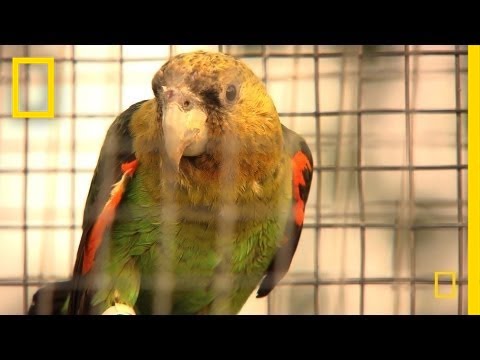
global population of Cape Air’s the Cape parrot is the most endangered
the Cape parrot is the most endangered
the Cape parrot is the most endangered parrot in Africa with less than 800 left
parrot in Africa with less than 800 left
parrot in Africa with less than 800 left there chose intelligently so thousands
there chose intelligently so thousands
there chose intelligently so thousands of years ago to specialize in this super
of years ago to specialize in this super
of years ago to specialize in this super abundant tree the yellow with 99% of the
abundant tree the yellow with 99% of the
abundant tree the yellow with 99% of the feeding was done on yellow wood fridge
feeding was done on yellow wood fridge
feeding was done on yellow wood fridge the perfect fat content perfect protein
the perfect fat content perfect protein
the perfect fat content perfect protein country perfect carbohydrate conquer the
country perfect carbohydrate conquer the
country perfect carbohydrate conquer the perfect parrot food just recently we
perfect parrot food just recently we
perfect parrot food just recently we managed to save for very sick pet
managed to save for very sick pet
managed to save for very sick pet parrots
parrots
parrots two three weeks of eating yellow wood
two three weeks of eating yellow wood
two three weeks of eating yellow wood fruits the virus had disappeared in
fruits the virus had disappeared in
fruits the virus had disappeared in three of them and after two months there
three of them and after two months there
three of them and after two months there was no virus in any of them basically
was no virus in any of them basically
was no virus in any of them basically from the moments we’ve discovered these
from the moments we’ve discovered these
from the moments we’ve discovered these trees we’ve had a romance with them and
trees we’ve had a romance with them and
trees we’ve had a romance with them and that romance ended up with us chopping
that romance ended up with us chopping
that romance ended up with us chopping down almost all of the large elements
right here we have the industrialization
right here we have the industrialization of our forests these used to be
of our forests these used to be
of our forests these used to be indigenous forests full of parrots and
indigenous forests full of parrots and
indigenous forests full of parrots and monkeys today their plantations much
monkeys today their plantations much
monkeys today their plantations much easier to manage much easier to harvest
easier to manage much easier to harvest
easier to manage much easier to harvest and get the wood we need for
and get the wood we need for
and get the wood we need for international markets these forests used
international markets these forests used
international markets these forests used to be filled with elephants the
to be filled with elephants the
to be filled with elephants the grassland between the forests and above
grassland between the forests and above
grassland between the forests and above them filled with massive herds of
them filled with massive herds of
them filled with massive herds of buffalo there a lion and leopard it’s a
buffalo there a lion and leopard it’s a
buffalo there a lion and leopard it’s a very wild place this is not a pristine
very wild place this is not a pristine
very wild place this is not a pristine forest this is not as for us that can
forest this is not as for us that can
forest this is not as for us that can support the indigenous species we want
support the indigenous species we want
support the indigenous species we want to recreate what evolved to be we’re
to recreate what evolved to be we’re
to recreate what evolved to be we’re going to the Okavango now to study the
going to the Okavango now to study the
going to the Okavango now to study the ecology of the mayor’s pad to find out
ecology of the mayor’s pad to find out
ecology of the mayor’s pad to find out how to save the Cape pair so we’re gonna
how to save the Cape pair so we’re gonna
how to save the Cape pair so we’re gonna have to go to the mayor’s pad in the
have to go to the mayor’s pad in the
have to go to the mayor’s pad in the Okavango in a world in this area that
Okavango in a world in this area that
Okavango in a world in this area that hasn’t been touched hasn’t been managed
hasn’t been touched hasn’t been managed
hasn’t been touched hasn’t been managed itself regulates an image of a place
itself regulates an image of a place
itself regulates an image of a place from thousands of years ago a place we
from thousands of years ago a place we
from thousands of years ago a place we haven’t impacted on yet but when you go
haven’t impacted on yet but when you go
haven’t impacted on yet but when you go to a place like the Okavango Delta you
to a place like the Okavango Delta you
to a place like the Okavango Delta you feel it all around you consumes you
it’s a place that I always say will make
it’s a place that I always say will make you believe in God or a God because
you believe in God or a God because
you believe in God or a God because that’s the image of perfection that’s
that’s the image of perfection that’s
that’s the image of perfection that’s millions of years of natural selection
millions of years of natural selection
millions of years of natural selection and evolution it’s perfection
just two weeks ago I was in the Okavango
just two weeks ago I was in the Okavango Delta that my research site they’re
Delta that my research site they’re
Delta that my research site they’re looking at the mayor’s parrot but when
looking at the mayor’s parrot but when
looking at the mayor’s parrot but when you come to this place it’s not a
you come to this place it’s not a
you come to this place it’s not a wilderness area anymore we’ve changed it
wilderness area anymore we’ve changed it
wilderness area anymore we’ve changed it too much
too much
too much we’ve asked too much of it and now we
we’ve asked too much of it and now we
we’ve asked too much of it and now we must give back in the Okavango Delta
must give back in the Okavango Delta
must give back in the Okavango Delta the birds are spoiled for choice for
the birds are spoiled for choice for
the birds are spoiled for choice for thousands upon thousands of natural
thousands upon thousands of natural
thousands upon thousands of natural cavities during their metolius on the
cavities during their metolius on the
cavities during their metolius on the other hand there aren’t any we topped
other hand there aren’t any we topped
other hand there aren’t any we topped all the large hardwoods at over the last
all the large hardwoods at over the last
all the large hardwoods at over the last hundred and fifty years so it’s our
hundred and fifty years so it’s our
hundred and fifty years so it’s our responsibility not to supply homes for
responsibility not to supply homes for
responsibility not to supply homes for cavity nesting birds like the care
cavity nesting birds like the care
cavity nesting birds like the care parrot and that’s exactly what we’re
parrot and that’s exactly what we’re
parrot and that’s exactly what we’re doing my absolute low point in the
doing my absolute low point in the
doing my absolute low point in the Shepherd project was the day the first
Shepherd project was the day the first
Shepherd project was the day the first day a sick care parrot was entered into
day a sick care parrot was entered into
day a sick care parrot was entered into us we quarantined them started feeding
us we quarantined them started feeding
us we quarantined them started feeding them on natural food items most
them on natural food items most
them on natural food items most especially the yellow wood instantly
especially the yellow wood instantly
especially the yellow wood instantly started seeing a reaction
started seeing a reaction
started seeing a reaction physiologically emotionally in those
physiologically emotionally in those
physiologically emotionally in those birds most four birds are still alive
birds most four birds are still alive
birds most four birds are still alive today
today
today and we’re being very excited actually do
and we’re being very excited actually do
and we’re being very excited actually do this release now I’m some reason very
this release now I’m some reason very
this release now I’m some reason very very slowly
very slowly
very slowly and the constant movements in the
and the constant movements in the
and the constant movements in the peppers
and finding the minute they were back
and finding the minute they were back really really bad condition in dem this
really really bad condition in dem this
really really bad condition in dem this morning we actually released them back
morning we actually released them back
morning we actually released them back into the wild
into the wild
into the wild there was an extremely emotional time
there was an extremely emotional time
there was an extremely emotional time for myself and the other people involved
for myself and the other people involved
for myself and the other people involved in rehabilitating them to see them go
in rehabilitating them to see them go
in rehabilitating them to see them go back dead birds flying it was a very
back dead birds flying it was a very
back dead birds flying it was a very very special thing
”
Be First to Comment