
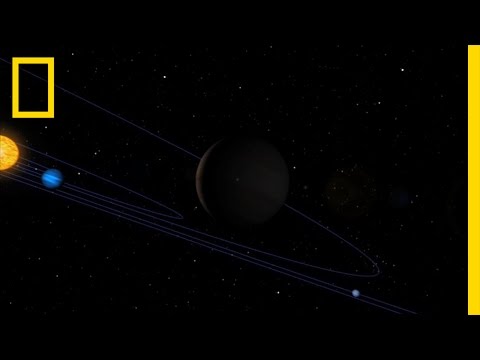
remember the story of Goldilocks and the three bears
three bears
three bears she found their habitat too hot or too
she found their habitat too hot or too
she found their habitat too hot or too hard and then just right well scientists
hard and then just right well scientists
hard and then just right well scientists look at outer space in the same way some
look at outer space in the same way some
look at outer space in the same way some planets are way too hot
planets are way too hot
planets are way too hot others are too cold but some are just
others are too cold but some are just
others are too cold but some are just right to support life as we know it
right to support life as we know it
right to support life as we know it how many inhabitable planets could
how many inhabitable planets could
how many inhabitable planets could really be out there we have here about a
really be out there we have here about a
really be out there we have here about a million grains of rice and we can
million grains of rice and we can
million grains of rice and we can imagine that each one of these grains of
imagine that each one of these grains of
imagine that each one of these grains of rice represents a star within the Milky
rice represents a star within the Milky
rice represents a star within the Milky Way galaxy of these millions of stars
Way galaxy of these millions of stars
Way galaxy of these millions of stars 20% have planets so here we have 200,000
20% have planets so here we have 200,000
20% have planets so here we have 200,000 grains of rice representing those stars
grains of rice representing those stars
grains of rice representing those stars with planets if 10% of those stars have
with planets if 10% of those stars have
with planets if 10% of those stars have small rocky planets like Earth that fly
small rocky planets like Earth that fly
small rocky planets like Earth that fly within the Goldilocks zone that leaves
within the Goldilocks zone that leaves
within the Goldilocks zone that leaves us with about 20,000 stars
us with about 20,000 stars
us with about 20,000 stars scientists estimate that 1% of those
scientists estimate that 1% of those
scientists estimate that 1% of those stars might actually have rocky planets
stars might actually have rocky planets
stars might actually have rocky planets like Earth leaving us with 200 grains of
like Earth leaving us with 200 grains of
like Earth leaving us with 200 grains of rice and now imagine that only 1% of
rice and now imagine that only 1% of
rice and now imagine that only 1% of them actually has life on them that
them actually has life on them that
them actually has life on them that leaves us with a mere two grains of rice
leaves us with a mere two grains of rice
leaves us with a mere two grains of rice representing the planets that actually
representing the planets that actually
representing the planets that actually harbor life but our Milky Way galaxy
harbor life but our Milky Way galaxy
harbor life but our Milky Way galaxy contains 100 billion stars not the
contains 100 billion stars not the
contains 100 billion stars not the million grains of rice we started with
million grains of rice we started with
million grains of rice we started with and scaling up tells us that our Milky
and scaling up tells us that our Milky
and scaling up tells us that our Milky Way galaxy actually contains 200,000
Way galaxy actually contains 200,000
Way galaxy actually contains 200,000 inhabited planets
inhabited planets
inhabited planets so like Goldilocks maybe we humans will
so like Goldilocks maybe we humans will
so like Goldilocks maybe we humans will someday find a new planet that feels
someday find a new planet that feels
someday find a new planet that feels just right and move right in the
just right and move right in the
just right and move right in the universe now you know
”
Be First to Comment