
scientists have found a lost world of odd species living in waters near
odd species living in waters near
odd species living in waters near Antarctica including swarms of a ghost
Antarctica including swarms of a ghost
Antarctica including swarms of a ghost light crab that seemed to move only
light crab that seemed to move only
light crab that seemed to move only sparingly the yet unnamed new species of
sparingly the yet unnamed new species of
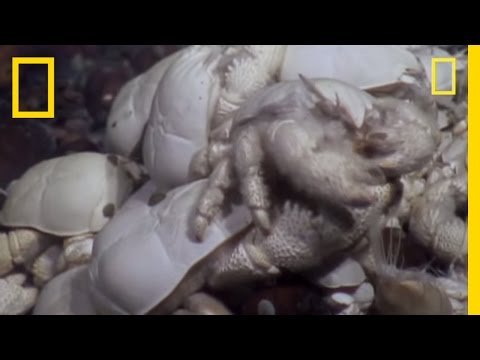
sparingly the yet unnamed new species of yeti crab has hairy undersides similar
yeti crab has hairy undersides similar
yeti crab has hairy undersides similar to their brethren in warmer waters the
to their brethren in warmer waters the
to their brethren in warmer waters the crabs are seen in the remotely obtained
crabs are seen in the remotely obtained
crabs are seen in the remotely obtained video crawling over each other near deep
video crawling over each other near deep
video crawling over each other near deep sea hydrothermal vents the mostly
sea hydrothermal vents the mostly
sea hydrothermal vents the mostly colorless marine animals live in utter
colorless marine animals live in utter
colorless marine animals live in utter darkness at depths of more than 78
darkness at depths of more than 78
darkness at depths of more than 78 hundred feet the find was made by a
hundred feet the find was made by a
hundred feet the find was made by a consortium of researchers who published
consortium of researchers who published
consortium of researchers who published their findings recently in the journal
their findings recently in the journal
their findings recently in the journal PLoS Biology the male Yeti crabs are
PLoS Biology the male Yeti crabs are
PLoS Biology the male Yeti crabs are larger than females and stay closest to
larger than females and stay closest to
larger than females and stay closest to the vents – apparently feed on
the vents – apparently feed on
the vents – apparently feed on communities of bacteria on their hair
communities of bacteria on their hair
communities of bacteria on their hair lined bellies the females with eggs move
lined bellies the females with eggs move
lined bellies the females with eggs move farther away into cooler water likely to
farther away into cooler water likely to
farther away into cooler water likely to protect embryos lining their bellies
protect embryos lining their bellies
protect embryos lining their bellies juveniles also are found in cooler water
juveniles also are found in cooler water
juveniles also are found in cooler water one researcher says the temperature of
one researcher says the temperature of
one researcher says the temperature of the water near the Antarctic vents is
the water near the Antarctic vents is
the water near the Antarctic vents is comparable to water found in the warm
comparable to water found in the warm
comparable to water found in the warm tropics other creatures near the vents
tropics other creatures near the vents
tropics other creatures near the vents include barnacles that protrude from
include barnacles that protrude from
include barnacles that protrude from rocks in a spire like fashion one spire
rocks in a spire like fashion one spire
rocks in a spire like fashion one spire covered Rock was nicknamed the carwash
covered Rock was nicknamed the carwash
covered Rock was nicknamed the carwash barnacle by researchers because it
barnacle by researchers because it
barnacle by researchers because it looked like the spinning cylinders found
looked like the spinning cylinders found
looked like the spinning cylinders found in a car wash they even spotted a
in a car wash they even spotted a
in a car wash they even spotted a colorless octopus one of the rarest
colorless octopus one of the rarest
colorless octopus one of the rarest finds on the team’s expedition it’s
finds on the team’s expedition it’s
finds on the team’s expedition it’s about two feet long and was filmed
about two feet long and was filmed
about two feet long and was filmed walking around on the sea floor
walking around on the sea floor
walking around on the sea floor black smoke or chimneys in the cold
black smoke or chimneys in the cold
black smoke or chimneys in the cold waters can spew mineral-rich water as
waters can spew mineral-rich water as
waters can spew mineral-rich water as hot as 720 degrees Fahrenheit which
hot as 720 degrees Fahrenheit which
hot as 720 degrees Fahrenheit which warms the surrounding water to livable
warms the surrounding water to livable
warms the surrounding water to livable conditions for the newly found species
conditions for the newly found species
conditions for the newly found species the minerals provide nourishment for the
the minerals provide nourishment for the
the minerals provide nourishment for the bacteria on which the larger animals
bacteria on which the larger animals
bacteria on which the larger animals feed the video was recorded in two
feed the video was recorded in two
feed the video was recorded in two segments of the East Scotia Ridge about
segments of the East Scotia Ridge about
segments of the East Scotia Ridge about two thousand miles east of the southern
two thousand miles east of the southern
two thousand miles east of the southern tip of South America
tip of South America
tip of South America it’s a place scientists have been
it’s a place scientists have been
it’s a place scientists have been anxious to reach for a long time but
anxious to reach for a long time but
anxious to reach for a long time but conditions and the limits of technology
conditions and the limits of technology
conditions and the limits of technology have prevented exploration until now
”
Be First to Comment