
the Antarctic Peninsula is one of the world’s most important places for
world’s most important places for
world’s most important places for telling the story of a changing climate
Palmer station the u.s. research base
Palmer station the u.s. research base has seen winter temperatures warm up by
has seen winter temperatures warm up by
has seen winter temperatures warm up by 11 degrees fahrenheit in the past 50
11 degrees fahrenheit in the past 50
11 degrees fahrenheit in the past 50 years and the average year-round
years and the average year-round
years and the average year-round temperature has warmed up five degrees
temperature has warmed up five degrees
temperature has warmed up five degrees Fahrenheit those are enormous rates of
Fahrenheit those are enormous rates of
Fahrenheit those are enormous rates of change that are on a par with the most
change that are on a par with the most
change that are on a par with the most severe warming seen anywhere in the
severe warming seen anywhere in the
severe warming seen anywhere in the northern hemisphere including the
northern hemisphere including the
northern hemisphere including the Southwest us and the Arctic Ocean basin
Southwest us and the Arctic Ocean basin
Southwest us and the Arctic Ocean basin our project the extreme ice survey has
our project the extreme ice survey has
our project the extreme ice survey has been looking at receding glaciers in the
been looking at receding glaciers in the
been looking at receding glaciers in the northern hemisphere for the last seven
northern hemisphere for the last seven
northern hemisphere for the last seven or eight years and thinking about how
or eight years and thinking about how
or eight years and thinking about how the receding glaciers are a
the receding glaciers are a
the receding glaciers are a manifestation of climate change I always
manifestation of climate change I always
manifestation of climate change I always wanted to come to the southern
wanted to come to the southern
wanted to come to the southern hemisphere and this was an amazing
hemisphere and this was an amazing
hemisphere and this was an amazing chance the Lindblad expeditions National
chance the Lindblad expeditions National
chance the Lindblad expeditions National Geographic Explorer is a fantastic ship
Geographic Explorer is a fantastic ship
Geographic Explorer is a fantastic ship for doing this kind of work it covers a
for doing this kind of work it covers a
for doing this kind of work it covers a lot of ground it gets us to faraway
lot of ground it gets us to faraway
lot of ground it gets us to faraway places that are otherwise very
places that are otherwise very
places that are otherwise very time-consuming and/or expensive or even
time-consuming and/or expensive or even
time-consuming and/or expensive or even impossible to get to what we’ve done is
impossible to get to what we’ve done is
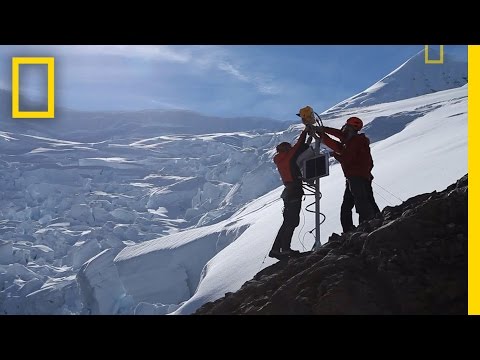
impossible to get to what we’ve done is we’ve taken 9 time-lapse cameras and we
we’ve taken 9 time-lapse cameras and we
we’ve taken 9 time-lapse cameras and we bolted them to bedrock alongside these
bolted them to bedrock alongside these
bolted them to bedrock alongside these glaciers the cameras shoot every hour of
glaciers the cameras shoot every hour of
glaciers the cameras shoot every hour of daylight and that will produce roughly
daylight and that will produce roughly
daylight and that will produce roughly 4,000 frames in a year on each one of
4,000 frames in a year on each one of
4,000 frames in a year on each one of these cameras I think of them as our
these cameras I think of them as our
these cameras I think of them as our little robot eyes they’re watching the
little robot eyes they’re watching the
little robot eyes they’re watching the world while we’re far away and they’re
world while we’re far away and they’re
world while we’re far away and they’re working for us recording what’s going on
working for us recording what’s going on
working for us recording what’s going on telling us the story of these changing
telling us the story of these changing
telling us the story of these changing environments and they’ll be out there
environments and they’ll be out there
environments and they’ll be out there through the winter through the spring
through the winter through the spring
through the winter through the spring and we’ll get back here in late spring
and we’ll get back here in late spring
and we’ll get back here in late spring hopefully about 9 or 10 months from now
hopefully about 9 or 10 months from now
hopefully about 9 or 10 months from now and we’ll see what the cameras recorded
and we’ll see what the cameras recorded
and we’ll see what the cameras recorded about the changes in these glacial
about the changes in these glacial
about the changes in these glacial landscapes this is a really important
landscapes this is a really important
landscapes this is a really important historical
historical
historical documents that records a landscape that
documents that records a landscape that
documents that records a landscape that is transitory that is changing and in
is transitory that is changing and in
is transitory that is changing and in its current form will probably disappear
its current form will probably disappear
its current form will probably disappear by the time my my 12 year old daughter
by the time my my 12 year old daughter
by the time my my 12 year old daughter and my 25 year old daughter reached my
and my 25 year old daughter reached my
and my 25 year old daughter reached my age you know that will be radically
age you know that will be radically
age you know that will be radically different than what we see right now
different than what we see right now
different than what we see right now today
”
Be First to Comment