
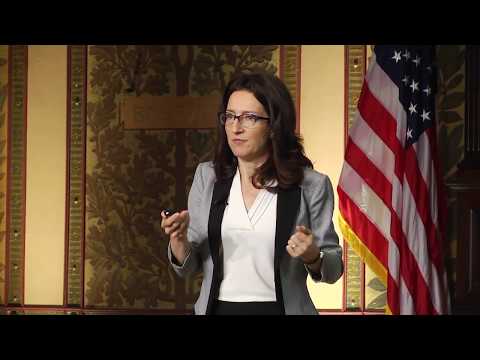
I’m Lise Howard I am a political scientist I’m a professor here at
scientist I’m a professor here at
scientist I’m a professor here at Georgetown and I am a student of
Georgetown and I am a student of
Georgetown and I am a student of peacekeeping today I want to talk about
peacekeeping today I want to talk about
peacekeeping today I want to talk about peacekeeping because I’ve been studying
peacekeeping because I’ve been studying
peacekeeping because I’ve been studying it for more than twenty years I want to
it for more than twenty years I want to
it for more than twenty years I want to talk about the origins of peacekeeping
talk about the origins of peacekeeping
talk about the origins of peacekeeping peacekeeping success and failure rates
peacekeeping success and failure rates
peacekeeping success and failure rates and peacekeeping operations I want to
and peacekeeping operations I want to
and peacekeeping operations I want to talk about how peacekeepers use power
talk about how peacekeepers use power
talk about how peacekeepers use power and distinguish peacekeeping from war
and distinguish peacekeeping from war
and distinguish peacekeeping from war fighting it’s important to get a handle
fighting it’s important to get a handle
fighting it’s important to get a handle on what’s going on in peacekeeping
on what’s going on in peacekeeping
on what’s going on in peacekeeping because peacekeepers are the most
because peacekeepers are the most
because peacekeepers are the most numerous type of troop in the world
numerous type of troop in the world
numerous type of troop in the world today in conflict zones there are nearly
today in conflict zones there are nearly
today in conflict zones there are nearly 100,000 peacekeepers deployed in 15
100,000 peacekeepers deployed in 15
100,000 peacekeepers deployed in 15 different conflicts across the world
peacekeepers save millions of lives and
peacekeepers save millions of lives and they’re the best method we’ve devised to
they’re the best method we’ve devised to
they’re the best method we’ve devised to help in those transitions from war to
help in those transitions from war to
help in those transitions from war to peace they’re the best way we’ve come up
peace they’re the best way we’ve come up
peace they’re the best way we’ve come up with to secure the peace especially
with to secure the peace especially
with to secure the peace especially after civil wars so I want to start
after civil wars so I want to start
after civil wars so I want to start today by talking about my favorite
today by talking about my favorite
today by talking about my favorite disrupter and the person who came up
disrupter and the person who came up
disrupter and the person who came up with this idea in the first place and
with this idea in the first place and
with this idea in the first place and that is dr. Ralph Bunche dr. bunch led
that is dr. Ralph Bunche dr. bunch led
that is dr. Ralph Bunche dr. bunch led an extraordinary life he he was active
an extraordinary life he he was active
an extraordinary life he he was active in the American civil rights movement he
in the American civil rights movement he
in the American civil rights movement he was active in the world movement to
was active in the world movement to
was active in the world movement to decolonize he helped to draft the
decolonize he helped to draft the
decolonize he helped to draft the Universal Declaration of Human Rights he
Universal Declaration of Human Rights he
Universal Declaration of Human Rights he worked alongside Eleanor Roosevelt and
worked alongside Eleanor Roosevelt and
worked alongside Eleanor Roosevelt and drafting this document that enshrines
drafting this document that enshrines
drafting this document that enshrines our basic moral principles that as human
our basic moral principles that as human
our basic moral principles that as human beings we all enjoy the right to elect
beings we all enjoy the right to elect
beings we all enjoy the right to elect our representatives the right to protest
our representatives the right to protest
our representatives the right to protest those representatives the right to life
those representatives the right to life
those representatives the right to life liberty security the right to freedom
liberty security the right to freedom
liberty security the right to freedom from what the right to freedom of
from what the right to freedom of
from what the right to freedom of religion these basic noble ideals that
religion these basic noble ideals that
religion these basic noble ideals that lie at the foundation of every just free
lie at the foundation of every just free
lie at the foundation of every just free and open society so after World War two
there a conflict broke out in the Middle
there a conflict broke out in the Middle East and the founding of Israel Israel
East and the founding of Israel Israel
East and the founding of Israel Israel was at war with its neighbors and they
was at war with its neighbors and they
was at war with its neighbors and they asked dr. bunch to mediate this conflict
asked dr. bunch to mediate this conflict
asked dr. bunch to mediate this conflict in the Middle East in the course of
in the Middle East in the course of
in the Middle East in the course of those mediations he came up with this
those mediations he came up with this
those mediations he came up with this crazy idea of using soldiers not to
crazy idea of using soldiers not to
crazy idea of using soldiers not to fight a war but to help secure the peace
fight a war but to help secure the peace
fight a war but to help secure the peace so in the course of mediating it became
so in the course of mediating it became
so in the course of mediating it became very clear that none of the warring
very clear that none of the warring
very clear that none of the warring parties was going to sign on to a peace
parties was going to sign on to a peace
parties was going to sign on to a peace deal unless there was some kind of third
deal unless there was some kind of third
deal unless there was some kind of third force third party that would help make
force third party that would help make
force third party that would help make sure that everybody was living up to
sure that everybody was living up to
sure that everybody was living up to what they’d signed up to in the peace
what they’d signed up to in the peace
what they’d signed up to in the peace deal and so in the course of these
deal and so in the course of these
deal and so in the course of these negotiations they realized that this
negotiations they realized that this
negotiations they realized that this force would have to be impartial so that
force would have to be impartial so that
force would have to be impartial so that everybody would agree that they could
everybody would agree that they could
everybody would agree that they could deploy and monitor the ceasefire lines
deploy and monitor the ceasefire lines
deploy and monitor the ceasefire lines that the force would deploy with the
that the force would deploy with the
that the force would deploy with the consent of all the warring factions and
consent of all the warring factions and
consent of all the warring factions and also that these troops would promise to
also that these troops would promise to
also that these troops would promise to use force only in self-defense that they
use force only in self-defense that they
use force only in self-defense that they would not use force now for this peace
would not use force now for this peace
would not use force now for this peace deal
deal
deal dr. bunch won the Nobel Peace Prize in
dr. bunch won the Nobel Peace Prize in
dr. bunch won the Nobel Peace Prize in 1950 and these three principles that
1950 and these three principles that
1950 and these three principles that came out of this event impartiality
came out of this event impartiality
came out of this event impartiality consent in the non use of force
consent in the non use of force
consent in the non use of force those remain the founding principles of
those remain the founding principles of
those remain the founding principles of peacekeeping today nearly 70 years later
peacekeeping today nearly 70 years later
peacekeeping today nearly 70 years later now as a social scientist I like to
now as a social scientist I like to
now as a social scientist I like to think about measuring things that’s what
think about measuring things that’s what
think about measuring things that’s what we do we try to think about success and
we do we try to think about success and
we do we try to think about success and failure and how to measure success and
failure and how to measure success and
failure and how to measure success and failure some of my colleagues have come
failure some of my colleagues have come
failure some of my colleagues have come up with measurements for how to evaluate
up with measurements for how to evaluate
up with measurements for how to evaluate peacekeepers well they’re deployed in
peacekeepers well they’re deployed in
peacekeepers well they’re deployed in the field
the field
the field and they’ve demonstrated that when
and they’ve demonstrated that when
and they’ve demonstrated that when peacekeepers are present in the midst of
peacekeepers are present in the midst of
peacekeepers are present in the midst of conflict they correlate with a lot of
conflict they correlate with a lot of
conflict they correlate with a lot of things you would like to see they
things you would like to see they
things you would like to see they correlate with fewer civilian casualties
correlate with fewer civilian casualties
correlate with fewer civilian casualties with fewer battle deaths of military
with fewer battle deaths of military
with fewer battle deaths of military deaths they somehow they correlate with
deaths they somehow they correlate with
deaths they somehow they correlate with a geographic contraction of the conflict
a geographic contraction of the conflict
a geographic contraction of the conflict in my own work I’m measuring
in my own work I’m measuring
in my own work I’m measuring peacekeeping differently I’m looking at
peacekeeping differently I’m looking at
peacekeeping differently I’m looking at the big multi-dimensional missions in
the big multi-dimensional missions in
the big multi-dimensional missions in civil wars these are these big missions
civil wars these are these big missions
civil wars these are these big missions that try to help in the transition from
that try to help in the transition from
that try to help in the transition from war to peace they help in reconstituting
war to peace they help in reconstituting
war to peace they help in reconstituting the political social economic and legal
the political social economic and legal
the political social economic and legal institutions of the state to make sure
institutions of the state to make sure
institutions of the state to make sure that the state moves away from violence
that the state moves away from violence
that the state moves away from violence toward peace now since the end of the
toward peace now since the end of the
toward peace now since the end of the Cold War the UN has completed 15 of
Cold War the UN has completed 15 of
Cold War the UN has completed 15 of these big multi-dimensional missions and
these big multi-dimensional missions and
these big multi-dimensional missions and of those 15 the US the UN has
of those 15 the US the UN has
of those 15 the US the UN has successfully completed its mandate in
successfully completed its mandate in
successfully completed its mandate in ten places and all of these countries
ten places and all of these countries
ten places and all of these countries it’s not to say that every one of these
it’s not to say that every one of these
it’s not to say that every one of these countries is a model democracy today but
countries is a model democracy today but
countries is a model democracy today but I will say that even after the
I will say that even after the
I will say that even after the peacekeepers left not one has returned
peacekeepers left not one has returned
peacekeepers left not one has returned to full-scale civil war in the way that
to full-scale civil war in the way that
to full-scale civil war in the way that the that the place was experiencing war
the that the place was experiencing war
the that the place was experiencing war before the peacekeepers arrived so just
before the peacekeepers arrived so just
before the peacekeepers arrived so just to give a sense of where all these
to give a sense of where all these
to give a sense of where all these countries are we have El Salvador and
countries are we have El Salvador and
countries are we have El Salvador and Guatemala
Guatemala
Guatemala in Central America Namibia Mozambique
in Central America Namibia Mozambique
in Central America Namibia Mozambique Burundi sierra leone cote d’ivoire in
Burundi sierra leone cote d’ivoire in
Burundi sierra leone cote d’ivoire in africa Croatia in the eastern slavonia
africa Croatia in the eastern slavonia
africa Croatia in the eastern slavonia and region of Croatia in Europe Cambodia
and region of Croatia in Europe Cambodia
and region of Croatia in Europe Cambodia and East Timor
and East Timor
and East Timor so these missions have successfully
so these missions have successfully
so these missions have successfully implemented their mandates in many
implemented their mandates in many
implemented their mandates in many regions of the world and I just want to
regions of the world and I just want to
regions of the world and I just want to point out that of these ten we had Co
point out that of these ten we had Co
point out that of these ten we had Co deployed in for missions actual military
deployed in for missions actual military
deployed in for missions actual military forces we had NATO Co deployed alongside
forces we had NATO Co deployed alongside
forces we had NATO Co deployed alongside the UN peacekeepers in eastern civil
the UN peacekeepers in eastern civil
the UN peacekeepers in eastern civil an australian led Coalition of the
an australian led Coalition of the
an australian led Coalition of the Willing in Timor Leste British special
Willing in Timor Leste British special
Willing in Timor Leste British special forces in Sierra Leone and in Kosovo we
forces in Sierra Leone and in Kosovo we
forces in Sierra Leone and in Kosovo we had French troops alongside the
had French troops alongside the
had French troops alongside the peacekeepers and this division of labour
peacekeepers and this division of labour
peacekeepers and this division of labour worked in those cases now alongside all
worked in those cases now alongside all
worked in those cases now alongside all of these cases of success we have the
of these cases of success we have the
of these cases of success we have the four devastating failures and if you
four devastating failures and if you
four devastating failures and if you know anything about peacekeeping you’ve
know anything about peacekeeping you’ve
know anything about peacekeeping you’ve probably heard about these starting at
probably heard about these starting at
probably heard about these starting at Somalia Angola didn’t get as much press
Somalia Angola didn’t get as much press
Somalia Angola didn’t get as much press even though it should have Rwanda and
even though it should have Rwanda and
even though it should have Rwanda and and the genocide in Bosnia during these
and the genocide in Bosnia during these
and the genocide in Bosnia during these terrible tragedies peacekeepers watched
terrible tragedies peacekeepers watched
terrible tragedies peacekeepers watched while the slaughter occurred and no
while the slaughter occurred and no
while the slaughter occurred and no other militaries intervened to halt the
other militaries intervened to halt the
other militaries intervened to halt the conflict we recent from this time people
conflict we recent from this time people
conflict we recent from this time people started saying maybe peacekeepers should
started saying maybe peacekeepers should
started saying maybe peacekeepers should get a little tougher maybe they should
get a little tougher maybe they should
get a little tougher maybe they should become more robust maybe we should give
become more robust maybe we should give
become more robust maybe we should give peacekeepers the mandate to use force
peacekeepers the mandate to use force
peacekeepers the mandate to use force and as I’m I’ve demonstrated in a
and as I’m I’ve demonstrated in a
and as I’m I’ve demonstrated in a forthcoming article with my co-author
forthcoming article with my co-author
forthcoming article with my co-author Angela Dayal we have shown that all
Angela Dayal we have shown that all
Angela Dayal we have shown that all peacekeeping mandates the complex
peacekeeping mandates the complex
peacekeeping mandates the complex mandates now have the mandate to use
mandates now have the mandate to use
mandates now have the mandate to use force and peacekeeping is not going very
force and peacekeeping is not going very
force and peacekeeping is not going very well in many places we have our most
well in many places we have our most
well in many places we have our most recent our 15th mission that recently
recent our 15th mission that recently
recent our 15th mission that recently concluded in Haiti and I don’t know
concluded in Haiti and I don’t know
concluded in Haiti and I don’t know which column that one’s going to fall
which column that one’s going to fall
which column that one’s going to fall into but I do know that peacekeepers
into but I do know that peacekeepers
into but I do know that peacekeepers brought cholera to Haiti and that in
brought cholera to Haiti and that in
brought cholera to Haiti and that in Haiti and elsewhere peacekeepers have
Haiti and elsewhere peacekeepers have
Haiti and elsewhere peacekeepers have committed sexual exploitation and abuse
committed sexual exploitation and abuse
committed sexual exploitation and abuse and sometimes in the course of
and sometimes in the course of
and sometimes in the course of fulfilling these robust mandates they
fulfilling these robust mandates they
fulfilling these robust mandates they have killed some of the very people they
have killed some of the very people they
have killed some of the very people they they were sent to protect
peacekeepers make wrong choices because
peacekeepers make wrong choices because they are human but because they are
they are human but because they are
they are human but because they are peacekeepers they have to be held to a
peacekeepers they have to be held to a
peacekeepers they have to be held to a very high standard of accountability and
very high standard of accountability and
very high standard of accountability and we don’t have the standards and
we don’t have the standards and
we don’t have the standards and accountability measures that we need
when peacekeepers don’t practice what
when peacekeepers don’t practice what they preach
they preach
they preach they undermine their primary source of
they undermine their primary source of
they undermine their primary source of power which is the power of persuasion
power which is the power of persuasion
power which is the power of persuasion so I’m suggesting now that peacekeepers
so I’m suggesting now that peacekeepers
so I’m suggesting now that peacekeepers use persuasion to accomplish their goals
use persuasion to accomplish their goals
use persuasion to accomplish their goals as a political scientist we like to talk
as a political scientist we like to talk
as a political scientist we like to talk about power power is the ability to get
about power power is the ability to get
about power power is the ability to get somebody to do something they otherwise
somebody to do something they otherwise
somebody to do something they otherwise wouldn’t do and I think of power as
wouldn’t do and I think of power as
wouldn’t do and I think of power as being operative in three basic ways we
being operative in three basic ways we
being operative in three basic ways we have persuasion I use my words this is
have persuasion I use my words this is
have persuasion I use my words this is what ted ted ted talks are about right i
what ted ted ted talks are about right i
what ted ted ted talks are about right i use my words to persuade you
use my words to persuade you
use my words to persuade you it is not material in nature we have two
it is not material in nature we have two
it is not material in nature we have two other basic forms of power inducement
other basic forms of power inducement
other basic forms of power inducement and coercion
and coercion
and coercion those are both material it’s about
those are both material it’s about
those are both material it’s about carrots and sticks inducement is about
carrots and sticks inducement is about
carrots and sticks inducement is about giving carrots and taking them away and
giving carrots and taking them away and
giving carrots and taking them away and forming institutions to shape behavior
forming institutions to shape behavior
forming institutions to shape behavior coercion is about the stick I see these
coercion is about the stick I see these
coercion is about the stick I see these three forms of power operating in a lot
three forms of power operating in a lot
three forms of power operating in a lot of different places in a lot of
of different places in a lot of
of different places in a lot of different ways as a parent I can say
different ways as a parent I can say
different ways as a parent I can say that I’ve tried them out on occasion
that I’ve tried them out on occasion
that I’ve tried them out on occasion just kidding about the last one
peacekeepers when they’re most effective
peacekeepers when they’re most effective exercise persuasion they have these big
exercise persuasion they have these big
exercise persuasion they have these big information and education campaigns
information and education campaigns
information and education campaigns where they could try to convey the basic
where they could try to convey the basic
where they could try to convey the basic messages in the Universal Declaration of
messages in the Universal Declaration of
messages in the Universal Declaration of Human Rights they mediate disputes
Human Rights they mediate disputes
Human Rights they mediate disputes before they escalate into violence they
before they escalate into violence they
before they escalate into violence they use their powers of persuasion to keep
use their powers of persuasion to keep
use their powers of persuasion to keep the peace
the peace
the peace they also induce by providing things
they also induce by providing things
they also induce by providing things that people need when they’re recovering
that people need when they’re recovering
that people need when they’re recovering from a civil war veterinary assistants
from a civil war veterinary assistants
from a civil war veterinary assistants health assistants
health assistants
health assistants mental assistance and they try to
mental assistance and they try to
mental assistance and they try to reconstruct those basic institutions of
reconstruct those basic institutions of
reconstruct those basic institutions of the state they don’t do it themselves
the state they don’t do it themselves
the state they don’t do it themselves they help people figure out how to
they help people figure out how to
they help people figure out how to construct institutions and then there’s
construct institutions and then there’s
construct institutions and then there’s coercion peacekeepers sort of use
coercion peacekeepers sort of use
coercion peacekeepers sort of use coercion and they sort of don’t and it’s
coercion and they sort of don’t and it’s
coercion and they sort of don’t and it’s a little hard to get a handle on exactly
a little hard to get a handle on exactly
a little hard to get a handle on exactly what they’re doing so I’m relying now on
what they’re doing so I’m relying now on
what they’re doing so I’m relying now on my colleague Robert arts typology of
my colleague Robert arts typology of
my colleague Robert arts typology of military power he and other military
military power he and other military
military power he and other military theorists have argued that there are
theorists have argued that there are
theorists have argued that there are four basic types of military power
four basic types of military power
four basic types of military power we have Compellent which is about the
we have Compellent which is about the
we have Compellent which is about the kinetic use of force think what we’re
kinetic use of force think what we’re
kinetic use of force think what we’re doing now to defeat Isis there’s defense
doing now to defeat Isis there’s defense
doing now to defeat Isis there’s defense I defend against someone’s attack
I defend against someone’s attack
I defend against someone’s attack there’s deterrence when you try to
there’s deterrence when you try to
there’s deterrence when you try to prevent an outbreak of violence from the
prevent an outbreak of violence from the
prevent an outbreak of violence from the very beginning that requires a second
very beginning that requires a second
very beginning that requires a second strike capacity and then there’s swagger
strike capacity and then there’s swagger
strike capacity and then there’s swagger and swagger is a little hard to
and swagger is a little hard to
and swagger is a little hard to understand swagger is a little more
understand swagger is a little more
understand swagger is a little more about persuasion so I’m gonna use some
about persuasion so I’m gonna use some
about persuasion so I’m gonna use some pictures now from my field research in
pictures now from my field research in
pictures now from my field research in the Central African Republic to
the Central African Republic to
the Central African Republic to illustrate what I’m talking about now in
illustrate what I’m talking about now in
illustrate what I’m talking about now in the Central African Republic
the Central African Republic
the Central African Republic peacekeepers word Co deployed alongside
peacekeepers word Co deployed alongside
peacekeepers word Co deployed alongside a French military operation and that
a French military operation and that
a French military operation and that French force the stabilization force
French force the stabilization force
French force the stabilization force exercised compel ‘its to achieve it
exercised compel ‘its to achieve it
exercised compel ‘its to achieve it their goals they deployed in 2013 and
their goals they deployed in 2013 and
their goals they deployed in 2013 and indeed they stabilized the Central
indeed they stabilized the Central
indeed they stabilized the Central African Republic to restore order
African Republic to restore order
African Republic to restore order drawing mainly on the power of
drawing mainly on the power of
drawing mainly on the power of Compellent
Compellent
Compellent now in contrast peacekeepers have been
now in contrast peacekeepers have been
now in contrast peacekeepers have been using other forms of military power
using other forms of military power
using other forms of military power peacekeepers in this case they look very
peacekeepers in this case they look very
peacekeepers in this case they look very different it actually in all cases they
different it actually in all cases they
different it actually in all cases they look very different from war fighting
look very different from war fighting
look very different from war fighting troops peacekeepers patrol in white
troops peacekeepers patrol in white
troops peacekeepers patrol in white vehicles they wear blue hats and blue
vehicles they wear blue hats and blue
vehicles they wear blue hats and blue helmets to signal that there
helmets to signal that there
helmets to signal that there there to hide or to fight in this
there to hide or to fight in this
there to hide or to fight in this instance they’re dependent they’re
instance they’re dependent they’re
instance they’re dependent they’re defending the parliamentary building and
defending the parliamentary building and
defending the parliamentary building and they’re probably exercising some measure
they’re probably exercising some measure
they’re probably exercising some measure of deterrence here again is an example
of deterrence here again is an example
of deterrence here again is an example of peacekeepers both exercising defense
of peacekeepers both exercising defense
of peacekeepers both exercising defense and a little bit of deterrence and then
and a little bit of deterrence and then
and a little bit of deterrence and then there’s swagger swagger is about making
there’s swagger swagger is about making
there’s swagger swagger is about making yourself feel strong it’s about looking
yourself feel strong it’s about looking
yourself feel strong it’s about looking strong here we have this is and in the
strong here we have this is and in the
strong here we have this is and in the countryside in the Central African
countryside in the Central African
countryside in the Central African Republic we see mangoes on the ground
Republic we see mangoes on the ground
Republic we see mangoes on the ground because none of the factories are
because none of the factories are
because none of the factories are working and the farms aren’t working to
working and the farms aren’t working to
working and the farms aren’t working to harvest and process the mangoes we have
harvest and process the mangoes we have
harvest and process the mangoes we have peacekeepers patrolling in a white
peacekeepers patrolling in a white
peacekeepers patrolling in a white vehicle which signals their humanitarian
vehicle which signals their humanitarian
vehicle which signals their humanitarian mission with an anti-aircraft gun bolted
mission with an anti-aircraft gun bolted
mission with an anti-aircraft gun bolted to the back of the pickup truck and the
to the back of the pickup truck and the
to the back of the pickup truck and the guys were saying that if they tried to
guys were saying that if they tried to
guys were saying that if they tried to fire so this isn’t a this isn’t a
fire so this isn’t a this isn’t a
fire so this isn’t a this isn’t a conflict where no one is fighting in the
conflict where no one is fighting in the
conflict where no one is fighting in the air there aren’t any planes in the air
air there aren’t any planes in the air
air there aren’t any planes in the air nobody has that kind of capacity
nobody has that kind of capacity
nobody has that kind of capacity nevertheless they’re patrolling with an
nevertheless they’re patrolling with an
nevertheless they’re patrolling with an anti-aircraft gun the guys were saying
anti-aircraft gun the guys were saying
anti-aircraft gun the guys were saying that if they tried to fire that gun
that if they tried to fire that gun
that if they tried to fire that gun horizontally it might knock over the
horizontally it might knock over the
horizontally it might knock over the truck so what are they doing what is
truck so what are they doing what is
truck so what are they doing what is this this in my mind is an instance of
this this in my mind is an instance of
this this in my mind is an instance of swagger they’re trying to feel and look
swagger they’re trying to feel and look
swagger they’re trying to feel and look tough and indeed we do that in a variety
tough and indeed we do that in a variety
tough and indeed we do that in a variety of settings but most of what
of settings but most of what
of settings but most of what peacekeepers are doing is engaging in
peacekeepers are doing is engaging in
peacekeepers are doing is engaging in persuasion they’re practicing persuasion
persuasion they’re practicing persuasion
persuasion they’re practicing persuasion they’re there patrolling on foot they’re
they’re there patrolling on foot they’re
they’re there patrolling on foot they’re mediating disputes they sit at
mediating disputes they sit at
mediating disputes they sit at contentious intersections between rival
contentious intersections between rival
contentious intersections between rival groups but they’re often more like gangs
groups but they’re often more like gangs
groups but they’re often more like gangs than really than full-scale rebel forces
than really than full-scale rebel forces
than really than full-scale rebel forces they do their best to protect civilians
they do their best to protect civilians
they do their best to protect civilians they mediate disputes before they move
they mediate disputes before they move
they mediate disputes before they move into violent conflict peacekeeping is
into violent conflict peacekeeping is
into violent conflict peacekeeping is not
not
not fighting militaries have proven
fighting militaries have proven
fighting militaries have proven effective at using the power of
effective at using the power of
effective at using the power of Compellent peacekeepers have proven
Compellent peacekeepers have proven
Compellent peacekeepers have proven effective at using other forms of power
effective at using other forms of power
effective at using other forms of power short of military Compellent
short of military Compellent
short of military Compellent peacekeeping is most effective when it
peacekeeping is most effective when it
peacekeeping is most effective when it holds tight to those ideas of
holds tight to those ideas of
holds tight to those ideas of impartiality consent and the non use of
impartiality consent and the non use of
impartiality consent and the non use of force
force
force except in self-defense when peacekeepers
except in self-defense when peacekeepers
except in self-defense when peacekeepers hold tight to those noble ideals
hold tight to those noble ideals
hold tight to those noble ideals enshrined in the Universal Declaration
enshrined in the Universal Declaration
enshrined in the Universal Declaration of Human Rights they have and may
of Human Rights they have and may
of Human Rights they have and may continue to accomplish their goals
continue to accomplish their goals
continue to accomplish their goals because as Ralph Bunche argued hearts
because as Ralph Bunche argued hearts
because as Ralph Bunche argued hearts are strongest when they beat in response
are strongest when they beat in response
are strongest when they beat in response to noble ideals
to noble ideals
to noble ideals thank you
thank you
thank you [Applause]
”
Be First to Comment