
when we grow crops to make renewable fuels like corn based ethanol we might
fuels like corn based ethanol we might
fuels like corn based ethanol we might be diverting resources away from our own
be diverting resources away from our own
be diverting resources away from our own food supply in 2011 almost all biofuels
food supply in 2011 almost all biofuels
food supply in 2011 almost all biofuels produced and consumed worldwide were
produced and consumed worldwide were
produced and consumed worldwide were made from food crops manufacturers
made from food crops manufacturers
made from food crops manufacturers ferment starches from corn and sugars
ferment starches from corn and sugars
ferment starches from corn and sugars from beets and sugarcane to create
from beets and sugarcane to create
from beets and sugarcane to create ethanol and fermented oils from soybeans
ethanol and fermented oils from soybeans
ethanol and fermented oils from soybeans and palm fruits become biodiesel in the
and palm fruits become biodiesel in the
and palm fruits become biodiesel in the past decade worldwide biofuel production
past decade worldwide biofuel production
past decade worldwide biofuel production has increased fivefold most of that
has increased fivefold most of that
has increased fivefold most of that biofuel was ethanol most of that ethanol
biofuel was ethanol most of that ethanol
biofuel was ethanol most of that ethanol was produced in the US and most of that
was produced in the US and most of that
was produced in the US and most of that was derived from corn all this growth
was derived from corn all this growth
was derived from corn all this growth has diverted a large percentage of the
has diverted a large percentage of the
has diverted a large percentage of the world’s corn away from other uses
world’s corn away from other uses
world’s corn away from other uses putting an even greater strain on the
putting an even greater strain on the
putting an even greater strain on the global food supply and making countries
global food supply and making countries
global food supply and making countries that rely heavily on imports more
that rely heavily on imports more
that rely heavily on imports more vulnerable
vulnerable
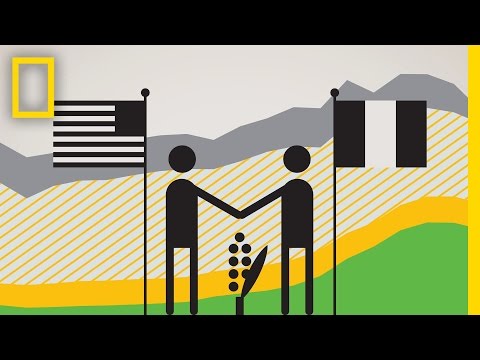
vulnerable let’s take Mexico for example when NAFTA
let’s take Mexico for example when NAFTA
let’s take Mexico for example when NAFTA eased restrictions on trade in 1994
eased restrictions on trade in 1994
eased restrictions on trade in 1994 Mexico went from importing 8% of its
Mexico went from importing 8% of its
Mexico went from importing 8% of its corn from the u.s. to importing more
corn from the u.s. to importing more
corn from the u.s. to importing more than a third of it in 2012 any change in
than a third of it in 2012 any change in
than a third of it in 2012 any change in the price of corn in the u.s. now
the price of corn in the u.s. now
the price of corn in the u.s. now impacts Mexico directly this is
impacts Mexico directly this is
impacts Mexico directly this is especially true of a staple food for
especially true of a staple food for
especially true of a staple food for millions of Americans tortillas since
millions of Americans tortillas since
millions of Americans tortillas since the cost of corn accounts for roughly 60
the cost of corn accounts for roughly 60
the cost of corn accounts for roughly 60 percent of their final price tag in 2007
percent of their final price tag in 2007
percent of their final price tag in 2007 when the price of tortillas rose to
when the price of tortillas rose to
when the price of tortillas rose to levels that made this everyday food
levels that made this everyday food
levels that made this everyday food unaffordable for many riots broke out
unaffordable for many riots broke out
unaffordable for many riots broke out forcing the Mexican government to
forcing the Mexican government to
forcing the Mexican government to intervene and control prices situations
intervene and control prices situations
intervene and control prices situations like these may be on the rise today only
like these may be on the rise today only
like these may be on the rise today only 4% of the world’s vehicles run on
4% of the world’s vehicles run on
4% of the world’s vehicles run on biofuel but the European Union Brazil
biofuel but the European Union Brazil
biofuel but the European Union Brazil and US government’s are pushing to
and US government’s are pushing to
and US government’s are pushing to increase production so as we race to
increase production so as we race to
increase production so as we race to meet the demand for renewable energy
meet the demand for renewable energy
meet the demand for renewable energy sources the food vs. fuel debate will
sources the food vs. fuel debate will
sources the food vs. fuel debate will only become more critical
”
Be First to Comment